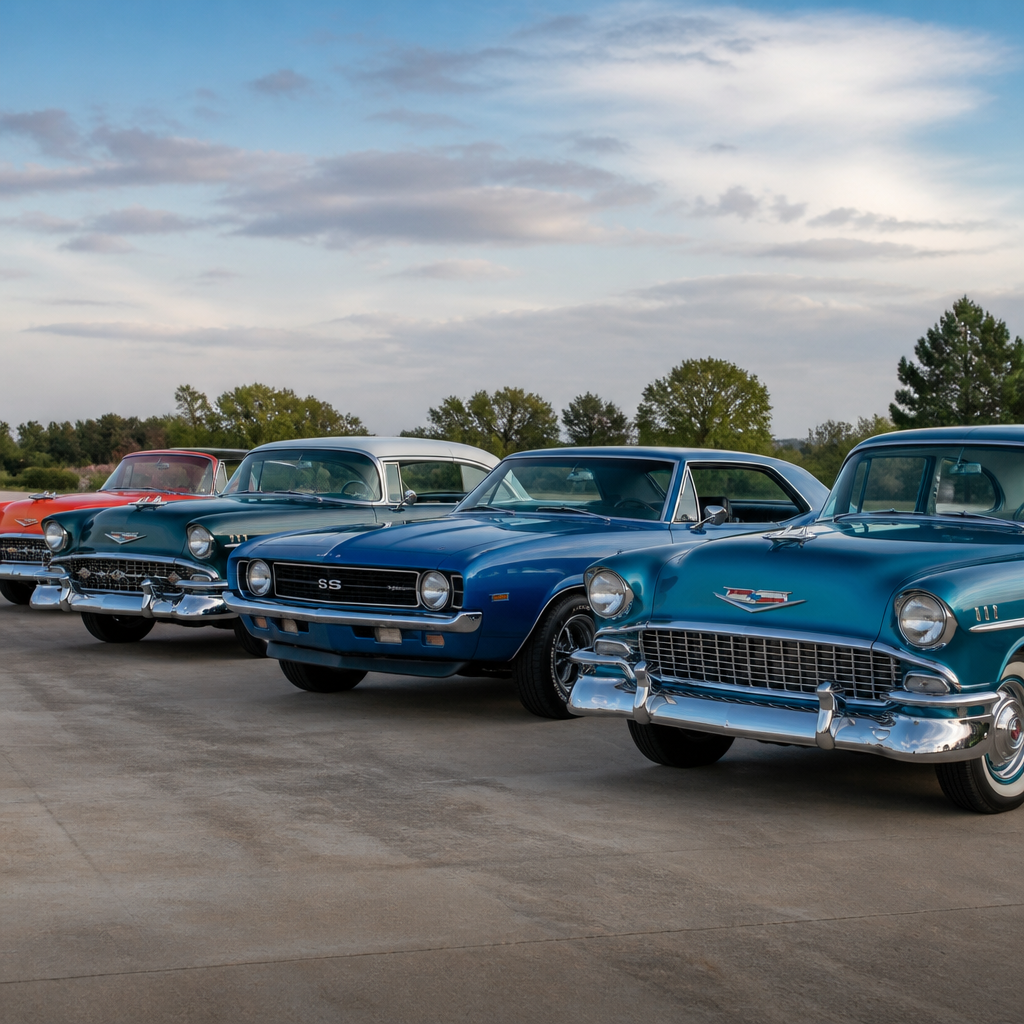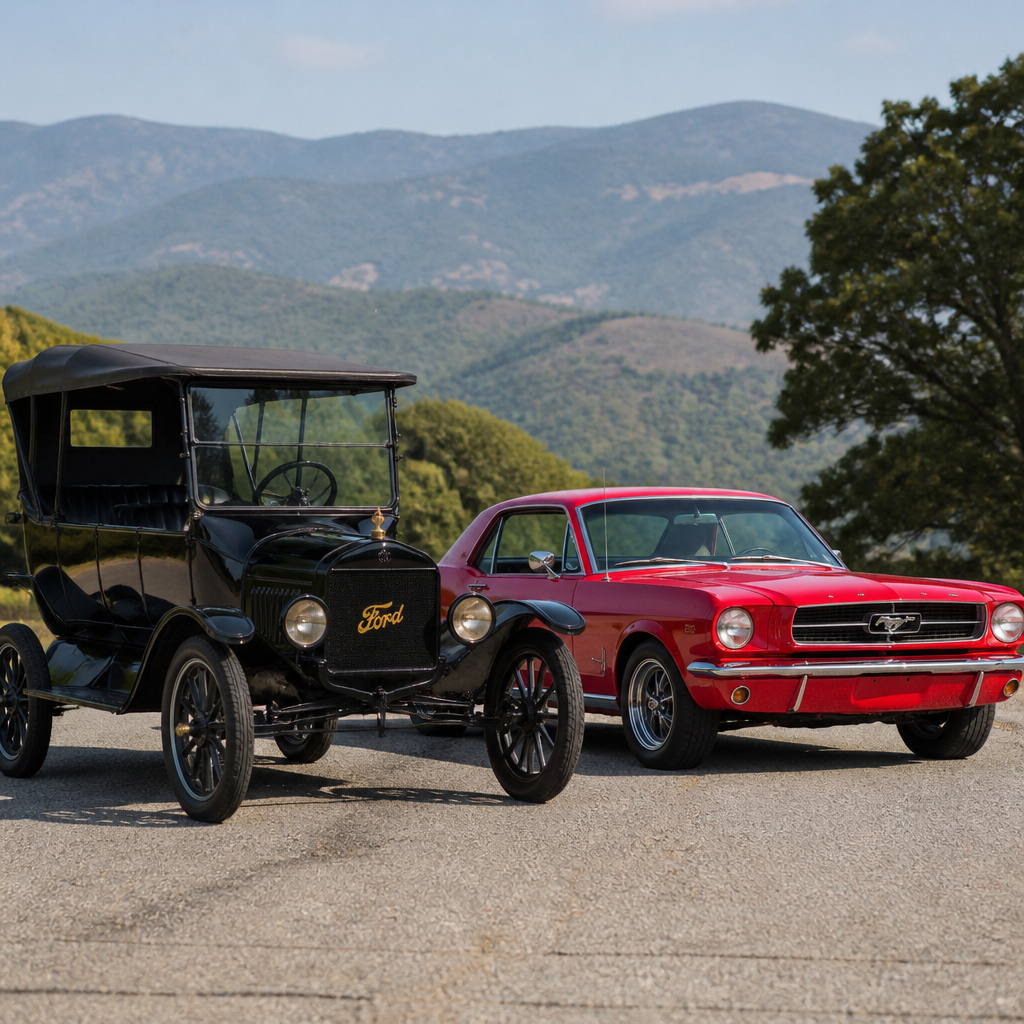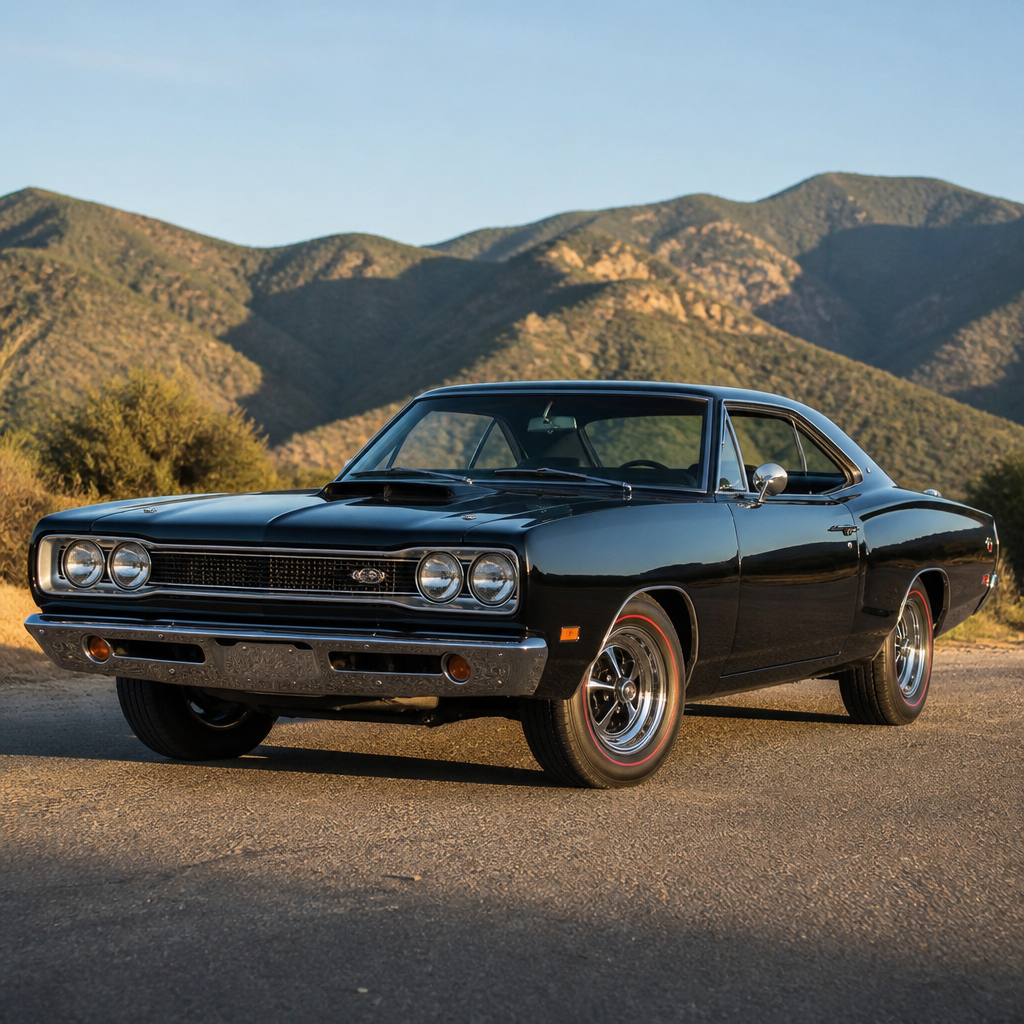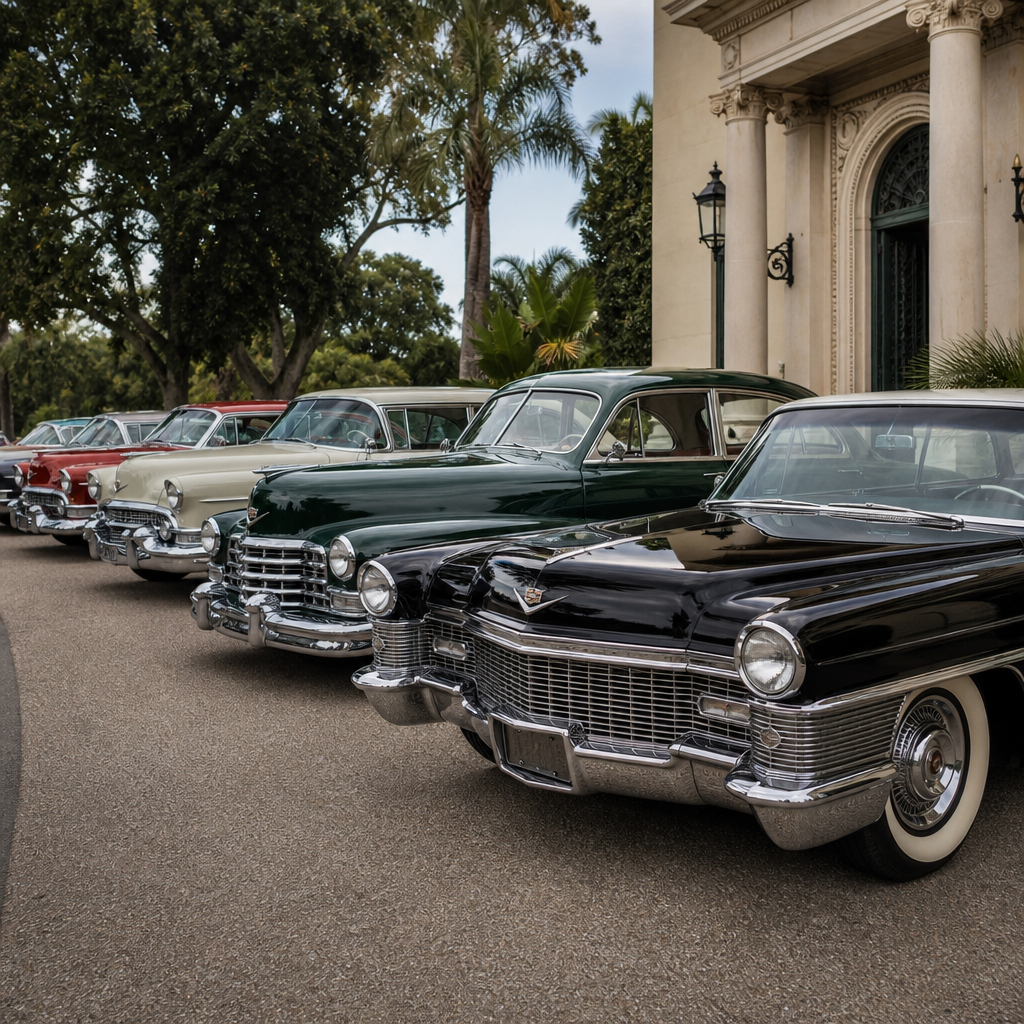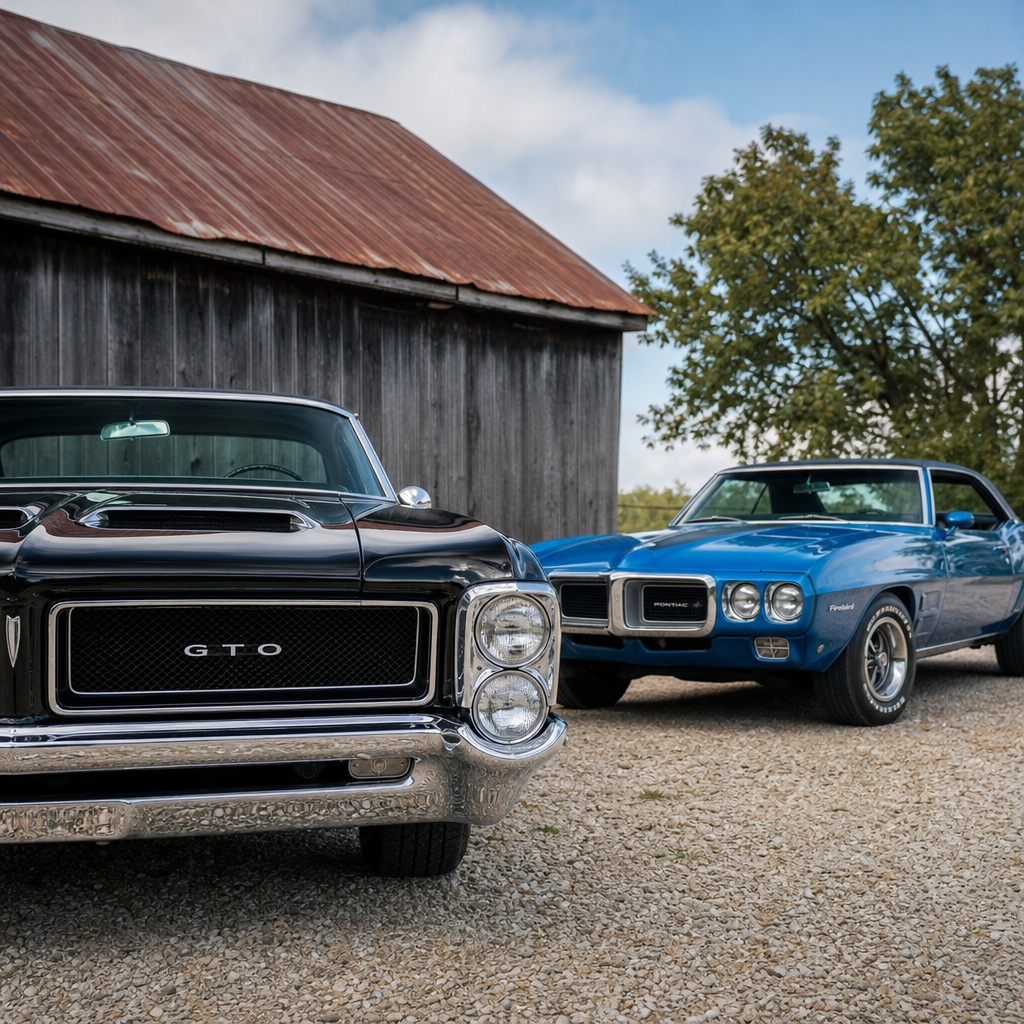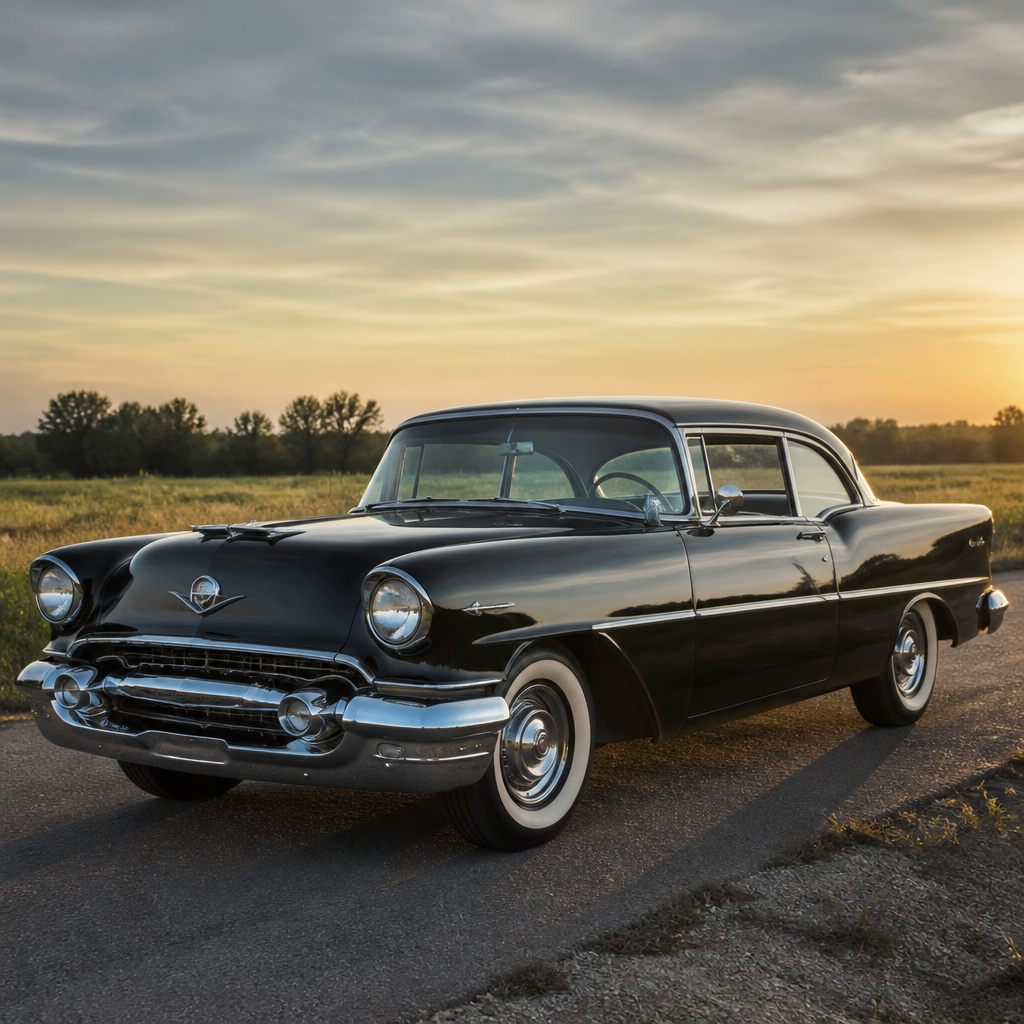
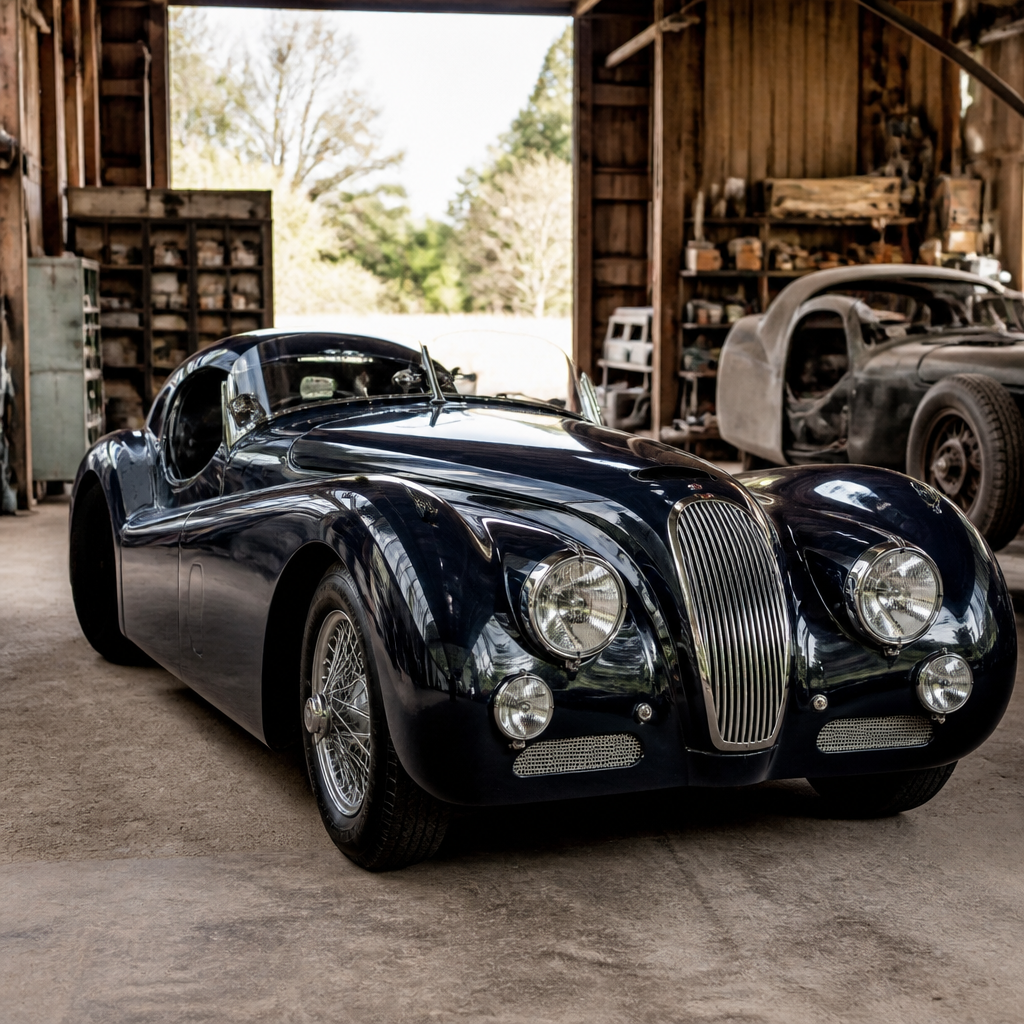
The story behind the world’s rarest classic cars is really a story about ambition, engineering risk, vanished factories, and the small production decisions that turned certain machines into legends. In the classic car world, rarity does not simply mean old or expensive. A rare classic car is usually one with extremely limited production, unusual historical significance, a distinctive technical specification, or a survival rate far below its original build numbers. Some were handmade for homologation. Some were concept cars that escaped the crusher. Others became rare because war, bankruptcy, rule changes, or poor sales erased them from the market before buyers understood what they were.
I have spent years around auctions, marque registries, restoration shops, and concours fields, and the same pattern appears again and again: the cars that become truly scarce usually had complicated births. They were too advanced, too expensive, too specialized, or simply mistimed. That is why this subject matters within the broader classic car models and brands landscape. Rare cars act as reference points for entire manufacturers. They show where Ferrari tested new body forms, where Porsche experimented with lightweight engineering, where Jaguar chased racing dominance, and where smaller firms like Talbot-Lago, Iso, or Facel Vega tried to outrun commercial reality.
For collectors, historians, and enthusiasts, understanding concept and rare cars provides more than trivia. It explains why certain brands carry the reputations they do today, why some components are nearly impossible to source, and why provenance can matter more than horsepower. It also helps buyers avoid a common mistake: assuming rarity alone guarantees value. In practice, the rarest classic cars sit at the intersection of scarcity, documentation, cultural relevance, condition, and market confidence. A one-off prototype with weak provenance may be less desirable than a fifty-car homologation special with period competition history.
This hub article maps the essential ideas behind concept and rare cars, from what makes a model genuinely scarce to why a few chassis become headline stars. It also points toward the broader subtopic by framing the major categories collectors research: homologation specials, coachbuilt grand tourers, lost prototypes, low-volume luxury exotics, and competition-derived road cars. If you want to understand the world’s rarest classic cars, start with the forces that created them and the stories that kept them alive.
What makes a classic car truly rare
A classic car becomes truly rare through a combination of low production, low survival, and high historical significance. Production totals alone can be misleading. Ferrari built 36 examples of the 250 GTO, which is extraordinarily limited, but those cars were recognized as special from the start and carefully preserved. By contrast, a modest postwar European coupe built in 200 units may have only five survivors, yet remain less valuable because its impact on design, racing, or brand history was smaller. Rarity is always contextual.
In my experience, the strongest rare-car stories usually involve one of five triggers. First, there are homologation cars, built in minimum numbers so a manufacturer could race legally. The Lancia Stratos HF Stradale and Porsche 911 Carrera RS 2.7 fit this pattern. Second, there are coachbuilt specials, where a major manufacturer supplied chassis and an outside design house created bespoke bodies, as happened with many prewar Alfa Romeo, Delahaye, and Bentley commissions. Third, there are concept cars and prototypes, such as the GM Motorama dream cars or the Alfa Romeo BAT series, intended to shape public imagination rather than fill dealer lots. Fourth, there are low-volume halo cars like the Mercedes-Benz 300 SL Gullwing, whose engineering and price naturally capped production. Fifth, there are orphaned models cut short by bankruptcy or strategic change, such as many Tucker, Facel Vega, and Bristol derivatives.
Documentation separates genuine rarity from market folklore. Factory records, chassis ledgers, build sheets, period registration data, and club registries matter because rare cars often accumulate myths. It is common to hear that a model is “one of three” when experts can verify eight or ten. Serious buyers rely on Ferrari Classiche, Porsche Kardex records, Jaguar Heritage Trust certificates, marque historians, and auction house research departments to establish what a car actually is. Without that chain of evidence, scarcity claims are weak.
Homologation specials and racing bloodlines
Many of the world’s rarest classic cars exist because motorsport rules once demanded roadgoing counterparts. Homologation forced manufacturers to sell street versions of race-focused machines, creating cars that feel unusually pure even today. These models often carried lightweight panels, close-ratio gearboxes, revised suspension geometry, and high-output engines not found in mainstream production. Because they were expensive and uncompromising, many sold in small numbers.
The Ferrari 250 GTO is the most famous example because it combined all the right ingredients: tiny production, direct competition pedigree, a Gioachino Colombo V12, and documented victories in GT racing. Built from 1962 to 1964, it was not merely a fast road car. It was a competition car made just civil enough to satisfy regulations. The same principle drove the Aston Martin DB4 GT Zagato, a lighter and more powerful evolution of the DB4 shaped by Zagato in Milan. Only a very small run was completed, and every surviving example is now a cornerstone of blue-chip collecting.
Porsche offers another instructive case. The 911 Carrera RS 2.7, introduced for the 1973 model year, was built to qualify the 911 for Group 4 competition. Its ducktail spoiler, thinner steel, thinner glass in some versions, and mechanical fuel injection gave it a clear performance edge. Early demand surprised Porsche, but the first examples were still purpose-built specials rather than broad-market products. Cars like this are rare not because companies intended museum pieces, but because racing necessity created focused machines that only a narrow audience wanted at launch.
| Model | Why It Is Rare | Historical Significance |
|---|---|---|
| Ferrari 250 GTO | Very limited production and rigorous competition specification | Definitive GT homologation icon with major race pedigree |
| Aston Martin DB4 GT Zagato | Tiny coachbuilt run and lightweight construction | Blend of British engineering and Italian design excellence |
| Porsche 911 Carrera RS 2.7 | Built for racing qualification in focused trims | Established the template for future Rennsport road cars |
| Lancia Stratos HF Stradale | Limited road production linked to rally homologation | One of the most important purpose-built rally cars ever sold |
For enthusiasts researching classic car models and brands, homologation cars are a central branch of the rare-car tree because they reveal how competition shaped brand identity. They also show why originality matters so much. Lightweight body panels, magnesium wheels, competition carburetion, and period-correct driveline parts are often the difference between an important example and a compromised one.
Coachbuilt masterpieces and the age of bespoke design
Before large manufacturers standardized body production, affluent buyers often purchased a rolling chassis and commissioned coachbuilders to complete the car. This practice created some of the rarest classic cars ever built because each body could differ in proportion, trim, roofline, and detailing. Firms such as Figoni et Falaschi, Saoutchik, Touring Superleggera, Zagato, Pinin Farina, Ghia, and Mulliner transformed mechanical platforms into unique or near-unique works.
Prewar and immediate postwar European luxury cars are especially rich in these stories. A Delahaye 135MS with Figoni et Falaschi coachwork is rare not just because few survive, but because its sculptural teardrop form represents a peak of French aerodynamic styling. An Alfa Romeo 8C bodied by Touring or Zagato can be a singular artifact, combining motorsport engineering with hand-formed aluminum artistry. Bentley’s prewar specials and Hispano-Suiza’s custom-bodied grand routiers similarly reflect an era when wealthy clients influenced the final shape of their automobiles.
Coachbuilt rarity creates specific research challenges. The chassis may be known, but the body may have been altered, rebodied, or lost over time. Restorers therefore study period photographs, body-number stamps, trim tags, and original design drawings. In top-tier judging, the question is not simply whether a car is beautiful. It is whether the body on the frame today is the same body the car carried in period, restored accurately. That distinction affects eligibility, historical standing, and value.
Concept cars that survived and changed design history
Concept cars occupy a different kind of rarity. Most were never intended for sale, and many were destroyed after touring shows or completing engineering evaluations. The few that survived provide a direct look at how manufacturers imagined the future. Unlike production classics, concepts often exaggerate themes: panoramic glass, turbine propulsion, sliding canopies, dramatic tailfins, or advanced aerodynamics. Their importance lies less in production totals than in influence.
The Alfa Romeo BAT 5, BAT 7, and BAT 9 concepts, developed with Bertone in the 1950s, remain among the clearest examples of aerodynamic experimentation made tangible. Their tail treatments and drag-focused forms helped define how postwar designers explored airflow before modern wind-tunnel methods became routine. General Motors Motorama cars, including the Firebird series and Buick Y-Job lineage, translated corporate design ambition into public spectacle. Even when impractical, these cars previewed dashboard layouts, lighting themes, body surfacing, and materials that later filtered into production vehicles.
From a collector’s perspective, surviving concept cars require especially careful evaluation. Some are fully functional; others were static display shells. Some retain original drivetrains, while others were retrofitted later to make them mobile for museums or events. Their rarity is unquestionable, but authenticity questions can be more complex than with series-built classics. Museums, factory archives, and specialist historians are often essential sources when tracing what is original and what was recreated.
Why some rare classics became valuable and others did not
Not every scarce car becomes a market star. Over decades of watching auctions and private sales, I have seen obscure low-production models linger while culturally significant cars climb steadily. Value follows a hierarchy. First comes narrative power: Was the car groundbreaking, dominant in racing, linked to a famous designer, or tied to a pivotal brand moment? Next comes usability and beauty. A rare grand tourer with elegant proportions and dependable mechanical support generally attracts broader demand than an awkward prototype requiring custom fabrication for basic operation.
Brand strength also matters. Ferrari, Porsche, Mercedes-Benz, Jaguar, Alfa Romeo, Bugatti, and Aston Martin benefit from established collector ecosystems, active clubs, factory heritage programs, and deep literature. These networks support confidence. Rarity inside a weak or obscure marque can still matter, but it often produces a thinner buyer pool. That is why an ultra-rare Iso Grifo variant may excite specialists while a more famous Ferrari commands stronger global attention.
Condition and provenance complete the picture. Original chassis, matching-numbers engines, period race history, known ownership chains, and documented restoration standards can elevate one example far above another identical model. The market is not irrational on this point. When only a handful of cars exist, each one becomes a historical document. Buyers pay for certainty as much as metal.
The practical challenges of owning the rarest classic cars
Owning a rare classic car can be deeply rewarding, but it is rarely simple. Parts availability is the obvious issue, yet it is only the beginning. Rare cars often require bespoke machining, pattern-making, coachwork fabrication, carburetor calibration, magneto rebuilding, or reconstruction of trim materials no longer manufactured. Even locating correct fasteners, gauges, or switchgear can take months. A car built in dozens rather than thousands does not benefit from the supply chain that supports more common classics.
Specialist knowledge is equally critical. I have seen cars lose historical and financial value because well-meaning restorations used incorrect weld patterns, substitute castings, or non-period finishes. Top restorers rely on factory blueprints, period service manuals, metallurgy analysis, paint stratigraphy, and surviving sister cars. Insurance, transport, and storage also demand planning. Agreed-value coverage, climate-controlled facilities, battery management, and event transport by enclosed carrier are normal, not extravagant, for this level of collector car.
The payoff is that rare classics connect owners to automotive history in a direct, almost custodial way. A surviving concept car, a coachbuilt Alfa, or a homologation Ferrari is more than an asset. It is a piece of industrial culture that depends on informed stewardship.
The world’s rarest classic cars matter because they condense the most daring moments in automotive history into tangible machines. They show where racing rules created icons, where coachbuilders turned engineering into art, and where concept cars previewed futures that production cars later chased. True rarity is never just a small number. It is scarcity supported by documentation, significance, survival, and a story strong enough to endure across generations.
For anyone exploring classic car models and brands, concept and rare cars form an essential hub because they connect every major theme in the hobby: design, motorsport, craftsmanship, preservation, and market judgment. They also teach a useful discipline. Look beyond auction headlines. Ask how many were built, how many survive, what role the model played, and whether the specific example is authenticated by records and expert research.
If you want to go deeper into this subtopic, use this hub as your starting point and follow each branch: homologation specials, coachbuilt classics, factory prototypes, and low-volume halo cars. The more context you build, the clearer the stories become, and the easier it is to recognize why a truly rare classic car is unforgettable.
Frequently Asked Questions
What actually makes a classic car “rare”?
A rare classic car is not defined by age alone, and it is not automatically the most expensive car in the room. True rarity usually comes from a combination of factors: very limited production numbers, unusual engineering, important motorsport or cultural history, and a low survival rate. In many cases, the cars now considered the world’s rarest were never meant to be collectibles at all. They may have been built in tiny numbers to satisfy homologation rules, to test a new engine or chassis concept, or to serve a very specific luxury or racing market that disappeared almost immediately.
What turns these cars into legends is often the gap between how many were built and how many still exist. A manufacturer may have produced a few dozen examples, but if accidents, mechanical failures, wartime losses, neglect, or simple parts scarcity reduced that number to only a handful, the car’s place in history becomes far more significant. Rarity can also come from distinctive specifications within a model line, such as a one-year body style, a short-run coachbuilt variant, or a prototype with features never repeated. In other words, the story behind rarity is rarely just about scarcity. It is usually about why the car was built, why so few survived, and why enthusiasts still care.
Why were so many of the rarest classic cars built in such limited numbers in the first place?
Many of the rarest classic cars came from moments when automakers were chasing ambition rather than volume. Some were expensive halo projects designed to showcase engineering ability, even if they made little commercial sense. Others were created for racing, where regulations required manufacturers to build a minimum number of road-going versions before the competition car could qualify. These homologation specials were often produced quickly, sold to a very narrow audience, and never intended for mass-market success. That alone can create rarity almost overnight.
Limited production also reflected the realities of the era. Small manufacturers and coachbuilders often lacked the capital, factory capacity, or dealer network to build at scale. A company might unveil a technically brilliant car with advanced suspension, lightweight construction, or a powerful new engine, only to discover that the market was too small, the price was too high, or the business itself was too fragile to continue. Economic downturns, changing regulations, labor problems, war, and shifting consumer tastes could end production abruptly. In some cases, a factory closed before an ambitious model ever reached full output. That is why the rarest classics often tell stories of bold ideas colliding with harsh business reality.
How do vanished factories and failed car companies contribute to a model becoming legendary?
When a factory closes or a manufacturer disappears, the cars it produced can take on an almost mythic status. Without an ongoing company to support the brand, parts become harder to find, factory records may be lost, and technical knowledge can fade with time. That makes surviving examples much more difficult to preserve, which naturally lowers the survival rate and increases historical importance. A rare classic from a defunct marque is not just a car; it is often one of the last physical links to an entire industrial story that no longer exists.
That sense of finality matters. If a company produced a remarkable car just before collapsing, every surviving example becomes a snapshot of unrealized potential. Enthusiasts are not simply admiring styling or performance; they are responding to a “what might have been” narrative. Some of the world’s rarest classics are revered because they represent lost engineering paths, forgotten luxury makers, or racing programs that ended too soon. Their legend grows because there is no second act. No revival model, no continuation production, no easy source of factory support. The closure of the factory often freezes the car in time and makes each surviving example feel irreplaceable.
Do technical quirks and unusual specifications really affect rarity and value?
Absolutely. Some classic cars become exceptionally rare not because the base model was scarce, but because a particular engine, gearbox, body configuration, or competition-derived setup was offered only briefly. A special carburetor arrangement, an aluminum body, a right-hand-drive conversion, a one-season racing specification, or a transitional design introduced before a major facelift can dramatically narrow the number of comparable examples. To collectors and historians, these details matter because they show how manufacturers experimented, adapted, and responded to changing performance goals or production realities.
These technical distinctions also deepen the story. A rare specification often points to a moment of engineering risk: a company trying a new powertrain, reducing weight for racing, or hand-finishing bodies to meet a deadline or satisfy a niche market. Because these versions were often expensive, complex, or difficult to maintain, many did not survive in original form. Some were modified later, which makes authentic examples even harder to find today. That is why value often follows specification as much as brand. Collectors are not just paying for a famous badge. They are paying for documented originality, historical relevance, and a configuration that captures a very specific chapter in automotive development.
Why do collectors and historians care so much about the stories behind the world’s rarest classic cars?
Because the rarest classic cars are rarely important for only one reason. They sit at the intersection of design, technology, economics, racing, craftsmanship, and survival. A truly rare car can reveal how a manufacturer thought, what risks it was willing to take, what kind of customer it hoped to attract, and what pressures shaped its decisions. The story behind the car often explains why it looks the way it does, why it was built in such small numbers, and why so few examples remain. That context transforms a vehicle from an object of desire into a meaningful piece of history.
Collectors and historians also know that rarity without narrative is incomplete. A forgotten low-production car may be scarce, but a car becomes legendary when scarcity is paired with significance. That significance might come from a pioneering engine layout, a link to a famous race, a coachbuilt body from a celebrated design house, or a final production run before a company vanished. In practical terms, provenance, documentation, and originality become vital because they help prove that story. The rarest classic cars endure in public imagination not just because they are hard to find, but because each one carries evidence of ambition, engineering risk, and the unpredictable forces that shape automotive history.