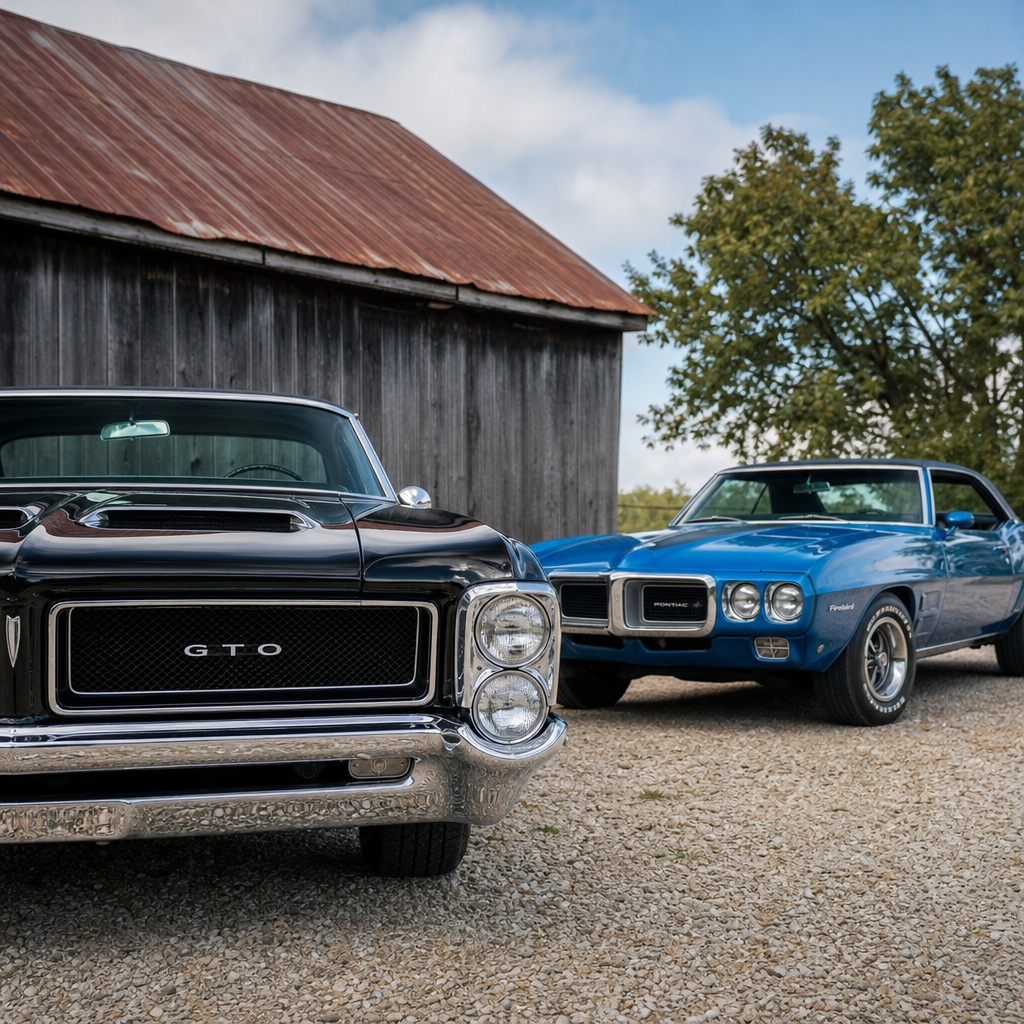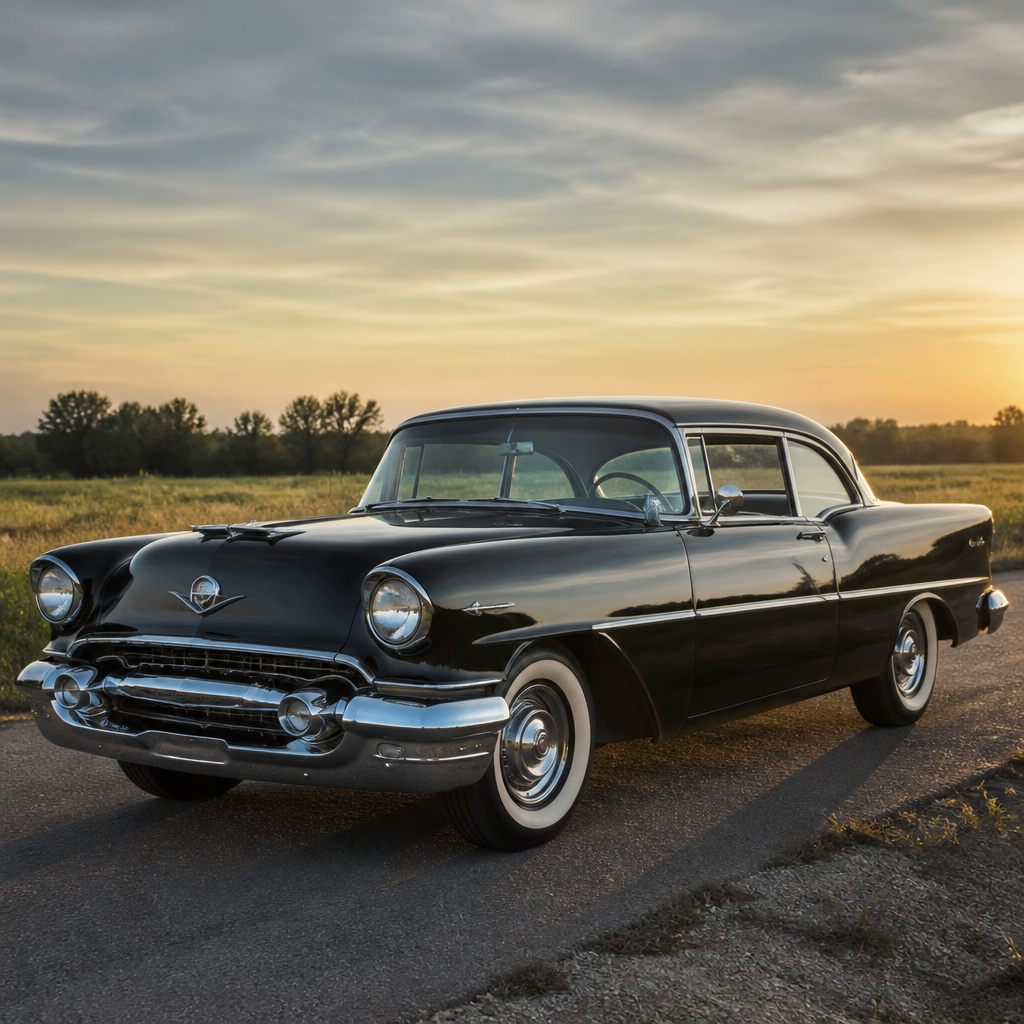
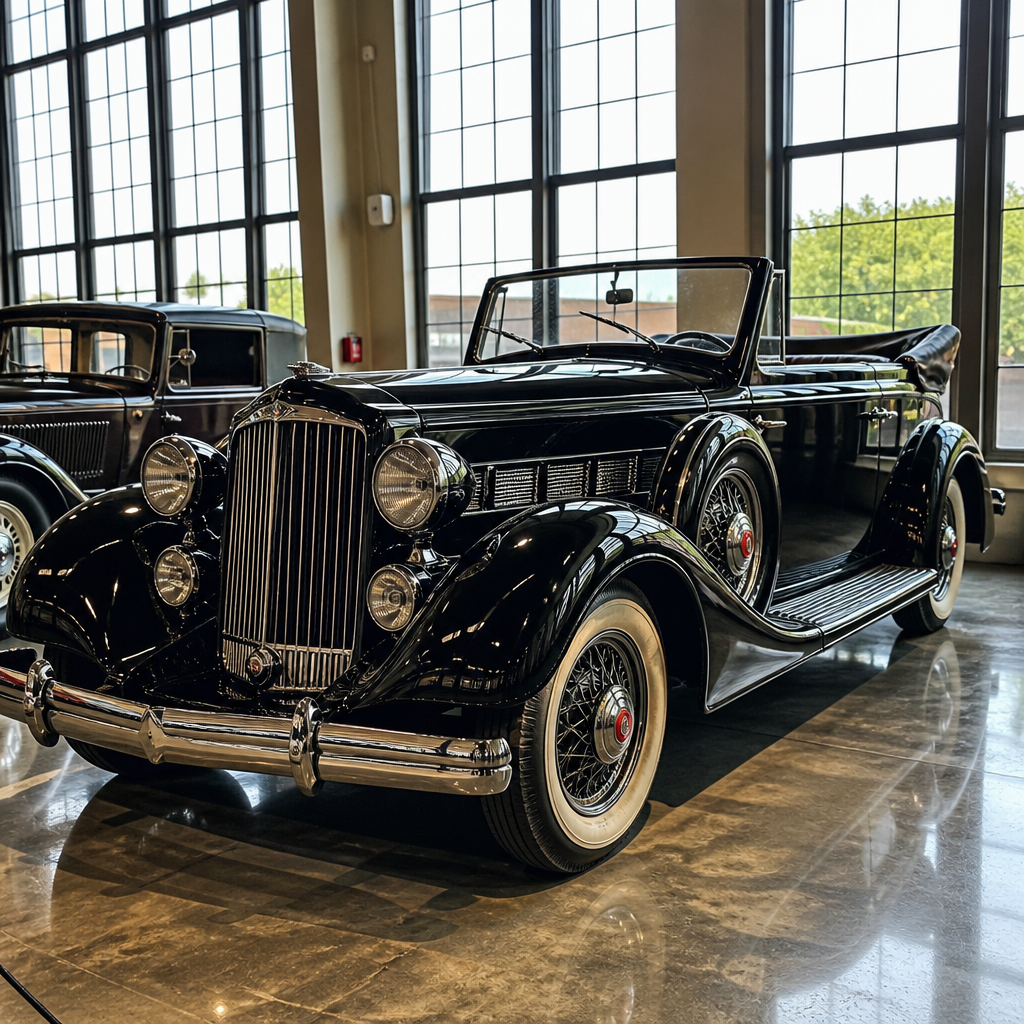
Classic cars that only exist in museums occupy a special place in automotive history because they are no longer part of the road, the marketplace, or even most private collections. They survive as preserved artifacts: concept cars, one-off prototypes, engineering studies, racing legends, and ultra-rare production models whose historical value now outweighs any practical use. In the museum world, “classic” does not simply mean old. It refers to vehicles that represent a turning point in design, technology, culture, or brand identity, often with a documented provenance that curators can verify through factory records, chassis numbers, coachbuilder archives, and period photography.
This corner of the classic car market matters because museums shape which vehicles the public remembers. After years working around collector restorations and archive research, I have seen how easily significant cars disappear when they are crashed, parted out, or hidden in long-term storage. Museums interrupt that loss. They preserve original paint, hand-formed aluminum, experimental drivetrains, and interior materials that would otherwise vanish under over-restoration. A museum car can teach more about its era than a polished auction star because it still carries authentic engineering decisions, manufacturing constraints, and visible evidence of use.
As a hub for concept and rare cars, this guide explains why some classic cars only exist in museums, which categories matter most, and how these vehicles influence collectors, historians, and modern manufacturers. It also clarifies an important distinction: not every museum car is unique, but every true museum-only classic has crossed a threshold where preservation becomes its primary purpose. Some are too fragile to run regularly. Others are legally impossible to register, impossible to value conventionally, or so culturally important that public stewardship is the best outcome. Understanding these cars helps explain the deeper story of automotive heritage, from styling experiments to limited-run masterpieces.
What makes a classic car museum-only
A classic car becomes museum-only when ownership, condition, rarity, and significance align in a way that removes it from normal circulation. In practical terms, that often means the car sits in a public institution, manufacturer archive, transport museum, or foundation collection with little chance of returning to private road use. The reasons vary. A one-off concept may have never been homologated for sale. A prototype may contain unfinished safety systems or undocumented parts. A historically important race car may be too valuable, or too delicate, to campaign outside demonstration runs.
Curators usually prioritize originality over operability. That is a major difference from the collector world, where drivability often increases value. In a museum context, original upholstery, prototype switchgear, clay-model-derived body panels, and factory test modifications matter more than a fresh repaint or modernized engine internals. Institutions such as the Petersen Automotive Museum, The Henry Ford, Museo Nazionale dell’Automobile, and manufacturer collections from Mercedes-Benz, BMW, Porsche, and Alfa Romeo have built conservation standards around this principle. Their role is not merely to display beautiful machines; it is to preserve evidence.
There is also a legal and economic threshold. Some museum-only cars are effectively priceless because no comparable sale exists. A 1938 Bugatti Type 57SC Atlantic, for example, is beyond conventional market logic due to its rarity and cultural status. Likewise, certain dream cars from the 1950s and 1960s were never intended for production and lack the certification, service literature, and replacement parts needed for normal ownership. Once a vehicle becomes more useful as a reference object than as a private asset, museum stewardship becomes the logical end point.
Concept cars that define future design
Concept cars are among the most visible examples of classic cars that only exist in museums because they were built to ask design and engineering questions, not to fill dealer showrooms. Many were hand-built on modified chassis, used non-production drivetrains, and featured materials unsuitable for volume manufacturing. Their value lies in what they predicted. The 1951 General Motors Le Sabre introduced aircraft-inspired styling cues, advanced instrumentation, and rain-sensitive features decades before such ideas were normalized. The Buick Y-Job, often described as one of the first true concept cars, previewed hidden headlights and low-slung proportions that influenced postwar American design.
European concepts followed a similar pattern but often with stronger coachbuilding influence. Cars from Bertone, Pininfarina, Ghia, and Zagato served as rolling manifestos. Alfa Romeo BAT concepts from the 1950s explored extreme aerodynamics with dramatic tailfins and low drag principles. Lancia’s experimental show cars pushed packaging and body architecture beyond what contemporary production methods could support. Most of these machines survive today because museums and factory archives recognized that their design language mattered even when the business case did not.
These concept cars are central to understanding rare cars because they reveal the industry’s unrealized paths. They show what brands wanted to become before regulation, cost, and consumer taste intervened. For enthusiasts researching classic car models and brands, museum-held concepts function like primary documents. They connect production sedans, sports cars, and grand tourers to the sketches, wind-tunnel tests, and executive decisions that shaped them.
Prototype and experimental cars preserved as engineering records
Some museum-only classics were never meant to impress the public at all. Prototype and experimental vehicles often look unfinished because their purpose was internal validation. Engineers used them to test suspension geometry, fuel systems, body rigidity, emissions controls, brakes, or early electronics. In archive collections, these cars can be more historically important than prettier show vehicles because they record how breakthroughs actually happened.
I have seen prototypes with mismatched panels, hand-labeled switches, and temporary gauges mounted under bare metal dashboards. To a casual visitor, they may appear incomplete. To a historian, they are invaluable. A development mule for a rear-engine sports car can reveal how cooling problems were solved. An emissions test vehicle from the early 1970s can show how a manufacturer responded to changing U.S. regulations. A diesel experiment from a luxury marque may document a path that was abandoned for decades and later revived.
Manufacturer museums preserve these cars because they hold proprietary lineage. Porsche’s experimental racers, Mercedes-Benz safety research vehicles, and Citroën hydraulic development cars all illustrate this point. They are rarely sold because their importance comes from context: factory files, test notes, and engineering drawings complete the story. Detached from that archive, the car loses part of its meaning. Inside a museum, it becomes a material record of innovation, failure, and iteration.
Coachbuilt rarities and vanished production runs
Another major category includes coachbuilt rarities and short-lived production models that survive in tiny numbers. Before large-scale standardized manufacturing dominated the premium market, chassis and bodies were often produced separately. Companies such as Figoni et Falaschi, Saoutchik, Touring, Mulliner, and Vignale created bodies in very limited quantities, making certain classics effectively unique. When one of these cars enters a museum, it often stays there because replacement craftsmanship is prohibitively expensive and historical documentation is unusually important.
Even limited-production factory cars can become museum-only when attrition wipes out most examples. Fire, corrosion, war, racing accidents, and parts cannibalization eliminated countless significant vehicles. The survivors become reference cars for restorers and historians. A museum-held Delahaye, Talbot-Lago, Hispano-Suiza, or prewar Alfa Romeo may preserve original trim patterns, chassis stampings, and construction methods that no workshop manual captures completely.
| Category | Why it ends up in a museum | Representative examples |
|---|---|---|
| Concept car | One-off design study, non-production components, brand heritage value | GM Le Sabre, Alfa Romeo BAT series, Buick Y-Job |
| Prototype | Engineering mule or preproduction test vehicle with unique technical history | Porsche development cars, Mercedes-Benz research vehicles |
| Coachbuilt rarity | Extremely low survival rate, bespoke craftsmanship, historical bodywork | Figoni-bodied Delahaye, Touring-bodied Alfa Romeos |
| Historic competition car | Documented race provenance, irreplaceable originality, cultural significance | Le Mans winners, Mille Miglia entrants, Grand Prix cars |
For readers exploring concept and rare cars as a subtopic, this is where bodywork history becomes essential. These vehicles are not rare only because few remain. They are rare because they preserve techniques, proportions, and aesthetic priorities from an era when style and craftsmanship were deeply regional. Museums protect them as examples of industrial art as much as transportation.
Competition cars that left the track for permanent preservation
Historic racing cars often become museum-only classics after proving their significance in competition. The strongest examples have documented results at Le Mans, the Mille Miglia, the Targa Florio, Indianapolis, Formula One, or major touring car championships. Their racing pedigree gives them importance, but preservation decisions usually come down to originality and risk. A car that still carries its period chassis, body structure, and race modifications can lose scholarly value if it is over-restored or damaged in modern historic events.
That is why museums hold so many milestone competition cars. The Mercedes-Benz W196, Auto Union Grand Prix cars, Ferrari endurance racers, Jaguar D-types, and Ford GT40 variants in institutional collections are more than trophies. They are evidence of technical eras: fuel injection development, spaceframe construction, aerodynamic thinking, tire evolution, and lightweight alloys. Even wear marks matter. Heat discoloration, hand-cut vents, and emergency repair rivets can confirm how a team adapted under race conditions.
There is a tradeoff here. Cars that never run again become less dynamic teaching tools. Hearing an unsilenced straight-eight or seeing suspension movement under load gives visitors a stronger sense of history. But repeated operation accelerates wear, and irreplaceable components fail. Responsible museums compromise by maintaining selected cars in running order for occasional demonstration while preserving others as static benchmarks. That balance protects history without reducing it to dead display.
Why museum preservation matters for collectors and researchers
Museum-only classics influence the broader collector market in practical ways. Restorers use them to verify colors, stitching patterns, fastener finishes, badging, and engine-bay layouts. Auction houses and appraisers use museum examples as provenance anchors when evaluating similar cars. Journalists and historians rely on them to correct myths that build up over decades. I have watched a single unrestored museum car settle disputes that years of enthusiast forum debate could not resolve.
They also shape brand memory. When a manufacturer restores and exhibits a forgotten prototype or coachbuilt special, it strengthens the narrative around innovation and heritage. That has downstream effects on demand for related production models. A museum exhibition on early aerodynamic design can raise interest in streamliners, teardrop coupes, and homologation specials. A public display of a rare Lancia or Tucker can turn an obscure chapter into a recognized milestone.
For researchers, access is everything. The best museum collections pair the car with archival support: build sheets, correspondence, race entries, period brochures, and restoration notes. Together, those materials allow serious interpretation rather than surface admiration. If you are exploring classic car models and brands through the lens of concept and rare cars, museum collections are the most reliable starting point because they connect artifact, documentation, and context in one place.
How to use this hub to explore concept and rare cars
This hub works best as a foundation for deeper research into specific categories, eras, and brands. Start by separating rare cars into four practical groups: concept cars, prototypes, coachbuilt production cars, and competition icons. Then trace how each group connects to larger brand histories. A dream car from GM belongs to a story about postwar American styling. An Alfa Romeo aerodynamic study belongs to both coachbuilding and motorsport development. A museum-held racing Porsche links directly to road-car engineering.
When evaluating any supposedly unique classic, ask four questions. Is the provenance continuous? Is the car substantially original? What documented influence did it have? Why is it preserved publicly rather than privately? Those questions quickly distinguish meaningful museum cars from merely expensive old cars. They also point toward the next articles you should read within this subtopic, whether your interest is Italian coachbuilders, American dream cars, homologation specials, or one-off prototypes from major manufacturers.
Classic cars that only exist in museums remind us that automotive history is not just a parade of production models. It is also a record of experiments, dead ends, masterpieces, and survivors that carry knowledge no blueprint can fully capture. Museums preserve that knowledge in metal, glass, leather, and paper. If you want to understand concept and rare cars seriously, use museum collections as your reference point and keep exploring the brands, designers, and engineering stories behind each preserved machine.
Frequently Asked Questions
What makes a classic car “museum-only” instead of simply rare or collectible?
A museum-only classic car is more than just hard to find. It is a vehicle that has effectively left the normal cycle of ownership, driving, buying, and selling. These cars are often preserved because they represent something historically irreplaceable: a one-off prototype, a landmark concept car, an experimental engineering study, a championship-winning race machine, or an ultra-rare production model with exceptional cultural importance. In many cases, there may be only one surviving example, or the surviving cars are so significant that institutions treat them as artifacts rather than automobiles.
What separates these vehicles from ordinary collector cars is their purpose in the present day. A collectible car can still be bought at auction, maintained for road use, and enjoyed by a private owner. A museum-only car, by contrast, is usually preserved under controlled conditions, displayed with curatorial context, and protected from wear because its historical value outweighs its practical function. Even if the car is technically operable, it may never be driven outside controlled demonstrations. That shift—from machine to artifact—is what defines museum-only status.
Why are some classic cars preserved in museums instead of restored for regular driving?
The main reason is preservation of originality. Every mile driven, every part replaced, and every repair made can reduce the authenticity of an historically important vehicle. For ordinary classic cars, restoration often enhances value and usability. For museum-grade vehicles, however, untouched materials, period-correct finishes, original engineering solutions, and even visible signs of age can be more valuable than a perfect cosmetic rebuild. Museums are not trying to make these cars feel new again; they are trying to conserve them as accurate records of a specific moment in automotive history.
There is also the issue of risk. Some museum-only cars rely on obsolete technologies, fragile materials, or one-of-a-kind components that cannot be replaced if damaged. A destroyed prototype body panel, a unique engine casting, or a hand-built experimental transmission may be gone forever if something fails. For that reason, curators often choose stabilization over restoration and conservation over use. The goal is long-term survival, not day-to-day operation. In that sense, museums treat these cars much like art institutions treat paintings or historical archives: the object itself is the evidence, and preserving that evidence matters most.
What types of cars are most likely to exist only in museums?
Several categories are especially likely to end up as museum-only classics. Concept cars are among the most common because many were built as single examples to showcase future design ideas, new technologies, or styling experiments at major auto shows. Once their promotional role ended, the surviving examples often became historically significant as previews of trends that later shaped the industry. One-off prototypes and engineering studies also fall into this category, especially if they were never intended for mass production in the first place.
Historic race cars are another major category, particularly those associated with famous victories, breakthrough engineering, or legendary drivers. While some racing machines remain in private hands and appear at vintage events, the most important examples often migrate into museums because of their outsized significance. Ultra-rare luxury production models, coachbuilt automobiles, and vehicles tied to major industrial turning points also frequently become museum pieces. In each case, the common thread is not just rarity, but historical meaning. These cars tell a larger story about design evolution, performance innovation, manufacturing ambition, or cultural change.
Are museum-only classic cars ever still running, or are they purely static displays?
Many museum-only classic cars are still capable of running, but that does not mean they are used like normal automobiles. Some museums maintain vehicles in operational condition for occasional demonstrations, special exhibitions, or carefully managed events. Hearing a rare engine start or seeing a historically important car move under its own power can add tremendous educational value. It helps visitors understand that these machines were not just sculptural objects, but working products of engineering and craftsmanship.
That said, operational status is always balanced against preservation concerns. Starting and driving a rare car introduces vibration, heat, mechanical stress, fluid movement, and the possibility of component failure. For a vehicle with irreplaceable parts, even a short run can carry meaningful risk. As a result, many museums keep cars mechanically intact but limit operation to rare occasions, while others choose full static preservation. So yes, some museum-only classics still run, but when they do, it is usually for interpretation and conservation-minded public education rather than entertainment or routine use.
Why do museum-only classic cars matter so much to automotive history?
They matter because they preserve the chapters of automotive history that might otherwise disappear completely. A museum-only car can capture a breakthrough in aerodynamics, the first use of a new material, a failed but influential design direction, a wartime engineering adaptation, or a racing solution that changed performance standards. Without museums, many of these vehicles would have been scrapped, modified beyond recognition, or lost in private storage without context. Their survival allows historians, designers, engineers, and enthusiasts to study automotive progress in physical form.
These cars also matter because they reveal that the story of the automobile is not just about mass-market success. Some of the most important vehicles were commercial failures, unrealized concepts, or limited-production experiments that nevertheless shaped what came later. Museums give those machines a place in the public record. They connect visitors to moments when automakers took risks, responded to social change, explored new technologies, or redefined what a car could be. In that way, museum-only classic cars are not simply old vehicles behind ropes and glass. They are evidence of innovation, ambition, and the evolving identity of the automobile itself.