Finding classic cars for sale near you starts with understanding what “classic” actually means, where serious sellers list inventory, and how to judge whether a nearby car is a smart buy or an expensive mistake. In the market, “classic car” usually refers to an older vehicle with historical interest, enthusiast demand, and collectible value, though insurers and state agencies sometimes use different age thresholds. Some classify cars as classic at 20 years old, while antique registration often begins at 25 or 30 years depending on the state. In practice, buyers care less about labels than about condition, originality, documentation, and parts support. I have sourced cars from private garages, regional auctions, marque clubs, online marketplaces, and consignment dealers, and the biggest lesson is simple: the best local opportunity is not always the most visible listing. Knowing where to look saves time, reduces risk, and improves your odds of finding a car you can enjoy, maintain, and eventually resell.
This hub article explains where to buy classic cars close to home, how each source works, and what to check before committing money. It matters because location still shapes the entire transaction. A nearby car is easier to inspect, easier to transport, and often easier to verify through maintenance records, title history, and prior owners. Regional climate also affects value. A dry-climate coupe from Arizona or inland California may have far less rust than a similar car that spent decades in the Midwest or Northeast. On the other hand, buying nearby can reveal strong local club networks, trusted restoration shops, and a seller with a long paper trail. If you are building a search strategy under the broader buying and selling classic cars topic, this page serves as the central guide. It covers local dealerships, auctions, online platforms with radius searches, estate sales, community events, clubs, and specialist brokers, then explains how to compare them based on price transparency, risk, and convenience.
Local classic car dealerships and consignment showrooms
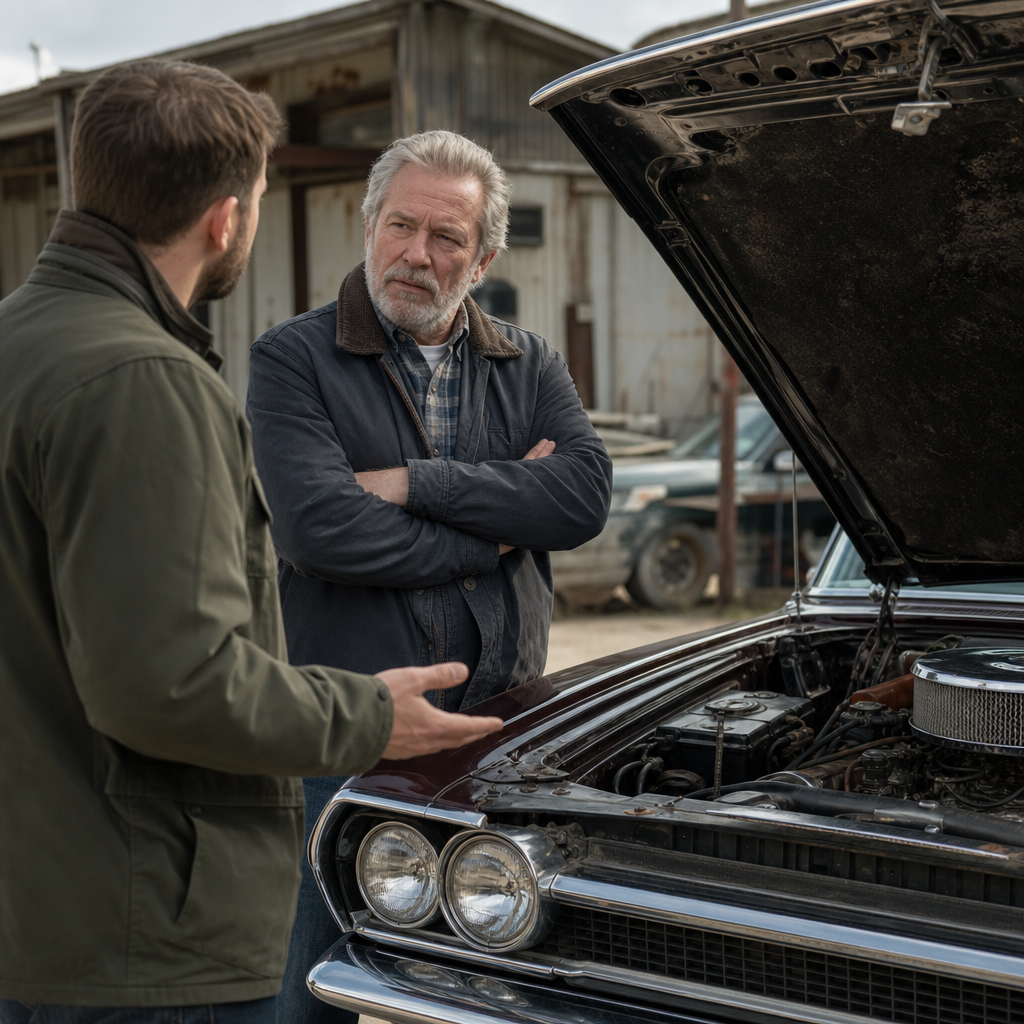
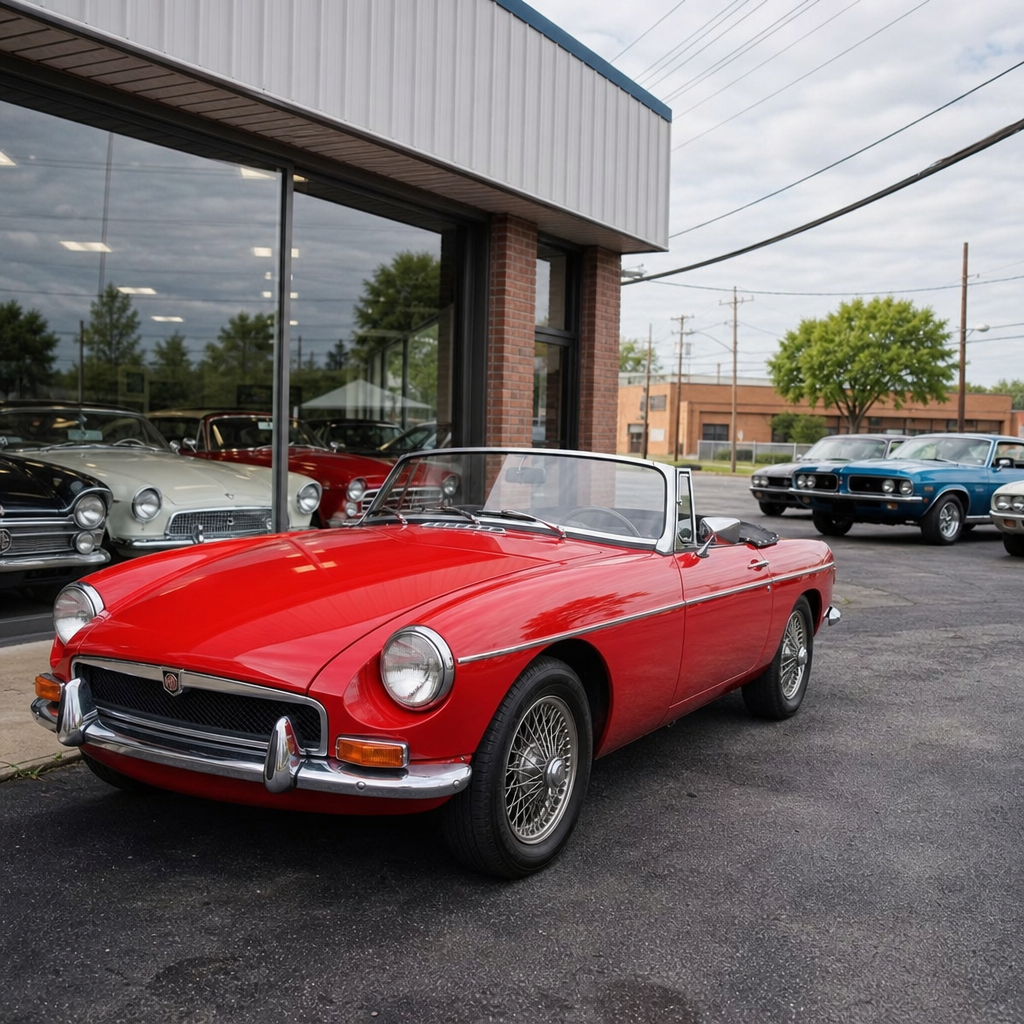
For many buyers, the most straightforward answer to where to buy classic cars is a reputable local dealer or consignment showroom. These businesses usually stock inspected inventory, provide indoor storage, and handle title paperwork, financing referrals, and shipping coordination. Dealers often specialize by era or vehicle type. One showroom may focus on American muscle like Chevelles, Mustangs, and Chargers, while another leans toward air-cooled Porsches, British roadsters, or postwar trucks. Consignment dealers sell cars on behalf of owners and usually know the vehicle’s background, though the depth of that knowledge varies. The advantage is convenience. You can inspect several cars in one visit, compare conditions side by side, and discuss known flaws with staff who evaluate classics every day.
The tradeoff is price. Dealers need margin, reconditioning costs, facility overhead, and commission, so cars at a showroom often list higher than comparable private-party examples. That does not automatically mean they are overpriced. In many cases, the premium buys cleaner paperwork, better presentation, and time savings. A dealer that provides compression test results, underside photos, service records, and a recent appraisal may be worth more than a vague private listing with three cell phone images. When shopping locally, ask whether the title is in the dealer’s possession, whether the odometer status is exempt, what inspections were performed, and whether the car is being sold on consignment or owned outright by the business. Also confirm whether the price reflects originality or restoration quality. A shiny repaint can hide filler, prior collision damage, or poor metal work. A credible dealer will welcome an independent pre-purchase inspection from a marque specialist.
Online marketplaces with local search filters
Online platforms have changed where buyers find classic cars for sale near them, but the best sites are still most useful when combined with local verification. Facebook Marketplace, Craigslist, Hemmings, ClassicCars.com, AutoHunter, Bring a Trailer’s local listings and auction results, and marque-specific forums all help buyers search by ZIP code, city, or distance radius. These tools are powerful because they surface vehicles that may never reach a traditional dealer. Sellers list unfinished projects, survivor cars, estate vehicles, and long-owned drivers directly to enthusiasts. I routinely use saved searches with model names, chassis codes, trim levels, and common misspellings because excellent listings are often written by non-specialists. A seller might post “Camero,” “Belair,” or “280 SL Mercedes” and still have a worthwhile car.
Local filters matter because they let you inspect first and negotiate with facts rather than photos. Search broadly enough to include nearby metro areas, but narrow enough that you can view the car in person within a day. Good listings include VIN or serial number, engine details, transmission type, restoration dates, underside photos, title status, and known rust areas. Weak listings often hide the exact model year, avoid the underside entirely, and use vague phrases like “easy restoration” or “ran when parked.” Those are signals to ask direct questions before you spend time traveling. Request cold-start video, paint meter readings if available, lift photos, and scans of registration or title. If the seller refuses basic documentation, move on. In the classic market, speed helps, but discipline saves far more money than being first to reply.
Auctions, estate sales, and local events
Public auctions and local events are strong places to buy classic cars, especially if you want variety in one day. Regional collector auctions, estate sales, swap meets, and car shows often produce opportunities that never appear in national listings. Major auction companies such as Mecum and Barrett-Jackson attract national attention, but smaller regional houses can be better for nearby buyers because the cars are easier to inspect, transport costs are lower, and bidding pools are thinner. Estate sales are particularly important because long-term ownership often means better records, original accessories, and less speculative pricing. A family may be selling a car that sat in a climate-controlled garage for twenty years with manuals, spare keys, and service invoices in a box.
The risk at auction is emotional bidding and limited inspection time. Most auction vehicles sell as-is, where-is, with no warranty. A polished presentation can distract from mechanical neglect or poorly executed restoration work. I have seen cars with fresh chrome and fresh paint that still had leaking rear main seals, rusted floor braces, or incorrect driveline components. Set your maximum bid before the event and include buyer’s premium, taxes, transport, and immediate repair reserves. At local shows and cruise nights, buying opportunities are less formal but often better. Owners bring cars they actually use, and conversations reveal what photos never do. If a seller can explain who rebuilt the carburetor, when the bushings were replaced, and why a certain panel was repainted, that usually indicates honest stewardship.
| Source | Best for | Main advantage | Primary risk |
|---|---|---|---|
| Dealer or consignment showroom | Turnkey drivers and financed purchases | Convenience, paperwork support, easier comparison | Higher asking prices |
| Online local marketplace | Private-party deals and unusual finds | Large selection within driving distance | Inconsistent listing quality and scam exposure |
| Regional auction or estate sale | Rare models and time-sensitive opportunities | Access to cars not publicly marketed for long | Limited inspection time and bidding pressure |
| Car clubs and local events | Well-known enthusiast-owned cars | Stronger history, community references, honest detail | Fewer listings at any given moment |
Car clubs, specialist forums, and enthusiast networks
If you want the best local classic car leads, join the communities that already know where cars are hiding. Marque clubs, regional enthusiast groups, and specialist forums consistently outperform random classifieds for quality and transparency. The BMW CCA, Porsche Club of America, Antique Automobile Club of America, Mustang Club of America, local Corvette clubs, and model-specific Facebook groups all create trust networks where members know which cars are maintained correctly and which ones have changed hands repeatedly. These communities often circulate “before it hits the market” opportunities through newsletters, forums, and word of mouth. That matters because the best examples frequently sell privately before the broader market sees them.
Enthusiast networks also help buyers vet originality and correctness. A local club member can tell you whether a 1967 big-block car has the right casting dates, whether a Pagoda hardtop color is factory-correct, or whether the wood trim in a Jaguar was restored to original specification. That kind of detail affects value materially. I trust community knowledge when it is specific and documented, not when it is based on rumor. Ask for production references, judging guides, restoration photos, and prior ads if available. Specialist forums are especially useful for locating project cars and cars with known histories. A forum seller who has documented years of maintenance threads, parts purchases, and technical troubleshooting is often safer than an anonymous marketplace seller with a polished description and no history. For nearby buyers, clubs can also recommend inspectors, appraisers, body shops, trim specialists, and transporters.
How to inspect and verify a nearby classic car before buying
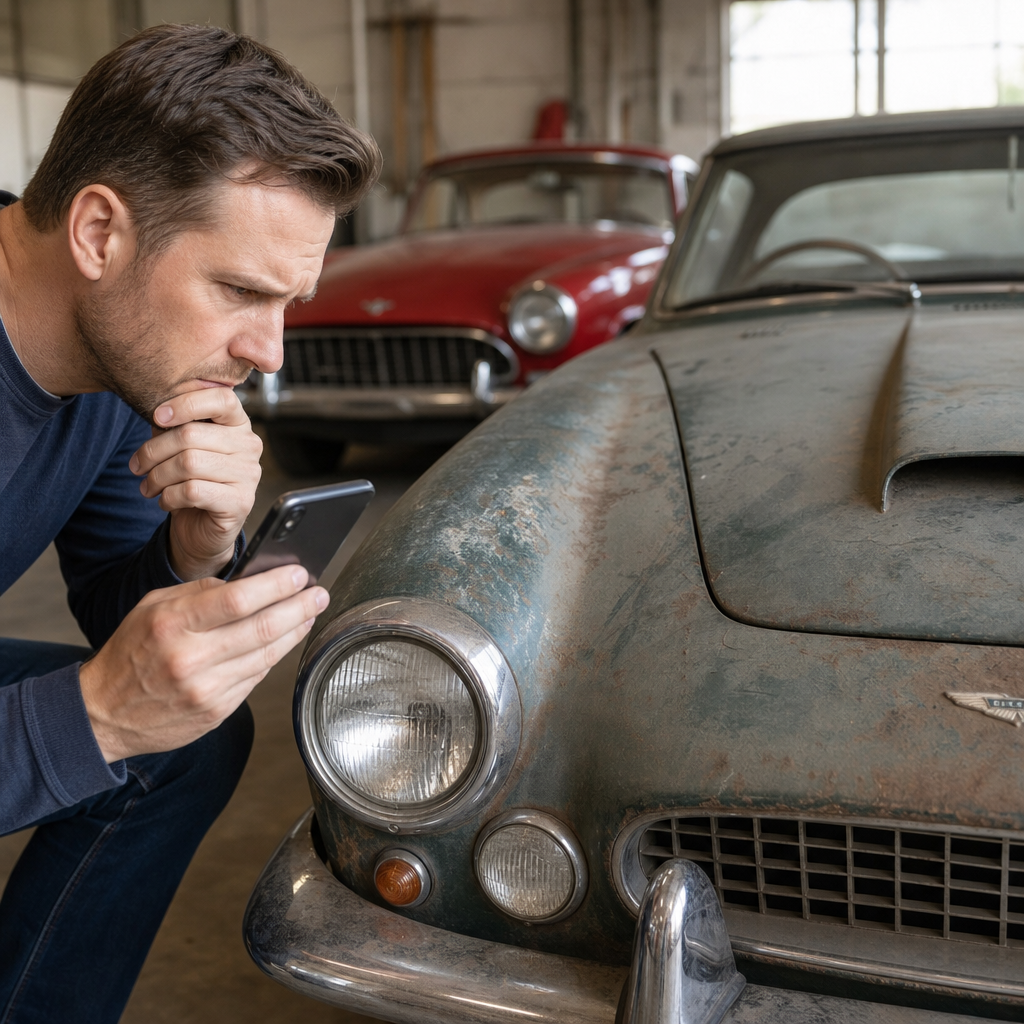
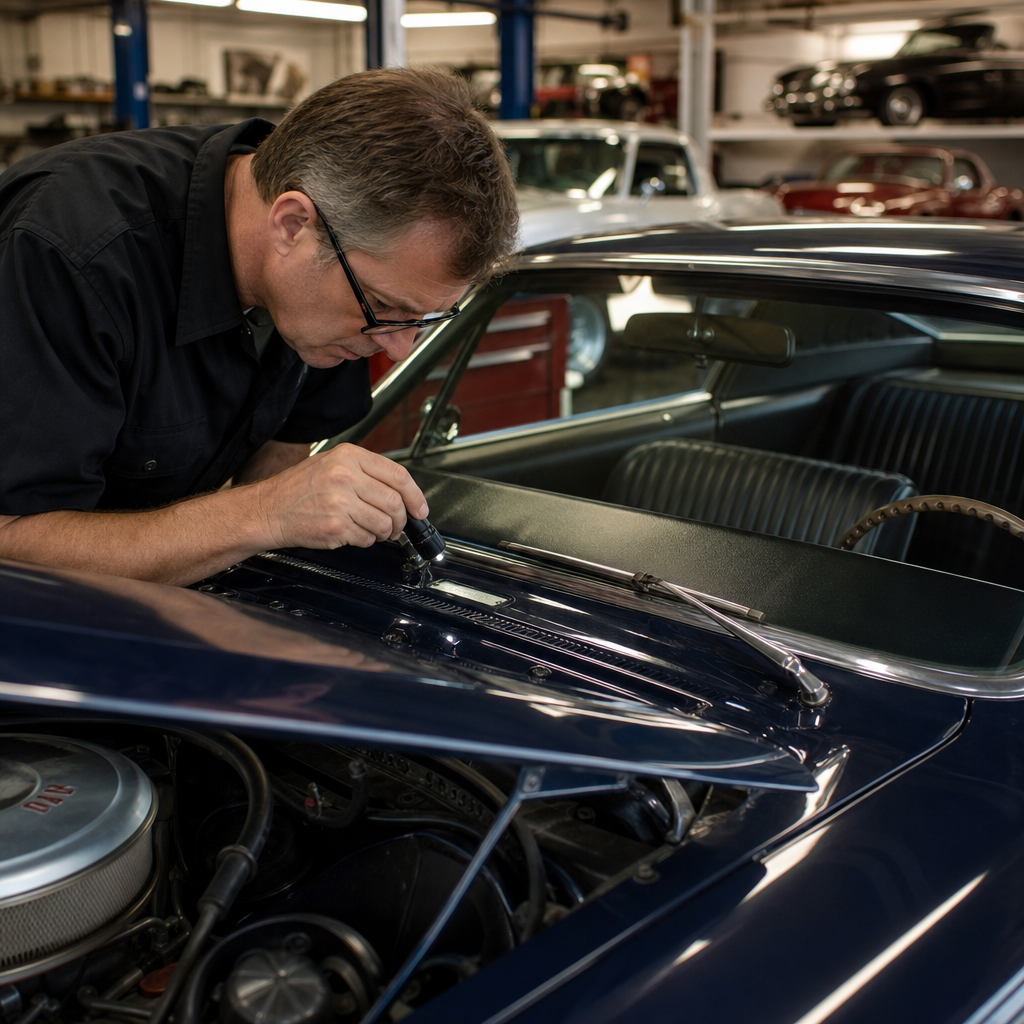
Once you find a nearby classic car for sale, inspection becomes the decisive step. Start with identity. Confirm the VIN, trim tags, body plates, engine stamping where applicable, and title match the seller’s description. Then focus on rust, prior accident repair, drivability, and documentation. Rust remains the costliest surprise in most classics because repair expands quickly once disassembly begins. Inspect frame rails, rocker panels, lower fenders, trunk floors, cowl areas, shock towers, windshield channels, and suspension pickup points. On unibody cars, hidden corrosion can turn a seemingly affordable buy into a major structural restoration. Paint thickness gauges help identify filler and repaint work, but visual clues matter too: uneven panel gaps, overspray on weatherstripping, sanding marks under trim, and undercoating applied over scale rather than clean metal.
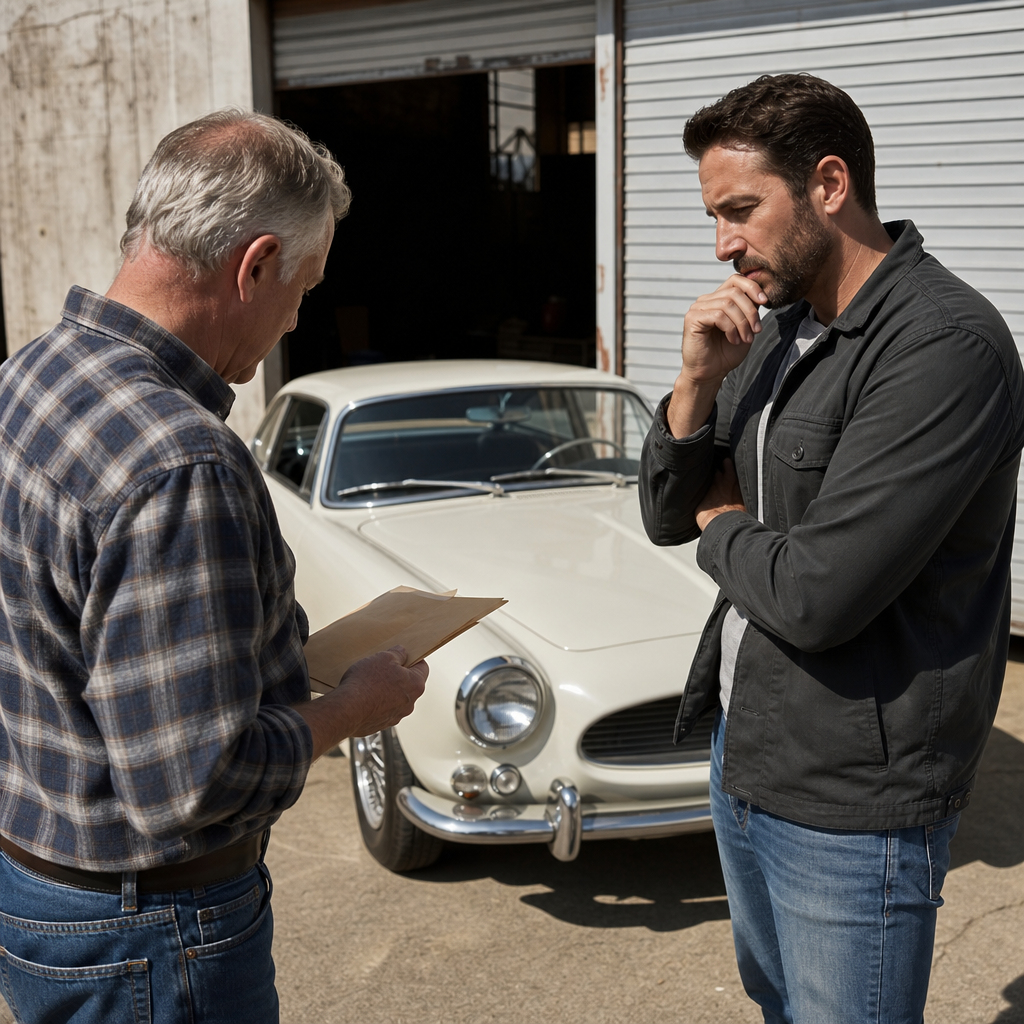
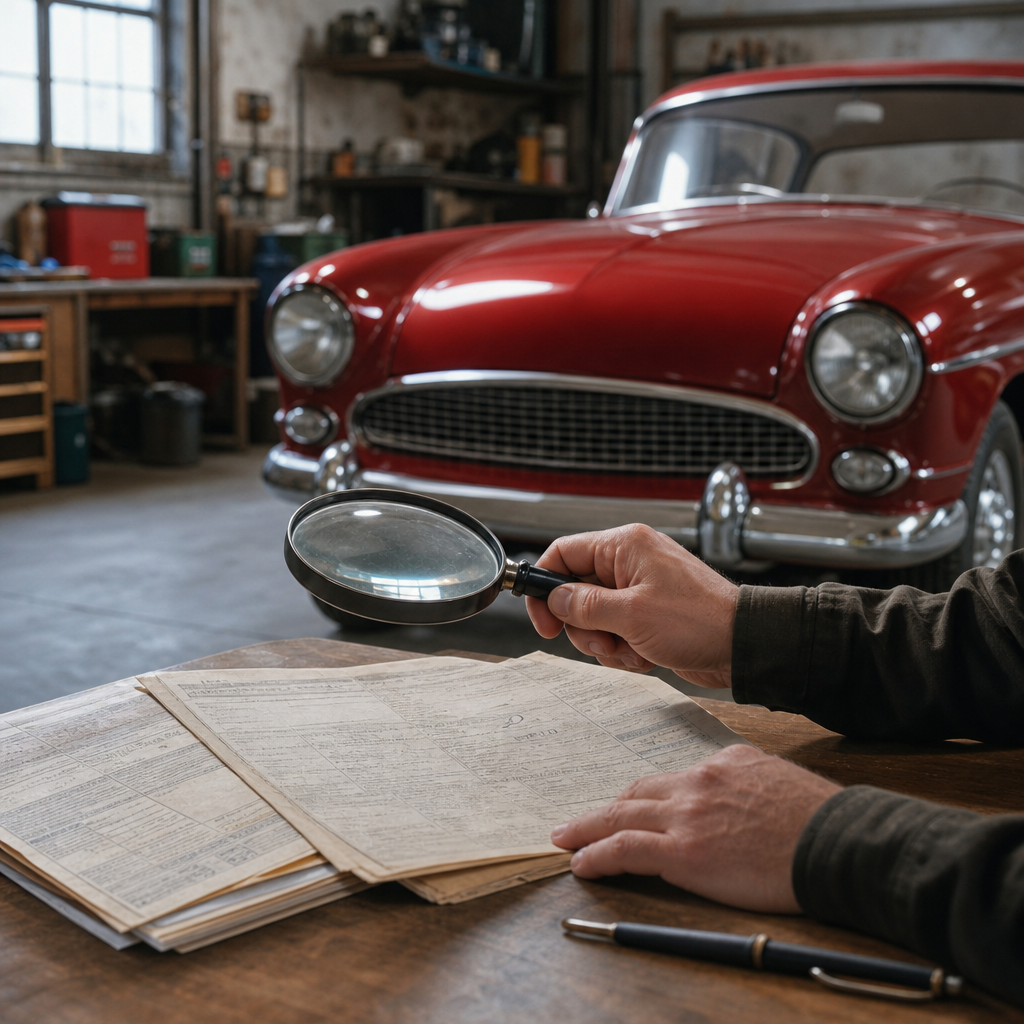
Mechanically, listen for cold-start behavior, oil pressure patterns, smoke color, transmission engagement, driveline clunks, brake pull, and cooling stability at idle. A test drive should include city speeds and highway speeds if legal and safe. Review records carefully. A stack of invoices is valuable only if it shows credible work from known shops with dates and mileage context. If a seller claims a full restoration, ask for photos taken during metal work, not just after paint. If the car is numbers-matching, ask what evidence supports that claim. For higher-value purchases, use an independent specialist inspection and, when needed, a third-party appraisal. Services from Hagerty valuation tools, CARFAX for eligible later vehicles, NMVTIS title checks, state DMV verification, and marque registries can all support due diligence. Nearby cars are easier to inspect, but proximity should never replace verification.
How to choose the right buying channel for your budget and goals
The best place to buy a classic car depends on what you actually want from ownership. If you want a weekend driver with minimal surprises, a local dealer, club referral, or documented consignment car is usually the right path. If your priority is maximum value and you can manage repairs, private-party marketplace listings and estate sales often provide better pricing. If you are chasing a hard-to-find trim, color, or engine combination, auctions and enthusiast networks widen access. Budget should include more than purchase price. Set aside funds for immediate maintenance, tires older than six years, fuel system cleaning, brake hydraulics, battery, belts, hoses, and registration. On many older vehicles, deferred maintenance appears within the first ninety days even when the car looks excellent.
Think realistically about parts supply and service support in your area. Buying a rare Italian coupe without a nearby specialist may create delays and costs that dwarf a lower purchase price. By contrast, a locally supported Mustang, Tri-Five Chevrolet, air-cooled Volkswagen, or W113 Mercedes may be easier to keep on the road because parts, knowledge, and machine shops are accessible. This hub should anchor your wider research under buying and selling classic cars because finding inventory is only the first step. The strongest buyers define their use case, search local channels systematically, inspect without emotion, and negotiate from evidence. Start with nearby dealers, marketplaces, auctions, and clubs, compare each car against records and condition rather than seller confidence, and build a shortlist you can inspect properly. When you approach the search this way, the classic car you buy near you is more likely to be one you will enjoy, preserve, and eventually sell well.
Frequently Asked Questions
What qualifies as a classic car, and does the definition change depending on where you live?
A classic car generally refers to an older vehicle that has historical appeal, collector interest, and lasting enthusiast demand, but there is no single universal definition. In everyday buying and selling, many people use the term “classic” for vehicles that are at least 20 years old and have some level of collectible or nostalgic value. However, insurers, DMVs, and state registration agencies may use different age cutoffs. Some states offer classic or vintage registration at one age, while antique plates may require a vehicle to be 25 years old or older. Insurance companies can also apply their own rules when issuing agreed-value or collector-car policies.
That matters because the label affects more than conversation. It can influence registration options, emissions exemptions, usage restrictions, insurance pricing, and even how a seller markets the car. A 1990s sports car, for example, may be considered a classic by enthusiasts and auction buyers, while a local DMV may classify it differently for title or plate purposes. When searching for classic cars for sale near you, it helps to evaluate both the market definition and the legal definition in your area. If you are seriously considering a purchase, check your state’s registration guidelines and speak with a collector-car insurer before buying. A car can be “classic” in the marketplace but still come with local ownership rules you need to understand in advance.
Where are the best places to find classic cars for sale near me?
The best local sources usually combine online listings with in-person enthusiast networks. Start with major online marketplaces that allow radius-based searching, since these let you filter by location, price, make, model, year, transmission, and condition. Dedicated classic car marketplaces are often better than general classified sites because sellers tend to provide more detailed descriptions, restoration history, VIN information, and photo galleries. Auction platforms can also be useful, especially if you are looking for rare models or want to compare recent selling prices, but local private-party listings and dealer inventory remain important if your goal is to inspect a car in person before making an offer.
Offline channels are just as valuable. Local classic car dealerships, consignment showrooms, cruise-ins, car shows, marque-specific club events, repair shops, restoration shops, and swap meets often surface cars that never appear on public listing sites. Many strong leads come from word of mouth. Enthusiasts often know who is thinking about selling, which cars have solid maintenance histories, and which “great deals” have hidden problems. If you want nearby inventory, join local Facebook groups, regional car club forums, and community enthusiast pages for specific brands such as Mustang, Corvette, Camaro, Porsche, Mercedes, or pickup truck collector groups. The most reliable approach is to search digitally, then validate locally by talking to people who know the car, the seller, or the model’s common issues.
How can I tell if a nearby classic car is a smart buy or a risky money pit?
The smartest way to judge a classic car is to look beyond shiny paint and focus on structural condition, documentation, originality, and mechanical health. Rust is one of the biggest deciding factors, especially on older vehicles from humid or snowy regions. Surface rust may be manageable, but rust in frame rails, floors, trunk pans, rocker panels, suspension mounting points, or other structural areas can turn an exciting purchase into a major restoration project. Panel gaps, mismatched paint, overspray, bubbling under paint, uneven bodywork, and signs of collision repair should all be examined carefully. A magnet, flashlight, and mirror can be surprisingly helpful during an in-person inspection.
Documentation is just as important as appearance. Ask for the title, VIN, ownership history, maintenance receipts, restoration records, engine and transmission information, and any supporting paperwork that verifies originality or major upgrades. Matching-numbers examples often command more money, but a well-maintained non-matching car can still be a great buy if the price reflects that reality. Always listen to how the engine starts, idles, and responds when warm, and check for fluid leaks, smoke, poor shifting, overheating, brake pull, suspension noises, and electrical issues. If you are not deeply familiar with the model, pay for a pre-purchase inspection from a specialist who understands that specific make and era. A nearby car is only a good deal if the total cost of purchase, repairs, transport, insurance, and registration still makes sense for your budget and goals.
Is it better to buy from a local private seller, a classic car dealer, or an auction?
Each option has advantages, and the right choice depends on your experience level, risk tolerance, and how much support you want during the transaction. Buying from a local private seller can offer the best value because there is often less markup, and you may get a more direct picture of how the car has been used and maintained. A long-term owner with detailed records can be an excellent source. The downside is that private sales are usually sold as-is, with fewer protections and varying levels of disclosure. You need to verify the title, inspect the car carefully, and be prepared to walk away if the story and the evidence do not match.
Classic car dealers and consignment shops can make the process smoother, especially for first-time buyers. They often curate inventory, handle paperwork more professionally, and may offer financing or transport referrals. However, convenience and presentation usually come with higher prices. Auctions, whether local or online, can expose you to a much wider selection and provide useful market visibility, but they also move fast and can encourage emotional bidding. Auction descriptions are not a substitute for independent due diligence. If possible, inspect auction cars in person or hire someone who can. In general, private sellers can provide value, dealers can provide convenience, and auctions can provide access. The best route is the one that matches your confidence in evaluating the car and negotiating the purchase.
What should I check before buying a classic car that is listed near me?
Before committing to any classic car purchase, confirm the basics first: title status, VIN accuracy, registration history, and whether the seller is legally able to sell the vehicle. Make sure the VIN on the title matches the VIN on the car, and look for signs of tampering, missing tags, or inconsistencies in the paperwork. If the car has had a restoration, ask what was actually restored. “Restored,” “rebuilt,” and “refreshed” can mean very different things. A cosmetic repaint is not the same as a documented body-off restoration, and a seller’s description should be backed by receipts, photos, and invoices whenever possible. Also ask whether key components are original, period-correct, or modern replacements.
From a practical standpoint, review parts availability, insurance costs, storage needs, and your intended use. Some classic cars are easy to maintain because reproduction parts are widely available, while others require hard-to-find components and specialist labor. Get insurance quotes ahead of time, especially if you want agreed-value coverage. Consider whether your local area has a mechanic or restoration shop familiar with that model. Finally, take a realistic test-drive if the car is roadworthy. Check steering feel, braking, cooling behavior, charging system performance, gauges, lights, windows, and drivability at both low and higher speeds. A classic car near you may save on transport and make inspection easier, but proximity should never replace proper research. The right local car is one with solid paperwork, predictable needs, fair pricing, and a condition level that matches your expectations.