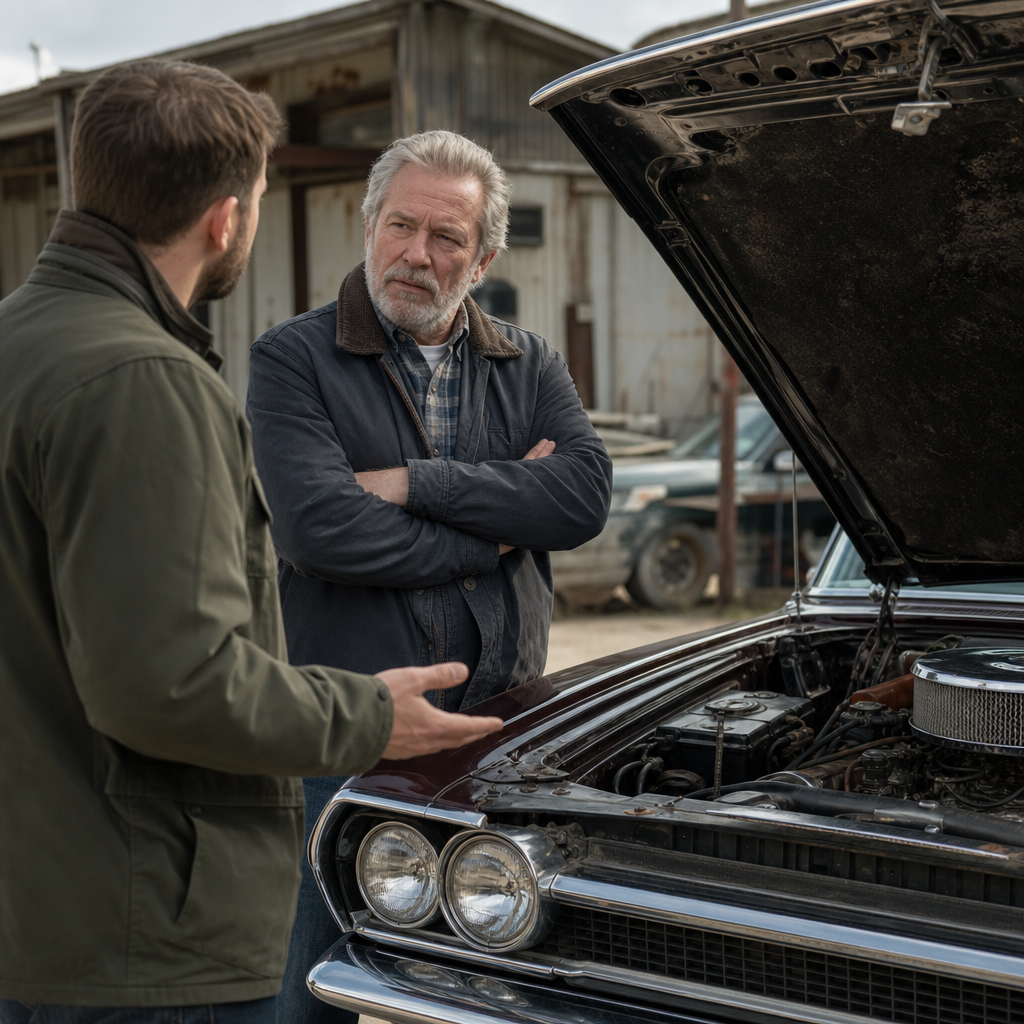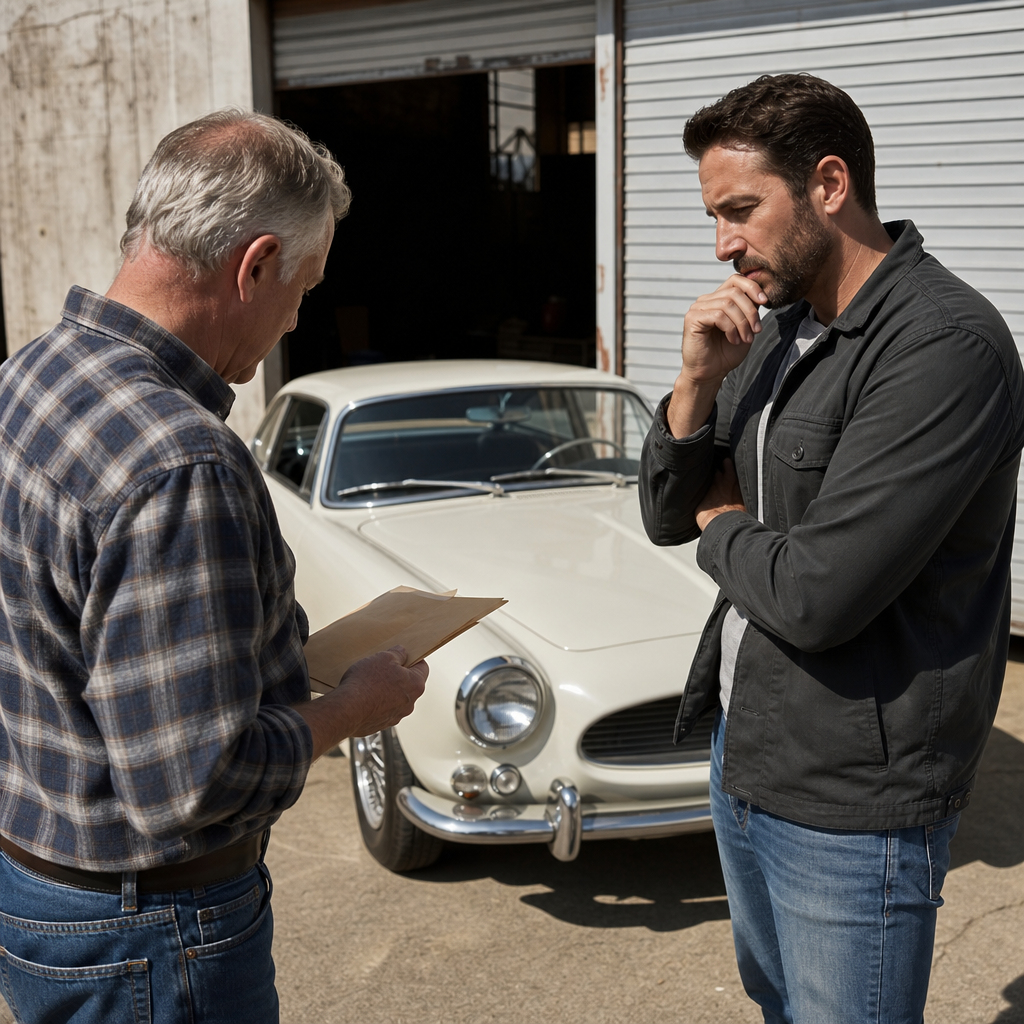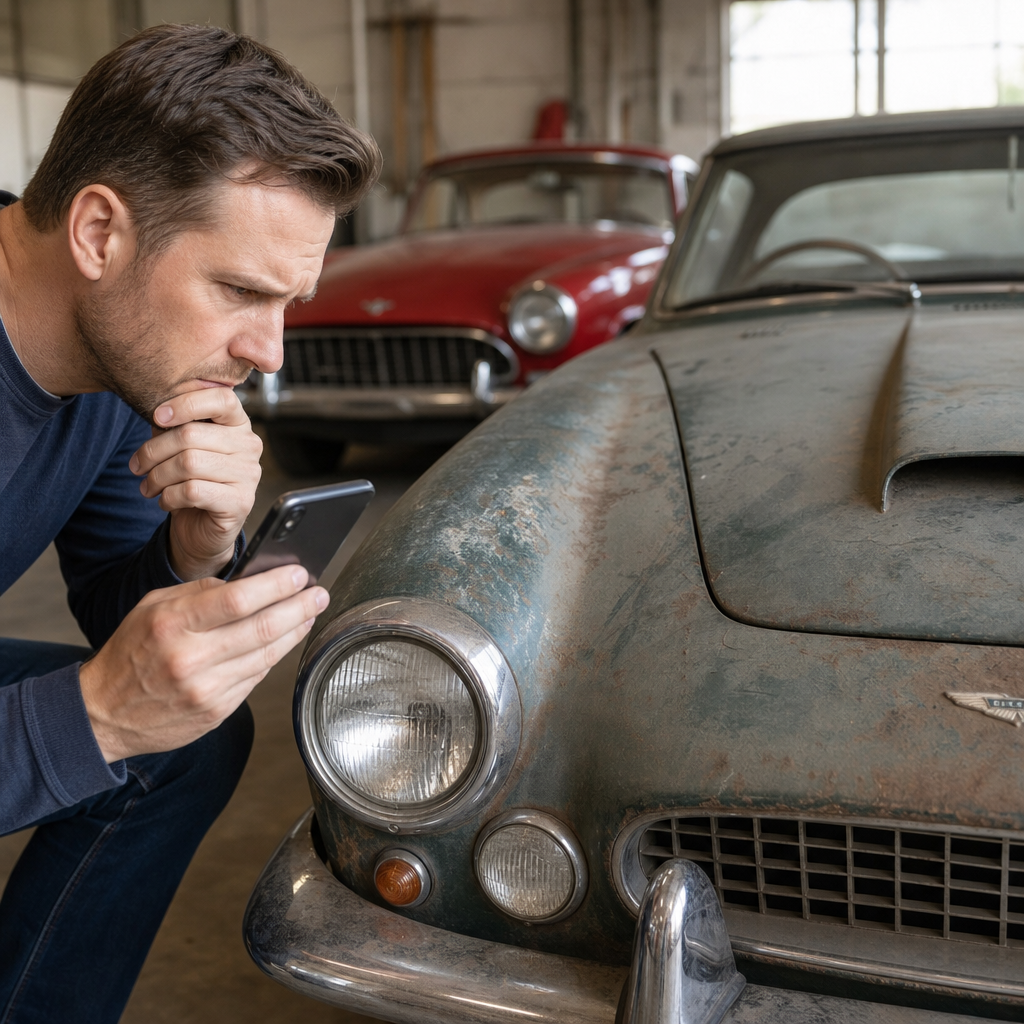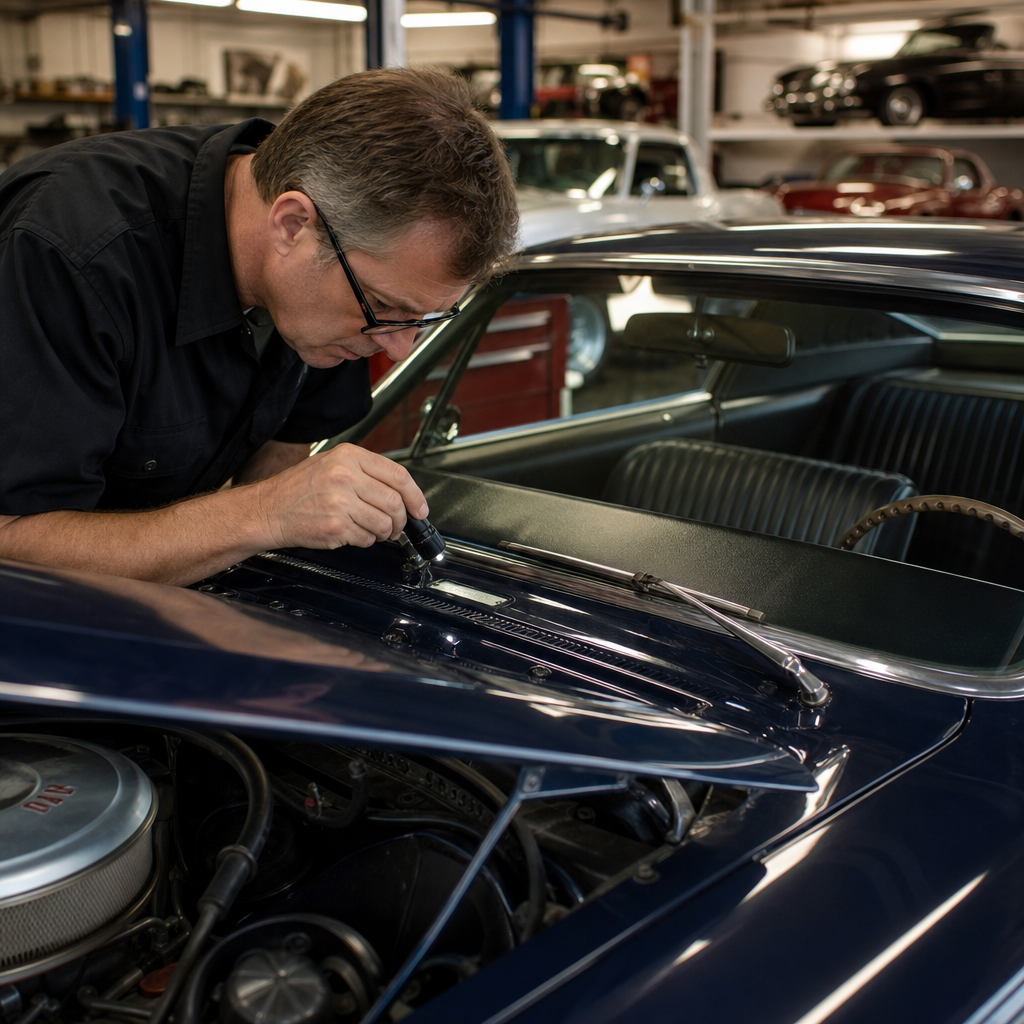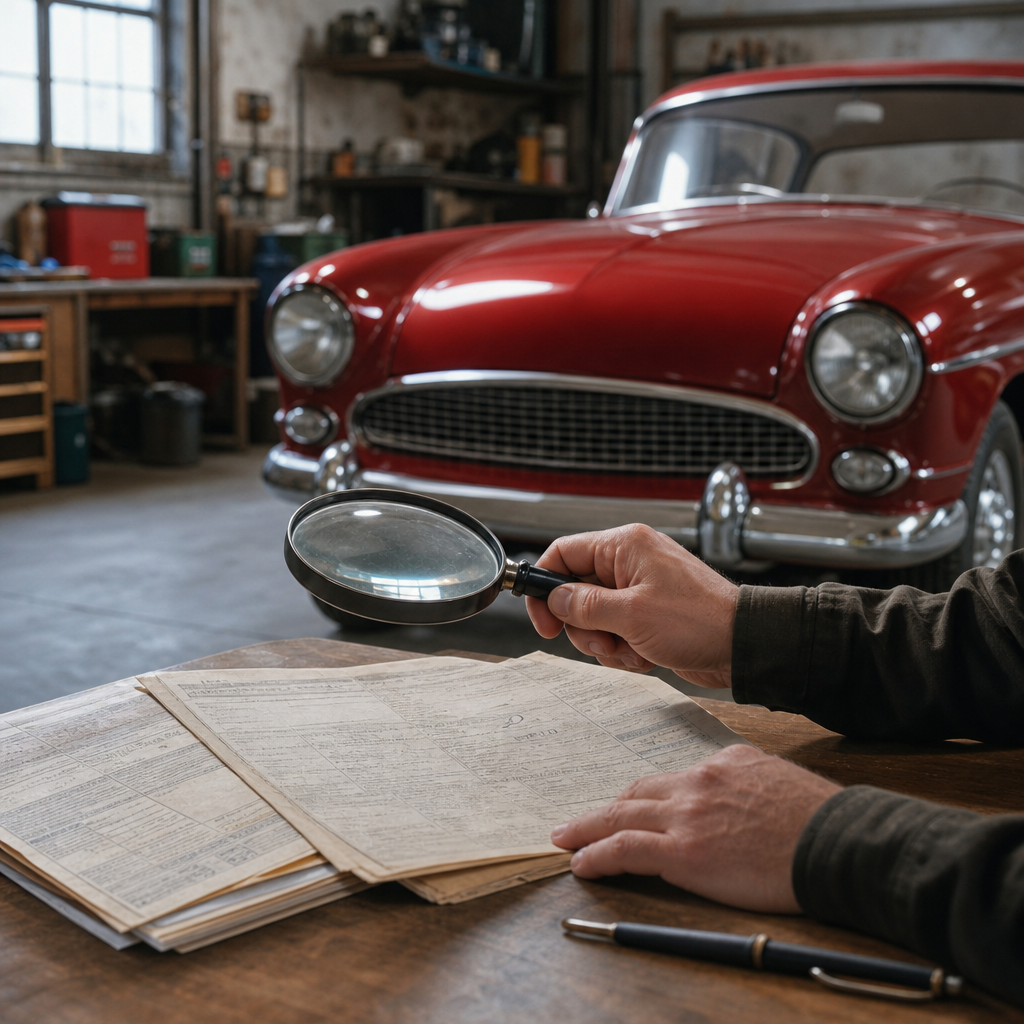

Buying classic cars on eBay Motors can be efficient, rewarding, and surprisingly safe when you understand how the marketplace works, how listings are structured, and how to verify a vehicle before money changes hands. For buyers entering the classic car market, “classic” usually refers to vehicles old enough to have collector interest, historical significance, or enthusiast demand, though insurers and state agencies may define the term differently. eBay Motors matters because it combines national inventory, auction-style price discovery, and fixed-price convenience in one searchable platform. I have used it to track market trends, compare restoration quality, and source hard-to-find models that never appear locally. As a hub for where to buy classic cars, this guide explains why eBay Motors deserves a place beside specialty dealers, live auctions, marque forums, and local private sellers. It also shows how to search intelligently, evaluate listings, manage risk, and connect this marketplace to the broader classic-car buying strategy. If you want one place to start before diving into model-specific guides, inspection checklists, title-verification resources, and negotiation tactics, this is that starting point. The goal is simple: help you buy a better car, at a fairer price, with fewer surprises.
Why eBay Motors belongs in any serious classic car search
eBay Motors is one of the best places to buy classic cars because it exposes buyers to a wider pool of vehicles than most local channels. A regional search on Craigslist or Facebook Marketplace may show a handful of 1967 Mustangs, while a national eBay Motors search can show coupes, fastbacks, convertibles, big-block cars, restomods, and project cars across dozens of states. That broader inventory is not just about choice. It helps you understand real asking prices, common option combinations, and how condition affects value. In practice, I use eBay Motors as a live market scanner even when I do not plan to bid immediately.
The platform also covers multiple seller types. You will see private owners, consignment companies, specialty dealers, and restoration shops listing vehicles. That mix is useful because each source has strengths and weaknesses. Private sellers may offer lower prices and more history with the car. Dealers may provide financing, transport contacts, and additional photos. Consignment sellers can have excellent presentation but uneven firsthand knowledge. Recognizing who is behind the listing is often as important as the car itself.
Another advantage is transparency in listing structure. eBay Motors typically shows the VIN, seller feedback, reserve status, buy-it-now pricing if available, and a written description with photo galleries. Those details create an initial screening layer. Compared with some social media listings that say little more than “runs great,” a well-built eBay listing can reveal restoration scope, trim-tag information, engine casting details, and known defects. Not every listing is complete, but the framework encourages more disclosure than many informal marketplaces.
As a hub page for where to buy classic cars, it is important to place eBay Motors in context. It is not automatically better than Barrett-Jackson, Mecum, Hemmings, Bring a Trailer, dealer inventory sites, or club classifieds. It is different. eBay is strongest when you want broad inventory, price comparison, and access to cars outside your immediate geography. It is weaker when you need the intense community vetting of a comment-driven auction platform or the in-person theater of a live auction. Smart buyers use eBay Motors as one channel within a larger search plan.
How to search eBay Motors for the right classic car
Start with a precise search strategy. Most first-time buyers search too broadly, then get overwhelmed by clones, tribute cars, unfinished projects, and overpriced examples. Narrow your search by year range, make, model, body style, transmission, engine, mileage category, and seller distance. If you are shopping for a C3 Corvette, searching “1968 1982 Corvette manual numbers matching” will surface very different inventory than simply typing “old Corvette.” Saved searches are essential because good cars move quickly and desirable auctions attract attention in the final hours.
Use model-specific terminology. For example, Chevrolet buyers should search “big block,” “L48,” “LS5,” or “396/375” when relevant. Porsche buyers may use “matching numbers,” “COA,” or “Kardex.” Mercedes buyers may look for “Euro spec,” “data card,” or chassis codes like “W113.” These terms matter because sellers who know collector cars tend to write listings with enthusiast language, and those listings usually contain better information. That does not guarantee honesty, but it improves the odds that the seller understands what they are offering.
Filter by completed and sold listings whenever possible to study pricing. Ask prices in the classic-car world can be fantasy. Closed listings show what buyers were actually willing to pay, especially for common models like first-generation Camaros, Tri-Five Chevrolets, and air-cooled Beetles. Compare sold prices against condition. A freshly restored 1970 Chevelle SS with documentation should not be benchmarked against a non-running Malibu project with reproduction trim and no paperwork.
Pay attention to listing language. Terms such as “tribute,” “clone,” “re-body,” “non-original drivetrain,” “older restoration,” and “driver-quality” have specific implications. “Numbers matching” should prompt verification, not blind trust. “Rust free” should be backed by underbody photos. “Frame-off restoration” should come with invoices, process photos, and details about what was actually rebuilt. Sellers often use attractive phrases loosely. Your job is to turn marketing language into verified facts.
How to read a listing like an experienced buyer
The strongest eBay Motors listings answer five questions clearly: what the car is, how original it is, what condition it is in, what paperwork comes with it, and what problems the seller knows about. If any of those areas are vague, assume more research is needed. I read the photos first, then the description, then the seller profile. Photos often reveal overspray, panel-fit issues, incorrect trim, uneven ride height, fluid leaks, and wear patterns that the written copy avoids.
Descriptions should explain ownership history, restoration date, major mechanical work, paint quality, interior condition, and whether systems such as gauges, lights, heat, air conditioning, wipers, and windows operate correctly. For unibody cars, rust discussion should include floors, rockers, trunk, lower fenders, and windshield channels. For body-on-frame vehicles, it should mention frame condition, body mounts, and undercoating. If the seller says “see pictures for details” instead of describing known faults, that is not enough.
Documentation is a major value driver. Factory build sheets, protect-o-plates, window stickers, service records, restoration binders, ownership chain, and third-party appraisals all help. For high-value cars, look for certification from recognized registries or judging organizations when applicable. NCRS for Corvettes, Porsche Certificate of Authenticity or Kardex-era records, and marque-club verification can matter materially. Documentation does not replace inspection, but it can separate an investment-grade example from a cosmetic driver.
| Listing element | What to look for | Why it matters |
|---|---|---|
| VIN and tags | Clear photos, decode consistency, matching paperwork | Confirms identity and helps detect clones or title issues |
| Underside photos | Floors, frame rails, suspension mounts, drain areas | Rust and poor repairs are expensive to correct |
| Engine details | Casting numbers, stampings, cold-start video, leak evidence | Supports originality claims and indicates mechanical health |
| Interior shots | Dash, seats, carpet, headliner, gauges, pedals | Wear patterns reveal use, mileage plausibility, and restoration quality |
| Paperwork | Receipts, title, service history, judging sheets | Adds confidence and supports valuation |
Seller feedback deserves careful interpretation. A high score is helpful, but look beyond the percentage. Has the seller completed vehicle transactions, or mostly sold low-cost parts and household items? Do comments mention accurate descriptions and smooth handoffs? A seller with modest volume but a clear history of automotive transactions may be safer than a high-volume general seller with no collector-car track record. Also note response speed and specificity when you ask questions. Serious sellers answer directly.
Inspection, verification, and due diligence before you bid
Never rely solely on photos. The most important rule in buying classic cars on eBay Motors is to verify the car independently before committing. For any meaningful purchase, arrange a pre-purchase inspection by a qualified local specialist. Companies such as Lemon Squad and individual marque experts can inspect remotely, but the best inspector is one who knows the exact model line. A Mopar specialist will notice incorrect stampings or trim on a 1970 Road Runner that a general mechanic may miss.
Ask for a cold-start video, walkaround video, underside video, and driving video showing shifts, braking, steering response, and gauge operation. Request close-ups of VIN tags, body tags, engine stampings, casting numbers, date codes, and known rust areas. If the seller resists reasonable verification, walk away. Collector cars are emotional purchases, and buyers often ignore warning signs because they fear missing out. There will always be another car.
Title verification is essential. Confirm that the seller’s name matches the title, and understand state-specific title rules for older vehicles. Some states do not issue titles for certain years, relying on registrations instead. That can be legitimate, but you need to confirm what your home state requires before purchase. Services like Carfax are less useful on older cars than on modern vehicles, yet they can still help on later classics. For earlier vehicles, title agencies, state DMV guidance, and ownership documentation become more important.
Valuation should combine multiple sources. Hagerty Price Guide, collector auction results, insurance agreed-value data, dealer listings, and model-specific forums create a more accurate price range than any single tool. Condition grading matters. A number-two condition car can be worth dramatically more than a number-three driver, especially in sought-after models like early Broncos, 911s, and FJ40 Land Cruisers. If a car is priced at concours money but photographed like an older amateur restoration, do not let presentation outrun evidence.
Payment, shipping, and avoiding common eBay Motors mistakes
Before bidding, read the payment terms closely. Many eBay Motors sellers require a non-refundable deposit within 24 to 48 hours, with full payment due by wire transfer, cashier’s check, or escrow arrangement. Use secure methods and verify instructions by phone using independently confirmed contact details, not only email. Fraud in classic-car sales often involves intercepted messages and altered wire instructions. I always confirm account details verbally before sending funds.
Shipping is part of the purchase decision, not an afterthought. Open transport may be acceptable for a driver-quality car, but enclosed transport is the standard for high-value classics, fresh restorations, and fragile finishes. Get quotes early because cross-country shipping can materially change the total acquisition cost. Also confirm whether the car rolls, brakes, and steers. Non-running project cars cost more to move and may require winch access or specialized carriers.
One of the biggest mistakes buyers make is bidding emotionally in the final minutes of an auction without having completed due diligence. Another is overestimating the value of cosmetic restoration. Fresh paint, reproduction wheels, and a detailed engine bay can distract from poor metalwork, cheap interiors, and tired mechanicals. On eBay Motors, good photography can flatter average cars. That is why inspections, documentation, and knowledgeable comparison shopping are more valuable than slick presentation.
Another common mistake is treating eBay as the only place to buy. It is a powerful marketplace, but this hub exists to frame the larger classic-car buying landscape. The smartest approach is to compare eBay Motors listings with specialty auction platforms, dealer inventories, enthusiast forums, club classifieds, and local estate or garage-sale leads. When the same model appears across channels, patterns emerge: which sellers disclose more, which cars are relisted repeatedly, and which prices reflect actual demand rather than seller optimism.
How eBay Motors fits into a broader “where to buy classic cars” strategy
If you are building a complete buying plan, treat eBay Motors as your broad-market search engine and comparison tool. Use it to learn inventory volume, identify pricing bands, and discover cars outside your region. Then cross-check what you find against niche sources that offer deeper vetting. Enthusiast forums can reveal known cars and long-term owner reputations. Marque clubs often know which restorations were done well and which shops to avoid. Specialty dealers may charge more, but they sometimes absorb the costs of sorting, detailing, and paperwork that private sales leave to the buyer.
Bring a Trailer can provide stronger public commentary and more transparent bidding histories for certain enthusiast models. Hemmings remains useful for traditional classified-style searching. Mecum and Barrett-Jackson expose high-profile auction pricing, though televised results can skew perceptions for exceptional cars. Local shows, cruise-ins, and club meets still matter because they create off-market opportunities. In my experience, the best purchases often come after tracking a model online, learning its weak points, and then buying through the channel that best matches your risk tolerance.
The main benefit of eBay Motors is reach. The main limitation is that reach can create false confidence if you skip verification. Use the platform to widen your options, not to lower your standards. Search carefully, decode listings critically, inspect independently, verify titles and numbers, and budget for transport and post-purchase fixes. Do that, and eBay Motors becomes one of the most practical ways to buy classic cars. As you continue exploring where to buy classic cars, use this hub as your foundation, then move into model-specific guides, inspection checklists, and seller comparisons so your next bid is informed, disciplined, and far more likely to end with the right car in your garage.
Frequently Asked Questions
1. Is it safe to buy a classic car on eBay Motors?
Yes, buying a classic car on eBay Motors can be safe when you approach the transaction with the same discipline you would use for any significant vehicle purchase. The platform gives buyers access to a large national marketplace, but safety depends on how carefully you evaluate the listing, the seller, and the car itself before sending money. Start by reviewing the seller’s feedback history, how long the account has been active, and whether the description is specific, consistent, and supported by clear photos. Serious sellers usually provide detailed information about mileage, ownership history, VIN, drivetrain, body condition, restoration work, title status, and known flaws rather than relying on vague statements like “runs great” or “needs nothing.”
You should also verify the vehicle independently. Ask for the VIN and run a vehicle history report if available, understanding that older classics may have incomplete records. Request additional photos and videos, including cold starts, walkarounds, underbody shots, trunk floors, frame rails, engine bay, and close-ups of common rust areas. If the car is valuable or the listing leaves unanswered questions, hire a professional pre-purchase inspector who understands classic cars. This is especially important because collector vehicles often have issues that do not appear in standard modern-car inspections, such as hidden corrosion, poor-quality restoration work, non-matching parts, or modifications that reduce value.
Finally, protect the payment process. Avoid wire transfers to unverifiable parties, be cautious with off-platform communication that pressures you to act quickly, and confirm title ownership before funds are released. The safest purchases happen when the buyer treats the listing as the beginning of the research process, not the end of it. eBay Motors can make classic car shopping efficient and surprisingly secure, but due diligence is what turns convenience into a smart purchase.
2. What should I look for in a classic car listing on eBay Motors?
A strong classic car listing should tell a complete story about the vehicle. At a minimum, you want to see the year, make, model, trim, engine, transmission, mileage shown on the odometer, title status, VIN, and an honest explanation of the car’s overall condition. Beyond that, the best listings describe whether the vehicle is original, partially restored, fully restored, modified, or a project car. They should explain what work has been done, when it was done, who performed it if known, and whether receipts or documentation are available. For collector vehicles, provenance matters, so any mention of original manuals, build sheets, ownership records, restoration photos, or awards can be meaningful.
Photos are one of the most important parts of the listing. You should expect to see exterior shots from all angles, interior photos, engine bay, trunk, undercarriage, wheels, tires, glass, weatherstripping, VIN plate, trim tags if applicable, and close-ups of flaws. A listing with only a few glamour shots is not enough for a classic car purchase. The seller should also disclose imperfections such as paint bubbling, rust, oil leaks, cracked upholstery, electrical issues, smoke on startup, hard shifting, brake pull, or gauges that do not work. Honest disclosure is often a sign that the seller knows the car and is representing it responsibly.
Pay attention to wording as well. Phrases like “believed to be original,” “numbers matching,” “restored,” and “survivor” can affect value, but those terms should be backed by evidence. If something sounds too perfect, ask for documentation. Also review the listing format carefully. On eBay Motors, some vehicles are sold at auction, some with reserve pricing, and some as Buy It Now listings. Make sure you understand whether your bid is binding, what the reserve means, whether a deposit is required, and what the seller’s payment and pickup terms are. A good listing does not just market the car; it helps you assess risk.
3. How can I verify the condition and authenticity of a classic car before buying?
The best way to verify a classic car is to combine documentation, direct communication, and independent inspection. Begin with the VIN and any factory trim tags, engine stampings, or body identification numbers that are relevant to the specific make and model. For many collector cars, originality and authenticity have a major impact on value, so it is important to determine whether the car has its original engine, transmission, color combination, and major components. Some brands have decoding services, enthusiast registries, marque experts, and factory records that can help confirm whether the vehicle matches the seller’s claims.
Next, speak directly with the seller. Ask specific questions instead of broad ones. For example, ask where the car has rust, whether the engine was rebuilt and by whom, whether the transmission shifts smoothly when cold, whether the gauges and lights work, whether the title is in the seller’s name, and whether there are any fluid leaks after driving. Request recent videos showing startup, idling, acceleration, braking, and a walkaround with the car in natural light. A seller who responds clearly and consistently is generally more reassuring than one who avoids direct answers or changes details over time.
Most importantly, arrange a pre-purchase inspection by a qualified mechanic or classic car specialist local to the vehicle. This step can save you thousands of dollars and help you avoid buying a car with hidden structural rust, filler under fresh paint, weak compression, poor wiring, accident damage, or incomplete restoration work. If possible, use an inspector with experience in that specific model or era. Classic cars often have known weak points, and a specialist will know exactly where to look. If the seller refuses an inspection without a good reason, that is a major red flag. Verification is not about finding a perfect old car; it is about knowing exactly what you are buying and paying a price that reflects reality.
4. How do bidding, reserve prices, and Buy It Now options work on eBay Motors for classic cars?
eBay Motors listings typically appear in one of a few sales formats, and understanding them is essential before you commit. In an auction listing, buyers place bids during a set period, and the highest bidder may win the vehicle when the auction ends. Some auctions have a reserve price, which means the seller has set a confidential minimum amount they are willing to accept. If bidding does not reach that number, the car does not sell even if you are the highest bidder. This matters because a strong bid does not always result in a purchase unless the reserve has been met.
Other listings use Buy It Now pricing, which allows you to purchase the vehicle immediately at a fixed price. This format appeals to buyers who do not want the uncertainty of an auction and to sellers who have a firm idea of the car’s market value. In some cases, listings may include both a Buy It Now option and an auction format, at least until bidding reaches a certain point. Always read the terms carefully so you understand whether making an offer, placing a bid, or clicking Buy It Now creates a binding commitment. Many sellers also require a deposit shortly after the listing ends, with the balance due within a specified timeframe.
Before bidding, know your maximum budget and include more than just the purchase price. Classic car buyers often need to account for shipping, taxes, registration, insurance, inspection fees, and immediate repairs or maintenance. It is easy to get caught up in auction momentum, especially when a desirable collector vehicle appears scarce, but the smartest buyers stay disciplined. Review comparable sales when possible, understand whether the car is driver quality or show quality, and remember that rarity alone does not guarantee value. On eBay Motors, the transaction format can be efficient, but your success depends on understanding exactly what obligations begin once you place that bid.
5. What happens after I win a classic car on eBay Motors, and how should I handle payment and shipping?
Once you win or purchase a classic car on eBay Motors, the real transaction work begins. The first step is to contact the seller promptly and confirm the next details in writing: final sale price, deposit amount, accepted payment methods, payment deadline, title transfer process, vehicle pickup location, and whether any extra parts or documentation are included. You should also confirm the exact legal name on the title and make sure it matches the seller or is otherwise properly documented. If the vehicle is being sold by a dealer, review any fees, paperwork requirements, and state-specific rules that may apply.
For payment, use the most secure method available and be extremely cautious with irreversible transfers unless you have fully verified the seller and ownership documents. Depending on the situation, buyers may use bank wire transfers, cashier’s checks, escrow arrangements, or financing, but the safest route is the one that provides the clearest paper trail and the strongest verification. Never rush because a seller claims there are backup buyers waiting. A legitimate seller should understand that classic car purchases require careful title review and logistical planning. Before sending final payment, verify that the title is clear, the VIN matches the vehicle, and there are no undisclosed liens.
Shipping is the next major step. If the car is not local, get quotes from reputable classic or enclosed transport carriers, especially for higher-value vehicles. Ask whether the car runs and steers properly, whether it has low ground clearance, and whether loading assistance is needed. Enclosed transport is usually preferred for collectible cars because it offers better protection from