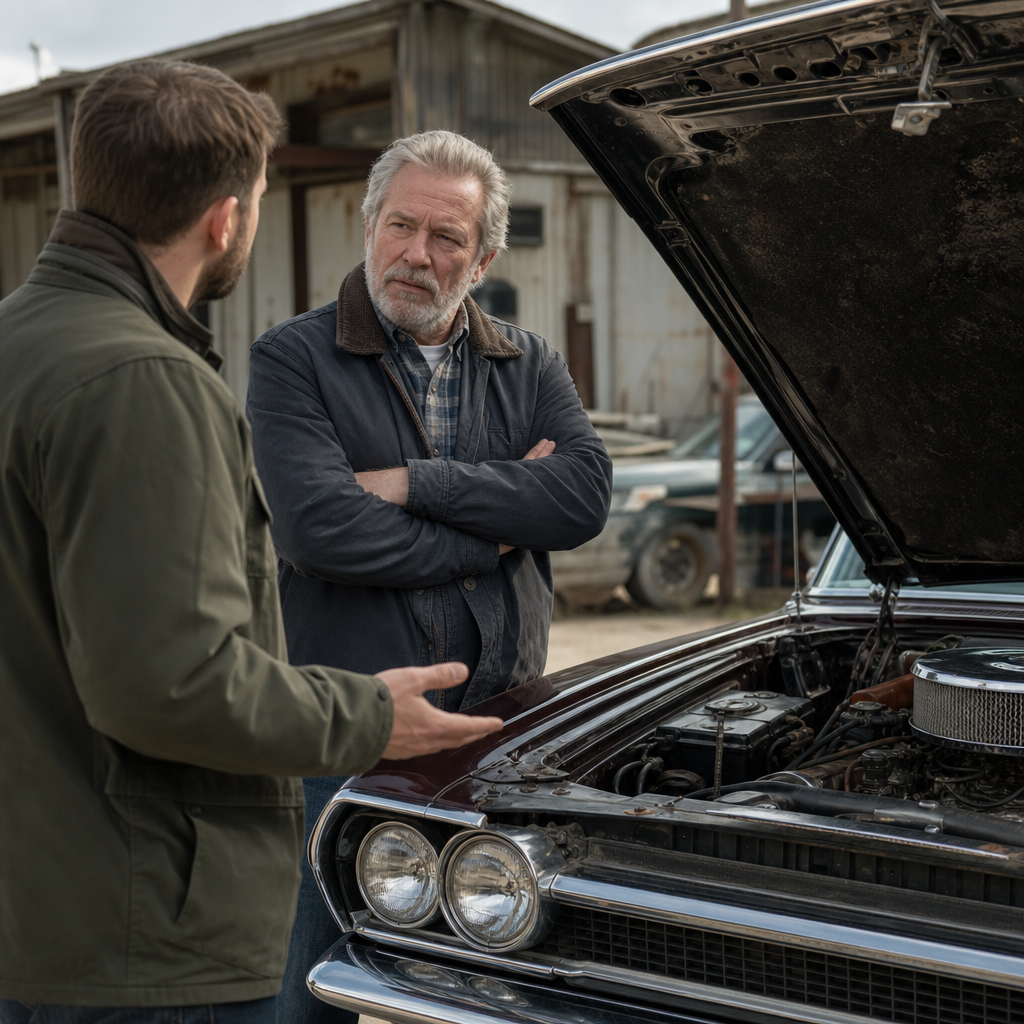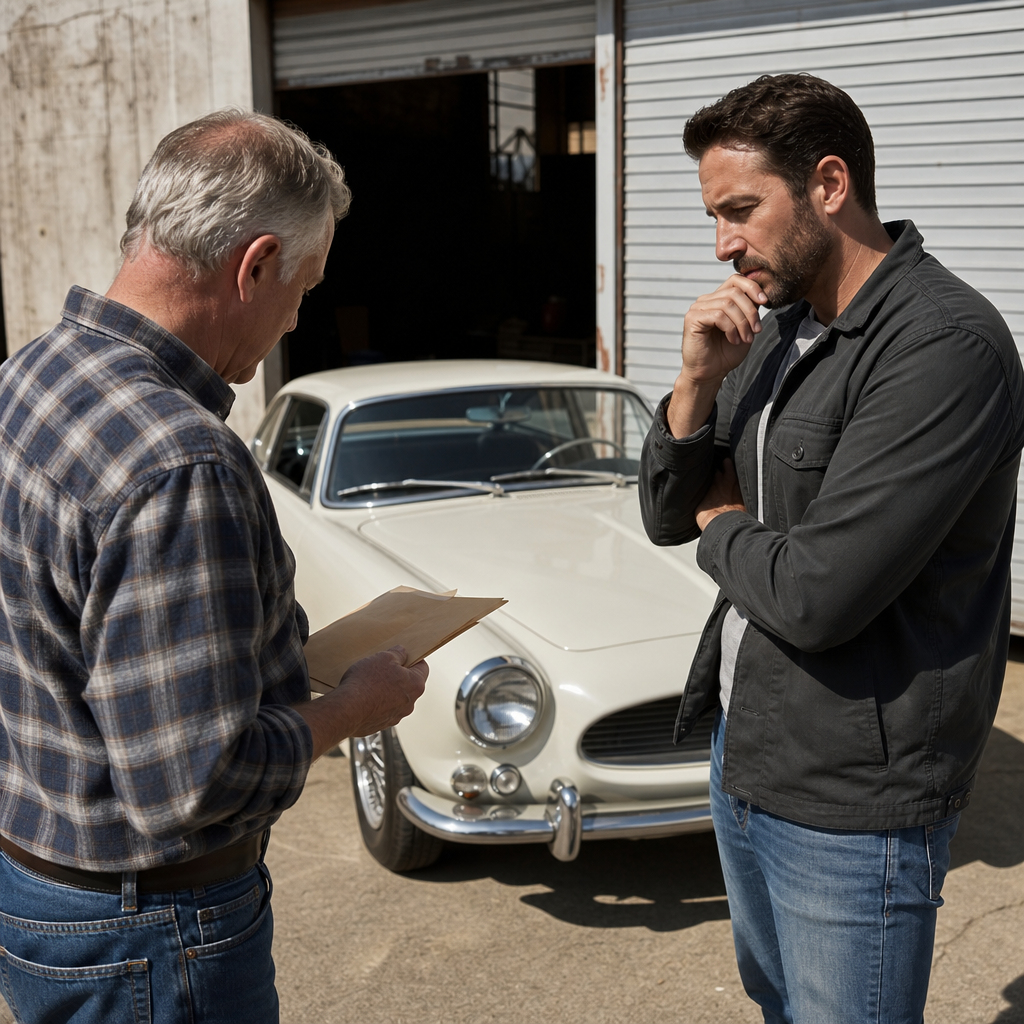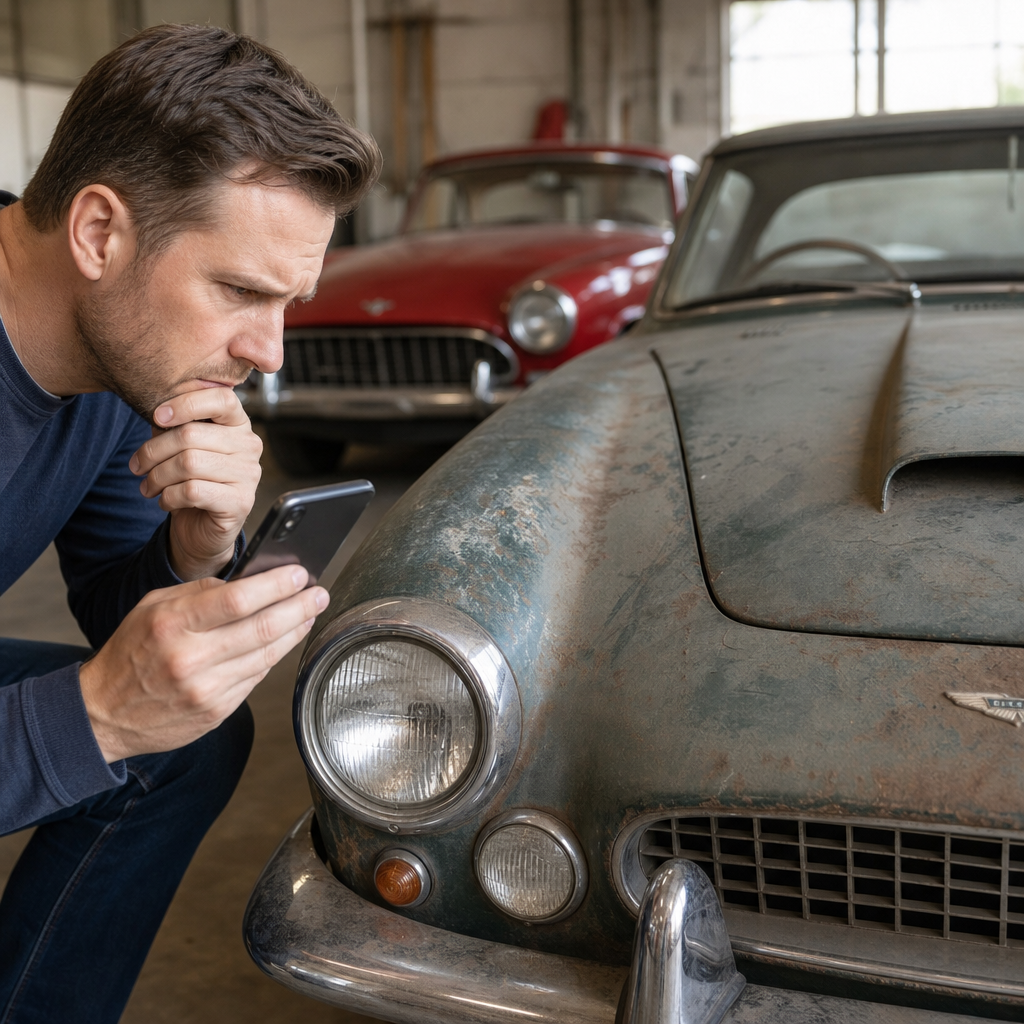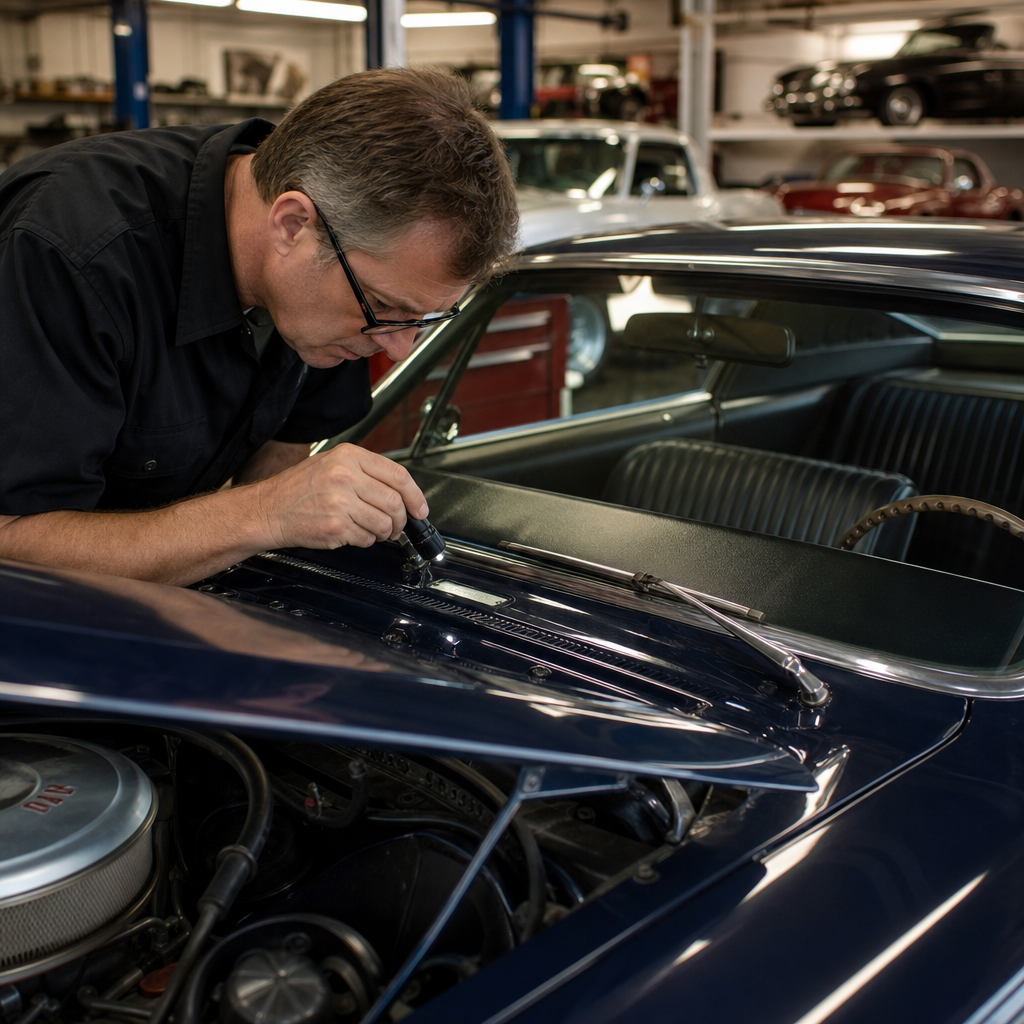
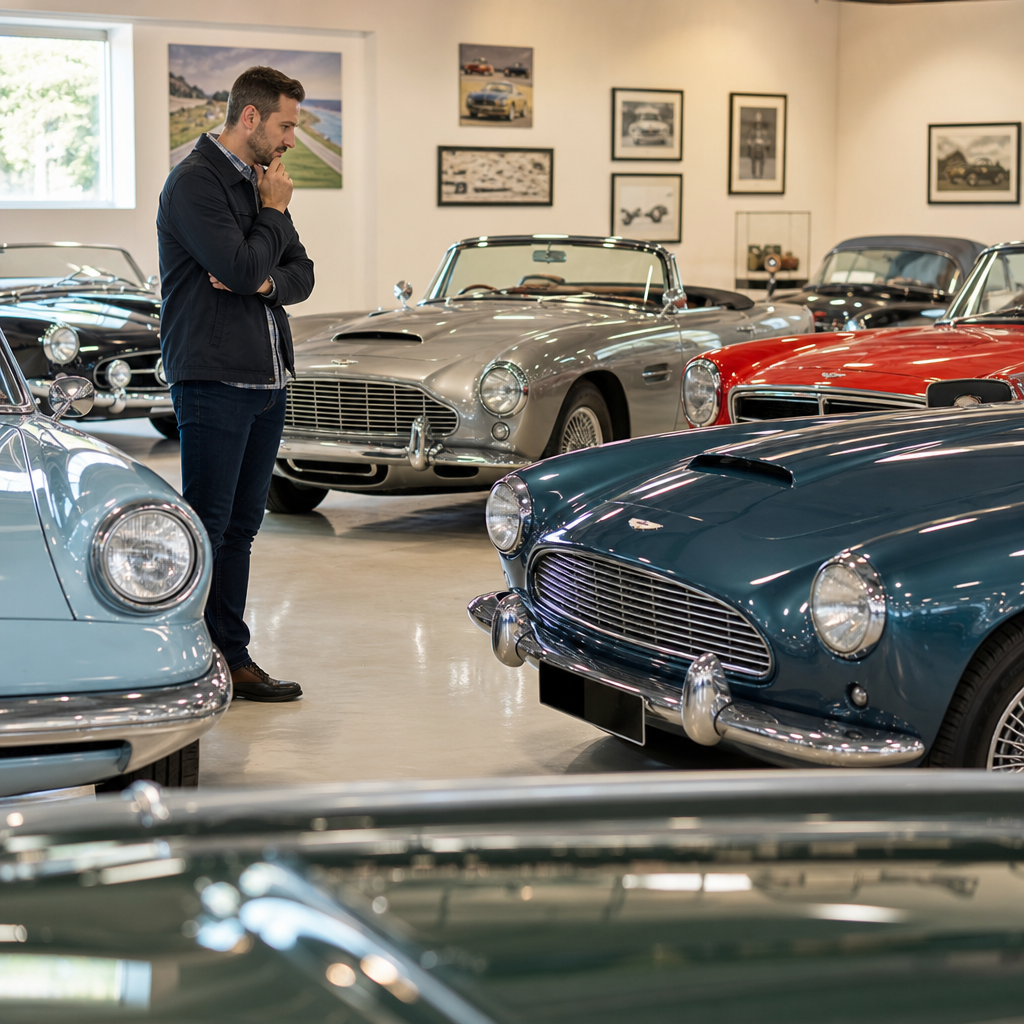
Are classic car dealerships worth it? For many buyers, the honest answer is yes, but only when the dealership’s inventory, inspection process, pricing discipline, and after-sale support justify the premium over private sellers, auctions, and online marketplaces. In the classic car world, “dealership” can mean a small specialist with twenty carefully curated vehicles, a consignment showroom representing owners, or a large operation that buys, restores, markets, and ships cars nationwide. That distinction matters because each model changes how risk, price, and transparency are handled. I have worked through purchases from all three channels, and the differences show up quickly in paperwork quality, mechanical disclosure, and how problems are resolved after money changes hands.
This topic matters because where to buy classic cars affects more than convenience. It influences authenticity, title safety, total purchase cost, insurance acceptance, transport planning, and future resale value. A buyer searching for a first muscle car, air-cooled Porsche, vintage truck, or postwar British roadster is not simply choosing a vehicle; that buyer is choosing a transaction structure. A good dealership can save weeks of research, provide financing options, coordinate pre-purchase inspections, and reduce the odds of buying a car with hidden rust, an incorrect VIN plate, or an inflated restoration story. A weak dealership can add markup without adding protection. As a hub for where to buy classic cars, this guide explains how classic car dealerships compare with private-party sales, auctions, online platforms, and specialty brokers, so you can decide when the dealership route is worth the money.
What classic car dealerships actually do
Classic car dealerships usually add value in four ways: sourcing, vetting, presentation, and transaction support. The best stores use marque knowledge to buy selectively, reject poor restorations, and document details such as engine stampings, casting dates, trim tags, and ownership history. Reputable sellers often perform compression tests, road tests, fluid inspections, and lift inspections before listing a car. They photograph underbodies, paint-meter panels, and identify non-original components instead of relying on glamour shots. That extra work matters because classics are rarely standardized products. Two 1967 Chevrolet Camaros can look similar online while differing dramatically in rust repair quality, driveline originality, and market value.
Dealerships also simplify logistics. Many can arrange enclosed shipping, third-party inspections, collector-car financing through firms such as Woodside Credit, and agreed-value insurance through carriers that understand limited-use vehicles. Some handle title transfers for out-of-state buyers and know state-specific issues involving bonded titles, emissions exemptions, and model-year registration quirks. In practice, that administrative competence is one of the biggest advantages for buyers who are entering the hobby or purchasing across state lines.
Not every dealership owns its inventory. Consignment dealers display cars on behalf of owners and collect a commission when a sale closes. That model can produce excellent inventory because enthusiasts consign high-value vehicles to reach a broader audience, but it also means the dealer may know less about long-term maintenance history than the owner does. Ask directly whether the car is dealer-owned, consigned, or brokered. The answer affects negotiation flexibility and how strong any representations really are.
How dealerships compare with other places to buy classic cars
To decide whether classic car dealerships are worth it, compare them with the full landscape of where to buy classic cars. Private sellers often offer the lowest prices because there is no middleman markup, and many longtime owners know their cars intimately. However, private deals vary wildly in documentation quality, buyer protection, and communication discipline. Auctions can provide access to rare inventory and real-time price discovery, but buyer’s premiums, transport urgency, and adrenaline-driven bidding frequently raise the true cost. Online marketplaces such as Hemmings, Bring a Trailer, Cars & Bids, Facebook Marketplace, and marque forums expand selection but shift more due diligence onto the buyer. Specialty brokers can locate hard-to-find models, though fees and incentives need close scrutiny.
| Buying source | Main advantage | Main risk | Best for |
|---|---|---|---|
| Classic car dealership | Convenience, vetting, paperwork support | Higher price, inconsistent expertise | Buyers who want lower transaction friction |
| Private seller | Potentially lower price and direct history | Limited recourse, variable disclosure | Experienced buyers comfortable inspecting cars |
| Auction | Broad inventory and transparent bidding | Premiums, pressure, uneven inspection time | Buyers seeking rare or market-fresh cars |
| Online marketplace | Huge selection and national reach | Remote buying risk and misrepresentation | Shoppers comparing many models quickly |
| Broker | Access to off-market cars | Fee opacity and mixed loyalty | Collectors chasing specific specifications |
In plain terms, dealerships are usually worth it when time, risk reduction, and support matter more than absolute lowest purchase price. They are less compelling when you already know the exact model, have trusted inspectors, and can buy directly from an informed owner. That is why no single answer fits every transaction. The right buying channel depends on your experience level, budget, tolerance for surprises, and willingness to travel for inspections.
When paying dealer markup makes sense
Dealer markup is justified only if it buys real protection or real efficiency. On a well-run showroom floor, markup pays for inventory carrying costs, detailing, photography, title administration, sales staff, facilities, marketing, and some level of pre-listing inspection. More importantly, it can buy access to cleaner cars. The best dealers know which restoration shops produce metalwork that survives scrutiny, which common model-year issues to flag, and which “numbers-matching” claims deserve skepticism. I have seen buyers save money overall by paying a stronger upfront price at a specialist dealer and avoiding six months of rust repair, cooling-system work, and trim sourcing that followed a cheaper private purchase.
Markup also makes sense when financing matters. Many private sellers want immediate wire transfers or cash-equivalent payment, while dealerships can coordinate lending and help buyers preserve liquidity. For some buyers, especially those purchasing six-figure classics or collector trucks for business use in promotional fleets, that flexibility changes the decision. Another practical benefit is trade-ins. If you need to move one collector car to buy another, a dealership can collapse two transactions into one, even if the trade allowance is slightly below a private-sale number.
The markup does not make sense when a dealer adds little beyond staging. If the listing has vague language, no undercarriage photos, no cold-start video, and no records beyond “older restoration,” you may be paying retail for wholesale-grade diligence. The best test is simple: ask detailed questions. A worthwhile dealer answers clearly and fast, shares flaws without prompting, and welcomes an independent inspection.
How to evaluate a classic car dealership before you buy
Start with reputation, then verify process. Read Google reviews, Better Business Bureau records, enthusiast forum discussions, and social media comments, but do not stop there. Review the dealer’s listings over time. Are descriptions consistent? Do they identify paintwork, replacement drivetrains, reproduction interiors, and known faults, or do they rely on generic superlatives? Good dealerships use precise language because precision builds trust and reduces post-sale disputes. Look for paint-meter readings, VIN photos, trim-tag photos, engine pad images, service invoices, and underbody documentation.
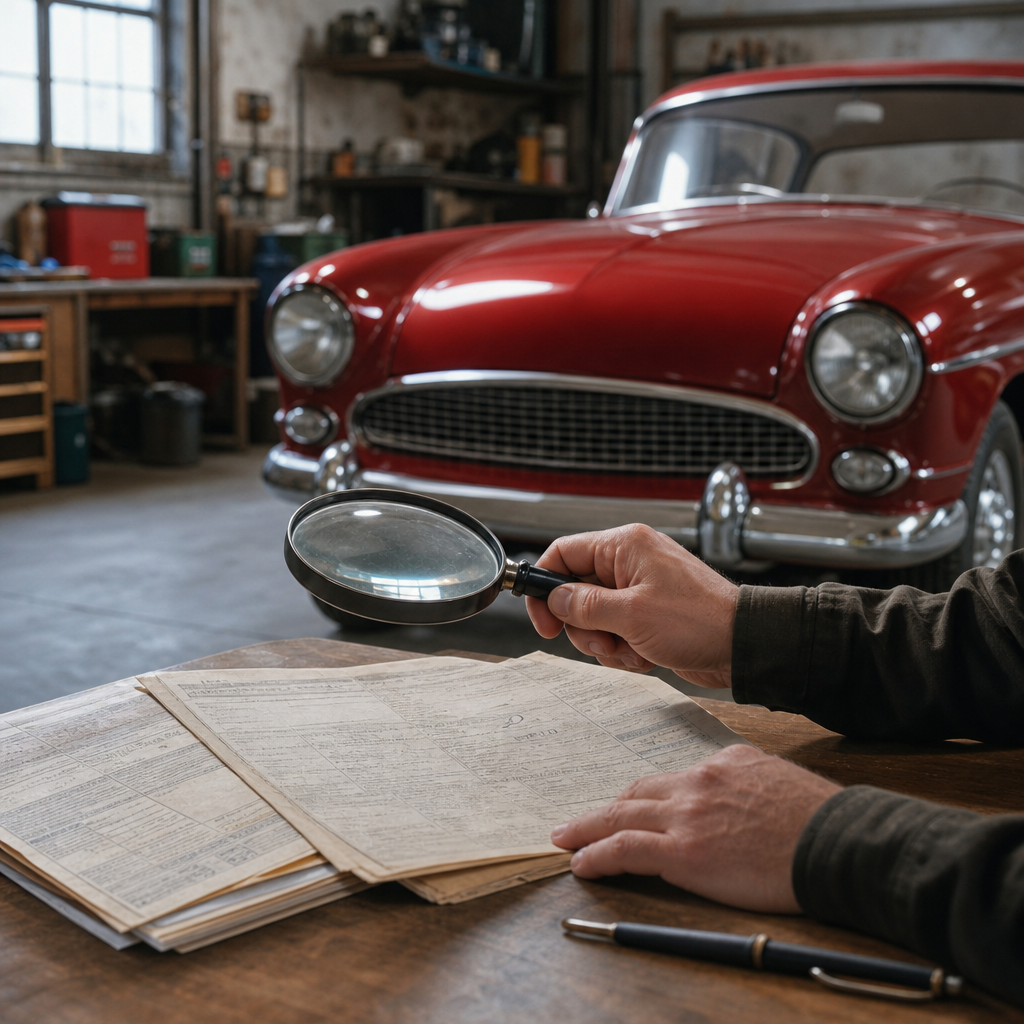
Ask for a walkaround video, a cold-start video, and a driving video that includes gear changes, braking, gauges, and idle quality. Request copies of title documents, restoration receipts, and any judging sheets if the car has appeared at marque events. If the seller claims concours quality, there should be evidence such as marque-club awards, photo-documented restoration stages, or invoices from recognized shops. If the car is represented as original, ask what is original: paint, drivetrain, sheet metal, interior, glass, and finishes all matter differently depending on the model and your goals.
Independent inspections remain essential. Use a marque specialist whenever possible, not just a general mobile inspector. A vintage Mercedes-Benz 280SL, C2 Corvette, or early Bronco has known weak points that generalists may miss. Compression and leak-down tests, borescope inspection, paint-thickness readings, and lift inspection should be standard on significant purchases. A dealership worth its premium cooperates with that process.
Red flags that make classic car dealerships not worth it
The biggest red flag is resistance to scrutiny. If a dealer discourages third-party inspections, refuses underbody photos, or pushes for a deposit before answering ownership and title questions, walk away. Another warning sign is language that overstates certainty. Terms like “all original” or “fully restored” are often used loosely. In collector markets, those words have measurable implications. A fully restored car should have documented work across body, paint, interior, drivetrain, suspension, and electrical systems, not just a repaint and new seat covers.
Watch for title irregularities. VIN plates that appear disturbed, inconsistent engine numbers, missing fender tags, or recent title transfers without explanation deserve investigation. Imported classics require extra care around customs paperwork, duty forms, and federal or state registration compliance. Rust concealment is another common problem. Fresh undercoating, overspray on brake lines, poorly aligned panels, bubbling at lower fenders, and heavy seam sealer can indicate cosmetic masking rather than structural repair.
Pricing games also matter. Some dealers advertise a low headline price, then layer on document fees, mandatory shipping, or expensive “protection” products that add no value to an older vehicle. Others borrow auction photos or use photos from prior owners, making the current condition impossible to judge. If records are disorganized, answers are inconsistent, or the salesperson cannot explain known model-specific issues, the dealership probably is not worth the premium.
Best use cases for dealerships by buyer type and vehicle category
First-time buyers usually benefit most from a reputable dealership because the learning curve in classic cars is steep. A newcomer shopping for a C3 Corvette, first-generation Mustang, Tri-Five Chevrolet, or square-body pickup needs support on valuation, parts availability, maintenance expectations, and insurance. A strong dealer can explain whether a “driver-quality” car means presentable but imperfect paint, older chrome, minor seepage, and mixed originality rather than a show winner. That framing prevents disappointment.
Dealerships are also particularly useful for rare or highly optioned vehicles where authenticity drives value. Big-block Mopars, Porsche 356s, Toyota FJ40 Land Cruisers, and factory-performance European sedans can involve specialized documentation and expensive mistakes. Paying more to buy from a dealer with model expertise may be cheaper than unwinding a bad purchase later. The same is true for restomods. Professional builds from known shops often have stronger files, better component lists, and more predictable road manners when sold through established dealers.
On the other hand, experienced hobbyists often do well with private sellers for common models with deep parts support. If you know how to inspect a small-block Camaro, air-cooled VW Beetle, or vintage pickup and have local repair contacts, a direct owner sale can offer better value. This is why the smartest buyers treat dealerships as one channel within a broader where to buy classic cars strategy, not the only answer.
How to negotiate and protect yourself during the purchase
Negotiation starts with evidence, not opinion. Use recent comparable sales from Bring a Trailer, Hagerty Price Guide, NADA Guides, and marque-specific forums, while adjusting for originality, color, documentation, and restoration age. Ask whether the price reflects dealer ownership or consignor expectation. Those are different negotiating environments. A dealer-owned car may have more room based on aging inventory; a consignment unit may have a rigid reserve set by the owner.
Protect yourself by putting every representation in writing. If the dealership states that the engine is numbers-matching, the air conditioning works, the overdrive engages, or the frame is rust-free, those points should appear on the buyer’s order or a signed addendum. Review title names, VIN accuracy, lien status, and sale terms before sending a deposit. Deposits should be clearly marked refundable or nonrefundable based on inspection results. Wire funds only after confirming the legal selling entity and matching title documentation.
Finally, plan the first ninety days of ownership before purchase. Budget for fluids, belts, hoses, tires older than six years, battery, brake inspection, and deferred maintenance even on strong cars. That final step is where good dealerships remain worth it: the best ones set realistic expectations, recommend service intervals, and stay available after delivery. Use this hub to compare dealerships with private sellers, auctions, online listings, and brokers, then inspect relentlessly, document everything, and buy the car that makes sense on paper as well as in your garage.
Frequently Asked Questions
Are classic car dealerships really worth the higher prices compared with private sellers?
Often, yes, but only when the dealership is adding measurable value rather than simply marking up a car because it sits under bright lights in a showroom. A reputable classic car dealership can justify a higher asking price by doing the work most private sellers do not: verifying the vehicle’s identity, checking numbers and documentation, inspecting mechanical systems, identifying visible and hidden flaws, arranging transport, helping with title issues, and standing behind the sale in some practical way. That convenience matters, especially for buyers who are purchasing from out of state, buying their first classic car, or stepping into a market segment where originality, provenance, and condition dramatically affect value.
The key is understanding what the premium actually buys you. If a dealership has detailed records, clear photos of underbody and chassis areas, compression test results, restoration receipts, paint meter readings, and a staff that can intelligently explain what is original, replaced, or reconditioned, then the higher price may be justified. On the other hand, if the dealer is vague, evasive, or unable to explain the car beyond generic sales language, then you may simply be paying retail for presentation rather than substance. In short, dealerships can be worth it, but buyers should pay for transparency, quality control, and service—not just convenience alone.
What are the biggest advantages of buying a classic car from a dealership instead of at auction or from a private owner?
The biggest advantage is risk reduction. Private sellers may know their cars well, but they are not always objective, thorough, or equipped to handle documentation and logistics professionally. Auctions can offer variety and excitement, but they also create time pressure, emotional bidding, and limited opportunities for close inspection. A strong classic car dealership sits between those two extremes. Ideally, it offers a curated inventory, enough time to review records, a chance to ask detailed questions, and at least some level of post-sale support if issues arise.
Dealerships can also simplify the transaction. They usually know how to process titles correctly, coordinate enclosed shipping, facilitate financing when appropriate, and assist with insurance or registration questions. For buyers who are not experts in a particular make or era, this can be a major benefit. A specialist dealer may also know the common trouble spots for specific models—whether that means rust-prone structural areas, incorrect engine stampings, poor-quality restoration work, weak automatic transmissions, or hard-to-source trim pieces. That kind of guidance can prevent expensive mistakes. While no dealership automatically guarantees a good purchase, a knowledgeable one can make the buying process more informed, less stressful, and far more efficient.
How can I tell whether a classic car dealership is reputable and worth trusting?
Start by looking for evidence of process, not just polish. A reputable dealership should be willing to provide comprehensive photos, walkaround videos, cold-start videos, service records, ownership history when available, VIN and trim tag information, and candid descriptions of flaws. You should be able to ask direct questions and get direct answers. If you ask whether the car has rust repair, paintwork, non-original driveline components, aftermarket air conditioning, or known fluid leaks, the dealership should respond clearly rather than deflecting. Transparency is one of the strongest signs that a dealer is worth considering.
You should also evaluate reputation beyond the dealership’s own website. Read third-party reviews, search enthusiast forums, look for Better Business Bureau history if relevant, and see how the business is discussed by marque-specific communities. The best dealerships usually have repeat customers, relationships with collectors, and a track record of accurately representing cars. It is also wise to ask whether they allow or encourage independent pre-purchase inspections. A dealer that welcomes outside inspection is generally more trustworthy than one that discourages scrutiny. Finally, pay attention to consistency. If the inventory appears carefully selected, descriptions are specific, and documentation is organized, that usually reflects a business model built on credibility rather than quick turnover.
Do classic car dealerships inspect and restore cars well enough to make them safer buys?
Sometimes they do, but buyers should never assume all dealerships follow the same standards. Some specialist dealerships perform meaningful inspections and invest in reconditioning before listing a vehicle. That may include brake service, fuel system cleaning, carburetor tuning, fluid changes, electrical repairs, suspension work, and road testing. Others mainly clean, photograph, and market cars with minimal mechanical intervention. There are also consignment-focused dealerships that may know less about a specific vehicle because they do not own it outright. This is why buyers need to ask exactly what the dealership inspected, what it repaired, and what it did not evaluate.
A true inspection should be specific and documented. Ask whether the car was tested for compression, whether lift photos are available, whether the undercarriage was checked for rust or patchwork, and whether the dealership can identify any drivability concerns, leaks, or non-functional accessories. If the car has been restored, ask when the work was done, who performed it, and whether there are receipts or photographic records. A glossy restoration can hide poor bodywork, filler, or incorrect parts, so details matter. Even when buying from a very good dealership, an independent pre-purchase inspection remains one of the smartest steps you can take. Dealership screening can lower risk, but it should complement—not replace—your own due diligence.
When is a classic car dealership not worth it?
A classic car dealership is usually not worth it when the premium over market value is high and the added value is thin. If the dealer cannot provide documentation, has not meaningfully inspected the car, offers vague descriptions, and gives you no practical support after the sale, then you may be paying extra for convenience without receiving real protection. It may also not be worth it if the dealership relies on overly optimistic condition claims, inflated appraisals, or pressure tactics such as telling you the car will be gone within hours unless you leave a deposit immediately. In those cases, the dealership experience can actually be worse than buying from a knowledgeable private enthusiast.
It may also not make sense for highly experienced buyers who know the exact model inside and out, have strong contacts in the hobby, and are comfortable sourcing cars privately or at auction. Those buyers may prefer to bypass dealer margins and handle evaluation, transport, and negotiation themselves. Likewise, if you are shopping for a lower-priced driver-quality classic where condition and originality are already imperfect, the dealership premium may be harder to justify. The right conclusion is not that classic car dealerships are always worth it or never worth it. It is that they are worth it when their expertise, transparency, inventory standards, and support materially improve the outcome of the purchase. That is the benchmark buyers should use.