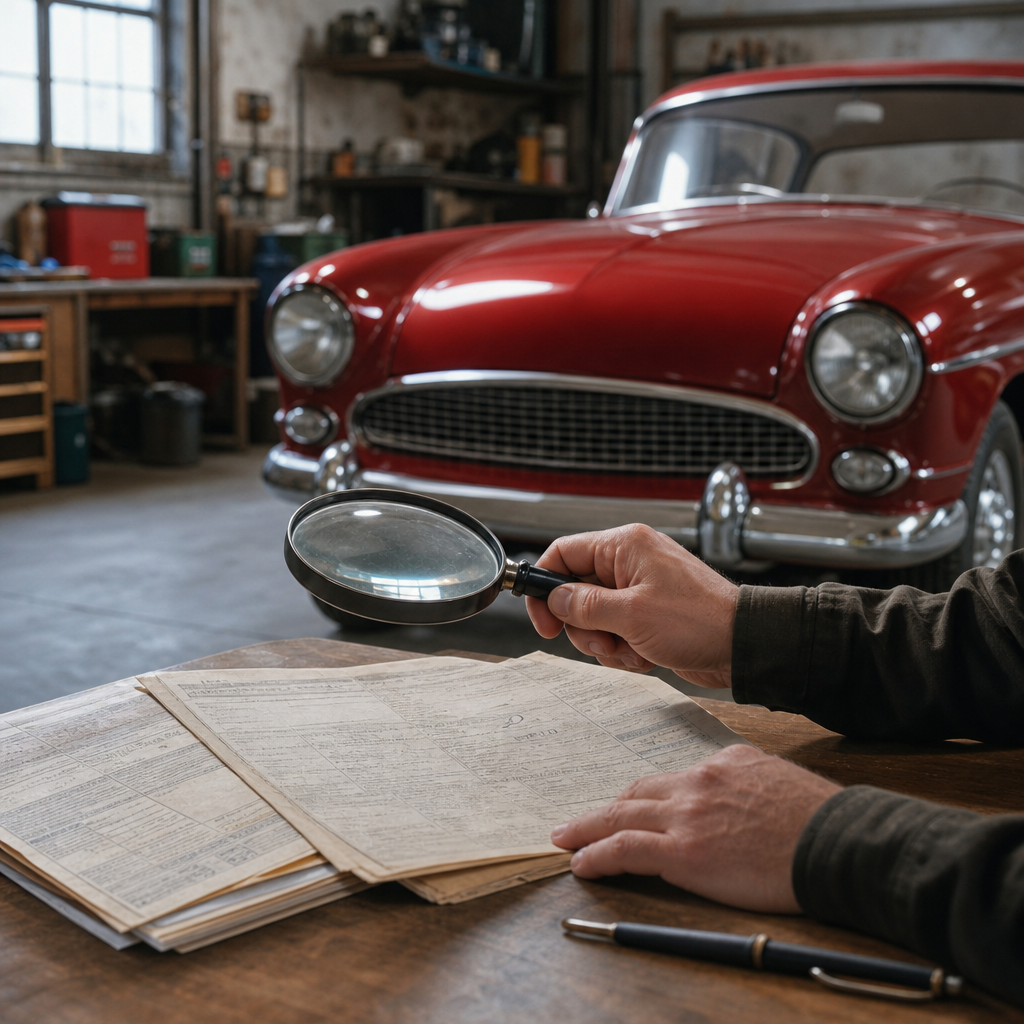
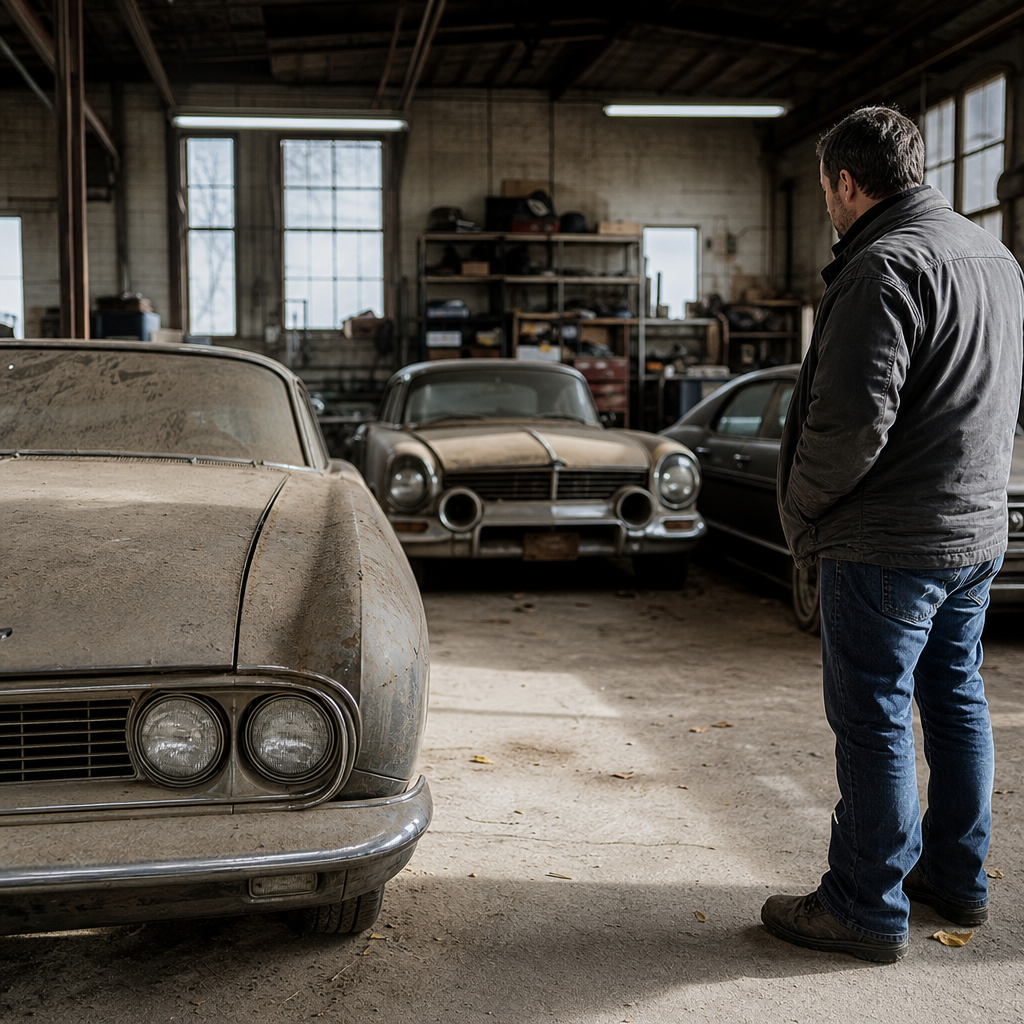
Finding hidden classic cars for sale is part research project, part relationship business, and part disciplined buying strategy. In the classic car market, “hidden” does not always mean a priceless barn find under a dusty tarp; more often, it means inventory that has not yet reached major listing sites, cars circulating quietly through club networks, estate sales, restoration shops, storage facilities, consigners, local classifieds, and word of mouth. Buyers who understand where to buy classic cars before the broader market sees them consistently get better selection, clearer histories, and, in many cases, better pricing.
I have spent years tracking and evaluating vintage vehicles for collectors, first-time hobbyists, and families selling inherited cars, and the same pattern keeps repeating: the best opportunities rarely come from typing a model name into one marketplace and waiting. Serious buyers build a pipeline. They know which channels produce project cars, which channels surface documented survivors, and which channels are packed with over-restored, overpriced inventory. They also know how to verify identification numbers, ownership records, body integrity, driveline originality, and title status before emotion takes over.
This hub article explains where to buy classic cars comprehensively, with a focus on how to uncover off-market and underexposed opportunities. It also clarifies key terms that matter when searching. A “survivor” is a largely unrestored car retaining significant original finishes and components. A “project car” needs mechanical, cosmetic, or structural work before regular use. A “driver” is roadworthy but not necessarily show-level. A “numbers-matching” car retains the factory-correct engine, transmission, or other serialed components, which can materially affect value. Understanding those distinctions helps buyers compare listings and avoid paying concours money for driver-grade metal.
The reason this topic matters is simple: buying the right car starts with buying from the right source. Different venues produce different risk profiles. An estate sale may offer an unadvertised one-owner coupe with excellent paperwork, but no recent maintenance. A restoration shop may know of a stalled project with fresh paint and incomplete assembly. A national auction can provide speed and variety, yet emotional bidding often outruns market value. If you want to find hidden classic cars for sale and build a repeatable process for where to buy classic cars, you need more than a list of marketplaces. You need a sourcing system, and that is what this guide provides.
Start with the local channels most buyers ignore
The most reliable place to find hidden classic cars for sale is still your local market. That sounds unglamorous, but it works because local sellers often prefer convenience over national exposure. They may not want to photograph a car properly, answer dozens of online messages, or arrange shipping. That creates opportunity for prepared buyers. In practice, local sourcing starts with community newspapers, regional swap sheets, bulletin boards at parts stores, and small-town online classifieds. Facebook Marketplace, while chaotic, remains highly active for older inventory, especially in rural areas where families are liquidating property or downsizing collections.
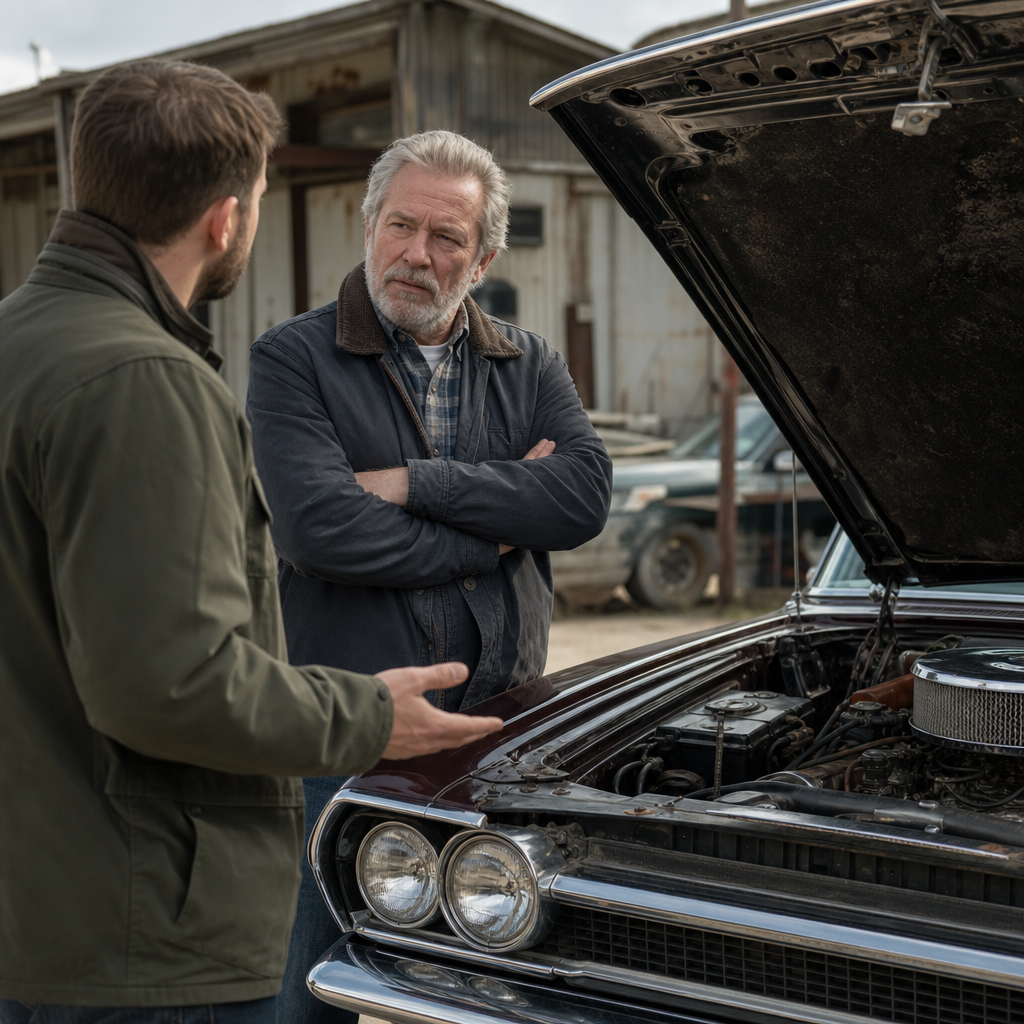
Car shows, cruise-ins, and cars-and-coffee events are equally valuable, not because every parked car is for sale, but because owners know other owners. I have found more serious leads by asking, “Who in this area is thinning a collection?” than by responding to public listings. Join regional marque clubs such as the Antique Automobile Club of America, Mustang Club of America chapters, Porsche Club of America regions, and local Corvette, Mopar, or British car groups. Club newsletters and member-only forums regularly surface cars before they hit Hemmings, Bring a Trailer, or eBay Motors. Restoration shops, machine shops, trim specialists, and vintage parts counters also hear about dormant projects first.
Another overlooked tactic is targeted direct outreach. If you know of a car sitting behind a garage for years, leave a polite note, not an intrusive demand. Introduce yourself, specify the car, and state that if the owner ever considers selling, you would appreciate a call. Some of the best off-market deals begin this way because owners respond better to respectful, informed buyers than to flippers waving cash without context.
Use online marketplaces strategically, not passively
Major platforms still matter, but they work best when used with discipline. Hemmings remains strong for dealer and private-party inventory with broad category coverage. Bring a Trailer excels at enthusiast-grade cars, transparent comment threads, and market visibility, though intense bidding often eliminates bargains. ClassicCars.com offers a wide inventory mix, while eBay Motors and Facebook Marketplace expose more uneven listings, including projects, replicas, and estate liquidations. Craigslist has declined in some markets, but in certain regions it still produces rough but authentic cars sold by long-time owners.
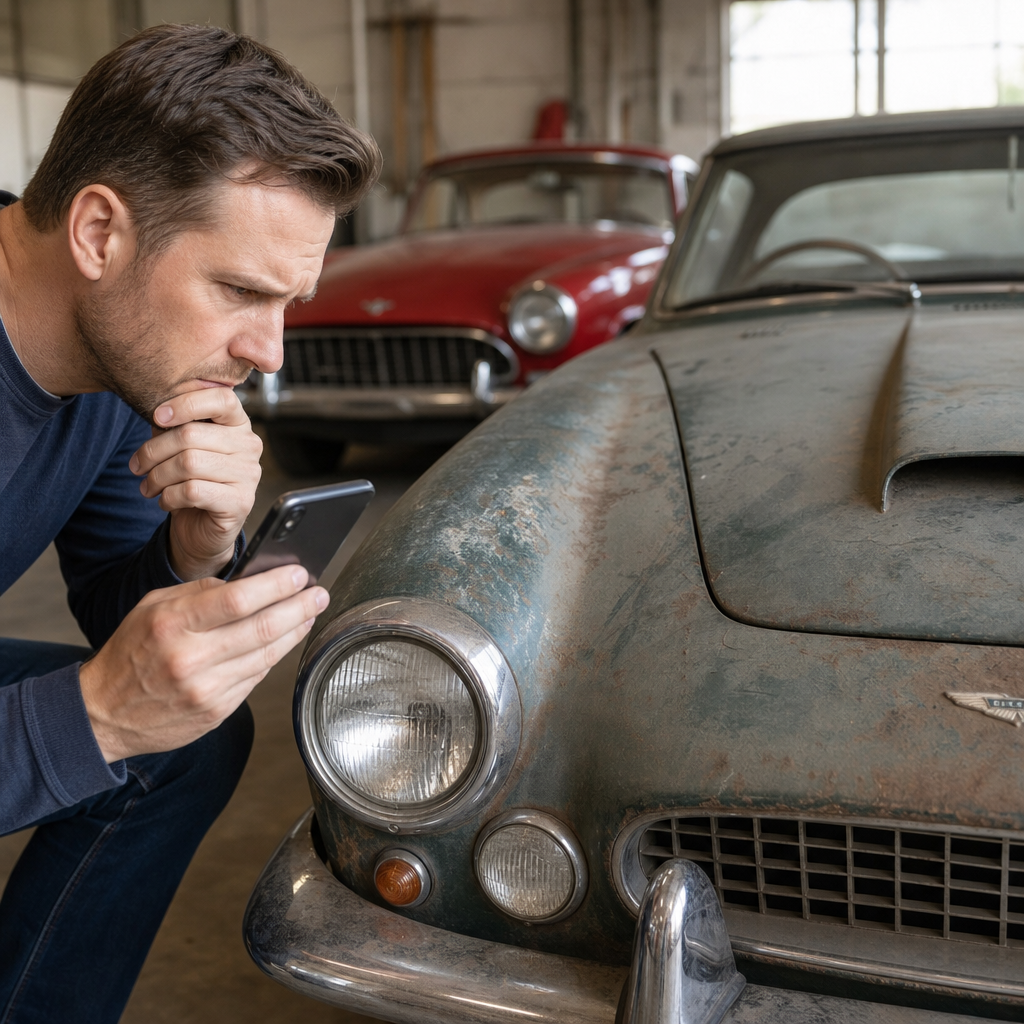
The mistake buyers make is searching too narrowly. If you only set alerts for “1969 Camaro Z/28,” you miss poorly described listings such as “old Chevy coupe,” “garage kept 69,” or “estate sale car.” Search broad keywords, common misspellings, model codes, engine names, and body styles. Save searches by year ranges, not single years. Include trim omissions, because many sellers do not know whether a Chevelle is an SS clone, Malibu, or genuine SS. Image-based browsing also helps; I often scan fresh listings by thumbnail first because hidden classics are frequently listed with weak titles but recognizable proportions.
Speed matters. Set alerts, but respond with substance. Ask for the VIN, body tag photos, title status, underside pictures, cold-start video, and details on rust-prone areas specific to the model. A seller who receives one generic “still available?” message and one precise note from a knowledgeable buyer usually responds to the latter. Precision establishes credibility and improves your odds of getting first shot at a car before the listing spreads.
Look beyond listings: auctions, estates, dealers, and shops
If your goal is comprehensive coverage of where to buy classic cars, you must include channels that do not look like ordinary classifieds. Estate sales are especially productive because heirs often want a straightforward transaction, not a six-month marketing effort. Probate attorneys, estate liquidators, and farm auctioneers routinely encounter collector vehicles, unfinished restorations, and long-stored drivers. Sign up for regional estate sale alerts and read descriptions carefully; phrases like “shop full of car parts,” “collector owned,” or “barn equipment” often indicate more than furniture and tools.
Public auctions are another source, but the format matters. High-profile televised sales create visibility and strong prices. By contrast, local auction houses, municipality auctions, towing-lien sales, and farm dispersals may surface obscure inventory with less competition. The tradeoff is information quality. You may get only brief preview access and limited documentation. That means you need a hard ceiling on price and enough experience to assess chassis corrosion, incomplete trim, non-original drivetrains, and missing paperwork quickly.
Consignment dealers and restoration shops should also be part of your sourcing network. Many shops know owners who have lost momentum on a project after paint, engine machining, or interior disassembly. Those cars are not always publicly advertised because the owner is embarrassed by sunk cost. A reputable shop can explain what is finished, what is missing, and what work was done to professional standards. Dealers can be useful too, particularly niche specialists in air-cooled Porsche, postwar American convertibles, or British roadsters. The hidden opportunity is inventory not yet photographed or freshly traded in, so call and ask what is inbound rather than only browsing websites.
Match the source to the kind of classic car you want
Not every buying venue suits every buyer or every vehicle category. Matching the source to your goal saves time and reduces expensive mistakes. If you want a documented, largely sorted driver, enthusiast auction platforms and marque-specific dealers are often better than general classifieds. If you want a project with upside, estate sales, local networks, and shop referrals tend to produce stronger opportunities. If you want rare coachbuilt, prewar, or homologation cars, specialist brokers and established clubs are far more productive than mass-market platforms.
| Source | Best For | Main Advantage | Primary Risk |
|---|---|---|---|
| Local classifieds and Marketplace | Projects, drivers, off-market leads | Lower visibility and easier local inspection | Poor descriptions and weak documentation |
| Marque clubs and forums | Original, well-known enthusiast cars | Better history and informed sellers | Higher asking prices for desirable models |
| Estate sales and farm auctions | Stored cars and inherited collections | Hidden inventory before broad exposure | Unknown mechanical condition and title issues |
| Specialist dealers and consigners | Turnkey cars and rare models | Curated stock and transaction support | Dealer markup and variable reconditioning quality |
| National online auctions | High-demand, documented examples | Transparency, reach, and market comps | Competitive bidding and transport complexity |
For example, a first-generation Bronco buyer seeking a usable weekend truck can often do well through regional classifieds because many honest drivers remain in local hands. A buyer chasing a fuel-injected split-window Corvette needs deeper vetting, NCRS documentation awareness, and expert guidance, making clubs, marque experts, and top-tier brokers more appropriate. The right venue depends on budget, originality targets, tolerance for restoration work, and how much uncertainty you can absorb.
Verify condition, originality, and paperwork before negotiating
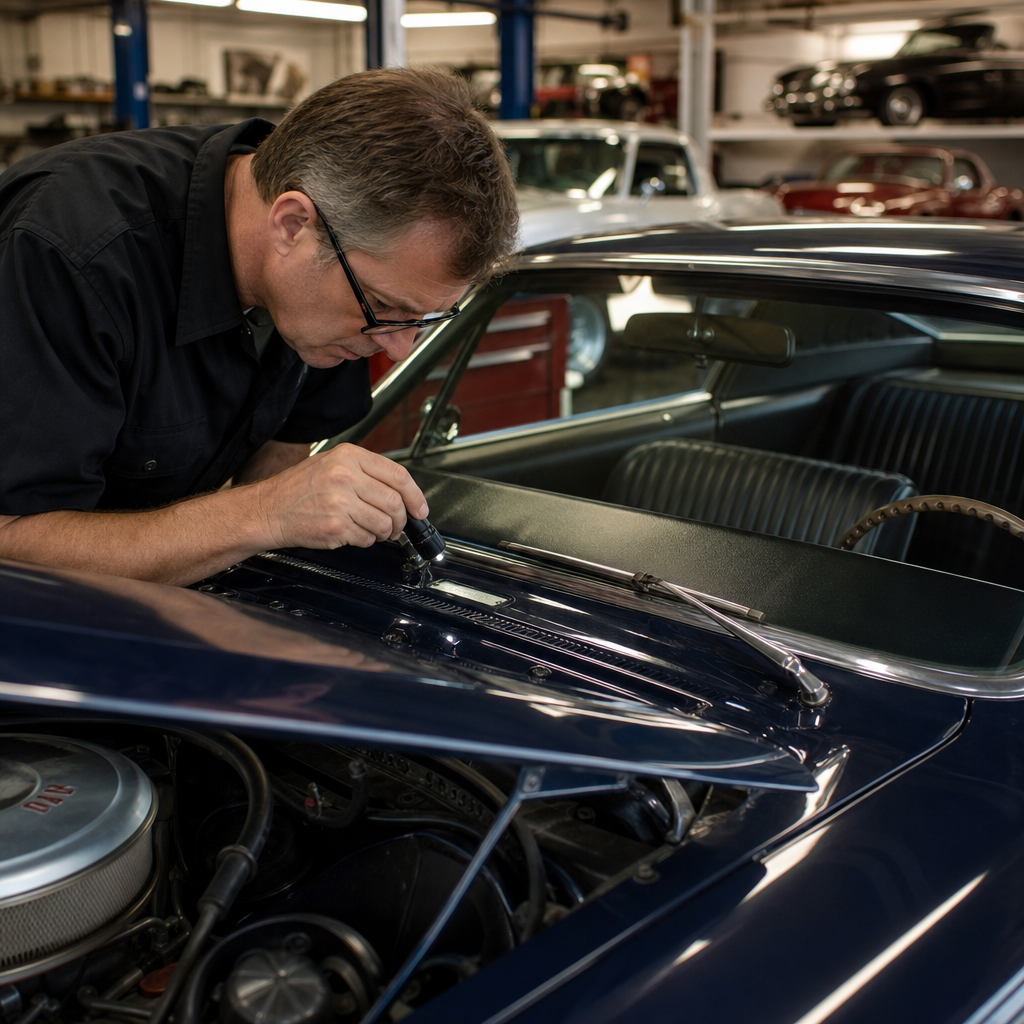
Finding hidden classic cars for sale is only half the job. The next half is proving what the car actually is. Always confirm the VIN on the title matches the car and check any secondary identifiers such as body tags, engine stampings, transmission codes, and axle tags where applicable. On many classics, authentication requires model-specific knowledge. A 1970 Chevelle SS is not validated by emblems. A Porsche 356 engine type matters. A Jaguar E-Type’s bonnet fit and monocoque integrity matter as much as paint shine. Learn the known problem areas for the model before you inspect.
Rust is still the costliest hidden issue on most classics. Cosmetics distract buyers, but structural corrosion in frame rails, torque boxes, floors, rockers, cowl sections, trunk pans, and suspension pickup points drives budgets out of control. Magnet tests, paint-meter readings, seam inspection, and underside photos help, but a lift inspection is best. Mechanical checks matter too: oil pressure, charging output, compression, cooling behavior, brake feel, steering play, and transmission engagement tell you whether the car is a usable driver or an immediate shop bill.
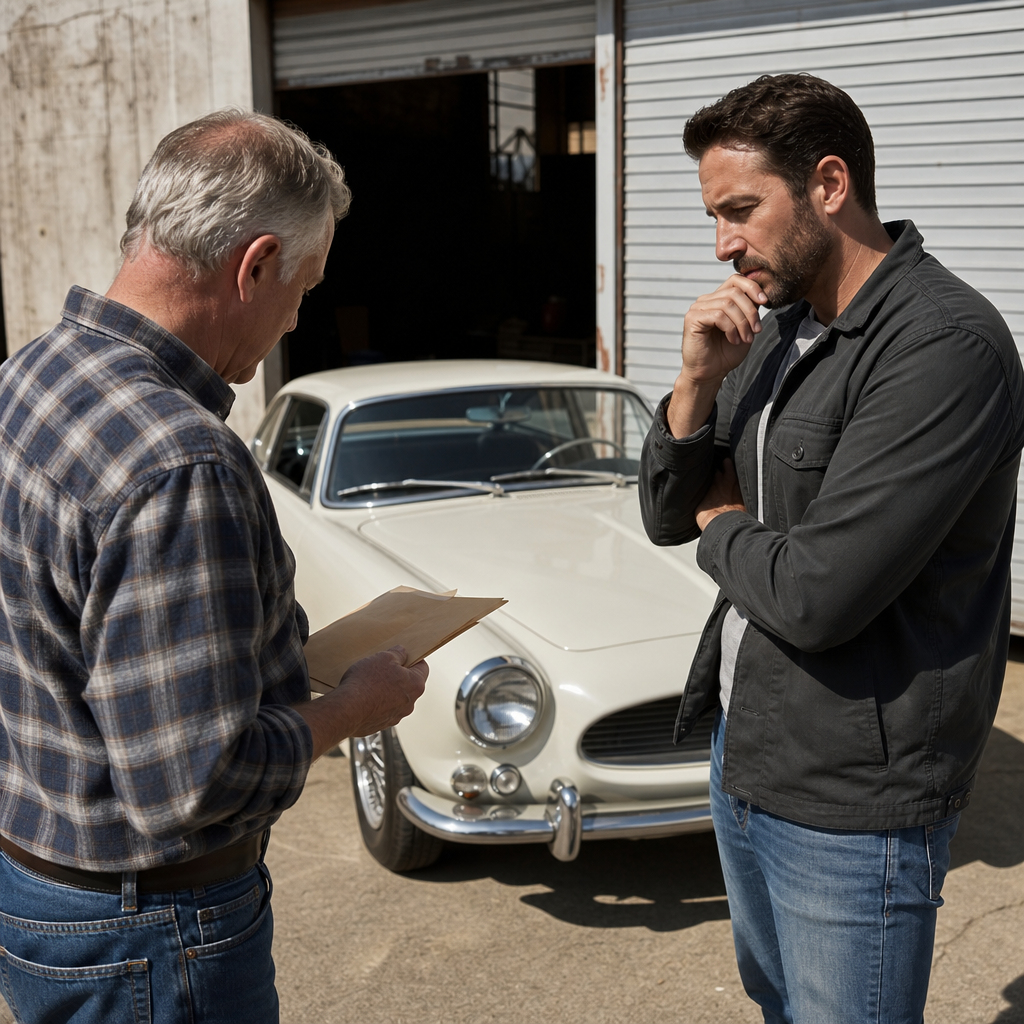
Paperwork changes value materially. Look for ownership history, service receipts, restoration invoices, photo documentation, warranty cards, protect-o-plates, build sheets, manuals, and judging sheets from recognized organizations. Verify whether the title is clean, branded, missing, or transferable in your state. Some barn finds are romantic until you discover they cannot be registered easily. When distance prevents in-person inspection, hire a qualified pre-purchase inspector with proven experience in that make, not a generic mobile service unfamiliar with carbureted engines, drum brakes, or coachwork details.
Build a repeatable buying process that surfaces better deals
The best buyers are systematic. They define the exact models they want, set realistic restoration and transport budgets, create saved searches across multiple platforms, maintain a contact list of club officers and specialists, and inspect quickly when a credible lead appears. They also track comparable sales. Auction archives from Bring a Trailer, Hagerty valuation tools, dealer asking prices, and model-specific forum discussions provide useful benchmarks. Asking prices are not sale prices, but patterns emerge fast when you watch enough transactions.
Negotiation should be evidence-based and calm. If a seller asks premium money for a car with non-original drivetrain components, rust bubbles, and no recent service records, explain the adjustment using tangible cost categories: metal repair, interior trim, glass, chrome, tires, fuel system cleaning, brake hydraulics, or missing parts unique to the model. Sellers respond better to informed reasoning than dramatic low offers. At the same time, do not chase a “deal” so hard that you buy the wrong car. A documented, dry-climate driver at a fair price is often cheaper in the long run than a cheap project with hidden rust and missing trim.
Finally, think like a hub builder, not a one-time shopper. Where to buy classic cars is not a single answer but a network of channels: local classifieds, online marketplaces, marque clubs, auctions, estate sales, specialist dealers, and restoration shops. Learn how each source behaves, verify every lead with model-specific diligence, and move decisively when the right car appears. If you want to find hidden classic cars for sale consistently, start building your sourcing pipeline today: join two local clubs, set five broad search alerts, call three specialty shops, and inspect the next credible lead in person before the rest of the market catches up.
Frequently Asked Questions
1. Where are the best places to find hidden classic cars for sale before they hit the major listing sites?
The best hidden inventory usually comes from places where owners, families, and local professionals transact quietly rather than publicly. That includes marque-specific car clubs, local cruise nights, restoration shops, body shops, estate sale companies, consigners, storage facilities, independent mechanics, and old-fashioned community classifieds. In many cases, a classic car changes hands because someone mentions it at the right time to the right person, not because it was broadly advertised online. That is why serious buyers often spend as much time building local connections as they do searching listings.
A practical approach is to create a repeatable search system. Join regional and model-specific clubs, attend shows consistently, introduce yourself to shop owners, and let them know exactly what you are looking for. Be specific about make, model, year range, condition level, and budget. “I’m looking for a 1967–1970 Chevrolet C10 driver-quality truck in mostly original condition” is far more useful than “Let me know if you hear about any classics.” The more precise you are, the easier it is for people in the network to think of you when a car surfaces quietly.
You should also monitor less obvious sales channels. Estate liquidations, probate sales, farm auctions, local newspaper classifieds, Facebook community groups, small-town swap meets, and neighborhood bulletin boards can all produce leads that never reach national marketplaces. Some of the best opportunities come from owners who are not trying to maximize exposure; they simply want a straightforward sale to someone who appreciates the car. Hidden classic cars are often not truly invisible. They are just circulating in smaller, more relationship-driven markets that reward patience and local awareness.
2. How can I build relationships that actually lead to hidden classic car opportunities?
Relationship-building matters because people tend to share early or private sale opportunities with buyers they trust. In the classic car world, reputation travels quickly. If you are known as someone who shows up on time, communicates clearly, understands the market, and does not waste sellers’ time, more doors open. That can include first calls from club members, tips from restoration shops, introductions to estate executors, and quiet leads from collectors who prefer discreet transactions.
The key is to become a familiar, credible presence rather than a one-time opportunist. Attend local events regularly, ask informed questions, and listen more than you talk. If you visit a restoration or specialty repair shop, do not walk in demanding access to customer lists. Instead, explain your search, leave your contact information, and ask the owner to keep you in mind if a suitable car comes up. Respect confidentiality. Many professionals know about cars that may become available, but they will only mention them to buyers who seem serious and respectful.
It also helps to follow through consistently. If someone gives you a lead, thank them, respond promptly, and close the loop afterward. Even if the car is not right, a short message explaining that you appreciated the referral helps build trust. Over time, these small interactions create a network effect. People begin to understand your standards, your buying habits, and your seriousness. In a market where hidden classic cars often move through word of mouth, that trust can be more valuable than spending hours refreshing major listing platforms.
3. What should I look for when evaluating a hidden classic car lead so I do not overpay or buy the wrong car?
A hidden lead is not automatically a great deal. One of the biggest mistakes buyers make is assuming that a quiet sale means undervalued inventory. In reality, off-market and pre-market cars can be overpriced, misrepresented, incomplete, poorly stored, or burdened with title problems. That is why every lead needs to be evaluated with the same discipline you would use for a nationally advertised car. Start with the fundamentals: identity, condition, completeness, originality, documentation, and market fit.
Verify the VIN, trim tags, engine and transmission details if relevant, and make sure the paperwork matches the vehicle. Ask how long the owner has had the car, where it has been stored, whether it runs and drives, and what work has been done recently. Storage history matters a lot. A car that has spent years in a dry garage may be far more promising than one that has sat outside or in a damp outbuilding, even if both look similar in photos. Rust, structural corrosion, poor previous repairs, and missing hard-to-source parts can quickly erase any apparent bargain.
You should also compare the car to actual market data, not wishful thinking. Look at recent sales for the same model and condition tier, then account for transport, recommissioning, paint and bodywork, interior needs, mechanical sorting, and title resolution if necessary. If possible, arrange a pre-purchase inspection by a specialist familiar with that make or era. Hidden inventory can absolutely offer excellent buying opportunities, but only when the numbers, condition, and documentation make sense together. The smartest buyers stay emotionally steady and treat every “rare find” like a business decision until proven otherwise.
4. Are barn finds and estate sale classic cars really the best hidden opportunities?
They can be, but they are often romanticized. The phrase “barn find” creates an image of a rare, valuable classic discovered untouched for decades and purchased for far below market value. While those situations do happen, they are much less common than many buyers imagine. More often, a “barn find” is simply a long-stored project car with unknown mechanical condition, deferred maintenance, deteriorated seals, rust concerns, rodent damage, and incomplete documentation. Estate sales can be similar. They may present motivated sellers and less-publicized inventory, but they also commonly involve heirs who are still determining value, sorting paperwork, and dealing with multiple bidders.
That does not mean you should ignore these channels. It means you should approach them with realism. The best estate sale and barn find opportunities tend to come from knowing how to evaluate storage-related risk and how to move quickly once the fundamentals check out. For example, a car with solid provenance, a clean title path, matching major components, and dry storage history may be a strong candidate even if it has been dormant. But if the car is missing key parts, has major structural rust, or comes with unclear ownership documents, the project can become more expensive and complicated than simply buying a well-known car at market price.
In many cases, the true advantage of these opportunities is not magical underpricing but reduced competition and earlier access. If you are one of the first informed buyers to inspect the car, ask the right questions, and present a clean offer, you may secure a very good purchase before a broader audience gets involved. The smartest buyers appreciate the upside, but they never let the story of a hidden find distract them from the underlying costs, risks, and logistics.
5. What buying strategy gives me the best chance of successfully purchasing a hidden classic car?
The most effective strategy combines preparation, speed, and restraint. Preparation means having your target vehicle profile clearly defined, your budget set, your financing or cash ready, and your inspection criteria established before the lead arrives. Hidden classic cars often move fast once the right buyer appears, especially if the seller values convenience and certainty over maximizing price. If you need a week to decide what you want, arrange funds, and figure out transport, you will lose good cars to buyers who came prepared.
Speed, however, should never mean recklessness. The goal is to move quickly through a disciplined checklist: confirm identity, review title status, assess condition honestly, compare against market value, and determine total acquisition cost including repairs, shipping, storage, and taxes. Have a trusted inspector, transporter, and title resource lined up in advance. That way, when a genuine hidden opportunity appears, you can act professionally and confidently instead of scrambling. Sellers often respond well to buyers who make the process easy, especially in private, low-drama transactions.
Restraint is the final piece. Not every quiet lead is worth chasing, and not every off-market car is a bargain. Strong buyers know when to pass. If the seller is evasive, the paperwork is inconsistent, the rust is deeper than expected, or the numbers no longer support the deal, walking away is a success, not a failure. Over time, the buyers who find the best hidden classic cars are usually the ones who treat the search like a long-term system rather than a lucky break. They research constantly, build trust in the community, verify everything, and stay patient enough to wait for the right car instead of forcing the wrong one.