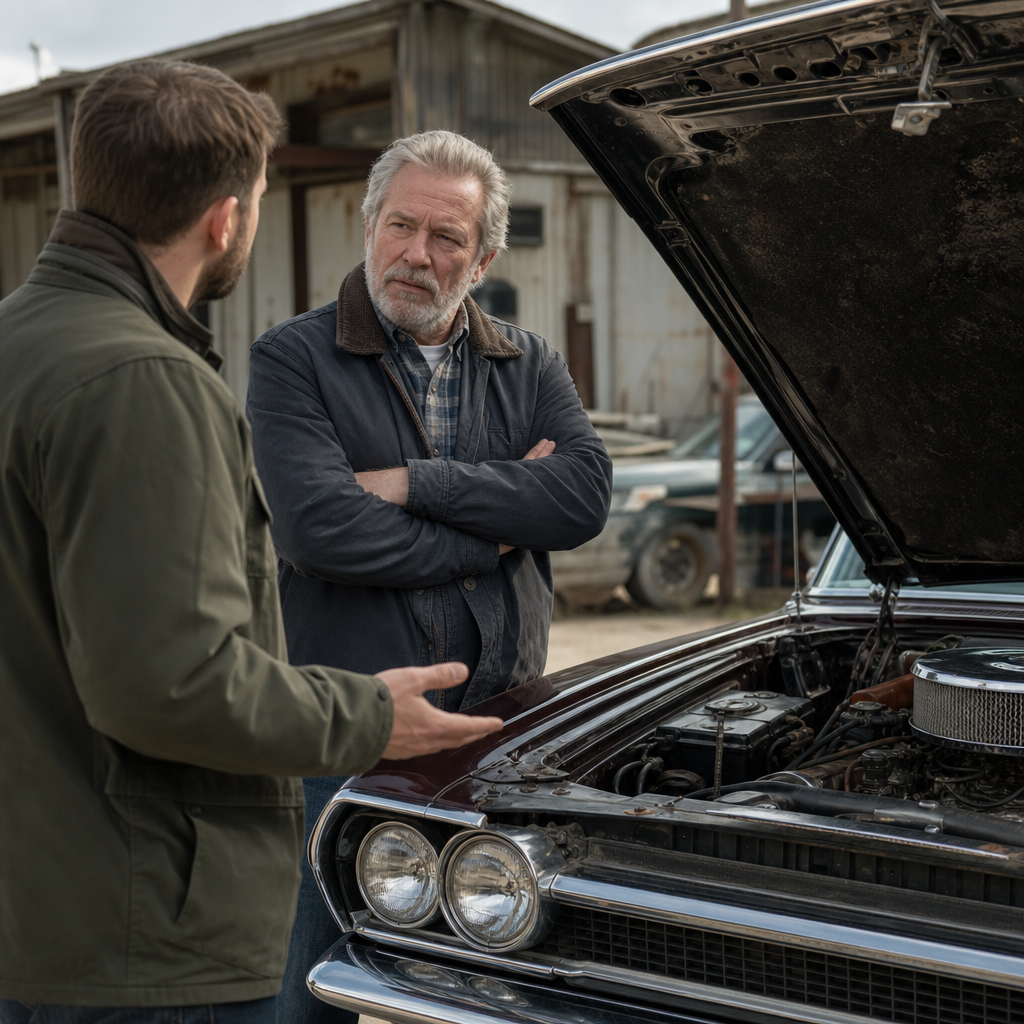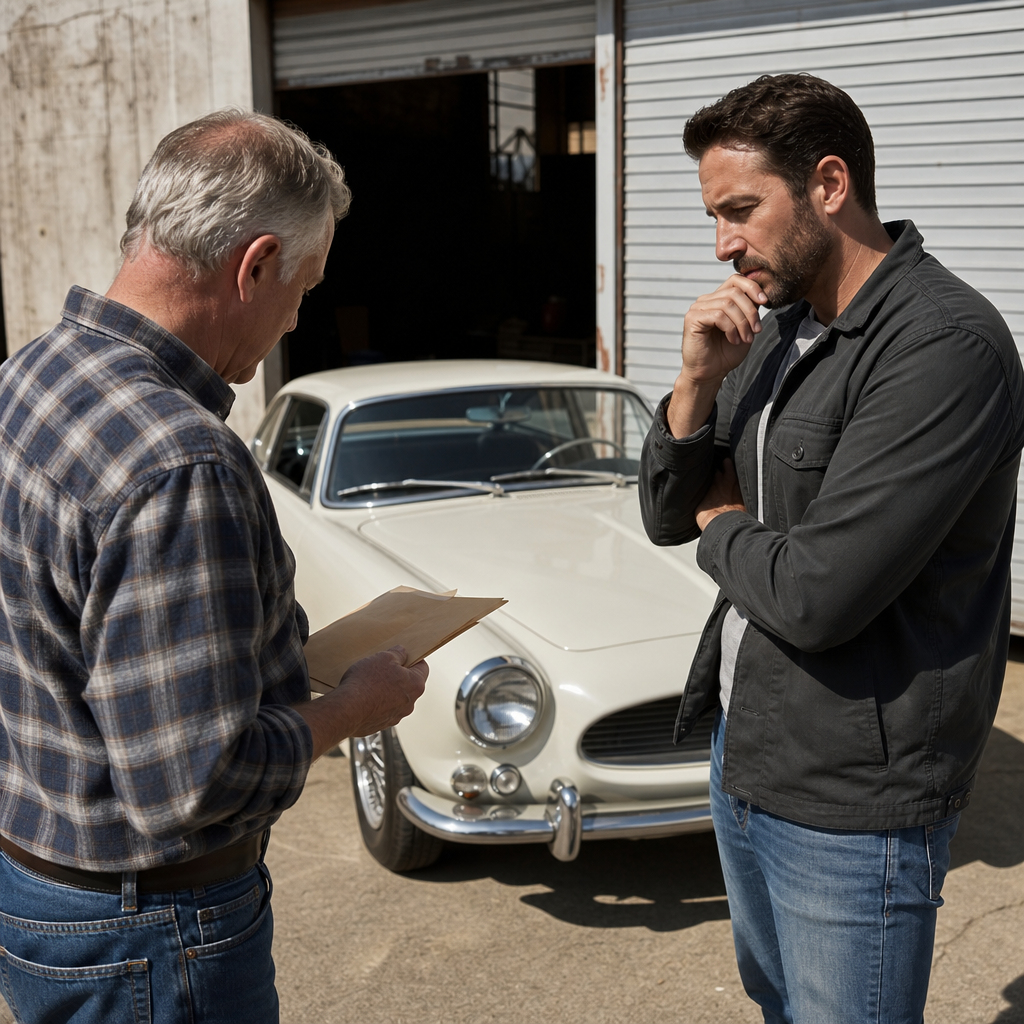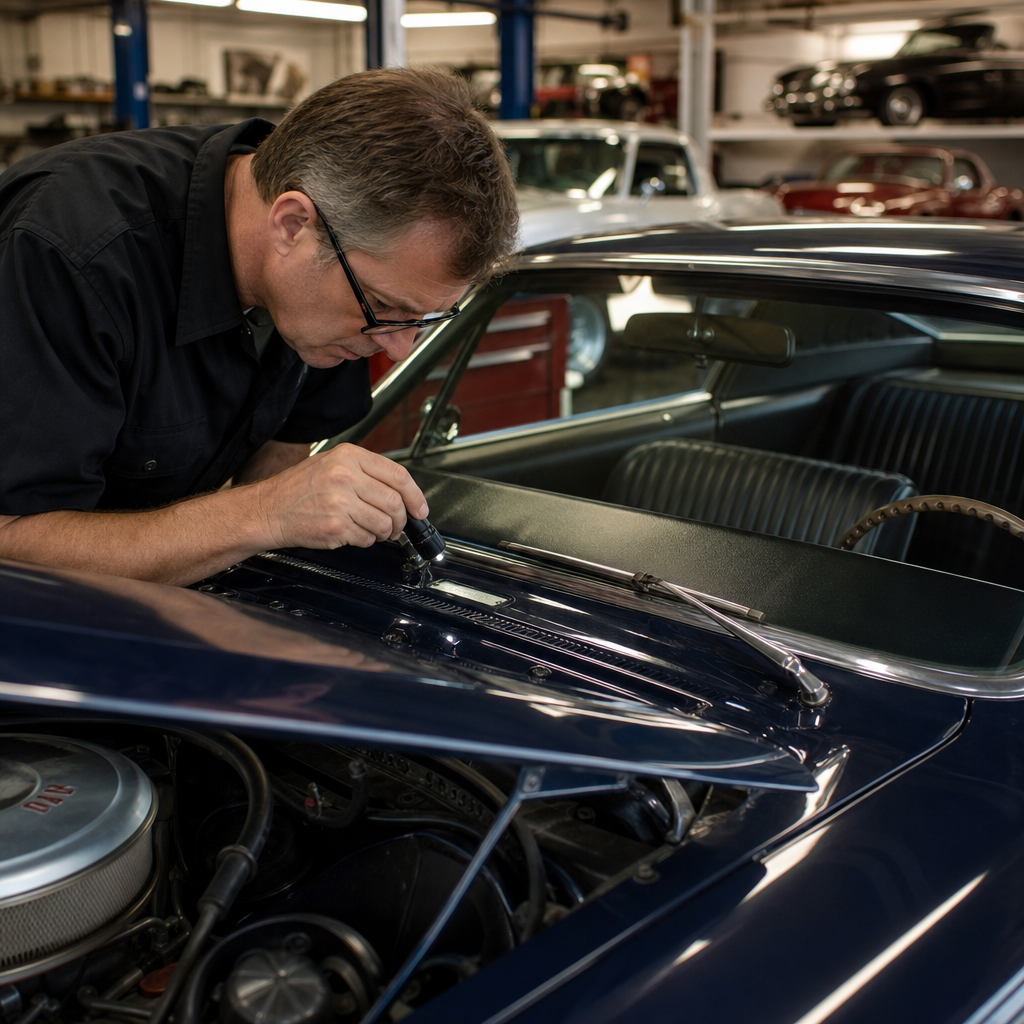

Buying a vintage vehicle is supposed to be exciting, but the smartest classic car purchase often begins with knowing when to say no. In the world of buying and selling classic cars, negotiation strategies matter as much as horsepower, paint quality, and originality. A classic car deal is not just a handshake over a nostalgic machine; it is a negotiation around provenance, hidden mechanical risk, parts availability, title status, market timing, and future resale value. I have sat through enough garage inspections, auction previews, and private-seller meetings to know that the biggest mistake buyers make is treating every conversation like it must end in a purchase. Sometimes the strongest move is walking away.
Walking away from a classic car deal means ending negotiations because the risk, price, documentation, or seller behavior no longer supports a sound decision. That does not mean being impulsive or disrespectful. It means recognizing red flags early, setting a maximum exposure before talks begin, and refusing to let emotion overrule evidence. This matters because classic cars are unlike ordinary used cars. Condition can be subjective, originality can be overstated, and hidden rust or incorrect driveline components can erase any apparent bargain. A buyer who understands negotiation strategies can save thousands of dollars, avoid legal headaches, and preserve capital for a better car.
This article serves as a hub for negotiation strategies within the broader buying and selling classic cars process. It explains when to push, when to pause, and when to leave. It also addresses the questions buyers ask most: How much undisclosed rust is too much? What if the seller refuses a pre-purchase inspection? When does a nonmatching-numbers car become overpriced? How do you negotiate after finding flaws? And what signs show that the seller, not the car, is the real problem? By the end, you will have a practical framework for evaluating any deal with discipline instead of wishful thinking.
Set Your Walk-Away Line Before Negotiations Start
The best negotiation strategies are decided before you see the car in person. I always advise buyers to define three numbers in advance: target price, stretch price, and walk-away price. The target price is what the car is worth to you based on condition, originality, and recent comparable sales. The stretch price is the most you would pay if the car is unusually correct, well documented, and needs little immediate work. The walk-away price is the absolute limit beyond which the deal no longer makes financial sense. If you invent these numbers during the conversation, emotion will inflate them.
Use objective benchmarks. Review recent results from Bring a Trailer, Mecum, RM Sotheby’s, and Hagerty Price Guide. Compare cars by engine, transmission, body style, factory options, restoration quality, and documentation. A 1967 Camaro RS/SS with a correct drivetrain, protect-o-plate, and fresh metalwork does not belong in the same valuation bracket as a cosmetically restored small-block clone with a replacement shell. The market rewards authenticity and paper trails. Your walk-away line should also include the first-year repair budget, transport, insurance, taxes, and registration fees. Buyers often negotiate only on purchase price and ignore total acquisition cost.
Another nonnegotiable limit is intended use. If you want a weekend driver, do not let a concours-level asking price lure you into overpaying for standards you will not use. If you want an investment-grade example, do not compromise on documentation because the seller says, “You can sort that out later.” Undefined goals lead to weak negotiating decisions. A clear purpose turns walking away from a classic car deal into a rational business choice rather than a missed opportunity.
Know the Red Flags That Justify Leaving Immediately
Some classic car red flags warrant hard negotiation. Others justify ending the discussion on the spot. The most common immediate walk-away trigger is title inconsistency. If the VIN on the car, title, trim tag, or supporting paperwork does not align, stop. Clerical mistakes happen, especially with older registrations, but unresolved VIN discrepancies can create major legal and resale problems. In many states, correcting those issues later is time-consuming and sometimes impossible. A “bill of sale only” car may be legal in limited cases, but it requires state-specific verification, and buyers should not proceed casually.
A second major red flag is refusal of an independent pre-purchase inspection. Sellers sometimes claim they are too busy, that the car is “obviously excellent,” or that previous buyers never asked. None of those are valid reasons. Any experienced buyer or seller in the classic market understands the role of an independent inspection, compression test, paint meter reading, chassis review, and verification of stampings. If a seller refuses access for basic due diligence, there is usually a reason, and walking away is prudent.
Third, watch for evasive answers. If you ask when the car was painted, where rust repair was performed, whether body filler was used, whether the engine is original, or whether the odometer reading is documented, the answers should be direct. “I’m selling it for a friend,” “I’m not really a car guy,” and “I don’t know much, but look how shiny it is” are not harmless phrases when paired with a premium price. Lack of knowledge is acceptable only when reflected in price and transparency. It is not acceptable when used to dodge accountability.
| Red flag | Why it matters | Best negotiation response |
|---|---|---|
| Seller refuses inspection | Blocks verification of rust, driveline health, and authenticity | End discussions unless access is granted |
| VIN or title mismatch | Creates registration, legal, and resale risk | Pause deal until documents are corrected |
| Fresh undercoating over floors | Can hide rust, patches, or poor repairs | Reduce offer only after inspection confirms condition |
| No documentation for claimed restoration | Makes quality and originality hard to verify | Value car as undocumented, not fully restored |
| Pressure to send deposit immediately | Limits due diligence and favors emotion over facts | Walk away if seller will not allow review time |
Use Inspection Findings as Negotiation Leverage, Not Guesswork
Inspection-based negotiation is where many buyers either save money or lose control. A proper classic car inspection goes beyond a test drive. It should evaluate rust-prone areas, frame or unibody integrity, panel alignment, prior collision repair, engine leaks, cooling system behavior, brake performance, suspension wear, electrical function, and the quality of previous restoration work. On high-value cars, verify casting dates, stampings, carburetor tags, transmission codes, rear axle markings, and factory-option evidence. NCRS, MCA, AACA, and marque-specific clubs have standards that can be useful benchmarks depending on the car.
Once findings are documented, negotiate from specifics. Do not say, “It probably needs work, so I want five thousand off.” Say, “The inspection found rust perforation in both rear torque boxes, brake fluid contamination, inoperative gauges, and non-original replacement fenders. The immediate repair estimate is $7,200 before paint blending, so my revised offer is $31,500.” Specificity changes the tone of the negotiation. It shows the seller that your price is evidence-based, not opportunistic.
However, not every issue should trigger a discount request. Patina, minor seepage, and age-consistent wear may be normal on an honest driver. Experienced negotiation strategies separate cosmetic preference from material defect. I have seen buyers damage credibility by demanding large reductions over small imperfections already reflected in a fair asking price. Focus on issues that affect safety, structural integrity, originality, legal transfer, or measurable market value. If the defects are substantial and the seller dismisses them, that is often the moment to walk away from a classic car deal instead of arguing in circles.
Recognize When Price and Market Reality No Longer Match
Classic car pricing is emotional, but markets still impose limits. Sellers anchor to restoration receipts, family history, or online asking prices for exceptional examples. Buyers must anchor to sold data, not hope. A seller may have spent $90,000 restoring a car that the market values at $62,000. That does not make the higher number fair. Restoration cost and market value are related but not equal. Poorly chosen shops, over-restoration, or modifications with narrow appeal rarely return dollar for dollar.
One useful negotiation strategy is to separate desirability from value drivers. A big-block four-speed car may be desirable, but if it lacks original drivetrain components, has color changes, and carries reproduction trim, it should trade below a fully documented equivalent. Likewise, a European classic with deferred maintenance can become dramatically overpriced because parts and specialist labor are expensive. A Ferrari 308, Jaguar E-Type, or Mercedes-Benz W113 may look attractively priced until you account for fuel-injection work, cooling-system restoration, rust repair, and sourcing date-coded components. If the asking price leaves no room for known costs, walk away.
Watch market temperature too. During spikes, average cars are often priced like excellent cars. During softer markets, realistic sellers emerge. If a car has been listed for months, that is not always negative; it may indicate an ambitious ask that can be negotiated down. But if the seller still insists on peak-market pricing despite documented defects and stale exposure, you are not negotiating a deal, you are negotiating against denial. That is usually unwinnable.
Seller Behavior Often Tells You More Than the Car
Negotiation strategies in classic car transactions are as much about people as machines. A transparent seller usually volunteers details, provides cold-start videos, shares restoration photos, answers questions consistently, and allows reasonable verification. A problematic seller rushes timelines, changes facts, avoids written statements, and treats standard due diligence like an insult. I have walked from deals where the car itself was decent because the seller’s behavior signaled future trouble over title transfer, spare parts, or promised documentation.
Listen for contradictions. If the seller first says the paint is twenty years old but later claims it was “just professionally corrected,” ask whether that means repainting, buffing, or spot work. If they advertise matching numbers but then redefine the phrase to mean “correct type of engine,” the trust gap matters more than the technical issue. In negotiation, credibility is an asset. Once it breaks, every unresolved item becomes harder to price.
Deposits are another test. A reasonable seller may request a small refundable deposit while allowing inspection and document review under clear written terms. An unreasonable seller demands a nonrefundable wire transfer before providing photos of stampings or title copies. Never let fear of missing out override process. There will always be another car. There may not be another chance to avoid a bad seller.
How to Walk Away Without Burning Bridges
Walking away should be deliberate, not dramatic. State the reason clearly, briefly, and professionally. For example: “I appreciate your time. Based on the inspection findings and the current asking price, I’m going to pass.” If the issue is documentation, say: “I’m not comfortable proceeding until the title and VIN questions are resolved.” This approach protects your reputation and leaves room for the seller to return later with corrected paperwork or a revised price.
Do not overexplain. Long emotional speeches invite argument. Do not bluff either. If your maximum price is firm, say so once. If the seller declines, end the conversation respectfully. Many deals revive after a few days when the seller realizes other buyers have the same concerns. A calm walk-away can be more persuasive than another round of haggling.
It is also wise to document key points by email or text, especially after an inspection or deposit discussion. Written communication reduces misunderstandings and helps if terms later change. In private-party sales, clarity is part of risk management. Your goal is not to win an argument; it is to avoid making an expensive mistake while staying positioned for better opportunities in the buying and selling classic cars market.
The core lesson in negotiation strategies is simple: every classic car deal must earn a yes. A beautiful shape, rare color, or persuasive seller does not remove the need for proof, comparables, inspection, and paperwork. Walk away from a classic car deal when documentation is inconsistent, inspection is blocked, defects are minimized, pricing ignores market reality, or seller behavior undermines trust. Those are not minor inconveniences. They are signals that the transaction may cost more than the car is worth.
Buyers who succeed in the long run are not the ones who chase every opportunity. They are the ones who protect capital, stay patient, and negotiate from evidence. Set your limits before you engage. Verify what matters. Use findings to support your offer. If the facts no longer support the purchase, leave politely and keep looking. The right car will stand up to scrutiny, fit your goals, and make sense on paper as well as in person.
If you are building your approach to buying and selling classic cars, use this article as your hub for negotiation strategies and apply its framework to every lead, auction listing, and private sale you review. Better deals start with better discipline, and sometimes the smartest move you can make is walking away today so you can buy the right classic tomorrow.
Frequently Asked Questions
1. What are the biggest red flags that mean I should walk away from a classic car deal immediately?
The biggest warning signs usually fall into five categories: paperwork problems, undisclosed damage, inconsistent seller behavior, major mechanical uncertainty, and unrealistic pricing. If the title is missing, incorrect, branded in a way the seller cannot clearly explain, or does not match the VIN on the vehicle, that alone can be enough reason to leave. Title issues are not small technicalities in the classic car world. They can turn an exciting purchase into a long legal and financial headache, especially if you later try to register, insure, or resell the car.
Structural rust is another major stop sign. Surface rust can be manageable, but rust in frame rails, floors, torque boxes, suspension mounting points, trunk pans, rocker panels, or other structural areas can quickly turn a seemingly affordable car into a money pit. The same goes for signs of collision repair that were poorly done or intentionally hidden with fresh undercoating, thick filler, or suspiciously uneven paint. If a seller avoids questions, refuses a pre-purchase inspection, pressures you to “decide today,” or changes their story about mileage, ownership history, originality, or restoration work, assume there may be more they are not telling you.
You should also be cautious when the price does not align with reality. If a seller wants top-tier money for a car with unclear history, non-matching components, amateur restoration work, missing trim, poor panel fit, or known drivability problems, that is not optimism on their part; it is a sign the deal may not make sense. A classic car purchase should leave room for maintenance, surprises, and future resale. If the numbers only work in a best-case scenario, that is usually your signal to walk away.
2. How serious are title, VIN, and documentation issues when buying a vintage vehicle?
They are extremely serious, and in many cases they are more important than cosmetic appearance or even mechanical condition. A beautiful classic with questionable paperwork can be harder to own than a rougher car with clean, traceable documentation. The title, VIN, registration history, and supporting records tell you whether the car is legally sellable, whether it is truly the car the seller claims it is, and whether its story holds up under scrutiny. If any of those elements are unclear, your risk goes up immediately.
For older vehicles, documentation may include ownership records, restoration receipts, service invoices, factory paperwork, protect-o-plates, build sheets, import records, and historical registrations. You do not need every piece of paper for every car, but the seller should be able to explain what exists, what does not, and why. Problems begin when the VIN plate looks tampered with, numbers on the title do not match the car, the engine or chassis numbers contradict the claimed trim level, or the seller dismisses obvious inconsistencies as “old car stuff.” Sometimes those issues come from innocent clerical mistakes, but sometimes they point to a rebodied car, stolen parts, title washing, or a vehicle assembled from multiple cars.
Even if the car is drivable and attractive, unresolved documentation issues can hurt financing, insurance, registration, and eventual resale value. In collector markets, provenance matters. Buyers pay for confidence. If you cannot confidently explain the car’s identity and legal status to the next buyer, you should think very carefully before buying it yourself. Unless the price is deeply discounted and you fully understand the risk, unclear paperwork is one of the clearest reasons to walk away.
3. When does rust, bodywork, or restoration quality make a classic car not worth buying?
A classic car becomes a bad buy when the visible condition hides structural deterioration, when repair costs exceed the car’s realistic market value, or when the restoration quality is so poor that you will end up paying twice. Rust is expensive not just because metalwork costs money, but because rust tends to spread into every part of the project. What starts as bubbling paint near a wheel arch can lead to discovered damage in inner fenders, mounting points, floors, lower quarters, and trunk areas. Once the car is disassembled, the scope often grows.
Bad bodywork is just as dangerous as rust. Thick filler, misaligned gaps, overspray on trim and seals, mismatched paint texture, wavy reflections, and magnet-resistant panels can all suggest shortcut repairs. Some older restorations still hold up beautifully, but others were done to sell, not to last. A car that looks glossy in photos may have hidden rust, patch panels over corroded metal, or evidence of previous collision damage. That is why an inspection with a flashlight, magnet, paint meter, or experienced marque specialist can save you from an expensive mistake.
The key question is not simply “Can this be fixed?” Almost anything can be fixed with enough money. The real question is whether the purchase price plus repair costs plus the hassle involved still make sense for your goals. If you want a driver-quality car and the body needs major metal reconstruction, the economics may be wrong. If you want an investment-grade example and the restoration quality is inconsistent, originality compromised, and finishing substandard, the ceiling on future value may already be lower than the seller’s asking price suggests. When the condition story does not support the price story, walking away is often the smartest move.
4. Should I walk away if the seller refuses an inspection or seems evasive during negotiation?
In most cases, yes. A seller who refuses a legitimate pre-purchase inspection, avoids direct answers, or becomes defensive when you ask normal due-diligence questions is creating unnecessary risk. In the classic car market, reasonable buyers ask about rust, drivetrain numbers, ownership history, repaint dates, restoration receipts, cold-start behavior, compression results, leaks, electrical function, and title status. These are not insulting questions. They are basic parts of an informed negotiation.
Refusing an inspection is especially problematic because vintage cars can hide expensive problems that are not obvious during a short walkaround or test drive. Weak compression, transmission issues, old wiring, brake system deterioration, cooling problems, and previous accident repairs may not show up in a polished online listing. A serious seller who believes in the car should usually welcome an inspection, provided it is scheduled properly and handled professionally. There can be rare exceptions, such as a highly competitive auction-style sale or a very low-priced project car sold strictly as-is, but even then, refusal should lower your confidence and your willingness to pay.
Evasive negotiation behavior matters too. If the seller changes the story, cannot remember basic facts, dismisses concerns without evidence, or uses pressure tactics like “I have five cash buyers coming tonight,” pause and reassess. Good deals do get sold quickly, but pressure should never replace verification. The right classic car deal should survive scrutiny. If the seller makes it difficult to verify the car, the history, or the condition, you are not just negotiating price anymore; you are negotiating trust. That is often where smart buyers decide to walk away.
5. How do I know if the price, market timing, and future resale value make a classic car deal too risky?
The easiest way to judge deal risk is to separate emotion from math. Start by comparing the asking price to recent real-world sales of similar cars, not just optimistic online listings. Then adjust for condition, originality, drivetrain correctness, documentation, color combination, restoration quality, and known needs. A car with missing records, non-original engine components, cosmetic flaws, poor chrome, old tires, deferred maintenance, and questionable paint should not be priced like a fully sorted example with strong provenance and fresh service history.
Market timing matters because some classic cars rise on enthusiasm and fall when buyers become more selective. If you are buying at the top of a trend, overpaying for a mediocre example is especially dangerous. The best protection is buying quality at a fair price, not chasing hype. Consider the cost of catching up on maintenance, sourcing hard-to-find parts, correcting bad restoration work, and fixing issues that an inspection uncovers. Then ask yourself whether you could reasonably recover those costs if you sold the car in two to five years. If the answer depends on the market getting hotter, that is speculation, not smart buying.
Future resale value is strongly tied to how easy the car will be to explain and market later. Clean title, documented history, desirable options, sound body, correct details, and honest condition all help. Cars with fuzzy stories, rust repairs of unknown quality, difficult parts availability, unpopular modifications, or unresolved drivability issues tend to sit longer and sell for less. If the seller wants premium money today for a car that will be hard for you to resell tomorrow, that is a classic sign to walk away. A good classic car deal should still make sense after the thrill wears off and the spreadsheet comes out.