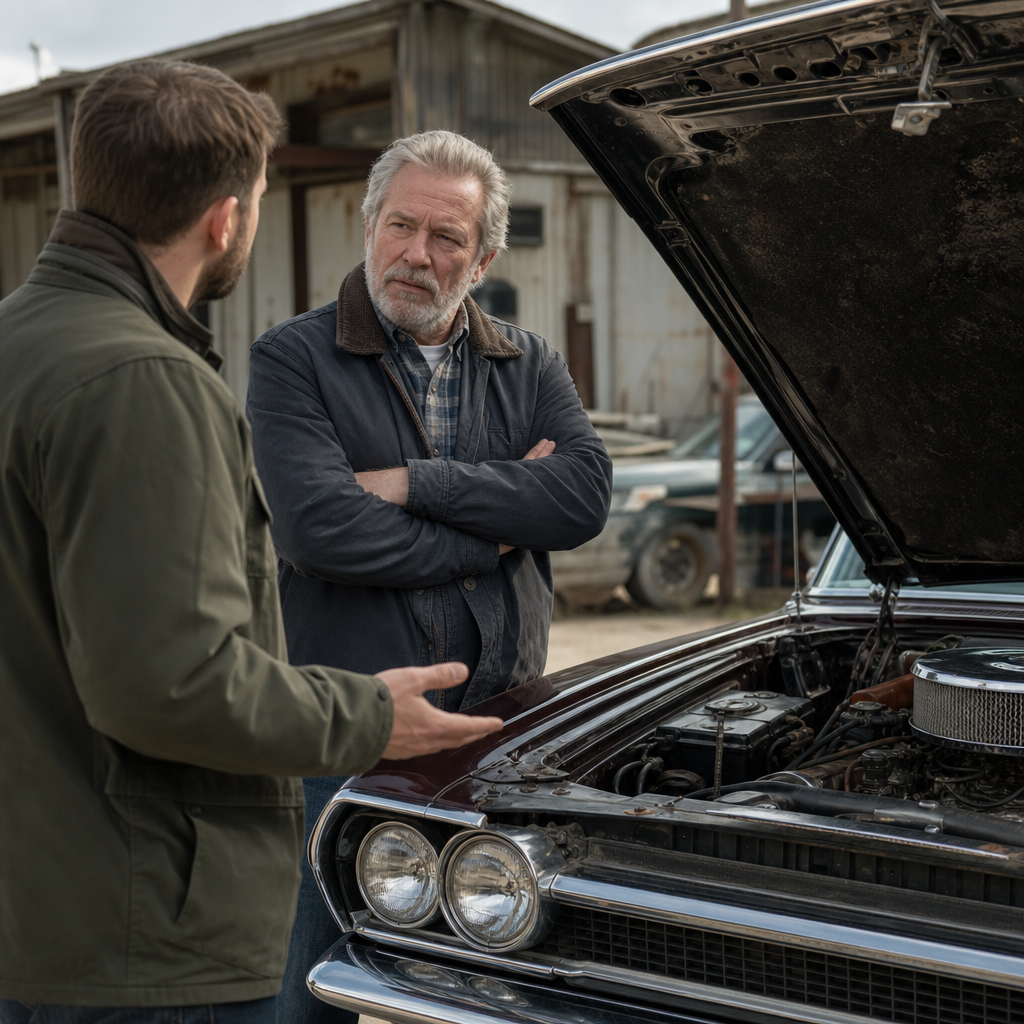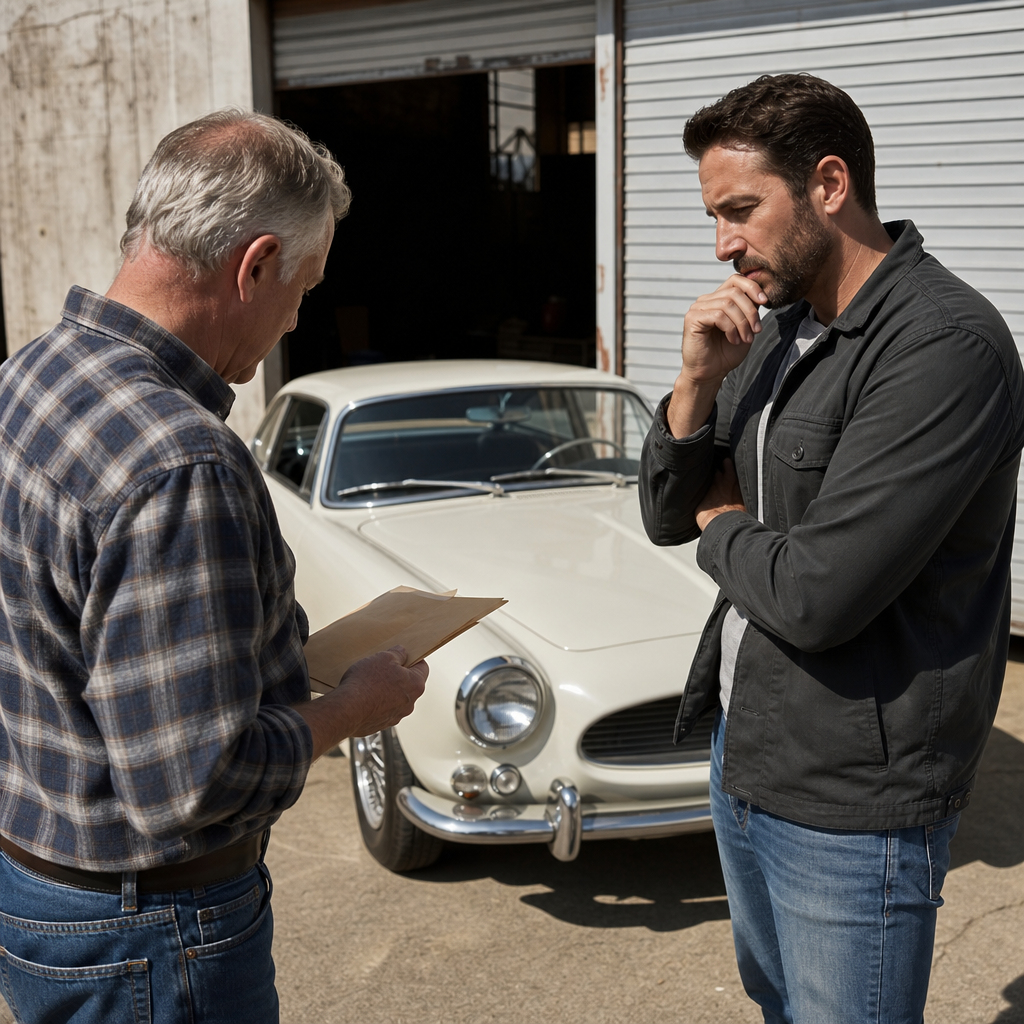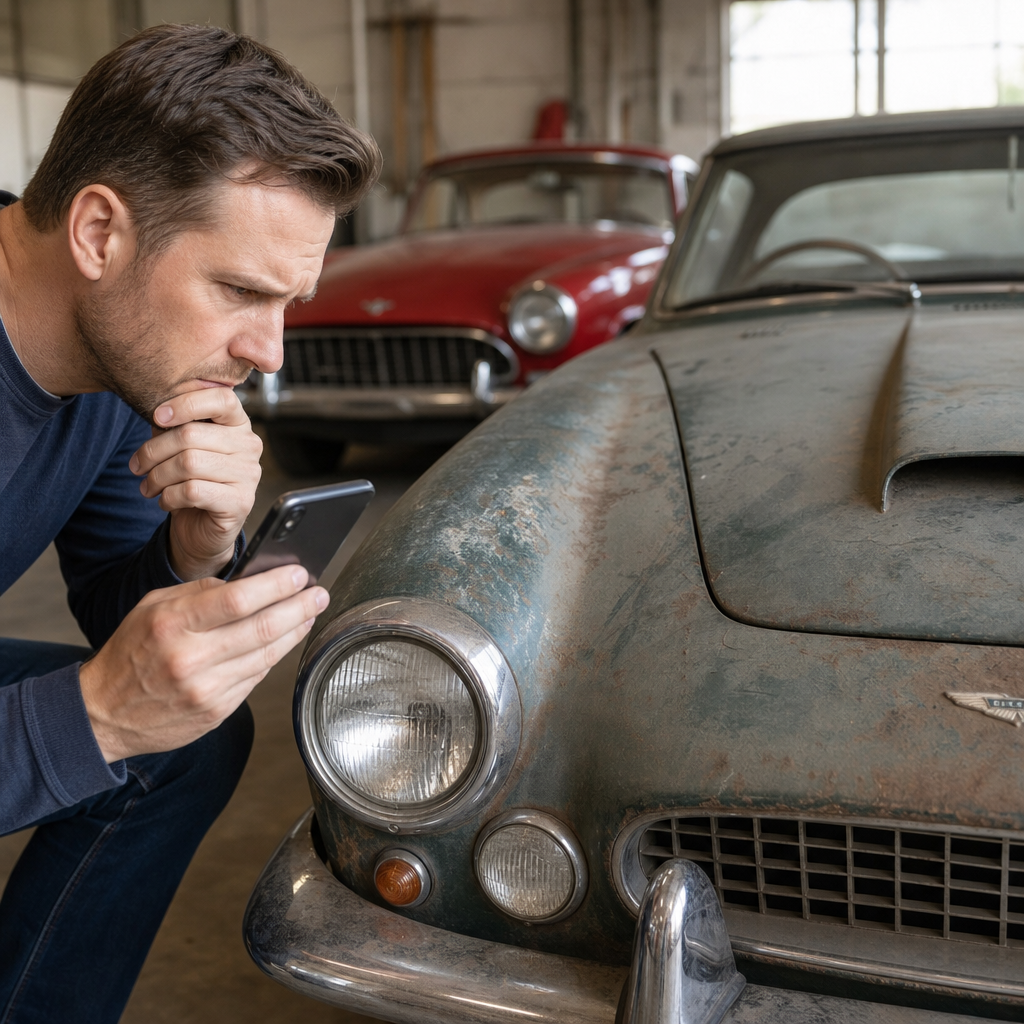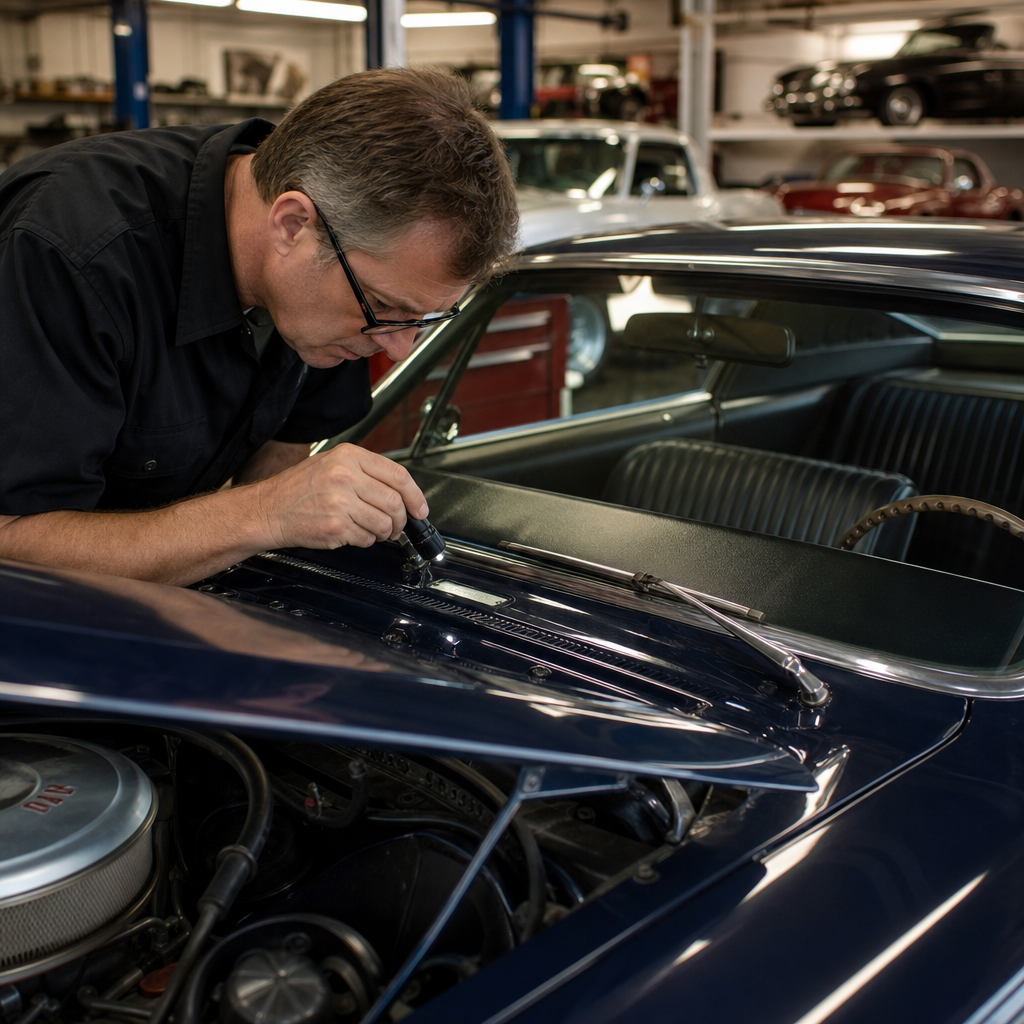

Inspection results can decide whether a classic car deal becomes a smart purchase, an expensive mistake, or a negotiation that lands in the narrow middle where both buyer and seller feel respected. In the classic car market, “inspection results” means the documented findings from a pre-purchase inspection, specialist review, test drive, paint and body evaluation, mechanical assessment, and verification of originality, rust, repairs, and paperwork. “Negotiation strategies” are the practical methods used to turn those findings into price adjustments, repair requests, escrow terms, or a decision to walk away. I have used inspection reports in deals involving restored muscle cars, British roadsters, air-cooled German cars, and survivor trucks, and the pattern is consistent: the strongest negotiators are not the loudest people in the room. They are the buyers and sellers who can separate cosmetic flaws from structural risk, estimate costs realistically, and present facts without emotion. For anyone buying or selling classic cars, this matters because value is rarely based on mileage alone. Condition, authenticity, drivability, corrosion history, and parts correctness often move the price far more than age or model year.
Classic cars require a different negotiation approach than modern used cars because defects are layered. A car can look excellent in photos yet hide filler over rust, worn synchros, mismatched engine stampings, or outdated brake work. It can also inspect better than expected, giving the seller leverage to hold firm. A sound negotiation process starts before money changes hands: define what the inspection covers, choose a qualified marque specialist, request compression or leak-down testing when relevant, photograph known problem areas, and compare findings against recent comparable sales rather than asking prices. The inspection report then becomes a decision tool. It tells you which issues are safety-critical, which affect originality, which are deferred maintenance, and which are ordinary for the era. Used correctly, inspection results help buyers avoid overpaying and help sellers defend fair pricing with evidence. This guide explains how to use those results in negotiation, from reading the report correctly to setting priorities, presenting concessions, structuring offers, and protecting the relationship while still closing on favorable terms.
Start by Translating the Inspection into Negotiation Categories
The first mistake many buyers make is treating every negative line item as a discount. That approach fails because not all defects carry equal pricing power. In practice, I sort inspection findings into five categories: safety, structural integrity, mechanical reliability, originality, and cosmetic condition. Safety items include brakes, tires older than six to eight years, fuel leaks, steering play, cracked suspension bushings, and electrical fire risks. Structural issues include rust in frame rails, floors, torque boxes, rocker panels, shock towers, or pickup points. Mechanical reliability covers oil pressure, compression consistency, transmission operation, cooling performance, charging system output, and differential noise. Originality addresses matching numbers, date-coded components, trim correctness, color changes, and documentation gaps. Cosmetic items include paint defects, chrome pitting, upholstery wear, and weatherstripping.
This categorization matters because the market discounts these issues differently. Structural rust can reduce value dramatically because repair costs are high and workmanship quality varies. A repaint with minor orange peel, by contrast, may have little effect if the car is otherwise solid. A non-matching carburetor on a driver-grade car may be acceptable, while a non-original engine in a top-tier investment car can swing the value by tens of thousands of dollars. If you negotiate from a categorized report, your requests sound informed instead of opportunistic. A seller is much more likely to accept, “The inspection found corrosion at the rear spring mounts and weak compression on cylinders three and six, which changes the risk profile,” than, “The inspector found a lot wrong, so I need a huge discount.”
Ask one direct question for each category: does this issue affect safety, usability, authenticity, future value, or immediate cost? That framework helps you decide whether to seek a lower price, require repair before closing, ask for documentation, or leave the deal. It also keeps negotiations focused on material issues. On a 1967 Mustang fastback, for example, faded seat vinyl may not justify much movement, but evidence of cowl rust and poorly patched front frame rails absolutely does. On a numbers-matching Porsche 356, an incorrect replacement engine or gearbox can matter more than older paint. The report is not just a list of defects. It is a map showing where leverage actually exists.
Put Real Costs Beside Every Finding Before You Make an Offer
An inspection report becomes persuasive only when tied to realistic repair costs. Buyers often overstate restoration costs from internet forums, while sellers often underestimate specialist labor. The most effective move is to turn findings into a line-by-line estimate using current shop rates in the region where the work would be done. In many markets, specialty restoration labor now runs well above general repair rates, and body or metal work can escalate quickly once panels are opened. Get quotes from a marque shop, body specialist, upholstery provider, and parts supplier if the defects are substantial. Hagerty valuation tools, marque club forums, and auction archives can help connect condition changes to market pricing, but labor estimates should come from people who actually do the work.
For example, if a pre-purchase inspection on a 1972 Chevrolet C10 finds front disc conversion done poorly, leaking rear axle seals, dry-rotted tires, and rust bubbling at cab corners, your negotiation should not bundle everything into a vague demand. Price each item. Tires might be straightforward. Reworking unsafe brake installation is not, especially if parts quality is uncertain. Rust repair at cab corners may expose broader corrosion once cut open. If the engine shows even compression and the frame is clean, that context matters too; not every issue is catastrophic. The goal is to show the seller a disciplined estimate of immediate and near-term costs, then connect that total to your revised offer.
| Inspection finding | Negotiation impact | Best response |
|---|---|---|
| Rust in structural areas | High value reduction | Request major price adjustment or walk away |
| Safety defects needing immediate repair | Moderate to high | Ask for repair credit or seller remedy before closing |
| Mechanical wear with documented estimates | Moderate | Reduce offer by verified repair cost |
| Non-original parts on driver-grade car | Low to moderate | Use as context, not primary leverage |
| Cosmetic flaws only | Low | Negotiate lightly and keep focus elsewhere |
When I present costs, I separate immediate repairs from future improvements. That distinction prevents overstating the case. Immediate repairs are required for safe driving or to avoid damage now: brakes, tires, fuel system leaks, overheating, charging faults. Future improvements are things the buyer may choose to address later: aging paint, trim imperfections, mild seepage, dated carpet. If you blur those lines, the seller will challenge the whole estimate. If you distinguish them, your numbers hold up. Sellers respond best when they see that your offer reflects actual ownership cost rather than a tactic. That is especially true when multiple bidders are involved or when the seller has years of maintenance records and knows the car well.
Use Inspection Results to Choose the Right Negotiation Strategy
Inspection results do not always point to a simple lower price. In classic car transactions, there are four main strategies: price reduction, repair credit, seller-performed remedy, and contingent purchase terms. Price reduction is best when the defect cost is clear and the buyer wants control over the repair. Repair credit works when the seller agrees on the issue but cash movement is easier than additional work. Seller-performed remedy is useful for straightforward items, such as replacing old tires or fixing a fuel leak, but it only works if the buyer trusts the quality of repair and wants evidence from a reputable shop. Contingent purchase terms include escrow holdbacks, delayed closing pending verification, or contract language tied to title, matching-number confirmation, or transport damage risk.
Match the strategy to the defect. If a Jaguar E-Type inspection finds weak compression on two cylinders and heavy oil leakage from multiple points, a simple seller promise to “sort it out” is not enough. That situation calls for either a meaningful price reduction or a very specific remedy by a known specialist with invoices. If a Mercedes-Benz SL inspection shows old tires and a tired battery, seller-performed replacement can be reasonable. If a Triumph TR6 has cosmetic paint issues but a strong frame and documented mechanical restoration, pressing hard for a discount may only sour the negotiation. The smart approach is to ask for concessions where the report shows measurable risk, not where age alone creates normal wear.
Another effective strategy is tiered negotiation. Present your preferred outcome, then a fallback. For instance: “At the agreed price, I would need the brake hydraulics and fuel leak repaired by a recognized shop before transport. If you prefer not to do the work, I can proceed at a reduced price reflecting those documented costs.” This gives the seller options while preserving your leverage. In my experience, sellers resist ultimatums but often respond well to structured choices. It makes the discussion about solving a shared problem instead of winning an argument.
Adjust Your Tactics for Private Sellers, Dealers, and Auctions
The source of the car changes how inspection results should be used. With private sellers, emotion and personal history often matter. Many owners have invested years and significant money into a car, so bluntly attacking the vehicle can stall the deal. Lead with what the inspection confirmed positively, then move into the material concerns. “The specialist liked the cold start behavior, panel fit, and documentation. The main concerns are the floor rust, brake pull, and gearbox noise.” That framing shows fairness. Private sellers are also more likely to accept evidence from an independent specialist than broad market commentary.
With dealers, negotiations are usually faster and more transactional. Dealers expect inspection findings to influence price, but they also know buyers may use minor defects as leverage. Be precise and document everything. If the dealer advertised “rust-free” and the inspection found corrosion repairs with filler and undercoating concealment, that discrepancy becomes a strong point. Request additional photos, invoices, and previous appraisal documents. Dealers may prefer a quick credit over performing detailed repairs, especially if the work touches originality or could expose more problems.
Auctions are different because the negotiation often happens before bidding or immediately after under specific terms. Many auction houses sell cars as-is, and post-sale leverage may be limited unless the vehicle was materially misrepresented. In that environment, inspection results are primarily a bidding tool. Set your ceiling by subtracting immediate repair costs, authenticity concerns, transport, buyer’s premium, and registration expenses from the car’s realistic market value in corrected condition. If the inspection reveals hidden rust or non-original stampings, lower your maximum bid and stick to it. The winning strategy at auction is discipline, not creativity.
Know When the Inspection Supports the Seller, Not the Buyer
Not every inspection creates buyer leverage. Sometimes the report confirms that the car is better than its presentation or that the asking price is justified. Sellers should use strong inspection results proactively in negotiation. A clean leak-down test, borescope images showing healthy cylinder walls, documented rust-free structure, correct date-coded components, and receipts for recent suspension or cooling work all support a firm position. If the report finds only age-appropriate cosmetic flaws, the seller can reasonably decline large concessions and explain why. Strong evidence narrows the discussion to minor items instead of opening the door to arbitrary discounts.
I have seen buyers try to negotiate heavily on cars that inspected exceptionally well simply because they expected a post-inspection discount. That is not strategy; it is habit. On a well-sorted Alfa Romeo GTV with documented engine rebuild, proper panel gaps, dry undercarriage, and only minor seat bolster wear, the inspection may actually strengthen the seller’s case. A smart seller will share the findings, explain the maintenance history, and hold near asking price. Buyers should recognize this scenario quickly. If the report is favorable and the model is in demand, continuing to press can lose the car to another bidder. Good negotiation depends on reading leverage honestly, not assuming it exists.
Protect the Deal with Clear Communication and Documentation
The final step is turning inspection results into clear deal terms. Verbal understandings are risky, especially when shipping, title transfer, or third-party repairs are involved. Put every concession in writing: revised purchase price, specific repairs to be completed, required documentation, deadlines, and what happens if new issues appear during agreed work. If originality is central to value, document engine, transmission, chassis, and body numbers, plus any certificates from marque registries or heritage services. If there is a holdback for unresolved work, define release conditions precisely.
Communication style matters as much as paperwork. Use the inspection to reduce uncertainty, not to create conflict. Keep your language factual: “The inspection identified,” “The estimate from the shop is,” “The market value for this condition appears to be.” Avoid loaded terms unless they are justified, such as fraud or concealment. If there is evidence of intentional misrepresentation, the negotiation changes entirely and walking away is often the best decision. But many classic car issues come from age, old restorations, or incomplete records rather than bad faith. Respectful, precise communication preserves options.
Inspection results are most powerful when they help both sides reach a number and a structure that reflect the car’s true condition. Buyers should categorize defects, attach verified costs, choose the right concession method, and stay disciplined about walk-away points. Sellers should use strong reports to defend price, answer concerns with records, and concede only on issues that materially affect value or risk. In classic car negotiation, facts win over emotion when those facts are organized and explained clearly. If you are buying or selling within the broader Buying & Selling Classic Cars topic, make inspection-based negotiation your standard process, then build from there into valuation, documentation, transport, and title due diligence. Start every deal with an expert inspection, and let the evidence shape the price before enthusiasm does.
Frequently Asked Questions
How should inspection results shape my negotiation strategy when buying a classic car?
Inspection results should become the foundation of your negotiation, not just a side note you mention at the end. A thorough pre-purchase inspection tells you what is cosmetic, what is mechanical, what affects originality, and what may create immediate or long-term ownership costs. That matters because classic car value is rarely based on appearance alone. A car that looks excellent in photos can still have hidden rust, non-original components, poor prior repairs, weak compression, unsafe brakes, or paperwork issues that change its true market value.
The most effective approach is to sort the inspection findings into three groups: safety and drivability concerns, authenticity and originality issues, and cosmetic or convenience items. Safety and drivability issues usually carry the most negotiation weight because they represent real near-term costs and risk. Authenticity issues also matter greatly in the collector market because they directly affect desirability, resale potential, and pricing. Cosmetic items matter too, but they should usually be framed as value adjustments rather than deal-breaking defects unless they reveal deeper structural problems.
Once you have those categories, connect each finding to a realistic correction cost. Do not simply say, “The inspector found problems, so I want less.” Instead, say, “The inspection identified rust in the rear quarter, aged fuel lines, a brake hydraulic leak, and non-matching trim. Based on repair estimates and market comps for comparable cars in corrected condition, I believe a fair adjustment is appropriate.” That style of negotiation is harder to dismiss because it is based on evidence and logic rather than emotion. In classic car deals, sellers are much more likely to engage constructively when they feel you are responding to documented facts instead of trying to force a discount.
Most importantly, let the inspection define your walk-away point before negotiations begin. If the report reveals structural rust, title inconsistencies, signs of accident damage, or serious originality disputes that make the car materially different from how it was represented, your strategy may shift from negotiating price to reconsidering the purchase entirely. Good negotiation is not just about getting a lower number. It is about using objective information to decide whether the car is worth buying at all, and if so, at what price and under what terms.
Which inspection findings usually justify a price reduction in a classic car deal?
The findings that most often justify a meaningful price reduction are the ones that change either the cost of ownership or the car’s market standing. Structural rust is one of the clearest examples because it is often expensive to repair correctly and can affect safety, originality, and future resale value. Evidence of poor bodywork, hidden filler, panel replacement, frame or unibody damage, and improperly repaired accident history can also support a lower price because buyers are not just paying for repairs; they are paying for the stigma and complexity those issues introduce.
Mechanical findings can justify reductions as well, especially when they involve engine health, transmission operation, braking systems, cooling systems, suspension wear, or electrical reliability. In a classic car, even seemingly straightforward repairs can become costly due to parts availability, labor intensity, and the need for marque-specific expertise. A leaking rear main seal, weak compression, carburetor issues, overheating tendency, worn bushings, or charging-system faults may not always kill the deal, but they absolutely affect the car’s present value. If the seller priced the car as a sorted, road-ready example, inspection findings that contradict that claim create a strong basis for renegotiation.
Originality and documentation issues are especially important in the collector market. Non-matching engine or transmission numbers, replacement color changes, aftermarket modifications, reproduction trim, missing build documentation, or questionable ownership records can all affect what the car is worth. These may not prevent enjoyment, but they often move the car into a different value category. A buyer should be careful, however, to distinguish between personal preference and market impact. For example, an upgraded ignition system might be a minor issue if reliability improves and the modification is reversible, while missing VIN tags or inconsistent body numbers can be far more serious.
By contrast, small cosmetic flaws, normal wear on driver-quality cars, minor fluid seepage, or age-related imperfections may not support a large discount if they were already visible or expected for the car’s condition level. The key question is whether the inspection uncovered something the market would price differently if it had been known from the start. If the answer is yes, there is a solid argument for adjustment. If the issue is simply part of owning an older vehicle, your leverage may be smaller.
How do I present inspection findings to a seller without damaging the negotiation?
The best way to present inspection findings is calmly, specifically, and respectfully. In classic car transactions, sellers are often emotionally attached to the vehicle and may have invested years of time, money, and identity into it. If you approach the conversation as an accusation, the negotiation can become defensive very quickly. Instead, treat the inspection as a shared reference point. You are not trying to prove the seller is dishonest; you are trying to align price and terms with the car’s documented condition.
Start by acknowledging what the car does well. If the inspection confirms strong paint presentation, a clean interior, good documentation, or a healthy engine, say so. Then move to the issues that matter most, beginning with the findings that affect safety, structural integrity, originality, and immediate repair cost. It helps to use language like, “The inspection was very helpful. It confirmed several strengths, but it also identified a few items that change the value for me.” That framing keeps the discussion professional and lowers the chance that the seller feels ambushed.
Be prepared to share the report, summarize the key findings, and connect them to real-world consequences. Do not overwhelm the seller with every small note if only a few findings materially affect value. Focus on the items that justify action. If possible, bring repair estimates, recent sales of comparable cars, and specialist input to show that your proposed adjustment is grounded in the market. For example, if the inspector found rust in a common problem area, explain the likely repair process and cost instead of just naming the defect. The clearer the connection between the finding and the financial impact, the more persuasive your case becomes.
Finally, make a specific and reasonable proposal. A seller cannot respond productively to vague disappointment. They can respond to a clear request such as a price reduction, completion of certain repairs before closing, inclusion of hard-to-find parts, or modified terms that reflect risk. If the seller disagrees, stay composed and ask questions. Sometimes the most useful negotiation step is learning whether the seller has contrary documentation, prior repair invoices, or additional information that changes the picture. Productive negotiation is often less about pressure and more about disciplined communication built around credible evidence.
Is it better to ask for a lower price, request repairs, or walk away after a bad inspection?
That depends on the nature of the inspection findings, the seller’s credibility, the rarity of the car, and your own tolerance for restoration risk. A lower price is usually the cleanest option when the issues are real but manageable. It lets you control the quality of the repairs, choose your own specialist, and avoid relying on a seller who may be motivated to fix problems as cheaply and quickly as possible. In many classic car transactions, a price adjustment is preferable to seller-performed repairs for exactly that reason. Quality varies enormously, and rushed work done to close a sale can create more problems than it solves.
Requesting repairs can make sense if the issues are straightforward, the seller has a trusted marque specialist, and the work can be documented with invoices, photos, and a reinspection. This is most practical for clearly defined items such as replacing unsafe tires, correcting a brake issue, fixing a title discrepancy, or addressing a specific fluid leak. It is less attractive for bodywork, rust repair, or anything that could be concealed or done to a cosmetic rather than structural standard. If you do agree to repairs, the terms should be specific. The work should be completed by a named shop, by a stated deadline, with your right to verify completion before funds are released.
Walking away is the right move when the inspection reveals problems that fundamentally change the deal. Serious structural corrosion, altered identity, inconsistent VIN or title information, evidence of major undisclosed accident damage, extensive hidden filler, or major originality disputes can turn a seemingly attractive purchase into a high-risk project. The same is true if the seller reacts evasively, dismisses the inspection without evidence, or changes the story after the report comes in. A bad inspection is not always about the car alone; it can also reveal whether the transaction itself is trustworthy.
One of the biggest mistakes buyers make is trying too hard to save a deal after the inspection exposes major concerns. Classic cars are emotional purchases, but negotiation discipline matters. If the repairs are beyond your budget, the uncertainty is too high, or the finished car would still not justify your total investment, walking away is not losing. It is using the inspection exactly as intended: to prevent a costly decision. The smartest negotiation result is not always a discount. Sometimes it is the clarity to move on.
How can I use inspection results to negotiate fairly while keeping the seller engaged?
Fair negotiation starts with separating value from emotion. Inspection results should help you arrive at a number that reflects the car’s actual condition, not create