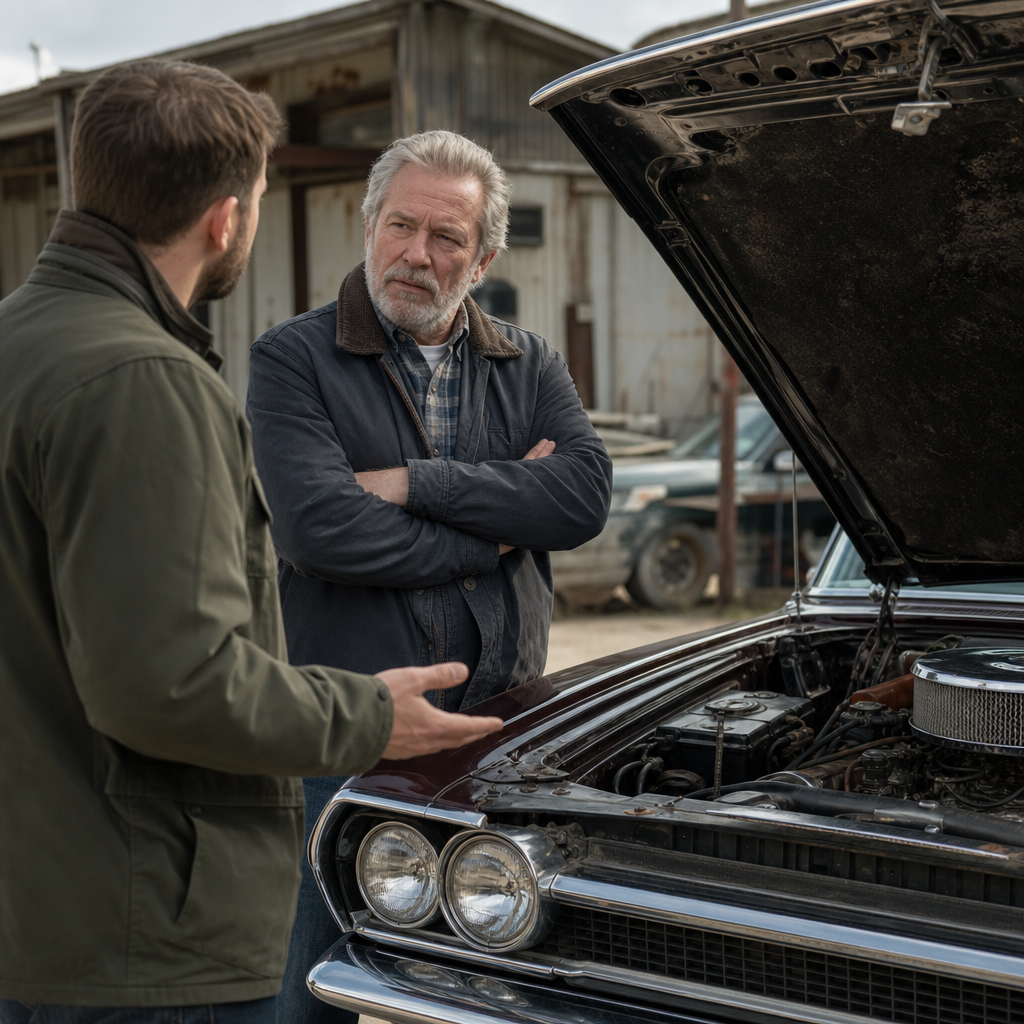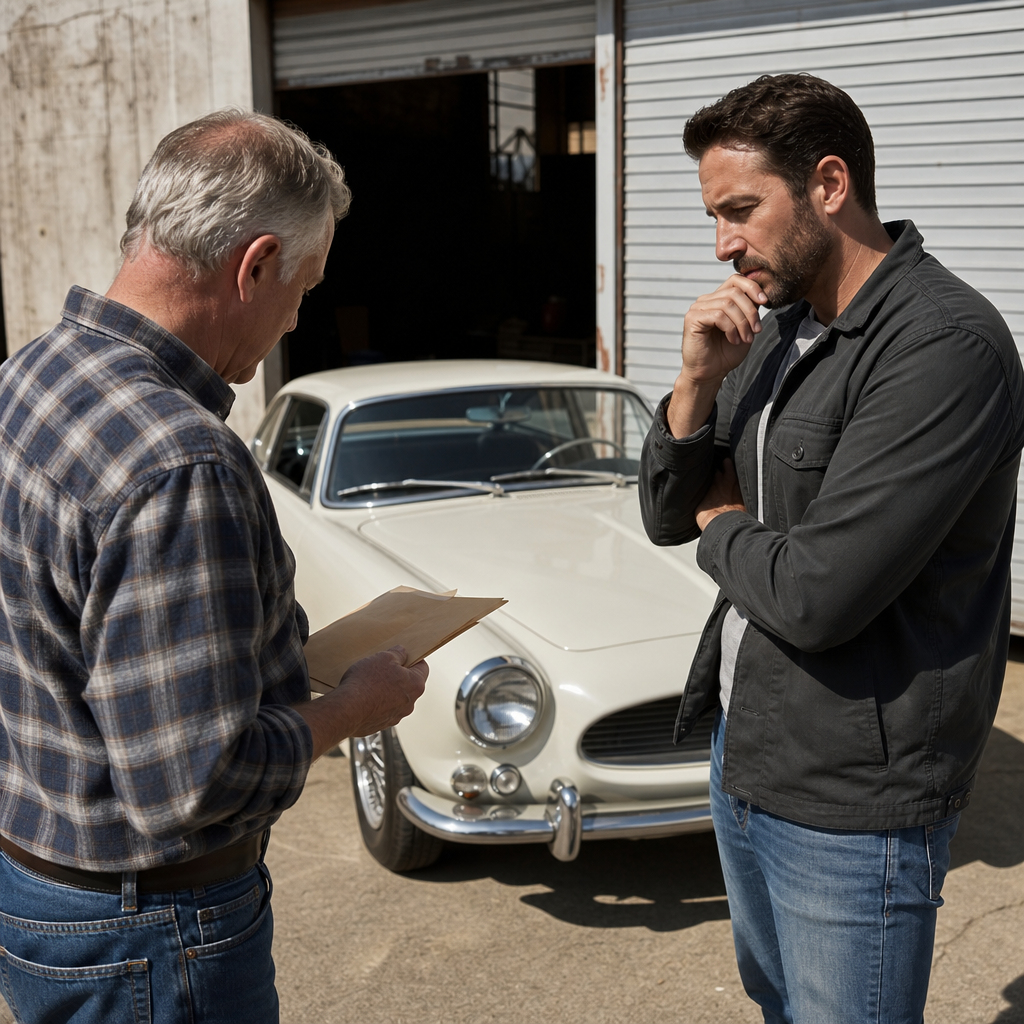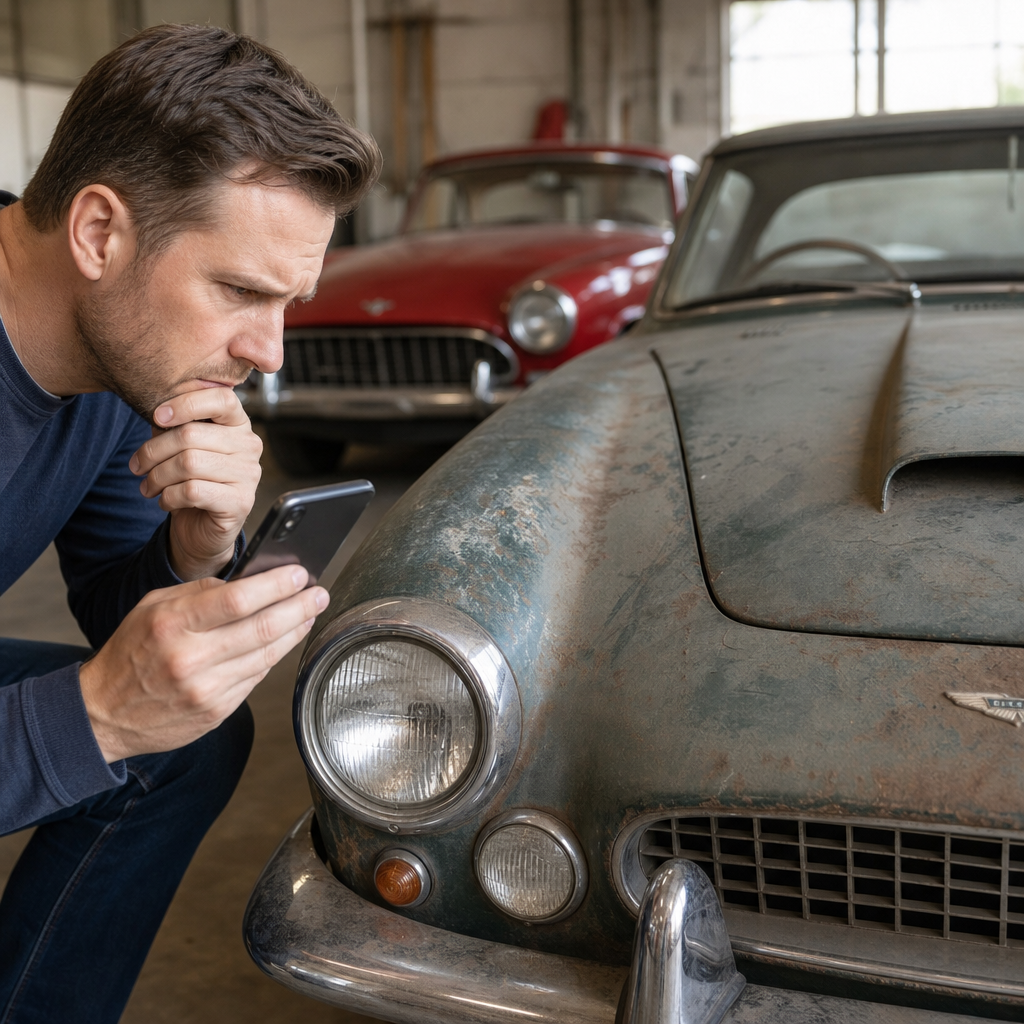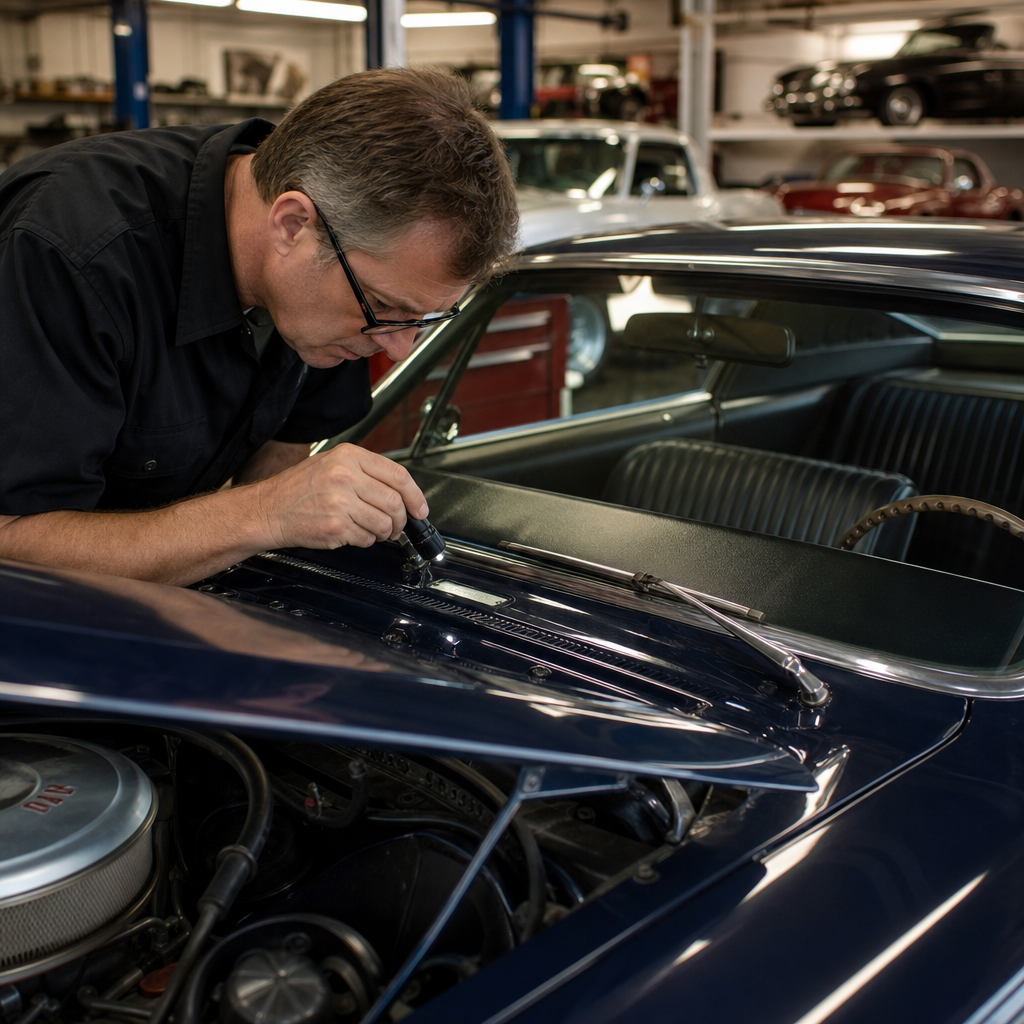
Buying a vintage vehicle is part financial decision, part mechanical inspection, and part emotional commitment, which is why knowing what to look for in a classic car purchase matters before you ever shake a seller’s hand. In practical terms, a classic car is usually an older vehicle valued for historical interest, design, rarity, or enthusiast demand, while a purchase evaluation is the process of verifying condition, originality, paperwork, market value, and suitability for your intended use. I have helped buyers inspect everything from driver-grade 1960s Mustangs to fully restored air-cooled Porsches, and the pattern is always the same: the best purchases start with a clear plan, not a polished paint job. Many first-time buyers focus on mileage, chrome, and photographs, yet overlook rust repair quality, title problems, missing trim, weak parts availability, and the true cost of recommissioning a long-stored car. A smart classic car buying process protects you from overpaying, from buying a car that cannot be legally registered, and from inheriting hidden repairs that can easily exceed the purchase price. It also helps you match the car to your goals, whether you want a weekend cruiser, a show-quality restoration, a period-correct survivor, or an investment-grade collectible. This guide explains how to buy a classic car by breaking the process into the decisions that matter most: budget, research, inspection, verification, negotiation, and post-purchase planning. If you understand those areas before you shop, you will buy with confidence and avoid the expensive mistakes that trap impatient buyers.
Define Your Goal Before You Shop
The first thing to look for in a classic car purchase is not the car itself but fit. Buyers who skip this step usually chase whatever appears attractive online, then discover they bought the wrong era, body style, or ownership experience. Start by deciding how you will use the vehicle. A local weekend driver should be judged differently from a concours candidate or a car intended for long-distance touring. If you want reliability and easy starts, a well-sorted 1980s Mercedes-Benz SL may suit you better than a carbureted 1950s convertible that needs constant tuning. If your goal is appreciation potential, originality, provenance, matching numbers, and production rarity become much more important than cosmetic freshness alone.
Set a full budget, not just a purchase number. In my experience, buyers routinely underestimate transport, sales tax, registration, immediate mechanical sorting, tire replacement, and insurance. A $25,000 classic can quickly become a $32,000 commitment after enclosed shipping, fluid service, battery replacement, brake hydraulics, and deferred maintenance. Storage also matters. Older cars deteriorate quickly outdoors, especially where moisture attacks floors, rocker panels, and trunk seams. If you do not have secure indoor storage, factor that cost in now. This early planning stage also narrows the field, making your later inspection work more disciplined and less emotional.
Research the Model, Market, and Ownership Costs
Once you know your goal, research specific models with the same rigor you would use for a house purchase. Learn production years, major mechanical changes, engine codes, trim-level differences, and known weak points. Some examples are famous for rust in predictable places, such as C3 Corvettes with birdcage corrosion, Jaguar E-Types with floor and sill rust, or early Broncos with hidden issues around the door posts and bed supports. Others have drivetrain or parts-sourcing concerns. A beautiful classic that requires rare fuel injection components or one-year-only trim can become expensive to keep correct.
Market research should include recent auction results, dealer listings, and private-party sales, but you need to compare like with like. Condition categories matter. A restored car, an original survivor, and a modified driver may all wear the same badge yet carry very different values. Tools such as Hagerty Price Guide, Collector Car Market Review, Bring a Trailer results, and marque-specific forums can help establish a realistic range. Pay attention to options, documentation, colors, and transmission types because those details materially affect value. Manual-transmission European sports cars, factory big-block muscle cars, and limited-production homologation models often command substantial premiums over superficially similar examples.
Ownership cost research is equally important. Before buying, confirm the availability of sheet metal, weatherstripping, interior kits, glass, and service parts. Cars with strong aftermarket and club support are easier to own well. A first-generation Camaro, MGB, or classic Ford pickup may be simpler to maintain than a low-production luxury coupe with scarce trim and specialized electronics. Join owner groups and ask what they wish they had known before buying. Their answers usually reveal the real-world costs that listings hide.
Inspect Body, Rust, and Structural Integrity First
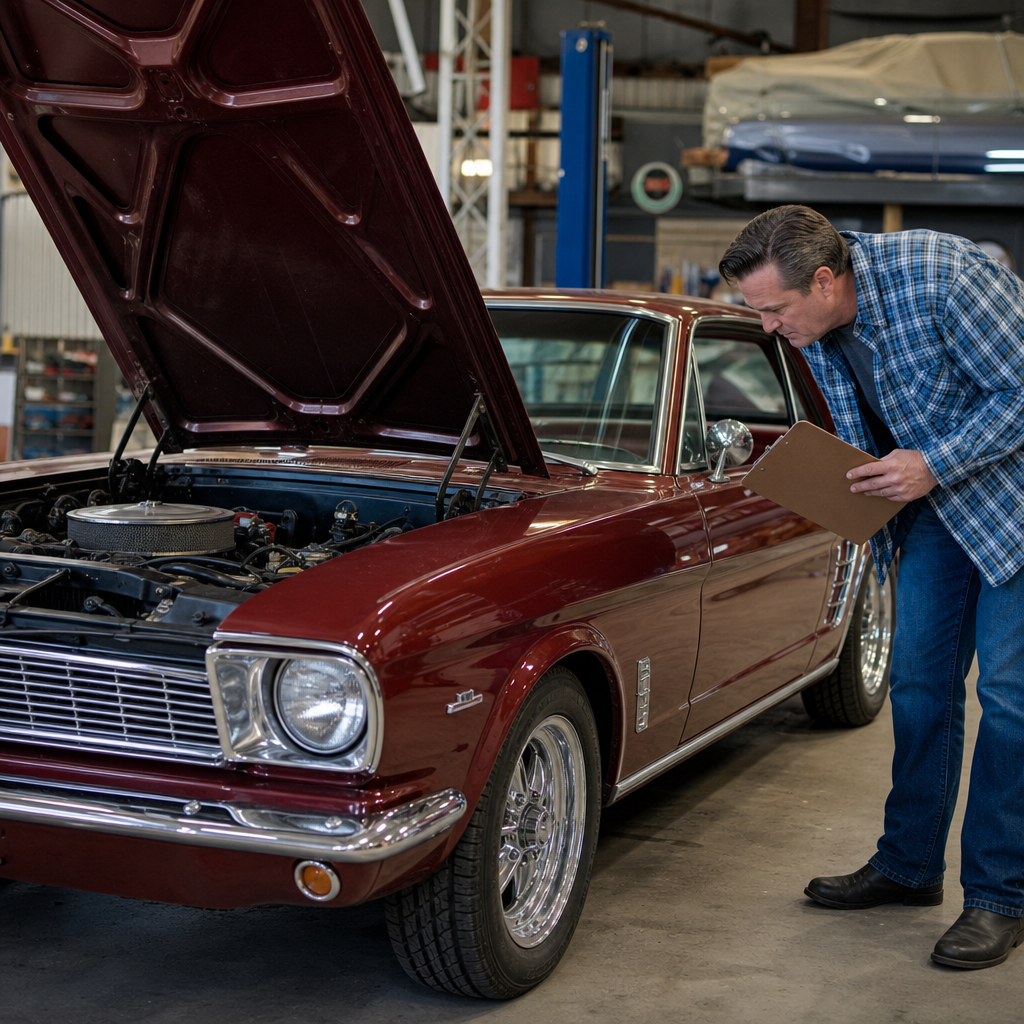
If you only remember one inspection rule, make it this: mechanical problems are often easier to fix than rust and poor bodywork. Rust is the single most important thing to look for in a classic car purchase because corrosion repair consumes time, money, and originality. Start with known trouble spots for the model, then inspect lower fenders, rocker panels, wheel arches, floor pans, trunk floor, windshield channels, cowl, door bottoms, battery tray area, and frame or unibody pickup points. Bring a flashlight, magnet, inspection mirror, and paint-depth gauge if possible. A weak magnet response can indicate heavy filler, while paint readings that vary dramatically suggest prior repairs or panel replacement.
Look beyond shiny paint. Check panel gaps for consistency, doors for sagging, and signs that the car was assembled after major collision work. Overspray on weatherstripping, mismatched fasteners, welding marks, seam sealer that looks too fresh, and undercoating applied over dirt can all indicate shortcuts. On body-on-frame cars, inspect frame rails for bends, perforation, and patched sections. On unibody cars, measure visual symmetry and inspect torque boxes, strut towers, suspension mounts, and pinch welds. Structural corrosion can make even an attractive car unsafe and economically irrational to restore.
| Inspection Area | What to Check | Why It Matters |
|---|---|---|
| Rocker panels and floors | Bubbling paint, soft spots, patch panels, filler | Hidden rust here often signals larger structural decay |
| Frame rails or unibody mounts | Cracks, kinks, weld repairs, perforation | Compromised structure affects safety and alignment |
| Trunk and spare wheel well | Moisture, rust staining, seam separation | Water intrusion usually spreads beyond visible areas |
| Windshield and rear glass channels | Blisters, lifted trim, seal failure | Glass-channel rust is expensive and invasive to repair |
| Panel gaps and shut lines | Uneven spacing, door drop, binding | May reveal accident history or poor restoration work |
Evaluate Mechanical Condition and Roadworthiness
After the body passes muster, move to the mechanical systems. A classic car can look excellent and still require a complete recommissioning. Cold-start the engine if possible, because warmed-up engines can mask poor tuning, weak compression, smoke, and hard-start problems. Listen for valvetrain noise, bearing knock, timing chain rattle, exhaust leaks, and vacuum irregularities. Watch for blue smoke under throttle, white smoke after warm-up, or heavy crankcase breathing. Check for oil contamination, coolant discoloration, leaking core plugs, and evidence of chronic overheating such as stained expansion tanks or improvised electric fan wiring.
Transmission behavior tells you a lot. Manual gearboxes should engage cleanly without synchro grind, clutch chatter, or severe driveline lash. Automatics should shift decisively and maintain fluid that smells clean, not burnt. On the road, note steering play, brake pull, wheel-bearing noise, differential whine, and suspension clunks. Older cars will never feel like modern cars, but they should track straight, stop predictably, and maintain stable temperatures. Tires deserve close attention too. Even if tread depth looks fine, date codes over six years old often mean replacement is due. I have seen buyers overlook ancient tires on low-mileage classics and spend four figures immediately after delivery.
A pre-purchase inspection by a marque specialist is money well spent. Compression testing, leak-down results, charging-system output, brake condition, chassis photographs, and lift inspection notes provide a factual basis for negotiation. If the seller refuses an independent inspection on a car of real value, treat that as a warning sign, not a scheduling inconvenience.
Verify Originality, Documentation, and Legal Status
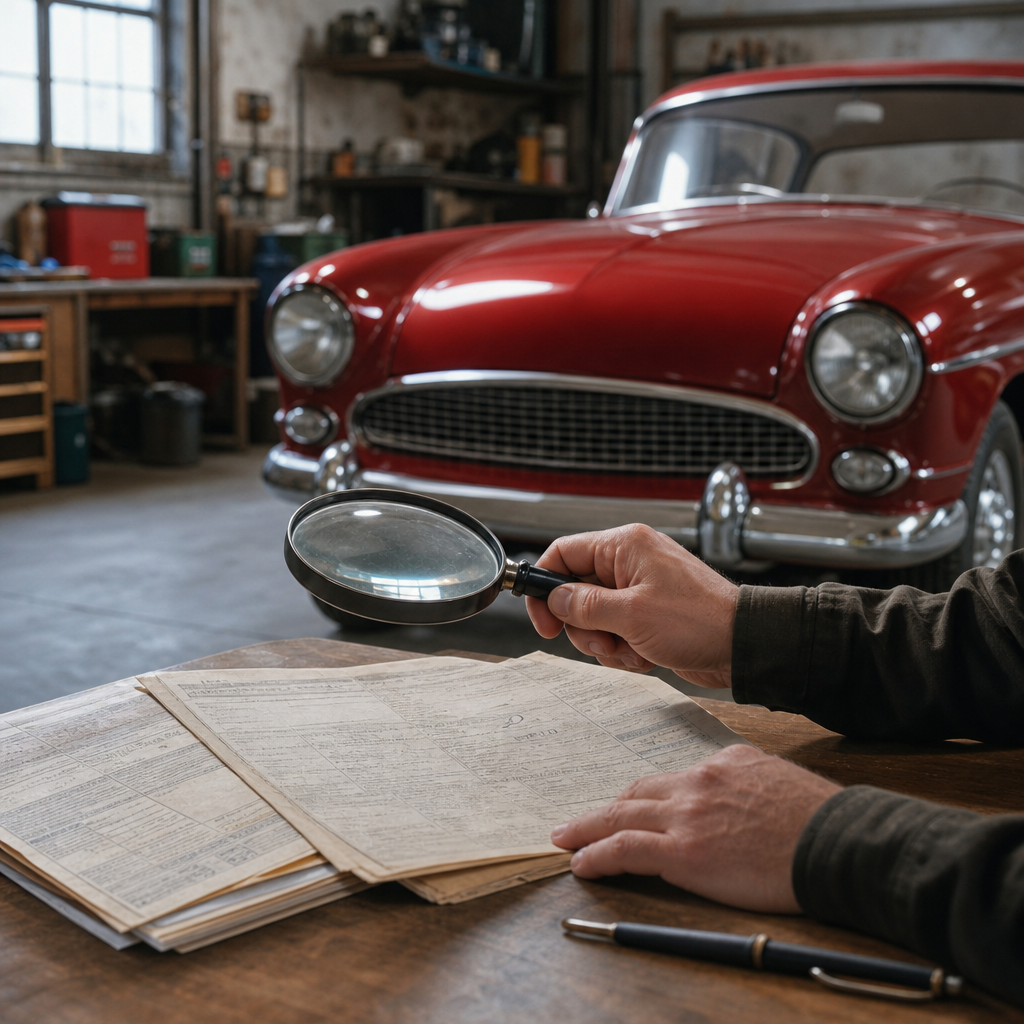
Documentation is where many high-dollar classic car purchases are won or lost. Start with the VIN, chassis number, engine stampings, body tags, and transmission codes where applicable. Verify that these numbers match the title and correspond correctly to the model year, factory, engine, and trim represented in the listing. “Matching numbers” is often used casually, but in collector markets it has a specific value implication. A car with its factory-installed engine and drivetrain components can command a premium, especially in muscle cars, rare sports cars, and limited-production models. However, originality is not always the same as desirability. A period-correct restoration with careful upgrades may be a better ownership choice if you prioritize driving.
Service records, restoration photos, ownership history, judging sheets, window stickers, build sheets, heritage certificates, and manuals all add confidence. A thick file does not guarantee a good car, but the absence of paperwork on an expensive example should lower your willingness to pay. Confirm title status carefully. The VIN on the vehicle must match the title exactly, and the seller’s name should align with the registration documents unless a licensed dealer or broker is clearly involved. Be especially cautious with bonded titles, title transfers in process, imported vehicles, and states with unusual registration practices for older cars. Also verify that emissions or safety exemptions in your state truly apply to the car you are buying.
If the car has been modified, ask whether the original parts are included. Factory air cleaners, wheels, carburetors, radios, and steering wheels can be expensive to source later, and their absence affects both value and authenticity. Provenance matters most when the model is already valuable, but legality matters on every purchase.
Judge Restoration Quality, Modifications, and Seller Credibility
Not every restored classic is restored well, and not every modified classic is a bad buy. What matters is workmanship, documentation, and whether the changes align with your intended use. High-quality restoration work shows consistency: trim fits properly, plating quality is even, panel alignment is logical, wiring is routed neatly, and hardware choices match the period or stated build philosophy. Poor restorations often reveal themselves in small details such as painted-over rubber seals, incorrect fasteners, mismatched upholstery grain, hacked speaker cuts, or engine bays detailed for photos but leaking underneath. Restoration invoices and photographic records help you understand whether the car received cosmetic attention only or truly underwent metal, mechanical, and electrical work.
Modified classics should be evaluated as complete systems. A disc brake conversion, upgraded radiator, electronic ignition, or modern overdrive transmission can improve usability when installed correctly. But modifications can also create problems when they are incomplete or poorly engineered. I regularly see cars with oversized wheels that rub, aftermarket carburetors that are never tuned right, or suspension lowering that ruins geometry. Ask who performed the work, which brands were used, whether the original components are available, and whether the changes were reversible. Reputable names, such as Wilwood, Tremec, MSD, Holley, Bilstein, or reputable marque-specific builders, generally inspire more confidence than unknown parts mixed without a plan.
The seller matters too. A credible seller answers directly, provides underbody photos, allows inspections, and accurately describes flaws. Evasive language like “all original as far as I know” or “just needs a tune-up” should prompt deeper questions. Honest sellers usually disclose what still needs sorting because they know serious buyers will find out anyway.
Negotiate Smart and Plan the First Year of Ownership
A strong negotiation starts with facts gathered from your research and inspection, not with arbitrary low offers. Build your price around current market comps, originality, documentation, and the cost of immediate needs. If the car needs tires, brake work, seat upholstery, weatherstripping, and transport, quantify those items and present them calmly. Sellers respond better to documented reasoning than to dramatic criticism. Be respectful, but do not pay a premium for stories unsupported by records. If the numbers do not work, walk away. There will always be another car, and patience is one of the cheapest tools in classic car buying.
Before money changes hands, agree on included parts, payment method, title transfer timing, and transport details in writing. For remote purchases, use clear purchase agreements and verify that the transporter is insured for collector vehicles. Once the car arrives, assume it needs a baseline service unless records prove recent work. Change fluids, inspect belts and hoses, confirm ignition timing and charging output, and review all safety items. Many experienced owners also replace age-sensitive components such as fuel lines, brake hoses, and tires early in ownership. That first-year plan protects your investment and makes the car genuinely usable.
The best classic car purchase is rarely the cheapest example on the market. It is the one with the fewest unknowns, the clearest documentation, the strongest structural condition, and the best match for your goals. If you want to buy a classic car well, research the model, inspect the body first, verify the paperwork, involve a specialist, and negotiate from evidence. Use this hub as your starting point, then apply the same discipline to every car you consider. The result is simple: fewer surprises, better ownership, and a classic you can enjoy with confidence.
Frequently Asked Questions
What are the most important things to inspect before buying a classic car?
The most important areas to inspect are the body, frame, drivetrain, interior, electrical system, and documentation. Start with rust, because rust repair is often far more expensive than repainting or replacing trim. Check the floors, rocker panels, trunk, wheel arches, frame rails, lower fenders, and any known rust-prone spots for that make and model. Look closely for bubbling paint, uneven panel gaps, undercoating used to hide repairs, or signs of filler. From there, evaluate the engine, transmission, brakes, steering, suspension, and cooling system. A classic car may look excellent in photos but still have leaks, weak compression, overheating issues, or worn-out bushings that can turn a promising purchase into a costly project.
Beyond the mechanical condition, assess whether the car is original, restored correctly, or modified in a way that affects value and usability. Matching numbers, factory-correct finishes, original trim pieces, and period-correct components can matter significantly, especially on collectible models. Also review the title, VIN or chassis number, service records, restoration receipts, ownership history, and any supporting paperwork that confirms authenticity. If possible, arrange a pre-purchase inspection by a specialist familiar with that exact marque or era. A knowledgeable inspection can reveal structural repairs, hidden corrosion, incorrect parts, and deferred maintenance that a general mechanic or first-time buyer might miss.
How do I know if a classic car is fairly priced?
A fair price comes from comparing the car’s actual condition, originality, rarity, documentation, and market demand against recent sales of similar vehicles. Do not rely only on asking prices, because sellers can list cars at unrealistic numbers for months without receiving serious offers. Instead, review auction results, enthusiast marketplace listings, price guide data, and club forums to understand what buyers are truly paying. Be sure you are comparing similar examples. A numbers-matching, rust-free, well-documented car with a high-quality restoration should not be valued the same way as a driver-grade example with unknown history and cosmetic flaws.
Condition level matters tremendously in the classic market. Two cars of the same year and model can differ in value by tens of thousands of dollars depending on body quality, mechanical health, originality, and provenance. Rare factory options, unusual color combinations, and documented ownership history can raise value, while non-original engines, poor repaint work, missing trim, and incomplete records can lower it. It is also smart to price the total ownership picture, not just the purchase amount. A seemingly cheap car may require immediate brake work, tires, fuel system cleaning, upholstery repairs, and electrical sorting, making it more expensive than a higher-priced example that is already sorted. The best buy is often the most complete and honestly represented car within your budget, not the lowest sticker price.
Should I buy a fully restored classic car or a project car?
That depends on your budget, skills, patience, and goals for ownership. A fully restored or well-sorted classic is usually the better choice for buyers who want to drive and enjoy the car soon after purchase. It offers more predictability, fewer surprise expenses, and a clearer understanding of what you are getting. Even so, not all restorations are equal. Some are cosmetic freshen-ups designed to photograph well, while others are thorough, documented rebuilds that address bodywork, driveline, suspension, braking, and electrical reliability. Always ask who performed the work, when it was completed, and whether receipts and restoration photos are available.
A project car can be rewarding, but it is almost never the cheaper path unless you already have the tools, storage, expertise, and time to complete much of the work yourself. Hidden rust, missing parts, and poor prior repairs can quickly inflate costs. Parts availability should also influence your decision. A project on a popular model with strong aftermarket support is very different from a rare car with hard-to-find trim, glass, or drivetrain components. If your goal is to learn, restore, and build a car over time, a project may make sense. If your goal is reliable weekend use, local shows, or occasional touring, buying the best finished car you can afford is usually the smarter financial and practical decision.
How important are originality and matching numbers in a classic car purchase?
Originality and matching numbers can be very important, but their importance depends on the type of car and what you want from ownership. In many collector segments, a car with its original engine, transmission, factory color, trim, and equipment will command a premium because it is closer to the car’s historical identity. This is especially true for limited-production performance cars, desirable muscle cars, certain European classics, and vehicles with strong concours or investment appeal. Matching numbers generally means the major drivetrain components correspond with factory records or build information, which helps support authenticity and value.
That said, originality is not always the deciding factor for every buyer. Some enthusiasts prioritize drivability, safety, and usability over strict factory correctness. Sensible upgrades such as electronic ignition, improved cooling, front disc brakes, radial tires, or a more dependable carburetion setup can make a classic car easier and safer to live with. The key is understanding how modifications affect value in that specific market. Reversible, well-documented upgrades are usually viewed more favorably than poorly executed custom work. Before buying, decide whether you want a collectible showpiece, a dependable weekend driver, or a personalized vintage car. That goal will determine how much originality should matter in your final decision.
What paperwork and history should come with a classic car?
At a minimum, the car should have a clear title or the proper ownership documents required in your state or country, along with a VIN or chassis number that matches the vehicle. Beyond that, the best classic car purchases come with a paper trail that helps verify authenticity, maintenance history, and past restoration work. Useful records include service invoices, restoration receipts, ownership history, factory documentation, build sheets, window stickers, manuals, warranty booklets, appraisal records, and photo evidence of previous repairs or restorations. These documents add confidence because they show how the car has been maintained and whether major claims made by the seller are supported.
History matters because classic cars often change hands many times, and undocumented gaps can hide significant issues. For example, if a seller claims the engine was rebuilt, the transmission overhauled, and the body restored, there should ideally be receipts, dates, and shop information to back that up. If the car has won awards, has notable provenance, or was part of a recognized collection, those details can also strengthen value. Equally important is checking that the title status is clean and that there are no VIN inconsistencies, liens, or registration complications. Good paperwork will not guarantee a perfect car, but it does reduce risk and makes it easier to judge whether the asking price and seller’s story are credible.