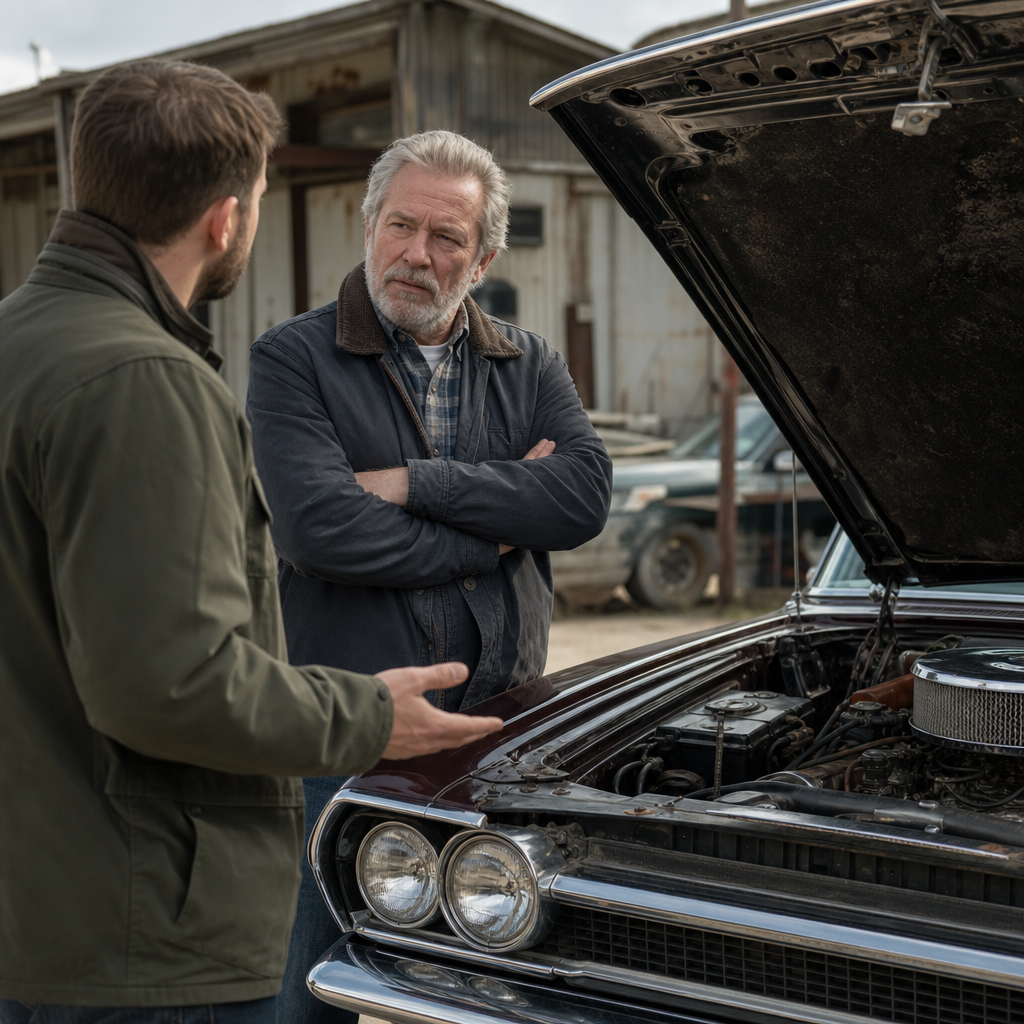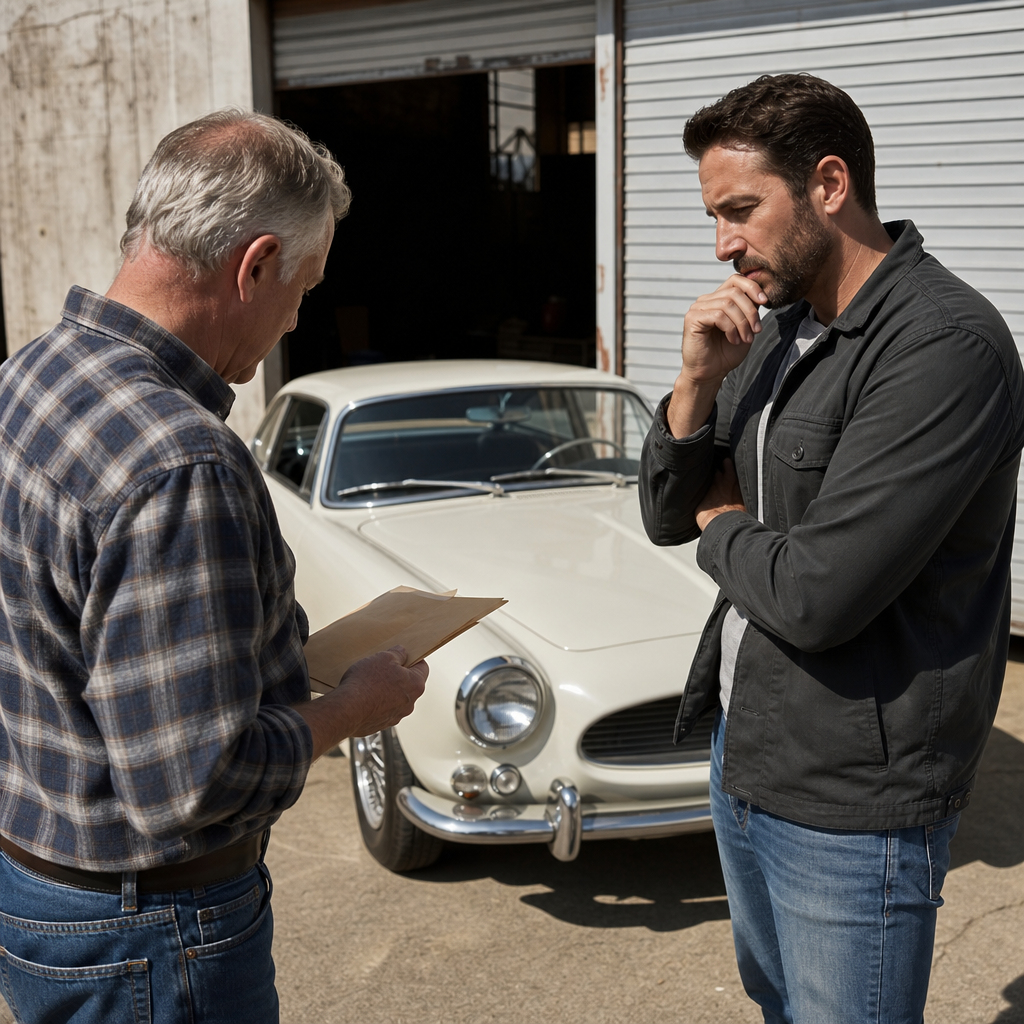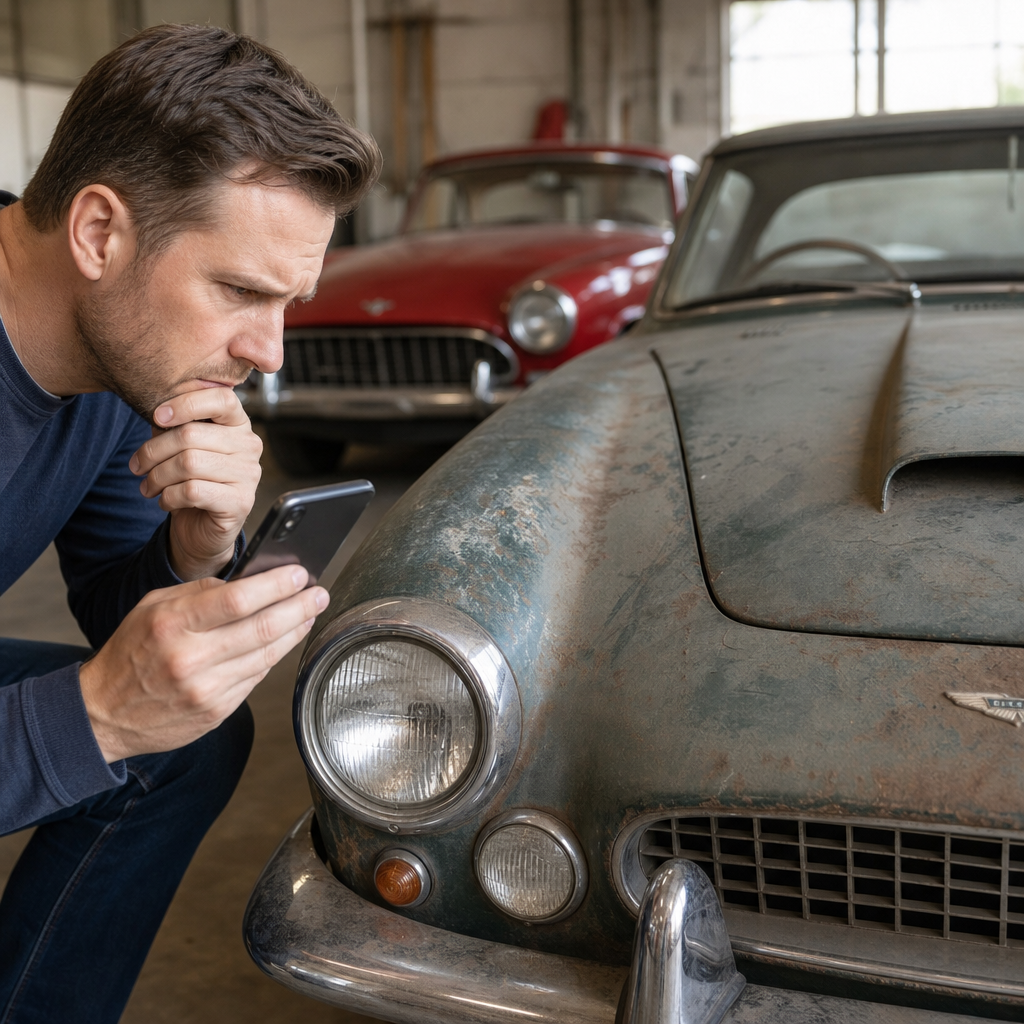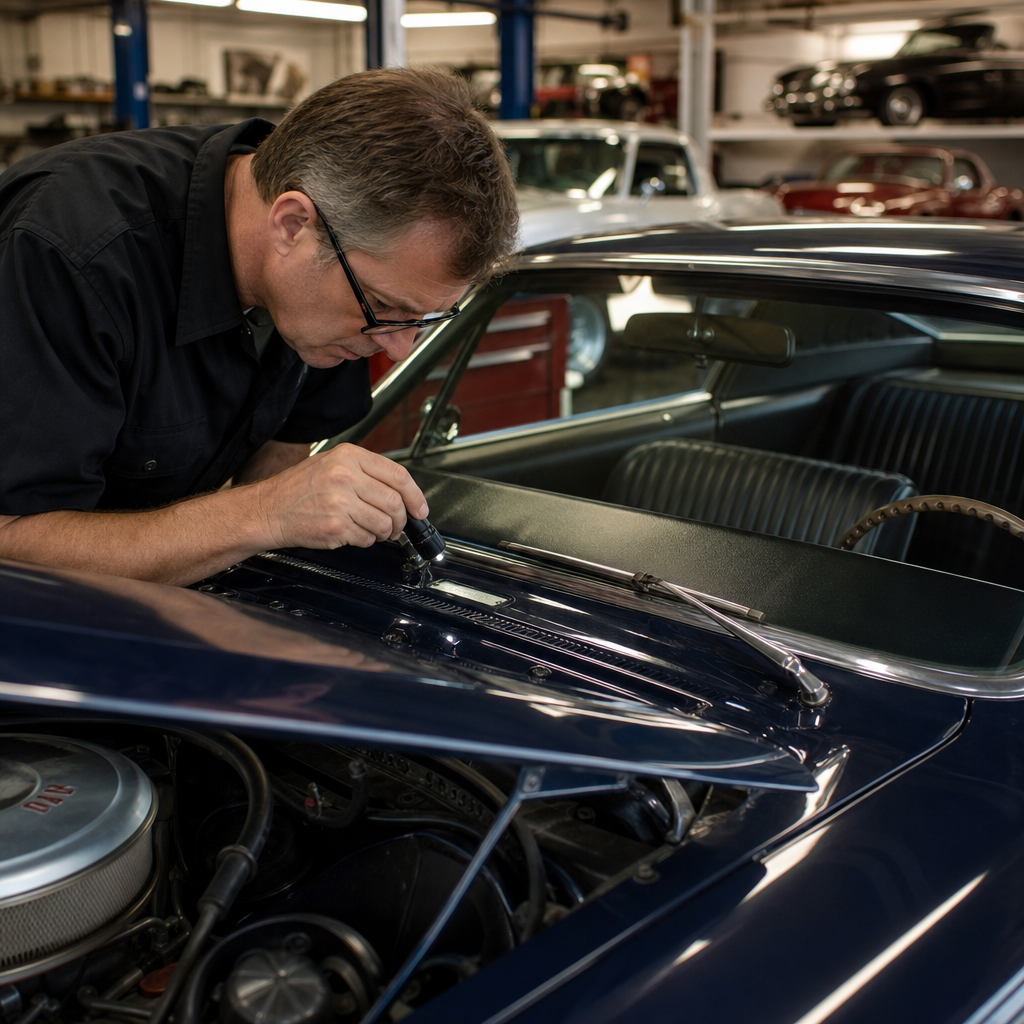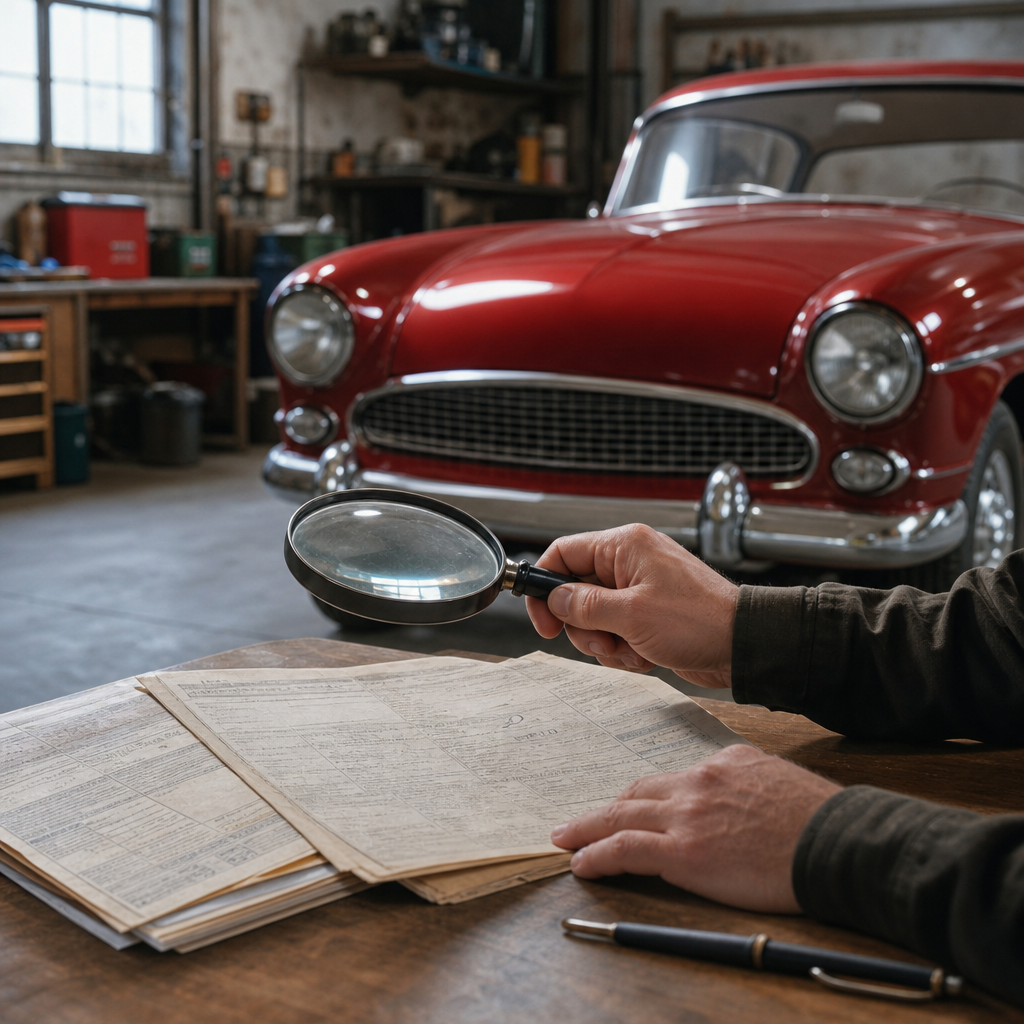
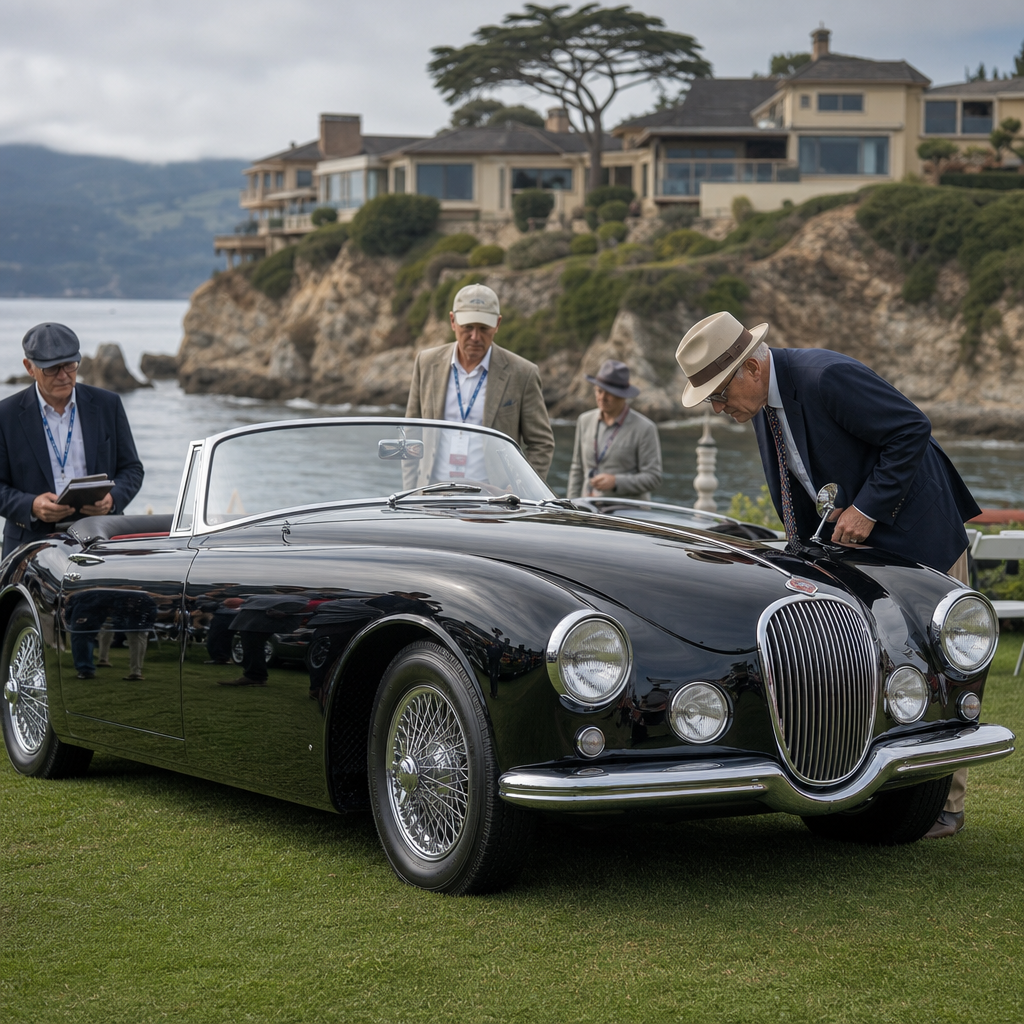
The value of a classic car is determined by a combination of rarity, originality, condition, provenance, market demand, and documented history, but the real answer is more nuanced than any price guide can capture. In the classic car market, pricing and valuation are not the same thing: pricing is the asking or transacted number attached to a vehicle, while valuation is the informed judgment behind that number, built from evidence, comparable sales, restoration quality, and buyer behavior. I have appraised, bought, and negotiated on enough older cars to know that two examples of the same model can differ in value by tens or even hundreds of thousands of dollars for reasons that are invisible to casual shoppers. That is why classic car pricing matters. Whether you are buying a first-generation Mustang, selling an air-cooled Porsche 911, insuring a Jaguar E-Type, or deciding if a Chevrolet C10 restomod is worth the premium, valuation protects you from expensive mistakes. This hub explains how classic car valuation works, what data points matter most, and how to interpret market signals with discipline rather than emotion.
Rarity, desirability, and historical significance
Rarity matters, but only when buyers actually care about what is rare. A low-production sedan with little enthusiast following can remain inexpensive, while a comparatively higher-volume sports car with strong brand loyalty can command serious money. Desirability is what turns scarcity into value. That desirability usually comes from performance, design, motorsport pedigree, cultural recognition, or a model’s place in automotive history. A 1963 split-window Chevrolet Corvette is valuable not only because it is old, but because it is instantly recognizable, technically distinctive, and heavily collected. Likewise, homologation specials such as the BMW E30 M3 or Ford Sierra RS Cosworth attract premiums because they connect road cars to racing programs buyers understand and admire.
Historical significance adds another layer. First-year models, final-year versions, limited-edition trims, factory high-performance packages, and cars with major engineering milestones often lead their segments. The first Mazda Miata is important as the revival of the lightweight roadster formula; the Lexus LS400 matters because it reset expectations for refinement and reliability. In valuation work, this means you do not simply ask, “How many were made?” You ask, “Why does this exact model matter, and to whom?” Cars that mark a technological shift, define an era, or symbolize a manufacturer at its peak tend to hold broader appeal and stronger long-term value support than obscure variants with no narrative behind them.
Condition grades and restoration quality
Condition is the single biggest swing factor in classic car pricing because the cost to correct defects is usually far higher than buyers expect. The collector market commonly references condition tiers similar to those used by Hagerty, auction houses, and professional appraisers. A concours-level car sits at the top, followed by excellent, good, fair, and project-grade examples. These grades are not cosmetic labels; they reflect body integrity, paint quality, trim fit, drivability, mechanical health, interior correctness, and the standard of presentation. A “driver” car may look attractive in photos yet still need suspension bushings, brake hydraulics, wiring repairs, and rust remediation that quickly absorb five figures.
Restoration quality must also be separated from restoration cost. Owners often believe a $120,000 restoration automatically makes a car worth that amount. It does not. Value depends on whether the work was done to a standard the market respects and whether the finished car aligns with what buyers want. I routinely see over-restored engine bays with incorrect hardware, modern finishes where period-correct coatings should be used, and repaint jobs that photograph well but reveal poor panel alignment in person. A high-end restoration by a recognized marque specialist can add meaningful value, especially when supported by invoices and photo documentation. A mediocre restoration can reduce value because the next owner may have to undo incorrect work before showing or reselling the car.
Originality, numbers matching, and authenticity
Originality is one of the strongest value drivers because it is finite. A car can be restored more than once, but it is original only once. Buyers pay a premium for factory sheet metal, original drivetrains, factory colors, date-coded components, and interiors that have not been heavily altered. In many segments, “numbers matching” remains critical. The term generally means the car still retains the engine, transmission, and sometimes rear axle or other major components installed by the factory, verified through serial numbers, stampings, and production records. On a big-block Corvette, Hemi Mopar, or air-cooled Porsche, matching numbers can move values dramatically.
Authenticity goes beyond numbers. A car can have its original engine and still be devalued by replacement floors, reproduction trim, non-original carburetion, or a color change from an undesirable factory shade to a popular modern one. Some modifications are accepted in certain markets. Restomods, upgraded muscle cars, and tastefully improved trucks can command strong prices when the build quality is excellent. Still, heavily modified cars are valued differently from stock examples, and the buyer pool is narrower because preferences are personal. If your goal is top-tier collector value, originality and reversible preservation usually outperform customization. If your goal is usability, a sympathetic upgrade may make sense, but it should be valued as a modified vehicle, not as an untouched reference example.
Provenance, documentation, and ownership history
Provenance is the documented life story of a vehicle, and in the upper end of the market it can be decisive. A car with known ownership, factory build records, service logs, restoration invoices, and period photographs is easier to trust and easier to sell. Documentation reduces uncertainty, and reduced uncertainty raises value. At auctions, catalog descriptions regularly highlight window stickers, Protect-O-Plates, Kardex records, Jaguar Heritage certificates, British Motor Industry Heritage Trust certificates, and Ferrari Classiche or Porsche Certificate of Authenticity files because collectors want proof. The more complete the paper trail, the less a buyer has to guess about originality, mileage, and past damage.
Ownership history also shapes desirability. Celebrity ownership can create a premium, but only when the connection is genuine and relevant. More important is enthusiast ownership with evidence of careful maintenance. A binder showing decades of routine service, specialist inspections, and thoughtful preservation often adds more practical value than a thin story about a famous prior owner. Cars with gaps in title history, inconsistent odometer readings, or vague restoration claims face discounts because buyers price in risk. In my experience, documentation often saves deals that questionable presentation alone would lose. People forgive patina when the file is excellent; they become cautious when a glossy restoration arrives with no records at all.
Market demand, trends, and comparable sales
Classic car values ultimately settle where informed buyers and motivated sellers meet, which is why market demand and comparable sales are essential. Comparable sales should be recent, model-specific, and adjusted for condition, originality, options, and venue. A televised auction result for a freshly restored example may not support the value of a private-sale driver-quality car. Likewise, asking prices on listing sites are not proof of value; only completed transactions matter. Reliable signals come from platforms and services such as Hagerty Price Guide, Classic.com, Bring a Trailer results, Mecum, RM Sotheby’s, Gooding, Bonhams, and marque-specific dealer sales. No single source is enough on its own. Good valuation work triangulates several.
Trends matter, but they can mislead when buyers chase headlines. Air-cooled Porsche values surged because of broad cultural demand and limited supply, while many 1980s and 1990s Japanese performance cars rose as younger collectors gained purchasing power. Trucks and SUVs also strengthened as usability became a larger part of collector behavior. Yet not every rising segment keeps climbing. Interest rates, broader economic confidence, storage costs, and demographic shifts all influence liquidity. The strongest valuations are grounded in what similar cars actually sold for over the last six to twelve months, with context for whether the market is accelerating, stable, or softening.
| Valuation factor | What appraisers examine | Typical impact on value |
|---|---|---|
| Condition | Rust, paint, trim, interior, drivability, mechanical soundness | Largest immediate swing between project, driver, and show car |
| Originality | Matching numbers, factory colors, correct components, uncut bodywork | Strong premium in most collector segments |
| Documentation | Service records, ownership chain, build sheets, certificates, photos | Raises buyer confidence and supports top-end pricing |
| Rarity and desirability | Production totals, option combinations, enthusiast demand, cultural relevance | Creates scarcity premium when backed by real demand |
| Comparable sales | Recent auction and private transactions for similar examples | Anchors valuation in current market reality |
Specification, options, color, and model hierarchy
Specification can materially change value, especially within model ranges that appear similar to non-specialists. Engine choice, gearbox type, factory performance packages, body style, and rare options can separate an average example from a highly desirable one. A four-speed manual often outvalues an automatic in enthusiast-driven sports cars and muscle cars, while a rare factory air-conditioning car can be more appealing in hot-climate markets. Convertibles, coupes, fastbacks, and special coachbuilt variants each sit differently in the hierarchy depending on marque and era. On some Mercedes-Benz classics, a desirable engine or documented European-market specification can outweigh cosmetic flaws because buyers know how difficult those combinations are to find.
Color also matters more than many sellers realize. The market consistently rewards attractive factory colors and tasteful interior combinations. Traditional shades such as Guards Red on a Porsche 911, British Racing Green on a Jaguar, or period-correct blues on certain American muscle cars often attract broader demand than unusual repaint choices. The same is true for wheels, trim, and factory options like limited-slip differentials, hardtops, competition packages, or performance axle ratios. When valuing a car, place it within its own model hierarchy: base car, desirable mid-spec, or flagship variant. That hierarchy helps explain why one Camaro, 911, or SL can be worth multiples of another that looks similar at first glance.
How buyers, sellers, and insurers should value a classic car
A practical valuation starts with identity, evidence, and inspection. Confirm the VIN, chassis number, engine stampings, body tags, and option codes. Gather records, restoration invoices, and ownership history. Then inspect the car closely or hire a marque specialist. Compression numbers, paint-meter readings, underside photos, and rust-prone area checks matter because hidden defects change the economics fast. After that, compare the car with recent sales of truly similar examples and adjust for venue, originality, and condition. This is the process I rely on before making an offer, and it is the same discipline sellers should use when setting a realistic reserve or asking price.
Insurance valuation is a separate exercise. Agreed value policies from specialist insurers are designed around a mutually accepted number, not a vague depreciated estimate. Owners should revisit that figure as markets change and as restoration work is completed. Sellers, meanwhile, should resist pricing based on emotional investment or restoration receipts alone. Buyers should avoid using a guidebook number without inspecting the individual car. The main benefit of understanding classic car pricing and valuation is simple: you make better decisions. You avoid overpaying for shiny mediocrity, you recognize underappreciated quality when it appears, and you can explain a car’s worth with evidence instead of guesswork. If you are buying or selling, start with documentation, inspect carefully, study comparable sales, and treat valuation as a process rather than a single number.
Frequently Asked Questions
What factors have the biggest impact on the value of a classic car?
The value of a classic car is usually shaped by a combination of rarity, originality, condition, provenance, market demand, and documentation. Rarity matters because production numbers, surviving examples, and unusual factory specifications can all make a car more desirable. Originality is equally important, especially in collector circles, because matching-numbers drivetrains, factory colors, correct trim, and unmodified components often carry a premium over heavily altered examples. Condition can influence value dramatically, but not just in the obvious cosmetic sense. Buyers and appraisers also look closely at structural integrity, rust repair quality, panel fit, mechanical health, and whether restoration work was done to a high standard or simply made the car look presentable from a distance.
Provenance can elevate value well beyond what a basic price guide would suggest. A car with notable ownership history, period racing participation, original window sticker, factory build sheets, restoration invoices, and a long paper trail will typically be easier to validate and more appealing to serious buyers. Market demand also plays a major role, because even a rare and well-restored car may not command top money if collector interest in that model is soft. In practice, no single factor stands alone. A rare car in poor condition may still trail a more common model that is beautifully restored and highly sought after. That is why experienced valuers assess the full picture rather than relying on one headline characteristic.
How is valuation different from pricing in the classic car market?
Pricing and valuation are related, but they are not the same thing. Pricing is the number attached to the vehicle, whether it is an asking price in an advertisement, a reserve at auction, or the amount shown on a bill of sale after a transaction. Valuation is the reasoning behind what that number should be. It is an informed judgment based on evidence such as comparable sales, condition analysis, authenticity, restoration quality, ownership history, and current buyer behavior in the market. In other words, the price is what someone lists or pays, while the valuation explains whether that number actually makes sense.
This distinction matters because classic cars are not commodities with perfectly standardized values. Two examples of the same year, make, and model can vary enormously depending on options, originality, maintenance history, and documentation. One seller may ask an ambitious number based on sentiment or money spent on restoration, while another may price conservatively for a quicker sale. A proper valuation looks past emotion and advertising language and asks more disciplined questions: Were recent comparable cars truly similar? Was the restoration accurate or overdone? Does the car have matching numbers? Is there proof of major mechanical work? For collectors, insurers, lenders, and estates, valuation is the more meaningful concept because it reflects the real market-supported worth of a specific car, not just a number attached to it.
Does a fully restored classic car always have a higher value than an original survivor?
Not always. A high-quality restoration can certainly increase value, especially when it corrects deterioration and brings a car back to factory-correct condition using proper parts and finishes. However, originality has become increasingly prized in many segments of the collector market. An authentic survivor car with original paint, interior, driveline, and factory details may command a premium because it offers something restoration can never fully recreate: a direct, undisturbed connection to how the car actually left the factory and lived through time.
The answer depends on the type of car, the quality of the restoration, and what buyers in that niche value most. A rare muscle car restored with date-correct components and excellent documentation may outperform a worn original example. On the other hand, a survivor with honest patina, complete records, matching numbers, and well-preserved original finishes may be considered more significant and more desirable than a restored counterpart. Poor restorations can hurt value if they introduce incorrect parts, non-original colors, excessive cosmetic work, or hidden structural issues. In many cases, the best-value cars are either exceptionally well-preserved originals or accurately restored examples with clear evidence of the work performed. The market tends to reward authenticity more than shine alone.
Why do documentation and vehicle history matter so much when valuing a classic car?
Documentation helps turn claims into evidence. In the classic car market, sellers often describe a vehicle as rare, numbers-matching, frame-off restored, low-mileage, or historically significant, but those descriptions only carry weight when supported by records. Items such as original purchase paperwork, factory build sheets, service records, restoration invoices, ownership history, photos of work in progress, judging sheets, and certificates from recognized marque experts can all strengthen confidence in a car’s authenticity and quality. That confidence directly affects value because buyers are generally willing to pay more when uncertainty is lower.
Vehicle history also helps explain where a car fits in the market. A documented chain of ownership, known competition history, celebrity ownership, or long-term stewardship by a respected collector can increase desirability. Equally important, records can reveal negative issues that influence value, such as accident damage, replacement engines, title problems, gaps in provenance, or questionable restoration practices. In a market where perception matters but proof matters more, a thick and credible file can separate a premium example from an average one. Documentation does not magically make a poor car valuable, but it gives experts and buyers the information they need to judge whether the price being asked is justified.
Can price guides and auction results accurately tell me what my classic car is worth?
They are useful reference points, but they should not be treated as final answers. Price guides and auction results provide broad market signals, showing trends for certain models, body styles, and condition categories. They can help establish a baseline and reveal whether a segment is strengthening or cooling. Auction data can also be informative because it reflects real transactions, often in public settings where market enthusiasm is visible. But those numbers rarely tell the whole story of a specific car. They may not account for restoration quality, hidden defects, documentation strength, unusual options, regional differences, private-sale dynamics, or whether a result was influenced by exceptional marketing or an unusually motivated bidder.
The most accurate approach is to use guides and comparable sales as starting tools, then evaluate the individual vehicle in detail. A proper assessment considers how closely comparable sales truly match the car in question, whether the condition is authentic or cosmetically inflated, and how current market demand affects buyer willingness. It also accounts for nuance that published guides often miss, such as color desirability, originality of finishes, correctness of parts, and the reputation of the restorer or collection from which the car is being sold. In short, guides can inform valuation, but they cannot replace it. The worth of a classic car comes from evidence, context, and market behavior working together, not from one printed number.