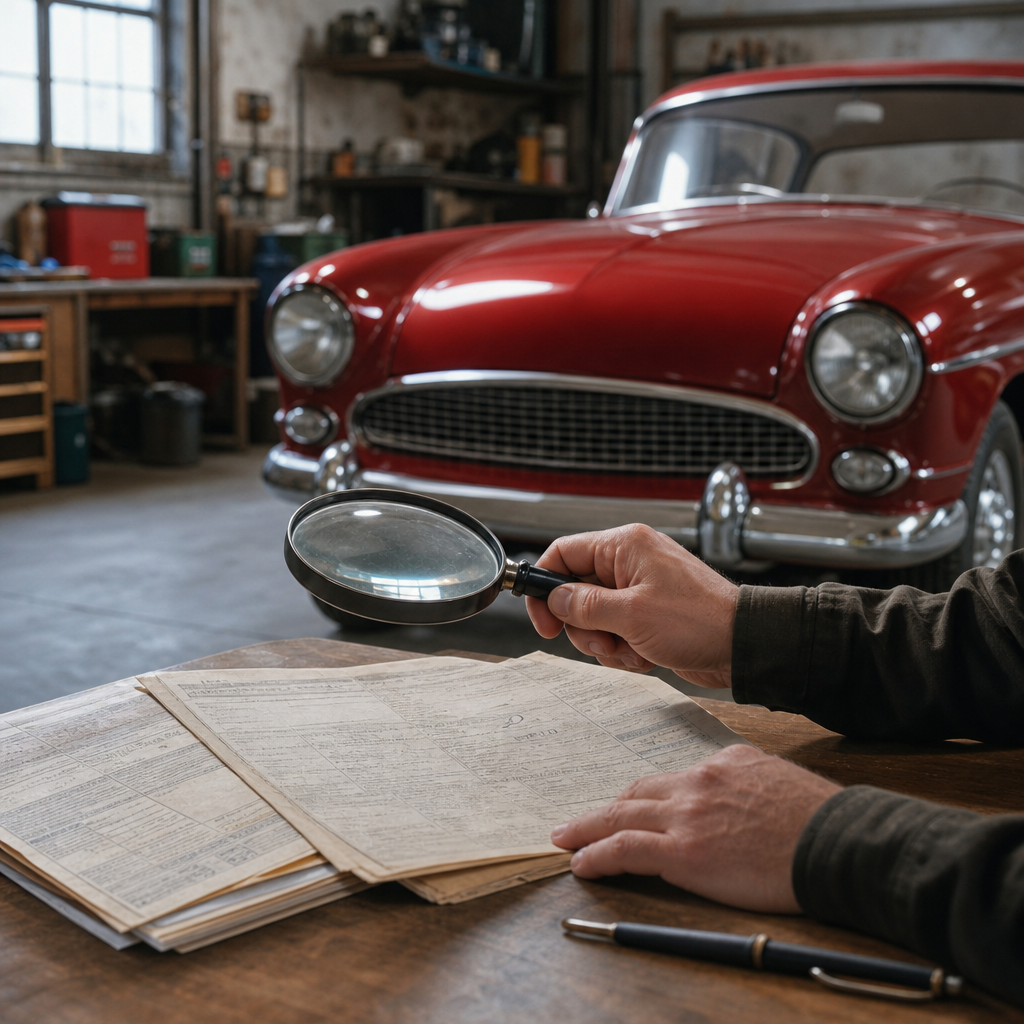
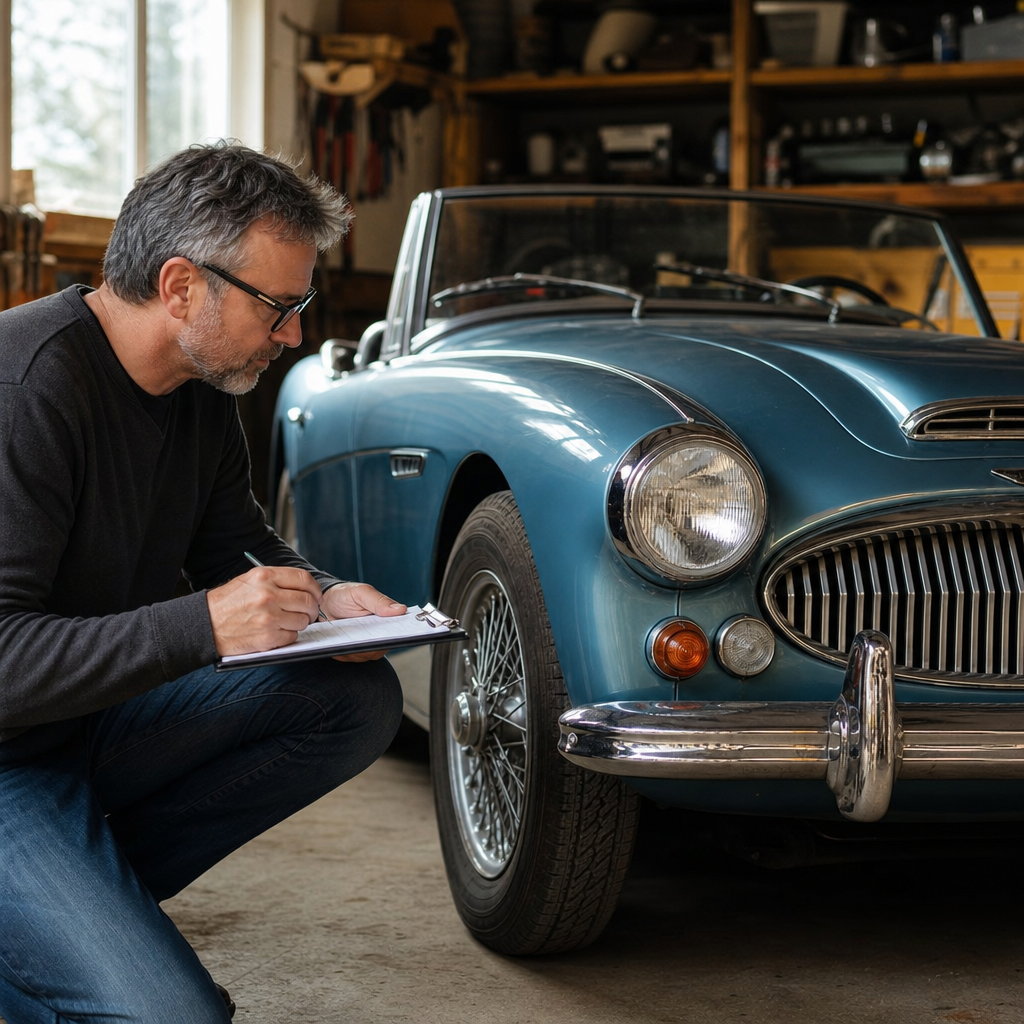
How much is my classic car worth? The honest answer is that a classic car’s value sits at the intersection of market demand, originality, condition, documentation, and timing. I have priced collector cars for private sellers, reviewed insurance appraisals, and watched auction results swing dramatically based on small details such as matching-numbers drivetrains, factory color combinations, or a thin file of service records. In classic car pricing and valuation, “worth” can mean fair market value, agreed insurance value, auction estimate, trade-in value, or the number a motivated private buyer will actually pay. Those figures are related, but they are not interchangeable.
That distinction matters because owners often anchor to the highest number they have seen online, then wonder why buyers hesitate. A televised auction result for a freshly restored 1969 Camaro Z/28 does not automatically set the value of a driver-grade example with replacement panels and an undocumented engine swap. Likewise, a low online listing does not define the market if the car is rare, well documented, and sold in a strong season. This guide explains classic car pricing and valuation in practical terms so you can estimate value realistically, defend your asking price, and understand which details move the number most.
At a baseline, classic car value depends on year, make, model, body style, engine, transmission, provenance, originality, restoration quality, mechanical condition, cosmetic presentation, and current buyer interest. It is also shaped by regional preferences and by the venue where the car is sold. A split-window Corvette, air-cooled Porsche 911, first-generation Ford Bronco, Mercedes-Benz SL, or Toyota Land Cruiser each trades in a different market with different buyer expectations. If you want an accurate answer to “how much is my classic car worth,” you need a process, not a guess.
Start With the Right Type of Value
The first step in classic car pricing and valuation is choosing the right value standard. Fair market value is the price a willing buyer and seller would agree on, with neither under pressure and both informed. Insurance value, especially agreed value coverage, is the amount the insurer will pay if the car is totaled, subject to policy terms. Auction value reflects what bidders paid in a public sale, often with buyer’s premiums and venue effects. Private-party value usually falls between wholesale and retail, while dealer asking prices are generally higher because they include reconditioning, marketing, storage, and margin.
These categories can produce very different numbers for the same vehicle. A 1972 Chevrolet C10 in attractive driver condition might bring one figure at a local private sale, another at a national auction with broad truck demand, and another in an insurance appraisal prepared for a client who wants replacement-cost protection. Sellers get into trouble when they compare incomparable numbers. If your goal is to sell within thirty days, private-party transaction data matters more than aspirational dealer listings. If your goal is coverage, agreed value with detailed photos and documentation matters more than the median online sale.
The practical takeaway is simple: define the purpose before you calculate the price. Ask whether you are setting an asking price, negotiating a purchase, preparing for financing, establishing estate value, or supporting insurance coverage. Each use case changes the range you should target.
What Drives Classic Car Value Most
In my experience, five factors move value more than anything else: rarity, condition, originality, documentation, and market demand. Rarity matters, but only when buyers actually want the car. A limited-production trim package with little enthusiast following may not outperform a more common but highly desirable specification. Condition is the biggest immediate lever because buyers can see it and estimate future costs. A rust-free body, straight panels, clean chrome, and a healthy drivetrain can add far more than cosmetic polish alone.
Originality often separates average cars from premium cars. “Matching numbers” usually means the engine, transmission, and other components correspond to factory records or date-correct production. For blue-chip models such as Shelby Mustangs, big-block Corvettes, Porsche 356s, and early BMW M cars, originality can shift the value sharply. Documentation supports those claims. Build sheets, window stickers, ownership history, restoration invoices, concours judging sheets, and marque-expert verification reduce uncertainty, and reduced uncertainty supports stronger prices.
Demand is the market’s mood made measurable. It changes with demographics, media exposure, and usability. Air-cooled 911 values rose as buyers sought analog sports cars. Square-body GM trucks gained momentum because they are usable, familiar, and parts support is excellent. Some prewar cars remain historically important but trade more softly because the buyer pool is smaller. Understanding demand keeps you from overvaluing rarity that the market does not currently reward.
| Factor | What Buyers Look For | Typical Effect on Value |
|---|---|---|
| Condition | Rust, paint quality, interior wear, drivability, leaks, noises | Largest immediate impact; poor condition can cut value dramatically |
| Originality | Matching numbers, factory colors, correct trim, date-coded parts | Premium on high-demand models; less critical on modified drivers |
| Documentation | Service records, ownership history, certificates, restoration receipts | Raises buyer confidence and supports stronger negotiation position |
| Rarity | Production totals, uncommon options, special editions | Boosts value only when paired with real buyer demand |
| Market Demand | Recent sales, enthusiast interest, seasonality, venue popularity | Can lift or depress all examples within a model line |
How Condition Grades Really Work
Condition grading is central to classic car pricing and valuation, but many owners grade too generously. Industry guides commonly use a scale from concours or number-one condition down to parts-car status. A number-one car is not just clean; it is exceptionally restored or preserved, correct in details, and difficult to improve. Number-two cars are excellent and ready for shows, with only minor flaws. Number-three cars are solid drivers with visible wear. Number-four cars are running project cars or presentable drivers needing significant work. Number-five cars require full restoration.
Most classics on the road are number-three cars. That is not an insult. It simply means they have stone chips, older paint, some wear on the seats, light pitting on trim, or an engine bay that is tidy but not show-level. The problem arises when an owner compares a number-three car to number-one auction sales. I routinely see a 20 to 40 percent spread created by grade inflation alone. If you want a realistic estimate, inspect the car under bright light, on a lift if possible, and with a cold start. Rust repair quality, panel alignment, compression, smoke on startup, differential noise, and brake feel matter as much as glossy paint.
Mechanical condition deserves equal weight. Buyers discount cars with deferred maintenance because repairs on carburetion, cooling systems, hydraulics, electrical harnesses, and vintage fuel systems add up quickly. A Jaguar E-Type with overheating issues or a classic Cadillac with a slipping transmission will not trade near guide value, even if the paint photographs well.
Use the Best Valuation Sources, Then Reconcile Them
No single price guide is enough. The strongest classic car valuation method combines multiple sources: recent sold listings, major auction databases, insurer valuation tools, marque forums, dealer inventory, and professional appraisals when warranted. Hagerty Price Guide, Collector Car Market Review, and auction archives from Mecum, Barrett-Jackson, Bring a Trailer, and RM Sotheby’s are widely used starting points. Bring a Trailer is especially helpful because comments often reveal originality issues, rust concerns, and documentation gaps that explain the final price. Auction archives also show whether a result included a premium venue, celebrity ownership, or a fresh restoration.
Sold data is more useful than active listings because asking prices are ambitions, not proof. If five sellers list 1987 Buick Grand Nationals at forty-five thousand dollars but recent transactions cluster near the mid-thirties, the market has spoken. Dealer inventory still matters, though, because it shows how retail sellers position comparable cars and which cars sit unsold for weeks. Time on market is a valuation signal. Well-priced classics move; overreaching listings linger.
When reconciling sources, match the car closely. Compare body style, engine, gearbox, colors, mileage if relevant, and restoration level. A 1967 Mustang fastback with a V8 and four-speed belongs in a different bracket than a coupe with a six-cylinder automatic. A fuel-injected Mercedes-Benz 280SL with documented history should not be averaged against rough imports with uncertain provenance. Precision is what makes the estimate credible.
Originality, Modifications, and Restorations
Owners often ask whether upgrades raise value. The answer depends on the car and the buyer base. Tasteful modifications can improve saleability on driver-focused models. Disc brakes, electronic ignition, modern radial tires, upgraded cooling, and a well-executed overdrive transmission swap may broaden appeal in a classic pickup or muscle car. Restomods occupy their own category and can command strong money when the build quality is exceptional. However, modifications usually reduce value on historically significant or highly collectible models where factory correctness is prized.
Restoration quality also varies enormously. A “frame-off restoration” is not automatically excellent; the phrase is overused. Buyers want photo documentation, parts invoices, and evidence of proper metal work, correct finishes, and mechanical rebuilding. I have inspected expensive restorations with heavy filler, incorrect fasteners, and fresh paint hiding old problems. Conversely, an honest survivor with original finishes, documented maintenance, and visible patina can be more valuable than a mediocre restoration. Preservation class cars have taught the market that originality, when verified, carries serious weight.
If your car has modifications, disclose them clearly and evaluate whether the originals are included. Having the factory intake, wheels, radio, or transmission can protect value because a future owner may return the car to stock. In pricing, separate reversible upgrades from irreversible changes.
Documentation, Provenance, and Verification
Paperwork changes negotiations because it answers a buyer’s biggest fear: uncertainty. At minimum, assemble title documents, registration history, service records, restoration receipts, photo albums, parts lists, and any factory or club certifications. For some makes, recognized verification services are indispensable. Porsche Certificate of Authenticity alternatives, NCRS documentation for Corvettes, Marti Reports for many Fords, and heritage certificates for British marques can confirm production details and options. On high-value cars, expert inspection by a marque specialist is money well spent.
Provenance extends beyond paperwork. Long-term ownership, notable event history, magazine features, concours entries, or celebrity ownership can affect value, but only when documented and relevant. A documented single-family ownership history on a 1963 split-window Corvette or a numbers-matching Mercedes 300SL is meaningful because it supports authenticity and care. Unsupported stories do not add value. Buyers pay for proof, not lore.
For sellers, a complete file shortens due diligence and reduces last-minute price chipping. For buyers, it helps distinguish a premium car from a polished unknown. In practical terms, better documentation usually means faster sales and fewer disputes.
How Selling Venue Changes the Price
Where you sell the car can raise or lower net proceeds. Private-party sales usually deliver the best balance of price and control if you have patience, strong photos, and good documentation. Auctions offer speed and broad exposure, but fees, transport, reserve strategy, and venue fit matter. A no-reserve auction can create urgency and strong results for a desirable, well-presented car, yet it can also punish a niche vehicle offered to the wrong audience. Consignment dealers simplify the process, but their commission and carrying costs need to be weighed against their reach.
Online enthusiast platforms have reshaped classic car pricing and valuation because they expose cars to national demand. A rust-free California truck or a documented Japanese sports car may bring more online than locally because the buyer pool is deeper. Still, presentation drives outcomes. Detailed underbody photos, cold-start videos, compression results, paint-meter readings, and transparent flaw disclosures can add thousands by building trust.
Seasonality also plays a role. Convertibles and sports cars often perform best in spring and early summer. Four-wheel drives and trucks can strengthen in fall. Tax season, interest rates, and consumer confidence influence discretionary spending at the top end of the market. If you are not forced to sell immediately, timing can materially improve results.
How to Estimate Your Classic Car’s Value Step by Step
Start by decoding the car accurately: VIN, trim tag, engine suffix codes, transmission type, axle ratio, factory colors, and option list. Next, grade the car honestly inside, outside, underneath, and mechanically. Then gather comparable sales from the last six to twelve months, prioritizing actual transactions over asking prices. Adjust for condition, originality, documentation, and venue. If your car is better than the comp set, justify the premium with evidence. If it is weaker, discount it before buyers do it for you.
Then calculate ownership-related deductions a buyer will anticipate. Tires older than six years, brittle fuel lines, worn bushings, weak air conditioning, cracked dash pads, and nonfunctional gauges all affect value because they imply immediate expense. Finish by setting a realistic range instead of a single magic number. In most cases, there is a low, middle, and aspirational retail figure. That range is more useful than false precision.
If the car is rare, unusually valuable, or part of an estate, commission an independent appraisal from a qualified specialist familiar with the marque. A good appraiser will inspect authenticity points, note comparable sales, state methodology, and explain adjustments clearly. That report can support insurance, financing, tax matters, or a high-stakes sale.
Classic car pricing and valuation is never just about age. The market rewards the right combination of authenticity, condition, evidence, and buyer demand. If you define the type of value you need, grade the car honestly, use sold comparables, verify originality, and choose the right selling venue, you can answer “how much is my classic car worth” with confidence instead of guesswork. The biggest benefit of a disciplined approach is not only a better price; it is a smoother transaction with fewer surprises and stronger trust on both sides.
As the hub for classic car pricing and valuation, this guide gives you the framework to evaluate almost any collector vehicle, from muscle cars and vintage trucks to European sports cars and preserved survivors. Use it as your starting point before diving into model-specific valuation guides, auction strategy articles, inspection checklists, and negotiation resources within the broader buying and selling classic cars topic. Gather your documents, study recent sold data, inspect your car carefully, and set a value range the market can support. That is how informed owners sell smarter and buyers pay fairly.
Frequently Asked Questions
How do I find out what my classic car is really worth?
The most accurate way to value a classic car is to look at several factors together rather than relying on a single price guide or auction headline. A car’s true value usually sits at the intersection of market demand, originality, mechanical condition, cosmetic quality, documentation, rarity, and current buyer sentiment. Start by identifying the exact year, make, model, trim level, engine, transmission, and factory options. Then determine whether the car retains its original drivetrain, paint color, interior configuration, and major components, because matching-numbers examples and factory-correct specifications often command a premium.
Next, compare your car against recent sales of similar vehicles, not just asking prices. Auction results, dealer sales, enthusiast marketplaces, and marque-specific forums can all provide useful data, but the key is comparing like with like. A fully restored, numbers-matching example with excellent records should not be measured against a driver-quality car with replacement parts and unknown history. Documentation matters as well. Service records, ownership history, restoration receipts, factory paperwork, and authenticity certificates can meaningfully support value because they reduce uncertainty for buyers.
It also helps to define what kind of value you are trying to establish. Fair market value, retail value, auction value, insurance agreed value, and quick-sale value are not the same thing. If you want the strongest estimate, combine sales research with an in-person expert appraisal from someone who understands your specific market segment. In practice, the best valuation comes from a blend of hard data and informed judgment.
What factors increase or decrease the value of a classic car the most?
Several factors have an outsized impact on classic car value, and some of them are surprisingly specific. Originality is one of the biggest. Cars that retain their original engine, transmission, body panels, trim, interior details, and factory-correct finishes generally bring stronger prices than heavily modified or incorrectly restored examples. Matching-numbers drivetrains can significantly affect desirability, especially on muscle cars, European sports cars, and limited-production collector models.
Condition is equally important. Buyers typically pay more for a car with excellent paint, straight bodywork, strong mechanical health, rust-free structure, clean chrome, and a well-preserved or correctly restored interior. Rust, accident history, poor panel fit, nonfunctional systems, worn upholstery, and low-quality repairs can quickly pull value down. Documentation also carries real weight. A thick file of maintenance records, restoration photos, build sheets, window stickers, ownership history, and receipts adds credibility and often reassures serious buyers that the car has been cared for properly.
Rarity and specification also matter. Limited-production models, desirable engine options, uncommon factory colors, special packages, and well-known provenance can move a car into a higher value bracket. On the other hand, unpopular color combinations, missing major components, non-original modifications, and questionable restoration work can limit the buyer pool. Timing plays a role too. Market trends shift, and values can rise or fall based on generational interest, economic conditions, and collector preferences. In many cases, a small detail such as the correct carburetor, original radio, or documented factory options can make a noticeable difference in price.
Are online valuation tools and price guides accurate for classic cars?
Online valuation tools and printed price guides are useful starting points, but they are rarely precise enough to stand alone. Most guides are based on broad market data and condition categories, which can help you establish a general range. The problem is that classic cars are highly individualized assets. Two examples of the same year and model can differ dramatically in value depending on originality, restoration quality, options, history, and presentation. A guide may list a range for a 1967 coupe, for example, but it cannot fully account for the premium attached to a rare engine, a documented factory color change issue, or a top-tier concours restoration.
Another limitation is that many tools lag behind the market. Collector car values can shift quickly when auction trends change or when a particular model suddenly becomes more desirable. Guides also may not distinguish enough between retail dealer pricing, private party transactions, and public auction results. That matters because those channels often produce very different numbers. A dealer may ask more because they offer reconditioning, reputation, and convenience, while a private sale might settle lower or higher depending on urgency and buyer confidence.
The smartest approach is to use valuation tools as one layer of research, then verify those numbers with real-world comparable sales and, when appropriate, a specialist appraisal. If your car is especially rare, unusually original, or significantly modified, generic guides become less reliable. In those situations, expert analysis from someone familiar with the specific marque or model can be far more accurate than any automated estimate.
Does restoration always make a classic car worth more?
Not always. Restoration can increase value, but only when the work is done to the right standard and makes sense for the car. A high-quality, properly documented restoration performed with correct parts, finishes, and details can make a desirable model substantially more valuable, especially if the car was previously tired, incomplete, or deteriorated. However, restoration is expensive, and the cost of the work often exceeds the amount of value added unless the vehicle is already rare or highly sought after.
Quality matters enormously. Buyers can spot shortcuts, and poor paintwork, incorrect materials, non-factory finishes, reproduction trim fitted badly, or undocumented mechanical work can actually hurt the car’s appeal. In some segments of the collector market, originality is more valuable than over-restoration. A well-preserved survivor car with authentic paint, interior, and mechanical components may be worth more than a restored example that looks flashier but has lost its original character. That is especially true for cars where preservation and provenance are prized.
Before restoring a car, it is wise to evaluate the car’s current condition, rarity, and likely market ceiling. If the car is a common model with modest demand, a full restoration may not be financially justified. If it is a high-demand, numbers-matching example with strong documentation, restoration may be worthwhile if done correctly. In valuation terms, buyers are not simply paying for money spent. They are paying for authenticity, quality, desirability, and confidence in the finished product.
Should I get a professional appraisal, and when is it worth the cost?
A professional appraisal is often worth the cost when the car has meaningful value, unusual rarity, disputed authenticity questions, or a purpose beyond a casual private sale. Appraisals are especially useful for insurance coverage, estate planning, divorce settlements, financing, tax matters, and high-value transactions where both parties want a documented opinion of value. A qualified appraiser can inspect the vehicle in detail, review documentation, assess originality and condition, and place the car within the current market using relevant comparables.
An appraisal can also help if your car falls outside the easy-to-price category. Rare coachbuilt cars, limited-production performance models, extensively documented survivors, and heavily restored or modified classics often require more nuance than a pricing guide can provide. In those cases, a professional opinion can identify value drivers that general market data may miss, such as period-correct options, provenance, concours awards, or hard-to-verify factory equipment. That level of detail can strengthen your negotiating position and help avoid undervaluing the car.
That said, not every classic car needs a full formal appraisal. If you own a more common driver-quality vehicle and simply want a rough selling range, recent comparable sales may be enough. But if the car is important, insured at a significant amount, or likely to be scrutinized by serious buyers, a reputable appraisal can be money well spent. The best appraisals are thorough, model-specific, and backed by current market evidence rather than generic templates.