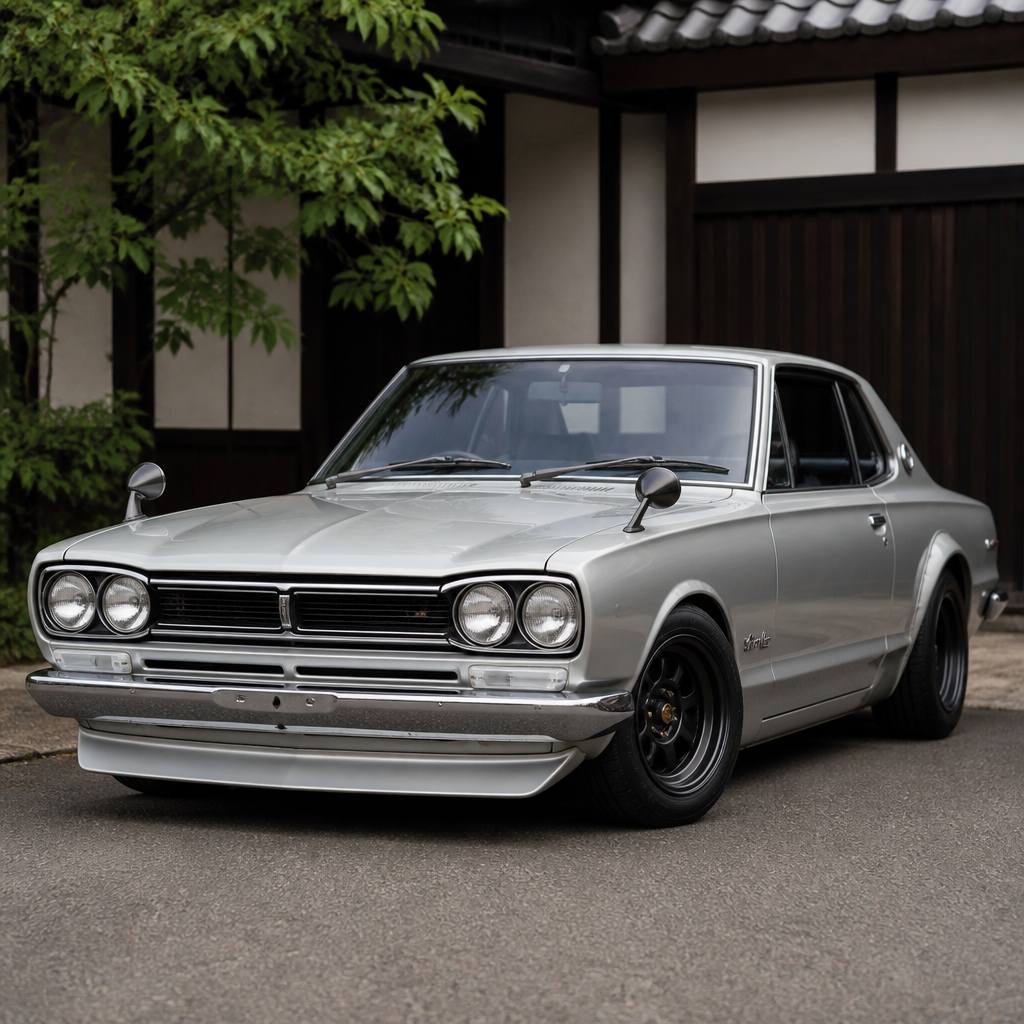
Japanese classics worth collecting are no longer limited to headline cars like the Toyota 2000GT, first-generation Mazda RX-7, or Nissan Skyline GT-R. The deeper opportunity sits in the overlooked models that shaped Japan’s automotive rise yet still trade below their historical importance. In collector terms, a Japanese classic usually means a vehicle from the 1960s through the 1990s with cultural relevance, mechanical character, and a survivable ownership path. “Underrated” does not mean obscure for obscurity’s sake. It means a car whose design, engineering, motorsport connection, rarity, or driving experience remains stronger than its market price suggests.
I have watched this segment mature from cheap enthusiast buys into a disciplined collector category. The pattern is familiar: enthusiasts first chase halo cars, then prices spike, then attention moves toward adjacent models built on the same engineering era. That is why this topic matters now. Buyers who missed the obvious stars are asking a better question: which Japanese classics still offer authenticity, usable parts support, and room to appreciate? The answer includes coupes, sedans, kei cars, homologation specials, luxury flagships, and durable sports cars that once lived in the shadow of bigger names.
Collecting Japanese classics also requires a different lens than collecting many European exotics or American muscle cars. Condition, originality, rust history, and import legality often matter more than sheer engine size. Service records, factory trim pieces, and correct-market details can change value dramatically. Many of these cars were daily driven, modified, or exported without documentation, so finding an honest example is often harder than finding a fast one. For a sub-pillar hub within classic car models and brands, this guide maps the landscape: which models deserve attention, why they matter, what to inspect, and how to build a collection with judgment rather than hype.
What Makes a Japanese Classic Collectible
A collectible Japanese classic needs more than nostalgia. It needs a credible story. The strongest candidates usually sit at the intersection of engineering significance, design identity, limited survival, and a present-day ownership case. Engineering significance can mean advanced features for the period, such as twin-cam heads, turbocharging, four-wheel steering, lightweight rotary packaging, or early electronic management systems. Design identity can be as simple as an unmistakable pillarless hardtop profile or a cabin that captures the optimistic technology of the 1980s bubble era.
Survival rate matters because many once-common Japanese cars disappeared through rust, neglect, or tuning culture. A car that sold in large numbers can become scarce in factory form. The first-generation Honda Prelude is a good example: not inherently rare when new, but now difficult to find unmodified, rust-free, and complete. Ownership viability matters just as much. A collector car without parts support, community knowledge, or cross-compatible components can become a static object. By contrast, many underrated Japanese classics benefit from strong club networks, reproductions, specialist importers, and mechanical simplicity.
The market also rewards specificity. Trim level, engine code, transmission, and home-market versus export-market configuration all influence value. A Toyota Crown hardtop with period EFI and original brocade interior tells a more interesting story than a stripped, repainted base car. Likewise, a manual Mitsubishi Starion narrow-body differs meaningfully from a later wide-body Chrysler-badged derivative. When assessing collectibility, think beyond badge prestige and ask three direct questions: was this car important when new, is it scarce in honest condition today, and can the next owner preserve it without heroic effort?
Underrated Japanese Classics by Category
The best underrated Japanese classics are not all sports cars. Some of the smartest buys today are elegant sedans, personal luxury coupes, and compact performance cars that reveal how quickly Japanese manufacturers evolved between the late 1960s and 1990s. I use a simple framework when advising collectors: buy the best preserved example of a model with a clear historical role, strong enthusiast support, and visual character distinct from the market leaders.
| Model | Why It Matters | What to Watch | Collector Outlook |
|---|---|---|---|
| Toyota Celica Supra A60 | Sharp 1980s GT design, six-cylinder refinement, strong parts crossover | Rust, digital dash failures, interior plastics | Still affordable relative to period rivals |
| Mazda Cosmo JC | Three-rotor luxury flagship, technical showcase | Rotary compression, electronics, cooling history | Rare and increasingly recognized |
| Honda Prelude third generation | Four-wheel steering innovation, balanced front-drive chassis | Rust, rear steering components, original trim | Undervalued engineering landmark |
| Mitsubishi Galant VR-4 | Rally-bred turbo AWD sedan, precursor to Lancer Evolution | Transfer case service, modifications, cracked interiors | Rising as collectors rediscover homologation sedans |
| Isuzu Piazza | Giugiaro styling, turbo character, niche rarity | Parts sourcing, rust, electrical issues | Best for informed enthusiasts seeking rarity |
| Nissan Leopard F31 | Bubble-era personal luxury coupe, strong cultural cachet | Electronic features, trim scarcity, imports paperwork | Growing interest with low surviving numbers |
The Toyota Celica Supra A60 is an especially good hub example because it combines accessible maintenance with period charisma. Its long hood, pop-up headlights, and 5M-GE straight-six deliver a distinctly Japanese interpretation of the 1980s GT car. It is not as expensive as a Z-car in equivalent condition, but it offers real collector presence. The third-generation Honda Prelude deserves similar respect. With available mechanical four-wheel steering, it represented genuine technical ambition, not a marketing gimmick. A well-sorted car still feels precise and surprisingly modern on a back road.
For collectors who want rarity, the Mazda Cosmo JC sits in a category of its own. Launched in 1990, it offered the 20B three-rotor engine, sequential twin turbos, and luxury equipment unusual even among European grand tourers. It was sold only in Japan, which keeps numbers low outside its home market. Meanwhile, the Mitsubishi Galant VR-4 is one of the clearest examples of a car overshadowed by its descendants. Before the Lancer Evolution became the rally icon, the Galant VR-4 carried turbocharged all-wheel-drive credibility in a discreet sedan body. That combination is becoming harder to ignore.
Sports Cars Beyond the Obvious Halo Models
When enthusiasts think “Japanese classics,” they often jump straight to the Datsun 240Z, Toyota 2000GT, or FD RX-7. Those cars deserve their reputations, but the smarter collector conversation now includes second-line sports cars with strong fundamentals. The first is the second-generation Toyota MR2, especially naturally aspirated, unmodified examples. Turbo cars pull headlines, yet clean base and GT variants increasingly attract buyers who value the mid-engine layout, low mass, and sharp styling without the premium. Original T-top seals, factory wheels, and intact interior plastics matter because replacements are no longer trivial.
The Nissan 300ZX Z31 remains another underappreciated choice. Purists often prefer the earlier S30 or later Z32, leaving the Z31 caught in the middle. That is exactly why it deserves attention. It introduced a more technical, angular 1980s identity and offered digital instrumentation, turbocharging, and strong long-distance comfort. The best collector examples are not heavily modified drift leftovers but documented, stock or lightly preserved cars with healthy VG-series engines. The same principle applies to the FC-generation Mazda RX-7. Because the FD became the poster car, the FC’s excellent balance and cleaner market entry price were long ignored.
One more sleeper is the Suzuki Cappuccino. Kei-class dimensions can mislead buyers into treating it as novelty, yet it is a serious driver’s car: aluminum panels, rear-wheel drive, turbocharged three-cylinder engine, and removable roof configuration options. Good examples are rising because collectors now understand that small, usable, mechanically engaging classics often age better than overpowered status symbols. In practical terms, these sports cars appeal because they can still be driven and serviced. They teach an important lesson for anyone exploring Japanese classics as a hub category: buying below the loudest part of the market often reveals the most durable enjoyment.
Sedans, Coupes, and Luxury Cars Collectors Overlook
Japanese collector culture is finally giving overdue respect to non-sports models, especially executive sedans and personal luxury coupes from the late 1970s through early 1990s. These cars show the confidence of manufacturers that had mastered reliability and were beginning to compete on refinement, technology, and style. The Nissan Cedric and Gloria hardtops, Toyota Crown Royal Saloon, and Toyota Soarer are prime examples. Each reflects an era when domestic buyers in Japan rewarded craftsmanship, quietness, and showroom technology, producing cars with velvet interiors, pillarless silhouettes, electronic displays, and smooth six-cylinder engines.
The Toyota Soarer is perhaps the strongest case for broader recognition. Early Z10 and later Z20 examples mix avant-garde cabin design with legitimate engineering substance. Depending on specification, buyers could get turbocharging, electronic suspension, digital instrumentation, and rich trim that still feels distinctive today. Because many enthusiasts focus on the later twin-turbo 2.5GT and the Lexus-branded SC in export markets, earlier Soarers remain relatively attainable. The same goes for the Nissan Leopard F31. Its reputation in Japanese television and street culture helps, but its real strength is elegant design paired with strong VG-series mechanicals and genuine period luxury.
Collectors should not ignore Japanese sedans simply because they lack two doors. The Mitsubishi Debonair V, for instance, captures bubble-era excess better than many coupes. The Honda Legend and first-generation Lexus LS400 also deserve mention, though the LS is no longer truly underrated. These cars matter because they expanded the world’s view of what a Japanese flagship could be. On the road, they offer a calmer, more mature form of classic ownership: less peaky, less modified, and often better maintained than sports cars. For buyers who value craftsmanship and period atmosphere, overlooked sedans can be the most intelligent entry into the Japanese classic market.
How to Evaluate Condition, Originality, and Import Risk
The biggest mistake new collectors make is buying a Japanese classic based on rarity alone. Rarity does not compensate for corrosion, undocumented swaps, poor paintwork, or missing trim. Start with structure. Rust is the number one value killer across old Japanese cars, especially in strut towers, rocker panels, hatch surrounds, floor pans, windshield channels, and rear suspension pickup points. A clean underbody with factory seams and consistent spot welds tells you more than glossy respray photos. I always prefer faded original paint over a fresh, unexplained repaint on a supposedly rust-free car.
Originality needs nuance. Sensible maintenance upgrades are acceptable; irreversible personalization is not. Period wheels, quality exhausts, and improved cooling can coexist with collectibility if the original parts come with the car. Problems begin when a car loses its identity through body kits, cut wiring, aftermarket seats, steering wheel conversions, or non-matching engine swaps without documentation. On many Japanese classics, interior condition is just as important as mechanical health because switchgear, seat fabric, climate control panels, and trim clips can be harder to replace than major drivetrain components.
Import risk is another defining issue for this category. Buyers need to confirm chassis codes, build dates, emissions requirements, and registration status before money changes hands. In the United States, the 25-year federal import exemption simplifies matters, but it does not erase state-level compliance or title problems. In the United Kingdom, Japan-sourced cars can look excellent because many avoided winter salt, yet underseal can hide corrosion or previous repairs. Auction sheets from Japan are useful but not infallible. The safest approach is a pre-purchase inspection by a marque specialist who understands common rust traps, electrical weak points, and the difference between honest patina and expensive neglect.
Building a Smart Japanese Classic Collection
A smart Japanese classic collection is coherent, not random. You do not need ten cars; you need a thesis. One good strategy is to collect by technological theme, such as early turbo cars, rotary-powered models, or 1980s electronic flagships. Another is to pair a recognized benchmark with an underrated companion: an S30 Z with a Z31 300ZX, an FD RX-7 with an FC, or a Skyline GT-R with a Galant VR-4 that tells the parallel story of rally-bred AWD sedans. This approach creates depth and improves future resale because buyers understand the logic behind the group.
Documentation is a force multiplier. Keep factory brochures, service invoices, import records, original radios, tool kits, and even removed stock parts. As values rise, provenance matters more. Storage and use also shape long-term outcomes. Rotary cars need disciplined warm-up and cooling habits. Turbo cars benefit from vigilant vacuum-line and fuel-system maintenance. Low-volume luxury cars need battery and electrical care to preserve modules and displays. The goal is preservation through use, not preservation through neglect. A Japanese classic that is exercised, serviced, and kept dry ages far better than one left static under a cover.
The main benefit of focusing on underrated Japanese classics is simple: you can still buy significance without paying only for fame. Cars like the Honda Prelude, Toyota Soarer, Celica Supra A60, Nissan Leopard, Mazda Cosmo JC, and Mitsubishi Galant VR-4 offer design, engineering, and historical context that stand up to serious scrutiny. They connect directly to broader stories in classic car models and brands, from motorsport to luxury to technology. If you are building this subtopic into a collection or content plan, start with the overlooked cars in the best condition you can afford, verify every detail, and buy with patience.
Frequently Asked Questions
What makes a Japanese classic “underrated” from a collector’s point of view?
An underrated Japanese classic is usually a car whose historical importance, engineering character, or cultural influence is greater than its current market price suggests. That does not mean it is unknown or undesirable. It means the broader collector market has not fully priced in its significance yet. In the Japanese space, this often happens when a model lived in the shadow of a halo car. For example, the market may obsess over a Skyline GT-R, Toyota 2000GT, or early RX-7, while closely related coupes, sedans, and specialty trims from the same era remain comparatively accessible.
Collectors typically look at a few core traits. First is period relevance: did the car help define Japan’s rise as a performance, luxury, or enthusiast automotive force between the 1960s and 1990s? Second is mechanical identity: does it offer a distinctive engine, drivetrain layout, chassis feel, or design philosophy that stands apart from ordinary commuter cars? Third is survivability: can it actually be owned, maintained, and enjoyed without turning into an impossible restoration project? The best underrated cars tend to score well in all three categories.
Another key factor is market distortion. Some models stay undervalued simply because they lack the most famous badge, because they were sold in modest numbers outside Japan, or because buyers have historically favored turbocharged, homologation, or top-spec variants. As a result, excellent naturally aspirated trims, luxury grand tourers, pillarless hardtops, early hot hatchbacks, and analog sports coupes can be overlooked even when they deliver strong driving character and real historical substance. In practical terms, underrated means there is still room to buy something meaningful before the wider market fully catches up.
Which kinds of overlooked Japanese classics tend to offer the best collecting opportunities?
The strongest opportunities are often found one tier below the obvious heroes. That includes non-GT-R Skylines, Celica and Corolla performance variants outside the most famous homologation models, early and mid-era Laurels, Cedrics, Glorias, Soarers, Preludes, Starions, Galant coupes, and enthusiast-oriented trims of cars that were overshadowed by turbo legends. These vehicles often share engines, suspension concepts, styling language, or engineering DNA with more expensive icons, but they have not been pushed as aggressively by headline-driven collector demand.
Japanese luxury and personal coupes from the 1980s are especially worth a closer look. Cars such as the Toyota Soarer, Nissan Leopard, and upper-trim hardtop sedans represent a major chapter in Japan’s move toward sophisticated grand touring. They combined advanced electronics, smooth six-cylinder engines, rich interiors, and design confidence at a time when Japanese manufacturers were proving they could match or outperform established Western rivals in refinement and reliability. Because they are not always perceived as pure sports cars, they can remain attractively priced relative to what they represent historically.
Another promising category is lightweight analog enthusiast machinery from the 1970s through the 1990s. Think balanced rear-wheel-drive coupes, rev-happy front-wheel-drive hatchbacks, and well-engineered sport compacts that have excellent road manners even without massive power. These cars appeal to experienced collectors because they deliver a direct mechanical experience that many newer vehicles cannot replicate. When originality, low production numbers, motorsport links, and period-correct specification come together in these segments, values can move quickly once the market begins to recognize the full picture.
How important are originality, condition, and specification when buying an underrated Japanese classic?
They are critical, and in many cases they matter more than the badge alone. Because the market for underrated models is still sorting itself out, buyers tend to reward the very best examples disproportionately. A clean, honest, highly original car with factory-correct paint colors, trim, interior materials, wheels, and drivetrain components will almost always be more collectible than a heavily modified example, even if the modified car looks more dramatic at first glance. As values mature, originality becomes easier to measure and easier to reward.
Condition is equally important because restoration can be expensive and time-consuming, especially for Japanese classics with rare trim pieces, discontinued weatherstripping, interior fabrics, electronic modules, or market-specific parts. Rust is often the biggest concern. Many overlooked Japanese cars spent years as inexpensive used vehicles rather than cherished collectibles, which means deferred maintenance, poor-quality body repairs, and missing original parts are common. A structurally solid car with complete brightwork, intact interior plastics, and documented maintenance history is often a better buy than a cheaper project that appears mostly complete.
Specification can also change collectibility in a major way. Transmission choice, engine option, body style, trim level, and market version all matter. Manual gearboxes, twin-cam engines, period sport packages, limited-production variants, and desirable color combinations tend to carry stronger long-term appeal. That said, rarity alone is not enough. The best specification is the one that combines authenticity, documented provenance, strong drivability, and genuine enthusiast demand. A well-preserved car in the right trim often outperforms a rare but compromised example when the market becomes more selective.
Are underrated Japanese classics still practical to own, maintain, and source parts for?
Many of them are, but practicality varies widely by model and by how original the car remains. One reason overlooked Japanese classics are attractive is that they often offer a more manageable ownership experience than exotic European contemporaries. Japanese engineering from the 1960s through the 1990s was often durable, logically designed, and supported by strong enthusiast communities. Engines, manual transmissions, and basic suspension components can sometimes be maintained with a mix of new-old-stock, reproduction, cross-compatible factory parts, and specialist knowledge.
The challenge usually comes from age-specific details rather than core mechanicals. Rubber seals, body trim, interior switches, climate-control electronics, digital dashboards, carburetor-specific components, and market-specific lighting can be difficult to replace. Cars imported from Japan may also require extra research around registration, parts catalogs, right-hand-drive differences, and original specification. This is why experienced buyers prioritize completeness. A car that already has its hard-to-find trim, correct badging, and functioning interior systems can save an enormous amount of time and money later.
Before buying, it is wise to study owner forums, specialist workshops, parts interchange lists, and model-specific clubs. The goal is to learn whether the car has a living support network. Some underrated classics are far easier to own than their obscurity suggests, especially if they share components with better-known models. Others can become long-term sourcing projects. In short, yes, these cars can be practical collector vehicles, but successful ownership depends on buying carefully, budgeting realistically, and choosing a model with at least some established enthusiast and restoration support.
How should a collector evaluate future value without chasing hype?
The best approach is to focus on substance before momentum. Hype can temporarily inflate any niche, but durable collector value tends to follow cars with real historical importance, a distinct driving experience, and a believable ownership story. Ask whether the model contributed to a larger trend in Japanese automotive development. Did it introduce meaningful technology, define a design era, support a motorsport identity, or represent a turning point in quality, performance, or luxury? If the answer is yes, the car has a stronger foundation than a model that is simply fashionable online.
It also helps to study how the market behaves around adjacent models. When top-tier icons become expensive, knowledgeable buyers often move laterally into related vehicles that share platform roots, engines, or period significance. That is frequently where underrated opportunities emerge. Watch for signs that specialists, long-time enthusiasts, and marque historians are paying increased attention to a model even before mainstream auction results spike. Growing parts reproduction, better registry information, and stronger club activity are often healthier signals than a sudden burst of social-media excitement.
Finally, buy quality and buy what you genuinely understand. Collectors who do best over time usually know why a car matters, not just what it might be worth next year. If you choose a Japanese classic with solid provenance, strong condition, and authentic character, you are far better positioned than someone chasing whatever appears hottest at the moment. In a category like underrated Japanese classics, the smartest value strategy is often patience: identify the cars with real historical weight before the rest of the market fully notices them.