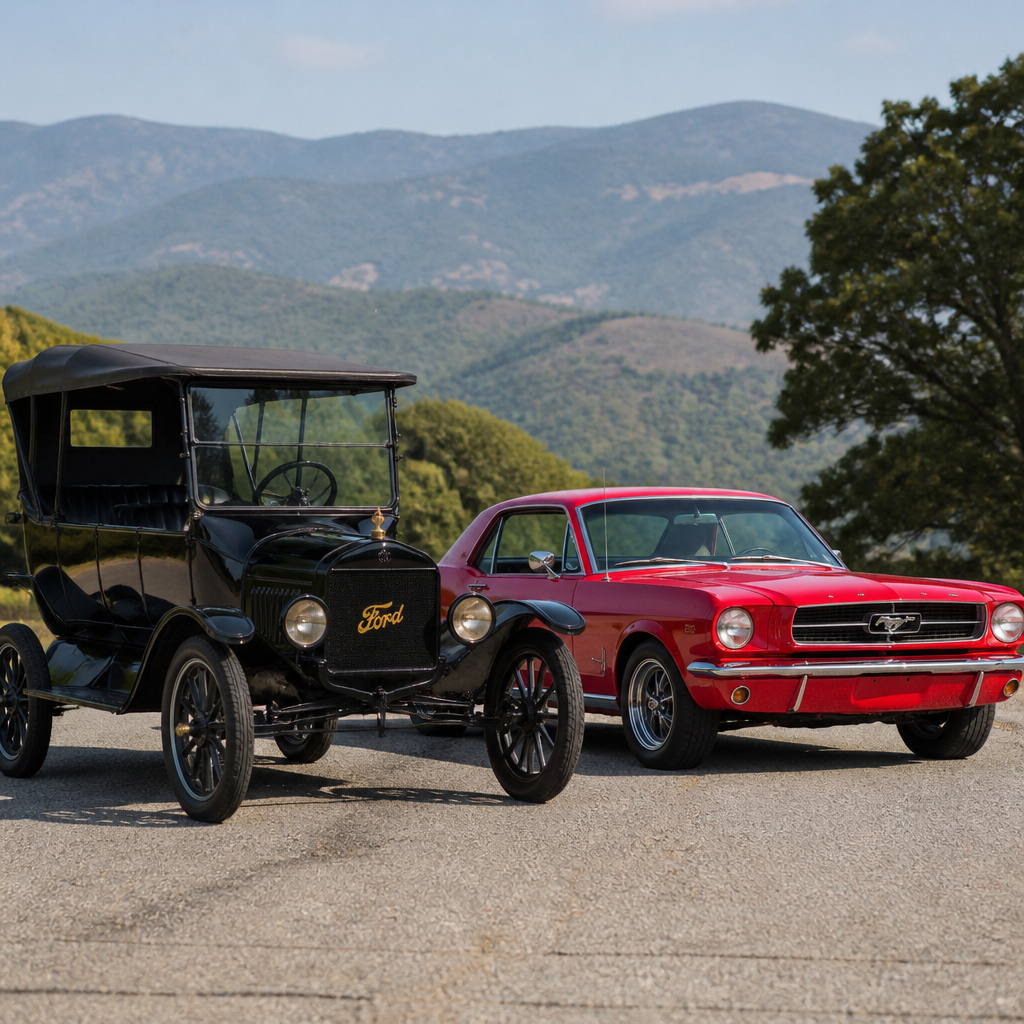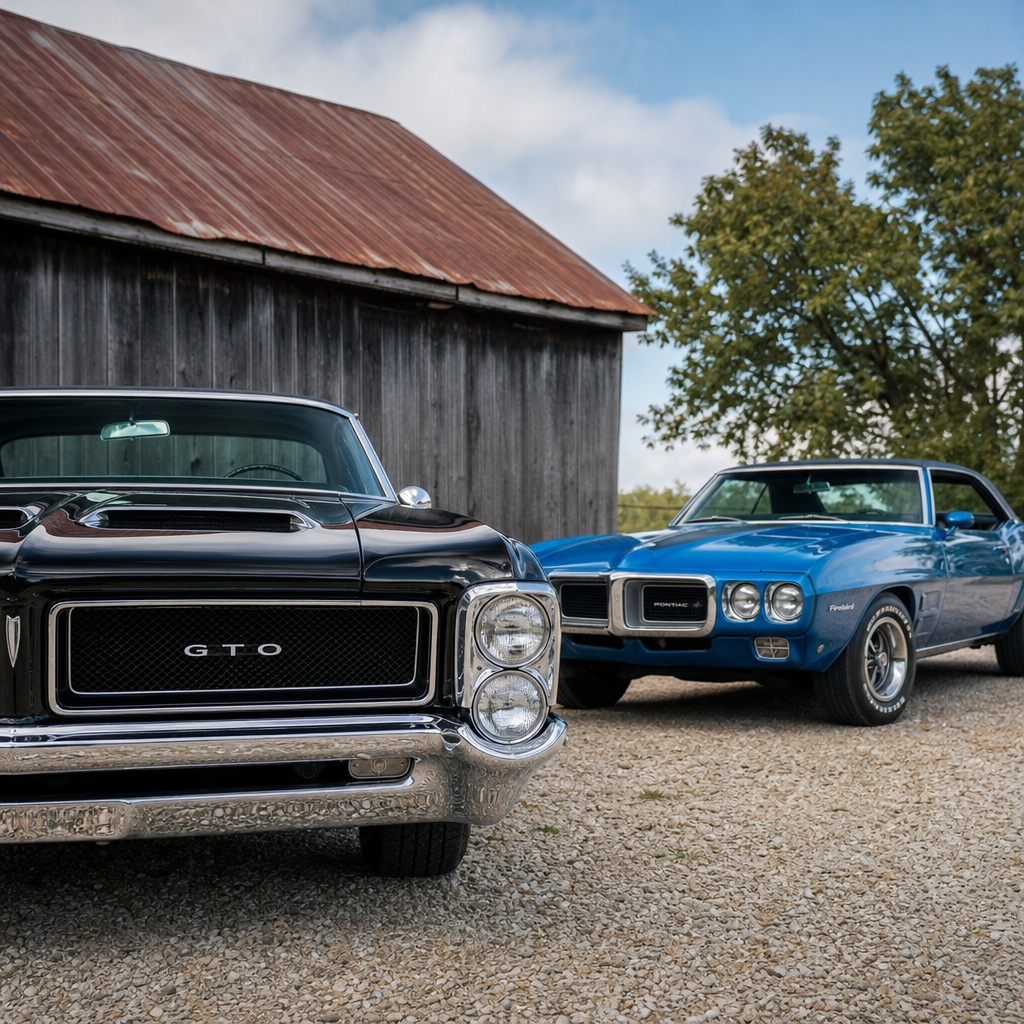
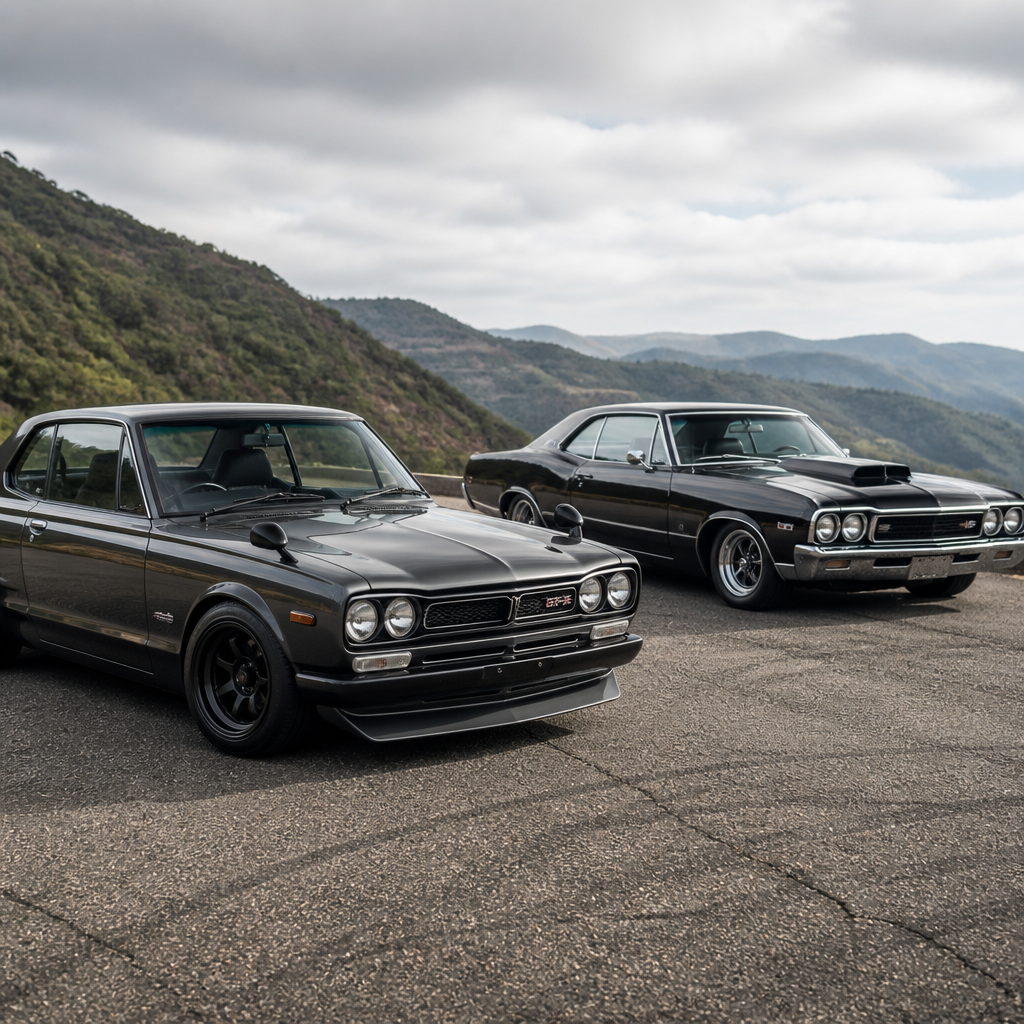
Japanese domestic market icons and American muscle cars both inspire fierce loyalty, yet they were built around different ideas of speed, style, and driver identity. In my experience working around restored imports, vintage V8 coupes, and buyers trying to choose between them, the same question comes up repeatedly: how do JDM classics compare to American muscle cars in real terms, beyond internet stereotypes? The answer starts with definitions. JDM classics are older vehicles originally designed for Japan, often emphasizing compact dimensions, high-revving engines, light weight, and engineering efficiency. American muscle cars are typically mid-size or compact U.S. coupes and sedans powered by large-displacement engines, prioritizing straight-line acceleration and a dramatic road presence. Both categories overlap with collector cars, tuner culture, and motorsport history, but they do not solve performance in the same way.
This distinction matters because buyers, restorers, and enthusiasts often assume the comparison is simply turbo versus V8 or handling versus horsepower. It is more nuanced. Japanese classics include lightweight sports cars like the Datsun 240Z, precision coupes like the Toyota 2000GT, rally-bred machines like the Subaru Impreza WRX STI, and homologation legends such as the Nissan Skyline GT-R. American muscle spans early icons like the Pontiac GTO, Chevrolet Chevelle SS, Dodge Charger, Plymouth ’Cuda, and Ford Mustang Mach 1, plus later revivals that continued the formula. Each class reflects the roads, fuel prices, regulations, and customer expectations of its home market. Understanding those forces helps explain why these cars look different, sound different, and drive differently.
For anyone researching Japanese classics as a broader category, this comparison also works as a hub. It introduces the defining traits of Japanese classic cars, how they relate to domestic rivals from the United States, and which questions matter most when buying, collecting, or restoring them. The key factors are engineering philosophy, engine design, chassis balance, motorsport influence, customization culture, ownership costs, and long-term collectibility. Once those are clear, the appeal of both segments becomes easier to judge on substance rather than nostalgia alone.
Engineering Philosophy and Design Priorities
The clearest difference between JDM classics and American muscle cars is the engineering brief behind them. Japanese manufacturers historically developed cars for narrower roads, denser cities, higher fuel costs, and tax structures that discouraged large engines. As a result, many Japanese classics focus on packaging efficiency, lower curb weight, precise assembly, and extracting strong performance from modest displacement. Cars like the first-generation Mazda RX-7, Honda S800, and Toyota AE86 demonstrate this mindset. They reward momentum, throttle modulation, and mechanical sympathy instead of brute-force acceleration. Their controls are usually lighter, visibility is better, and the driving experience feels more technical than theatrical.
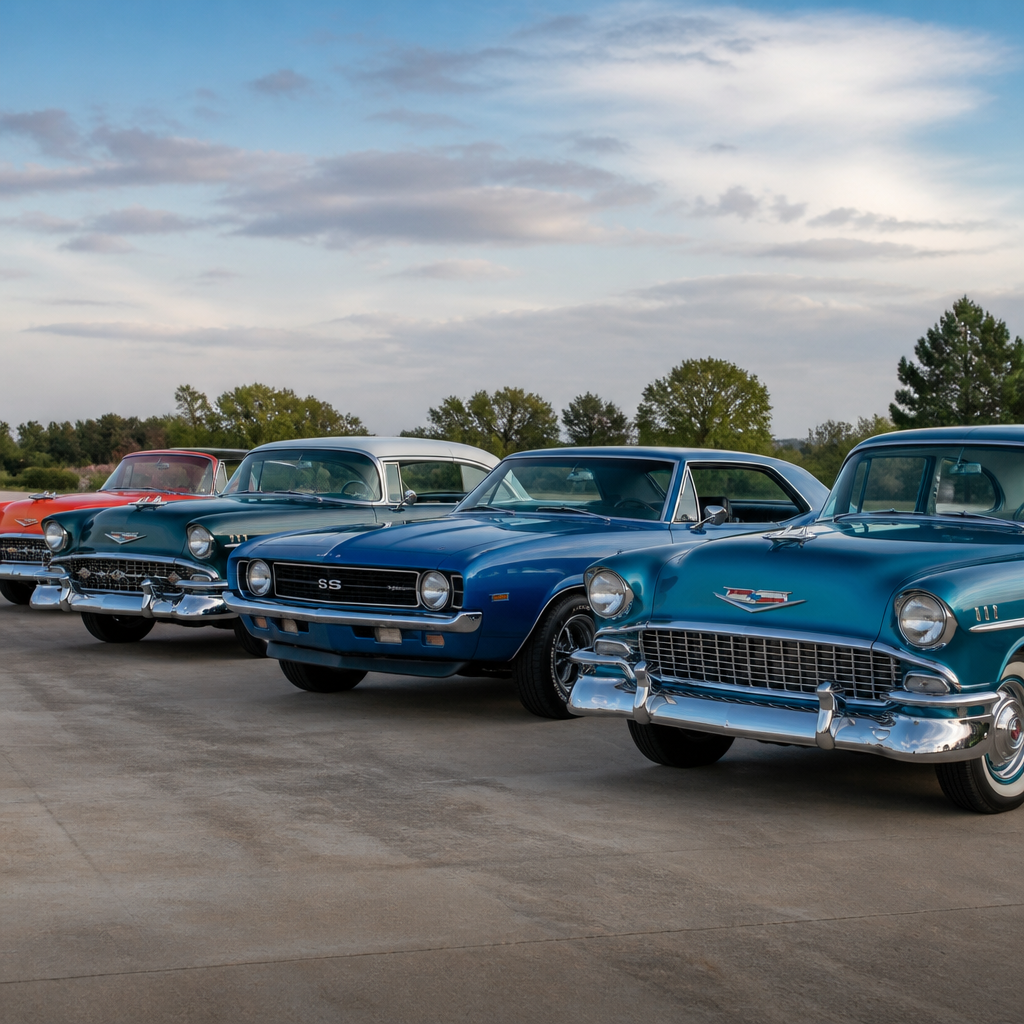
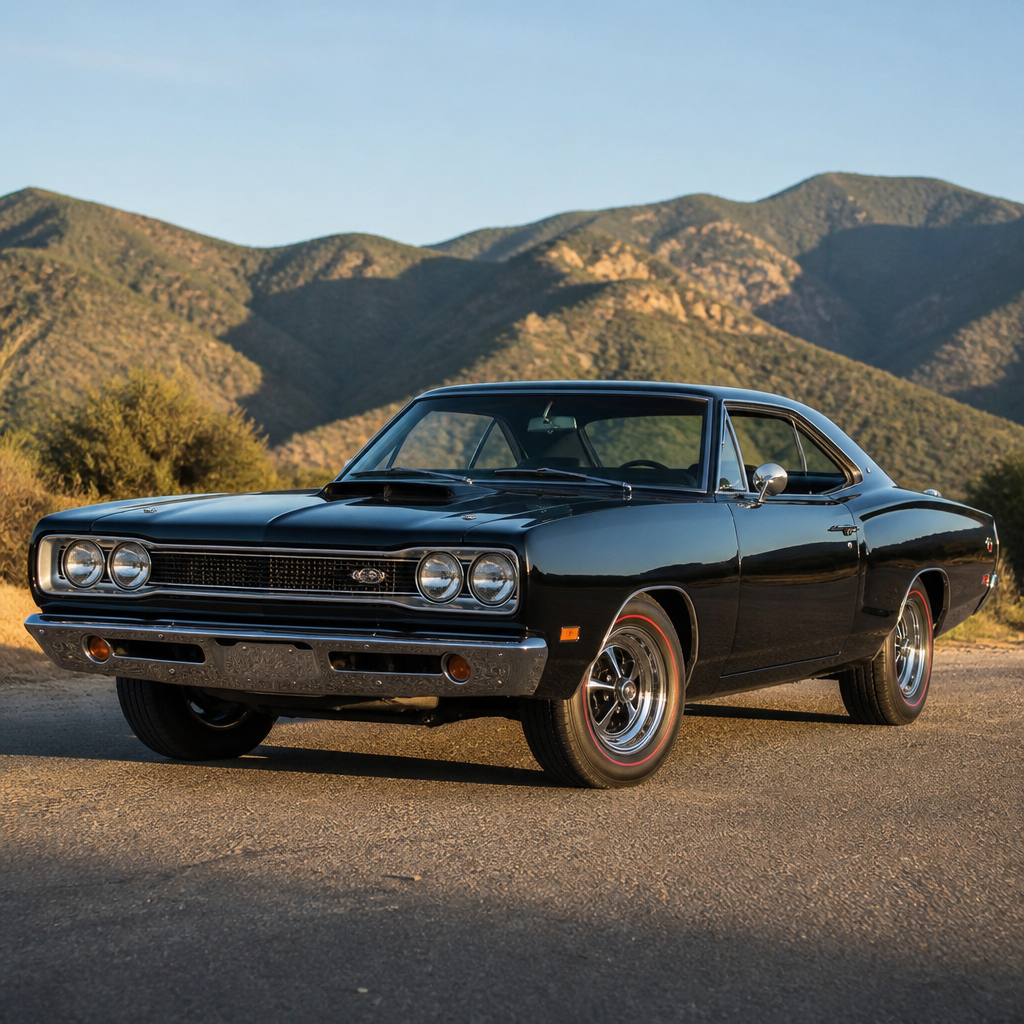
American muscle cars came from a different environment. U.S. highways were broad, fuel was relatively cheap during the category’s rise, and buyers responded to displacement, torque, and visual aggression. Engineers could fit big-block or small-block V8s into practical platforms and create affordable high-performance cars with straightforward mechanical layouts. The 1969 Chevrolet Camaro SS, 1970 Dodge Challenger R/T, and 1970 Plymouth Road Runner embody that formula. You got instant torque, simple serviceability, and a car that made a statement before it even moved. Steering effort, braking distances, and chassis finesse often took a back seat to quarter-mile credibility.
Neither approach is inherently superior. JDM classics generally feel more efficient and more cohesive at normal road speeds, while muscle cars deliver effortless acceleration and a visceral sense of occasion. If a buyer values lightness, revs, and precision, Japanese classics stand out. If the goal is torque, soundtrack, and easy power gains, American muscle usually wins.
Engines, Power Delivery, and Performance Character
When people ask whether JDM classics are faster than muscle cars, the honest answer is that speed depends on context. Stock for stock, many classic American muscle cars produced more peak horsepower and far more torque than Japanese classics. A 426 Hemi, 454 big-block, or 428 Cobra Jet delivered force in a way few period Japanese engines could match. Yet numbers alone do not capture the whole experience, because Japanese classics often feel quicker than expected thanks to lower weight, shorter gearing, and engines that reward being worked hard. The Nissan L-series inline-six, Toyota 2JZ and 4A-GE families, Honda B-series and early VTEC units, and Mazda rotary engines all create performance through responsiveness and rev range rather than displacement.
The difference shows up in power delivery. Muscle cars generally produce immediate low-end shove. Press the throttle in a Chevelle SS or Boss 429 Mustang and the car surges forward with minimal effort. Many JDM classics ask for more driver input. An AE86 Corolla or early Integra wants rpm. A turbocharged Skyline GT-R or Supra may build power progressively, then hit harder in the upper band. That characteristic changes how the car is driven. American muscle rewards point-and-shoot acceleration. Japanese classics invite you to maintain momentum, choose gears carefully, and use the full tachometer.
Real-world performance also depends on traction, gearing, and chassis setup. A lighter Nissan Fairlady Z on a winding road can cover ground more effectively than a heavier muscle coupe struggling with axle tramp or period bias-ply tires. Conversely, at a drag strip, the muscle car’s torque advantage remains difficult to ignore. The performance question is therefore less about absolute superiority and more about where the car is being used.
Handling, Chassis Balance, and Driver Involvement
Handling is where many Japanese classics built their reputation. Manufacturers such as Nissan, Toyota, Honda, and Mazda spent decades refining suspension geometry, steering feel, and front-to-rear balance in ways that made relatively affordable cars feel alive. The Datsun 240Z is a prime example: long hood, inline-six smoothness, and sports-car proportions, but with lighter weight and more approachable dynamics than many contemporaries. The Mazda RX-7, especially FC and FD generations, delivered near-ideal balance and communicative steering. Even humble cars like the AE86 became legends because a simple rear-wheel-drive chassis with low mass can teach a driver more than raw horsepower ever will.
Classic American muscle cars vary widely in handling. Some later or more focused examples, such as the 1969 Camaro Z/28 or Shelby GT350, offered serious road-course ability for their time. But the category as a whole often emphasized straight-line speed over composure in corners. Soft springs, heavy iron engines, recirculating-ball steering, and leaf-spring rear suspensions gave many muscle cars a less precise feel, especially compared with Japanese classics developed in later decades. I have driven restored muscle cars that feel thrilling under throttle but require planning before turn-in, and I have driven old Japanese coupes that communicate every change in grip through the steering wheel and seat base.
That difference explains why JDM classics became staples in canyon driving, club racing, drifting, and touge culture, while American muscle dominated drag strips, boulevard cruising, and stoplight reputation. Driver involvement in Japanese classics often comes from balance and feedback. In muscle cars, involvement comes from managing power and mass. Both are engaging, but they challenge the driver in different ways.
Motorsport Heritage, Tuning Culture, and Buyer Considerations
Motorsport shaped both categories, but again in different forms. Japanese classics built credibility through circuit racing, endurance events, rallying, and homologation specials. The Nissan Skyline GT-R earned the “Godzilla” nickname through Australian touring car dominance. The Toyota Celica GT-Four and Subaru WRX established rally credibility. Honda’s performance image was strengthened through Formula One engineering and high-efficiency road engines. That racing influence filtered into production cars with close-ratio gearboxes, advanced turbocharging, multi-link suspension, and lightweight construction. American muscle’s racing identity was rooted in NHRA drag racing, NASCAR homologation battles, Trans-Am competition, and street-performance culture. Cars were often marketed around horsepower packages, hood scoops, axle ratios, and special engine options tied directly to racing success.
That heritage created two distinct modification scenes, and understanding them matters if this Japanese classics hub is helping you decide where to start.
| Factor | JDM Classics | American Muscle Cars |
|---|---|---|
| Core performance style | Light weight, revs, boost, chassis balance | Torque, displacement, straight-line acceleration |
| Common engine layouts | Inline-four, inline-six, rotary, turbocharged variants | Small-block and big-block V8 |
| Typical modification path | Suspension, intake/exhaust, turbo upgrades, ECU tuning | Cam, carburetion or EFI, headers, rear gears, stroker builds |
| Parts sourcing | Can require import specialists and model-specific knowledge | Usually strong aftermarket support in North America |
| Driving reward | Precision, balance, engagement at moderate speeds | Sound, torque, drama, effortless acceleration |
For buyers, restoration realities are just as important as mythology. Japanese classics can be easier to live with once sorted, especially models known for reliability, but some parts are genuinely difficult to source. Trim pieces, right-hand-drive-specific components, and model-year electronics may require import networks, specialist forums, or Japanese auction channels. Rust is a major issue on early Z cars, old Skylines, and many eighties and nineties performance models. American muscle cars benefit from an enormous domestic aftermarket. Sheet metal, crate engines, suspension kits, reproduction interiors, and trim are often readily available. That support can make restoration more predictable, though prices for top-tier numbers-matching examples can be extremely high.
Insurance, legality, and intended use should guide the final decision. A classic JDM car may carry import compliance questions, emissions issues, or limited local mechanic familiarity, particularly for kei cars, gray-market imports, or rotary models. A muscle car may be physically larger, thirstier, and less comfortable in dense urban traffic. On the collector side, both markets have matured. Clean Toyota Supras, Acura NSXs, Skyline GT-Rs, and Mazda RX-7s have seen substantial appreciation, while blue-chip muscle cars remain benchmarks at auction houses like Mecum and Barrett-Jackson. Yet collectibility should follow authenticity, condition, and documentation, not internet hype. The best buy is usually the car whose maintenance history, rust profile, and parts situation you understand completely.
Which Classic Car Fits Your Goals Best
If your goal is a highly interactive driver’s car, Japanese classics usually offer the better entry point. They tend to deliver more feedback, better packaging efficiency, and performance you can access without constantly overwhelming the road or the tires. A well-sorted 240Z, AE86, first-generation NSX, or Integra Type R can feel special on an ordinary two-lane route because the sensation comes from balance, not excess. They also connect naturally to broader Japanese classics topics such as JDM tuning history, homologation models, kei sports cars, and the rise of turbocharged performance in the 1980s and 1990s.
If your goal is drama, torque, and iconic visual presence, American muscle cars remain hard to beat. Nothing quite replaces the experience of a healthy carbureted V8 idling through the chassis, or the simplicity of a platform built around engine dominance. They are often easier to modify for large power gains and easier to support in the U.S. with off-the-shelf restoration parts. For some owners, that accessibility is decisive.
The smartest conclusion is not that one category defeats the other. It is that JDM classics and American muscle cars represent two valid, historically important answers to the same question: how should a performance car make a driver feel? Japanese classics answer with precision, efficiency, and engineering sophistication. Muscle cars answer with force, presence, and mechanical honesty. Before buying, define your use case, test cars from both camps, and inspect condition more carefully than badges. Start with the models that match your roads, budget, and skills, then go deeper into the Japanese classics branches that interest you most.
Frequently Asked Questions
What is the main difference between JDM classics and American muscle cars?
The biggest difference is the philosophy behind them. JDM classics were typically engineered around balance, efficiency, compact packaging, and driver involvement. Many of the most respected Japanese classics earned their reputations through precise steering, lighter curb weights, clever engine design, and a willingness to reward smooth, technical driving. American muscle cars, by contrast, were historically built around straightforward performance: large-displacement engines, strong low-end torque, dramatic styling, and rapid acceleration in a straight line. They were designed to feel powerful and bold in a very immediate way.
That does not mean one category is automatically better than the other. It means they deliver performance differently. A classic Japanese coupe or sedan may feel more agile, more playful on winding roads, and more connected at moderate speeds. A classic muscle car often feels more theatrical, more forceful, and more mechanical in its character, especially when the V8 comes alive. Even their identities reflect different cultures. JDM classics often emphasize technical refinement and motorsport-inspired engineering, while American muscle cars celebrate displacement, attitude, and visual presence. When buyers compare them honestly, they are usually comparing two different answers to the same question: what makes a car exciting to drive and own?
Are JDM classics faster than American muscle cars?
It depends entirely on what kind of speed you mean. If you are talking about straight-line acceleration, many traditional American muscle cars have a natural advantage because of their larger engines and abundant torque. A big-block or healthy small-block V8 can deliver instant shove with very little effort, and that punch is a huge part of the muscle car experience. In a stoplight-to-stoplight scenario or on a drag strip, muscle cars often feel faster even before the numbers are compared, simply because of how much torque they make and how dramatically they deliver it.
If you are talking about cornering confidence, composure on technical roads, or speed that builds through precision rather than brute force, many JDM classics shine. Cars from Japan were often lighter, more balanced, and designed with high-revving engines, tighter chassis tuning, and a greater emphasis on overall handling. That can make them feel quicker in real-world driving, especially on narrow roads, mountain routes, or circuits where momentum matters. In other words, muscle cars often win the argument about raw force, while JDM classics frequently win the argument about usable balance. The better question is not which is faster in the abstract, but faster where, under what conditions, and for what kind of driver.
Which is easier and more affordable to own: a JDM classic or an American muscle car?
Ownership costs vary widely, but in general, American muscle cars can be easier to understand and source parts for in the United States, while JDM classics can be more complex depending on the specific model, import status, and parts network. Many muscle cars benefit from decades of aftermarket support, reproduction parts, and a very large enthusiast base. For common models, you can often find everything from trim pieces to crate engines without too much trouble. They are also mechanically simple in many cases, which appeals to owners who want a car they can wrench on at home.
JDM classics can be affordable in some areas and surprisingly expensive in others. A robust four-cylinder or inline-six Japanese drivetrain may be extremely durable, but finding original body panels, interior pieces, right-hand-drive-specific components, or model-specific electronics can take patience. Values for top-tier JDM icons have also risen significantly, which has changed the entry point for buyers. Insurance, import documentation, and emissions or registration rules may add another layer depending on where the car is located. That said, many owners accept those challenges because the reward is a more distinctive ownership experience. If your priority is convenience and broad domestic support, muscle cars often have the edge. If your priority is uniqueness, engineering character, and being part of a growing collector culture, a JDM classic may still be worth the extra effort.
How do JDM classics and muscle cars compare in driving feel and personality?
This is where the difference becomes very clear. A good JDM classic often feels light on its feet, responsive, and eager to be driven with finesse. The steering may feel more communicative, the gearbox more involving, and the engine character more dependent on revs and rhythm. These cars tend to reward drivers who enjoy building speed, choosing lines carefully, and staying engaged with the car’s balance. Even when power figures are modest by modern standards, the overall experience can feel vivid because the car asks more from the driver and gives more feedback in return.
American muscle cars usually deliver a heavier, more dramatic, and more physical experience. The steering may be slower, the body motions more pronounced, and the chassis less delicate than a Japanese sports coupe from the same era, but that is not necessarily a flaw. It is part of the personality. A muscle car often feels like it wants to surge forward, make noise, and turn every drive into an event. The soundtrack, the torque, and the visual swagger all contribute to that impression. If a JDM classic often feels like a precision instrument, a muscle car often feels like a statement piece that happens to be very fast in its own way. Choosing between them usually comes down to whether you prefer nuance and agility or thunder and presence.
Which is the better choice for collectors and first-time classic car buyers?
For collectors, both categories have strong appeal, but they attract somewhat different motivations. JDM classics have become highly desirable because they combine nostalgia, motorsport heritage, limited supply, and a sense of global enthusiast culture. Certain Japanese models are now recognized not just as tuner legends, but as important collector vehicles with historical significance. American muscle cars, meanwhile, have long been established in the collector world. They are iconic, deeply tied to automotive history, and supported by a mature market that makes pricing, restoration, and resale easier to navigate in many cases.
For first-time classic buyers, the better choice depends on temperament more than hype. If you want something with broad parts support, a large knowledge base, and a more traditional restoration path, an American muscle car may be the safer starting point. If you want a car that feels different from the usual classic-car crowd, and you are comfortable researching parts, model variations, and import-specific issues, a JDM classic can be incredibly rewarding. The smartest approach is to buy based on condition, documentation, and intended use rather than online reputation. A well-sorted example from either category will almost always be a better ownership experience than a more famous model with hidden problems. In real terms, the best classic is the one that fits your driving style, budget, mechanical comfort level, and long-term enthusiasm.