Underrated European classics sit in the sweet spot between rising collector interest and usable real-world value, making them some of the smartest enthusiast buys available today. In this context, “underrated” does not mean obscure junk or failed curiosities. It means cars with strong engineering, distinctive design, genuine historical significance, or excellent driving character that still trade below the values of better-known peers. After years of watching auctions, private sales, specialist dealer stock, and restoration invoices, I have found that this corner of the market rewards buyers who do their homework earlier than everyone else. The biggest gains usually come before a model becomes fashionable, not after it lands on every watch list.
European classics are especially rich in these opportunities because the continent produced a wide spread of sports cars, grand tourers, executive saloons, hot hatches, and coachbuilt oddities from dozens of brands. Attention usually clusters around obvious blue-chip names such as Porsche 911s, Mercedes-Benz SLs, Jaguar E-Types, or BMW M cars. That leaves many excellent alternatives overlooked. Some were overshadowed when new by more glamorous stablemates. Others suffered from rust, weak maintenance histories, or outdated reputations that no longer reflect current parts support and specialist knowledge. For buyers entering the market now, that disconnect creates opportunity.
This hub article explains what makes an underrated European classic worth buying now, which models deserve serious consideration, and how to assess risk before committing money. It also works as a gateway for deeper reading across the wider Classic Car Models & Brands topic, because every car named here opens into a larger story about engineering eras, national design schools, ownership costs, and collector behavior. If you want a shortlist built on substance rather than hype, start here and evaluate these cars by condition, originality, documentation, and long-term parts viability rather than badge prestige alone.
What Makes a European Classic Underrated
An underrated classic usually combines four traits: it is historically credible, mechanically interesting, enjoyable to drive or own, and still mispriced relative to comparable models. Mispricing happens for clear reasons. A car may share underpinnings with a famous performance icon but wear a less celebrated badge. It may come from a brand that collapsed, reducing confidence among casual buyers. It may also occupy an awkward middle ground: too old to be modern, too new to feel romantic, yet old enough to carry analog character missing from current cars.
I judge underrated classics using the same filters specialists use when valuing long-term prospects. First, look at engineering distinctiveness. Examples include transaxle layouts, sophisticated suspension, alloy engines, fuel injection milestones, or safety innovations. Second, check survivor quality and attrition. Cars once considered disposable can become collectible when rust, neglect, and modification thin the herd. Third, compare values with direct rivals. If one model delivers 80 to 90 percent of a better-known rival’s experience at half the price, the market may eventually correct. Finally, examine ownership infrastructure. Club support, specialist workshops, factory heritage programs, and reproduction parts matter more than internet enthusiasm.
These principles explain why several European cars remain appealing even as the broader collector market cools from the speculative peaks seen in the early 2020s. Interest has become more selective. Buyers are rewarding authenticity, usable performance, and complete paperwork. That shift benefits underrated models because they were never driven mainly by hype. They stand or fall on merit, and merit travels well across changing market cycles.
Best Underrated European Classics Worth Buying Now
The strongest opportunities today span multiple countries and body styles. Italy offers charismatic coupes and sedans that still live in the shadow of Ferrari and Maserati. Germany contributes technically advanced grand tourers and sporting saloons whose maintenance reputations scare off casual shoppers. Sweden brings durable, design-led alternatives with loyal club networks. France supplies hydropneumatic comfort, quirky engineering, and coachbuilt elegance that remain misunderstood outside specialist circles. Britain, despite stronger visibility overall, still hides values beyond the obvious icons.
| Model | Why It Is Underrated | What To Watch |
|---|---|---|
| BMW E24 633CSi/635CSi | Elegant shark-nose coupe, strong M30 engine, lower entry cost than M6 | Rust, deferred suspension work, automatic gearbox bias in market |
| Mercedes-Benz R107 280SL/380SL | Durable grand tourer overshadowed by Pagoda and later AMG-era cars | Timing chain issues on early 380, climate system repairs, corrosion |
| Porsche 944 S2 | Balanced transaxle chassis, usable performance, still cheaper than 911 | Timing belt service history, hatch leaks, worn interior plastics |
| Alfa Romeo GTV6 | Busso V6 soundtrack, transaxle layout, motorsport pedigree | Rust, electrical gremlins, synchro wear |
| Saab 900 Turbo 3-door | Aero shape, turbo heritage, practical classic with devoted support | Bulkhead corrosion, gearbox wear, non-original modifications |
| Volvo 1800ES | Distinctive glass tailgate shooting brake, robust driveline, limited production | Rust in sills and floors, trim scarcity, poor prior bodywork |
| Lancia Beta Coupe/HPE | Sharp handling and crisp styling, long damaged by outdated rust stigma | Verify structural repairs, parts sourcing by market, originality |
| Citroen CX GTi | Advanced ride quality and design significance, still underappreciated globally | Hydraulic maintenance quality, rust, interior component fragility |
Each model above represents a different buying thesis. The BMW E24 is for buyers wanting six-cylinder refinement, classic proportions, and broad specialist familiarity without paying M-car premiums. The Porsche 944 S2 is the practical answer to anyone asking for a genuinely rewarding driver’s car under the price of an air-cooled 911. The Alfa GTV6 brings one of the great production V6 engines of the twentieth century, and when sorted it feels special at any speed. The Saab 900 Turbo appeals to people who want design identity and everyday usability rather than concours-only ownership.
The key point is that “worth buying now” does not mean every example is a bargain. It means the model line as a whole still offers room to buy quality before widespread revaluation makes good cars scarce and expensive. In every one of these cases, the best car you can afford is usually cheaper than a mediocre example plus corrective work.
Country-by-Country Opportunities and Why They Matter
German underrated classics often benefit from excellent mechanical documentation and deep parts ecosystems. That makes BMW E28 six-cylinder cars, Mercedes W123 coupes, Audi Coupe GTs, and Opel Monzas more approachable than their reputations suggest. I have seen buyers avoid them because they assume German equals expensive. In reality, buying a complete, rust-free car with service records is often less costly than restoring a cheaper but rough Italian or British equivalent. German cars also appeal to collectors who want regular use, because they tend to tolerate mileage better when maintained correctly.
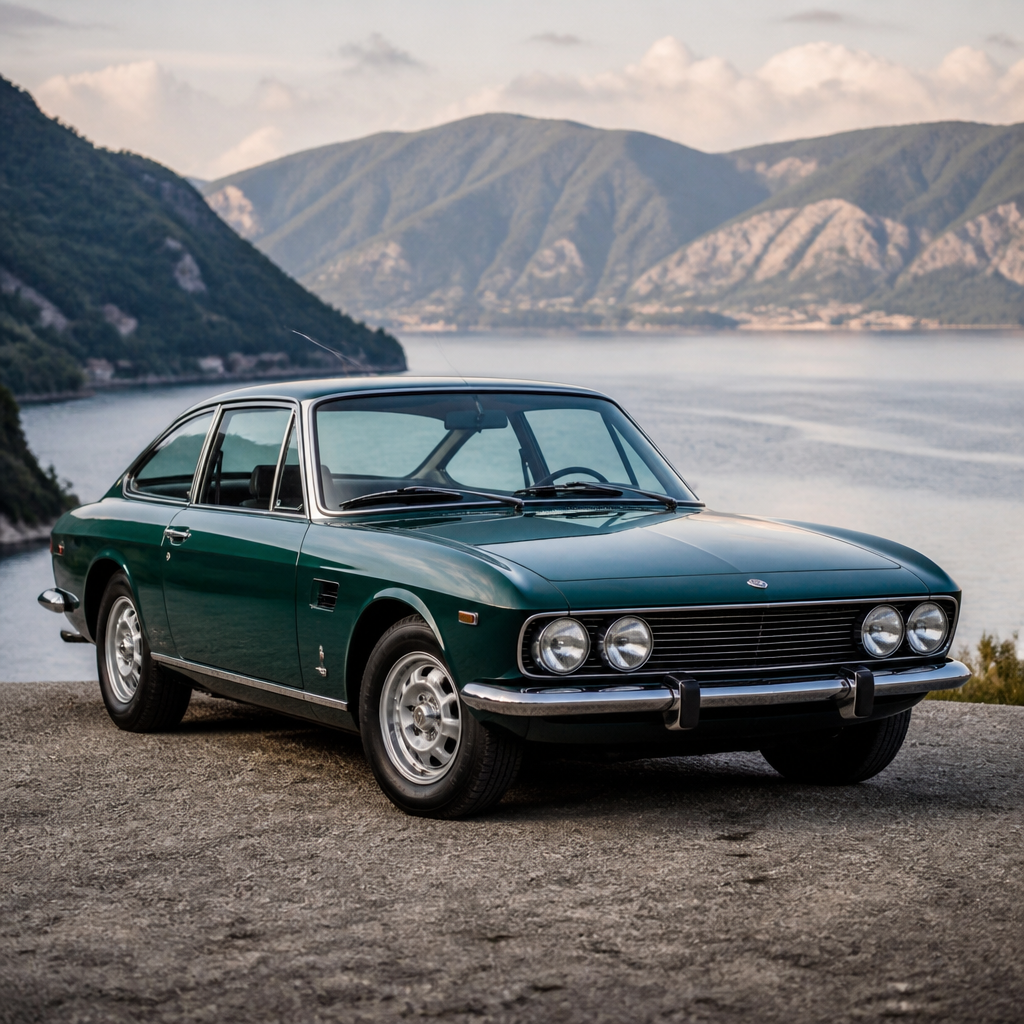
Italian classics reward the buyer willing to separate myth from condition. Alfa Romeo Berlina sedans, Fiat 130 coupes, Lancia Gamma coupes, and even later Alfa 75 models remain under-recognized outside marque circles. Their values lag because many buyers still focus on the obvious halo cars. Yet Italian engineering character, steering feel, and interior design often exceed more expensive rivals. The tradeoff is that body condition is decisive. Rust repair quality, parts correctness, and evidence of specialist servicing matter more here than odometer readings alone.
French underrated classics remain some of the most intellectually interesting buys in Europe’s collector scene. Cars like the Peugeot 504 Coupe, Renault Fuego Turbo, and Citroen SM’s humbler stablemates are often ignored because their innovation is less conventional. However, design by Pininfarina, advanced suspension systems, and long-distance comfort give these cars clear historical importance. They also stand out at shows crowded with predictable choices. Buyers should simply be realistic about specialist dependence. A French classic bought near an established marque expert is a much safer proposition than one purchased in isolation.
Swedish and British options round out the market. Saab and Volvo offer robust communities, practical packaging, and an honesty that increasingly attracts younger collectors priced out of German performance cars. Britain contributes cars like the Rover P6, Triumph Stag, and Jensen-Healey, all of which can still be bought intelligently if you prioritize sorted examples. The national lesson is simple: underrated does not mean unsupported. Many of these cars have better owner-club knowledge than far more expensive exotics.
How To Buy Smart: Inspection, Documentation, and Ownership Costs
If you are serious about buying an underrated European classic now, inspect structure before cosmetics, and documentation before enthusiasm. Paint can hide corrosion. New upholstery can distract from crash repairs. A stack of invoices showing timing belt intervals, hydraulic system work, valve adjustments, cooling-system renewal, and brake overhauls tells you more than polished photographs ever will. I always advise a pre-purchase inspection by a marque specialist, not a general mechanic. A specialist knows where the Porsche 944 traps water, how a Citroen hydraulic system should behave, and whether an Alfa transaxle shift quality is normal or expensive.
Budgeting needs realism. Purchase price is only the opening number. Insurance, enclosed storage if needed, tire age replacement, fluid services, battery care, and deferred maintenance can quickly add 10 to 20 percent in year one. Parts availability also varies by category. Mechanical items are often easier than trim. You can usually rebuild suspension, brakes, and engines with enough effort. Finding correct seat fabric, unobtainable switchgear, or model-specific brightwork may take months. That is why originality matters: the more complete the car, the easier and cheaper ownership becomes.
Transmission choice can materially affect value and enjoyment. Manual gearboxes usually command stronger demand, but an automatic can make sense in luxury-oriented cars such as Mercedes roadsters or big BMW coupes if condition is exceptional. Color also matters more than many buyers admit. Period-correct shades, original interiors, and factory options like limited-slip differentials, air conditioning, or sport seats influence both liquidity and long-term desirability. A rare specification is valuable only if it improves the ownership proposition, not merely because it is uncommon.
Finally, learn the difference between preservation and restoration. The current market often favors honest, well-preserved cars with patina, matching numbers where applicable, and consistent histories over over-restored examples with questionable authenticity. For underrated classics, trust and traceability are major value drivers. The buyer who can explain a car’s story will always have an easier time owning and eventually selling it.
Market Trends, Risks, and the Models Most Likely To Rise
Several trends are pushing interest toward underrated European classics. Younger collectors are seeking analog driving experiences, thinner pillars, simpler controls, and usable dimensions absent from modern cars. Established collectors are diversifying away from heavily publicized blue-chip models and looking for cars that feel fresh at events. Digital auction platforms such as Bring a Trailer and Collecting Cars have also widened visibility for models that once traded only within local club circles. Better photography and detailed comments help educate buyers, which gradually narrows the information gap that kept many worthy cars cheap.
That said, appreciation is never guaranteed. Regulatory pressure in some cities, rising workshop labor rates, and scarcity of skilled restoration craftsmen all create headwinds. The biggest risk is buying the wrong example of the right model. A rusted Alfa GTV6 or neglected Porsche 944 can consume more capital than buying an excellent one from the start. Another risk is chasing temporary attention. When social media suddenly discovers a forgotten model, asking prices often spike before transaction prices catch up. Serious buyers should track completed sales, not optimistic listings.
The models most likely to rise next are those with clear enthusiast narratives and finite supply: BMW’s non-M shark coupes, Alfa’s transaxle cars, top-condition Saab Turbos, and exceptional Citroen or Lancia survivors with documented specialist care. These cars check the boxes that matter: design identity, engineering substance, club support, and relative affordability versus recognized alternatives. They may not double overnight, and that should not be the goal. The real advantage is owning a distinctive European classic while the entry cost still makes sense.
Underrated European classics reward buyers who value engineering, design, and condition more than collector fashion. The best examples combine historical importance with a driving experience that still feels alive today, whether that means the balanced poise of a Porsche 944 S2, the cultured pace of a BMW E24, the character of an Alfa GTV6, or the intelligent practicality of a Saab 900 Turbo. Across this subtopic, the same lesson holds: look past headline auction stars and study the cars that deliver comparable substance without the inflated premium.
As a hub within Classic Car Models & Brands, this guide gives you the framework for evaluating every underrated classic article that follows. Compare each model by rust vulnerability, mechanical complexity, specialist support, originality, and total cost to sort properly. Buy the best documented example you can afford, insist on a specialist inspection, and favor completeness over cheap entry price. That approach reduces risk and preserves future value.
If you are building a shortlist now, start with the strongest survivors in the overlooked ranges of BMW, Mercedes-Benz, Porsche, Alfa Romeo, Saab, Volvo, Lancia, and Citroen. Then go deeper into model-specific research, ownership guides, and market data before making an offer. The right underrated European classic is still out there, and buying before the wider market catches on is the smartest move you can make today.
Frequently Asked Questions
What makes a European classic truly “underrated” rather than simply cheap or overlooked?
An underrated European classic usually has a combination of qualities the market has not fully priced in yet. That can mean strong engineering, distinctive styling, motorsport or cultural relevance, limited production, or a genuinely rewarding driving experience. The key difference is that these cars offer real substance. They are not bargain-bin curiosities with no support, no enthusiast base, and no meaningful long-term appeal. Instead, they often sit just outside the spotlight occupied by headline models such as the Porsche 911, BMW M3, Mercedes SL, or Jaguar E-Type, even though they may share similar design eras, technical sophistication, or road presence.
In practical terms, an underrated model is often one that knowledgeable enthusiasts respect, but mainstream buyers still undervalue. It might be overshadowed by a more famous sibling, dismissed because it came from a transitional era, or ignored because it lacks the badge prestige of the obvious blue-chip choice. A great example would be a well-engineered grand tourer, sports sedan, or analogue coupe that delivers charm and capability without carrying the inflated premium attached to trendier alternatives. These cars often represent the sweet spot for buyers who want authenticity, character, and the possibility of future appreciation without paying peak market pricing today.
Why are underrated European classics considered smart buys right now?
They are attractive because they can still offer a rare combination of value, usability, and upside. In many areas of the classic car market, prices for the most famous models have already risen so far that new buyers are paying for reputation as much as the machine itself. By contrast, underrated European classics often remain accessible because they have not yet been fully discovered by the broader market. That gives buyers the chance to purchase cars with excellent fundamentals before values catch up to growing enthusiast demand.
Another reason they are compelling right now is that the market has become more informed and selective. Buyers are increasingly looking beyond obvious collector staples and focusing on cars with quality engineering, documented history, and strong ownership experiences. That trend favors overlooked models from brands like Alfa Romeo, Saab, Volvo, Lancia, Peugeot, Citroen, BMW, Mercedes-Benz, and even certain Volkswagen and Audi products. As nostalgia shifts and younger collectors begin targeting cars from the 1970s, 1980s, and 1990s, vehicles once seen as merely old are now being reevaluated as design icons or genuinely usable classics. If you choose carefully, you can buy something enjoyable today that also has a credible case for steady long-term appreciation.
Which factors matter most when choosing an underrated European classic to buy?
The best place to start is with condition, originality, and support. A mechanically strong, rust-free, well-documented car is almost always a better buy than a more glamorous but neglected example. Rust is especially important with many European classics, since body restoration costs can quickly exceed the price difference between a mediocre car and a very good one. Service records, ownership history, matching or correct major components, and evidence of specialist maintenance all add meaningful value. If you are comparing two cars, the one with documented care will usually be the smarter choice than the one that merely looks cheaper up front.
You should also consider parts availability, specialist knowledge, and how the car will actually be used. Some underrated classics are ideal weekend road-trip cars, while others are better suited to occasional drives and events. It is wise to target models with an active owner community and established parts supply, because that dramatically improves the ownership experience. Finally, think about what specifically makes the model compelling. The strongest candidates tend to have a clear story: perhaps they represent a brand’s engineering high point, feature an unusual drivetrain or body style, offer exceptional steering and chassis feel, or capture a design era that is becoming more appreciated. Cars with a strong identity tend to attract lasting enthusiasm, which matters both for ownership enjoyment and future market strength.
Are underrated European classics practical to own and drive, or are they mainly collector pieces?
Many of them are surprisingly practical, which is part of the appeal. One reason these cars remain undervalued compared with more famous contemporaries is that they are often bought by enthusiasts who actually want to drive them. A well-sorted European classic sedan, coupe, hatchback, or grand tourer can deliver a far more engaging experience than many modern cars while still being usable for weekend trips, club events, and even occasional commuting. Analogue steering feel, lighter curb weights, better visibility, and simpler cabin layouts often make them deeply satisfying on real roads rather than just on display lawns.
That said, practicality depends on choosing the right model and the right example. Fuel injection tends to be easier to live with than finicky carburetion, and cars with strong specialist support are generally less intimidating than those requiring rare, model-specific parts. Climate control, electrical systems, rubber components, and cooling systems deserve close attention if you plan to drive the car regularly. The good news is that many underrated European classics came from brands with serious engineering depth, so when properly maintained they can be robust and dependable. The best approach is to buy on condition, budget realistically for maintenance, and treat the car as a machine that benefits from regular use. In many cases, a well-kept underrated classic is not just collectible—it is one of the most enjoyable ways to experience motoring in the real world.
How can buyers avoid overpaying or choosing the wrong underrated European classic?
The smartest way to avoid a bad purchase is to research the specific model in depth before shopping seriously. Learn the known rust areas, engine and transmission weak points, trim and electrical problem spots, and which years or variants are most desirable. It is also important to understand the market correctly. Asking prices can be misleading, especially for niche European classics where optimistic sellers may list cars far above what informed buyers actually pay. Reviewing recent sales, auction archives, specialist dealer inventories, and enthusiast forums will give a much clearer picture of what strong cars, average cars, and project cars are really worth.
A pre-purchase inspection by a marque specialist is essential. On underrated classics, hidden costs often come from deferred maintenance, poor repairs, or corrosion rather than from obvious cosmetic flaws. Buyers should also resist the temptation to chase rarity for its own sake. Rare does not automatically mean desirable, and unusual specifications can make parts sourcing and resale more difficult. In most cases, the best buy is a well-maintained, highly usable version of a respected model with good documentation and broad enthusiast support. If the car has authentic character, solid fundamentals, and a purchase price that leaves room for sorting and preservation, you are far more likely to end up with a classic that is both rewarding to own and well positioned in the market.