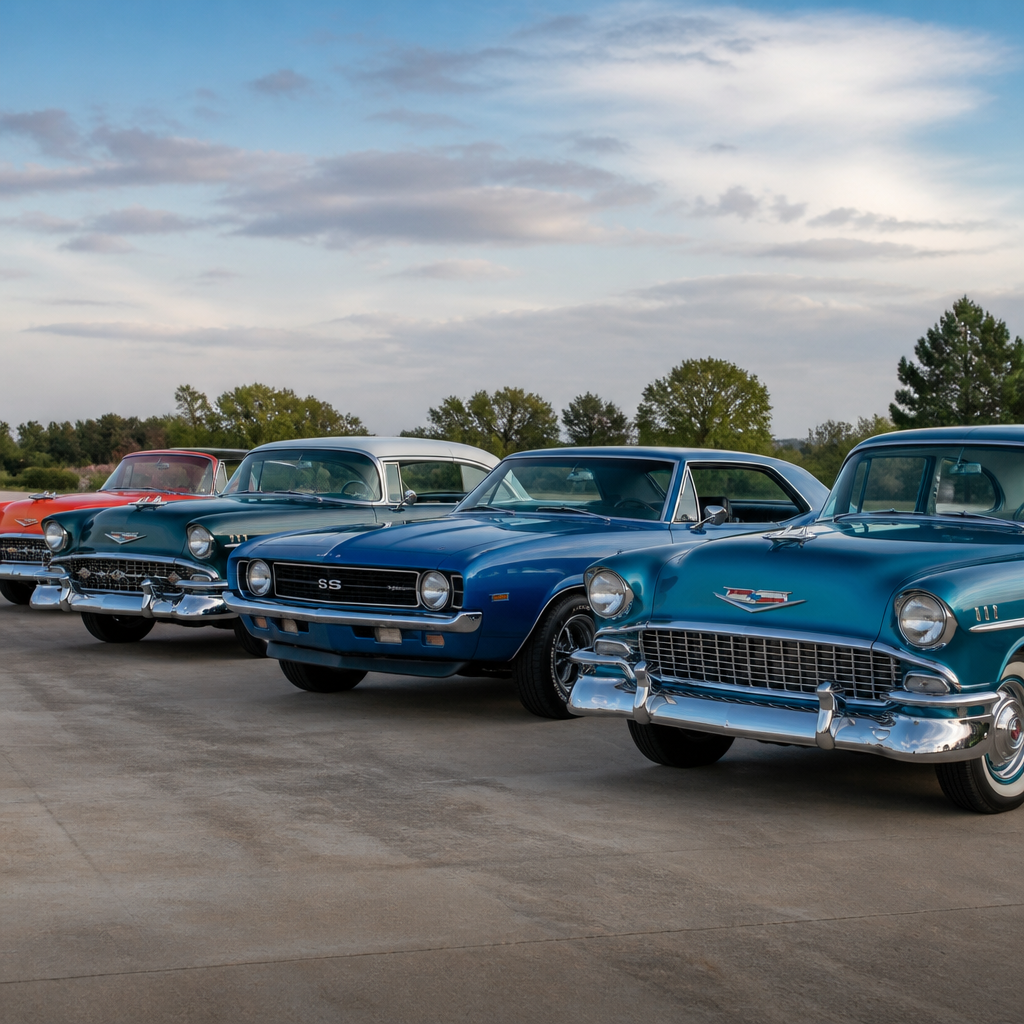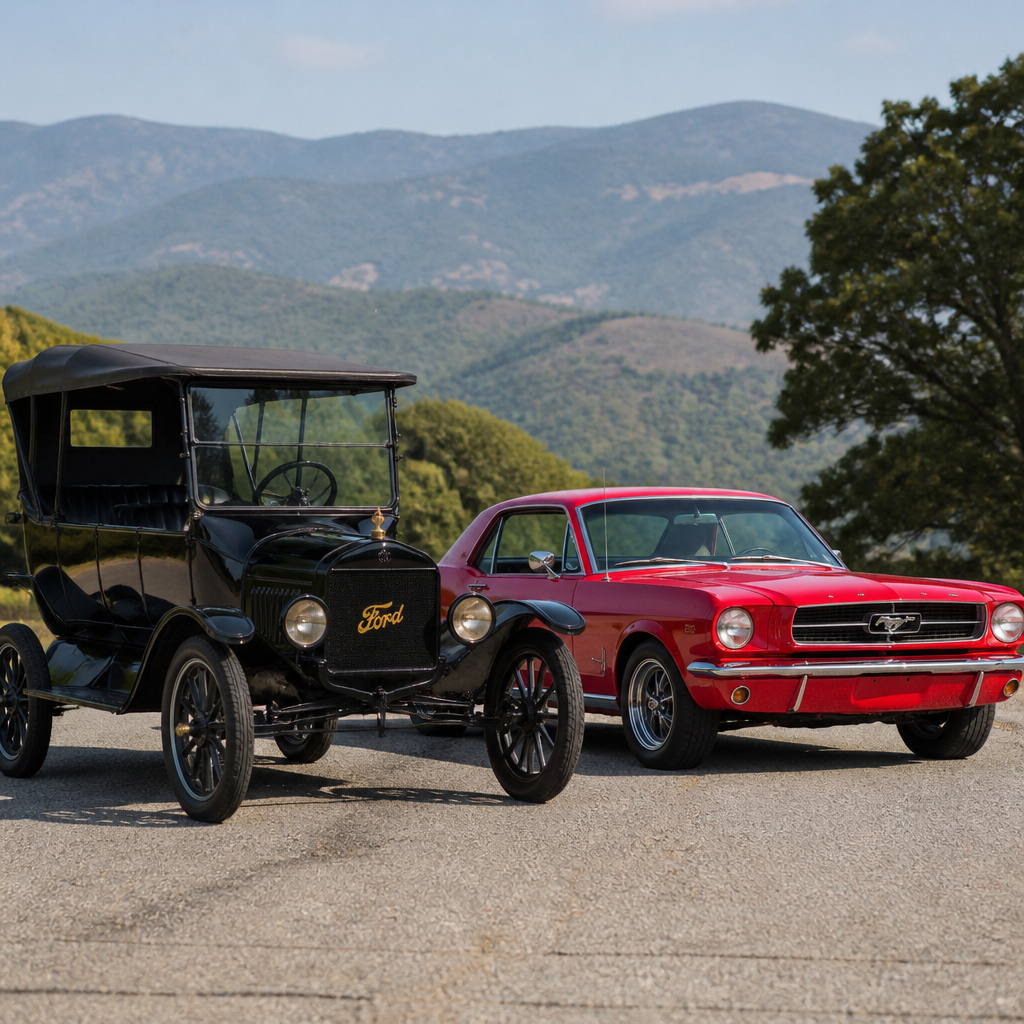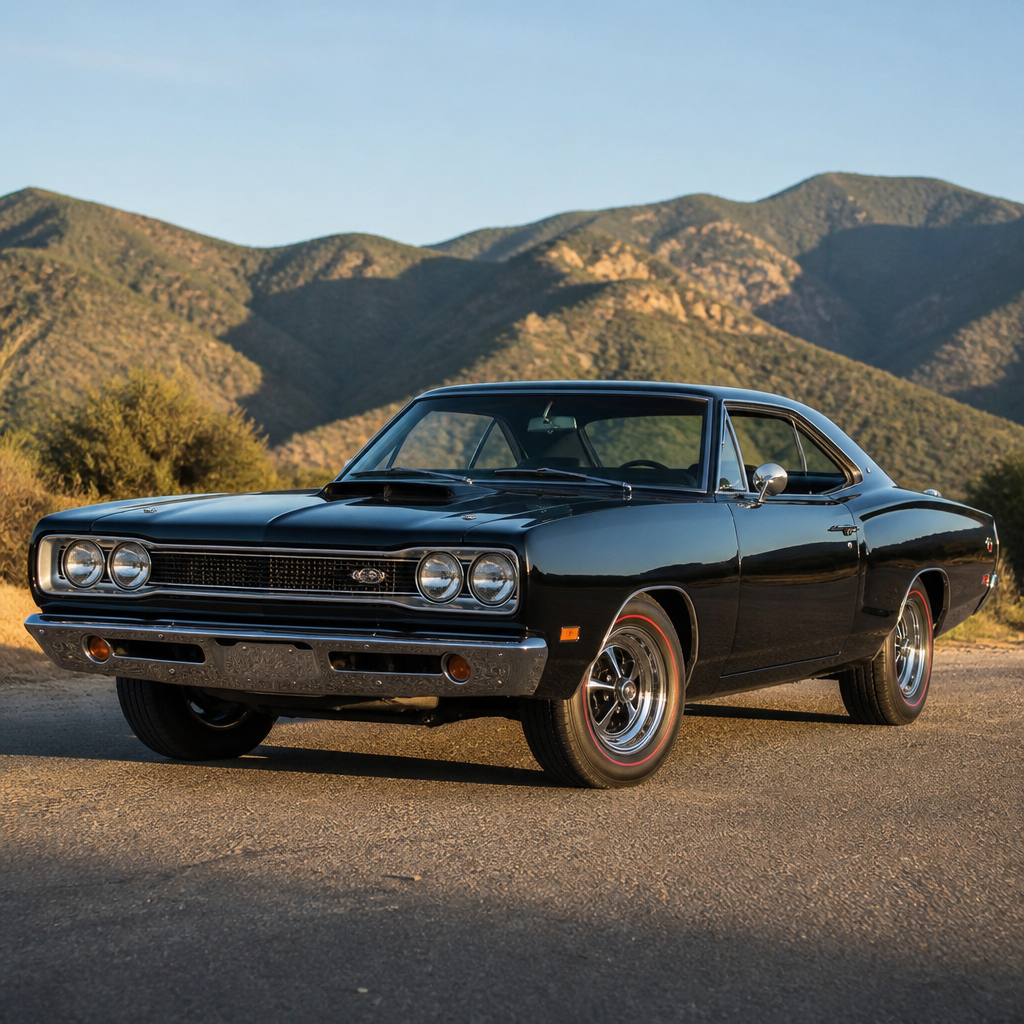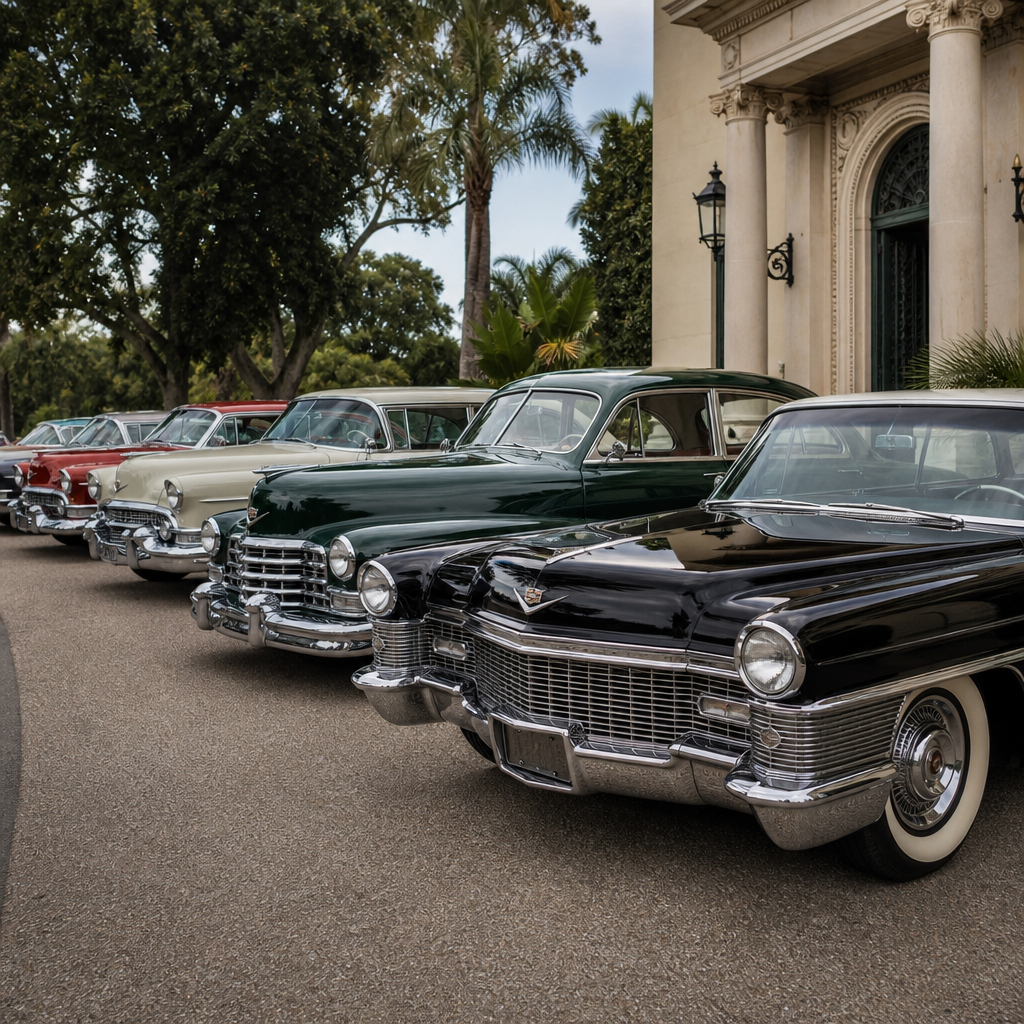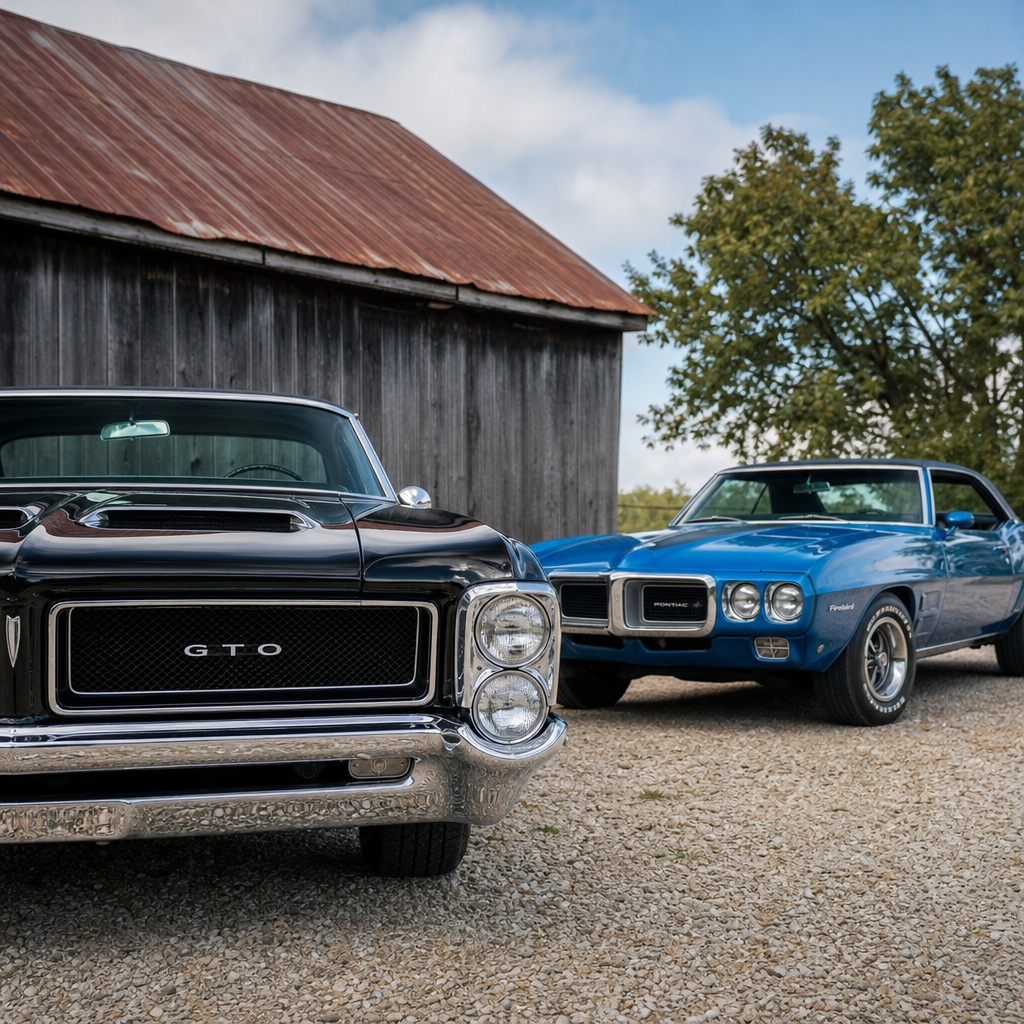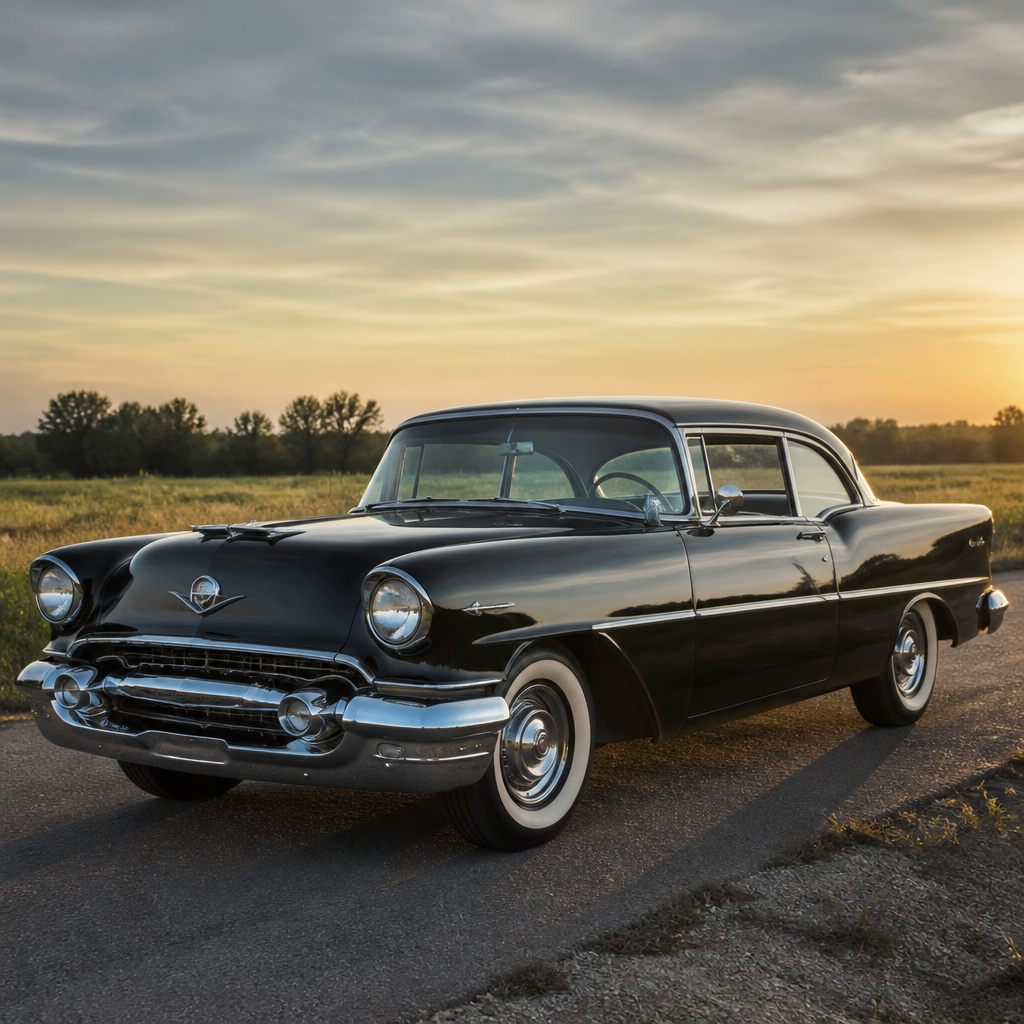
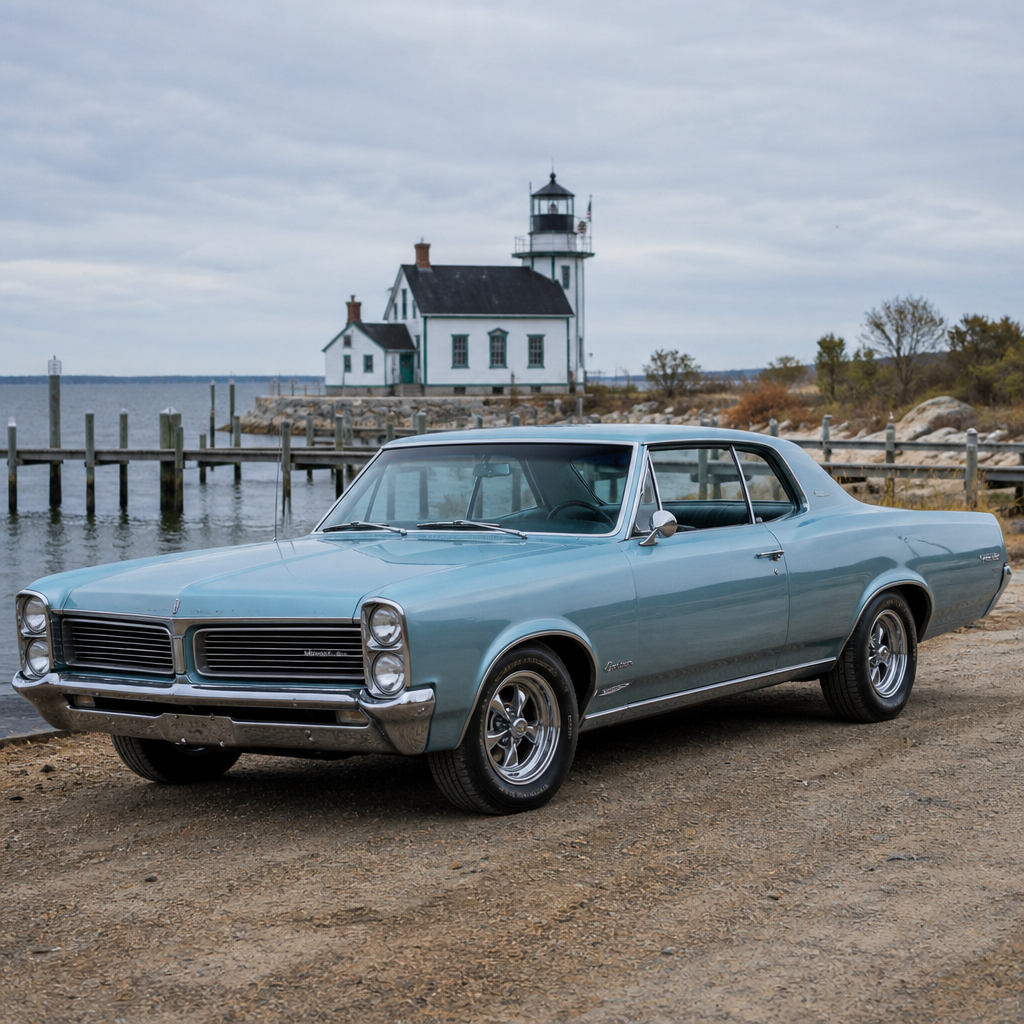
The most overlooked American classic cars occupy a strange place in the market: they are historically important, mechanically interesting, and often genuinely enjoyable to drive, yet they remain overshadowed by headline-grabbing muscle cars, blue-chip convertibles, and limited-production halo models. In practical terms, an overlooked classic is not simply cheap or obscure. It is a car with solid design, recognizable heritage, and enthusiast value that has never received market attention equal to its quality, rarity, or influence. Within the broader world of classic car models and brands, underrated classics form an essential category because they reveal how American manufacturers actually served drivers, responded to regulation, and experimented with engineering beyond the most famous nameplates.
I have spent years around collector auctions, marque clubs, restoration shops, and private garages, and the same pattern keeps repeating. Buyers chase the 1969 Camaro Z/28, 1970 Chevelle SS 454, or first-generation Mustang fastback while walking right past the Buick GS, AMC Rebel Machine, Oldsmobile Vista Cruiser, or Chrysler Cordoba. That gap matters for anyone building a collection or learning automotive history. Overlooked American classic cars often offer better entry pricing, easier parts access than many imports, and a more distinctive story at local shows. They also serve as a useful hub topic because they connect directly to muscle cars, personal luxury coupes, station wagons, compact performance models, and malaise-era survivors. Understanding underrated classics helps enthusiasts buy smarter, preserve neglected models, and appreciate the full diversity of Detroit’s golden decades.
Most people asking about underrated classics want direct answers to a few questions. Which American classic cars are undervalued? Why were some good cars ignored? Are overlooked cars a better buy than famous models? The short answer is yes, many are still undervalued, especially cars from brands or trim levels that lacked aggressive marketing or racing prestige. Some were ignored because they arrived at the wrong moment, such as just before emissions rules tightened or during fuel shocks. Others lived in the shadow of a more famous stablemate. As a collecting strategy, overlooked classics can be smarter buys because they deliver authentic period styling, V8 character, and historical depth without the premium attached to the usual poster cars.
To cover underrated classics comprehensively, this hub looks beyond simple bargain hunting. It examines what makes a car overlooked, identifies major categories where the best examples tend to hide, and explains how to judge value, parts support, and long-term appeal. The goal is not to argue that every neglected American car deserves instant collector status. Some were ordinary then and remain ordinary now. The worthwhile overlooked classics are the ones that combine strong identity, decent support, usable ownership, and a compelling place in the story of American car culture.
What makes an American classic car overlooked
An overlooked classic usually sits at the intersection of quality and neglect. In the market, that means buyer demand has lagged behind the car’s actual merits. The reasons are consistent. Brand hierarchy matters: Buick, Mercury, Oldsmobile, Plymouth, AMC, and even later Studebaker models routinely draw less attention than Chevrolet, Ford, and Dodge icons. Body style matters too. Hardtops, four-door performance sedans, wagons, personal luxury coupes, and compact V8 cars often carry less cachet than convertibles or homologation specials, even when they share engines and chassis with more valuable siblings.
Production timing plays an equally large role. Cars built in transitional years are easy to dismiss. A 1971 performance model may have impressive engineering but weaker published horsepower due to gross-to-net rating changes, lower compression, or emissions equipment. During my own research and field inspections, I have seen buyers reject excellent early-1970s cars based on outdated assumptions, not actual condition or drivability. Many of these cars offer torque, comfort, and road presence that compare favorably with better-known 1960s examples. The market often punishes them because they do not fit the clean narrative of pre-1970 greatness followed by post-1972 decline.
Documentation and visibility also affect whether a car becomes underrated. Models with active owners’ clubs, well-indexed registries, and regular auction coverage tend to rise faster. Cars without those support systems remain invisible longer, even when they are mechanically straightforward. That is why learning trim codes, engine options, and platform relationships is critical. A neglected Mercury Cyclone, for example, makes more sense when you know how it relates to Ford intermediates, available 429 power, and NASCAR-era brand strategy. Context turns an anonymous old coupe into a meaningful collector car.
Underrated muscle cars beyond the usual stars
The richest territory for overlooked American classic cars is the second tier of the muscle-car era. Everyone knows the Chevrolet Chevelle SS, Plymouth ‘Cuda, and Pontiac GTO. Fewer buyers study the 1965-1967 Buick Gran Sport, 1969-1971 Mercury Cyclone CJ and Spoiler, 1970 AMC Rebel Machine, 1968-1970 Ford Torino Cobra, or 1964-1967 Oldsmobile 442 in non-convertible forms. These cars delivered serious performance, often with excellent torque curves, stout drivetrains, and distinctive styling, yet they never built the same broad cultural footprint as the category leaders.
The Buick GS is a textbook case. Buick performance has long been underappreciated because the brand projected comfort and upper-middle-class restraint rather than youth-market aggression. Yet the Stage 1 455 became famous among informed enthusiasts for producing immense real-world torque. Even standard GS models provide the same handsome lines and strong mechanical foundation. In plain terms, a Buick GS can give an owner the V8 soundtrack, period interior, and stoplight authority people want from a muscle car, without requiring Chevelle money.
AMC deserves even more credit in any hub about underrated classics. The company lacked the dealer network and marketing muscle of the Big Three, but cars like the AMX, Javelin, and Rebel Machine were not novelty acts. They were serious attempts to deliver compact and midsize American performance with bold styling. The AMX, with its short wheelbase and two-seat layout, offered a uniquely American answer to sporty GT cars. Because AMC remains a niche marque, values have not always reflected the cars’ rarity or engineering interest. Parts sourcing can require more patience, but that barrier is exactly why these models remain overlooked instead of overhyped.
The same logic applies to Mopar intermediates outside the superstar ranks. A Dodge Coronet R/T or Plymouth GTX still has recognition, but a Plymouth Road Runner sedan, Dodge Dart Swinger 340, or Chrysler 300 letter-series successor can present more nuanced value. They are less obvious, often less restored, and frequently more interesting to experienced enthusiasts who have already seen rows of identical high-profile coupes. At a show field, rarity of sight can matter as much as rarity of production.
Personal luxury coupes, wagons, and other forgotten body styles
Not every overlooked classic is a burnout machine. Some of the best values in American collector cars come from body styles that the hobby ignored for decades: personal luxury coupes, full-size hardtops, and station wagons. The 1963-1967 Buick Riviera is no secret among designers, but many later Rivieras, Ford Thunderbirds, Chrysler New Yorkers, and Mercury Marquis two-doors still trade below their design significance. These cars represent an important American formula: long wheelbase comfort, dramatic sheet metal, generous V8 power, and cabin materials that reflected changing consumer tastes.
Station wagons are a particularly strong subcategory within underrated classics. For years they were dismissed as pure family transport, yet the market has finally begun to recognize how rare and culturally resonant they are. Models such as the Oldsmobile Vista Cruiser, Buick Sport Wagon, Chevrolet Kingswood Estate, and full-size Ford Country Squire tell a richer story about American life than many better-known coupes. Some even offered performance-adjacent hardware, big-block options, or trick roof designs. The Vista Cruiser, for example, is remembered partly because of its raised skylight roof, but its appeal goes deeper: it blends space, style, and unmistakable period identity.
Personal luxury coupes from the 1970s remain another underexplored niche. A first-generation Chevrolet Monte Carlo, Pontiac Grand Prix SJ, Chrysler Cordoba, or Lincoln Mark series car can deliver impressive craftsmanship, curb presence, and highway manners. These were image cars for buyers aging out of the youth-performance segment, and they sold in huge numbers. Because production was high, collectors often assume they are common and unimportant. In reality, unmodified survivors with original interiors, correct trim, and documented drivetrains are becoming difficult to find.
| Model | Why it is overlooked | What makes it appealing today |
|---|---|---|
| Buick GS 455 | Overshadowed by Chevelle and GTO | Massive torque, refined styling, strong parts crossover |
| AMC AMX | Niche brand and smaller support network | Distinctive layout, rarity, genuine performance pedigree |
| Oldsmobile Vista Cruiser | Wagon stigma for decades | Iconic roof design, family-history appeal, practical usability |
| Mercury Cyclone Spoiler | Lives in Mustang’s shadow | NASCAR-era links, sharp fastback styling, relative rarity |
| Chrysler Cordoba | Dismissed as malaise-era luxury | Excellent presence, comfort, and growing nostalgia |
Compact performers and transitional-era survivors
Another area where buyers can still find overlooked American classic cars is among compacts and transitional-era models. Cars such as the Chevrolet Nova SS, Dodge Dart Sport, Plymouth Duster 340, Ford Maverick Grabber, Mercury Comet GT, and Pontiac Ventura often delivered more performance than their current reputations suggest. In the late 1960s and early 1970s, these cars appealed to younger buyers who wanted lighter weight, lower insurance costs, and enough engine to embarrass bigger machinery. Today they remain attractive because they are simpler to store, easier to drive, and generally less intimidating to maintain than full-size performance cars.
The Ford Maverick is a good example of an honest, underrated classic. It never had the glamour of a Boss Mustang, but Grabber variants and V8 cars offer compact proportions, approachable mechanics, and surprising charm. Likewise, the Plymouth Duster 340 has earned some recognition, yet it still sits below E-body Mopars in market prestige even though it can be a more usable, less fragile ownership proposition. These cars matter because they reflect how performance adapted to changing insurance pressure, emissions rules, and buyer budgets.
Transitional cars from the mid-1970s through the early 1980s deserve a balanced reassessment as well. Not every malaise-era model is collectible, but dismissing the entire period misses several worthwhile classics. The 1978-1987 Chevrolet El Camino SS, Pontiac Can Am, 1979-1982 Fox-body Mustang, Buick Regal, and even certain full-size coupes embody the industry’s response to new constraints. When I evaluate these cars, originality becomes more important than raw specification. A well-preserved survivor with factory decals, emissions labels, dealer paperwork, and untouched upholstery can tell a more persuasive story than a heavily modified example chasing horsepower numbers it never had in stock form.
How to buy an underrated classic wisely
Buying an overlooked American classic car requires a different mindset than buying an established blue-chip model. You are not simply shopping for the lowest price. You are evaluating whether the car’s hidden strengths outweigh its weaker market support. Start with platform commonality. Cars sharing engines, transmissions, brakes, and suspension parts with more common models are easier to keep on the road. GM A-body cars, Ford intermediates, and Chrysler B-body derivatives often benefit from this mechanical overlap. Sheet metal and trim are another matter, so always research model-specific parts before committing.
Condition usually matters more than option density. I would rather own a solid, running Mercury Cyclone with complete trim and clean documentation than a rotted high-spec car missing unique moldings or interior pieces. Rust repair can erase any savings, especially on wagons and vinyl-roof cars where hidden corrosion spreads around glass channels, tailgates, quarter panels, and roof seams. Verify VIN tags, fender tags, cowl data, casting numbers, and date codes wherever applicable. On overlooked cars, authenticity can be difficult to prove later if paperwork is thin.
Support networks should influence every purchase decision. Join marque forums, national clubs, and model-specific social groups before you buy. The best owners I know locate trim, literature, and technical advice through club contacts rather than open marketplaces. Also think about your intended use. If you want a dependable weekend cruiser, prioritize cooling-system health, brake upgrades that remain visually discreet, tire availability, and charging reliability. If you want concours potential, originality of finishes, fasteners, decals, and interior materials becomes central. The smart move is to match the car to the ownership experience you actually want, then preserve what makes it distinctive. If one of these neglected machines fits your taste, start researching now and buy the best example you can afford.
Frequently Asked Questions
What makes an American classic car “overlooked” instead of simply cheap, rare, or forgotten?
An overlooked American classic car is usually a vehicle that has far more historical, mechanical, or design merit than its market reputation suggests. In other words, it is not just inexpensive, unusual, or under-publicized. Plenty of cheap old cars are cheap for good reason, and plenty of rare cars are rare because they were unpopular when new. A truly overlooked classic sits in a much more interesting category: it has recognizable heritage, real enthusiast appeal, and a meaningful place in American automotive history, yet it remains overshadowed by more famous models from the same era.
That imbalance often happens because collector attention tends to cluster around a few headline names. Big-block muscle cars, high-spec convertibles, homologation specials, and low-production halo models usually dominate auction coverage and enthusiast conversation. As a result, highly capable coupes, sedans, personal luxury cars, and intermediate-performance models with many of the same engineering traits often get ignored. These overlooked cars may share platforms, engines, styling themes, or development history with their more celebrated counterparts, but they never became poster cars.
In practical terms, an overlooked classic usually checks several boxes. It has strong design identity, a credible brand story, parts and service support that is at least manageable, and a driving experience that still feels engaging today. It may also represent a turning point in American car design, reflect a unique market trend, or showcase an engine or chassis configuration that deserves more respect than it typically receives. That combination of heritage, usability, and undervalued significance is what separates an overlooked classic from a merely old used car.
Why do some historically important American classics remain undervalued compared with more famous collector cars?
Market value in the classic car world is not determined by historical importance alone. It is shaped by image, nostalgia, media exposure, production mythology, and buyer familiarity. Many historically important American classics remain undervalued because they never developed the kind of public legend that drives mainstream demand. A car can be beautifully engineered, influential in its segment, and genuinely enjoyable to own, yet still sit in the shadow of a more aggressive-looking muscle car or a more glamorous convertible from the same period.
Brand hierarchy also plays a major role. Within a single manufacturer, certain nameplates become icons while others are treated as supporting characters. For example, a mid-level performance trim or a personal luxury coupe may have shared major components with a better-known halo model, but collectors often pay a premium for the badge with the strongest cultural memory. Auction houses, television coverage, and magazine features reinforce that pattern by repeatedly highlighting the same “must-have” cars, which can leave equally worthy alternatives underappreciated for decades.
Another factor is that many overlooked classics were built in body styles the market tends to undervalue. Enthusiasts often focus on two-door hardtops, convertibles, and top-engine options, while sedans, wagons, and less flamboyant coupes are dismissed despite offering the same era-specific character and much of the same engineering. In some cases, these cars were also seen as ordinary transportation when new, which means they lacked the aspirational image needed to become instant collectibles later. Ironically, that ordinary status is often exactly what makes them so compelling today, because they tell a broader and more honest story about American automotive culture than the usual superstar models.
What are the best qualities to look for when shopping for an overlooked American classic car?
The best overlooked American classics combine historical legitimacy with realistic ownership potential. First, look for strong model identity. A car does not need to be famous, but it should come from a respected lineage or represent a meaningful era for its manufacturer. Cars tied to important design shifts, engine families, platform innovations, or market trends tend to age better in enthusiast circles than random low-production oddities with no broader significance. Heritage matters because it supports long-term interest even when current prices remain modest.
Second, pay close attention to mechanical commonality and parts support. One of the smartest ways to buy an overlooked classic is to target models that share engines, transmissions, suspension pieces, or trim architecture with more popular vehicles. That can make restoration and maintenance far easier and far less expensive. A car may be underappreciated in the market, but if replacement parts are nearly impossible to find or model-specific details are unobtainable, affordability can disappear quickly. Good overlooked classics often live in the sweet spot between uniqueness and serviceability.
Third, buy on condition and completeness rather than chasing theoretical rarity. An honest, well-preserved car with intact trim, proper documentation, and solid structural health is usually a better purchase than a rarer example that needs everything. Rust, deferred maintenance, poor previous restorations, and missing one-year-only components can turn a promising classic into a costly project. Finally, think about why the car appeals to you beyond price. The best overlooked classics are enjoyable because they deliver style, sound, road feel, and personality that still resonate. If the car has character independent of market hype, it is much more likely to remain satisfying over time.
Are overlooked American classic cars actually enjoyable to drive, or are they mainly interesting as collectibles?
Many overlooked American classic cars are genuinely enjoyable to drive, and that is one of the strongest arguments in their favor. While they may not have the outrageous performance statistics or celebrity status of top-tier collector cars, they often deliver a balanced, approachable driving experience that works exceptionally well on real roads. In many cases, these cars were engineered for broad usability rather than all-out showroom bragging rights, which means they can feel more relaxed, more comfortable, and more rewarding over a full day behind the wheel.
Driving enjoyment depends heavily on what kind of experience you want. Some overlooked American classics shine through V8 torque, long-legged highway manners, and excellent visibility. Others stand out because they are lighter, better proportioned, or less burdened by the excess that affected certain better-known models. A forgotten intermediate coupe, compact performance sedan, or personal luxury car from the right era can offer strong steering feel, a satisfying mechanical soundtrack, and a style of analog motoring that modern cars simply cannot replicate. Even when outright handling is modest by modern standards, the sensory experience can be rich and memorable.
There is also a practical advantage to driving a car that is not treated as untouchable. Owners of blue-chip classics sometimes feel pressured to preserve mileage, avoid imperfect conditions, or maintain concours-level presentation. By contrast, an overlooked classic often invites more use and less anxiety. That can make ownership feel more authentic. Of course, not every underappreciated model is dynamically special, and buyers should always separate romance from reality. But when chosen carefully, these cars are often far more than static investments. They can be charming, capable, and deeply satisfying machines that reconnect drivers with the texture of American motoring history.
Will overlooked American classic cars become more valuable in the future?
Some overlooked American classic cars are likely to gain value, but the better way to think about them is in terms of long-term recognition rather than guaranteed price spikes. Collector markets are cyclical, taste-driven, and often unpredictable. A car can remain undervalued for years and then attract sudden attention because a younger generation develops nostalgia for it, because top-tier alternatives become too expensive, or because enthusiasts begin to appreciate a broader slice of American automotive history. That said, not every overlooked classic is destined for major appreciation simply because it has been ignored.
The cars with the best long-term potential usually have a combination of strong styling, a compelling brand or model story, usable performance, and manageable ownership costs. Documentation, originality, desirable options, and body style also matter. Vehicles that represent a distinctive moment in design or engineering often age well as collector tastes evolve. In contrast, cars with weak parts support, confusing identities, or little enthusiast community backing may remain niche even if they are interesting. Value growth tends to follow visibility, and visibility tends to follow narrative. The easier it is for buyers to understand why a model matters, the stronger its long-term prospects usually are.
For most buyers, the smartest approach is to view appreciation as a bonus rather than the sole reason to purchase. Overlooked classics can be excellent buys because they often deliver a lot of history, style, and mechanical character for the money right now. If the market eventually catches up, that is welcome. If it does not, you still own a car with substance and personality instead of a speculative object. In that sense, overlooked American classics can be among the most rational purchases in the collector world: they offer heritage and enjoyment first, with financial upside as a possible second act.