Classic car auction houses sit at the center of the collector-car market, connecting consignors, dealers, restorers, and enthusiasts in a structured setting where rare vehicles are presented, inspected, and sold under published terms. When buyers ask where to buy classic cars, auctions are one of the clearest answers because they concentrate inventory, publish catalog information, and create transparent price discovery through live bidding, online bidding, or sealed formats. In my work reviewing sale results, catalog descriptions, and condition reports, I have seen buyers make excellent purchases at auction and expensive mistakes for the same reason: they treated the event as entertainment instead of a disciplined transaction. Understanding how major classic car auction houses operate matters because each company attracts different cars, different sellers, and different buyer expectations. Some specialize in blue-chip European sports cars, some dominate American muscle and no-reserve collections, and others blend online reach with in-person events. This hub explains the top classic car auction houses, how they differ, what fees and risks to expect, and how to use auctions as part of a broader strategy for where to buy classic cars confidently.
What a Classic Car Auction House Does
A classic car auction house is more than a venue with an auctioneer and a stage. The best firms source consignments, vet ownership paperwork, photograph vehicles, write catalog entries, coordinate transport, and market sales to segmented bidder lists. They also establish reserve structures, collect bidder registration, publish conditions of sale, and process funds after the hammer falls. In practical terms, that means an auction house acts as marketplace operator, marketing agency, and transaction administrator all at once. For buyers, the attraction is concentrated selection. At major events such as Scottsdale, Monterey, Amelia Island, Paris, or Essen, you can compare dozens or hundreds of cars across categories in a single weekend, from prewar coachbuilt cars to analog supercars of the 1980s and 1990s.
The auction model creates real price signals because bidding is public and time-bound. If two determined buyers want the same Ferrari 275 GTB, Jaguar E-Type Series 1 roadster, or Hemi ‘Cuda, the market value is tested immediately. That makes auction results useful beyond the actual sale; insurers, lenders, dealers, and private parties all study them. Still, auction prices are not perfect benchmarks. Venue, weather, catalog placement, reserve strategy, and bidder attendance can move results materially. A tired Porsche 911 offered on a quiet weekday online sale may underperform an equivalent car crossing the block during a high-energy evening session. Buyers who understand that context read auction data correctly and avoid overgeneralizing from one result.
Top Classic Car Auction Houses and Their Strengths
RM Sotheby’s is widely regarded as the benchmark for high-value collector cars. It is strongest with significant European classics, competition cars, coachbuilt prewar models, and investment-grade Ferraris, Aston Martins, Mercedes-Benz models, and Porsches. Its catalogs are typically detailed, photography is polished, and the client base includes seasoned international collectors. Gooding Christie’s occupies a similar upper tier, with exceptional curation and strong results at Monterey and Amelia Island. Cars with provenance, matching-numbers drivetrains, rare factory options, and documented restoration history tend to perform well there because the audience values nuance and originality.
Bonhams Cars has long handled quality consignments across Europe and the United States, with particular strength in historic events and estate-backed offerings. Mecum, by contrast, is known for scale, frequency, and broad American appeal. If you are shopping for Corvettes, Shelby Mustangs, Mopars, pickup trucks, restomods, or accessible classics, Mecum often provides enormous variety. Barrett-Jackson is a cultural force in televised collector-car sales and has built its reputation on high-energy live events, celebrity consignments, charity cars, and a large no-reserve format. Broad Arrow has become increasingly relevant at the top end, especially through partnerships with concours-level events and strong specialist talent. Worldwide Auctioneers and smaller regional firms can also be important, particularly for brass-era cars, Americana, and niche collector communities that larger houses may not serve as deeply.
Online-first platforms changed the market significantly. Bring a Trailer and Cars & Bids are not traditional auction houses in the old ballroom sense, but they are central to where to buy classic cars today. Bring a Trailer is especially influential for analog sports cars, enthusiast-owned drivers, and highly documented listings where comments from the community sharpen scrutiny. Cars & Bids leans newer, but modern classics and youngtimer performance cars trade actively there. These platforms increased transparency by encouraging public questions, underside photos, cold-start videos, paint meter readings, and ownership narratives. For many buyers, they are now the first stop before a live auction calendar is even considered.
How to Evaluate an Auction Before You Bid
The best auction house for a buyer depends less on brand prestige than on fit. Start with the sale type, category depth, and average hammer price. A buyer seeking a usable Triumph TR6, Mercedes-Benz R107 SL, or C3 Corvette may get more realistic choice at a large-volume auction than at a prestige sale focused on eight-figure automobiles. Review the catalog early, not the night before. Look for chassis numbers, engine number disclosures, restoration dates, ownership history, and whether the description uses careful language such as “stated by the seller,” “believed to be,” or “matching numbers.” Those phrases matter. They signal where verification is strong and where it is not.
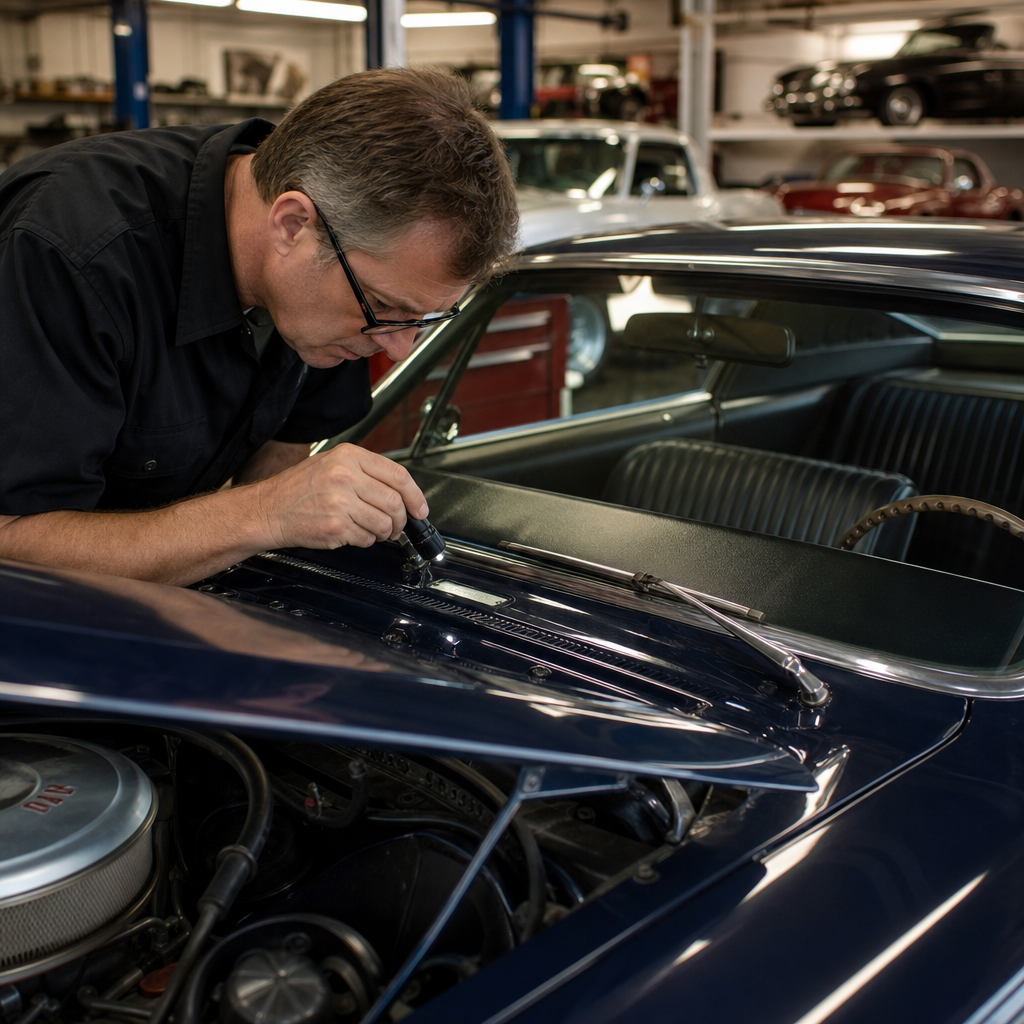
Next, read the terms and conditions. Buyer’s premium can add materially to total cost, often landing in the 5 percent to 12 percent range depending on value tier and platform, with online fees structured differently. Sales tax, import duty, storage charges, late pickup penalties, and wire fees can all apply. Then inspect the car in person whenever possible. Auction houses generally sell cars as-is, where-is. A glossy catalog cannot tell you whether a Pagoda SL has hidden sill corrosion, whether a big-block Chevelle has fresh undercoating masking repairs, or whether a Dino shifts cleanly into second when cold. I always recommend arriving with a flashlight, magnet where appropriate, tire tread gauge, paint meter, and a checklist tailored to the model.
Major Auction Houses at a Glance
| Auction house | Best known for | Typical buyer fit | Notable strength |
|---|---|---|---|
| RM Sotheby’s | Blue-chip collector cars | Advanced collectors | Provenance-heavy, international consignments |
| Gooding Christie’s | Concours-level curation | Buyers seeking top-quality examples | Strong originality and documentation focus |
| Bonhams Cars | Historic and global sales | Cross-border buyers | Event-based specialty auctions |
| Mecum | High-volume American classics | Broad enthusiast market | Huge inventory and frequent events |
| Barrett-Jackson | No-reserve live spectacle | Buyers wanting certainty of sale | Strong retail energy and visibility |
| Bring a Trailer | Online enthusiast listings | Research-oriented buyers | Public comments and detailed media |
Where Auctions Fit Among Other Places to Buy Classic Cars
This page is a hub for where to buy classic cars, so auctions should be viewed alongside dealers, private sellers, online marketplaces, marque specialists, brokers, and enthusiast forums. Auction houses offer breadth and real-time pricing, but not always the depth of after-sale support you might get from a reputable specialist dealer. A dealer focused on air-cooled Porsche models, for example, may provide workshop inspections, service records organization, and post-purchase problem resolution that an auction will not. Private sellers can offer better value because there is no buyer’s premium, but the burden of verification falls more heavily on the buyer. Online classified marketplaces offer choice but require more filtering because listing quality is inconsistent.
The smart buyer uses these channels together. Auction results help establish market levels. Dealer inventory shows asking-price logic and retail presentation standards. Forum discussions reveal model-specific weaknesses. Club events and concours gatherings surface off-market cars. If you are hunting a first-generation Ford Bronco, you may learn from auction comps that restored trucks are peaking, from a dealer that rust repair quality varies dramatically, and from an owners’ forum that steering conversions and VIN stamp issues deserve extra scrutiny. Seen this way, auction houses are not the only answer to where to buy classic cars, but they are often the most efficient starting point for understanding supply, demand, and specification differences.
How Bidding Works, and Why Price Can Move Fast
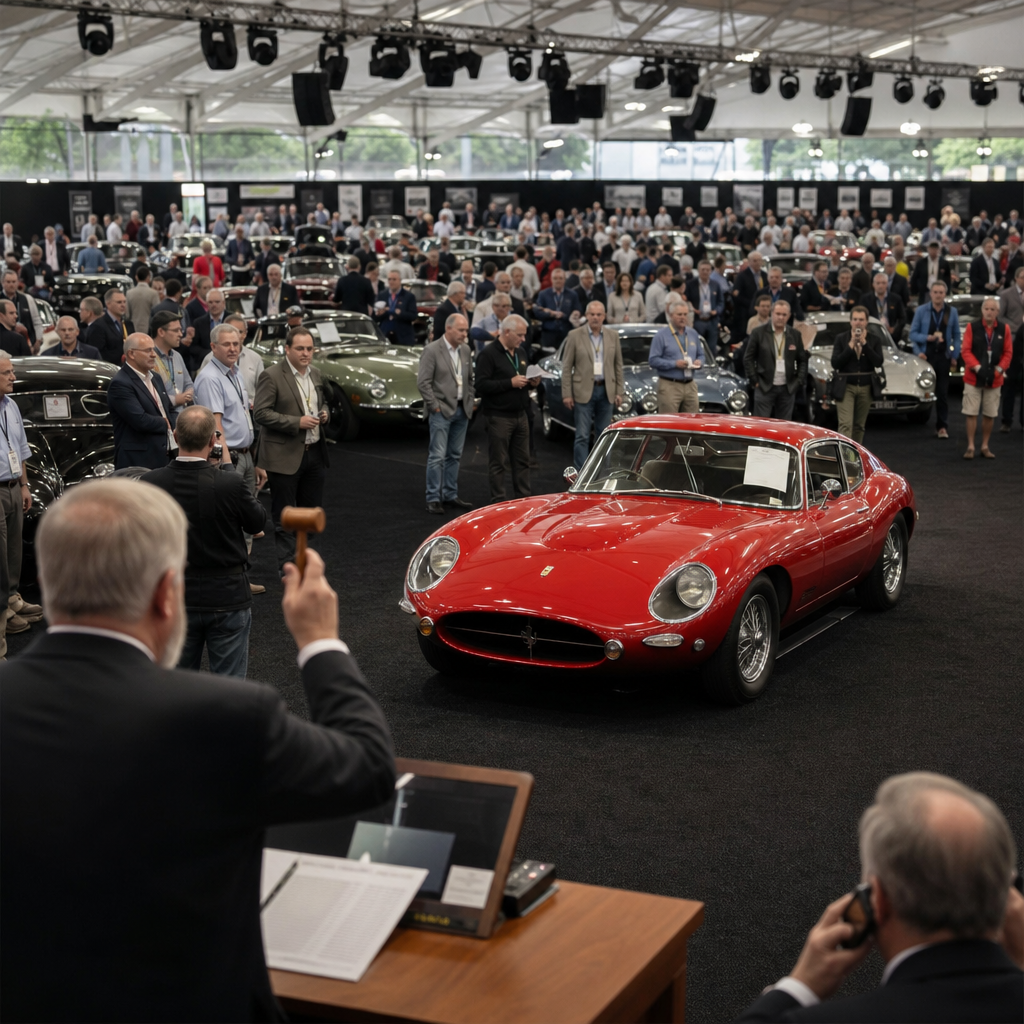
Most live sales follow a familiar pattern: consignment is accepted, reserve is agreed or waived, the car is cataloged, bidder registration opens, preview days allow inspection, then the car crosses the block with bidding from the room, telephones, absentee instructions, and online platforms. If bidding reaches reserve, the hammer price forms the sale amount before premium and taxes. If it does not, the car may be announced as “bid goes on,” meaning post-block negotiation can still produce a deal. Online-only auctions use countdown clocks and anti-sniping extensions, usually adding time when late bids arrive. That structure reduces last-second gaming and gives serious bidders time to respond.
Prices move quickly because auction psychology compresses decision-making. A bidder who would pause for days in a private sale may commit in seconds once scarcity and competition become visible. That is why discipline matters. Set an all-in ceiling before the sale, including premium, transport, immediate service, tire replacement if age-coded out, and any import or registration cost. If your ceiling for a driver-quality Alfa Romeo Spider is $42,000 all-in and the hammer is already at $39,000 with premium still to come, stop. Many buyers bust budgets because they anchor to hammer price alone. Professionals do not. They work backward from total ownership entry cost.
Due Diligence: Condition, Provenance, and Paperwork
Due diligence is where successful auction buying is won. Start with identity. Confirm the VIN or chassis number on the car matches the title, catalog, and any marque records. On older vehicles, verify body tags, engine stampings, gearbox numbers, and date codes where relevant. For cars marketed as matching numbers, request supporting documents from recognized sources such as Porsche Kardex or Certificate of Authenticity equivalents, Ferrari Classiche records where applicable, Jaguar Heritage Trust certificates, or factory build documentation. Provenance claims should be tested, not admired. “Celebrity owned” adds little unless ownership is documented and market-relevant.
Condition is next. Paint meter readings can reveal filler or multiple repaint events. Panel gaps show bodywork quality. Underbody photos should be examined for corrosion, patch repairs, and jack damage. Service records matter more than sellers admit. A Mercedes-Benz 300SL with recent fuel-injection service, brake work, and suspension rebuild is worth materially more than a cosmetically similar car that has sat dormant. For modern classics, scan-tool diagnostics, compression or leak-down tests, and review of deferred maintenance are crucial. Auction houses may provide condition summaries, but those are not substitutes for independent inspection. The most expensive problems are often mechanical and hidden: weak oil pressure, overheating, gearbox synchro wear, electrical gremlins, and poor restoration workmanship.
Fees, Transport, and the Real Cost of Buying at Auction
Many first-time buyers underestimate transaction costs. Buyer’s premium is only the beginning. Transport from the venue may require enclosed shipping for valuable or fragile cars, and timing matters because storage fees can begin quickly after the sale closes. International purchases introduce customs declarations, marine insurance, port handling, and local compliance work. A car bought in Europe for U.S. import may need EPA and DOT exemption documentation based on age; a car heading the other way may trigger VAT issues depending on jurisdiction and seller status. These are routine matters, but they are not trivial.
Then there is recommissioning. Even a represented “turn-key” classic often needs fluids, belts, hoses, battery review, brake inspection, and tire age verification before regular use. I advise buyers to reserve a post-purchase contingency fund of at least 10 percent on driver cars and more on complex exotics. That is not pessimism; it is realism. Classic cars are aged machines, and auction deadlines can compress preparation. The practical advantage of budgeting this way is simple: if nothing major is needed, you keep the surplus. If the car needs a clutch hydraulic overhaul, carburetor synchronization, or cooling-system refresh immediately, you are prepared.
Choosing the Right Auction House for Your Goals
If your goal is top-tier provenance and the strongest possible market acceptance when you eventually resell, the highest-curation houses often justify their premiums. If your goal is broad selection and frequent opportunities, volume-driven auctions and leading online platforms may be better. If you are new to the hobby, choose sales where information is abundant, photography is thorough, and staff will answer practical questions directly. There is no shame in starting with a transparent, well-documented driver rather than chasing the rarest version of a model. In fact, that is usually the wiser move.
The best way to use this hub on where to buy classic cars is to treat auction houses as one decision branch within a complete buying strategy. Compare sale results, inspect carefully, understand fees, and match the venue to the type of car you want. The top classic car auction houses explained here each serve a real purpose, but none replaces disciplined research. Follow the links in this subtopic, study model-specific guides, and enter your next auction with a checklist, a budget, and the confidence to walk away when the numbers stop making sense.
Frequently Asked Questions
What do classic car auction houses actually do, and why are they so important in the collector-car market?
Classic car auction houses do far more than simply provide a room where vehicles are sold to the highest bidder. They act as market makers, organizers, and intermediaries that bring together consignors, buyers, dealers, restorers, appraisers, and enthusiasts in one structured environment. A reputable auction house vets consignments, prepares vehicle descriptions, publishes catalogs, coordinates marketing, sets bidding procedures, and manages the legal and administrative side of the sale. That framework is a major reason auctions remain one of the most visible answers to the question of where to buy classic cars.
Their importance comes from the way they concentrate inventory and create real-time price discovery. Instead of searching private listings one by one, buyers can compare multiple vehicles across eras, marques, restoration levels, and price points in a single event or online platform. Auction houses typically publish lot details in advance, giving bidders the opportunity to review provenance, specifications, ownership history, and available documentation before sale day. For collectors, that level of organization is valuable because it creates a clearer picture of the market than isolated private-party transactions often can.
They also add transparency through published terms and recorded sale results. Whether the sale is conducted live in person, online, by telephone, or through sealed bidding, the process generally follows established rules that define reserves, bidding increments, buyer’s premiums, and payment timelines. That structure helps both sellers and buyers understand what to expect. In the upper tiers of the market, the best auction houses also influence trends, highlight significant vehicles, and set benchmark prices that affect insurance valuations, dealer inventory strategies, and future private sales.
How do the top classic car auction houses differ from one another?
Not all classic car auction houses operate the same way, and understanding those differences can help buyers and sellers choose the right venue. Some specialize in blue-chip collector cars such as pre-war European classics, concours-level American muscle, important Ferraris, or historically significant racing vehicles. Others focus on broader enthusiast markets, offering everything from entry-level vintage cruisers to highly restored investment-grade cars. The best choice often depends on the type of vehicle being sold, the expected price range, and the audience most likely to compete for it.
Auction houses also differ in format and buyer experience. Some are best known for prestigious live events held alongside major concours gatherings, collector-car weeks, or destination sales. These events often attract international bidders, media attention, and seasoned collectors willing to pay a premium for rarity and presentation. Others emphasize large-volume sales, no-reserve inventory, or online-only platforms that make bidding more accessible to a wider audience. Online bidding has expanded the market significantly, allowing buyers to participate remotely while still reviewing detailed listings, photos, and in some cases condition reports or videos.
Another key difference is the level of curation and due diligence. A highly selective house may accept fewer cars but provide stronger marketing, deeper catalog descriptions, and a more targeted audience. A volume-driven auction may move more cars quickly but offer less individualized exposure per lot. Fee structures vary as well, including seller’s commissions, buyer’s premiums, entry fees, photography packages, and insurance or transport coordination. For that reason, evaluating an auction house means looking beyond its name recognition and considering its specialties, historical results, bidder base, presentation standards, and the quality of service it provides before and after the sale.
Are classic car auctions a good place for buyers who are wondering where to buy classic cars?
Yes, classic car auctions can be an excellent place to buy, especially for people who want access to concentrated inventory and a clearer view of current market values. One of the biggest advantages is efficiency. Instead of spending months monitoring classifieds, dealer listings, and private networks, a buyer can review dozens or even hundreds of vehicles gathered under one event umbrella. Auction catalogs typically include key details such as year, make, model, chassis information, restoration claims, provenance notes, and ownership background, which gives buyers a useful starting point for evaluation.
Another major benefit is transparent competition. Auctions create price discovery in a way that private sales often do not. When multiple bidders are willing to raise the price in public or on a tracked online platform, the final result offers a practical snapshot of what the market will bear at that moment. For informed buyers, this can be helpful in identifying whether a car is selling below, at, or above prevailing expectations. It also allows shoppers to compare similar vehicles across multiple sales and better understand how originality, documentation, color combinations, or recent restoration work influence value.
That said, auctions are not automatically the cheapest or safest way to buy. Buyers still need discipline, research, and an awareness of fees. A hammer price is not the same as the total purchase price once buyer’s premiums, transport, taxes, and possible post-sale repairs are added. Because many collector cars are sold as-is, the responsibility for inspecting the car, verifying claims, and reviewing the terms of sale falls heavily on the bidder. Auctions reward preparation. For buyers who study the catalog, inspect the vehicle carefully, understand the bidding environment, and set a firm budget, they can be one of the strongest and most efficient paths into the classic car market.
What should sellers know before consigning a vehicle to a classic car auction house?
Sellers should start by understanding that the auction house they choose can significantly affect both the audience their car reaches and the final sale result. The first consideration is fit. A rare coachbuilt European car, an unrestored muscle car survivor, and a well-sorted entry-level classic may each perform better at different venues. Sellers should look at the auction house’s past results for similar models, the demographics of its bidders, the event calendar, and whether the sale format aligns with their goals. A premium live event may deliver stronger exposure and prestige, while an online auction may offer speed, flexibility, and lower overhead.
Consignors also need to pay close attention to terms. This includes seller’s commission, photography and catalog fees, transport requirements, insurance coverage while the vehicle is on site, and whether a reserve can be set. Reserve strategy matters a great deal. A reserve that is too high can discourage bidding or result in a no-sale, while a realistic reserve may encourage momentum and create confidence among participants. Many experienced sellers discuss estimated value ranges with the specialist team and base reserve decisions on market data rather than emotion or sunk restoration costs.
Preparation is equally important. The strongest consignments are usually accompanied by organized documentation, including title records, service history, restoration invoices, ownership history, judging awards, tool kits, manuals, and authenticity certifications where applicable. Clean presentation matters as well. Even serious collectors respond to visual quality, and a properly detailed vehicle with accurate, well-supported descriptions is more likely to build trust. Sellers should also ask how the auction house plans to market the car, whether it will be featured in printed or digital promotions, and how much specialist attention their lot will receive. A good auction house does not just list a car; it packages and positions it for the right buyers.
How can buyers reduce risk and bid confidently at a classic car auction?
The best way to reduce risk is to treat auction bidding as the final step in a research process, not the first. Before the sale, buyers should read the catalog description closely, review all available photographs, and study any condition reports, ownership notes, restoration summaries, or supporting documents provided by the auction house. It is wise to compare the car against known market results for similar examples and to understand what drives value for that specific model. Originality, matching numbers, body style, production rarity, color combination, restoration quality, and period-correct components can all materially affect price.
Inspection is critical whenever possible. If attending in person, buyers should examine the vehicle during preview periods and, if the auction permits, bring along a marque expert, restorer, or mechanic familiar with that type of car. If bidding remotely, request additional photos, videos, underbody images, engine stampings, and documentation scans. Ask direct questions about rust, accident history, drivability, repaint quality, mechanical condition, and any known deviations from factory specifications. Strong auction houses are usually clear about the fact that they are facilitating the sale, not guaranteeing every representation, so informed diligence remains essential.
Finally, set a strict all-in budget before bidding begins. That number should include the hammer price plus buyer’s premium, shipping, registration, taxes, and an allowance for immediate maintenance or sorting. Auction excitement can push bidders past rational limits, especially when a car appears in excellent cosmetic condition or has generated strong room energy. Seasoned buyers decide in advance what the car is worth to them and stop there. Confidence at auction does not come from bidding aggressively; it comes from knowing the car, knowing the rules, and knowing the maximum price that still makes sense once every additional cost is accounted for.