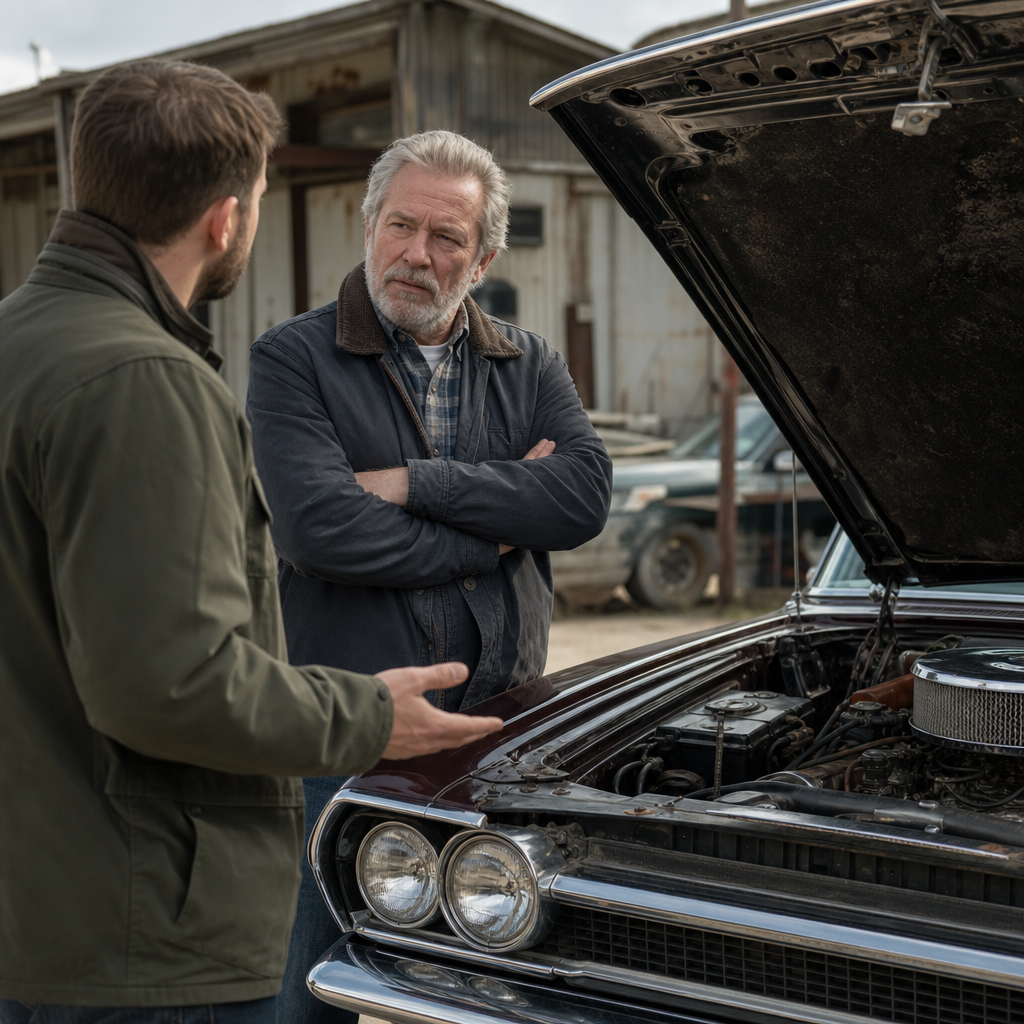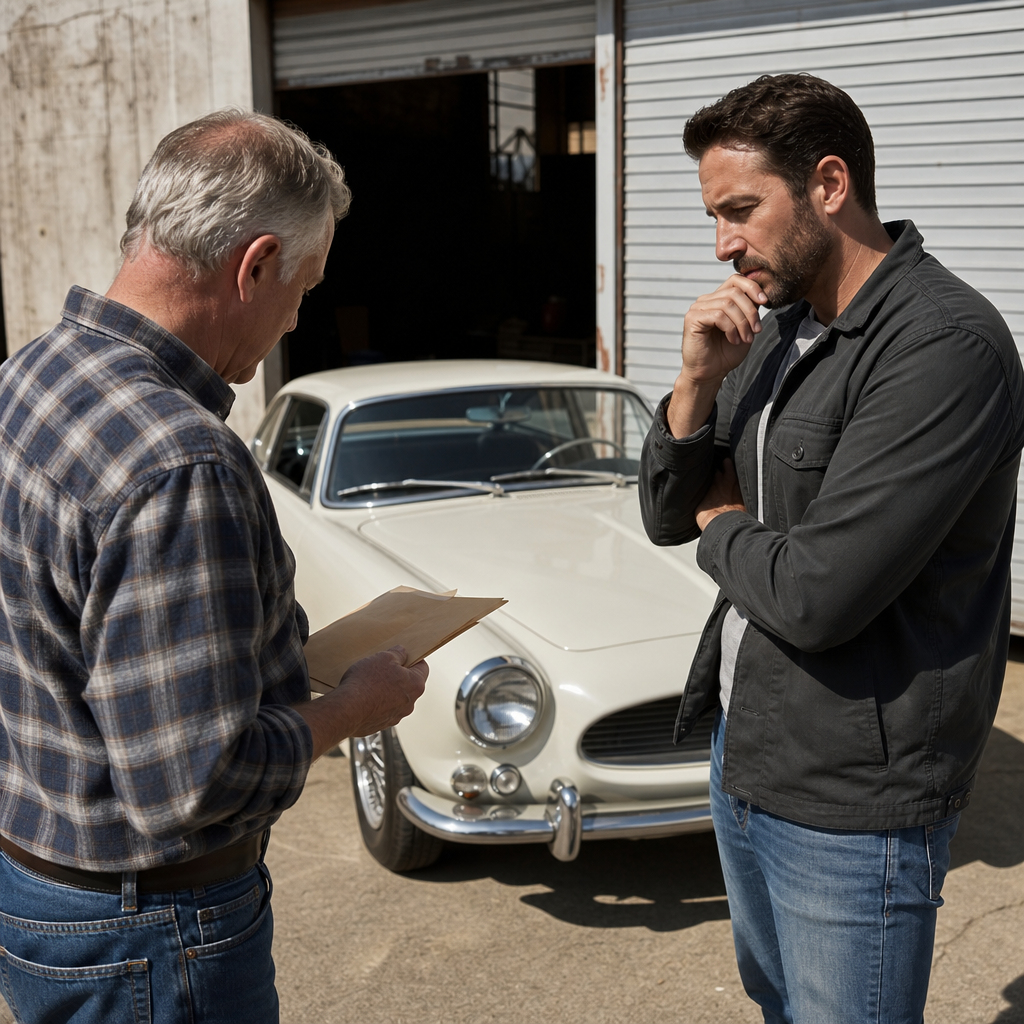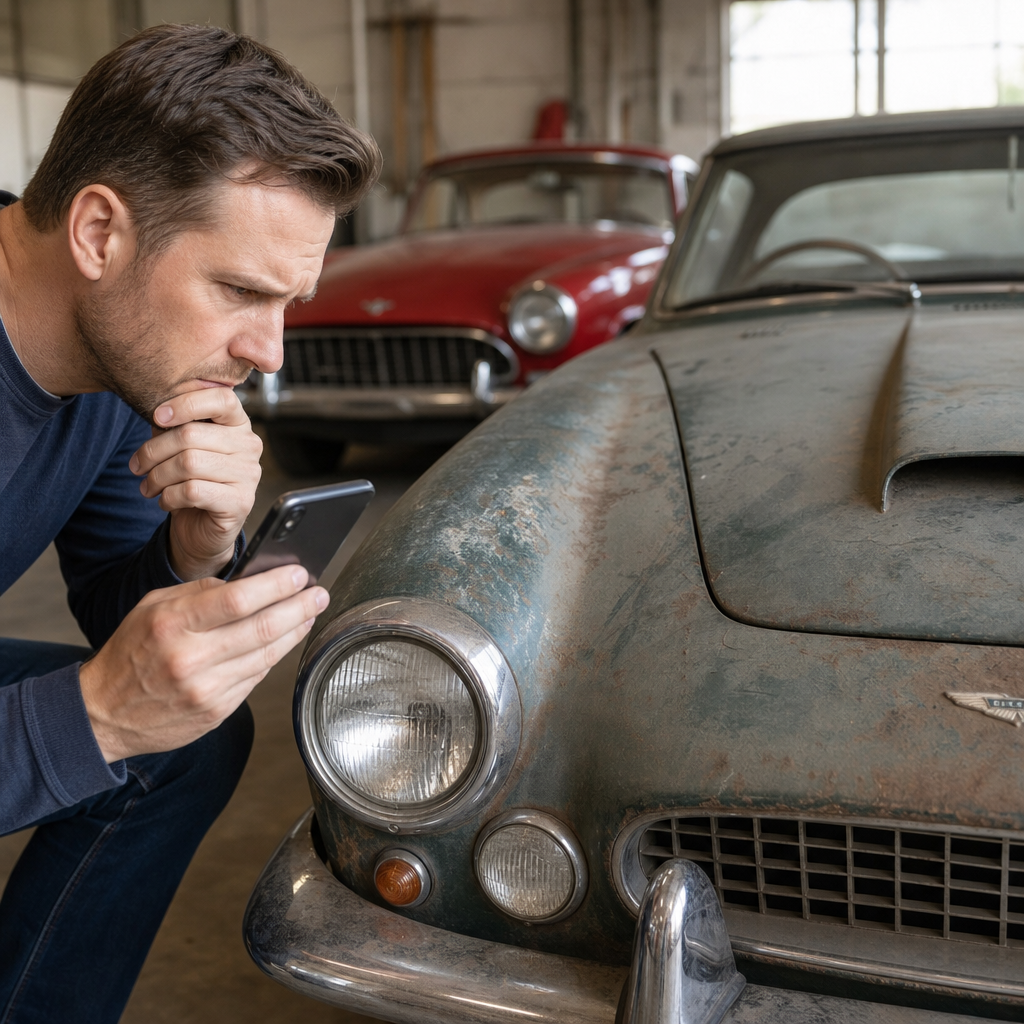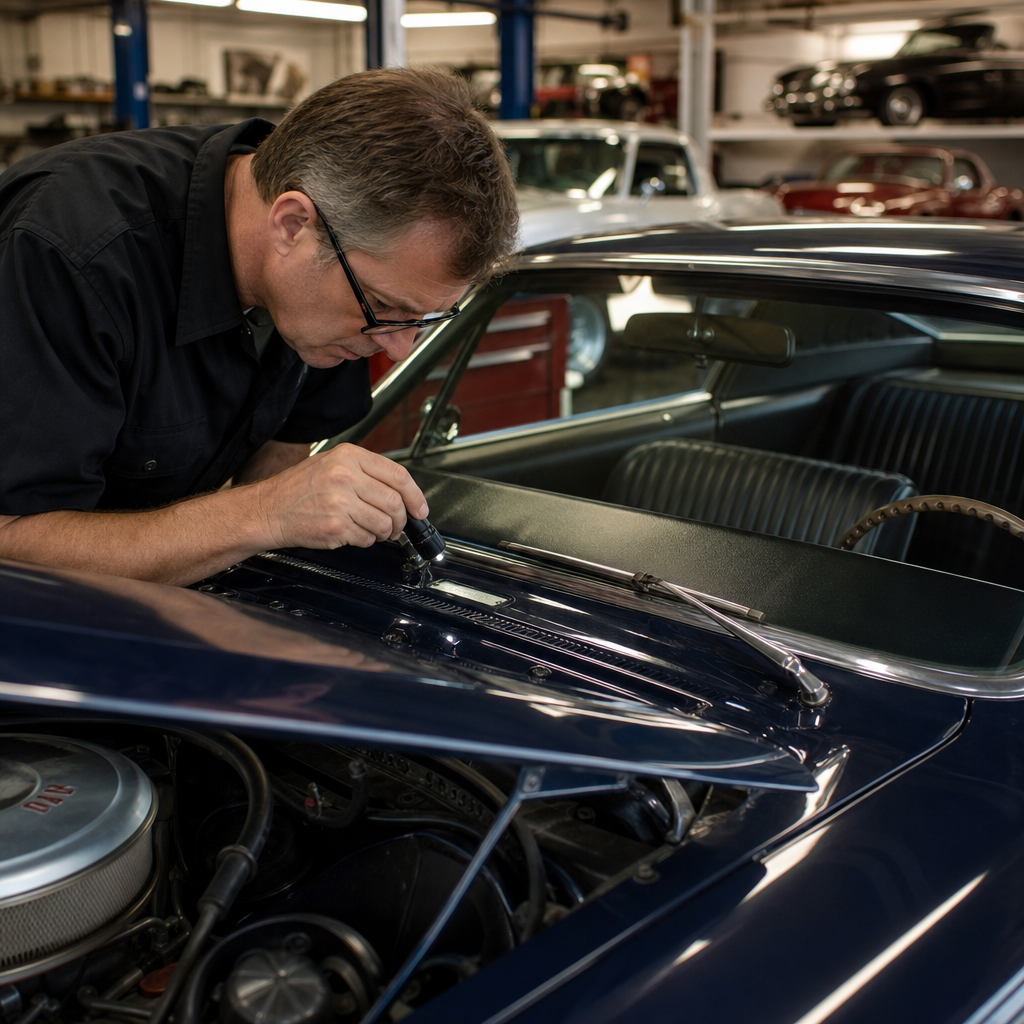
Buying classic cars on Bring a Trailer requires more than enthusiasm and a fast internet connection. It requires judgment, preparation, and a clear understanding of how online enthusiast auctions differ from a local classified ad, a dealer showroom, or a major live auction house. Bring a Trailer, often shortened to BaT, is one of the most influential marketplaces in the collector-car world, known for curated listings, active comment threads, and a large audience of buyers who notice details quickly. For anyone researching where to buy classic cars, this platform deserves close attention because it blends auction transparency, nationwide reach, and community scrutiny in a way few competitors match.
I have spent years reviewing listings, decoding seller language, checking photo sets, and helping buyers avoid expensive mistakes. The biggest lesson is simple: BaT can be an excellent place to buy a classic car, but only if you approach it like an informed operator rather than a casual browser. A winning bid is not the hard part. The hard part is identifying the right car, verifying condition from a distance, understanding fees and transport, and knowing when a lively comment section reflects healthy interest versus unresolved risk. This article explains how Bring a Trailer works, what makes it useful, where it falls short, and how it compares with other places buyers shop for vintage, antique, and collector vehicles.
How Bring a Trailer Works and Why Buyers Use It
Bring a Trailer is an online auction marketplace focused on enthusiast vehicles, including classic cars, modern collectibles, trucks, motorcycles, and occasionally memorabilia. Sellers submit a vehicle for review, BaT selects listings it wants to feature, and auctions typically run for seven days. Near the end, the platform uses a rolling close, so any bid in the final minutes extends the auction. That structure reduces last-second sniping and gives serious bidders time to respond. Buyers like it because the format creates visible price discovery. You can watch bids rise, read questions from other enthusiasts, and study prior sales data before making a decision.
The comment section is one of the platform’s strongest features. Knowledgeable users often ask about paint meter readings, compression numbers, VIN stampings, rust-prone areas, service records, and originality. On a Porsche 911 listing, for example, commenters may focus on matching numbers, Fuchs wheel date codes, and known issues with head studs or chain tensioners. On a vintage Ford Bronco, they may ask whether the truck still carries factory sheet metal, where rust repair was performed, and whether the transfer case and axle tags align with the stated build. That crowd-sourced diligence does not replace an inspection, but it often surfaces useful facts quickly.
Buyers also use BaT because the archive is powerful. If you are evaluating where to buy classic cars, having access to past sale results, photos, and comments helps you benchmark the market. You can compare a driver-quality Mercedes-Benz 280SL with a restored example, or see how a small-block Chevrolet C10 with air conditioning sold against a more original truck with lower mileage. Few marketplaces provide that level of public historical context. It helps buyers understand not just what cars are listed, but what actually sells and why.
How to Evaluate a Listing Before You Bid
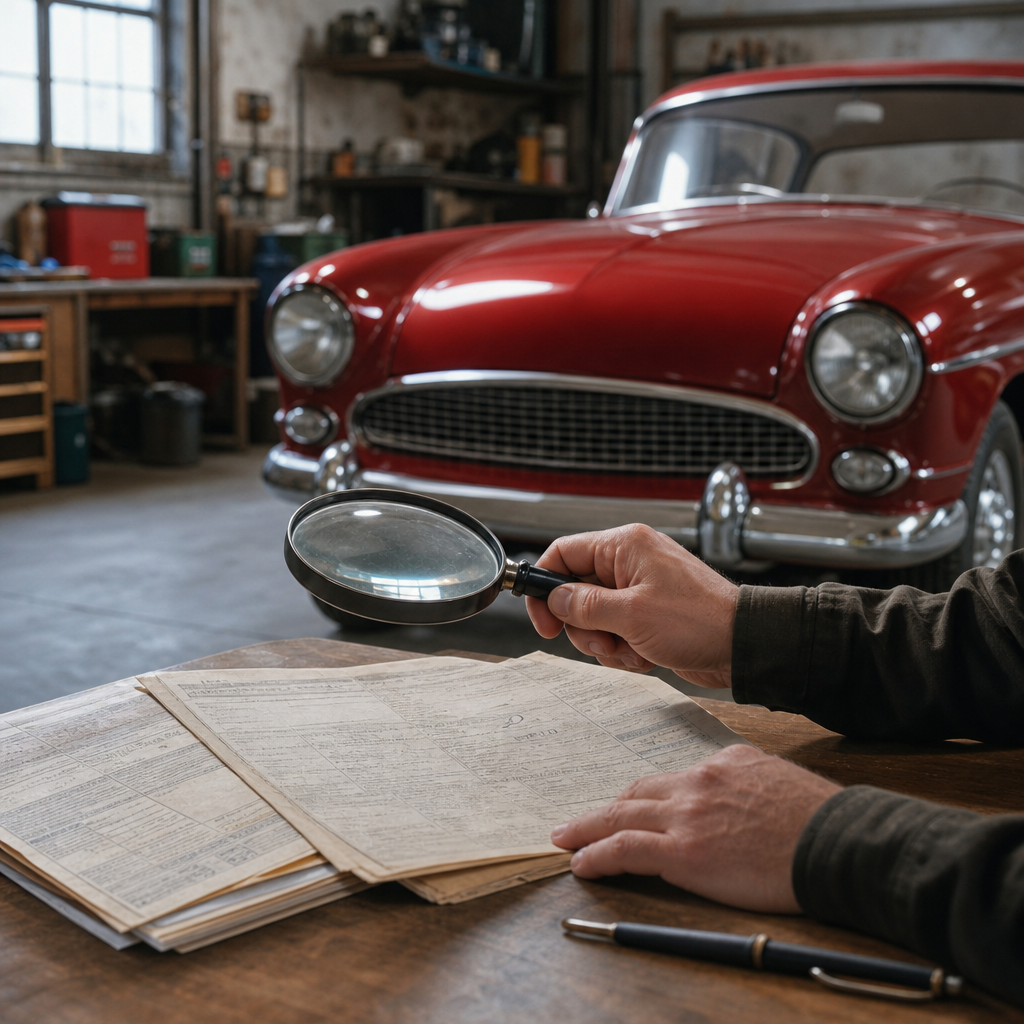
The best BaT buyers are methodical. Start with the basics: title status, VIN, chassis number, engine identification, odometer reading, seller location, ownership history, and service documentation. Then move into condition. Review every photo in full size and look for panel alignment, paint texture, underbody corrosion, trim fit, glass markings, and interior wear inconsistent with the stated mileage. A strong listing typically includes cold-start video, driving footage, underside images, close-ups of flaws, and photos of paperwork. Weak documentation is not always disqualifying, but it should lower your confidence and your maximum bid.
Pay close attention to language. “Repainted in its original color” is very different from “largely original paint.” “Refurbished” is broader and often less rigorous than “restored.” “Believed to be original mileage” is not the same as documented mileage. If a seller says a car “runs and drives well,” that statement tells you far less than recent invoices showing brake hydraulics, cooling-system work, tire date codes, and compression or leak-down results. On BaT, precision matters. Detailed sellers tend to attract stronger bidding because buyers trust specifics more than adjectives.
Ask targeted questions early in the auction. If the car is a 1973 BMW 2002tii, ask when the Kugelfischer injection pump was last serviced and whether the tii components are original to the chassis. If the car is a C2 Corvette, ask about bonding strips, frame condition, and whether the pad stamp aligns with the build date. If the car is a classic Land Cruiser, ask for photos of frame rails, spring hangers, and body mounts. Good sellers respond clearly and provide supplementary images. Evasive answers are a warning sign, especially on higher-value cars.
| What to Check | Why It Matters | Good Sign | Red Flag |
|---|---|---|---|
| Documentation | Supports mileage, ownership, and maintenance claims | Invoices, manuals, title history, restoration records | Missing paperwork and vague history |
| Photos and video | Reveal condition that text may gloss over | Underside, cold start, walkaround, flaw close-ups | Limited angles and no underside images |
| Seller responses | Shows transparency and subject knowledge | Direct answers with added photos or scans | Deflection, delays, or partial replies |
| Comments from enthusiasts | Can identify originality and model-specific issues | Constructive technical discussion | Repeated unanswered concerns |
| Comparable sales | Helps set a realistic bid ceiling | Recent similar examples with supporting details | Assuming one record price defines the market |
Inspections, Fees, Transport, and the Real Cost of Winning
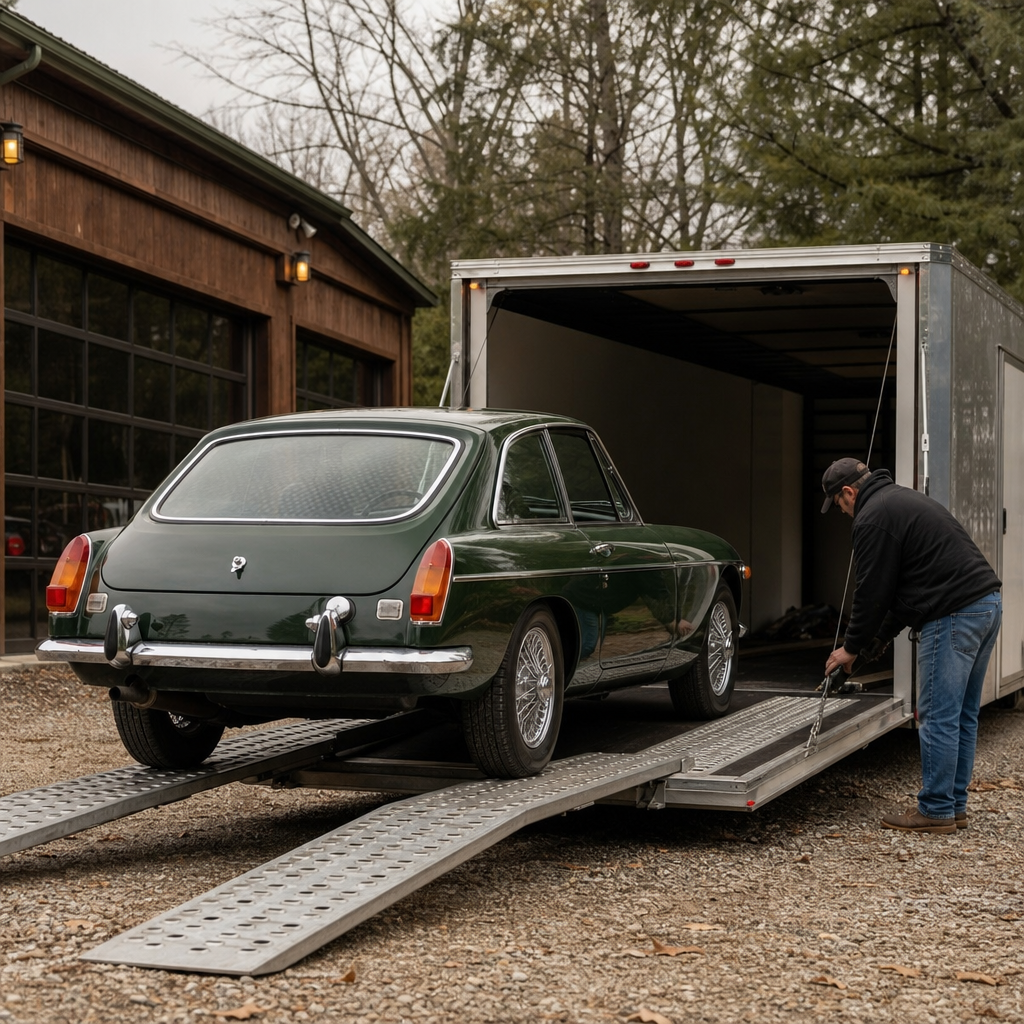
Many first-time bidders focus on hammer price and forget the full transaction cost. Bring a Trailer charges a buyer’s fee, and you also need to account for taxes, registration, insurance, a pre-purchase inspection when feasible, and enclosed transport for valuable or delicate cars. Shipping a classic car across the country can range from roughly $1,000 to several thousand dollars depending on distance, season, trailer type, and vehicle size. A non-running project, a lifted 4×4, or a very low sports car can cost more to move because loading requirements are different.
A pre-purchase inspection remains one of the best investments you can make, even on a platform with strong photos and active comments. Services vary by region and model, but paying a marque specialist a few hundred dollars to inspect a Jaguar E-Type, air-cooled Porsche, or early Ferrari is cheap compared with discovering corrosion, accident repair, or mechanical faults after delivery. I have seen buyers save tens of thousands by ordering a last-minute inspection that exposed poor bodywork or a non-matching drivetrain hidden beneath an attractive presentation. If an in-person inspection is impossible, request paint meter readings, compression numbers, and a live video call.
Understand payment timing and logistics before bidding. Winning bidders usually need to move quickly, and delays create unnecessary friction. Confirm whether the title is in hand, whether the seller has a lien release if needed, and whether the car can remain stored briefly after payment. Also ask about spare parts, books, tools, and removed original components. Those extras affect value, especially on cars where correctness matters. Tool rolls, hardtops, factory wheels, and date-coded pieces can materially improve the package you are buying.
Risks, Red Flags, and How BaT Compares with Other Places to Buy Classic Cars
Bring a Trailer is a strong venue, but it is not risk-free. Listing curation improves average quality, yet curated does not mean guaranteed. Some cars are beautifully photographed but cosmetically stronger than they are mechanically. Others have honest flaws but become expensive because bidders get caught up in competition. The platform’s visibility can also push certain makes and models above broader market levels. Desirable air-cooled Porsches, Land Rovers, Toyota FJs, and analog BMW M cars often bring premium money when the listing is well presented and the comment thread is active. Buyers need discipline.
Key red flags include inconsistent VIN or tag photos, title complications, fresh undercoating without supporting restoration photos, suspiciously new interiors in otherwise “original” cars, and seller answers that fail to address direct questions. Watch for mismatched tire brands, uneven ride height, overspray on trim, cloudy gauges, or engine bays detailed so heavily that leaks and age become hard to assess. On modified classics, verify whether changes are reversible and whether original parts accompany the car. Restomods can be excellent drivers, but they are harder to value because quality varies widely.
To understand where to buy classic cars intelligently, compare BaT with alternatives. Hemmings remains valuable for private-party and dealer listings, especially for buyers who prefer negotiation over auction pressure. Cars & Bids has strong traction with modern enthusiast vehicles and some classics, often skewing newer than BaT. Facebook Marketplace and Craigslist can produce bargains, but fraud risk, weak descriptions, and inconsistent seller quality are higher. Major auction houses such as RM Sotheby’s, Gooding, and Mecum are useful for blue-chip and high-visibility cars, though fees can be steeper and the atmosphere may favor experienced collectors. Local clubs, marque forums, and specialist dealers still matter because the best cars often trade quietly before public listing.
The practical takeaway is that BaT should be one part of a broader buying strategy. Use it as a research archive, a live marketplace, and a pricing barometer. Then cross-check what you see against club knowledge, specialist shops, and comparable sales elsewhere. Smart buyers do not rely on a single platform to define value.
Best Practices for Bidding with Confidence
Set your maximum bid before the final hour and base it on the car’s actual condition, provenance, and replacement cost, not on emotion. Start with recent comparable sales, then adjust for originality, service history, options, color, and known needs. A numbers-matching 1967 Chevrolet Corvette coupe with documented ownership and fresh mechanical sorting deserves a different ceiling than a similar-looking car with replacement engine components and unknown paint age. The same applies across the market, from Alfa Romeo Spiders to first-generation Mustangs and vintage pickups.
Study the reserve dynamic. Some auctions meet reserve early, signaling seller flexibility or strong bidding momentum. Others remain below reserve until late, which may indicate a motivated seller waiting for the market to find the number. Neither scenario is automatically good or bad, but you should know whether you are competing for a realistic car or chasing one priced above current demand. If the reserve seems detached from comparable sales and the seller is not answering hard questions, walk away. There will always be another car.
Have a post-win plan. Arrange insurance before transport, confirm delivery inspection procedures, and document condition when the car arrives. If possible, put the car on a lift immediately, change fluids unless records are truly current, inspect tires for age, and address deferred safety items before long drives. Nearly every classic car, even a strong one, needs baseline sorting after purchase. Accepting that reality will make you a better buyer and a happier owner.
Buying classic cars on Bring a Trailer can be rewarding because the platform combines broad inventory, transparent bidding, knowledgeable commentary, and an unmatched public archive of enthusiast sales. For shoppers trying to determine where to buy classic cars, it offers something rare: a marketplace that is also a research tool. You can learn model-specific issues, watch pricing in real time, compare documentation standards, and identify the listing traits that separate excellent cars from expensive disappointments. That education has real value, especially if you are moving from casual interest into serious collecting.
The main benefit of using BaT is not simply access to more cars. It is access to more information around those cars. The best results come when you use that information rigorously: read every comment, verify every claim, commission inspections when possible, calculate total acquisition cost, and bid with a fixed ceiling. Treat each auction as a due-diligence exercise, not a game. When you do, the platform becomes one of the most effective places in the market to find a well-bought classic, whether you want a usable British roadster, a vintage truck, an air-cooled sports car, or a blue-chip collector piece.
If you are building your strategy for buying and selling classic cars, use this page as your hub for where to buy classic cars, then compare platforms, study recent sales, and narrow your target models before you bid. The right preparation will save money, reduce risk, and help you buy a classic car you will be glad to own years from now.
Frequently Asked Questions
1. How does buying a classic car on Bring a Trailer differ from buying through a dealer, local seller, or live auction?
Bring a Trailer operates in a space between a traditional classified listing and a full-scale auction house, and that difference matters. Unlike buying from a local private seller, you are usually dealing with a highly visible public listing that includes extensive photos, a written description, supporting documents, and a live comment section where other enthusiasts often ask the exact questions you should be asking. That transparency can be a major advantage, but it also means flaws, originality issues, restoration shortcuts, and documentation gaps may be noticed by hundreds of informed viewers in real time.
Compared with a dealer purchase, BaT generally offers less hand-holding and fewer consumer-style protections. Dealers may offer limited warranties, in-person walkarounds, financing assistance, or post-sale support. On Bring a Trailer, most cars are sold as-is, and the burden is on the buyer to evaluate the car before the auction ends. You are not simply buying a vehicle; you are making a time-sensitive decision based on the listing, seller responses, independent inspections, your own research, and the market’s reaction.
It also differs from a major live auction house in important ways. At a live auction, the atmosphere can be emotional and fast, but you may have an opportunity to inspect the car in person during preview days. On Bring a Trailer, the auction unfolds online over several days, which gives you more time to study the listing and ask questions, but you may be relying on remote information unless you arrange an inspection yourself. The extended bidding format can also trigger last-minute competition, so discipline is essential. In short, buying on BaT rewards preparation and pattern recognition more than impulse. The best buyers treat each listing like a due-diligence project, not just a bidding opportunity.
2. What should I review in a Bring a Trailer listing before placing a bid?
You should review everything, not just the headline photos and reserve status. Start with the listing description and look for factual clarity. Does it explain the ownership history, mileage, VIN, title status, modifications, service records, accident history, and known flaws? A strong listing usually gives a coherent story about the car’s life. A weaker listing may rely on vague phrases such as “believed to be original” or “runs great” without providing documentation to support those claims. On a collector car, missing context is often as important as the information provided.
Next, study the photos carefully. Bring a Trailer listings often include dozens or even hundreds of images, and serious buyers should use them. Look beyond paint shine and interior presentation. Examine body gaps, underside condition, wheel wells, trunk floors, engine bay details, trim fitment, weatherstripping, glass markings, welds, jack points, and signs of rust repair or overspray. If the car has been restored, ask whether the restoration appears cosmetically fresh, mechanically thorough, or somewhere in between. A beautiful top-side presentation does not always mean a high-quality restoration underneath.
The comment section is equally important. This is one of BaT’s defining features, and experienced buyers know that the best information often appears there. Watch how the seller responds to detailed questions. Are answers prompt, specific, and supported by extra photos or videos? Does the seller avoid tough questions about cold starts, compression numbers, paint meter readings, or known weak points for that model? Also pay attention to knowledgeable commenters. While not every opinion is correct, recurring concerns from marque experts can reveal issues a casual buyer would miss.
Finally, review any supplementary material such as walkaround videos, start-up clips, invoices, inspection reports, and title images. Confirm whether the car has matching numbers if that matters for the model, whether emissions or import compliance issues could affect registration, and whether modifications help or hurt long-term value. A good rule is simple: if an unanswered question would change your willingness to bid, get that answer before the auction closes, not after you win.
3. Should I get a pre-purchase inspection on a BaT car, even if the listing looks excellent?
Yes, in most cases a pre-purchase inspection is one of the smartest steps you can take, especially if you are considering a significant purchase or bidding on a car located far away. Excellent photography and an active comment thread do not replace an in-person inspection by someone who knows the specific make and model. A skilled inspector can identify rust hidden under trim, poor-quality paintwork, weak compression, fluid leaks, non-original components, deferred maintenance, and evidence of prior accident repair that may not be obvious in a curated online presentation.
This is particularly important with classic and collector cars because value is heavily tied to authenticity, condition, and mechanical integrity. Two cars that look nearly identical in auction photos can differ dramatically in structure, originality, and future ownership costs. A car that appears “sorted” may still need brake work, suspension bushings, fuel-system attention, cooling-system updates, or transmission service the moment it arrives. An inspection helps you move from guessing to budgeting.
Timing matters, so if you are serious, arrange the inspection early in the auction. Contact a local specialist, marque club recommendation, or reputable inspection service as soon as you identify a target car. Make sure the inspector understands that this is not a generic used-car check. You want notes on model-specific trouble spots, originality, drivability, and whether the car aligns with the seller’s description. If possible, ask for paint meter readings, compression or leak-down testing where appropriate, cold-start observations, underside photos, and an honest estimate of immediate and near-term needs.
There are cases where a formal inspection may be less practical, such as a relatively low-value project car or a vehicle with highly transparent flaws already reflected in the price. Even then, buyers should be cautious. On BaT, the cost of skipping due diligence can easily exceed the cost of an inspection. The right mindset is not “Do I trust the listing?” but “Do I know enough to own this car confidently?” If the answer is no, an inspection is money well spent.
4. How should I set a bidding strategy and avoid overpaying in the final minutes?
The best bidding strategy starts before the auction begins: determine your maximum all-in number. That means not just the hammer price or winning bid, but the complete cost of ownership from day one. Include Bring a Trailer’s buyer fee, shipping or transport, sales tax if applicable, registration costs, insurance, immediate service work, and any repairs or sorting the car is likely to need. Many buyers focus too narrowly on the bid amount and only realize afterward that the true acquisition cost is substantially higher.
Next, do market research specific to the exact type of car you are considering. Not all classics trade on broad reputation alone. Transmission choice, color, documentation, originality, restoration quality, options, provenance, body style, and even wheel selection can influence value. Review comparable BaT results, but use them carefully. A record-setting example with unusual documentation, concours-level restoration, or rare factory specifications is not always a fair comp for a driver-quality car. Likewise, a bargain sale may have traded low for reasons that become obvious only after reviewing the comments and photos.
When it comes to actual bidding, understand that Bring a Trailer’s extended bidding format can be psychologically challenging. Last-minute bids extend the auction, so there is no simple “snipe and win” strategy in the traditional sense. The real test is emotional discipline. Some buyers like to bid early to participate and signal interest; others wait until the end to avoid getting attached. Either approach can work, but neither substitutes for a hard ceiling. Once the car becomes a competition, it is easy to justify another increment or two based on scarcity, adrenaline, or fear of missing out.
The most effective buyers are unemotional and specific. They decide in advance what the car is worth to them based on condition, provenance, and total cost, then stop when the number no longer makes sense. If you lose, you lose. Another car will come along. That mindset protects you from paying top-tier money for a second-tier example, which is one of the most common and expensive mistakes in collector-car buying.
5. What happens after you win a Bring a Trailer auction, and what should buyers do next?
Winning the auction is not the end of the process; it is the beginning of the transaction stage, and this is where organization matters. After the auction closes, Bring a Trailer connects buyer and seller so they can finalize payment, paperwork, and logistics directly. BaT facilitates the introduction, but it is not acting like a traditional dealer taking custody of the vehicle and managing every part of the sale. As the buyer, you should move quickly, communicate clearly, and confirm all details in writing.
First, verify the key facts again before funds move. Confirm the seller’s full legal name, the name on the title, the VIN, the title status, lien status, included documentation, spare parts, manuals, tools, service records, and whether any disclosures made in the comments need to be reflected in your records. Ask for a clear photo or scan of the title if you have not already reviewed it closely. If the car is coming from another state or country, make sure you understand registration requirements, emissions rules, import paperwork, and any