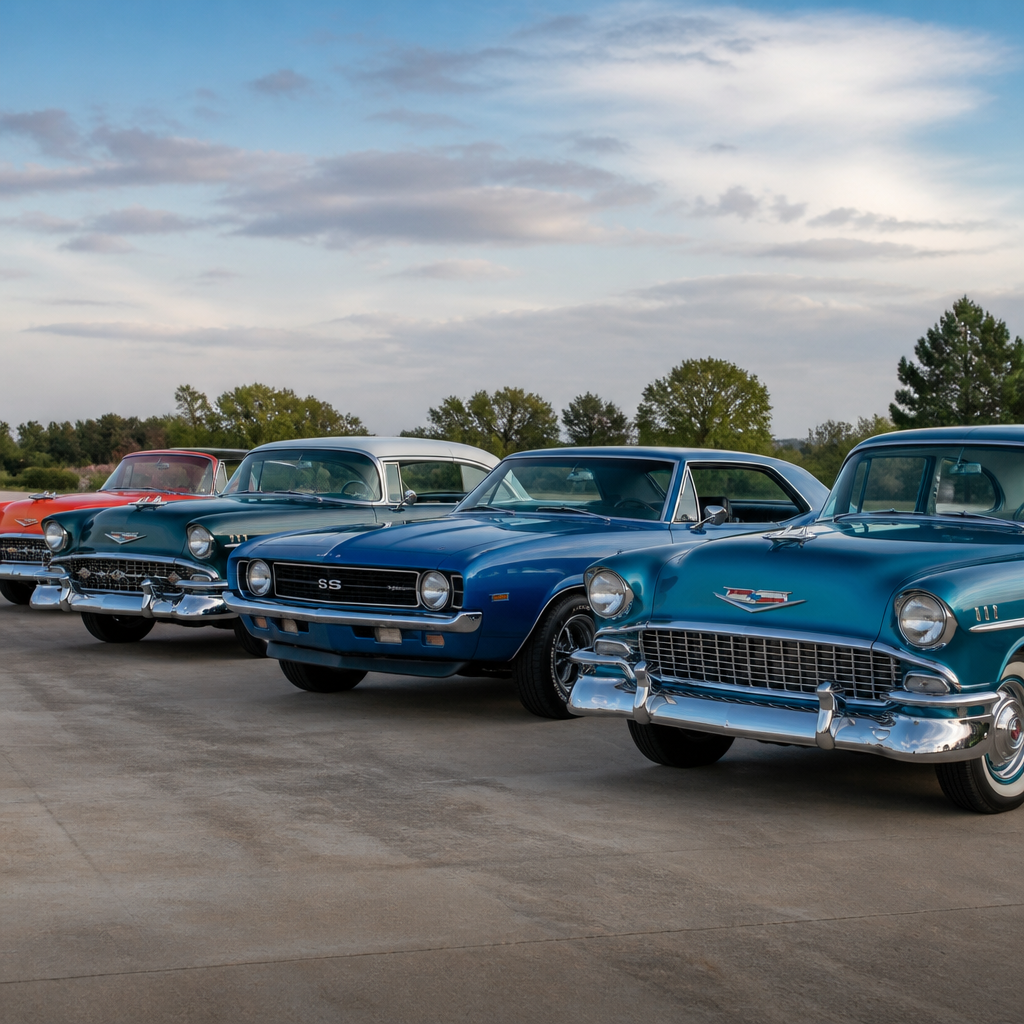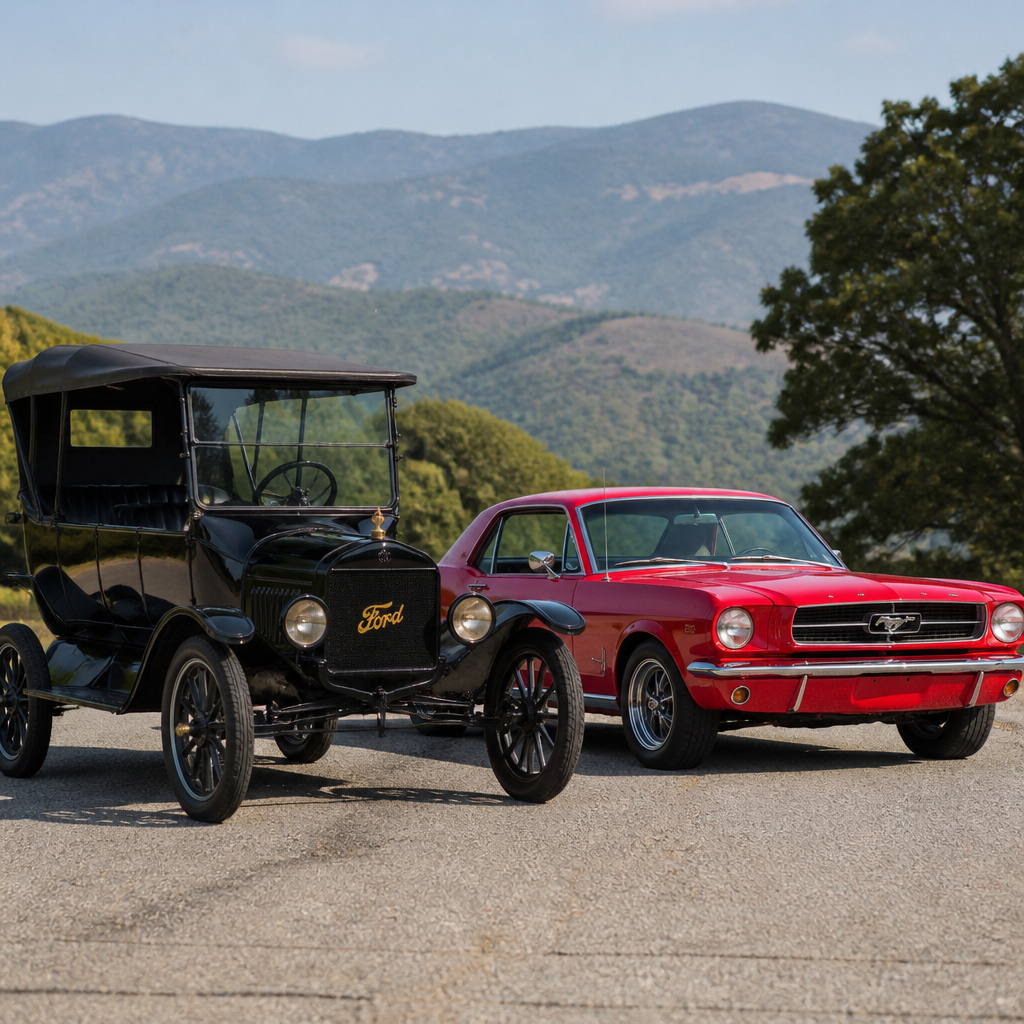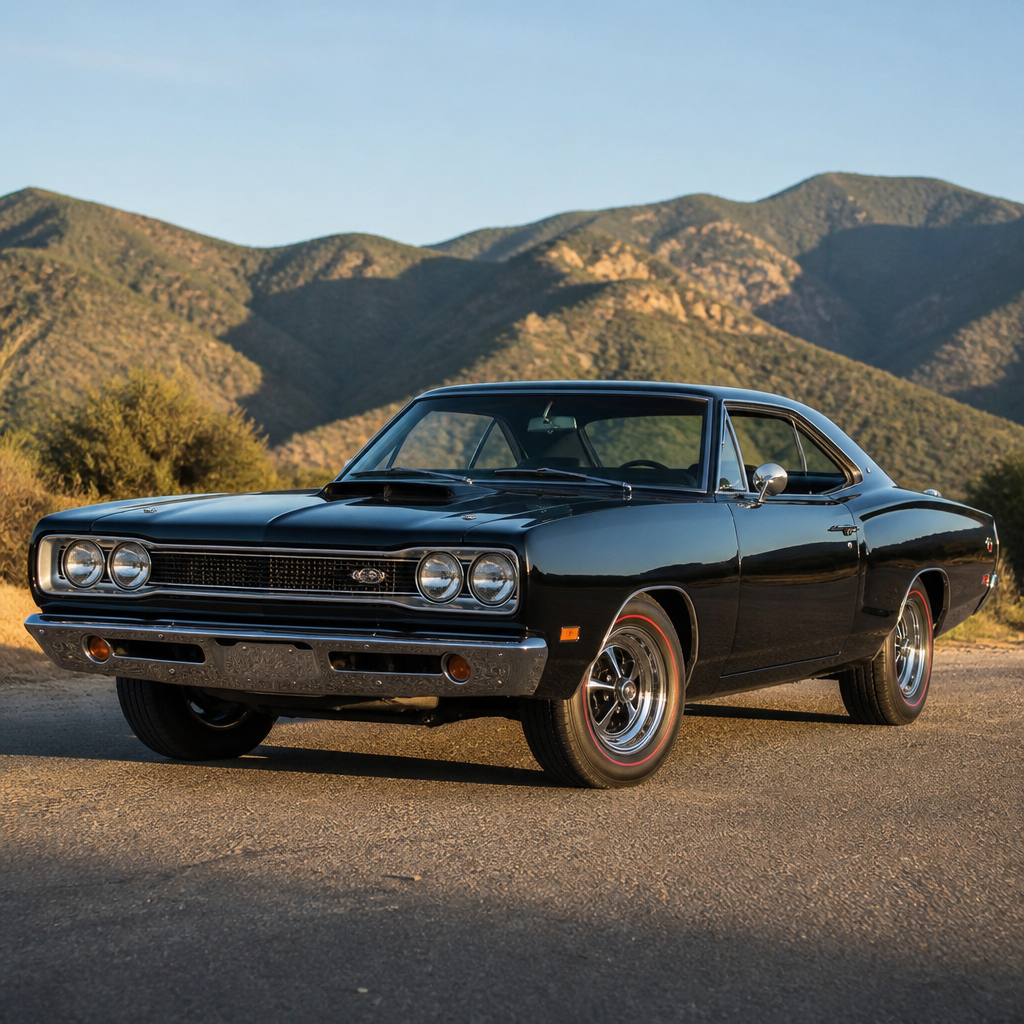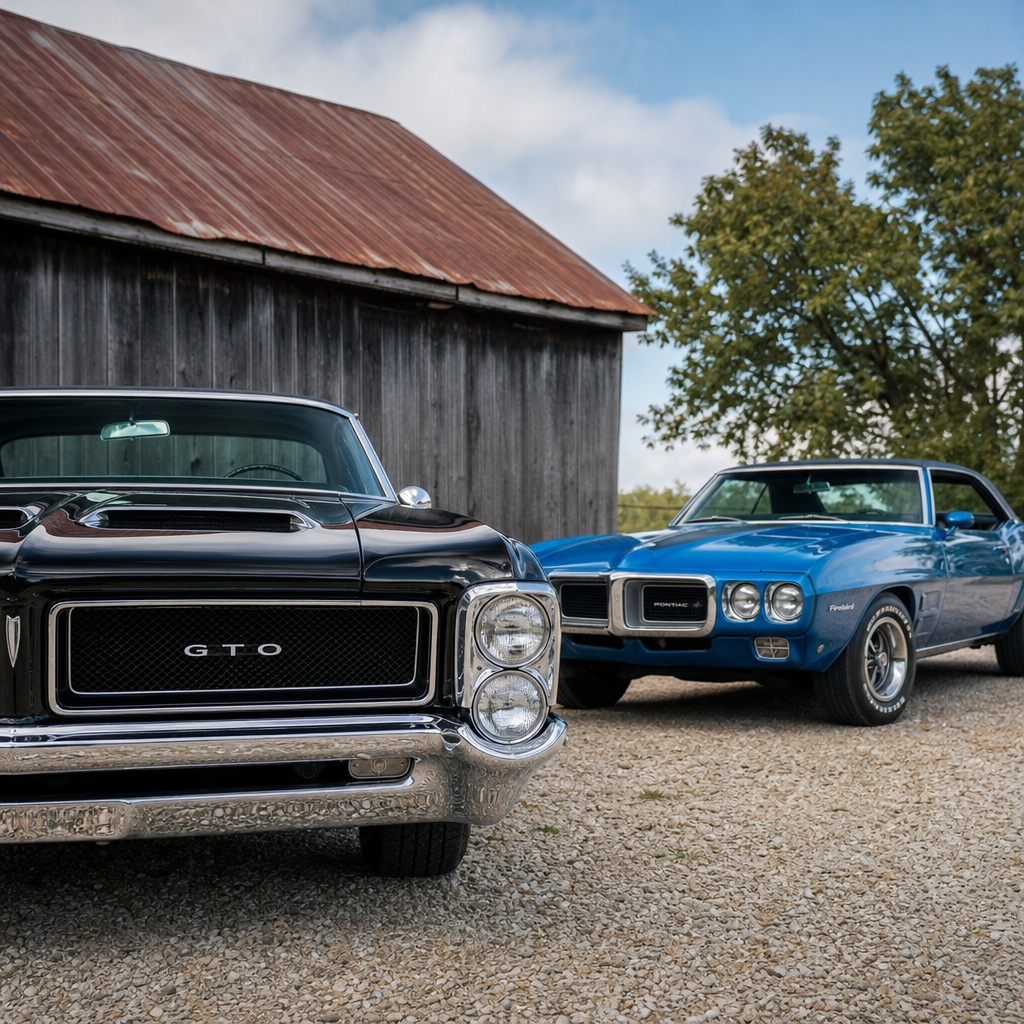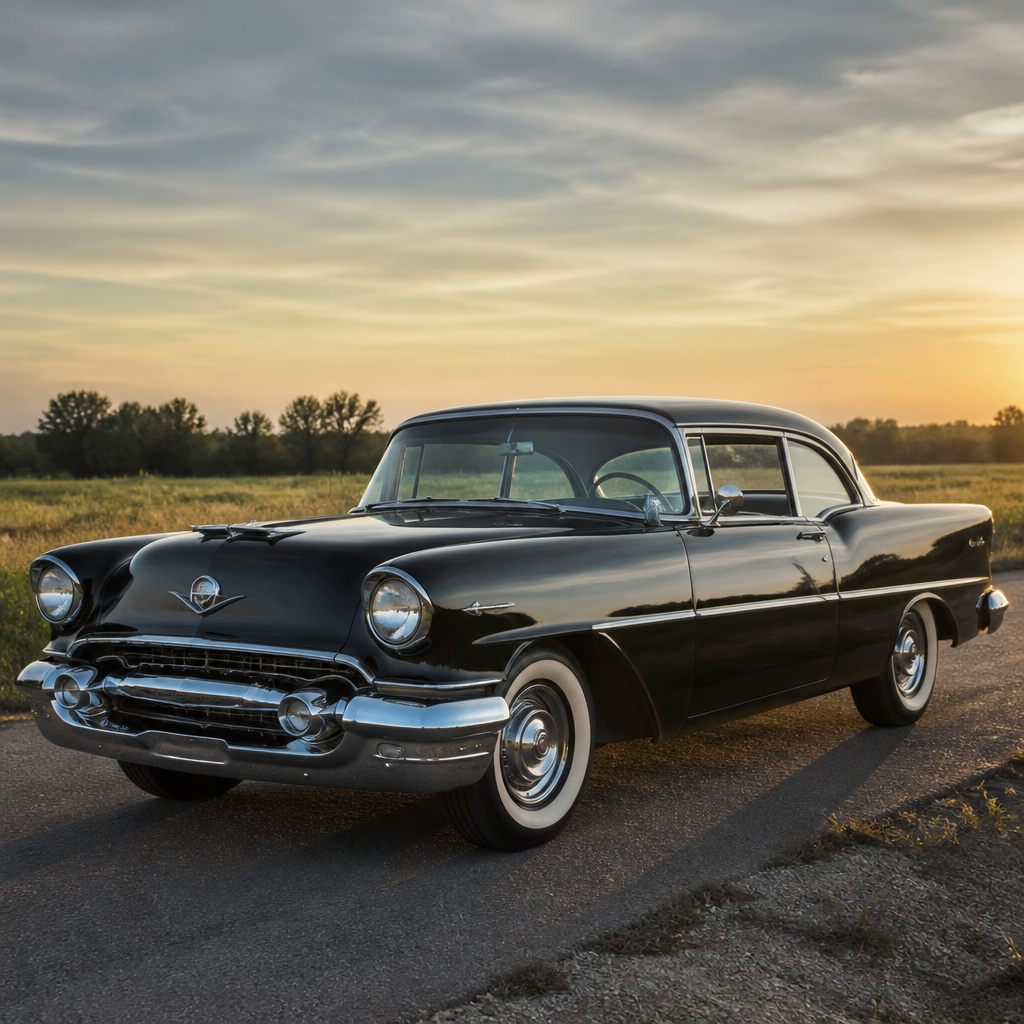
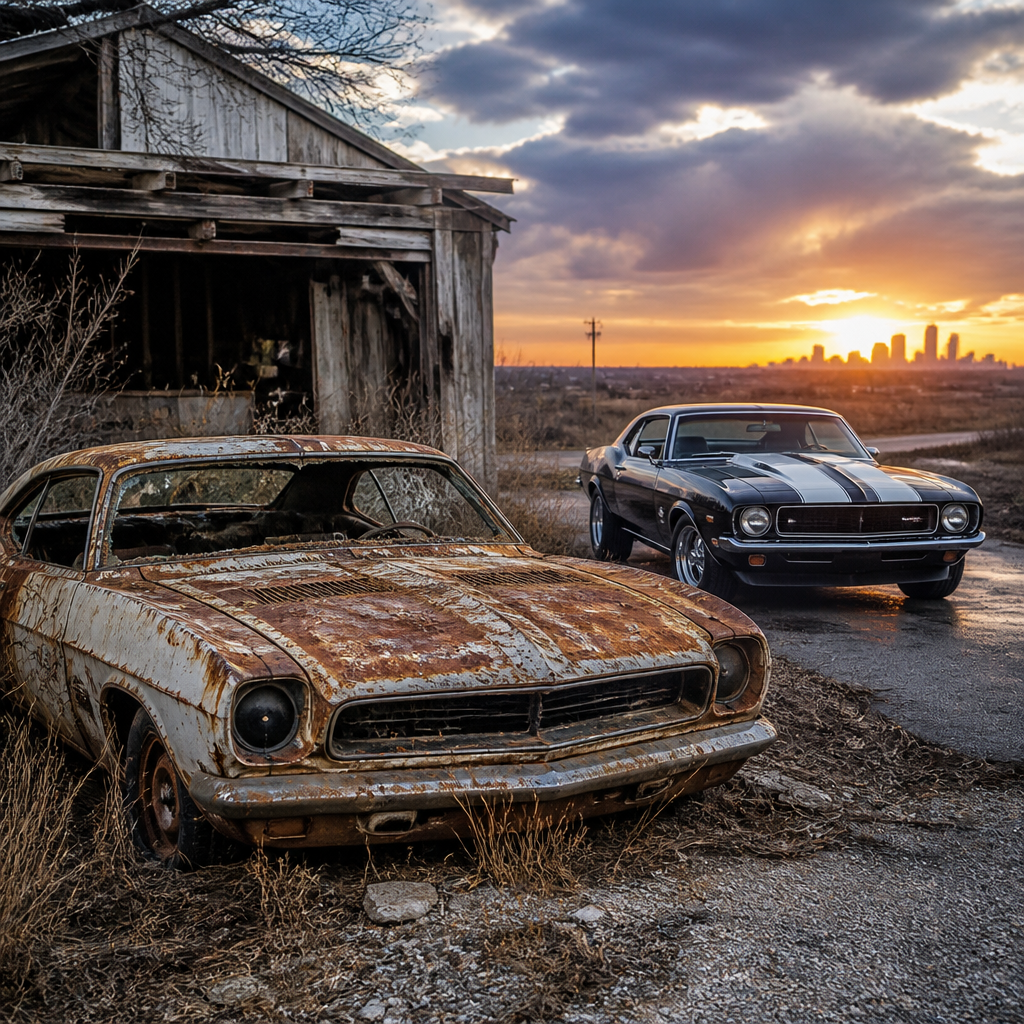
American muscle cars occupy a singular place in automotive history because they fused affordable midsize bodies with large-displacement V8 engines, straightforward rear-wheel-drive layouts, and an unapologetic focus on straight-line speed. In practical terms, a muscle car was not merely a powerful coupe. It was a distinctly American formula shaped by postwar prosperity, cheap fuel, expanding suburbs, and a youth market that wanted performance without European-car prices. When people ask what counts as an American classic, this category sits near the center: the Pontiac GTO, Chevrolet Chevelle SS, Dodge Charger, Plymouth Road Runner, Ford Mustang Mach 1, Buick GS, Oldsmobile 442, and AMC Javelin all turned ordinary transportation into cultural statement.
I have spent years studying auction catalogs, factory brochures, homologation records, and restoration details, and one pattern appears again and again: muscle cars rose quickly because Detroit understood its market, then fell just as quickly when regulation, insurance, fuel prices, and changing buyer priorities collided. That arc matters beyond nostalgia. It explains how engineering, marketing, racing, and public policy can transform an entire segment in less than a decade. It also helps collectors, restorers, and first-time enthusiasts understand why certain models are revered, why originality matters, and why some cars command six-figure prices while others remain approachable entry points into classic American motoring.
As a hub within American classics, this article connects the major names, eras, and turning points that define the genre. It covers the origins of the muscle car formula, the high-water mark of the late 1960s, the forces behind the decline, and the modern revival that reinterpreted old ideas with new engineering. If you want a working definition, a useful one is this: an American muscle car is a mass-produced domestic performance car, usually from the 1960s or 1970s, built around a powerful V8 and sold at a price ordinary buyers could realistically reach. Not every fast American car fits that label, but the rise and fall of muscle cars begins there.
How American Muscle Cars Began
The muscle car story starts in the early 1960s, when Detroit discovered that performance could be packaged and marketed more aggressively than ever before. There were fast American cars before the term existed. Chrysler’s letter-series cars, Chevrolet’s fuel-injected models, and Ford’s high-output V8s proved that. What changed was accessibility. In 1964, Pontiac placed its 389-cubic-inch V8 into the intermediate Tempest body and created the GTO, a move often credited with launching the segment. The formula was simple and brilliant: take a relatively light car, install a big engine, add minimal cosmetic drama, and keep the price within reach of younger buyers.
The GTO worked because it aligned with several economic and cultural realities. Baby boomers were reaching driving age. American roads were improving through the Interstate Highway System. Gasoline was inexpensive by modern standards. Performance advertising became bolder, and manufacturers learned to turn cubic inches, carburetors, and quarter-mile times into showroom language. In my experience reviewing period road tests, what stands out is how often magazines emphasized value. A buyer could get serious acceleration without stepping up to a Corvette, Jaguar, or Mercedes-Benz. That democratization of speed is why the GTO’s influence was so immediate.
Competition followed fast. Oldsmobile’s 442, Buick’s Gran Sport, and Chevrolet’s Chevelle SS gave General Motors multiple entries. Ford already had the Mustang, which launched in 1964 as a pony car rather than a muscle car, but high-performance variants quickly blurred the line. Chrysler answered with the Plymouth GTX, Road Runner, and Dodge Super Bee, while AMC carved out space with the Rebel Machine and later the Javelin and AMX. By the late 1960s, the market had matured into a horsepower war in which engine displacement, induction systems, axle ratios, and factory performance packages became selling points ordinary buyers understood and actively compared.
The Golden Age: 1965 to 1971
The golden age of American muscle cars ran roughly from 1965 through 1971, when manufacturers produced their most iconic combinations of power, styling, and cultural impact. Horsepower figures escalated, though the published numbers often reflected gross ratings measured without accessories rather than modern net standards. A Chevrolet Chevelle SS 454 LS6, for example, was officially rated at 450 horsepower, while a Plymouth Hemi ’Cuda carried a 426-cubic-inch Hemi V8 officially listed at 425 horsepower. Insiders and racers knew many engines delivered more than advertised. Underreporting could help with insurance classifications, racing eligibility, or simply create a reputation for surprise performance.
Each brand developed a distinct identity. Pontiac leaned into youthful rebellion with the GTO and Judge. Chevrolet balanced broad appeal and brutal force with the Chevelle SS and Camaro Z/28. Dodge gave the Charger both presence and pace, while Plymouth pursued value and menace through the Road Runner and ’Cuda. Ford’s Boss 302 and Boss 429 Mustangs targeted both road racing and NASCAR homologation needs. Buick built luxury-inflected muscle with the GSX, and Oldsmobile added refinement to speed with the 442 and Hurst/Olds. These differences mattered then and still matter now when collectors judge desirability.
Performance was not only about horsepower. Factory options transformed how these cars behaved. Limited-slip differentials improved traction, close-ratio manual gearboxes kept engines in their power bands, heavy-duty suspensions sharpened response, and better brakes made repeated acceleration more usable. Tire technology remained a limiting factor, which is why period dragstrip times often depended as much on traction and gearing as on raw engine output. A well-optioned 396 Chevelle or 440 Six Pack Mopar could embarrass more exotic machinery in a stoplight sprint, yet still carry groceries and four passengers. That dual-purpose practicality was central to the appeal.
| Model | Era-defining engine | Why it mattered |
|---|---|---|
| Pontiac GTO | 389 V8 | Established the template for a midsize, affordable performance car |
| Chevrolet Chevelle SS | 454 LS6 | Became a benchmark for big-block street performance |
| Dodge Charger | 426 Hemi | Combined dramatic styling, racing pedigree, and high collector demand |
| Plymouth Road Runner | 440 Six Barrel | Delivered stripped-down speed at a lower price point |
| Ford Mustang Boss 429 | 429 semi-hemispherical V8 | Connected street performance to NASCAR homologation |
| Buick GSX | 455 Stage 1 | Proved torque and luxury could coexist in the muscle era |
Racing amplified the mystique. NHRA drag racing turned quarter-mile times into marketing ammunition. NASCAR homologation requirements influenced special high-performance road cars. Trans-Am competition gave legitimacy to smaller-displacement performance variants such as the Camaro Z/28, Mustang Boss 302, and AMC Javelin. Even buyers who never visited a dragstrip understood the connection between factory-backed racing and showroom credibility. In dealer literature from the period, that link appears constantly. Muscle cars were sold not simply as transportation, but as street-legal extensions of competition machines.
Styling also reached a peak. Long hoods, short decks, hood scoops, blackout grilles, side stripes, tachometers mounted in the driver’s sightline, and bright high-impact paint colors all conveyed intent before the engine started. A 1970 Dodge Challenger R/T in Plum Crazy or a 1969 Camaro SS in Hugger Orange made a visual promise that matched the mechanical package. That coherence between design and performance is one reason the era remains so collectible. The cars looked like what they were, and in the best cases, they drove with the same honesty.
Why the Fall Came So Fast
The fall of American muscle cars was not caused by one event. It was the cumulative result of regulation, economics, safety concerns, and a changing insurance environment, all arriving within a narrow timeframe. The Clean Air Act and the creation of the Environmental Protection Agency tightened emissions requirements. Lower compression ratios became necessary to accommodate unleaded fuel and cleaner combustion strategies. Gross horsepower ratings gave way to net ratings, making the decline look even steeper on paper. A 1971 high-compression big-block might be followed by a 1972 version that seemed dramatically weaker, even before considering the change in measurement standards.
Insurance was equally important. By the early 1970s, insurers recognized that high-performance models attracted younger drivers and generated more claims. Premiums climbed sharply on cars with large engines, performance packages, and certain model names. I have reviewed contemporary buyer accounts where insurance quotes were high enough to change the purchase decision entirely. For many families, the monthly premium erased the affordability that had defined the segment. Manufacturers noticed. Some shifted toward appearance packages or softer grand-touring interpretations rather than outright high-output configurations.
The 1973 oil crisis delivered another blow. Long lines at gas stations and rising fuel prices undermined the social logic of a 426 Hemi, 454 LS6, or 455 Stage 1. Consumers did not abandon performance altogether, but they began asking different questions about efficiency, reliability, and year-round usability. Imported cars, including smaller European and Japanese models, gained market share by promising thrift and practicality. At the same time, federal safety requirements added weight and changed bumper design, while catalytic converters and emissions controls constrained tuning freedom. The result was not just less power, but a different character.
By the mid-1970s, the classic muscle formula had largely collapsed. The cars still wore stripes, scoops, and evocative badges, but many no longer delivered the acceleration their predecessors had made famous. Some late survivors retained charm, and a few performance bright spots emerged, yet the first era was over. When enthusiasts talk about the rise and fall of American muscle cars, this is the decisive break: a market once driven by cheap horsepower and youthful bravado had to confront new realities that its original formula could not easily survive.
Legacy, Collectibility, and the Modern Revival
The end of the original era did not erase muscle cars; it transformed them into American classics. Beginning in the 1980s and accelerating in the 1990s and 2000s, collectors began separating truly significant cars from look-alikes, clones, and later tribute builds. Documentation became critical. Build sheets, Protect-O-Plates, fender tags, matching-numbers drivetrains, broadcast sheets, and factory option codes now influence value as much as paint and chrome. A real 1970 LS6 Chevelle, 1969 Hemi Charger Daytona, or 1971 ’Cuda convertible exists in a different market category from a small-block car restored to resemble one. Provenance is everything.
The collector market also refined how people define desirability. Rarity matters, but so do specification and narrative. A limited-production homologation model such as the Boss 429 or a race-linked AAR ’Cuda commands attention because it represents more than transportation. Yet common models with excellent documentation and high-quality restorations can be wiser buys for enthusiasts who want to drive rather than simply invest. I often advise people to consider intended use first. A numbers-matching big-block four-speed car may be thrilling, but replacement parts, originality concerns, and market expectations can make regular use stressful and expensive.
Modern muscle revived the spirit with very different engineering. The 2005 Ford Mustang GT, 2008 Dodge Challenger SRT8, and fifth-generation Chevrolet Camaro reintroduced retro-inspired design, but they paired it with fuel injection, anti-lock brakes, stability control, overdrive transmissions, modern crash structures, and vastly better chassis tuning. Later halo models such as the Shelby GT500, Camaro ZL1, Dodge Hellcat, and naturally aspirated 392 Hemi cars proved that America could build high-horsepower coupes again without abandoning daily usability. In stock form, many modern examples outperform their ancestors in acceleration, braking, cornering, and reliability.
Even so, the original cars remain unmatched in mechanical simplicity and emotional directness. Open the hood of a 1969 440 Six Pack Mopar or 1970 Buick GSX and the layout is comprehensible at a glance: carburetor, intake, distributor, headers, and big cast-iron authority. The sound, smell, and vibration are part of the experience. That is why this subtopic remains central within classic car models and brands. American muscle cars distilled a national idea of performance into accessible machines, then vanished quickly enough to become legend. Explore the individual model histories, compare engine families, and study the restoration details before you buy, because understanding the rise and fall is the surest way to appreciate what made these American classics endure.
Frequently Asked Questions
What exactly defines an American muscle car?
An American muscle car is generally defined by a very specific formula: a relatively affordable midsize or compact American car fitted with a large-displacement V8 engine, rear-wheel drive, and a setup aimed more at straight-line acceleration than refined handling. That combination is what separated muscle cars from other performance vehicles. They were not luxury grand tourers, not lightweight sports cars in the European sense, and not simply any fast coupe with a powerful engine. A true muscle car was built around maximum performance for the money.
The classic template emerged in the 1960s, when automakers realized there was strong demand from younger buyers who wanted speed without exotic-car prices. Cars like the Pontiac GTO, Chevrolet Chevelle SS, Dodge Charger, Plymouth Road Runner, and Ford Torino exemplified the breed. These models typically used existing platforms from mainstream family cars, then added bigger engines, stronger drivetrains, sportier suspensions, aggressive styling cues, and marketing that celebrated power and attitude.
What makes muscle cars uniquely American is the cultural and economic environment that produced them. Postwar prosperity, wide roads, cheap gasoline, and a booming youth market all helped create a car culture in which horsepower mattered. The appeal was simple and direct: big engine, loud exhaust, bold styling, and thrilling acceleration. Even today, when the term is sometimes used more loosely, that original formula remains the benchmark for what enthusiasts mean when they talk about an authentic American muscle car.
How did American muscle cars rise so quickly in the 1960s?
The rise of the muscle car was the result of timing, economics, and culture all aligning at once. In the 1960s, the United States had a strong postwar economy, expanding suburban lifestyles, and an automotive market dominated by domestic manufacturers. Gasoline was inexpensive, roads were improving, and young consumers had more influence over buying decisions than ever before. Automakers recognized that this new generation wanted something exciting, rebellious, and fast, but still affordable enough to park in a suburban driveway.
Manufacturers already had the mechanical ingredients sitting on the shelf. They were producing large V8 engines for full-size cars, and they had midsize platforms that were lighter and less expensive. Putting the two together was both practical and profitable. The Pontiac GTO is often credited with launching the muscle car era because it proved that there was a huge appetite for this formula. Once that success became obvious, nearly every major American brand rushed to create its own competitor.
The muscle car also benefited from a marketing environment that celebrated horsepower in a very public way. Advertisements highlighted quarter-mile times, engine sizes, and bold image-driven branding. Performance packages, racing-inspired trims, hood scoops, stripes, and aggressive names all helped turn these cars into cultural icons. Importantly, this was not just about transportation. The muscle car became a statement of youth, freedom, and individuality. That emotional appeal is one reason the segment grew so rapidly and left such a lasting mark on automotive history.
Why did the muscle car era decline in the 1970s?
The decline of the classic muscle car era in the 1970s was caused by several overlapping pressures, not one single event. One of the biggest factors was tightening emissions regulations. As the federal government introduced stricter standards to reduce air pollution, automakers had to lower compression ratios, detune engines, and redesign powertrains. The result was a sharp drop in horsepower, especially compared with the peak years of the late 1960s.
Insurance costs also played a major role. As muscle cars became associated with youthful risk-taking and high-speed driving, insurance companies began charging much higher premiums for high-performance models. That made these cars less accessible to exactly the audience that had fueled their growth. At the same time, safety regulations added weight and engineering complexity, making it harder to preserve the simple, raw performance formula that had defined the segment.
The 1973 oil crisis further accelerated the downfall. Rising fuel prices and fuel shortages changed public attitudes almost overnight. Buyers who once prized big-block V8 power suddenly had practical reasons to look for efficiency. Smaller cars and imported models gained ground, while thirsty domestic performance cars looked increasingly out of step with the times. By the mid-1970s, many so-called muscle cars still carried famous names, but the performance that had made those names legendary was often gone. The era did not end because people stopped loving speed; it ended because regulatory, economic, and market realities made the original formula much harder to sustain.
Which cars are considered the most important icons of the muscle car era?
Several models stand out as essential to the story of American muscle cars because they either defined the category, broadened its appeal, or represented its peak. The Pontiac GTO is arguably the foundational icon. It showed that stuffing a big V8 into a midsize car and marketing it as a performance machine could become a massive commercial success. Whether or not it was literally the first muscle car by every definition, it was the car that turned the idea into a national phenomenon.
The Chevrolet Chevelle SS became one of the best-known muscle cars because it balanced availability, styling, and serious performance. The Dodge Charger and Plymouth Road Runner helped Chrysler carve out a strong identity in the horsepower wars, with the Road Runner in particular proving that stripped-down, budget-minded speed could be just as appealing as more upscale performance. The Ford Mustang is often discussed alongside muscle cars, although it technically launched the pony car class. Still, high-performance Mustangs like the Mach 1 and Boss models overlap heavily with muscle car culture and remain central to the era’s mythology.
Other major names include the Plymouth Barracuda, Dodge Challenger, Oldsmobile 442, Buick GS, and Chevrolet Camaro. Some are more precisely classified as pony cars or intermediate performance cars, but all played a role in shaping the performance landscape of the period. What unites these icons is not just raw speed. It is the way they captured the spirit of the age: bold styling, big power, brand rivalry, and the democratization of performance. They were cars that ordinary people could aspire to own, drive, modify, and race, and that accessibility is a major reason they remain legends today.
Have American muscle cars truly disappeared, or have they evolved?
American muscle cars have evolved rather than vanished. The original era may have peaked in the 1960s and faded in the 1970s, but the concept never fully disappeared. Instead, it adapted to changing technology, regulations, and consumer expectations. Modern muscle cars still honor the classic formula of strong acceleration, rear-wheel-drive performance, and unmistakable American character, but they do so with far more advanced engineering. Cars such as the modern Dodge Challenger, Ford Mustang V8 models, and Chevrolet Camaro SS proved that there was still a strong appetite for accessible American performance well into the 21st century.
The biggest difference is that modern muscle cars are far more sophisticated than their ancestors. They have fuel injection, computer-controlled transmissions, advanced suspension systems, powerful brakes, stability control, and safety features that would have been unimaginable in the original era. In many cases, they are dramatically faster than the classics while also being more reliable, more comfortable, and easier to live with every day. That said, some enthusiasts argue that part of the raw simplicity has been lost. The old cars were mechanical, unfiltered, and often unruly, while modern versions are more polished and technically refined.
There is also a larger shift happening now as the industry moves toward electrification and stricter emissions targets. That raises a real question about what the future of muscle cars will look like. If the classic identity was built around a burbling V8 and straightforward rear-drive power, then electric performance challenges the traditional definition. Still, the deeper muscle car idea may survive in a new form: affordable American performance with dramatic acceleration and a strong emotional presence. In that sense, muscle cars have not disappeared at all. They are simply entering another chapter in a long and influential story.