Classic American convertibles represent more than open-air motoring; they capture a period when Detroit shaped global car culture through bold styling, big displacement engines, and a distinctly optimistic idea of freedom. In the context of classic car collecting, “American classics” usually refers to influential models built primarily from the 1940s through the 1970s that combined design significance, strong market recognition, and lasting enthusiast support. Convertibles sit at the center of that conversation because they were rolling showcases for each brand’s ambition. Carmakers used them to debut tailfins, wraparound windshields, chrome-heavy dashboards, power-operated tops, and increasingly powerful V8 drivetrains. When buyers wanted the most glamorous version of a Chevrolet, Ford, Buick, Cadillac, or Chrysler product, the convertible was often the halo choice.
I have worked around restored and survivor American classics long enough to see how often convertibles anchor a collection, a museum display, or a high-profile auction catalog. They attract attention for obvious reasons, but their importance goes deeper than visual drama. These cars reveal how manufacturers responded to postwar prosperity, interstate travel, youth culture, motorsport influence, safety regulation, and the muscle car boom. They also show how American brands differentiated themselves: Chevrolet leaned youthful and accessible, Cadillac projected prestige, Buick balanced comfort with flair, and Ford used convertible nameplates to track shifts from personal luxury to performance. For anyone building a broader understanding of classic car models and brands, classic American convertibles are not a side story. They are the hub through which styling trends, engineering milestones, and collector preferences become easier to understand.
This guide covers the American classics landscape through the convertibles that defined it. It explains what makes a model historically important, highlights the standout eras and nameplates, and clarifies why some cars remain icons while others stay underrated. If you are researching classic car brands, planning a purchase, or simply trying to understand why certain open-top models dominate conversations about mid-century design and muscle-era performance, this article provides the foundation.
What made American convertibles era-defining
An era-defining convertible did not need to be the fastest or rarest car in its year, but it had to influence taste, represent its manufacturer clearly, and remain memorable across generations. In practice, the most important American convertibles usually combined four traits: recognizable styling, meaningful production volume or cultural visibility, engineering that reflected the moment, and a strong afterlife in collecting, media, or enthusiast communities. A 1957 Chevrolet Bel Air convertible matters because it distilled jet-age optimism into a widely recognizable shape. A 1965 Ford Mustang convertible matters because it brought sporty open-top ownership into the mainstream. A 1970 Oldsmobile 442 convertible matters because it captured the peak of muscle car excess just before tightening emissions and insurance pressures changed the market.
Body construction also matters. Earlier convertibles required additional chassis reinforcement because removing the roof reduced structural rigidity. That engineering compromise influenced ride quality, cowl shake, and weight distribution, but it also pushed manufacturers to develop stronger frames and better underbody bracing. Features such as power tops, power windows, two-speed automatic transmissions, overhead-valve V8 engines, and later big-block performance packages were not just convenience or speed upgrades. They marked broader changes in consumer expectations. Convertibles often received those features early because they served as image leaders in dealer showrooms.
From a collector’s standpoint, authenticity and specification separate a merely attractive car from a historically important one. Original trim combinations, factory documentation, matching-number drivetrains, correct carburetion, and period-correct interior materials materially affect value and significance. That is why hub coverage of American classics should connect models to their brand identities rather than list them casually. The convertible category is broad, but the defining cars each tell a distinct story about where American automaking was headed.
The postwar foundation: optimism, chrome, and prestige
The modern American convertible story accelerated after World War II, when pent-up consumer demand met rapidly advancing industrial capacity. By the late 1940s and early 1950s, brands such as Cadillac, Buick, Oldsmobile, and Chrysler were using convertibles to symbolize postwar prosperity. The 1949 Cadillac Series 62 convertible is a useful starting point because it paired Harley Earl-influenced styling with Cadillac’s celebrated overhead-valve V8, an engine that reset expectations for smooth, modern American power. That formula—dramatic design plus advanced V8 performance—became the template for premium convertibles throughout the decade.
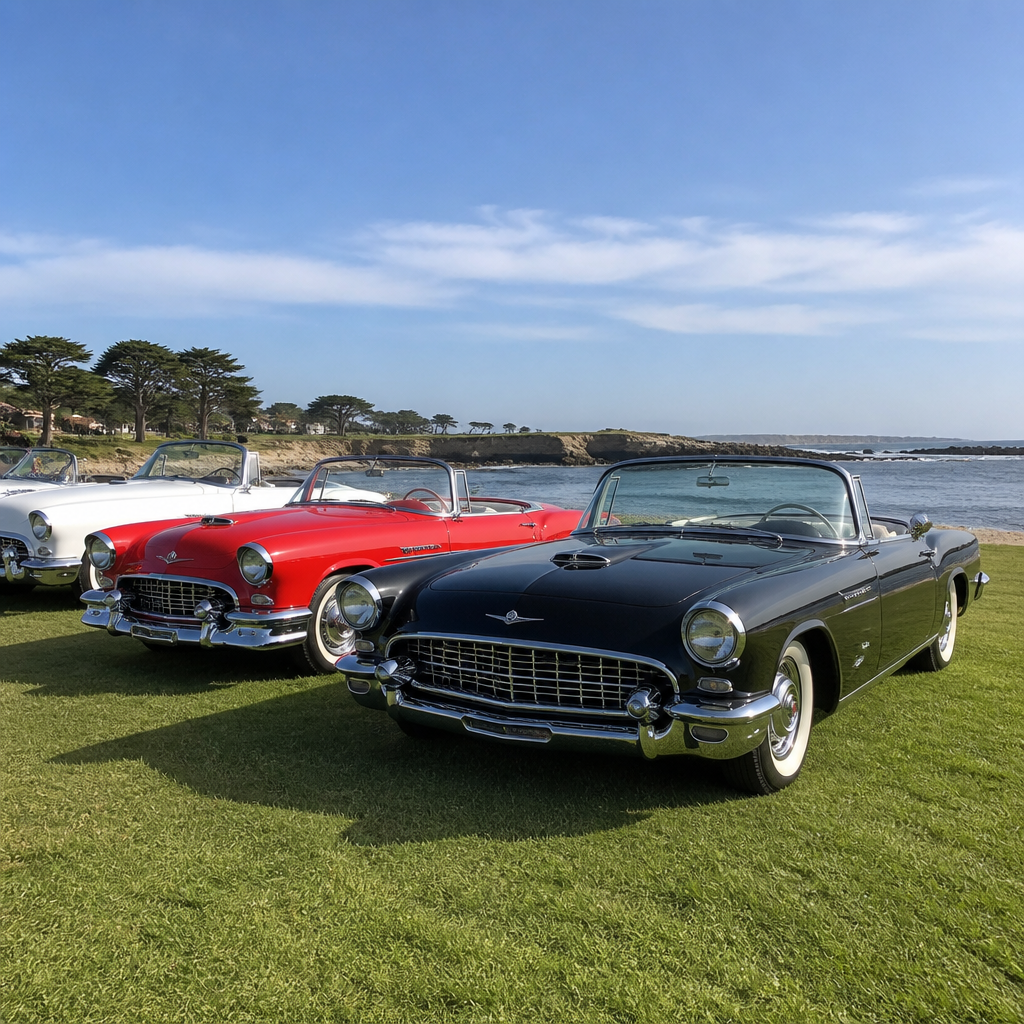
By the mid-1950s, convertibles had become design flagships. Buick’s Roadmaster and Super convertibles projected width, ornamentation, and comfort, while Chrysler’s letter-series cars introduced a harder performance edge. The 1955 Chrysler C-300, though not a volume convertible benchmark in the way a Bel Air was, helped establish the credibility of high-performance luxury. Meanwhile, the 1953 Buick Skylark and 1953 Cadillac Eldorado showed how limited-production convertibles could act as image amplifiers for entire brands. They were expensive, highly styled, and intentionally aspirational. Even people who would never buy one understood what the badge represented.
These postwar cars matter because they established the convertible as a statement product. Long before the muscle car years, manufacturers had already learned that open-top models sold aspiration as much as transportation. That insight shaped every major American classic convertible that followed.
The 1950s icons that made American classics global symbols
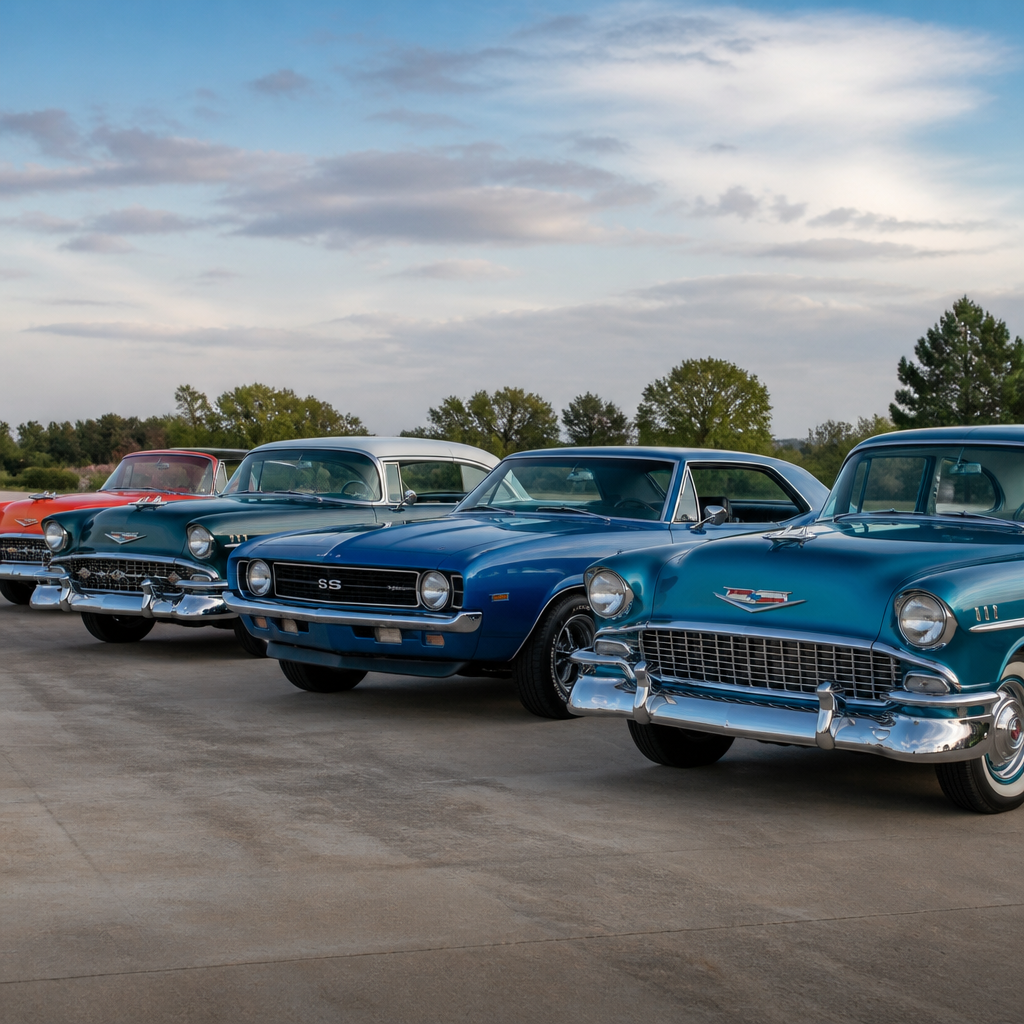
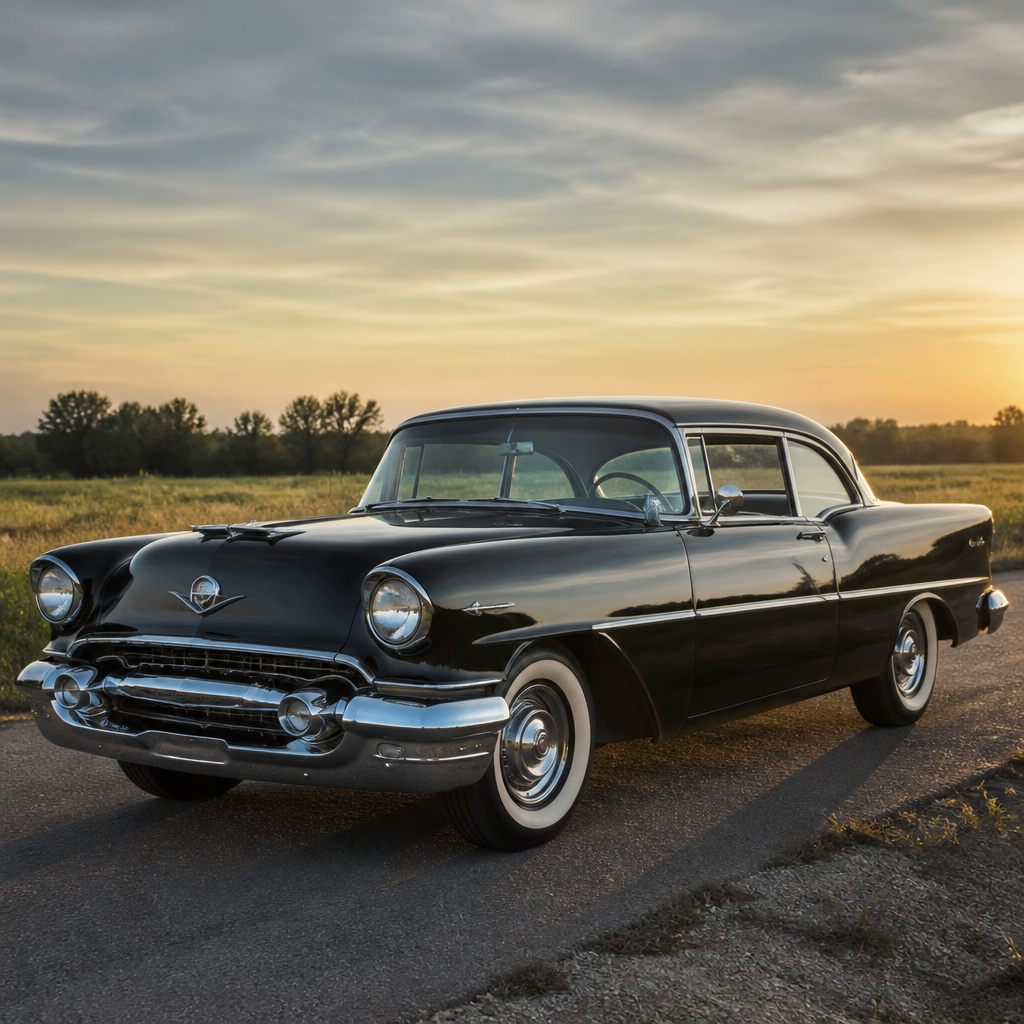
No decade stamped the image of the classic American convertible more deeply into popular culture than the 1950s. The 1957 Chevrolet Bel Air convertible remains the best-known example because it united accessible pricing, small-block V8 performance, abundant chrome, and one of the most recognizable profiles in automotive history. In collecting circles, trim and engine choice matter greatly: a Bel Air convertible with the 283 cubic-inch V8 and fuel injection occupies a very different tier from a six-cylinder car, even though both share the same silhouette that made the model famous.
Ford answered with the Fairlane and then the Thunderbird, though the Thunderbird followed a more personal luxury path than the family-car-derived Chevrolet. The 1955–1957 Thunderbird is especially important because it redefined what an American two-seat convertible could be. It was not a pure sports car in the European sense. Instead, it blended V8 power, comfort, style, and detachable hardtop versatility, creating a category that competitors struggled to match. Chevrolet’s Corvette, launched in 1953 and transformed by V8 power in 1955, deserves equal attention because it became America’s enduring sports car convertible. Early Corvettes were not as refined as later versions, but they marked a decisive commitment to fiberglass construction and domestic performance credibility.
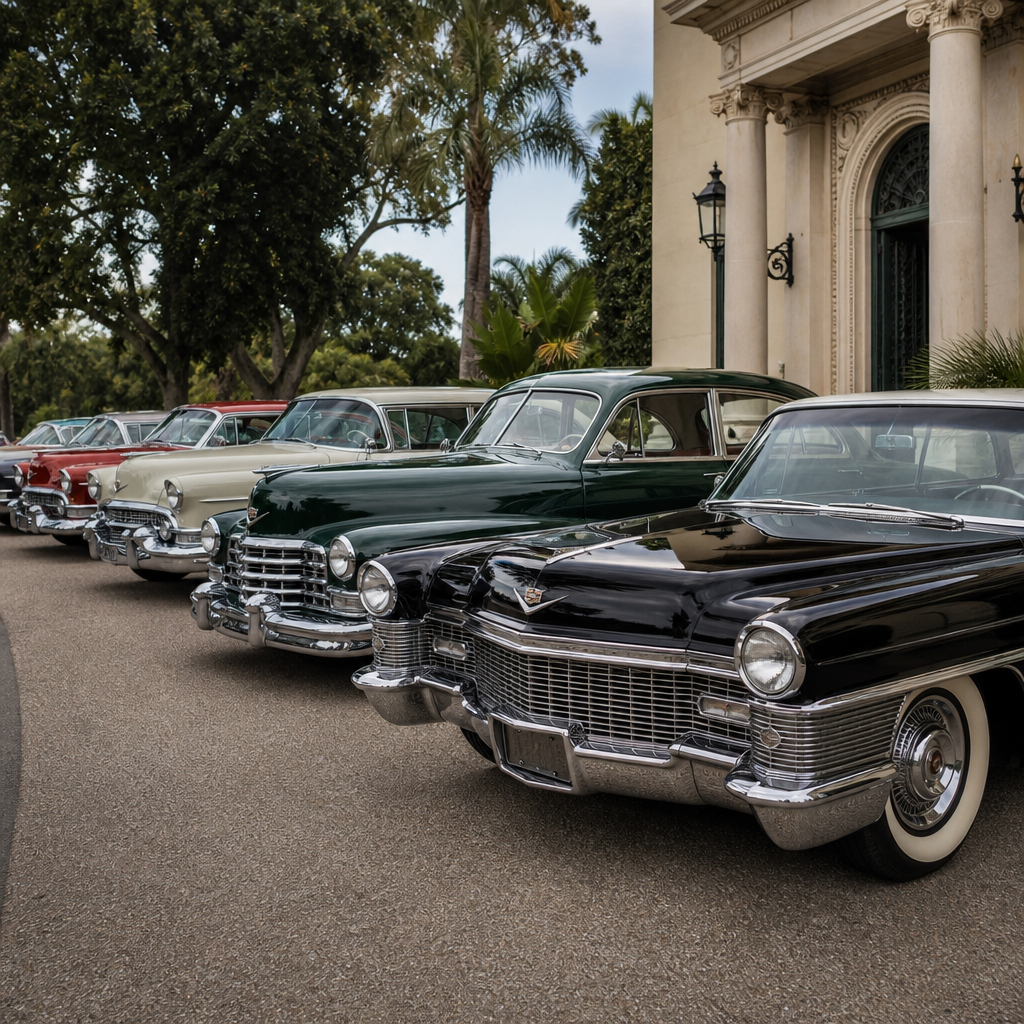
At the top end of the market, the Cadillac Eldorado Biarritz convertible became a symbol of excess and success. Its tailfins, extensive brightwork, and imposing stance did not merely reflect the decade; they helped define it. When people picture American classics cruising palm-lined boulevards in films, advertising, or museum exhibits, they are often imagining some combination of Bel Air, Thunderbird, Corvette, and Eldorado cues.
The 1960s shift from glamour to performance
The 1960s changed the American convertible from a purely glamorous object into a broader performance and lifestyle statement. The first watershed model was the 1961 Lincoln Continental convertible, a car that moved away from finned flamboyance toward clean slab-sided design and engineering sophistication. Its rear-hinged back doors on the four-door convertible remain unusual, but the model’s real significance lies in how decisively it updated American luxury design. It looked modern without abandoning presence.
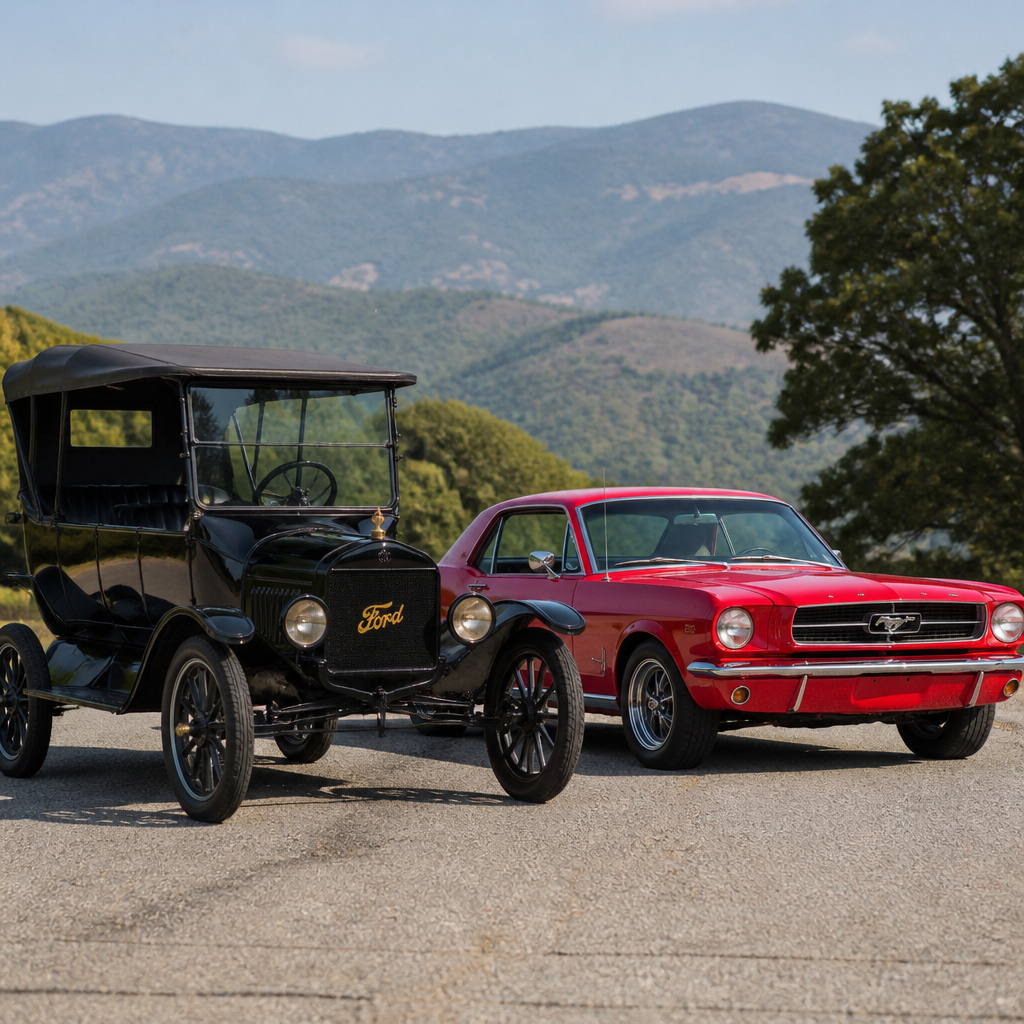
The second watershed moment came in 1964 with the Ford Mustang convertible. Few cars democratized image more effectively. The Mustang offered long-hood, short-deck styling, a wide option list, and affordable entry pricing. Buyers could order an economical six-cylinder cruiser or a V8 car with stronger performance, and either version still delivered the same youthful image. That formula proved transformative. It also forced nearly every domestic manufacturer to rethink how a convertible could fit into a broader product strategy.
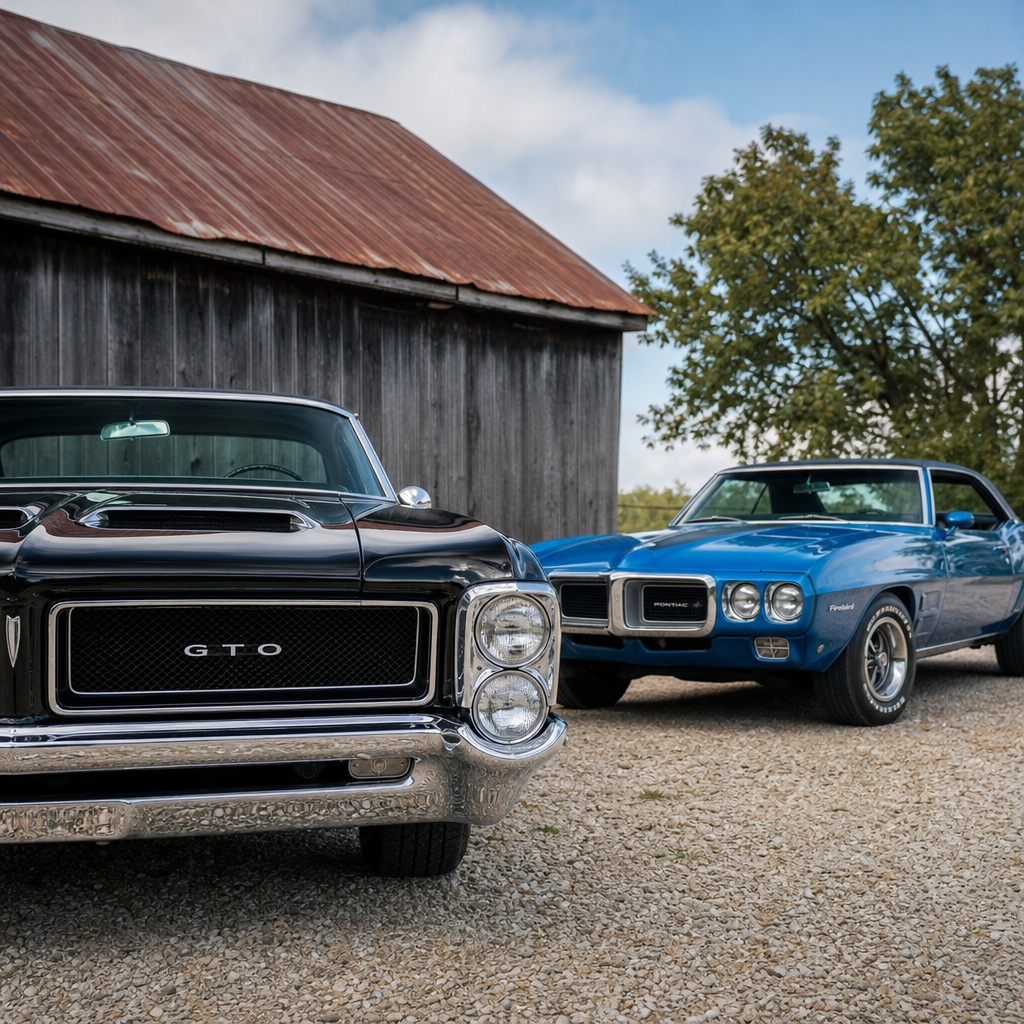
General Motors responded with some of the best-known intermediate and pony car convertibles of the decade. The Pontiac GTO convertible gave open-top buyers legitimate muscle car credentials, especially once tri-power and Ram Air combinations entered the picture. Chevrolet’s Chevelle SS convertible and Camaro SS/Z28-era cars translated racing influence into street appeal. Buick’s Skylark GS and Oldsmobile’s 442 convertible added torque-rich V8 performance with more understated brand identities. During this period, convertibles no longer signaled only luxury. They became active participants in the horsepower race.
| Model | Era | Why It Mattered | Collector Appeal Today |
|---|---|---|---|
| Chevrolet Bel Air Convertible | 1950s | Defined jet-age styling for mainstream buyers | High recognition, strong parts support |
| Ford Thunderbird | 1955–1957 | Created the personal luxury convertible formula | Broad market demand, excellent club network |
| Chevrolet Corvette | 1953 onward | Established America’s sports car identity | Deep documentation, major auction presence |
| Ford Mustang Convertible | 1960s | Made sporty open-top ownership attainable | Huge enthusiast base, many restoration options |
| Pontiac GTO Convertible | 1960s | Brought muscle car status to the convertible market | High-value performance collectible |
| Cadillac Eldorado Convertible | 1950s–1970s | Symbolized American luxury and scale | Strong nostalgia, design-led demand |
The muscle car convertible peak and its limits
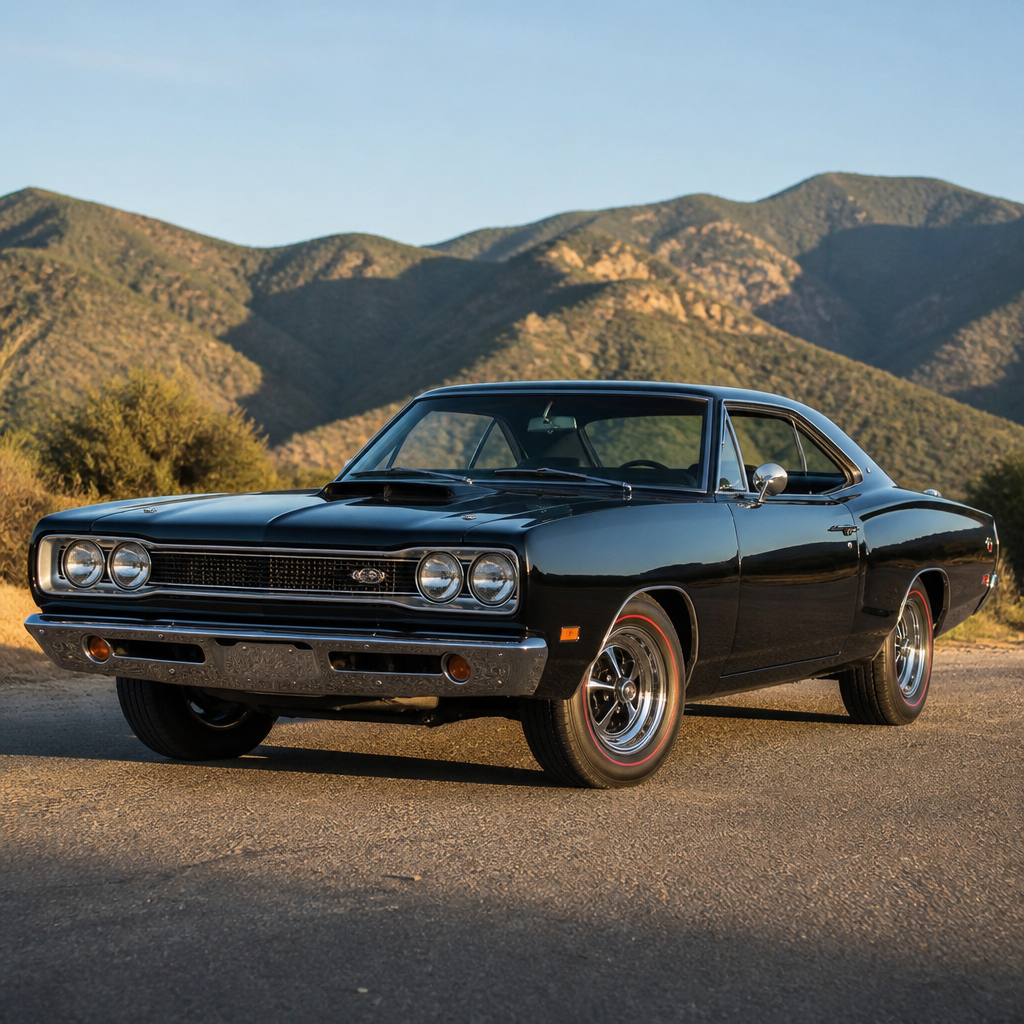
Between the late 1960s and 1971, American convertibles reached a dramatic high point. Engine options expanded rapidly: 396, 427, 428, 440, 454, and 455 cubic-inch V8s turned midsize and full-size convertibles into surprisingly serious performance machines. The 1970 Chevrolet Chevelle SS 454 convertible, 1970 Plymouth Hemi ’Cuda convertible, and 1971 Buick GS 455 convertible are now blue-chip collectibles because they combine scarcity, visual presence, and the last unrestricted expression of the muscle era. They were expensive, thirsty, and not especially practical, but practicality was beside the point. These cars existed to project power.
Yet the same forces that make these models fascinating also explain why the era ended. Convertibles were costly to engineer, increasingly difficult to keep rigid and quiet, and vulnerable to shifting safety perceptions. At the same time, emissions controls, rising insurance premiums, and changing consumer tastes weakened demand for high-performance open cars. Some 1976 Cadillac Eldorados were marketed as “last” American convertibles before the body style returned in larger numbers during the 1980s, a reminder that the market itself was uncertain about the format’s future. In other words, the peak was brilliant but short.
For historians and collectors, this brief peak matters because it concentrated the best and most extreme ideas of the classic American performance age into a handful of unforgettable convertibles. They are now reference points for value guides, marque histories, and restoration standards.
How major brands defined the American classics convertible hub
As a hub within classic car models and brands, American classics are easiest to understand by brand behavior. Chevrolet excelled at range. It offered the aspirational Corvette, the mass-market Bel Air and Impala convertibles, and later the Chevelle and Camaro performance line, covering nearly every buyer type. Ford’s strength was category creation. The Thunderbird pioneered personal luxury, while the Mustang created the pony car template. Mercury and Lincoln supported that spectrum with more upscale alternatives.
General Motors’ other divisions each developed a distinct angle. Pontiac made convertibles feel youthful and aggressive, especially through GTO and Firebird models. Buick emphasized torque, comfort, and subtle prestige, which is why GS and Riviera open cars still appeal to collectors who want performance without the most obvious mainstream choice. Oldsmobile often paired technical sophistication with muscular drivetrains, and Cadillac maintained leadership in luxury signaling through Eldorado and DeVille convertibles. Chrysler brands contributed style and brute force, from elegant 300-letter influences to rare high-value Mopar muscle convertibles.
This brand-level understanding helps readers navigate related subtopics such as American muscle cars, luxury classics, pony cars, fiberglass sports cars, and full-size cruisers. Convertibles connect them all because they magnify whatever each brand did best.
What to look for when buying or researching a classic American convertible
Anyone entering the American classics market should evaluate convertibles differently from coupes or sedans. Start with structural integrity. Rust in floor pans, rockers, torque boxes, frame rails, trunk floors, and body mounts matters more in a convertible because the car depends heavily on underbody strength. Check door fit, top operation, window alignment, and signs of body flex. Poor shut lines and stress cracking can indicate weak reinforcement or old accident damage. On fiberglass cars such as the Corvette, inspect bonding strips, birdcage corrosion on midyear examples, and panel fit consistency.
Documentation is equally important. Factory build sheets, Protect-O-Plate records, Marti Reports for Fords, trim tags, casting numbers, and transmission codes establish whether a car is correctly represented. In high-value segments, especially muscle convertibles, provenance can change the price dramatically. Restoration quality should be judged by correctness as well as shine. An over-restored engine bay with inaccurate clamps, finishes, or decals may look impressive but reduce credibility. Reproduction parts availability is strong for many Chevrolet, Ford, and Mustang platforms, but rarer Mopar and limited-production luxury convertibles often require more expensive sourcing.
Finally, buy for use case as well as status. A small-block 1965 Mustang convertible may deliver more reliable enjoyment than a six-figure, high-compression muscle convertible that spends most of its life parked. The best American classic is the one that fits your budget, your maintenance tolerance, and the story you want your collection to tell.
Why these convertibles still matter
Classic American convertibles that defined an era still matter because they condense the best qualities of American automotive history into highly readable objects. They show how styling evolved from postwar ornament to modern restraint, how V8 engineering moved from prestige feature to mass-market expectation, and how brands used open-top flagships to shape public identity. They also remain practical reference points for anyone exploring classic car models and brands more broadly. Study the right convertibles and you quickly understand the larger histories of Chevrolet, Ford, Cadillac, Buick, Pontiac, Oldsmobile, Chrysler, and Corvette.
The core takeaway is simple: the most important American classics are not remembered only because they are old or expensive. They endure because they changed consumer taste, represented their brands with unusual clarity, and still communicate confidence decades later. Whether you are drawn to a 1957 Bel Air, a 1956 Thunderbird, a 1965 Mustang, a 1967 GTO, or a 1970 Chevelle SS, you are looking at a car that helped define its time and now helps explain it.
If you are building out your knowledge of American classics, use convertibles as your starting point and then branch into each brand’s coupes, sedans, and performance variants. They are the clearest gateway into the era, and they reward closer study with every detail.
Frequently Asked Questions
What makes classic American convertibles so important in automotive history?
Classic American convertibles matter because they represent a uniquely influential chapter in car design, engineering, and culture. From the postwar years through the 1970s, Detroit automakers used convertibles to showcase their most expressive ideas: sweeping body lines, dramatic chrome, powerful V8 engines, advanced comfort features, and a strong emphasis on lifestyle appeal. These cars were not simply transportation. They were statements about optimism, prosperity, and personal freedom, especially during an era when the automobile shaped how Americans traveled, socialized, and imagined success.
They also played a major role in defining global perceptions of American cars. Models from Cadillac, Chevrolet, Ford, Buick, Pontiac, Chrysler, and Lincoln helped establish the image of the American automobile as big, stylish, confident, and technologically ambitious. Convertibles amplified that identity because they put the experience on display. With the top down, every design element became more visible, and every drive felt more theatrical. That sense of occasion is a big reason these cars remain culturally powerful today.
In the collector world, classic American convertibles often stand at the intersection of design significance and market desirability. Many of the most remembered body styles from the 1940s, 1950s, 1960s, and early 1970s were offered as drop-tops, and surviving examples tend to attract strong interest because they combine rarity, visual appeal, and emotional connection. Whether the car is a tailfinned 1950s cruiser or a muscular 1960s performance convertible, it often represents more than a model line. It reflects the era that produced it.
Which classic American convertibles are most commonly seen as era-defining models?
Several models are regularly singled out because they capture the major themes of their time so clearly. The 1957 Chevrolet Bel Air convertible is one of the most recognizable examples of 1950s American optimism, blending chrome-heavy styling, approachable V8 performance, and mass-market popularity. The 1959 Cadillac Eldorado Biarritz represents the extravagant end of the same decade, with towering tailfins, luxury appointments, and unmistakable road presence. Together, those two cars show how American convertibles could appeal both to mainstream buyers and to the luxury elite.
Moving into the 1960s, the 1964 1/2 Ford Mustang convertible changed the market by bringing sporty image and open-air driving to a much broader audience. It was compact by American standards, stylish, and affordable enough to become a cultural phenomenon. The Chevrolet Corvette convertible, especially mid-year and C3-era examples, defined the American sports car ideal with fiberglass construction, V8 power, and performance credibility. Pontiac’s GTO convertible and similar muscle-era cars added another dimension by combining convertible body styles with genuine straight-line performance, something that still gives them enormous collector appeal.
Luxury convertibles such as the Lincoln Continental convertible and Cadillac DeVille convertible also deserve attention because they reflect another side of the American automotive story: comfort, prestige, and size used as design virtues. By the early 1970s, cars like the 1976 Cadillac Eldorado convertible came to symbolize the close of an era, especially because it was marketed as the “last American convertible” before open-top production later returned. When enthusiasts talk about era-defining American convertibles, they are usually referring to cars that captured a major shift in style, performance, or public taste, and those models consistently appear at the top of the list.
Why are convertibles often more collectible and valuable than hardtop versions of the same car?
In many cases, convertibles command more attention because they were produced in lower numbers than coupes or sedans and were usually positioned as more premium offerings when new. That combination of lower production and higher original status often translates into stronger collector demand decades later. Buyers tend to see convertibles as the most glamorous or celebratory version of a given model, especially with American classics from the 1950s and 1960s, when styling and lifestyle marketing were central to automotive appeal.
There is also the simple emotional factor. A convertible offers an experience that a hardtop cannot fully duplicate. Top-down driving changes the sound, visibility, atmosphere, and sense of occasion, which is exactly what many collectors are looking for when they buy a classic car. With iconic American models, that open-air element feels especially authentic because it connects directly to the period advertising and cultural imagery that made those cars famous in the first place.
That said, higher value is never automatic. Condition, originality, documentation, factory options, drivetrain, color combination, and restoration quality all matter. A poorly restored convertible may be less desirable than an exceptional hardtop, and some high-performance hardtop variants can outperform convertibles in the market. Structural issues are also more significant with open cars, since convertibles often rely on reinforced frames and body sections to compensate for the missing roof. Collectors who understand the market know that convertibles are often more valuable, but only when the specific example is solid, authentic, and well presented.
What should collectors look for when buying a classic American convertible?
Collectors should start with structural integrity. On a classic convertible, rust and body rigidity are especially important because the absence of a fixed roof places more stress on the chassis and lower body. Floor pans, rockers, frame rails, trunk areas, body mounts, and torque boxes should be inspected carefully, along with door alignment and signs of flex. A car can look attractive in photos yet hide expensive structural problems underneath. For many American convertibles, especially body-on-frame models, frame condition is just as important as the visible sheet metal.
The top mechanism and weather sealing also deserve close attention. Buyers should evaluate whether the convertible top operates properly, whether the frame is straight, and whether the fabric, rear window, seals, and latches are in usable condition. Replacing top components can become costly, and poor sealing can lead to interior damage, rust, and chronic water intrusion. The interior itself should be checked for originality and completeness, since trim pieces, seat patterns, dash components, and model-specific hardware may be difficult or expensive to source.
Mechanical authenticity and documentation are equally important. Matching-numbers drivetrains can matter on valuable models, particularly Corvettes, muscle convertibles, and high-end luxury cars. Factory options such as power windows, air conditioning, special engines, four-speed transmissions, rare trim packages, or limited-production equipment can significantly affect value. It is wise to verify identification numbers, build tags, ownership history, restoration records, and any judging certifications. In general, the smartest purchase is not always the flashiest one. It is the car with sound structure, honest history, correct components, and a quality level that matches the asking price.
How did classic American convertibles change from the 1940s through the 1970s?
The evolution was dramatic, which is one reason these cars are so fascinating to study and collect. In the 1940s and early postwar years, American convertibles often emphasized flowing fenders, upright proportions, and a sense of handcrafted elegance carried over from prewar design traditions. As the industry moved into the 1950s, styling became more experimental and exuberant. This was the age of wraparound windshields, two-tone paint, heavy chrome, jet-age cues, and tailfins. Convertibles became rolling symbols of prosperity, and manufacturers used them to showcase their boldest visual ideas.
By the 1960s, the category diversified. American buyers could choose from personal luxury convertibles, sporty compact convertibles, dedicated performance cars, and full-size family cruisers. The Ford Mustang convertible opened the door to youth-oriented style at a more accessible price point, while the Corvette pushed the performance image forward. At the same time, big luxury convertibles from Cadillac and Lincoln continued to grow in comfort and sophistication. This decade showed just how broad the American convertible market had become, from boulevard cruisers to muscle machines.
In the 1970s, market forces began to change the formula. Safety concerns, emissions rules, insurance pressures, and shifting consumer preferences all affected the design and availability of convertibles. Engines generally lost output compared with the peak muscle years, and many open-top models became heavier, softer, and more luxury focused. Production numbers declined, and by the middle of the decade the convertible seemed to be fading from the American market. That decline is part of what gives 1970s American convertibles their historical importance. They mark the end of one long, expressive era in Detroit history before the industry moved into a very different phase.