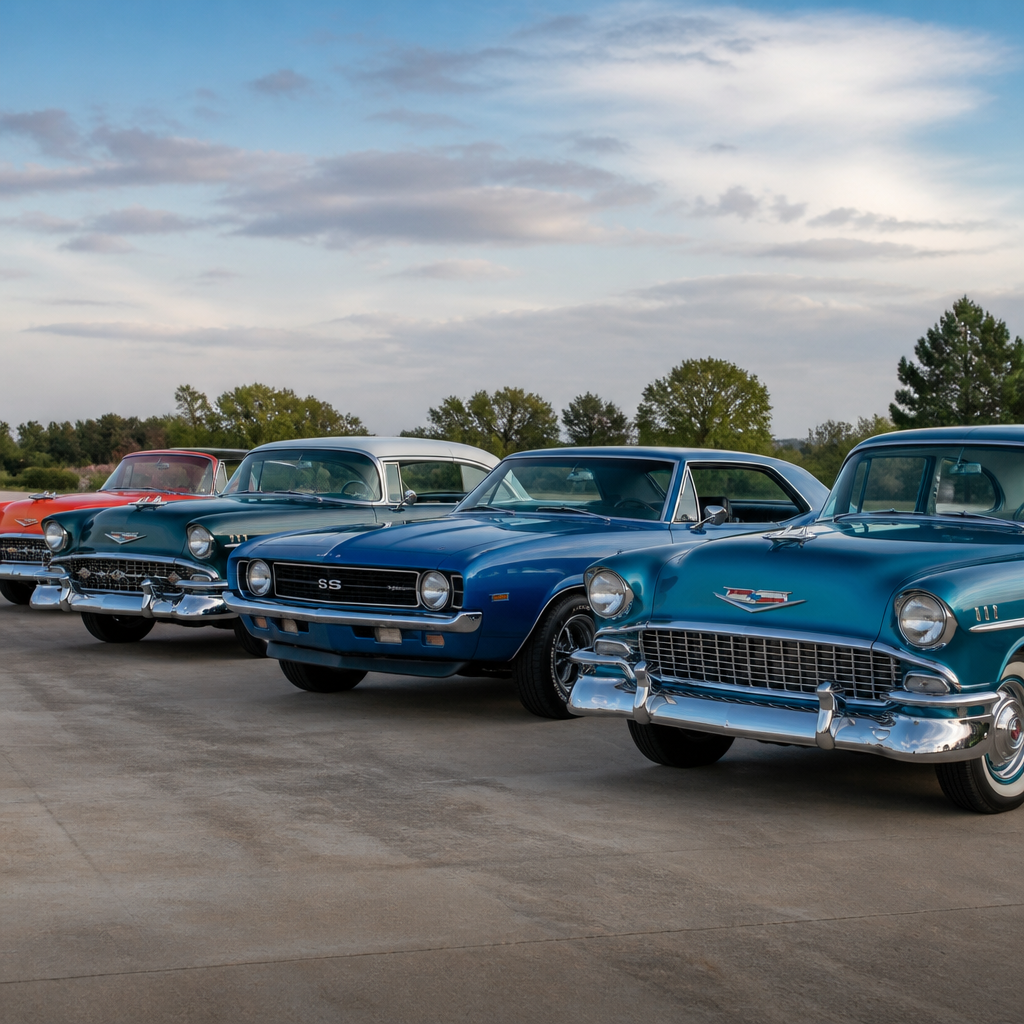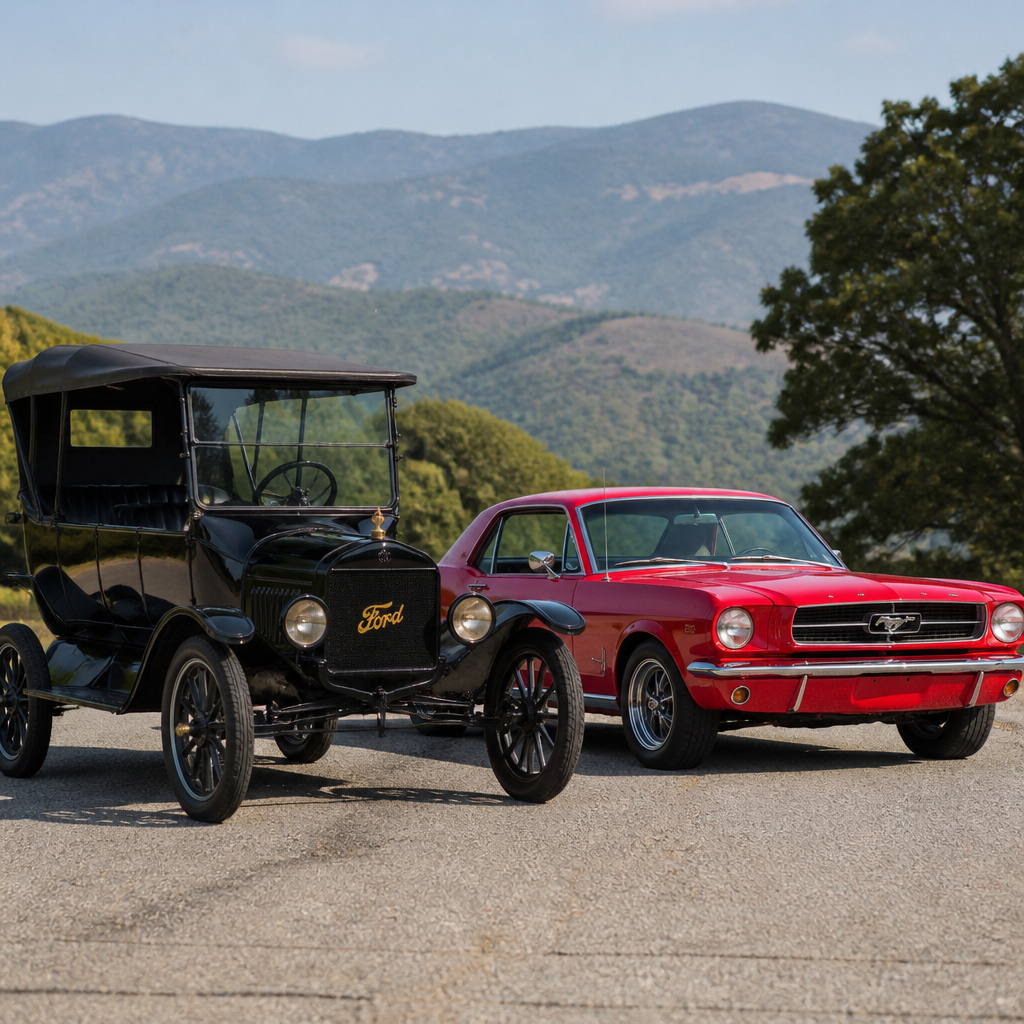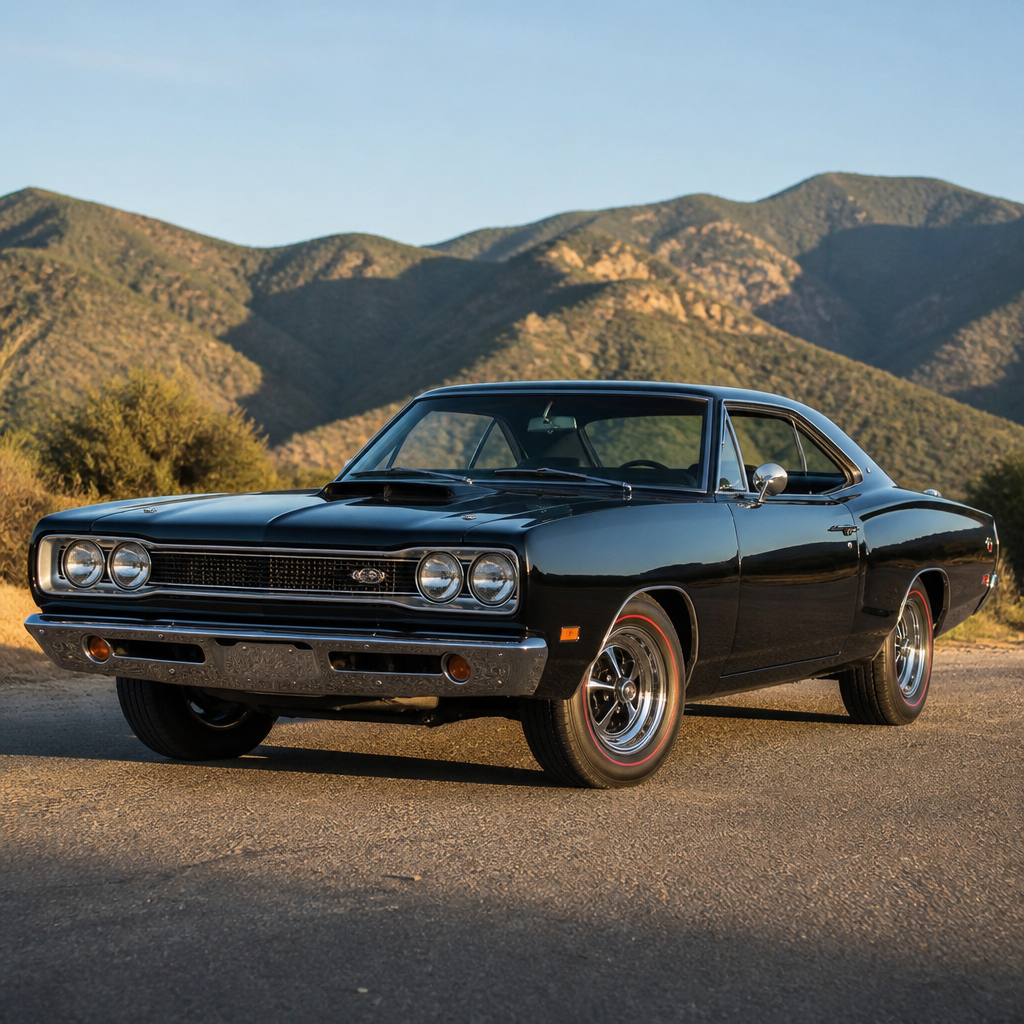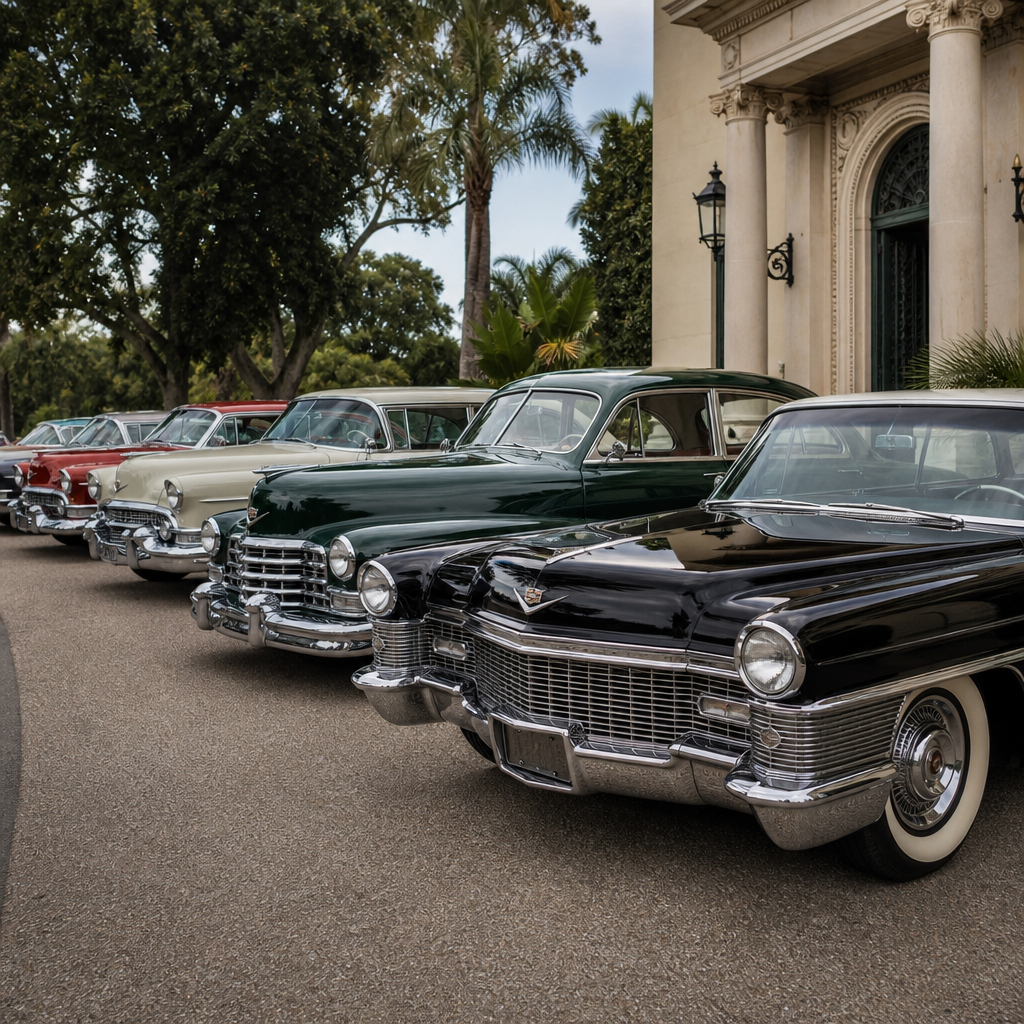
American classic car designs occupy a unique place in automotive history because they combine industrial innovation, cultural symbolism, and visual drama in ways few products ever have. In this subtopic hub, “American Classics” refers to the landmark U.S.-designed cars that shaped collector markets, influenced later styling, and still define how enthusiasts picture the golden age of motoring. While the exact boundaries vary by insurer, auction house, and state registration rules, most enthusiasts use the term classic car for older vehicles with lasting historical significance, distinctive design language, and proven enthusiast demand. In practice, that usually points to the 1930s through the early 1970s, with some later muscle-era models included because their styling impact is undeniable.
The most iconic American classic car designs matter for more than nostalgia. They reveal how streamlining, postwar optimism, jet-age experimentation, performance branding, and safety regulation changed what manufacturers built and what drivers desired. I have spent years working through model histories, factory brochures, restoration notes, auction listings, and show-field judging guides, and one lesson always stands out: truly iconic designs are not merely popular cars. They establish a visual template. You can see that in the upright luxury proportions of a Duesenberg, the flowing fenders of a 1941 Cadillac, the tailfins of a 1959 Eldorado, the crisp bottle shape of a mid-1960s Corvette, or the long-hood fastback stance of a 1967 Mustang.
As a hub within the broader Classic Car Models & Brands topic, this page is designed to help readers understand the full American classics landscape before diving into brand-specific and model-specific articles. It covers the defining eras, the signature design elements, and the standout cars that continue to anchor collections, museums, concours events, and enthusiast discussions. It also answers practical questions buyers and researchers often ask: what makes a design iconic, which American models had the biggest styling influence, and why do certain shapes continue commanding strong values decades later. If you want a reliable starting point for American classic car design, this guide maps the field clearly and thoroughly.
What Makes an American Classic Car Design Iconic
An iconic design is one that remains instantly recognizable even outside enthusiast circles. Recognition alone is not enough, however. In the collector market, lasting design importance usually rests on five factors: originality, influence, proportion, cultural reach, and durability of appeal. Originality means the car introduced a fresh visual idea instead of simply following trends. Influence means later models, sometimes across multiple brands, borrowed its cues. Proportion refers to the basic relationship among hood, cabin, trunk, wheelbase, and stance; if the proportions are right, the car still looks balanced decades later. Cultural reach comes from film, motorsport, celebrity ownership, advertising, and production volume. Durability of appeal means the design still attracts admiration after fashion cycles have changed.
American manufacturers excelled at translating broad social moods into sheet metal. During the Depression era, prestige cars used length, chromed hardware, and formal rooflines to communicate status. In the postwar period, lower bodies, wraparound glass, and integrated fenders reflected progress and abundance. By the 1950s, annual restyling became a competitive weapon, and designers like Harley Earl at General Motors turned theatrical elements such as fins, dagmars, panoramic windshields, and two-tone paint into showroom magnets. By the 1960s, Bill Mitchell and his contemporaries shifted toward cleaner surfacing and more athletic proportions. Then muscle cars fused performance identity with visual aggression through scoops, stripes, blackout trim, and fastback roofs.
Another reason certain American classics endure is that they embody a brand at its best. The 1936 Cord 810 signaled technical daring through its front-wheel-drive packaging and coffin-nose front end. The 1955 Chevrolet Bel Air became shorthand for 1950s optimism because its bright trim, tidy proportions, and accessible V8 performance aligned perfectly with the decade. The 1963 Buick Riviera proved a personal luxury coupe could look restrained and sophisticated rather than overdecorated. When design, engineering story, and market timing align that tightly, the result becomes more than a car. It becomes a reference point.
Prewar Elegance and the Birth of American Automotive Style
Before tailfins and muscle cars, American design established its authority through luxury and streamlining. Prewar classics from Duesenberg, Packard, Cadillac, Auburn, and Cord remain foundational because they defined visual prestige. The Duesenberg Model J, introduced in 1928, is one of the clearest examples. Its long wheelbase, powerful straight-eight engine, and custom coachbuilt bodies from Murphy, Derham, and LeBaron created a standard for opulence that still shapes concours judging. A Model J with a dual-cowl phaeton or sweep-panel body is not simply expensive-looking; its proportions communicate mechanical substance and social presence.
Packard contributed a different kind of authority. Senior Packards of the 1930s used stately grilles, restrained ornament, and strong body lines to convey refinement without excess. Cadillac, meanwhile, helped push integrated styling and smoother body forms. As streamlining became fashionable in the 1930s, designers began reducing separate visual elements and emphasizing continuous flow from hood to fender to rear bodywork. The result was a move away from carriage-derived forms toward modern industrial sculpture.
The 1936 Cord 810 and 812 deserve special attention because they remain among the boldest American designs ever produced. Gordon Buehrig’s coffin-nose front, hidden headlights, and clean fender treatment looked years ahead of competitors. The car’s front-wheel-drive layout eliminated the need for a conventional driveshaft tunnel, helping create a lower profile. Despite the Cord’s commercial struggles, its design influence has outlasted many more successful models. In collector circles, it is routinely cited as proof that innovation and style can outweigh production numbers when judging historical importance.
Postwar American Classics and the Rise of Visual Confidence
After World War II, American car design changed rapidly as manufacturers adapted wartime production expertise to consumer demand. Buyers wanted newness, and designers responded with lower, wider, smoother bodies. Cars like the 1949 Cadillac Series 62 and 1949 Ford marked a turning point by embracing fully integrated ponton styling. Separate fenders gave way to unified body shells, and the visual mass of the car shifted outward and downward. Even people who cannot name these models recognize the transition they represent: the birth of the modern American automobile silhouette.
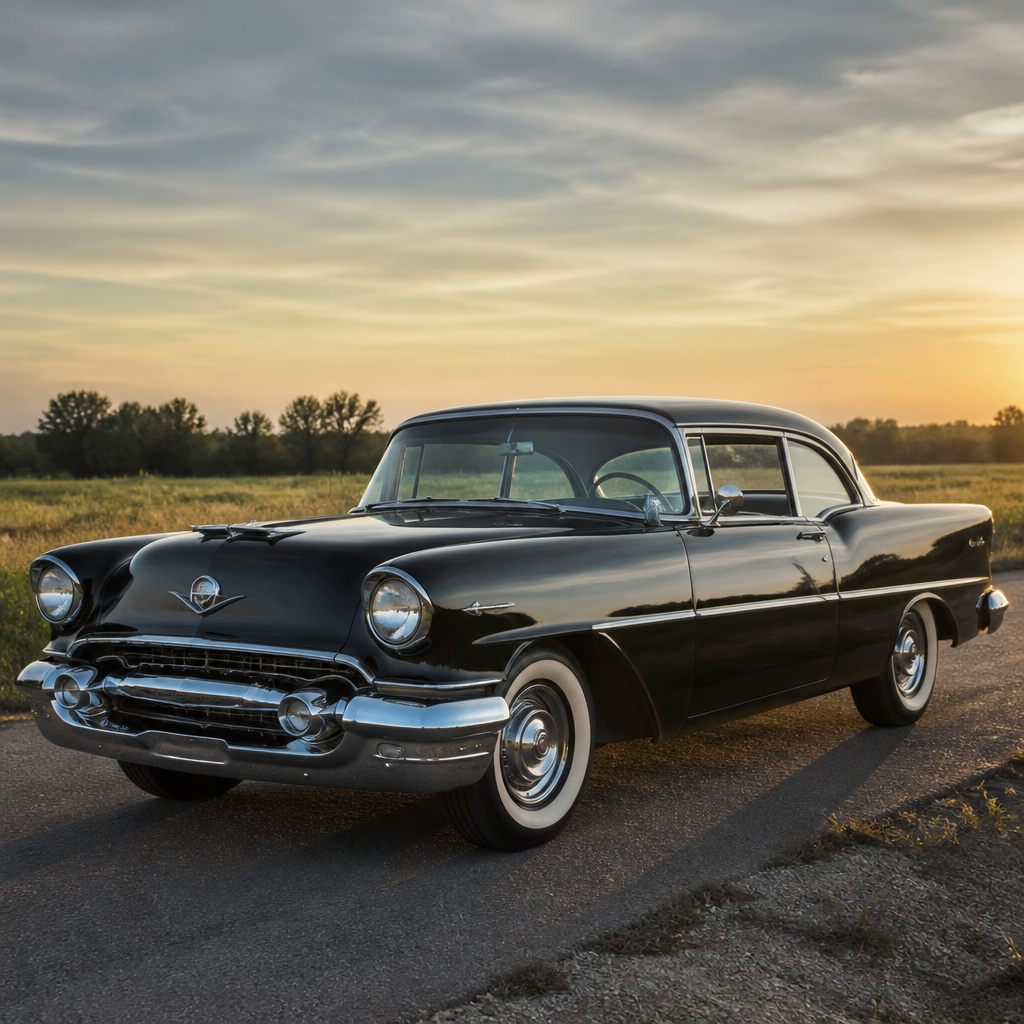
The 1941 Cadillac is often cited by historians as one of the most beautiful prewar-to-postwar bridge designs because it balanced streamlined fenders with formal luxury. By 1948 and 1949, Cadillac introduced small tailfins inspired partly by the Lockheed P-38 fighter aircraft. Those modest fins became one of the most recognizable themes in American design history. Oldsmobile’s Rocket 88, though celebrated for performance, also demonstrated how postwar styling and mechanical excitement could reinforce each other. Its low roofline and clean body sides helped performance feel visible before the engine even started.
This era also matters because it created the conditions for mass aspiration. Unlike the coachbuilt elite cars of the 1930s, many postwar American classics were produced in substantial numbers. That wider distribution embedded their shapes into family photos, television, roadside architecture, and national memory. When collectors today restore a 1949 Mercury or a 1950 Studebaker bullet-nose coupe, they are preserving not just a vehicle but a turning point in American consumer design.
The 1950s: Tailfins, Chrome, and the Peak of Styling Theater
If one decade defines iconic American classic car design for the general public, it is the 1950s. This was the era when Detroit treated styling as spectacle. Harley Earl’s influence at General Motors was enormous, and the annual model cycle encouraged ever more dramatic visual differentiation. Tailfins grew from subtle accents into towering signatures. Chrome expanded across grilles, bumpers, side trim, and dashboard surfaces. Two-tone paint, hardtop rooflines, wraparound windshields, and bright interior palettes transformed family transportation into a rolling statement of prosperity.
The 1955 Chevrolet Bel Air remains one of the best-known American classics because it paired accessible pricing with standout style. Its egg-crate grille, clean side sweep trim, and balanced hardtop profile gave buyers glamour without luxury-brand cost. The addition of the small-block V8 made the car as mechanically significant as it was attractive. The 1957 Bel Air pushed the formula further with pronounced rear fins and heavier trim, becoming a permanent fixture in restorations, cruises, and popular media.
At the top end, the 1959 Cadillac Eldorado represented the extreme expression of the jet-age look. Its massive fins, bullet taillamps, extensive chrome, and dramatic width made it instantly recognizable from any angle. Critics sometimes dismiss the car as excessive, but that excess is precisely why it is iconic. It captures a moment when American confidence, aerospace imagery, and marketing competition converged in one unforgettable shape. Chrysler’s Forward Look cars, developed under Virgil Exner, offered a sharper and often more elegant alternative. The 1957 Chrysler 300C and Imperial models used fins and long horizontal lines more aggressively than most competitors, making them design landmarks in their own right.
| Model | Year | Design Signature | Why It Matters |
|---|---|---|---|
| Cord 810 | 1936 | Coffin nose, hidden headlights | Advanced styling that looked a decade ahead |
| Cadillac Series 62 | 1949 | Integrated body, early fins | Defined the postwar luxury silhouette |
| Chevrolet Bel Air | 1955 | Balanced chrome and two-tone proportions | Made aspirational style attainable |
| Cadillac Eldorado | 1959 | Towering tailfins and dramatic width | Peak jet-age American theatrical design |
| Buick Riviera | 1963 | Crisp personal luxury coupe form | Proved restraint could be just as memorable |
| Ford Mustang Fastback | 1967 | Long hood, short deck, sporty roofline | Popularized youthful performance styling |
| Chevrolet Corvette Sting Ray | 1963 | Split-window coupe and sculpted fenders | American sports car design at full maturity |
The 1960s: From Personal Luxury to Muscle Car Identity
By the 1960s, American design began splitting into distinct streams. One stream pursued cleaner, more formal personal luxury; another pursued compact performance and youth appeal. The 1963 Buick Riviera is a masterclass in proportion and restraint. Its razor-edged fender lines, low roof, hidden headlights, and tailored body surfaces gave it an architectural precision rarely matched by domestic coupes of the period. The first-generation Riviera has aged exceptionally well because it relied on shape rather than decoration.
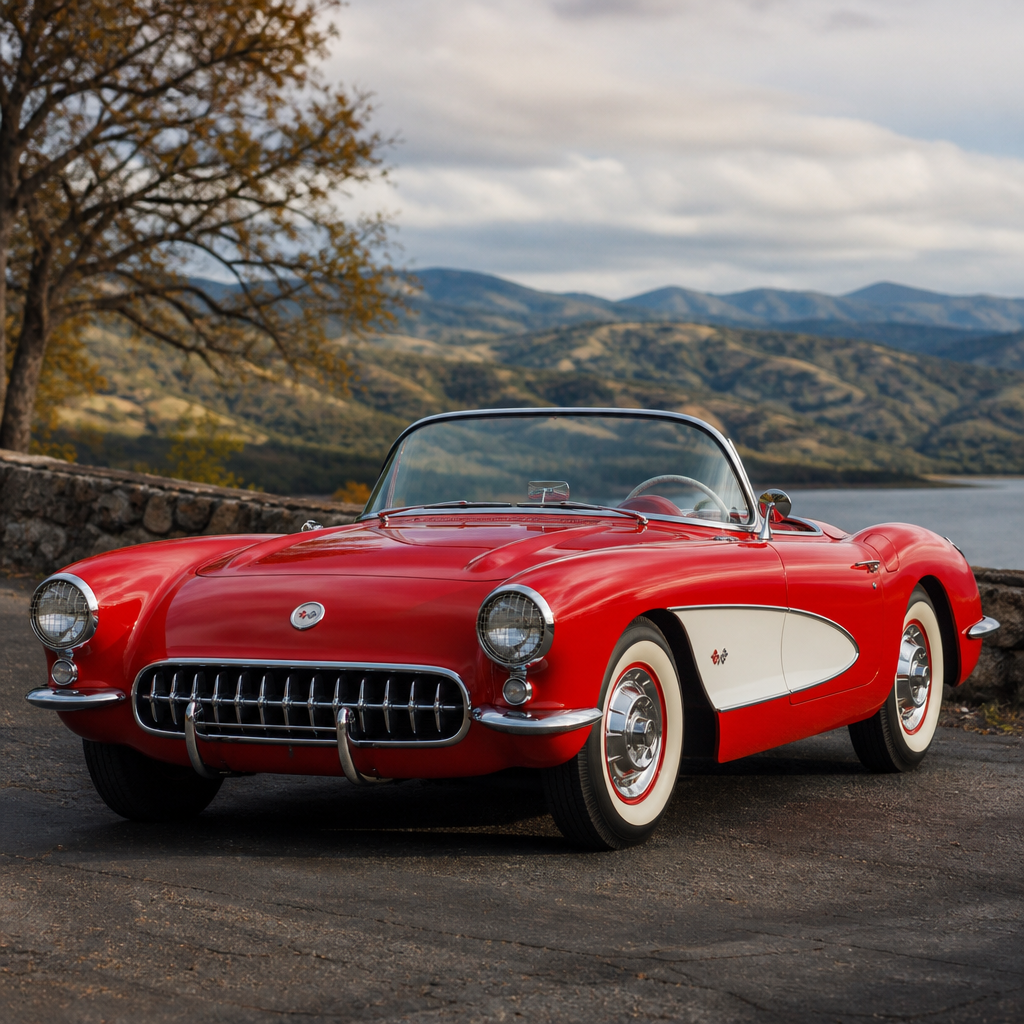
The Chevrolet Corvette Sting Ray, especially the 1963 coupe, showed that American sports car design had fully matured. Bill Mitchell’s split-window rear glass, sharply defined fender peaks, and coke-bottle body created a silhouette that remains one of the most studied in GM history. The split window lasted only one year for visibility reasons, which ironically increased its mystique and collectibility. Around the same time, the Ford Thunderbird and Pontiac Grand Prix expanded the personal luxury concept, blending performance cues with premium image.
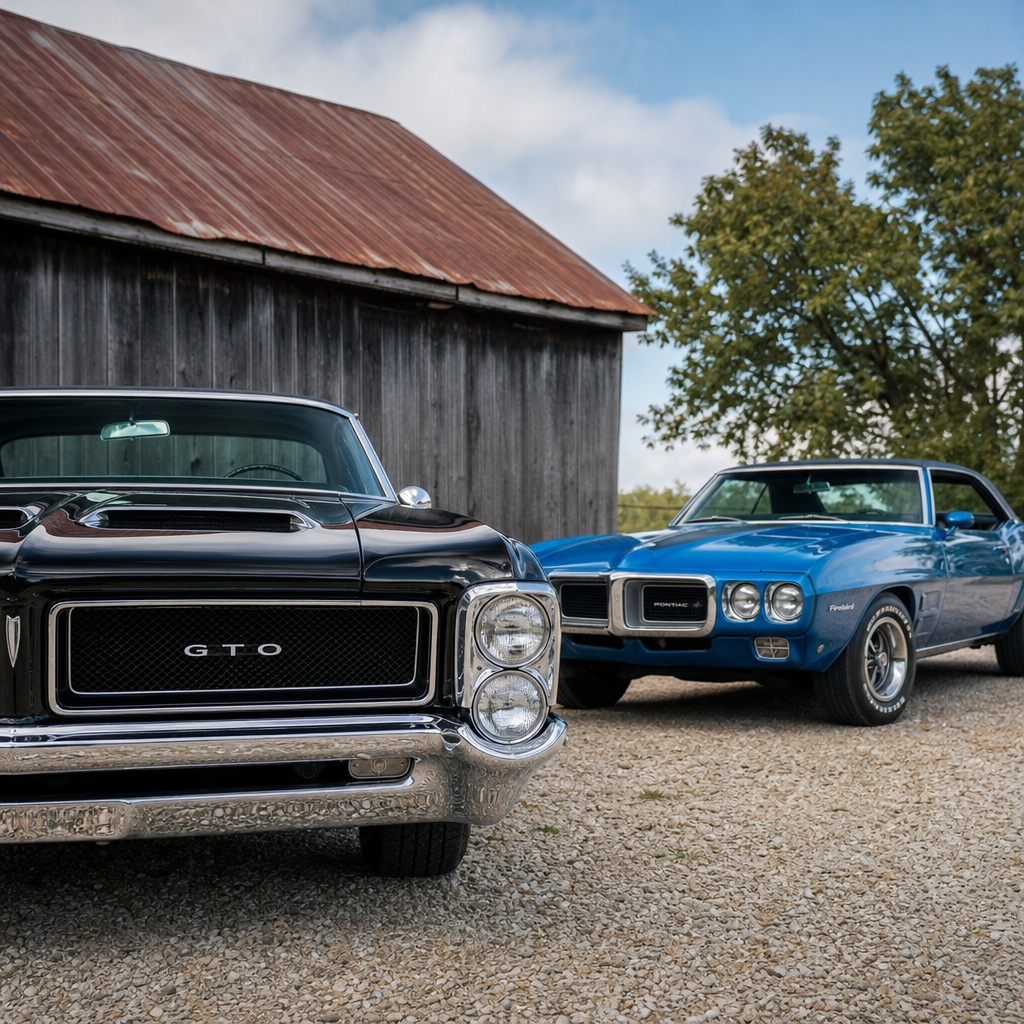
Then came the pony car and muscle car wave. The 1964½ Ford Mustang changed the market by offering sporty style on a compact platform at an accessible price. The 1967 fastback and 1969 SportsRoof variants especially captured the long-hood, short-deck formula that still defines American sporty coupes. Chevrolet answered with the Camaro, Pontiac with the Firebird, and Dodge with the Challenger. Meanwhile, intermediate-based muscle cars such as the Pontiac GTO, Chevrolet Chevelle SS, Plymouth Road Runner, and Dodge Charger used power bulges, hidden headlights, flying buttress rooflines, and aggressive graphics to communicate speed visually. The 1968–1970 Dodge Charger is particularly important because its tunnel-like grille and muscular fuselage sides made it one of the era’s most cinematic designs.
Why These Designs Still Lead the Collector Market
Iconic American classic car designs remain central to collecting because design drives emotional demand, and emotional demand supports long-term market interest. Mechanical rarity matters, but visual identity usually determines which cars become posters, toys, film stars, and lifelong ambitions. That broad recognition expands the buyer pool. It also helps parts reproduction, club support, specialist knowledge, and restoration resources, all of which make ownership more sustainable.
Design leadership also affects valuation tiers. A 1957 Chevrolet Bel Air, 1963 split-window Corvette, or 1967 Shelby GT500 attracts attention even from casual spectators, which strengthens auction performance and private-sale confidence. Prestigious venues such as Pebble Beach, Amelia, and major Mecum and Barrett-Jackson sales consistently demonstrate that strong styling history translates into audience engagement. At the same time, there are tradeoffs. Some highly styled 1950s cars have expensive chrome restoration needs. Certain low-production luxury models require difficult trim sourcing. Early unibody corrosion, pot-metal deterioration, and era-specific glass can complicate projects significantly.
For readers using this page as a hub, the practical takeaway is simple: learn the design language first, then evaluate individual models. Once you understand why a Riviera feels different from an Eldorado, or why a Cord sits apart from a Packard, the entire American classics category becomes easier to navigate. Use this overview as your starting map, then explore deeper model guides, brand histories, buying checklists, and restoration resources within the Classic Car Models & Brands topic. The more precisely you identify the design era and visual cues you love, the more confidently you can research, buy, restore, or simply appreciate the most iconic American classic car designs.
Frequently Asked Questions
What makes an American classic car design truly iconic?
An American classic car design becomes iconic when it does more than simply look attractive for its era. The most memorable examples combine bold styling, engineering confidence, cultural relevance, and lasting influence. In practical terms, that usually means a car introduced a shape, proportion, detail, or attitude that people instantly recognize decades later. Think long hoods, sweeping fenders, dramatic tailfins, wraparound windshields, chrome-heavy grilles, muscular fastback rooflines, or the clean, powerful stance that came to define many American coupes and convertibles. These design elements were not just decorative. They reflected the optimism, industrial strength, and consumer ambition of the United States during the height of its automotive dominance.
Iconic American classics also stand out because they helped define a category or an era. Some became symbols of postwar prosperity, others represented the jet-age fascination of the 1950s, and still others launched the performance-driven look of the muscle car years. Many of the most celebrated designs balanced excess and coherence in a way that remains compelling today. They were dramatic without being anonymous, and distinctive without feeling accidental. That is why certain cars continue to appear in films, museum collections, concours events, and enthusiast garages: their designs still communicate status, freedom, power, and personality at a glance.
Another major factor is influence. If later designers borrowed from a model’s proportions, front-end treatment, interior layout, or performance image, that original car typically earns a stronger place in design history. Collector enthusiasm reinforces that status over time, but enduring admiration usually begins with the design itself. In short, an iconic American classic is not just old or rare. It is a car whose styling helped shape public imagination and still serves as a visual shorthand for the golden age of motoring.
Which design eras are most important when discussing American classic cars?
Several distinct design periods matter when discussing the most iconic American classic car designs, and each brought a different visual language. The immediate prewar and early postwar years established many of the core proportions enthusiasts still admire, including long bodies, pronounced fenders, upright grilles, and increasing attention to streamlining. These cars often feel formal, elegant, and substantial. As American industry transitioned from wartime production back to consumer automobiles, automakers used design to signal progress, modernity, and abundance.
The 1950s are often the centerpiece of any conversation about classic American styling because this was the decade when visual drama exploded. Influenced by aircraft, rockets, and the larger cultural fascination with speed and the future, designers embraced tailfins, panoramic glass, two-tone paint, abundant chrome, and highly stylized dashboards. Brands such as Cadillac, Chevrolet, Buick, Chrysler, and Ford all produced models that projected optimism and glamour. This era is especially important because its cars were designed to stand out in a booming, competitive consumer market, and many of the shapes became instantly identifiable cultural symbols.
The 1960s brought a shift toward cleaner lines, stronger proportions, and a more focused sense of performance. While luxury cruisers remained important, this was also the era that produced many of the most iconic personal luxury cars, pony cars, and early muscle cars. Designs became lower, wider, and more aggressive. Cars such as the Ford Mustang, Chevrolet Corvette Sting Ray, Pontiac GTO, and Dodge Charger showed how American styling could communicate speed and youth culture with remarkable effectiveness.
The late 1960s and early 1970s are also critical because they represent the high-water mark of factory performance aesthetics. Hood scoops, hidden headlights, fastback rooflines, bolder graphics, and wider stances gave many vehicles a purposeful, unmistakable identity. Even though definitions of “classic” vary among collectors, insurers, and state registration systems, these decades remain central because they produced the cars that continue to dominate popular imagination, auctions, restoration shops, and enthusiast media.
Why do 1950s and 1960s American cars dominate discussions of classic design?
Cars from the 1950s and 1960s dominate these discussions because they arrived at a unique intersection of design freedom, industrial capacity, consumer demand, and cultural visibility. During those years, American automakers were operating at enormous scale, competition among brands was fierce, and annual styling changes were treated as major events. That combination encouraged designers to be bolder than they might be in a more restrained or regulation-heavy environment. The result was a stream of cars that looked theatrical, futuristic, luxurious, or aggressively sporty, often all at once.
The 1950s stand out for their exuberance. Designers used tailfins, chrome trim, sculpted body sides, and bright color combinations to make cars feel aspirational and modern. These vehicles captured the energy of the jet age and the confidence of postwar America. The 1960s, by contrast, often refined that energy into more focused themes. Performance became a stronger visual priority, and many of the era’s best designs projected motion even when parked. Long hoods, short decks, coke-bottle curves, hidden headlamps, and fastback profiles gave cars a dramatic road presence that remains highly collectible.
Another reason these decades loom so large is media exposure. The cars of the 1950s and 1960s became deeply embedded in television, advertising, music culture, motorsports, and film. They are the cars many people picture when they hear terms like “classic convertible,” “muscle car,” “tailfin Cadillac,” or “American cruiser.” Because these shapes have been repeated so often in popular culture, they have become design icons far beyond the collector community.
Finally, many vehicles from these two decades were produced in enough numbers to leave a visible legacy, yet distinct enough in styling to remain memorable model by model. That balance matters. A car has a better chance of becoming iconic when people can still see it, restore it, talk about it, and instantly identify it. That is exactly what happened with many American classics from the 1950s and 1960s.
How do collectors and enthusiasts judge the design significance of a classic American car?
Collectors and enthusiasts usually judge design significance through a combination of visual originality, historical importance, brand identity, and long-term influence. A car does not need to be the rarest or most expensive model to be considered significant in design terms. What matters first is whether it introduced or perfected a look that stands apart from its competitors. Enthusiasts pay close attention to proportion, stance, roofline, front and rear treatment, trim restraint or excess, wheel openings, glass area, and how well all those elements work together. The best designs feel intentional from every angle.
Historical context is equally important. A car often gains design significance if it marked a turning point for a manufacturer, launched a new segment, or embodied a major cultural trend. For example, a model might represent the peak tailfin era, the birth of the pony car, the maturation of muscle car styling, or the rise of personal luxury coupes. In those cases, the vehicle is evaluated not only as an object but also as a milestone. Enthusiasts want to know what the car changed, what it influenced, and why it still matters today.
Authenticity and integrity also affect how the design is judged. Original body lines, factory color combinations, period-correct trim, and preserved interior details help reveal what made the car special in the first place. Heavily modified cars may still be beautiful, but when the goal is assessing historic design significance, originality carries serious weight. Collectors often place a premium on examples that preserve the designer’s original intent, because those vehicles communicate the era more clearly.
Brand recognition and emotional impact matter too. Some cars are significant because they distilled an entire brand identity into one unforgettable design. Others earn their place because they stop people in their tracks, even years after production ended. In the end, enthusiasts tend to agree that truly important American classic car designs are the ones that remain instantly recognizable, historically meaningful, and visually compelling long after newer cars have come and gone.
Do official definitions of “classic car” affect which American designs are considered iconic?
Official definitions can influence the conversation, but they do not fully determine which American designs are considered iconic. Different organizations use different standards. Insurance providers may set age thresholds for specialty coverage, states may define classic or antique vehicles for registration purposes, and auction houses or collector clubs may use their own categories based on market tradition. Because of that, the exact boundary of what qualifies as a “classic” can vary. A vehicle that one institution treats as a classic may be labeled antique, vintage, historic, or simply collectible somewhere else.
That said, iconic design status is usually earned through reputation rather than paperwork. A car becomes iconic because enthusiasts, historians, restorers, and the wider public continue to recognize it as a landmark in styling. If a model shaped collector demand, influenced later automotive design, or became a lasting symbol of American motoring, it will be discussed as iconic whether or not every registry or insurer places it in the same technical category. Cultural memory tends to be more powerful than administrative classification.
Definitions still matter in a practical sense because they affect ownership, valuation, and preservation. Eligibility for collector plates, agreed-value insurance, emissions exemptions, and event participation can all