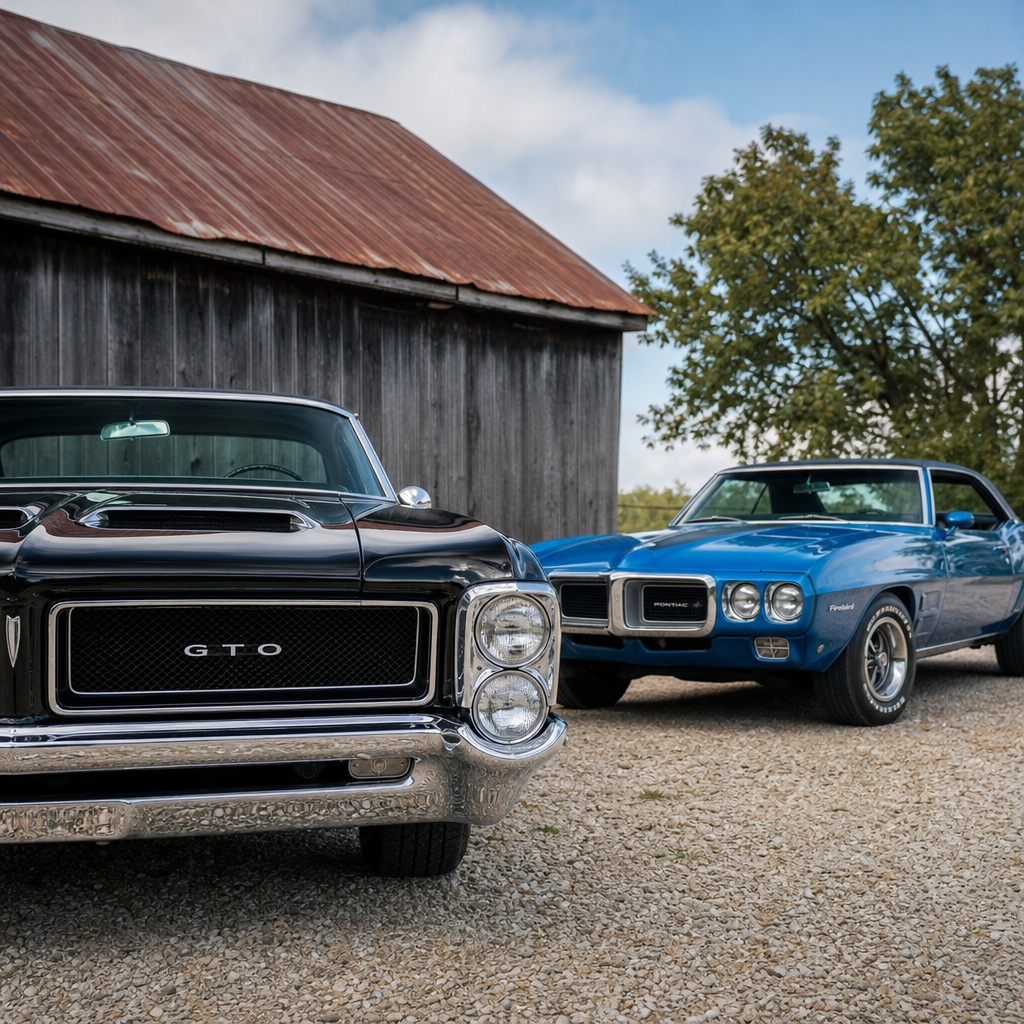
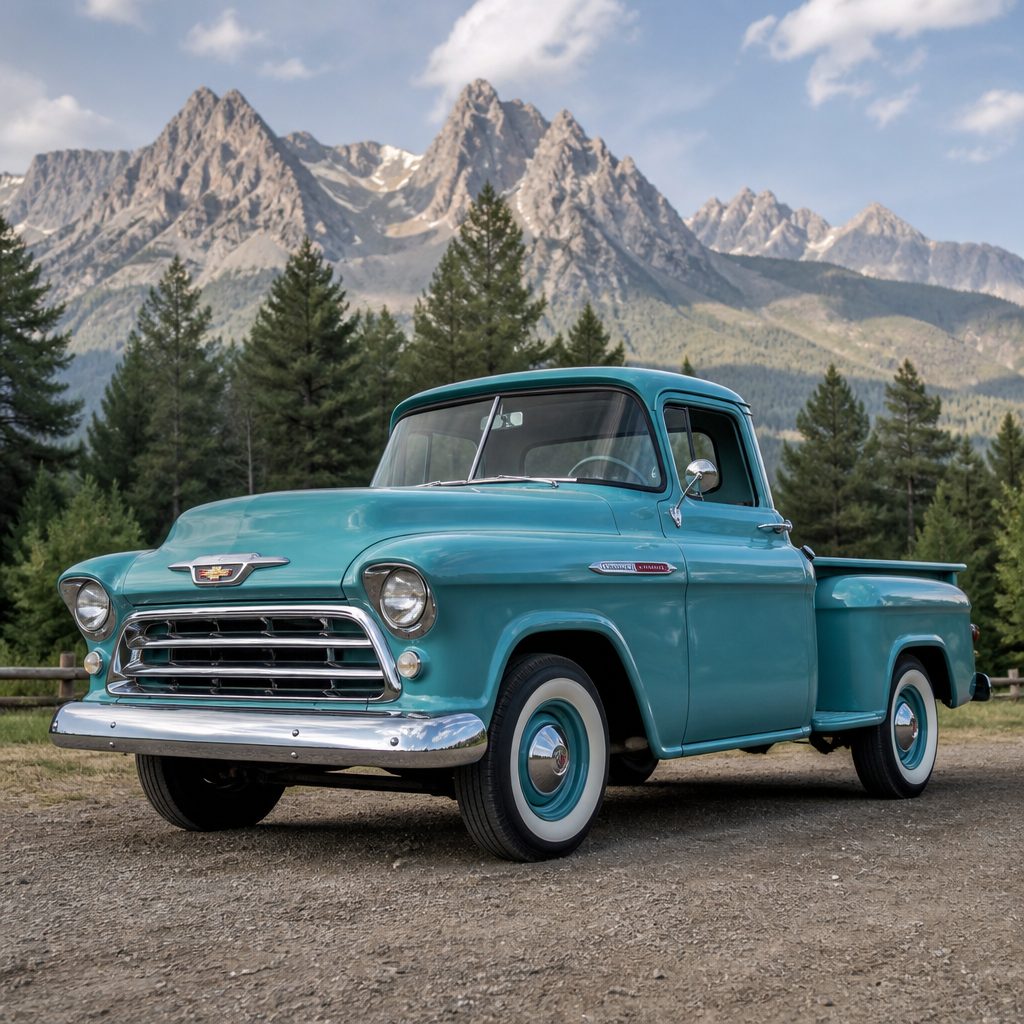
American classic trucks worth collecting occupy a special place in the broader world of vintage vehicles because they combine cultural history, mechanical simplicity, and practical usability in one package. Within the classic car models and brands landscape, American classics usually refer to vehicles built by storied domestic manufacturers such as Ford, Chevrolet, GMC, Dodge, International Harvester, and Jeep during the decades when styling, utility, and regional identity were closely tied. A collectible truck is not simply old. It is a model with recognizable design, meaningful production history, durable engineering, and sustained buyer demand.
I have worked around collector trucks at auctions, private sales, and restorations long enough to see one pattern repeat: the best trucks are not always the rarest ones, and the most satisfying purchases are often the models with strong parts support, active owner communities, and documented value trends. That matters because truck collecting is no longer a niche behind the passenger car hobby. Over the last decade, the market has broadened from farm survivors and hot-rod builds to carefully restored, period-correct examples, factory performance pickups, and preserved work trucks with honest patina.
Collectors are drawn to American classic trucks for several reasons. First, they are usable. A 1950s or 1960s pickup can appear at a local cars-and-coffee event in the morning and haul supplies in the afternoon. Second, many trucks are mechanically straightforward, with body-on-frame construction, leaf-spring suspensions, carbureted V8s or rugged inline-sixes, and broad interchangeability across years. Third, they tell the story of American industry, agriculture, suburban growth, and recreational culture better than many coupes or convertibles can.
If you are building a watch list, the key terms to understand are half-ton, three-quarter-ton, numbers-matching, patina, restomod, short bed, fleetside, stepside, survivor, and factory option package. Half-ton models usually lead the collector market because they are easier to drive and more attractive to hobby buyers. Short-bed configurations often command premiums. Original drivetrains, desirable engine options, documented provenance, and rust-free sheet metal can influence value more than bright paint. This guide explains which American classic trucks deserve attention, why certain generations stand out, and how to judge collectibility before you buy.
What Makes an American Classic Truck Collectible
A collectible truck sits at the intersection of desirability, supply, condition, and historical significance. In practical terms, buyers look for styling that defines an era, engines with loyal followings, and a truck that can actually be maintained. This is why a Chevrolet Task Force pickup, a Ford F-100 from the late 1950s, or a Dodge Sweptline often gets stronger market interest than a more obscure model with almost no replacement panels available. Collectibility is not abstract; it is supported by parts catalogs, club knowledge, title history, and auction comparables.
Condition still rules the market, but truck collectors apply that principle differently than many muscle car buyers. A straight, solid cab and bed from a dry climate may be more valuable than a fully repainted truck with heavy filler in the cab corners, floor pans, drip rails, and lower fenders. Rust repair on old pickups can become expensive quickly because damage usually spreads into bed supports, inner fenders, firewall seams, and frame mounts. When I inspect trucks, I care as much about welding quality, panel fit, and evidence of previous collision repair as I do about engine compression.
Documentation adds another layer. Factory build sheets, original sales invoices, maintenance records, and period photos support authenticity and help justify top-tier prices. The same truck can occupy very different market positions depending on whether it remains close to stock or has been converted into a restomod with disc brakes, modern overdrive, fuel injection, and aftermarket air conditioning. Neither route is inherently wrong. Stock examples tend to appeal to purists and judges, while well-executed upgrades attract drivers who want reliability and highway comfort. The key is quality and honesty in presentation.
Demand is strongest where nostalgia and usability overlap. Buyers who grew up around 1967-1972 Chevrolet C/K pickups, 1973-1979 Ford F-Series trucks, or square-body GM models now have the disposable income to chase the trucks they remember from ranches, job sites, and family road trips. At the same time, younger enthusiasts are entering the market through social media, online auctions, and specialist channels such as Bring a Trailer, Mecum, and Barrett-Jackson. That growing audience supports values for trucks that photograph well, drive well, and feel authentic rather than overrestored.
Blue-Chip Picks: Chevrolet and Ford Icons
Chevrolet and Ford dominate most discussions of American classic trucks worth collecting because they built the most recognizable pickups and continue to benefit from unmatched aftermarket support. Among Chevrolets, the Advance Design series produced from 1947 through early 1955 remains foundational. These trucks introduced more modern styling after World War II and are loved for their rounded fenders, upright grilles, and simple drivetrains. A 3100 half-ton is the default entry point. It is widely supported by reproduction sheet metal, trim, glass, and chassis parts, making restoration realistic even for first-time collectors.
The Chevrolet Task Force generation, built from 1955 second series through 1959, is often the next step up for collectors who want more chrome, wraparound windshields, and optional V8 power. The 1958 Apache models are especially distinctive because of their quad-headlight front ends. In the market, clean half-ton fleetside and stepside versions usually outpace heavier work trucks. Original small-block V8 examples and trucks with well-documented restorations are particularly desirable. These are the trucks I see perform consistently because they bridge farm-truck toughness and mid-century design appeal.
Ford counters with several landmark eras. The 1953-1956 Ford F-100 helped define the postwar pickup as a personal vehicle rather than just equipment. Its proportions, single-piece windshield, and clean dashboard made it an icon, and the 1956 model year stands out for its wraparound windshield and one-year-only details. The 1967-1972 F-100 generation is another collector favorite because it combines vintage style with comparatively easy drivability. Twin I-Beam front suspension, strong parts availability, and a wide range of engines make these practical entry-level classics.
For many buyers, the 1973-1979 Ford F-Series occupies a sweet spot between old-school looks and true regular use. The dentside body style is visually bold, and special trims such as Ranger XLT add appeal. Four-wheel-drive F-250 and F-150 examples with big-block power, manual transmissions, or factory air conditioning are drawing renewed attention. These trucks matter as collectibles because they represent the period when pickups became family transportation, not just commercial tools. Strong enthusiasm, visible auction results, and deep enthusiast communities keep them firmly on any serious American classics watch list.
Overlooked American Classics: Dodge, GMC, International, and Jeep
Collectors who look beyond Chevrolet and Ford often find better value and more originality. Dodge trucks, especially the 1961-1971 Sweptline series, have become standout alternatives. Their slab-sided design, broad hood lines, and available V8s give them real presence, yet they still trade below comparable GM and Ford models in many cases. The 1964-1966 D100 with a sweptline bed is a particularly smart target because it delivers distinctive styling without extreme rarity. Well-preserved Dodge pickups reward collectors who want something recognizable but less common at every local show.
GMC deserves separate attention even though it shared much of its architecture with Chevrolet. Historically, GMC positioned many trucks slightly upmarket or more commercial, and certain trim, badging, and engine combinations give them a distinct identity today. A GMC 100 or 150 from the 1950s can be an excellent buy if a comparable Chevrolet costs more. Serious collectors appreciate correct emblems, grille treatments, and documentation because the market increasingly recognizes that badge distinction. In premium conditions, GMC values have tightened as buyers search for alternatives without leaving the GM family.
International Harvester trucks are among the most character-rich American classics. The L-Series, R-Series, and later C-Series pickups have an industrial honesty that appeals to experienced collectors. They were built by a company better known for agricultural and heavy-duty equipment, which gives them strong heritage. Their limitation is parts availability. Body panels, trim, and model-specific hardware can require networking through specialist clubs and salvage sources. Still, for collectors who prioritize rarity and conversation value over easy restoration, an International pickup offers authentic Americana and a different ownership experience from mainstream brands.
Jeep pickups also deserve hub-level attention because they connect the truck hobby with the four-wheel-drive collector world. The Jeep Gladiator and J-series trucks, particularly from the 1960s and 1970s, combine utility, off-road capability, and unmistakable styling. Their appeal has risen as vintage 4×4 values strengthened across the market. Buyers should inspect frames, transfer cases, front axle components, and rust around beds and cab mounts carefully. A sorted Jeep truck can be tremendously rewarding, but neglected four-wheel-drive systems are expensive. The payoff is a classic American truck with real trail credibility and a loyal enthusiast base.
Best Collector Trucks by Era and Buying Priorities
Choosing the right collectible truck depends on your budget, intended use, and tolerance for restoration work. The strongest candidates differ if you want a weekend driver, a show-quality restoration, or a long-term appreciation play. The table below summarizes the generations I most often recommend to buyers entering the American classic truck market.
| Era | Recommended models | Why collectors want them | Main caution |
|---|---|---|---|
| 1947-1955 | Chevrolet Advance Design, Ford F-1/F-100 | Foundational postwar styling, simple mechanics, huge parts support | Cab and floor rust, outdated brakes and gearing |
| 1955-1959 | Chevrolet Task Force, GMC Blue Chip | V8 availability, wraparound glass, strong visual appeal | Trim costs and restoration quality vary widely |
| 1960-1966 | Ford F-100, Dodge D100 Sweptline, Chevrolet C10 | Good drivability, growing demand, easier ownership | Modified examples can hide poor workmanship |
| 1967-1972 | Chevrolet C10, Ford F-100, Jeep Gladiator | Peak demand, excellent aftermarket, broad buyer pool | Premium pricing for short beds and factory options |
| 1973-1987 | Ford dentside F-Series, Chevrolet/GMC square-body | Usable classics, strong nostalgia, parts everywhere | Values have risen, so condition matters more than ever |
For new collectors, 1967-1972 Chevrolet C10s and 1973-1987 GM square-body trucks are often the most balanced picks. You can still find complete examples, drivability is acceptable in modern traffic, and nearly every component from weatherstripping to LS-swap mounts is available. If originality matters, avoid trucks that have been heavily cut for air suspension or custom interiors unless the work is exceptionally documented. If easy entry matters more, a driver-quality square-body with a small-block V8, automatic transmission, and solid frame usually makes more sense than an incomplete 1950s project.
For experienced buyers, earlier trucks and rarer brands offer stronger individuality. A 1956 Ford F-100, a Chevrolet Apache with correct trim, or an International Harvester with original paint can attract attention that a common build cannot. Yet the buying rule stays constant: purchase the best body and documentation you can afford. Mechanical issues are usually manageable. Rust, missing trim, and poor previous restoration work consume budgets fast. In the current market, a truck that is complete, honest, and structurally sound will almost always be the smarter collectible than a cheaper example needing everything.
How to Evaluate, Store, and Grow a Truck Collection
When evaluating American classic trucks worth collecting, start with the body, frame, and identity. Confirm the VIN plate, frame stamp if applicable, engine codes, and title all align with the seller’s claims. Look under rubber mats, behind kick panels, inside cab supports, under bed wood or steel floors, and along frame kick-ups for corrosion. Check door alignment, hood fit, and bed-to-cab relationship for signs of previous accident damage. A compression test and road test matter, but body integrity and legal paperwork decide whether a truck is a collectible asset or a future headache.
Storage and maintenance directly affect value retention. Trucks should be kept dry, clean, and driven enough to circulate fluids and prevent seals from drying out. Fuel stabilization, battery tending, tire pressure management, and regular inspection of brake hydraulics are essential. Carbureted classics suffer when they sit too long. I advise owners to create a maintenance log with mileage, service dates, part numbers, and photographs. That record becomes part of the truck’s provenance and reassures future buyers. Insurance through specialist carriers such as Hagerty or Grundy also helps protect against undervaluation.
A hub collection strategy works best when you balance cornerstone models with one or two contrarian picks. You might pair a blue-chip 1972 Chevrolet C10 with a Dodge Sweptline or Jeep J-truck to diversify style and buyer interest. Follow auction sales, club forums, and marque specialists to understand micro-trends, but do not chase every spike. The enduring benefit of collecting American classics is that the best trucks offer enjoyment before profit. Study the generations, inspect carefully, buy quality, and use this guide as your starting point for deeper model-by-model research across the American classic truck category.
Frequently Asked Questions
What makes American classic trucks worth collecting compared with other vintage vehicles?
American classic trucks appeal to collectors because they offer a rare combination of nostalgia, usability, and straightforward mechanical design. Unlike many vintage cars that are treated primarily as weekend showpieces, classic trucks often have a more flexible role. They can be restored to factory-correct condition, lightly upgraded for regular driving, or preserved as working relics that still reflect their original purpose. That versatility gives them broad appeal among collectors, hobbyists, and first-time vintage vehicle buyers.
Another major reason they stand out is their connection to American history. Trucks from Ford, Chevrolet, GMC, Dodge, International Harvester, and Jeep were tied to agriculture, construction, military service, small business, and rural life in ways that many passenger cars were not. They are symbols of regional identity and practical craftsmanship. A half-ton pickup from the 1950s or 1960s can represent postwar growth, evolving design trends, and the rise of personal-use trucks all at once.
Collectors also appreciate that many classic American trucks are mechanically simple. Parts availability is often better than people expect, especially for popular models from Ford and Chevrolet. Their body-on-frame construction, robust drivetrains, and relatively uncomplicated systems make them approachable for restoration and maintenance. For enthusiasts who want a vintage vehicle they can understand, work on, and drive without excessive complexity, classic trucks are often one of the smartest entry points into the collector market.
Which American classic truck models are considered the most collectible?
Several models consistently rank near the top of the collector market because of their design, historical significance, and enthusiast support. Ford’s F-Series trucks, particularly the F-1, F-100, and early generations of the F-150 lineage, are highly sought after. The 1948–1952 Ford F-1 helped define the postwar pickup, while the 1953–1956 and 1967–1972 generations remain especially popular thanks to their balanced styling and strong parts support. Chevrolet’s Advance-Design trucks from 1947–1955 and Task Force trucks from 1955–1959 are also among the most recognizable and collectible American pickups ever built.
GMC models from the same eras are often valued for their close relation to Chevrolet trucks while still offering their own brand identity and trim distinctions. Dodge pickups from the late 1940s through the 1970s have gained traction with collectors who want something less common than Ford or Chevrolet. Sweptline-era Dodge trucks, in particular, have developed a loyal following. International Harvester pickups and Travelall-based utility models are increasingly respected for their rugged engineering and relative rarity, which can make clean survivors especially desirable. Jeep trucks, including the Gladiator and early J-series pickups, are notable for combining classic truck styling with off-road credibility.
In general, the most collectible trucks tend to be those with strong visual character, surviving originality, desirable drivetrains, and active aftermarket or enthusiast communities. Limited-production trims, factory V8 options, four-wheel-drive configurations, and well-documented ownership history can all increase collectibility. That said, a truck does not have to be the rarest model on the market to be worth collecting. In many cases, the most rewarding trucks are those with broad support, proven value stability, and a design that continues to resonate with buyers across generations.
How do collectors evaluate the value of a classic American truck?
Value is typically determined by a combination of originality, condition, rarity, documentation, and market demand. Original trucks with matching drivetrains, factory colors, correct trim, and unmodified bodies generally attract the strongest attention, especially if they retain hard-to-find components. However, condition matters just as much as originality. A well-restored truck with quality workmanship can be worth far more than a neglected “all-original” example that suffers from major rust, poor repairs, or missing parts.
Body condition is especially important because rust repair on classic trucks can be expensive even when replacement panels are available. Collectors pay close attention to cab corners, floor pans, rockers, bedsides, fenders, and frame integrity. A solid, dry-climate truck usually commands a premium because structural corrosion can quickly turn an affordable purchase into a costly restoration. Mechanical condition also matters, although engines, transmissions, brakes, and suspension systems are often easier to repair than severe rust or extensive missing trim.
Documentation can significantly affect value. Original sales paperwork, service records, factory build information, period photos, and long-term ownership history help validate a truck’s story and reassure buyers. Desirability also rises with appealing specifications such as short-bed configurations, factory four-wheel drive, V8 power, unique trim packages, and uncommon but attractive color combinations. Finally, the broader market matters. Trucks with strong enthusiast communities, readily available parts, and recognizable styling tend to hold value better because more buyers are actively looking for them.
Is it better to buy a fully restored classic truck or a project truck?
The best choice depends on your budget, experience, and goals as a collector. A fully restored truck is usually the better fit for buyers who want immediate enjoyment, predictable costs, and a vehicle that is ready for shows, weekend driving, or local events. If the restoration was done to a high standard with photo documentation and quality parts, a finished truck can actually be the more economical option. That is because restoration expenses often exceed what buyers expect, especially once paintwork, upholstery, chrome, glass, wiring, and hidden rust repair are factored in.
A project truck can still be a great buy, but it makes the most sense for someone who enjoys the restoration process or has access to trusted labor and specialized knowledge. Buying a project gives you more control over the final result, from paint color to drivetrain setup to authenticity level. It can also be rewarding on a personal level because you become part of the truck’s preservation story. The risk, however, is that project vehicles often reveal more issues after purchase than were visible at first glance. Missing trim, poor previous repairs, title problems, and incomplete mechanical systems can all increase cost and delay completion.
For many collectors, the ideal middle ground is a solid, running truck with good bones that has not been over-modified. That type of truck allows you to drive and improve it gradually without taking on a full ground-up rebuild. Whether restored or unrestored, the smartest purchase is always the one backed by a thorough inspection, realistic budget planning, and a clear understanding of whether your priority is investment potential, usability, or hands-on restoration enjoyment.
Are modified American classic trucks still collectible, or is originality always more valuable?
Modified classic trucks can absolutely be collectible, but the value depends on the quality, taste, and reversibility of the modifications. In the collector market, originality usually carries the strongest long-term appeal, particularly for rare, historically important, or highly correct examples. A factory-spec truck with original driveline components, trim, and finishes often attracts purists and tends to be easier to evaluate in a traditional collector context. That is especially true for early production models, special trims, and well-preserved survivors.
At the same time, American classic trucks have a long tradition of customization, and many buyers actively seek tasteful upgrades that improve reliability, comfort, and drivability. Common modifications such as front disc brakes, updated wiring, power steering, improved cooling systems, overdrive transmissions, and mild suspension upgrades can make an old truck far more enjoyable on modern roads. Restomod builds with upgraded V8 engines, modern chassis components, and custom interiors can also command strong prices, especially when the workmanship is exceptional and the visual design respects the original truck’s character.
The key distinction is whether the modifications enhance the truck or erase what made it significant in the first place. Poorly executed customization, irreversible body alterations, or trendy modifications that quickly date the vehicle can hurt collector interest. By contrast, period-correct or well-engineered upgrades often broaden a truck’s appeal. For most buyers, originality is not the only path to collectibility. A modified classic truck can be a very worthwhile addition to a collection if it remains structurally sound, visually coherent, mechanically sorted, and true to the spirit of the era that made American trucks so iconic.