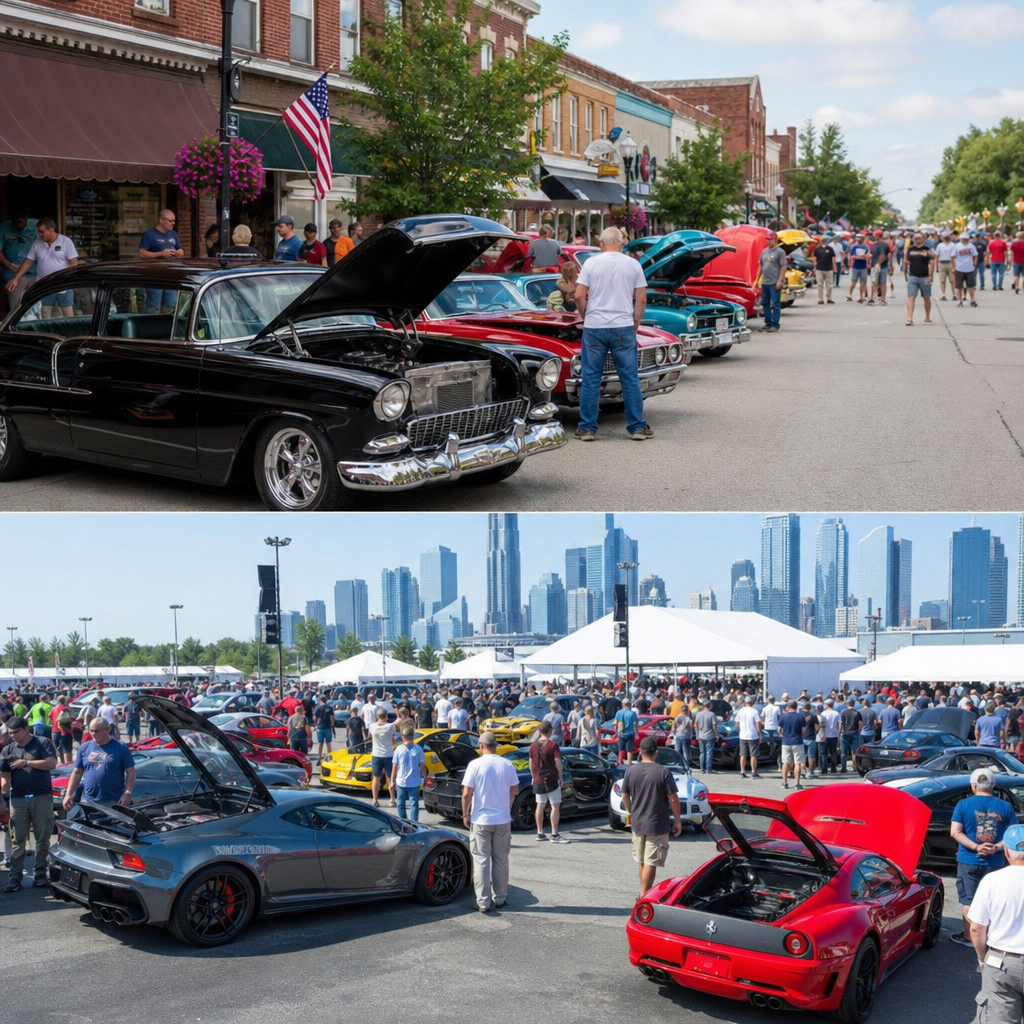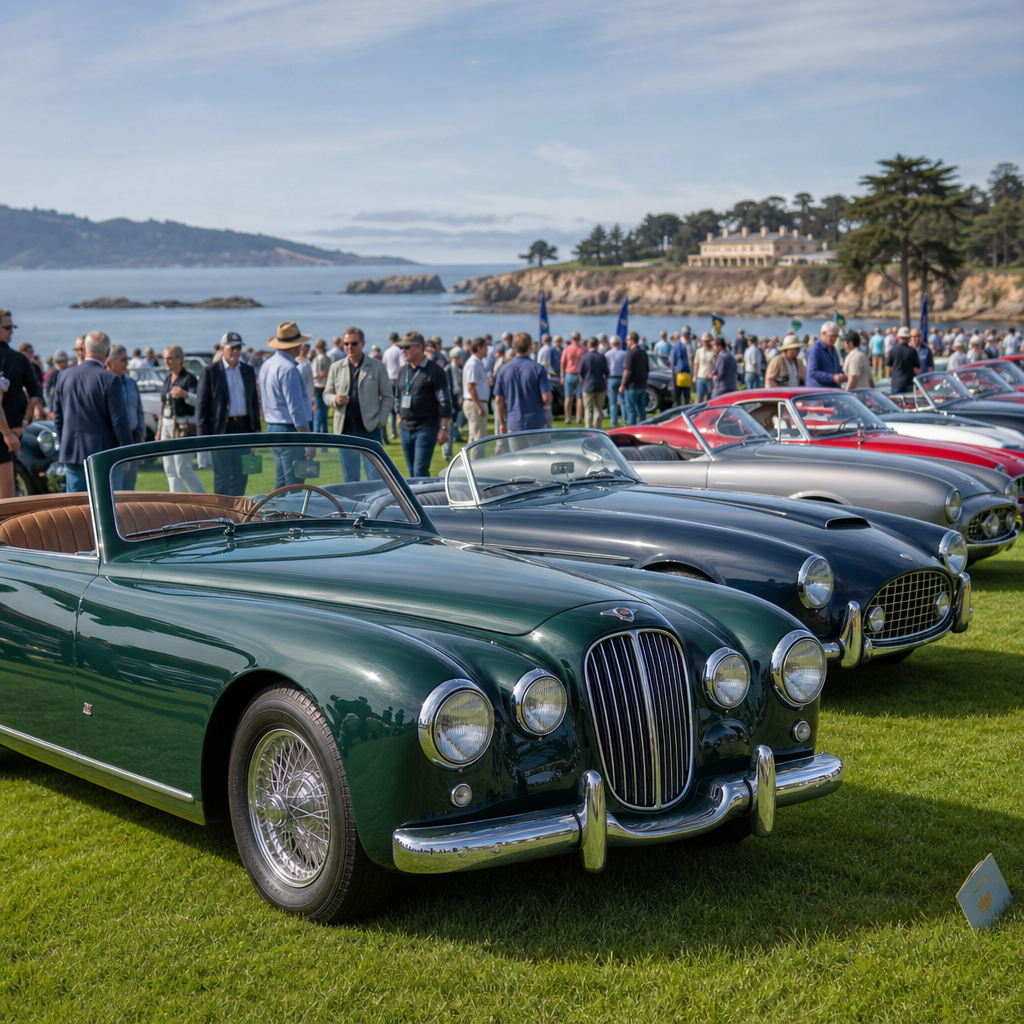
Classic cars and cinema have shaped each other for more than a century, turning steel, chrome, and engine noise into storytelling tools that audiences remember as vividly as any actor. When people search for the most famous classic cars in movies, they usually mean vehicles that did more than appear on screen. These cars defined scenes, reflected character, drove plots, and influenced real buying trends, restoration culture, memorabilia markets, and even museum collections. In classic car culture, a movie car is not simply an old vehicle used as a prop. It is a recognizable automobile, typically from a pre-1980 era, whose design, performance, symbolism, or screen time made it part of popular memory.
In my experience covering collector car events, auction previews, and film-vehicle exhibits, no topic pulls casual fans into the hobby faster than movie cars. Someone who cannot identify a carburetor can still recognize the Aston Martin DB5 from James Bond, the 1968 Ford Mustang GT from Bullitt, or the 1959 Cadillac Miller-Meteor ambulance from Ghostbusters. That recognition matters because movies are often the first point of entry into classic car enthusiasm. A single chase scene, getaway shot, or dramatic arrival can create demand for a model that had previously been appreciated only by dedicated collectors.
This hub article covers the major ground in Movies & Media within the broader classic car lifestyle world. It explains which classic cars became screen legends, why filmmakers choose certain vehicles, how specific models changed public perception after release, and what collectors should know about authenticity, replicas, and market impact. It also sets up the wider subtopic by touching on action films, comedies, television crossovers, franchise branding, restoration trends, and the role of auctions and museums. If you want a practical, complete overview of famous movie cars and why they still matter, this is the place to start.
What Makes a Classic Movie Car Truly Famous
A famous classic movie car usually combines five traits: instant visual recognition, memorable scenes, narrative importance, lasting cultural reach, and a real-world effect on enthusiasts or values. Plenty of older cars appear in films, but only a small group become icons. The 1970 Dodge Charger in The Fast and the Furious is widely loved, yet within strict classic film history, earlier examples such as the Bullitt Mustang or the Chitty Chitty Bang Bang racer changed public imagination on a broader scale. Fame comes from repetition and emotional association. Viewers need to remember the car as part of the story, not background decoration.
Design is often the first factor. Cars with strong silhouettes read clearly on screen, even in motion or low light. The long hood and tidy fastback roof of the 1968 Mustang GT, the delicate curves of the Ferrari 250 GT California Spyder in Ferris Bueller’s Day Off, and the upright grille of the Excalibur roadster in The Great Race all translate visually. Camera crews and directors favor forms that communicate status, menace, speed, luxury, or eccentricity in a single shot. A vehicle that can tell the audience something before anyone speaks has a major advantage.
Performance and sound matter just as much. The best movie cars have mechanical personalities. Steve McQueen’s Highland Green Mustang in Bullitt became legendary because the chase balanced camera placement, editing, and V8 sound in a way that felt authentic rather than exaggerated. Likewise, the Aston Martin DB5 in Goldfinger stood out not only for gadgets, but because the DB5 was already one of Britain’s most refined grand tourers. Film amplified qualities enthusiasts respected in the real car: speed, craftsmanship, and elegance.
Fame also depends on timing. Some cars arrive on screen just as society is primed to adopt them as symbols. The Volkswagen Beetle in The Love Bug resonated because the Beetle already represented affordability and individuality. The DeLorean DMC-12 in Back to the Future became bigger in fiction than it ever was in sales because the movie transformed an interesting but commercially troubled sports car into a time-machine icon. That kind of reinvention is rare and powerful.
The Defining Movie Cars and Why They Endured
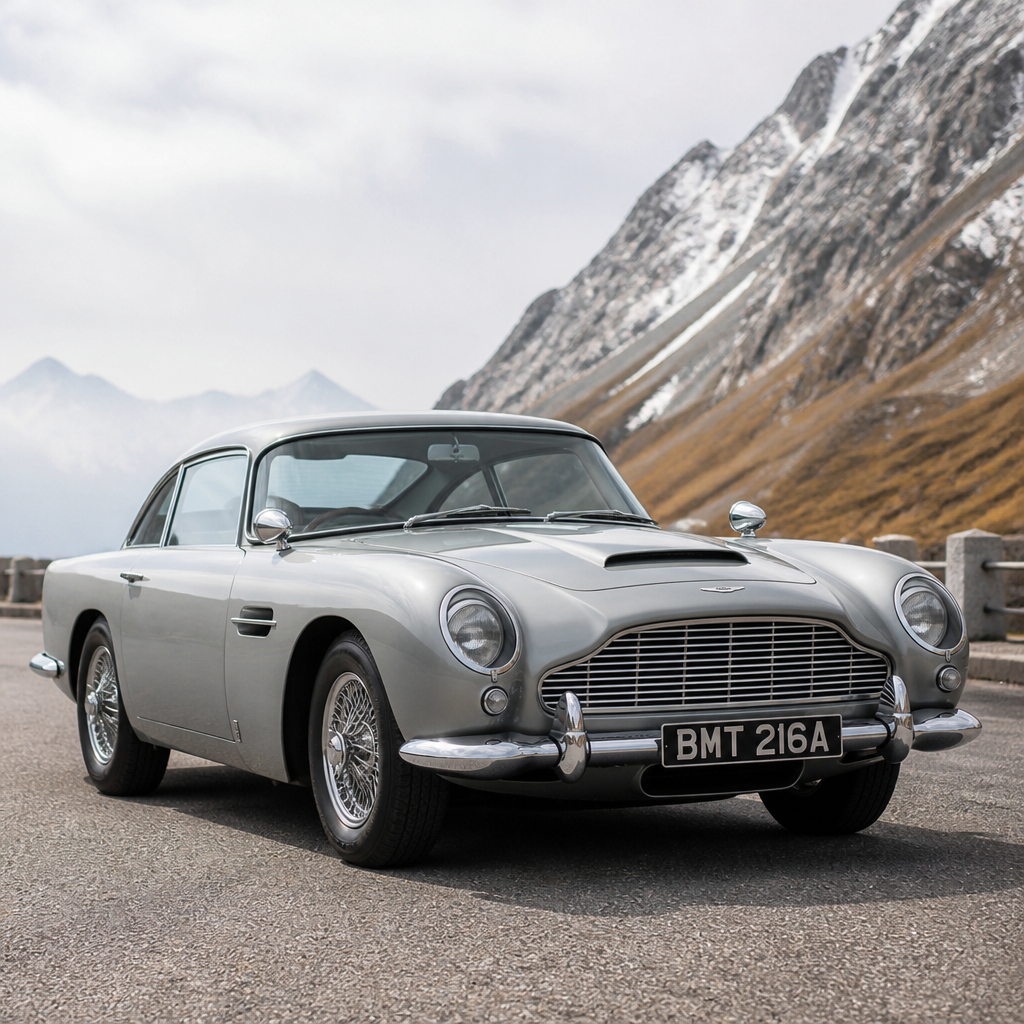
Several classic cars stand above the rest because they remained relevant across generations. The Aston Martin DB5 from Goldfinger and later Bond films is the template for the sophisticated hero car. Introduced in 1963, the DB5 paired aluminum bodywork, a 4.0-liter straight-six, and grand touring manners with understated luxury. On screen, it became a machine of intelligence and control. That image fed directly into Aston Martin’s brand identity for decades. Even people who know little about British sports cars often name the DB5 first.
The 1968 Ford Mustang GT fastback from Bullitt is equally important for a different reason. It represented realism. Director Peter Yates and Steve McQueen grounded the chase in San Francisco streets, practical driving, and restrained dialogue. The car was not dressed with fantasy gadgets; it was compelling because it felt attainable and dangerous in equal measure. Ford understood the film’s impact well enough that later Bullitt special-edition Mustangs were marketed directly through that heritage, proving how movie legacy can become product strategy.
The DeLorean DMC-12 from Back to the Future shows how cinema can rescue a flawed commercial story. In production terms, the stainless-steel body and gullwing doors looked futuristic enough to sell time travel instantly. In market terms, the actual DeLorean had modest performance and a brief, troubled life. Yet the film elevated the model into one of the most recognized movie cars ever built. Today, restorers and owners often navigate a divide between preserving a stock DMC-12 and building a screen-inspired tribute. Both are valid, but they serve different collector goals.
Herbie, the 1963 Volkswagen Beetle from The Love Bug, demonstrates the power of personality. The Beetle’s rounded shape and modest scale made it believable as a car with emotions. Meanwhile, the 1959 Cadillac Miller-Meteor ambulance known as Ecto-1 from Ghostbusters turned an already dramatic professional car into a rolling visual joke and a practical hero vehicle. It is one of the best examples of a niche body style entering mainstream awareness through film.
| Movie Car | Film | Model Year | Why It Became Iconic |
|---|---|---|---|
| Aston Martin DB5 | Goldfinger | 1963 | Luxury, gadgets, Bond association, enduring franchise visibility |
| Ford Mustang GT Fastback | Bullitt | 1968 | Realistic chase scene, muscular design, Steve McQueen credibility |
| DeLorean DMC-12 | Back to the Future | 1981 | Time machine conversion, futuristic styling, cult following |
| Volkswagen Beetle | The Love Bug | 1963 | Human-like character, family appeal, approachable design |
| Cadillac Miller-Meteor | Ghostbusters | 1959 | Distinctive emergency-vehicle body, comedy branding, memorable livery |
| Ferrari 250 GT California Spyder | Ferris Bueller’s Day Off | 1958 | Aspirational rarity, plot importance, symbol of reckless privilege |
Genres, Storytelling, and the Roles Classic Cars Play
Different genres use classic cars in distinct ways, and that is essential to understanding Movies & Media as a hub topic. In action films, the car often becomes a test of competence. Bullitt, The French Connection, and early Bond films used driving to reveal nerve, precision, and moral tension. In comedies, the car can become an exaggeration of personality, as with Herbie or the Ferrari in Ferris Bueller’s Day Off. In fantasy and science fiction, cars become portals, inventions, or hybrids of old craftsmanship and impossible technology. The DeLorean is the obvious example, but Chitty Chitty Bang Bang did this even earlier.
Period films rely on classic cars differently. There, authenticity matters more than individual fame. A 1930s Packard, a 1940s Buick, or a 1950s Chevrolet may not be the star, yet these vehicles establish social class, geography, and historical mood with exceptional efficiency. Directors and production designers know that the wrong car can break audience trust faster than a small costume mistake. When filmmakers choose correct trim, paint colors, wheel covers, and coachbuilt variants, serious enthusiasts notice.
Crime cinema often uses classic cars to indicate hierarchy. A mob boss does not arrive in the same machine as a low-level enforcer. Luxury Cadillacs, Lincolns, and Mercedes-Benz sedans communicate power without explanation. Sports cars can suggest vanity, modernity, or instability, depending on context. I have seen this dynamic discussed repeatedly at film-car displays, where viewers project motives onto vehicles before they remember the dialogue. That is precisely why these machines matter in visual storytelling.
This broader media landscape also includes television, streaming revivals, posters, toys, and video games. A movie car becomes truly embedded in culture when it survives beyond the original release. Ecto-1, the Batmobile in its various eras, and the General Lee from The Dukes of Hazzard prove that cross-media repetition can create recognition on the same level as theatrical film. For a hub page, that crossover matters because classic car media culture rarely stays confined to one screen.
How Famous Movie Cars Influence Collectors, Values, and Restoration
Screen fame changes the collector market, but not always in simple ways. Direct hero cars, stunt cars, and production-used vehicles can command major premiums at auction, especially when documentation is strong. Auction houses such as Mecum, Barrett-Jackson, Bonhams, and RM Sotheby’s treat provenance as seriously as specifications. A standard 1968 Mustang fastback has one market value. A verified Bullitt-related car occupies a completely different category because historical significance outweighs ordinary condition metrics.
At the same time, association can lift the entire model line. DB5 values benefit from Bond mythology, while DeLorean demand remains heavily tied to Back to the Future. Replica culture adds another layer. Tribute builds let enthusiasts access the image without spending hero-car money, but quality varies dramatically. Good replicas are transparent about what they are, use period-correct or screen-correct components intelligently, and respect the underlying vehicle. Bad replicas confuse history, ignore safety, and can distort pricing for newcomers.
Restoration standards are another major issue. A concours restoration aims for factory-correct presentation according to original production specifications, materials, finishes, and documentation. A screen-match restoration aims to reproduce how the car appeared in the film, including modifications that may never have existed on dealer lots. Those goals can conflict. The Ghostbusters Ecto-1, for example, is most culturally valuable with film equipment fitted, even though that presentation differs from a stock Miller-Meteor ambulance. Collectors should decide early whether authenticity means factory originality or media accuracy.
Insurance and usability deserve attention too. Movie-car replicas often carry custom equipment, altered interiors, added lighting, or nonstandard wiring. Those changes affect appraisals and coverage. Storage, parts sourcing, and maintenance can also be harder than first-time buyers expect. Still, the upside is undeniable: movie-linked classics bring more people into shows, museums, and clubs than almost any other niche. They function as gateway vehicles, turning spectators into owners and owners into historians.
How to Explore the Movies and Media Side of Classic Car Culture
If you want to go deeper into classic cars in movies, start by separating three questions. First, which cars are historically important to film? Second, which cars are important to collectors? Third, which cars shaped public imagination regardless of mechanical merit? Those categories overlap, but they are not identical. The Ferrari 250 GT California Spyder is one of the most desirable collector cars ever depicted on film, while the DeLorean is more significant as a media symbol than as a conventional performance benchmark. Knowing the difference leads to better research and better buying decisions.
Use primary and reliable secondary sources whenever possible. Production archives, studio documentation, marque registries, auction catalogs, factory records, and interviews with builders or coordinators are stronger than rumor-driven fan pages. For market context, compare recent sales, examine condition reports, and check whether a claimed screen-used vehicle is backed by chain-of-custody evidence. For film context, revisit the actual scenes and note how much the car really does. Some models become famous through only a few minutes of effective screen time.
As a hub within Classic Car Culture & Lifestyle, this Movies & Media page should lead naturally into deeper coverage: the best car chase films, television’s most memorable classics, movie cars that increased in value, replicas versus authenticated screen cars, and museums or events where fans can see these vehicles in person. The central lesson is simple. Famous classic cars in movies matter because they connect design history, storytelling, celebrity, collecting, and memory in one object. Watch the films again, study the cars closely, and you will understand not just what people drove on screen, but why those machines still drive culture today.
Frequently Asked Questions
What makes a classic car in a movie truly iconic?
A classic car becomes truly iconic in film when it does more than fill the background of a scene. The most memorable movie cars help tell the story, reveal something important about a character, and create visual moments that audiences remember for decades. In many cases, the vehicle becomes an extension of personality. A polished luxury model may signal power, wealth, or control, while a battered muscle car can represent rebellion, freedom, or danger. Directors and production designers often choose specific cars very carefully because shape, sound, color, and brand identity all influence how viewers interpret what they are seeing.
What separates a famous movie car from an ordinary on-screen vehicle is cultural afterlife. Truly iconic classics continue to be recognized long after the film’s release, often by people who have never even seen the entire movie. Cars such as the Aston Martin DB5 from James Bond films, the Ford Mustang GT fastback from Bullitt, or the DeLorean from Back to the Future became visual shorthand for entire franchises, eras, and cinematic moods. These vehicles are remembered not only because they looked great on camera, but because they were tied to unforgettable action scenes, emotional turning points, or groundbreaking filmmaking. When a car influences fan culture, restoration demand, collectible values, and popular imagination, it has moved beyond prop status and into movie history.
Which classic cars are most often considered the most famous in movie history?
Several cars appear again and again in conversations about the most famous classic cars in movies because their screen presence was so strong that they became inseparable from the films themselves. The Aston Martin DB5 is one of the clearest examples. Introduced to worldwide audiences through the James Bond series, it blended elegance, performance, and gadget-driven fantasy in a way that helped define the spy genre. Another towering example is the 1968 Ford Mustang GT fastback from Bullitt. Its San Francisco chase scene is still widely studied as one of the greatest car chases ever filmed, and the Mustang’s dark, understated look gave it a lasting cool factor that still influences collectors and enthusiasts today.
The DeLorean DMC-12 from Back to the Future also deserves a permanent place on the list, even though its automotive reputation before the film was very different from its cultural reputation after it. Cinema transformed it from an unusual sports car into a global symbol of time travel and 1980s pop culture. Other major names often included are the Volkswagen Beetle from Herbie films, the 1973 Ford Falcon XB GT from Mad Max, the 1970 Dodge Charger from The Fast and the Furious franchise’s early legacy discussions, and the various Batmobiles that drew heavily from classic custom-car design language. Depending on how strictly someone defines “classic,” lists may also include the Ferrari 250 GT California replica from Ferris Bueller’s Day Off or the 1958 Plymouth Fury from Christine. The common thread is that these cars did not just appear on screen; they became central to the identity and memory of the film itself.
How have famous movie cars influenced real-world classic car values and collector interest?
Film exposure can dramatically reshape the market for a classic car. When a vehicle becomes associated with a beloved movie, demand often rises among collectors, casual fans, and even people who previously had little interest in car culture. That increased visibility can push up prices, especially for examples that match the on-screen model year, trim, color, or equipment package. The Bullitt Mustang is a prime example of this effect. Steve McQueen’s association with the car elevated its mystique, and surviving examples that resemble the movie car have benefited from decades of heightened enthusiasm. In the same way, the Aston Martin DB5 gained a level of prestige through James Bond that extended far beyond its original production appeal.
The effect is not always purely financial, but it is often powerful. Movies can inspire restoration projects, replica builds, club formation, museum exhibitions, and specialty auctions centered on screen-used or screen-matched vehicles. Fans may spend years searching for the correct wheels, paint codes, interior materials, or accessories to recreate a famous cinematic version. At the top end of the market, authenticated hero cars or stunt cars from major films can command extraordinary prices because they carry both automotive significance and entertainment memorabilia value. Even when a direct value increase is difficult to measure, cinema undeniably boosts recognition, and recognition drives desirability. In the classic car world, desirability is often what turns a solid collector vehicle into a legend.
Why do certain classic cars fit movie storytelling so well?
Certain classic cars work beautifully in movies because they are naturally expressive objects. Their body lines, proportions, grille designs, exhaust notes, and interiors all communicate something instantly, often before a character speaks. A big American muscle car suggests force, aggression, and raw individuality. A refined European grand tourer may project sophistication, wealth, and danger with equal ease. A quirky compact or underdog vehicle can signal charm, innocence, or comic unpredictability. Filmmakers understand that audiences read cars emotionally and culturally, which makes them highly efficient storytelling tools.
Classic cars are especially effective because they often have stronger visual identities than many modern vehicles. Distinctive chrome details, dramatic silhouettes, analog gauges, and unmistakable engine sounds give them personality on camera. They also anchor a film in a specific time period, helping build authenticity and atmosphere. Beyond aesthetics, cars create action and tension. They can become sites of pursuit, escape, transformation, status, and conflict. A character stepping out of a vintage convertible tells the audience something very different from a character struggling to start an old sedan in the rain. In the best films, the car does not merely support the story; it participates in it, shaping mood, pacing, symbolism, and audience memory.
Are screen-used classic cars more important than replicas or tribute cars?
Screen-used classic cars usually hold the greatest historical and monetary significance because they have a direct, documented connection to the production. If a vehicle can be verified as a hero car, stunt car, or promotional car from a famous film, it carries provenance that collectors, museums, and auction houses value tremendously. That connection matters because it links the object not just to a make and model, but to a specific moment in cinema history. A screen-used car may show evidence of filming modifications, custom fabrication, or wear that reveals how the production actually worked. For serious collectors, that authenticity is a major part of the appeal.
That said, replicas and tribute cars also play an important role in classic car culture. In some cases, the original cars are too rare, too expensive, or too fragile for public display, road use, or fan events. Well-made replicas allow enthusiasts to celebrate cinematic automotive history in a practical and accessible way. They also keep interest alive across generations, especially when original vehicles are locked away in private collections or institutional archives. For fans, a high-quality tribute build can still deliver the visual and emotional impact that made the movie car special in the first place. So while screen-used examples usually matter most in terms of historical importance and market value, replicas remain essential to how famous movie cars continue to live in public imagination and enthusiast communities.