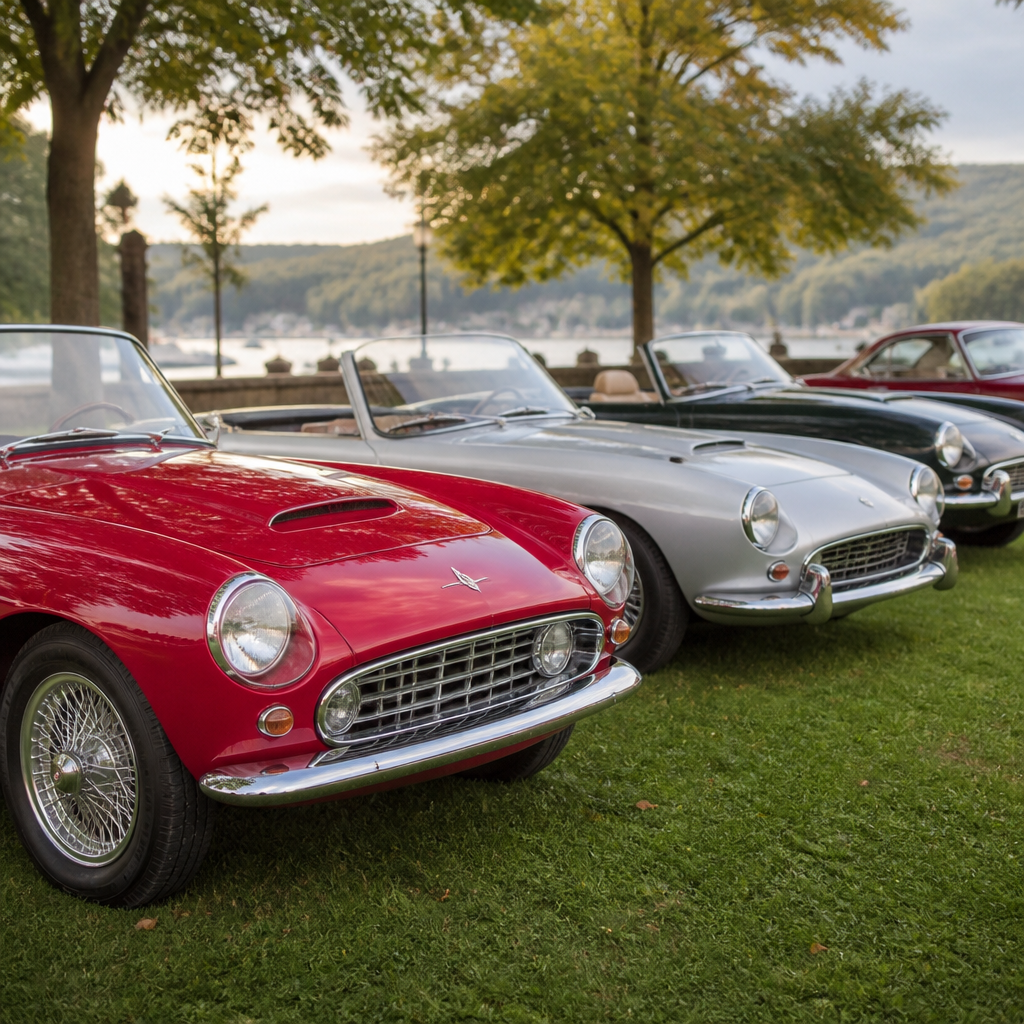

Should you commute in a classic car? The honest answer is that daily driving a classic can be deeply rewarding, occasionally inconvenient, and highly dependent on the specific car, the route, the climate, and your tolerance for maintenance. In classic car ownership, “daily driving a classic” means using an older vehicle for regular transport rather than reserving it for weekends, shows, or short pleasure trips. Some owners define a classic as anything over twenty years old, while insurers, state registries, and enthusiast clubs often use different thresholds. For practical commuting, age matters less than design: carbureted engines, breaker-point ignitions, drum brakes, non-overdrive gearboxes, and limited crash protection create a very different ownership experience from that of a modern sedan.
I have worked with owners who commuted in air-cooled Volkswagens, W123 Mercedes diesels, square-body pickups, British roadsters, and 1960s American coupes. The pattern is consistent. People who succeed treat the car as a system, not a toy. They know its service history, carry a spare belt and basic tools, and choose a route that suits the machine. People who struggle usually buy with their eyes, ignore deferred maintenance, and expect modern-car behavior from a vehicle designed in another engineering era. That gap between expectation and mechanical reality is the main reason this question matters.
A classic car commute can deliver things a modern appliance cannot: mechanical involvement, simplicity, distinct styling, and an ownership experience that turns ordinary errands into memorable drives. It can also impose real costs, including downtime, weather limitations, theft risk, noise, fuel consumption, and weaker safety performance. This hub article explains how to evaluate those tradeoffs. It covers reliability, comfort, safety, insurance, maintenance planning, weather and traffic considerations, and the kinds of classics that make better daily drivers. If you are deciding whether to use a vintage vehicle every day, start here, then use this page as the foundation for deeper decisions across the broader classic car ownership journey.
What makes a classic car suitable for commuting?
A commuter classic needs four things above all: predictable starting, stable cooling, competent braking, and parts availability. Predictable starting comes from a healthy battery, strong charging system, fresh ignition components, clean fuel delivery, and correct tune. Stable cooling means the radiator, fan clutch or electric fan, water pump, hoses, thermostat, and cap all work together in traffic, not just at highway speed. Competent braking means straight stops, no fluid leaks, and enough reserve for modern traffic. Parts availability matters because a daily driver cannot sit for three weeks waiting for a voltage regulator or wheel cylinder.
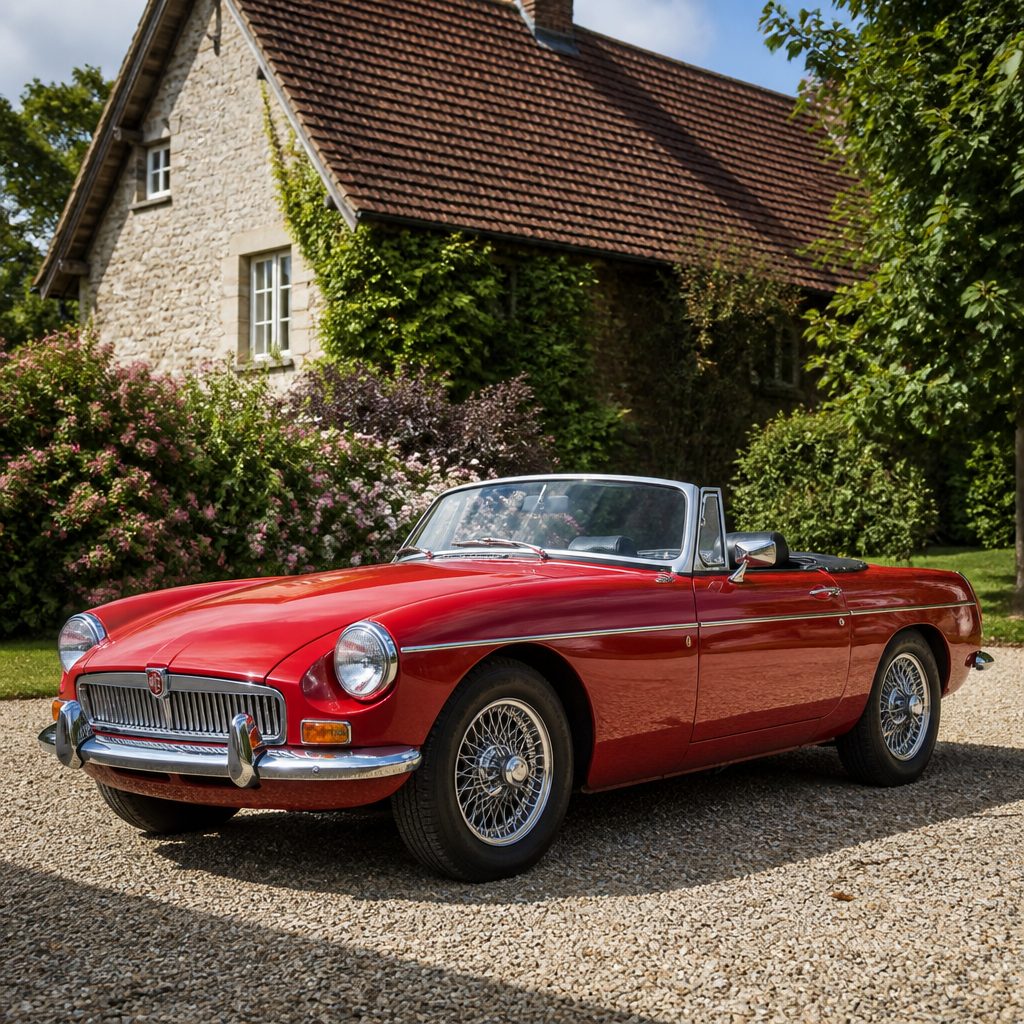
Body style and powertrain matter too. In real commuting, a hardtop with effective ventilation, a working heater, and decent wiper coverage is more practical than a romantic but leaky convertible. Cars built in the late 1970s through the 1990s often make the best entry point because they blend classic character with electronic ignition, front disc brakes, better rustproofing, and stronger parts support. Good examples include the Volvo 240, Mercedes-Benz W123 and W124, BMW E30, Fox-body Mustang, Jeep XJ Cherokee, and many GM B-body cars. Earlier classics can commute well, but they usually demand more owner involvement and more tolerance for quirks.
Mileage alone does not decide suitability. A 120,000-mile car with documented service, fresh suspension bushings, and a rebuilt carburetor can be a better commuter than a 45,000-mile “survivor” running on original hoses, dried seals, and thirty-year-old tires. Condition and recent use tell the real story. Cars that have been driven regularly, heat-cycled often, and serviced by someone familiar with vintage systems are usually more dependable than low-mile garage queens brought suddenly into daily use.
Reliability: can a classic car handle daily driving?
Yes, but only after baseline sorting. Reliability in a classic is rarely accidental. It is engineered through inspection, preventive replacement, and disciplined maintenance intervals. Before I recommend daily use, I want compression numbers, charging voltage, fuel pressure where applicable, cooling system pressure test results, brake inspection notes, and a clear understanding of age-related risks. Rubber fails with time, wiring corrodes, grounds loosen, and fuel varnish clogs passages. None of this is dramatic; it is simply what old machines do.
The smartest first step is a “stage zero” service. That means replacing fluids, belts, hoses, filters, spark plugs, ignition wear items, suspect vacuum lines, and old tires; checking wheel bearings, ball joints, tie rods, and bushings; confirming the fuel tank and lines are clean; and verifying that the charging and starting systems meet specification. On many classics, electronic ignition conversion improves consistency, but originality-minded owners may prefer correctly adjusted points and a spare condenser in the trunk. Either approach works if maintained properly.
Use patterns matter as much as mechanical condition. Short trips are hard on older engines because oil stays cool, carburetors can load up, and batteries may never fully recover from cranking. Long highway commutes are easier, provided cooling and gearing are appropriate. Stop-and-go traffic, especially in hot weather, is where weaknesses show up first. That is why many owners fit upgraded radiators, relays for headlights and cooling fans, or higher-output alternators while keeping the car visually period-correct.
| Factor | Better for daily commuting | Higher-risk for daily commuting |
|---|---|---|
| Ignition | Electronic ignition or freshly serviced points | Unknown tune, weak spark, aged components |
| Cooling | Tested radiator, sound hoses, stable idle temps | Runs warm in traffic, old pump, brittle hoses |
| Brakes | Front discs, fresh fluid, straight stops | Pulling, fading, leaking cylinders, old hoses |
| Parts support | Strong aftermarket and club knowledge | Rare one-year-only or orphan parts |
| Use history | Regularly driven and documented service | Long storage, unknown fuel system condition |
Safety in modern traffic
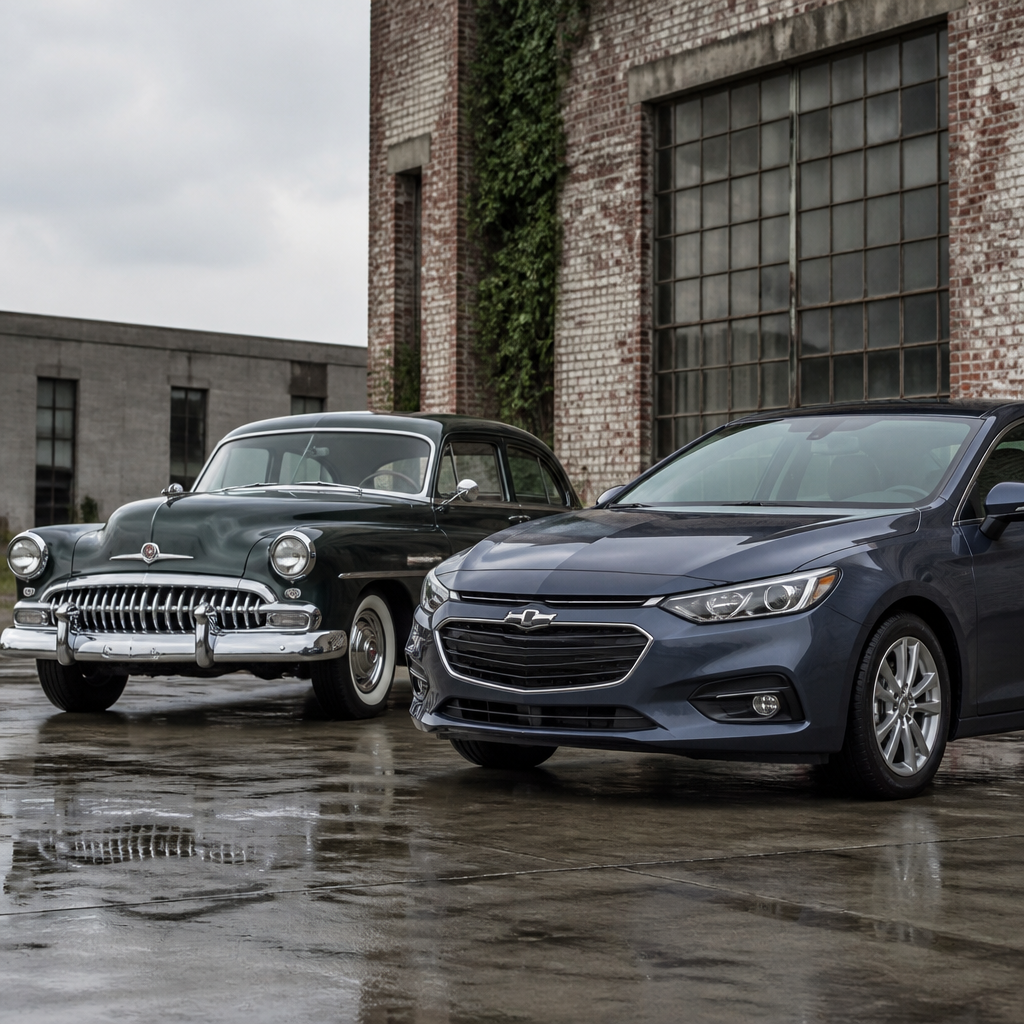
The biggest argument against commuting in a classic car is safety. Most older vehicles lack airbags, anti-lock brakes, electronic stability control, side-impact protection, active head restraints, and modern crash structures. Even well-built classics were engineered around different traffic speeds, lighter vehicles, and older crash standards. A 1966 coupe can feel solid, but that does not mean it protects occupants like a 2018 sedan. Physics and test methodology have changed dramatically.
That does not automatically make daily driving irresponsible, but it does require realistic risk assessment. Consider your route. A thirty-mile freeway commute surrounded by heavy crossovers and distracted drivers is not the same risk as a ten-mile back-road trip at moderate speeds. Good tires, bright halogen or LED bulbs in correct housings, three-point seatbelts where legally and structurally appropriate, and properly adjusted brakes all improve survivability. So does avoiding night driving in rain if visibility is poor.
Driver behavior matters more in a classic because the car gives you fewer electronic safety nets. Leave more following distance, plan escapes, and assume surrounding drivers have not seen you. Compact classics can disappear beside modern pickup trucks, and older turn signals or brake lamps may be dim compared with current vehicles. In practical terms, the safest classic commuter is one that starts reliably, stops straight, tracks well, and is driven by someone who accepts its limits rather than trying to outrun them.
Comfort, convenience, and weather
Comfort is where many romantic daily-driving plans unravel. Classic cars are often louder, hotter, slower to defrost, and less efficient at climate control than modern vehicles. Bench seats can be soft yet unsupportive. Manual steering is manageable while moving but tiring during repeated parking maneuvers. Gear ratios may keep the engine buzzing at highway speed. Vent windows are charming; they are not automatic climate control.
Weather amplifies every weakness. In summer, marginal cooling systems and weak air conditioning become commute-ending problems. In winter, old heaters, cable-operated controls, and poor door seals can make short drives miserable. Rain exposes hardened windshield gaskets, weak blower motors, and single-speed wipers. Rust risk also rises sharply if roads are salted. For many owners in the Rust Belt or coastal climates, the best answer is seasonal commuting rather than year-round use.
If you want to daily a classic comfortably, prioritize practical upgrades and correct restoration. Replace door seals, service the heater box, insulate the firewall, and ensure window channels and drains are clear. On vehicles originally equipped with air conditioning, restoring the factory system usually works better than improvising. Tires also transform comfort. The wrong sidewall stiffness or old bias-ply construction can make a car tramline, wander, or brake poorly on wet pavement. A period-appropriate radial often makes a commuter classic calmer and safer without diluting character.
Cost, insurance, and maintenance planning
A classic commuter can be cheaper than a new car payment, but only if you buy carefully and budget honestly. Purchase price is just the start. Deferred maintenance almost always follows. Fuel economy may be mediocre. Oil changes can be frequent, especially for flat-tappet engines that benefit from appropriate zinc levels. Specialty tires, upholstery work, chrome repair, and trim pieces can be expensive even when mechanical parts are reasonable.
Insurance deserves close attention because usage rules vary. Agreed-value collector policies from companies such as Hagerty, Grundy, and American Collectors often offer excellent coverage, but many restrict routine commuting, annual mileage, or overnight parking conditions. A standard auto policy may permit full daily use, yet it may not recognize the vehicle’s collector value after a loss. The right setup depends on how often you drive, where you park, and whether the car is modified. Owners should read the policy language, not just the quote screen.
Maintenance planning is the hidden superpower of successful daily classic owners. Keep a written service log with dates, mileage, part numbers, fluid specifications, and torque values for critical jobs. Build a relationship with one parts supplier and one machine shop or specialist who understands your platform. Stock common failure items before you need them. For a carbureted V8 that might mean belts, hoses, points or module, fuel pump, thermostat, and ignition coil. For a 1980s German sedan, it may mean relays, sensors, and cooling system plastics. Downtime falls sharply when you stop treating every repair as a surprise.
Best types of classic cars for commuting
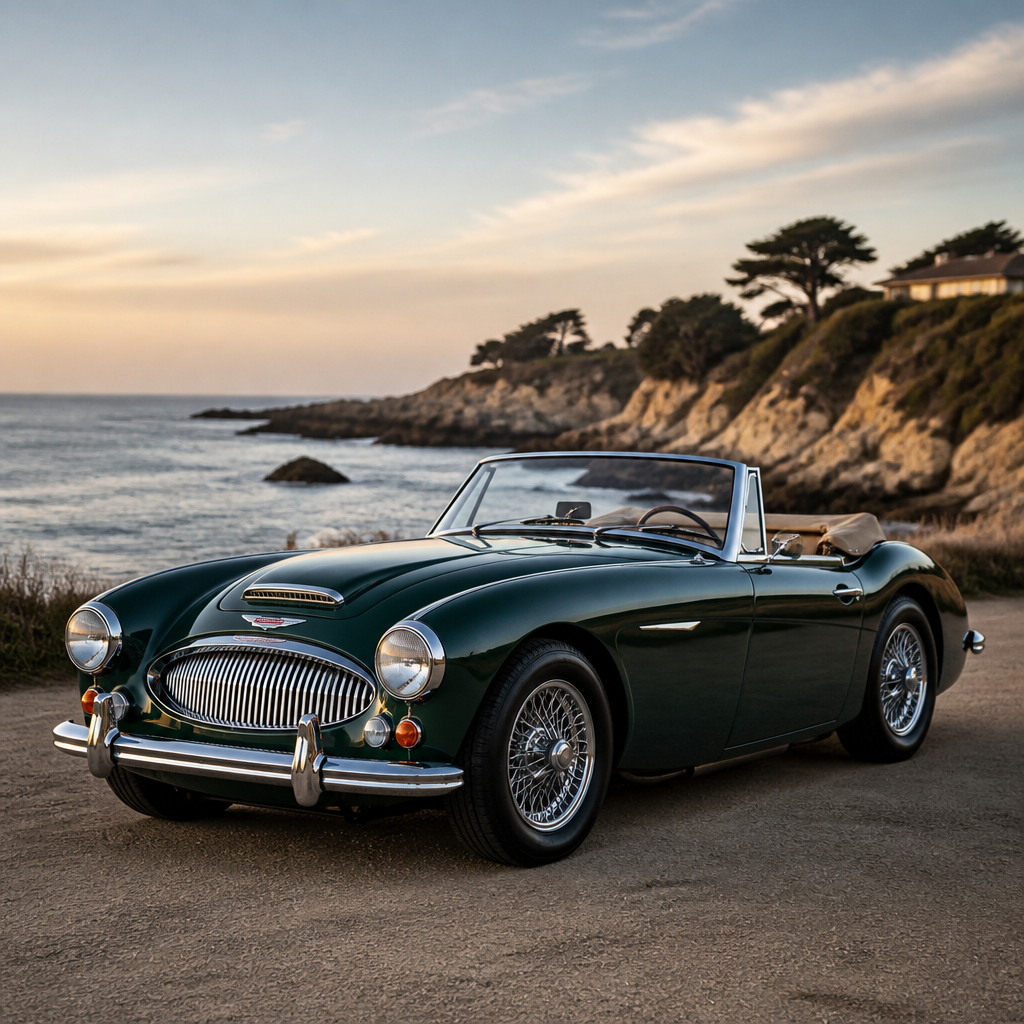
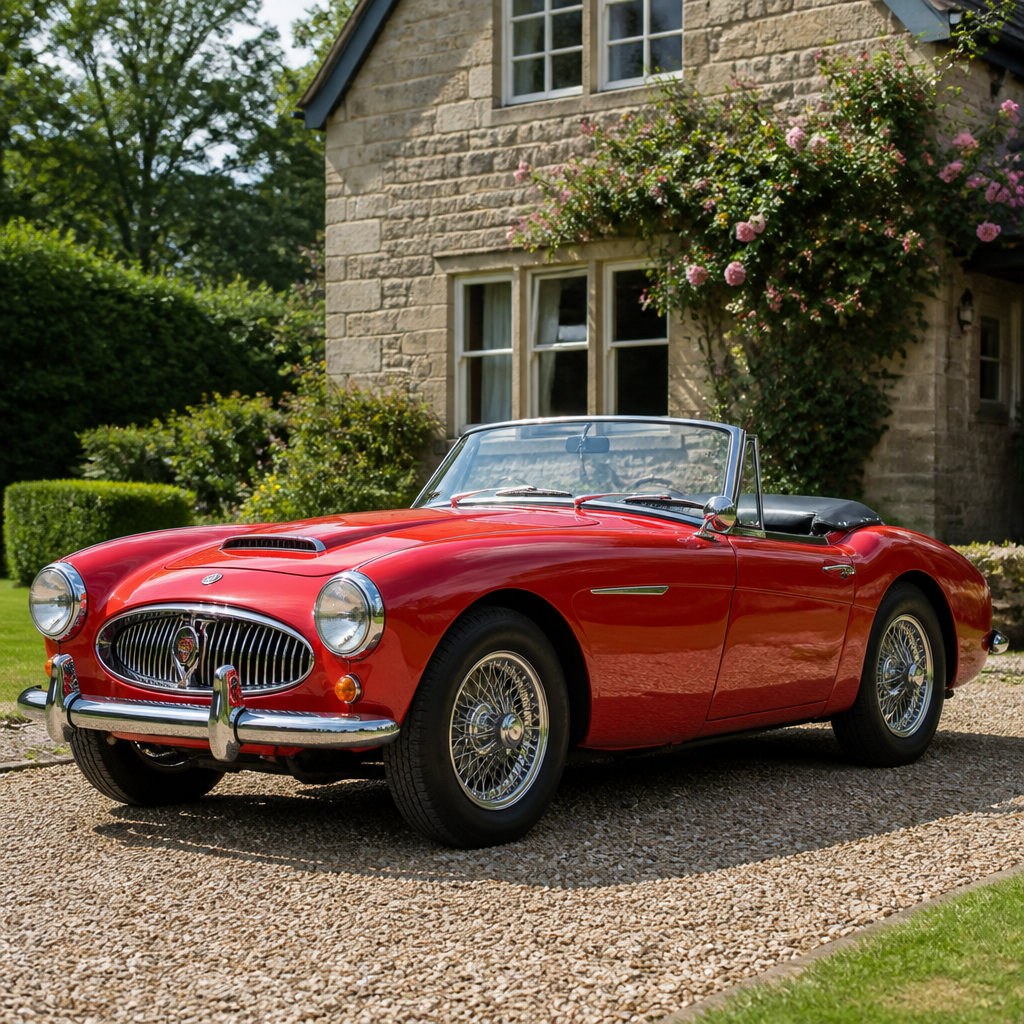
Not every classic deserves daily-driver duty. The best commuters are durable, common enough to have an active knowledge base, and modern enough to work with current traffic. Simple body-on-frame American sedans and wagons, many 1980s and 1990s Japanese and European cars, and honest vintage pickups often perform well because they are mechanically accessible and well supported. Air-cooled Volkswagens can commute reliably in mild climates, but they require regular valve adjustments and realistic speed expectations. British sports cars are fun but less ideal if your route includes rain, gridlock, and limited roadside support.
Cars to approach carefully include high-strung exotics, rare homologation models, heavily modified projects, and anything with unresolved overheating, rust in structural areas, or poor parts supply. A valuable concours car is also a bad daily in most cases. Parking-lot damage, theft exposure, and accelerated wear undermine what makes such a car special. If your classic is irreplaceable emotionally or financially, commuting in it may create more anxiety than enjoyment.
The best answer for many enthusiasts is a “usable classic”: a solid, well-sorted example with cosmetic imperfections you can accept. That kind of car invites regular use. You do not panic at every stone chip, yet you still get analog steering feel, visible fender lines, and the satisfaction of operating something mechanical and honest. For classic car ownership, that balance often delivers the greatest long-term enjoyment.
So, should you commute in a classic car? Yes, if the car is sorted, the route is sensible, and you understand that reliability comes from preparation rather than wishful thinking. Daily driving a classic works best when you choose a model with strong parts support, upgrade discreetly where safety and cooling benefit, and maintain it on a preventive schedule. It works poorly when the vehicle has unknown history, marginal brakes, unresolved overheating, or insurance that does not match real use.
The core benefit is not nostalgia alone. A commuter classic can make ordinary transportation engaging, teach mechanical sympathy, and turn ownership into a lived experience instead of a garage display. The core cost is commitment. You must inspect more, plan more, and accept fewer conveniences than a modern daily driver provides. For the right owner, that trade is absolutely worth making. For the wrong owner, it becomes an exhausting sequence of late starts and tow bills.
If you are serious about daily driving a classic, start with a realistic self-audit. Review your climate, mileage, parking, traffic, repair budget, and mechanical skill. Then choose the most sorted, best-supported car you can afford, perform a stage-zero service, and test it on short regular trips before trusting it with every commute. Done thoughtfully, a classic car can handle daily life and make it better. The next step is simple: assess your route, inspect your car, and build a maintenance plan before you commit.
Frequently Asked Questions
Can you realistically use a classic car as a daily commuter?
Yes, you can realistically commute in a classic car, but whether it is a smart long-term choice depends on the car itself and the reality of your daily routine. Some classics are durable, simple, and surprisingly capable in modern traffic, especially if they were well-engineered when new and have been carefully maintained or sympathetically upgraded. Others are best enjoyed occasionally because they run hot in traffic, lack consistent cold-start reliability, have weak brakes by modern standards, or require frequent attention just to stay roadworthy. In practical terms, daily driving a classic means using an older vehicle for regular transportation rather than saving it for weekends, cars-and-coffee events, or short leisure drives, and that commitment changes the ownership experience considerably.
Your commute matters as much as the car. A short back-road drive in mild weather is very different from a stop-and-go freeway slog in summer heat or a winter commute in snow and road salt. A classic that feels charming and engaging on open roads can become tiring if it lacks air conditioning, has heavy steering, weak wipers, poor visibility, or an engine that dislikes prolonged idling. Reliability also becomes more important when the car is not a hobby but part of your schedule. If being late to work because of a vapor lock issue, charging problem, or ignition fault would create real consequences, you need to be honest about your tolerance for inconvenience. For some owners, that tradeoff is part of the appeal. For others, it gets old quickly.
The best answer is that commuting in a classic is possible and often deeply rewarding, but it only works well when expectations are realistic. If you choose the right car, maintain it proactively, and accept that an older vehicle will ask more of you than a modern one, daily use can be enjoyable. If you expect modern convenience, silent operation, advanced safety, and no maintenance surprises, a classic may be better as a second car rather than your primary commuter.
What are the biggest pros and cons of commuting in a classic car?
The biggest advantage is the driving experience itself. A classic car can make an ordinary commute feel special. The steering feedback, mechanical sounds, visibility over a simple dashboard, and sense of connection to the machine are things many modern vehicles simply do not provide. For enthusiasts, that emotional reward is significant. You may also find that classics encourage more engaged, patient driving and create a stronger appreciation for the trip rather than just the destination. In addition, many older cars are mechanically straightforward, which can make home maintenance more accessible if you enjoy turning wrenches.
The downsides are equally real. Reliability is the first concern, not because every classic is unreliable, but because older components fail more often and parts availability can be inconsistent. Rubber hoses age, wiring becomes brittle, carburetors drift out of tune, seals leak, and cooling systems may struggle under modern commuting conditions. Comfort is another issue. Many classics have louder cabins, fewer ergonomic adjustments, less effective heating and cooling, and less refined suspensions than newer cars. Fuel economy may be poor, and regular use adds wear to a vehicle that may already require careful stewardship.
Safety is the other major tradeoff. Many classics were built before modern crash standards, airbags, anti-lock brakes, traction control, and advanced lighting became common. Even a well-maintained classic can leave you more exposed in an accident than a modern commuter. There is also the issue of parking, theft risk, and weather exposure. If you have to leave the car outside in harsh conditions or in an unsecured lot, daily use may accelerate deterioration and increase stress. In short, the benefits are emotional, sensory, and enthusiast-driven, while the drawbacks are mostly practical, financial, and safety-related. Whether that balance makes sense depends entirely on what you value most.
What makes a classic car a good or bad candidate for daily commuting?
A good classic commuter is one that starts easily, runs consistently in traffic, stops confidently, and has strong parts support. Cars from later eras of classic motoring often make the best candidates because they may already have more modern electrical systems, better brakes, improved heating and ventilation, and drivetrains that were designed for everyday use. A solid service history matters more than rarity or style. A humble, well-sorted older sedan or coupe is usually a better commuter than a fragile, high-strung collector car that looks spectacular but requires constant attention.
Condition is critical. A dependable classic commuter should have a healthy cooling system, sound fuel delivery, reliable ignition, good tires, and brakes that inspire confidence. The charging system should be strong, the lights should be bright enough for modern roads, and the suspension and steering should be tight and predictable. It also helps if the car has practical features such as decent trunk space, good weather sealing, effective defrosting, and easy access to replacement parts. If the car has already been upgraded with front disc brakes, electronic ignition, a modern radiator, improved fans, or seatbelts, that can make a major difference in everyday usability without necessarily ruining its character.
A poor candidate for commuting is typically one that is rare, difficult to repair quickly, sensitive to weather, or expensive to wear out. Cars that overheat in traffic, struggle with hot starts, have marginal brakes, or need specialty parts for routine repairs can become frustrating very quickly. The same goes for highly valuable or concours-level examples, where every parking lot and rainy day feels like a threat. If you are worried about every stone chip, door ding, and extra mile, the car will not be enjoyable as a daily commuter. The best daily classic is not always the most desirable one on paper; it is the one you can use consistently without fear, drama, or constant compromise.
How much maintenance and preparation does a classic car need before it can handle commuting?
Usually more than people expect. Before relying on a classic for regular transportation, it should go through a thorough baseline inspection and preventive maintenance process. That means checking the entire cooling system, fuel system, brakes, ignition, charging system, battery, hoses, belts, tires, wheel bearings, suspension, steering, and all fluid seals. Many classic cars can seem fine on occasional weekend drives but reveal weaknesses only when subjected to repeated cold starts, long idling periods, heavy traffic, and back-to-back trips. Commuting exposes marginal systems very quickly.
Preparation also means planning for modern road conditions. If the car still has original-style brakes, outdated headlights, old bias-ply tires, or a charging system that barely supports accessories, daily use may justify sensible upgrades. Many owners improve reliability and usability with electronic ignition, modern radial tires, better cooling fans, upgraded relays, improved wiring grounds, and safer seatbelts. None of these changes are glamorous, but they often matter more than cosmetic restoration. The goal is not necessarily to modernize the car completely. It is to eliminate the known weak points that turn ordinary commuting into a gamble.
Once the car is in service, maintenance becomes more frequent and more proactive than with a modern vehicle. You may need to inspect fluid levels, ignition components, tire pressures, and leaks regularly rather than waiting for service intervals. It is wise to carry a small emergency kit with basic tools, spare belts, fuses, bulbs, fluids, and maybe even ignition or fuel-system essentials depending on the car. Just as important, you should have a backup transportation plan. Even a well-prepared classic can have an unexpected issue, and daily drivers need contingency. If that level of involvement sounds enjoyable, commuting in a classic can be satisfying. If it sounds exhausting, that is a useful answer in itself.
Is it worth commuting in a classic car, or is it better to keep one as a weekend car?
For the right owner, it is absolutely worth it. A classic car used regularly can provide a kind of satisfaction that occasional ownership never quite matches. You build familiarity, confidence, and a genuine relationship with the machine. The car becomes part of your routine rather than an object you admire from a distance. Many enthusiasts would argue that older cars are happiest when driven and that regular use is often better for seals, fuel systems, batteries, and mechanical health than long periods of inactivity. If your commute is manageable, your expectations are realistic, and you enjoy the involvement, daily use can be one of the most rewarding ways to own a classic.
That said, keeping a classic as a weekend or fair-weather car is often the more rational choice. It reduces wear, limits exposure to bad weather, protects resale value, and lowers the pressure on the vehicle to perform flawlessly every day. It also allows you to enjoy the car on your own terms rather than forcing it into situations where it may feel out of place, such as severe traffic, salted roads, or tight urban parking. For many people, that balance preserves the romance of classic ownership while minimizing the stress. The car stays special, and you still get the pleasure of driving it without depending on it for your schedule.
So is it worth it? The honest answer is that it depends on the specific car, the route, the climate, your mechanical tolerance, and your lifestyle. If you have a robust, well-sorted classic and a forgiving commute, using it regularly may be one of the best decisions you make as an enthusiast. If your route is punishing, your climate is harsh, or you need absolute reliability and modern safety every day, the