
Selling a classic car is rarely just a transaction; it is a pricing, timing, presentation, and negotiation decision that can materially change your outcome. When owners ask whether selling at auction vs private sale is better, they are usually asking three questions at once: which route brings the highest price, which route carries the least hassle, and which route best protects the car’s story. In the classic car market, those answers depend on reserve strategy, buyer pool, documentation quality, and how desirable the car is at that moment.
A classic car, for practical purposes, is an older vehicle with enthusiast, historic, or collector value beyond ordinary transportation. Selling a classic car means marketing originality, provenance, condition, and mechanical honesty as much as sheet metal and paint. Auction sales place the car in a competitive, time-limited bidding environment, either live or online. A private sale is a direct transaction between seller and buyer, often brokered through classified listings, specialist marketplaces, clubs, social channels, or dealer contacts. Both methods can work extremely well, and both can go badly when expectations are detached from market evidence.
I have worked with owners selling everything from driver-grade British roadsters to concours-level muscle cars, and the same pattern repeats: the best sales start long before the listing goes live. Sellers who gather service records, ownership history, judging sheets, restoration invoices, compression results, and high-quality photography consistently outperform sellers who simply “test the market.” This matters because informed buyers pay for confidence. They discount uncertainty fast, especially on cars with matching-numbers claims, rare factory options, or older restorations where condition can be misread from flattering photos.
This guide is the hub for selling a classic car. It explains the difference between auction and private sale, when each path makes sense, how fees and reserves affect proceeds, what buyers scrutinize, and how to decide based on your goals. If you are trying to sell a classic car for maximum value, a quick turnaround, or a cleaner process, understanding these tradeoffs is the first step to choosing the right channel.
Auction sales: how they work and when they win
An auction is best understood as a compressed market. You place the car before a concentrated group of bidders, set expectations with catalog copy and photography, and rely on competition to discover the price within a narrow time window. Major live houses such as RM Sotheby’s, Gooding Christie’s, Mecum, and Bonhams operate differently from online platforms such as Bring a Trailer or Cars & Bids, but the principle is the same: urgency plus visibility can create momentum that a static private listing often cannot.
Auction sales tend to work best for cars with broad demand, clear documentation, and a story that is easy to communicate. Think air-cooled Porsche 911s with known histories, first-generation Ford Broncos restored to a high standard, E-Type Jaguars with photo-documented restorations, or low-production homologation cars that trigger fear of missing out. In those cases, multiple bidders can push the price above recent private comparables. I have seen exceptional, highly transparent cars exceed owner expectations simply because two serious buyers arrived at the same conclusion on the same day.
The disadvantages are equally real. Fees reduce net proceeds, reserves can suppress momentum if set too high, and auction theatrics do not fix weak presentation. At live events, transport and detailing costs add up. Online, public comment sections can magnify every flaw, from overspray to non-original stampings. If the car is average, poorly documented, or niche in a way that limits bidder confidence, the result can be a no-sale or a hammer price below what a patient private seller might achieve.
Reserve strategy is critical. A realistic reserve protects the seller without choking off bidding. A no-reserve sale can attract more attention and higher participation, but it only makes sense if the market for that car is deep enough that you can accept true market discovery. Sellers often focus on the upside of auction exposure and ignore the downside of a public underperformance. A car that fails to meet reserve can carry stigma afterward, particularly if enthusiasts conclude that the seller is anchored to an unrealistic number.
Private sale: control, flexibility, and better fit for many owners
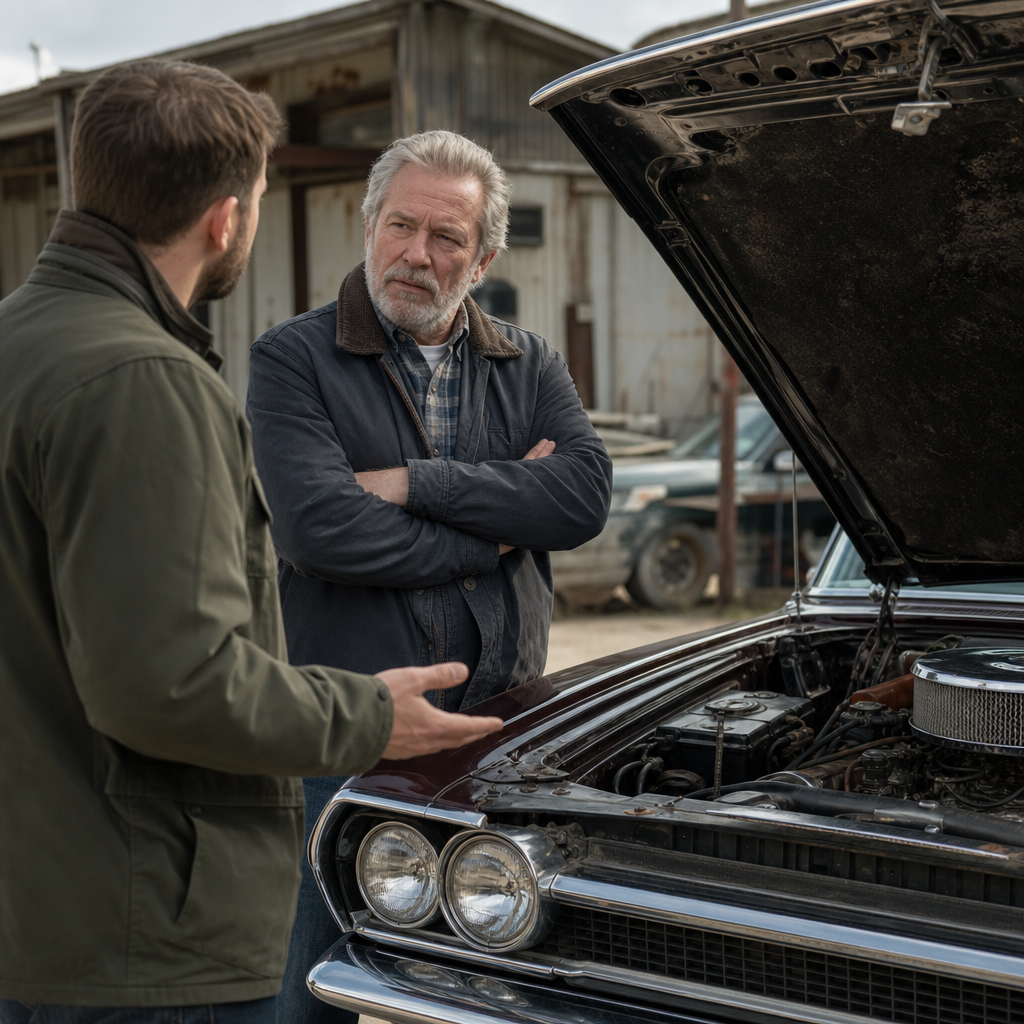
A private sale gives the seller more control over price, timing, and buyer selection. You decide where to list, how long to wait, whether to entertain offers, and how much due diligence to require before test drives or inspections. For many owners, especially those with solid but not headline-grabbing cars, private sale is the better route because it removes the clock. Instead of hoping the right bidder appears on a specific day, you can market the car until the right buyer appears.
Private sales work particularly well for cars whose value depends on nuanced explanation. A numbers-matching small-block Corvette with extensive NCRS documentation, a Pagoda SL with a recent mechanical sorting file, or a tastefully modified Alfa Romeo that appeals to a specific enthusiast may be better sold through targeted channels than through an auction crowd. In private discussions, you can answer detailed questions, share cold-start videos, explain restoration choices, and establish trust in ways that compressed auction formats do not always allow.
The downside is that private sale requires more seller involvement. You must field messages, filter tire-kickers, arrange inspections, verify funds, and manage negotiation. Pricing mistakes also hurt more. List too high and serious buyers never engage. List too low and you leave money on the table without the compensating benefit of bidding competition. Private sales usually reward disciplined pricing based on recent comparables, not sentimental attachment or sunk restoration cost.
There is also a security aspect. When selling privately, you need procedures: meet in safe locations, avoid sharing unnecessary personal information, confirm insurance before test drives, and use secure payment methods. Wire transfer verification, identity checks, and a signed bill of sale are non-negotiable. A careful private sale is not difficult, but it is operationally more demanding than handing the process to a reputable auction house.
Price, fees, speed, and risk: the practical comparison
Most sellers should compare auction vs private sale on net proceeds, not headline price. An auction result that looks strong can become average after entry fees, seller’s commission, transport, detailing, and pre-sale photography. A private sale may produce a lower gross number but a better net because costs are lower. Speed also matters. Auction can be faster if you already have a slot and your car fits the audience. Private sale can be faster if the car is correctly priced and listed where active buyers search.
| Factor | Auction | Private Sale |
|---|---|---|
| Price potential | Highest when demand is broad and competition is strong | Highest when value needs explanation and seller is patient |
| Net proceeds | Reduced by commissions, entry fees, transport, and event costs | Often stronger on mid-market cars because fees are lower |
| Speed | Fast once consigned; date-driven | Variable; depends on pricing and listing quality |
| Control | Less control once listed; reserve is the main lever | Full control over pricing, negotiation, and buyer screening |
| Risk | Public no-sale or disappointing hammer price | Time waste, scams, and prolonged negotiation |
As a rule, auction favors exceptional presentation, recognizable models, and sellers comfortable with market exposure. Private sale favors informed pricing, targeted marketing, and owners willing to manage the process. Neither route guarantees top dollar. The better choice is the one aligned with your car’s market position and your tolerance for fees, timing pressure, and negotiation.
What determines value no matter how you sell
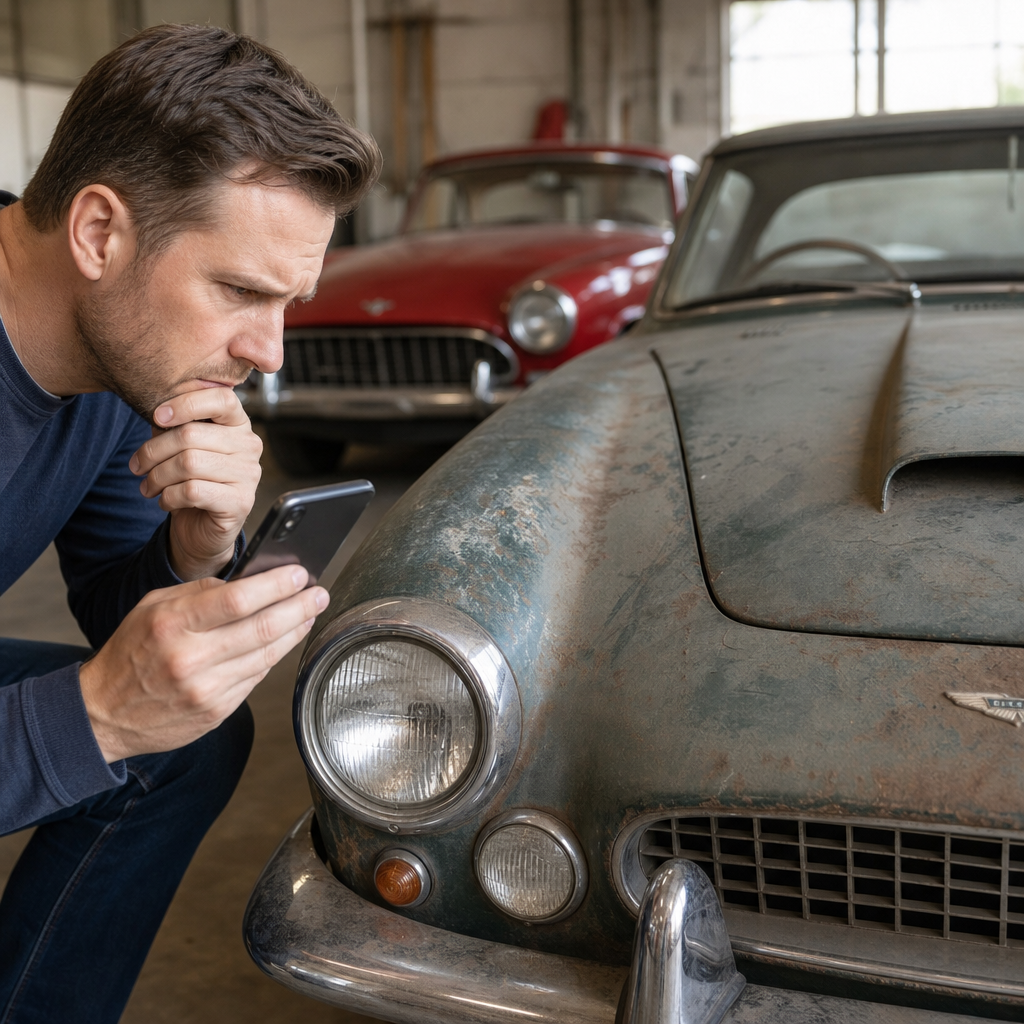
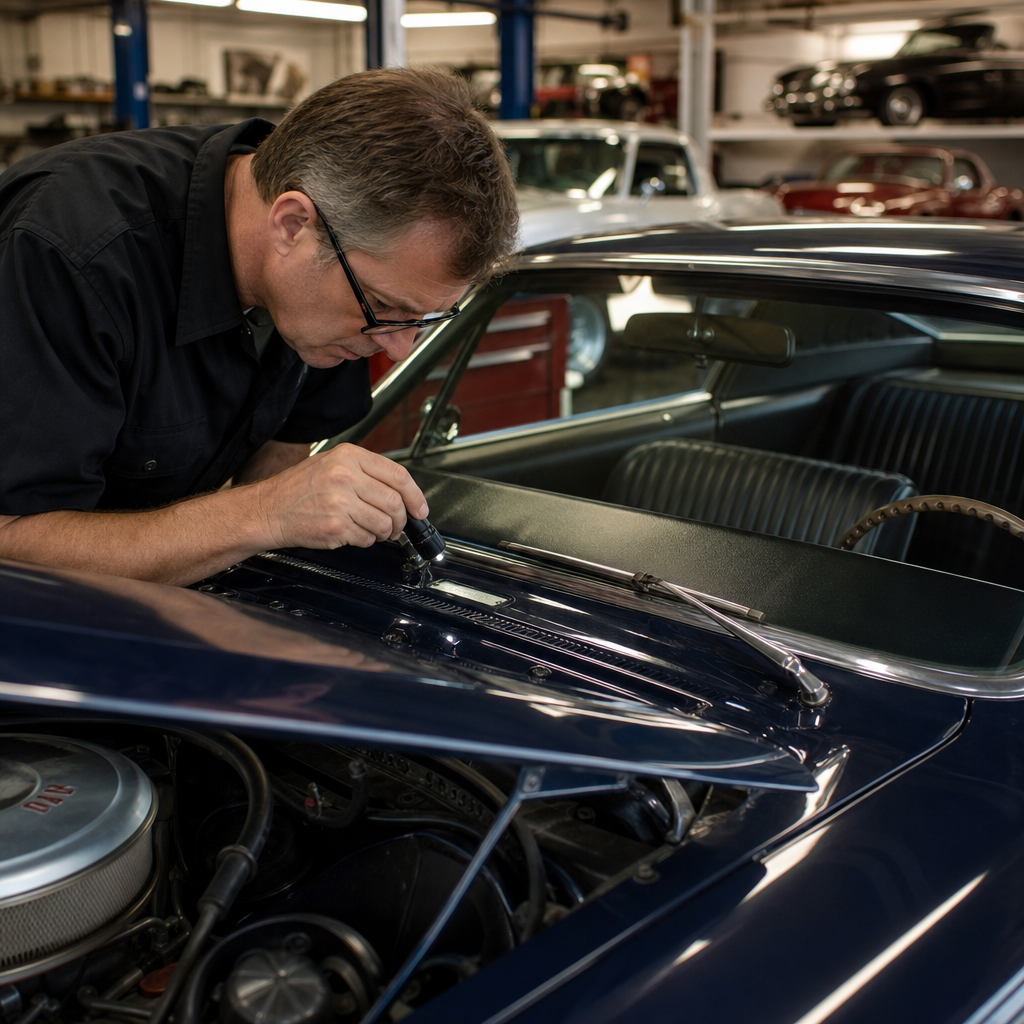
Before choosing a sales channel, establish realistic market value. Condition remains the primary driver, but “condition” in the classic world means more than paint gloss. Buyers evaluate body integrity, panel fit, rust history, driveline originality, date codes, restoration quality, mechanical sorting, and evidence of deferred maintenance. A fresh interior on a car with weak compression and old tires does not equal a better car. Serious buyers look underneath, not just at the hero shots.
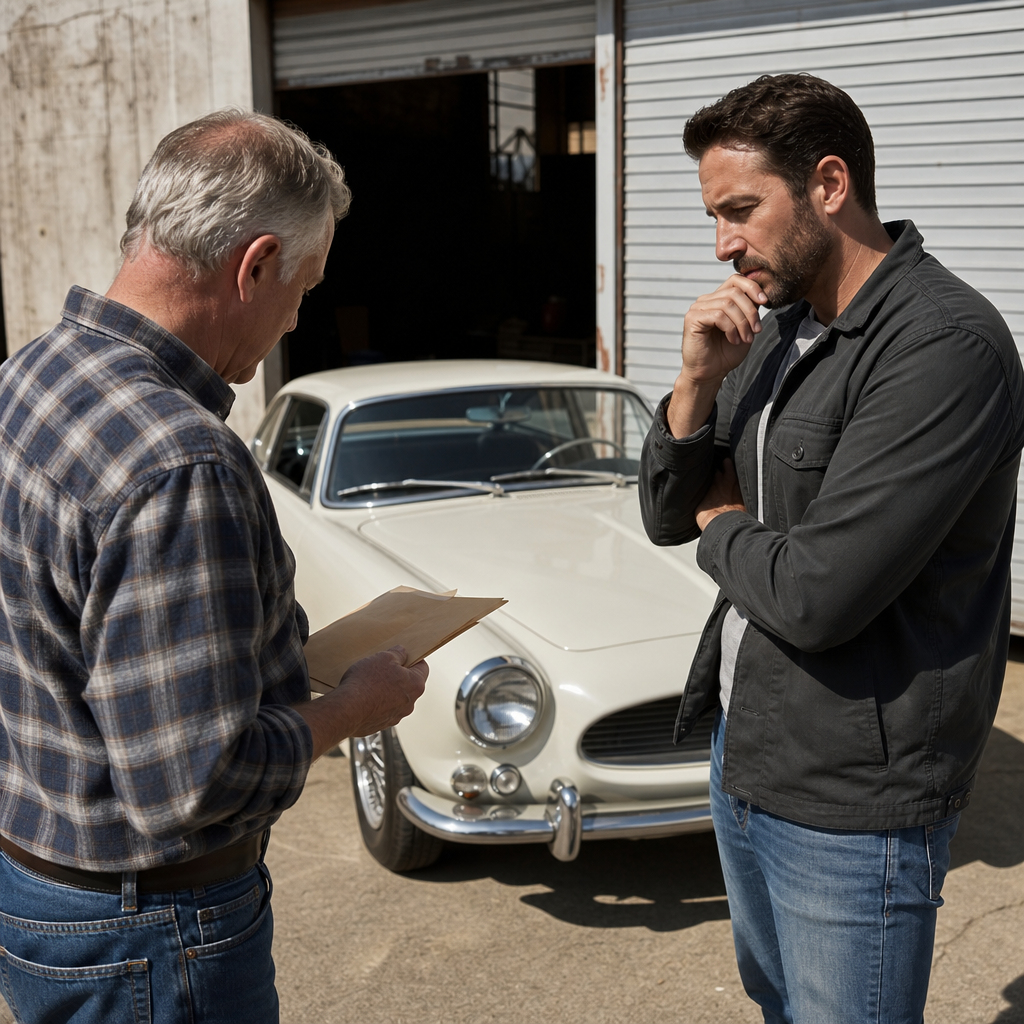
Documentation is often the price separator. Original window stickers, build sheets, ownership chain, service invoices, concours judging results, and marque-expert reports can move a car from “interesting” to “bankable.” For certain models, matching-numbers verification and factory-option authentication are decisive. Porsche buyers look for Certificate of Authenticity alternatives and detailed service history; Corvette buyers care about stamps, castings, and judging paperwork; Ferrari buyers scrutinize Classiche, tool rolls, and major-service timing. The more the market values originality, the more every document matters.
Market timing also matters. Tax season, major auction weeks, model anniversaries, and broader economic conditions affect demand. Convertibles generally photograph and sell better in spring. High-end collector cars react to liquidity and interest-rate conditions. Niche enthusiast cars can spike when content creators or auction results suddenly spotlight them. Use recent sold listings, not asking prices, from sources such as Hagerty Price Guide, Classic.com, marque forums, and major auction archives. Comparable sales should match year, specification, originality, and condition as closely as possible.
Preparing a classic car for sale the right way
The best selling decision is wasted if the car is poorly prepared. Start with mechanical honesty. Fix safety issues, obvious fluid leaks, inoperative lights, and basic drivability problems. Do not perform cosmetic shortcuts that create distrust, such as spraying fresh undercoating over rust. I generally advise sellers to complete sensible maintenance and disclose known flaws rather than chase expensive restoration work with uncertain return. A documented brake service or carburetor rebuild often pays back more than a partial repaint.
Next, assemble a sale file. Include title, registration, service records, restoration invoices, spare keys, manuals, tools, photos of restoration stages, and any expert correspondence confirming originality. Then create media that answers buyer questions before they are asked: cold start, warm idle, walkaround, paint meter readings where relevant, underbody photos, stampings, engine numbers, trim tags, and close-ups of flaws. This is especially important online, where trust is built through completeness.
Presentation should be clean, not misleading. A quality detail, correct tire pressures, and tidy engine bay help. So does a listing description that states the facts directly: mileage as shown, ownership duration, recent work, known defects, modifications, and reason for sale. Buyers are not scared off by honest imperfections; they are scared off by omissions. In my experience, a transparent listing attracts fewer inquiries but better buyers, and that usually leads to a quicker, cleaner close.
Choosing the right path for your classic car
If your car is rare, highly documented, freshly sorted, and likely to attract multiple emotionally engaged bidders, auction may be better. If your car is solid, moderately valuable, specialized, or requires detailed explanation to be appreciated properly, private sale is often better. If speed is your top priority, compare actual timelines: consignment acceptance, catalog deadlines, and event dates on one side; listing launch, inquiry volume, and inspection logistics on the other.
For many sellers, the smartest approach is staged. Start with realistic private-sale marketing at a price supported by comparables. If traction is weak despite strong presentation, reassess the audience, the price, or the platform. Then consider auction, ideally after speaking with specialists who know your model’s bidder base. Selling a classic car successfully is not about choosing the glamorous route. It is about choosing the route that matches the car, the market, and your objectives.
The bottom line is simple. Auction can maximize exposure and sometimes price, but it introduces fees, timing pressure, and public market judgment. Private sale offers control, flexibility, and often better net proceeds, but it demands more work and discipline from the seller. Evaluate your documentation, condition, comparables, urgency, and risk tolerance before deciding. Then prepare the car properly, price it with evidence, and communicate with complete honesty. If you do that, whether you sell at auction or by private sale, you will give yourself the best chance of a strong result. Use this guide as your hub, then move to the next step: value the car accurately, assemble the paperwork, and choose the sales channel that fits.
Frequently Asked Questions
Is selling a classic car at auction more likely to get the highest price than a private sale?
Sometimes, but not automatically. An auction can produce an outstanding result when the car is well prepared, correctly cataloged, marketed to the right audience, and offered in a setting where multiple qualified buyers are motivated to compete at the same time. That competitive environment is the auction’s biggest advantage. If two or three bidders have been looking for the same specification, color combination, provenance, or restoration quality, the final number can exceed what a single private buyer may have offered. This is especially true for highly desirable, rare, freshly restored, or exceptionally well-documented cars that photograph well and generate excitement before the sale.
That said, private sales often deliver stronger net outcomes for owners who are not forced by a deadline. In a private sale, you can hold firm on price, wait for a buyer who understands the car, and negotiate around the quality of the documentation, recent mechanical work, originality, matching numbers, and ownership history. You also avoid the risk of a weak auction day, poor bidder turnout, or a mismatch between the car and the auction audience. A car that is niche, highly original but not flashy, or best appreciated through detailed inspection and conversation may do better privately than under a fast-moving auction format. The key distinction is that auctions can maximize price through urgency and competition, while private sales can maximize price through patience and precision. The better route depends on the car, the market moment, and how much control you want over the process.
What are the biggest pros and cons of auction versus private sale for a classic car owner?
The main advantage of an auction is efficiency. Once the car is consigned, photographed, cataloged, and transported, the process follows a fixed timeline. The auction house handles a large share of the marketing, exposes the car to a concentrated pool of buyers, and creates a clear sale event. That structure is appealing to sellers who want speed, broad visibility, and a defined exit point. Auctions can also add credibility when the platform has a strong reputation in the collector market, and the public result may help validate the car’s standing if bidding is strong.
The drawbacks are equally important. You typically have less control over the final sale environment, the pacing of negotiations, and sometimes even the narrative around the car. Fees can reduce your net proceeds, reserve strategy becomes critical, and if the car fails to sell, that result can affect buyer perception afterward. A no-sale at auction sometimes leads private buyers to assume the reserve was unrealistic or that the car did not inspire enough confidence. Auctions can also compress complex decision-making into a short window, which is not ideal for cars that require nuanced explanation about restoration quality, originality, period-correct components, or historical significance.
Private sale offers the opposite profile. You retain more control over pricing, buyer screening, presentation, and timing. You can have detailed conversations, provide inspection opportunities, explain service history, and negotiate terms more thoughtfully. This path is often better for owners who know the car deeply and want to make sure its story is properly understood. The tradeoff is time and effort. You may need to manage listings, inquiries, test drives, inspections, payment logistics, and tire-kickers. So the real comparison is not just price versus price; it is speed versus control, exposure versus selectivity, and convenience versus hands-on management.
How important is reserve price strategy when deciding to sell at auction?
Reserve strategy is one of the most important factors in auction success, and it often determines whether the auction route is wise in the first place. A reserve that is set too high can stall bidding early and leave the car unsold, even if there is genuine market interest. Buyers are highly sensitive to whether a seller appears realistic. If bidders sense that the reserve is well above current market conditions, they may disengage before momentum builds. On the other hand, a reserve that is set intelligently, based on recent comparable sales, condition, originality, provenance, and current demand, can encourage active bidding and increase the odds that the final price reaches or exceeds expectations.
For classic cars, reserve setting is not just about picking a number; it is about understanding where your specific car sits within its model hierarchy. A top-tier example with excellent documentation, fresh service, known ownership history, and strong cosmetics can justify a more confident reserve than a driver-quality example with unanswered questions. Sellers should also think in net terms, not hammer-price terms. Auction fees, transport, detailing, and possible post-sale expenses matter. If your minimum acceptable net number is firm, and the likely auction range does not comfortably support it, private sale may be the smarter route.
In practical terms, reserve strategy should be shaped by evidence, not emotion. Owners naturally remember money spent on restoration and maintenance, but the market does not always reimburse every dollar invested. A realistic reserve aligned with actual buyer behavior gives the auction process its best chance to work. If you are uncomfortable setting a reserve that reflects today’s market rather than yesterday’s costs, that is often a signal that private sale may better suit your goals.
Which option is better for preserving the car’s story, documentation, and provenance?
Private sale usually offers the best environment for preserving and communicating a classic car’s story. Many collector cars derive a meaningful portion of their value from more than the sheet metal itself. Ownership history, restoration photos, factory records, matching-numbers verification, period correspondence, event participation, service invoices, and expert reports all help establish authenticity and desirability. In a private transaction, you have time to walk a buyer through those details carefully. You can explain what is original, what has been restored, what has been sympathetically upgraded, and why those distinctions matter. That kind of dialogue can materially improve buyer confidence and sometimes pricing.
Auctions can still present documentation effectively, especially when the house produces strong catalog descriptions and pre-sale content. A reputable auction platform can put your car in front of an informed audience quickly, and good specialists know how to highlight provenance. However, the format naturally compresses the storytelling. Buyers may review documents on-site or online, but they are still making decisions under time pressure. If the car’s significance depends on subtle historical details, a long restoration file, or nuanced originality points that reward conversation, private sale generally gives you more room to protect the narrative and answer questions fully.
That does not mean auctions are poor for provenance-driven cars. In fact, a famous ownership chain or notable competition history can generate strong auction attention. The deciding factor is whether the car’s value is immediately legible to bidders or whether it needs a more deliberate explanation. If your car tells its story clearly and dramatically, auction can amplify that story. If its value rests on depth, detail, and trust-building, private sale often does a better job.
How should I decide between auction and private sale based on my timeline, hassle tolerance, and type of classic car?
Start with your priorities. If your main goal is speed and you want a structured process with a defined sale date, auction is often the better fit. It can be particularly useful if you are settling an estate, reducing a collection, moving a car quickly before storage or transport costs rise, or simply do not want months of back-and-forth with prospective buyers. It also makes sense when the car is highly marketable in photographs, sits in a strong segment, and is likely to attract multiple serious bidders in a competitive venue.
If your main goal is maximizing control and protecting net proceeds, private sale often wins. This is especially true if you are selling a car with extensive records, unusual specification, niche appeal, or a value range that depends heavily on buyer education. Owners who are willing to wait, field questions, arrange inspections, and negotiate carefully can often do very well privately. This route tends to suit cars where condition and history need to be understood in context rather than judged in a few minutes on a preview floor or across a short auction listing.
Your own tolerance for hassle matters as much as the car itself. Private sale can be rewarding, but it requires organization, responsiveness, and some comfort with screening buyers and handling logistics. Auction simplifies much of that, but at the cost of fees and less flexibility. A useful way to decide is to rank your top three priorities: highest possible price, lowest hassle, and strongest control over who buys the car and how its story is presented. Most sellers cannot maximize all three at once. Auction tends to favor convenience and concentrated exposure; private sale tends to favor control, buyer fit, and potentially stronger net results when patience is available. The best choice is the one that matches both your car’s market position and your personal selling style.