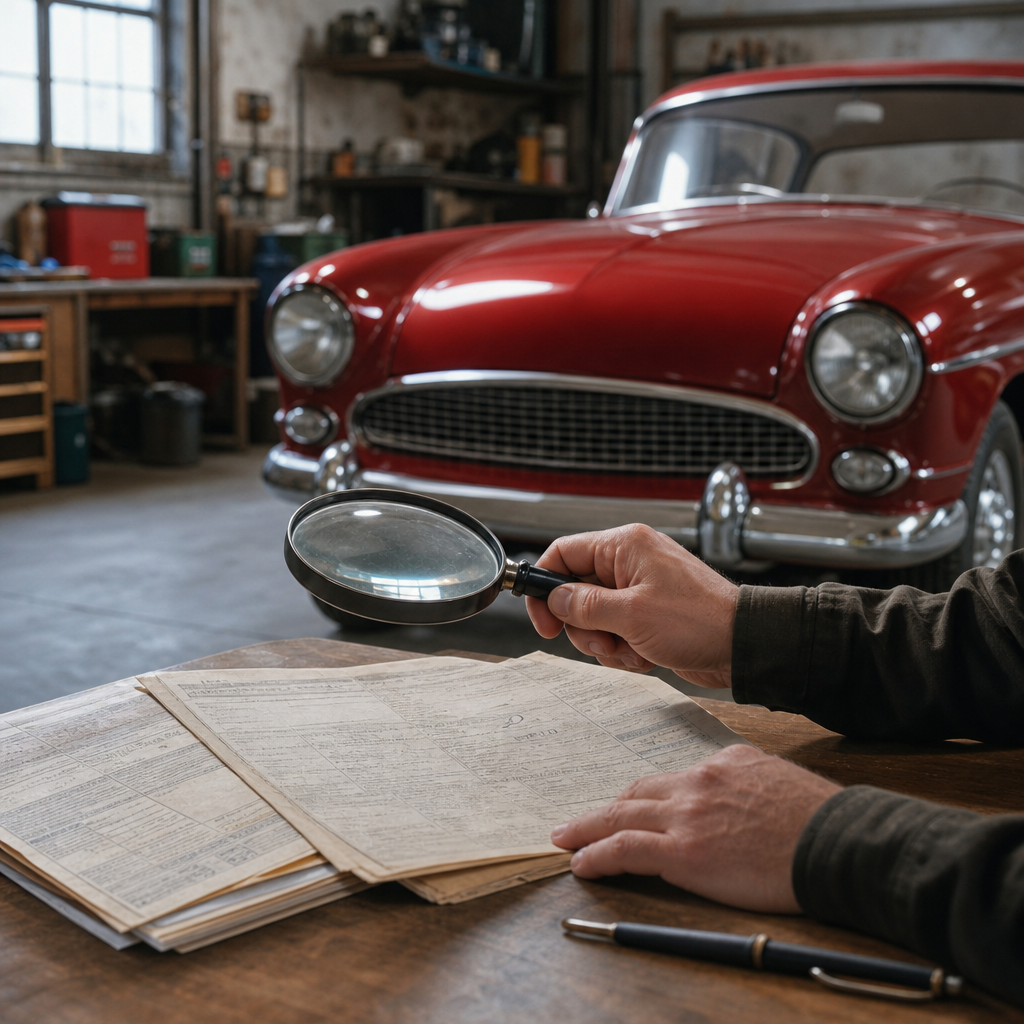

Selling a classic car online successfully starts with understanding that you are not just listing a vehicle; you are presenting provenance, condition, and value to a buyer who may be hundreds or thousands of miles away. A classic car is generally a vehicle valued for age, rarity, historical significance, design, or collector demand, although the exact definition varies by insurer, state registration agency, and auction platform. In practice, buyers focus less on a strict age cutoff and more on authenticity, mechanical condition, documentation, and market desirability. That distinction matters because online buyers cannot inspect the car casually in a parking lot. They rely on your photos, records, disclosures, and responsiveness to judge whether your car is worth pursuing.
In my experience helping owners prepare vintage Mustangs, Tri-Five Chevrolets, air-cooled Porsches, and British roadsters for online sale, the biggest pricing and trust gaps come from incomplete information. Sellers often know the car well but fail to explain what a buyer needs to know: matching numbers status, repaint history, rust repair quality, drivability, recent service, title type, and how original the car remains. Online marketplaces reward clarity. A detailed, accurate listing attracts stronger leads, reduces wasted conversations, and supports a higher final sale price because serious buyers can evaluate the opportunity quickly. When the listing is vague, the opposite happens: low offers, endless questions, and concern that hidden issues exist.
This guide covers the full process of selling a classic car online, from pricing and preparation to listing strategy, negotiation, payment, transport, and paperwork. It also serves as a central resource for the broader topic of selling a classic car, so each section addresses the questions buyers and sellers ask most often. If you want to know how to price a classic car, where to sell a classic car online, how to avoid scams, what documents to gather, and how to close a long-distance transaction safely, the answers are here. The goal is straightforward: help you present your car professionally, protect yourself during the sale, and convert interest into a clean transaction.
Prepare the Car Before You List It
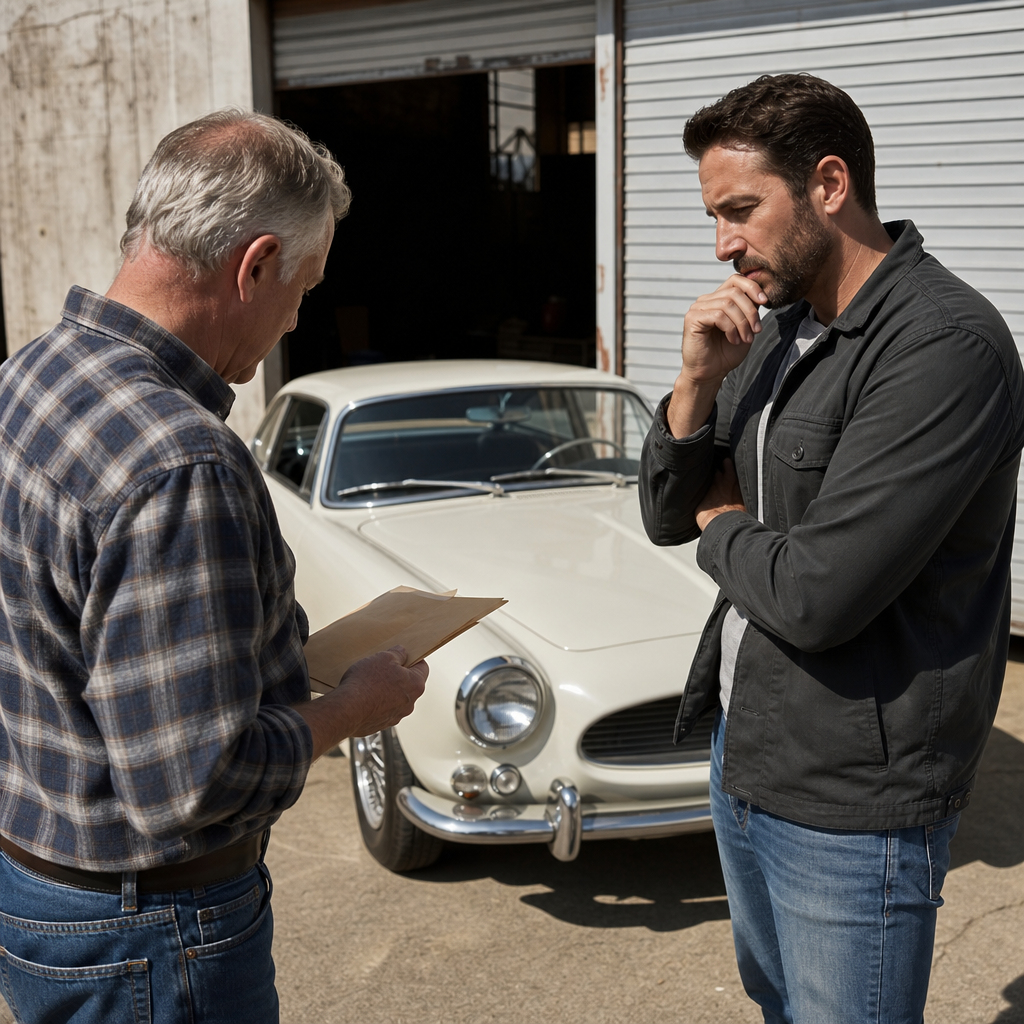
The best online sale process begins before the first photo is taken. Start by organizing ownership documents, service invoices, restoration receipts, appraisal reports, and any factory paperwork such as a build sheet, window sticker, warranty booklet, or heritage certificate. These items support value because they answer questions about authenticity and care. If the engine, transmission, or axle have date codes or partial VIN stampings relevant to the car’s originality, record them. On highly collectible models, matching numbers claims materially affect price. If you cannot verify originality, say so directly rather than making assumptions.
Mechanical readiness matters just as much as paperwork. A classic car does not need to be concours perfect to sell well online, but it should start reliably, idle cleanly, and drive predictably if advertised as roadworthy. I usually advise owners to fix obvious low-cost items before listing: burned-out bulbs, inoperative gauges, fluid leaks at hose clamps, weak batteries, cracked fuel lines, and old wiper blades. Buyers expect age-related quirks, yet visible neglect lowers confidence. Have the car washed, decontaminated, and lightly detailed. Clean the engine bay carefully, vacuum the interior, and remove unrelated items from the trunk. Presentation should reveal the car honestly, not disguise it.
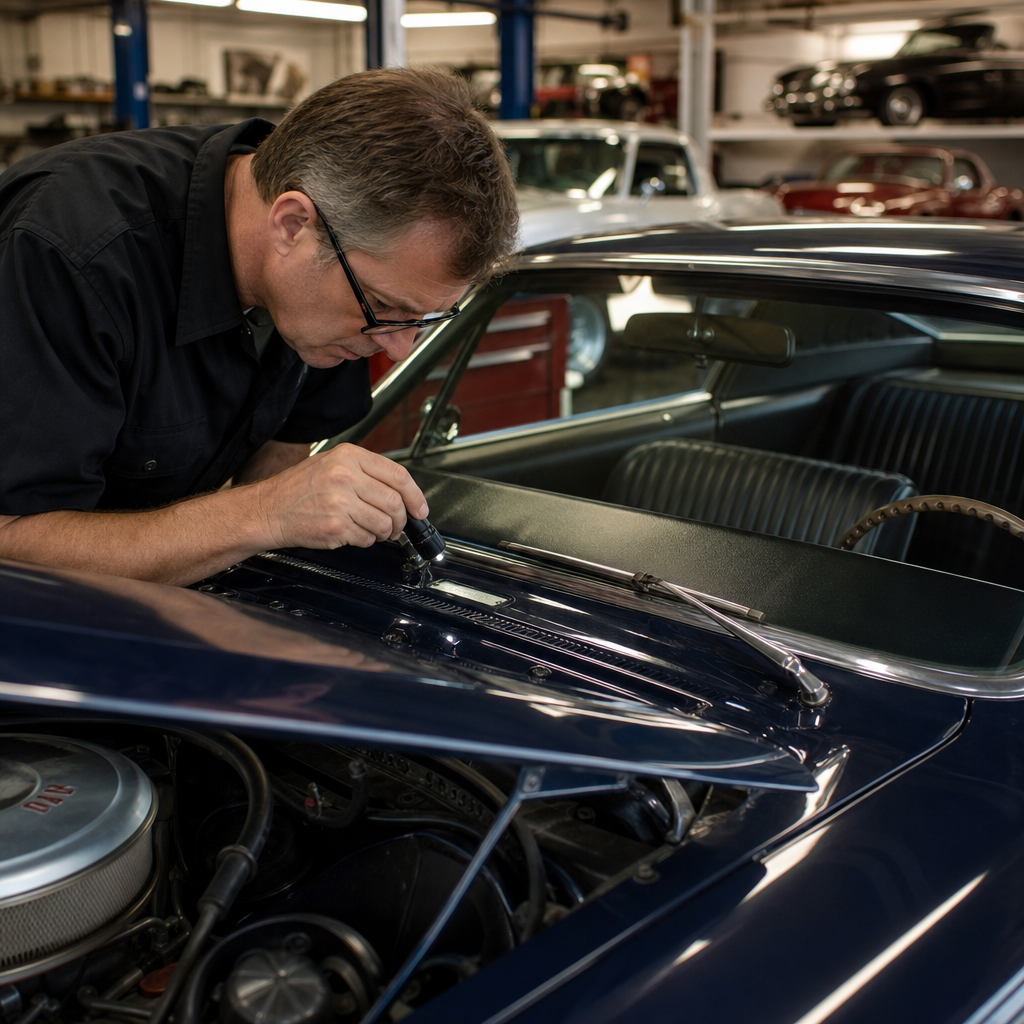
Inspection is another smart step. A pre-sale inspection from a marque specialist or respected local shop can uncover issues before buyers do. That report gives you a factual basis for disclosure and pricing. If compression numbers are strong, brakes are recent, and the underside is solid, you can say that with confidence. If the inspection identifies seepage, worn suspension bushings, or patch panels, disclose those items and adjust expectations. Transparent sellers close deals faster because buyers feel less need to assume the worst.
Price the Classic Car Using Market Evidence
Pricing a classic car correctly is one of the most important parts of selling a classic car online. The right price is not whatever you have invested, and it is not the highest asking price you saw on a marketplace. Market value is established by actual comparable sales, adjusted for condition, originality, options, color, documentation, and timing. Start with recent sales from Bring a Trailer, Mecum, Barrett-Jackson results, Hemmings, Cars & Bids for newer enthusiast classics, and marque-specific forums. Use Hagerty Price Guide and collector car valuation tools as baselines, not final answers. Guides are helpful, but live market behavior is more persuasive.
Condition grading must be realistic. A driver-quality 1967 Ford Mustang coupe with an older repaint and small deviations from stock does not trade like a freshly restored K-code fastback. A numbers-matching 1973 Porsche 911T with documented engine rebuild, rust-free floors, and original color combination will command more than a similar car with replacement engine, color change, and missing records. I have seen sellers lose months by pricing from emotion rather than evidence, then eventually accept less than they would have earned with a sharper initial strategy. Serious buyers monitor inventory and know what comparable cars actually sold for.
| Pricing Input | What to Review | Why It Matters |
|---|---|---|
| Recent sold listings | Auction results and completed marketplace sales from the last 6 to 12 months | Shows real buyer behavior, not optimistic asking prices |
| Condition level | Paint, interior, chrome, rust, drivability, originality, and underside quality | Collector value changes sharply with condition differences |
| Documentation | Title, receipts, restoration photos, certificates, manuals, and provenance | Paperwork reduces uncertainty and supports premium pricing |
| Model-specific factors | Matching numbers, rare options, colors, transmission, body style, engine | Some features materially change desirability and market range |
| Market timing | Season, economic sentiment, fuel prices, and event calendar | Demand varies by time of year and buyer confidence |
Choose a pricing format that fits your goals. A fixed price works well when the market is established and your documentation is strong. An auction can outperform expectations on highly desirable, well-photographed cars with broad appeal. Reserve pricing protects downside but can reduce bidding momentum if set unrealistically. If speed matters, price slightly under the top of the realistic market range and state why the car is compelling. If maximizing value matters more than time, allow room for negotiation but avoid an inflated anchor that scares away qualified buyers.
Create a Listing That Answers Buyer Questions Immediately
A strong listing functions like a remote walkaround, inspection summary, and ownership narrative in one. Lead with the essentials: year, make, model, body style, engine, transmission, mileage shown, title status, location, and whether the car is numbers matching if verified. Then explain ownership history, restoration work, modifications, recent maintenance, and current operating condition. Buyers want direct answers to simple questions: Does it start easily? Does it overheat? Are there rust issues? What does not work? Has it been repainted? Is the odometer believed accurate? Why are you selling it? Put those answers in the listing before anyone asks.
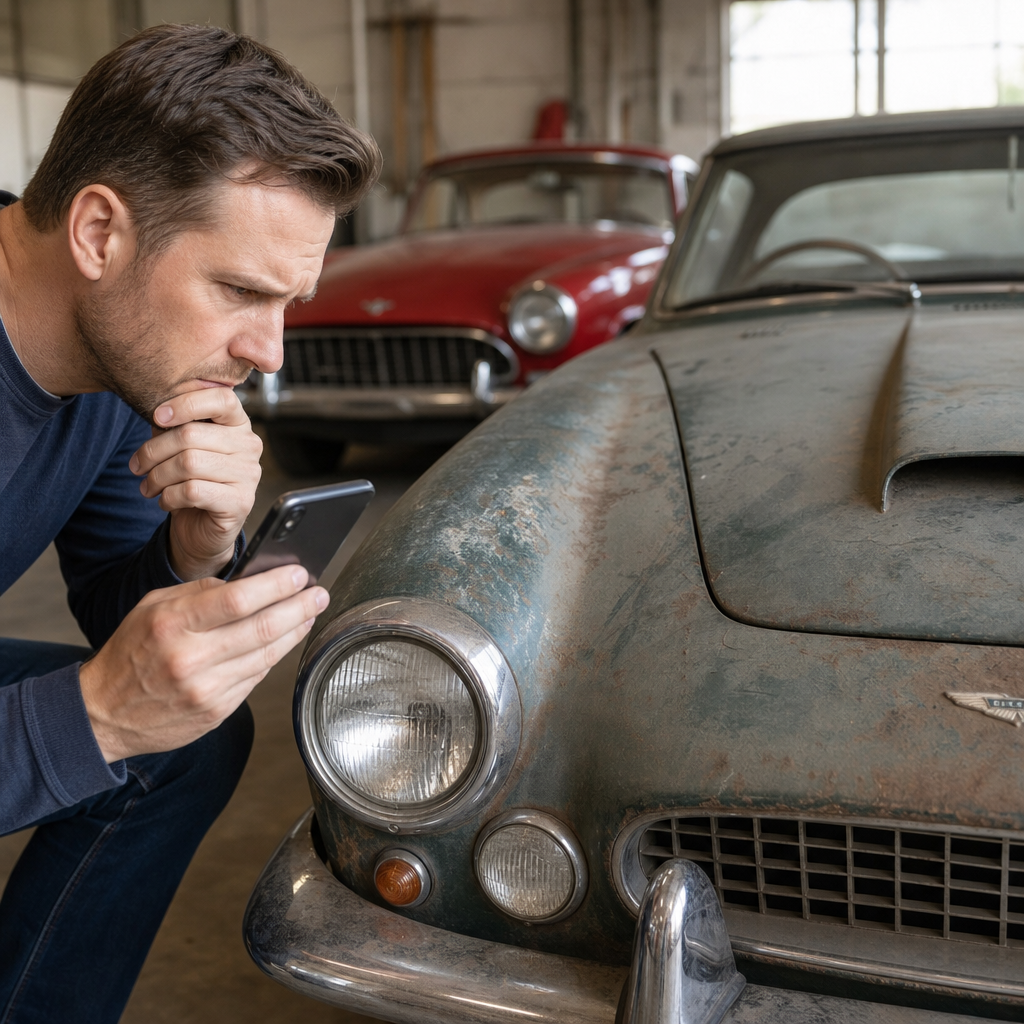
Photos sell classic cars online. Use a real camera or a recent phone with high resolution, and shoot in soft daylight against an uncluttered background. Include front three-quarter, rear three-quarter, all sides, roof, glass, wheels, tires, engine bay, trunk, undercarriage, VIN plate, trim tags, interior, gauges with engine running, and close-ups of flaws. For convertibles, show top up and down. For trucks and wagons, show cargo areas. For restored cars, include underside and restoration photos if available. Video adds another layer of trust. A cold start, idle walkaround, driving clips, light operation, and gauge demonstration answer many buyer concerns instantly.
Write plainly. Avoid exaggerated claims such as “perfect,” “museum quality,” or “all original” unless you can prove them. Say “older repaint with minor chips on the nose,” “small transmission seep typical of the model,” or “non-original radio installed, original unit included.” Precise disclosure improves results because buyers interpret detail as honesty. It also reduces post-sale disputes. If you have related resources on documentation, photography, inspections, or shipping, connect this page to them clearly so buyers and sellers can move deeper into the process without leaving your ecosystem of information.
Choose the Right Online Platform for the Car
Where you sell matters almost as much as how you list. Broad classified sites generate volume, but not always quality. Enthusiast auction platforms attract informed bidders and can create urgency, yet they require better presentation and active seller participation. Traditional collector marketplaces such as Hemmings are useful for established classics and older buyers comfortable with classified formats. Bring a Trailer is especially effective for well-documented, photogenic cars with wide enthusiast interest, while Cars & Bids tends to fit modern classics and analog-era enthusiast vehicles from the 1980s forward. Facebook Marketplace can move driver-quality cars quickly but demands stronger scam screening and message triage.
Match the platform to the car’s profile. A highly original 1963 Corvette split-window coupe with certifications and detailed provenance belongs in front of a national collector audience. A modified 1979 Chevrolet C10 with tasteful upgrades may do best where custom trucks perform well and local buyers are active. A project 1966 Jaguar E-Type with incomplete restoration might attract better prospects in a specialist forum than on a mainstream site because experienced buyers understand the parts and labor involved. When in doubt, review completed listings for similar vehicles on each platform and note engagement levels, sale rates, and final pricing.
Fees and process also differ. Some sites charge listing fees, some charge success fees, and some require editorial review before publication. Auction platforms may ask for extensive photographs, videos, VIN checks, and commentary during the sale. That extra effort can pay off because it filters unserious listings and raises buyer confidence. The question is not simply where to sell a classic car online, but where your specific car is most likely to be understood, trusted, and bid on competitively.
Manage Inquiries, Negotiate Smartly, and Avoid Scams
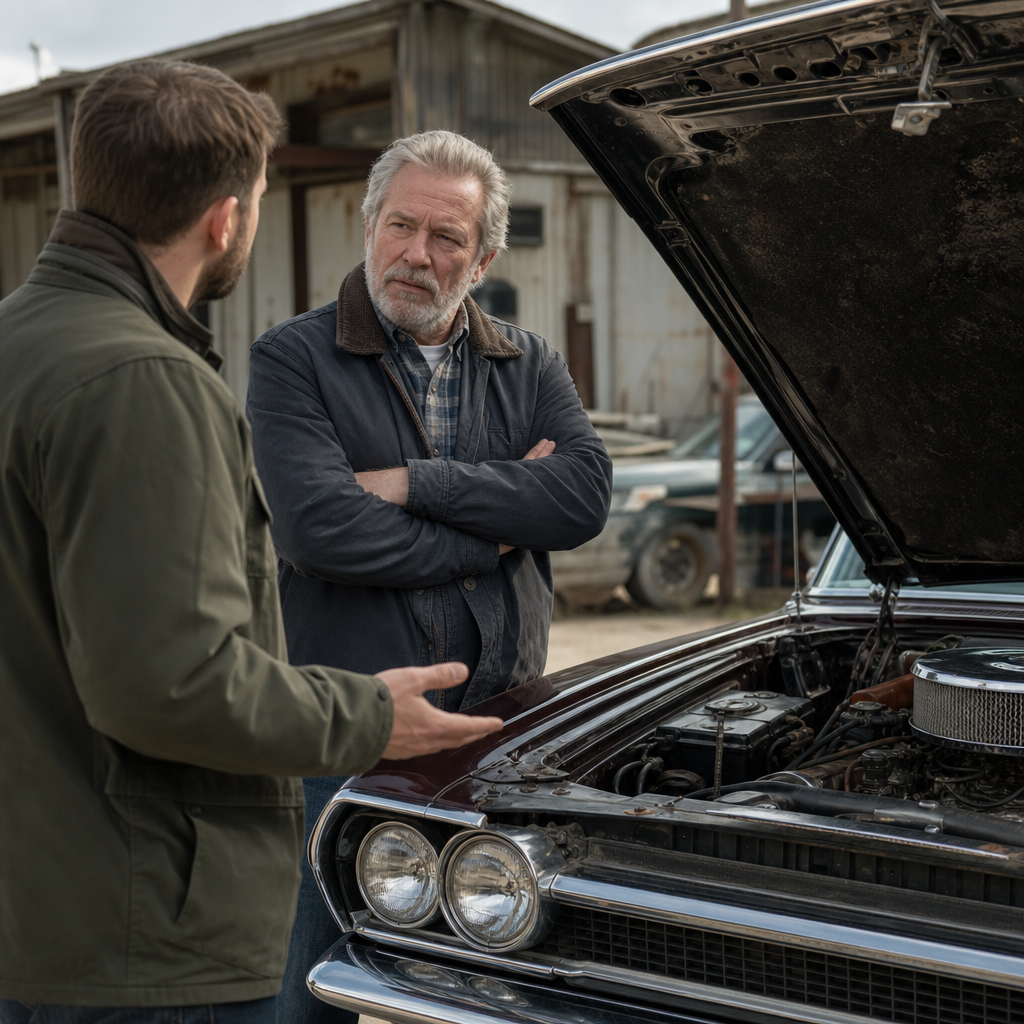
Once the listing is live, speed and professionalism matter. Respond promptly, but qualify buyers early. Ask whether they have read the full listing, what additional information they need, and when they are prepared to purchase. Serious buyers ask focused questions about rust, compression, casting numbers, service history, and transport timing. Time-wasters ask little, offer dramatically low numbers immediately, or avoid direct conversation. I prefer moving from platform messages to a scheduled phone call because tone and specificity reveal intent quickly. Have your documents and extra photos ready so you can answer with facts rather than promises.
Negotiation should be disciplined. Set a minimum acceptable price before inquiries begin. If a buyer raises legitimate issues, such as older tires, nonfunctional air conditioning, or known paint bubbling, acknowledge the point and tie your response to the asking price. Do not negotiate against yourself by dropping the number too early. If interest is strong, let buyers know respectfully that there are multiple inquiries. If interest is weak, reassess the listing quality, photo coverage, and price position before assuming the market has no demand.
Scam prevention is essential when selling a classic car online. Ignore overpayment schemes, unverifiable escrow proposals, pressure to release the car before funds clear, and buyers who insist on communicating only by email while avoiding specifics about the car. Wire transfers can be appropriate if verified directly with your bank, but confirmation of receipt and final clearance must come from the bank, not a screenshot. Cash works for in-person transactions at a bank branch. Reputable escrow services can help on high-value deals, but use only established providers you verify independently. Never send title copies with personal details exposed beyond what is needed, and never hand over signed title, keys, and car until payment is irreversible by your agreed method.
Close the Sale with Proper Paperwork, Payment, and Shipping
The final stage is where good deals can still go wrong. Use a bill of sale that includes vehicle description, VIN, sale price, date, odometer disclosure if applicable, and the statement that the vehicle is sold as is unless your state requires different language. Confirm title requirements in your state and the buyer’s state, especially if the car is old enough that some jurisdictions use registrations instead of titles. If there is a lien, clear it before listing or explain the payoff process in writing. For international buyers, discuss export documentation, customs broker coordination, and port timing early.
Shipping should be handled as a planned transaction, not an afterthought. Enclosed transport is generally the right choice for valuable classics because it reduces road debris exposure and weather risk. Open transport may be acceptable for lower-value drivers, but buyers of collector-grade cars usually expect enclosed service. Use established carriers or brokers with FMCSA registration, cargo insurance details, and inspection procedures at pickup and delivery. Photograph the car immediately before loading. Remove loose parts from the cabin, secure extra components in labeled boxes, and provide the buyer with spare keys, records, and a simple operating guide if the car has quirks such as battery cutoff switches, manual choke operation, or hidden fuel pumps.
After delivery, confirm receipt and retain copies of all transaction documents. Cancel insurance only after ownership transfer is complete. Report the sale to your motor vehicle agency if your state requires it. Clean closeout protects you from future registration, toll, or liability issues. More importantly, it leaves both parties with a professional experience, which matters in the close-knit classic car community.
Selling a classic car online successfully comes down to preparation, evidence, and trust. Prepare the car and documents before it ever appears on a marketplace. Price it from real comparable sales, not sentiment or sunk cost. Build a listing that answers buyer questions completely with strong photos, videos, and direct disclosures. Choose the sales platform that matches the vehicle’s audience. Then manage inquiries professionally, negotiate from facts, screen out scams, and finish the deal with verified payment, correct paperwork, and careful shipping.
The main benefit of doing all of this well is not only a better sale price. It is a smoother transaction with fewer surprises, fewer wasted leads, and a much higher chance that the right buyer will recognize your car’s value quickly. Collector vehicles trade on confidence. When a buyer sees complete records, clear condition reporting, detailed images, and a seller who understands the car, hesitation drops and offers improve. That pattern repeats whether you are selling a restored muscle car, a preserved European coupe, or a usable vintage truck.
Use this hub as your starting point for every part of selling a classic car. Review your paperwork, inspect the car honestly, study the market, and build a listing that makes distance less of a barrier. If you are preparing to sell now, create your document file, schedule photos, and gather comparable sales today. Those three steps will put you closer to a clean, profitable online sale.
Frequently Asked Questions
What information should I include in an online classic car listing to attract serious buyers?
A strong classic car listing should do much more than state the year, make, model, and asking price. Serious buyers want enough detail to judge authenticity, condition, history, and value before they ever contact you. Start with the essentials: the full vehicle identification number where appropriate, current mileage or odometer reading, engine and transmission details, body style, trim level, paint color, interior color, title status, and your location. Then go deeper into what matters most in the collector market: whether the car retains its original drivetrain, whether it has matching numbers if applicable, how original the body and interior are, and what has been restored, refurbished, or modified over time.
You should also describe the car’s condition honestly and specifically. Mention visible flaws, rust areas, paint imperfections, upholstery wear, mechanical issues, electrical quirks, leaks, noises, and anything a buyer would likely discover during an inspection. Transparency builds trust and saves time. Include ownership history if known, records of restoration work, service receipts, judging sheets, factory documentation, manuals, window stickers, build sheets, or certificates from marque experts. If the car has notable provenance, such as celebrity ownership, period racing history, or a documented low-production specification, say so clearly and support it with evidence.
Your listing should also explain how the car drives and starts, not just how it looks. Buyers shopping online are often far away, so they rely on your description to fill in the gaps. Tell them whether it starts easily cold, idles smoothly, shifts properly, brakes straight, tracks well at speed, and is suitable for local cruising, touring, or show use. The more complete and precise your listing is, the more likely you are to attract informed buyers who understand the market and are prepared to move forward.
How do I determine a fair asking price for a classic car when selling online?
Pricing a classic car correctly requires balancing objective market data with the specific strengths and weaknesses of your vehicle. Start by researching recent sale prices for comparable cars, not just current asking prices. Auction results, enthusiast forums, collector car marketplaces, and price guide services can help you understand what buyers have actually paid. Focus on cars with similar year, model, engine, originality, restoration quality, mileage, documentation, and options. A rare trim package or factory-correct drivetrain can affect value significantly, but only if buyers in that segment actively care about it.
Condition is one of the biggest pricing factors. A concours-level restoration, a highly original survivor, and a presentable driver may all be the same model, but they can occupy very different price ranges. Be realistic about where your car fits. Owners sometimes overvalue emotional investment, restoration receipts, or years of ownership, but buyers pay for current market desirability, not personal attachment. Extensive restoration costs do not always translate into equal resale value, especially if the work is older, non-original, or poorly documented.
It is also wise to consider your sales strategy. If you want a faster sale, price the car competitively against similar listings and leave little room for hesitation. If the car is especially rare, highly documented, or fresh to market, you may have room to ask at the top of the range. Still, online buyers are well informed and quick to compare listings. An inflated price can cause a car to sit too long, which often leads buyers to assume there is a hidden issue. A fair asking price, supported by clear evidence and honest presentation, is one of the strongest tools you have for selling successfully online.
What photos and videos help sell a classic car online more effectively?
High-quality photos and videos are essential because they act as the buyer’s first inspection. Start with clear, well-lit exterior images from every major angle: front, rear, both sides, front three-quarter views, rear three-quarter views, roof, trunk, and under the hood. Photograph the interior thoroughly, including the seats, dash, gauges, steering wheel, carpets, headliner, door panels, trunk area, and any unique features or trim. Buyers also expect close-up shots of wheels, tires, glass, badges, VIN tags where appropriate, engine stampings if relevant, and documentation such as service records or restoration photos.
Just as important, include photos of imperfections. Show rust bubbles, paint chips, panel gaps, worn upholstery, underside corrosion, fluid seepage, cracked trim, and any area that is not showroom perfect. This may feel counterintuitive, but it helps build credibility. Experienced buyers know that older vehicles rarely come without flaws, and they are more likely to trust a seller who presents the car honestly. If possible, include underside photos on a lift, especially on cars where rust, frame condition, and floor integrity are major value factors.
Video adds another layer of confidence. A cold-start video is particularly effective because it shows how the car behaves before warming up. Include clips of the engine idling, lights and gauges working, power accessories functioning if equipped, and a driving video showing acceleration, steering, braking, and shifting. A walkaround video with narration can also help you explain condition, originality, and known issues in a straightforward way. The goal is not flashy production; it is clear, truthful documentation that reduces uncertainty for an online buyer.
How can I build trust with buyers when selling a classic car to someone who is far away?
Trust is often the deciding factor in an online classic car sale, especially when the buyer cannot inspect the vehicle immediately in person. The best way to build trust is through accuracy, responsiveness, and documentation. Present the car exactly as it is, answer questions directly, and avoid vague claims such as “perfect,” “all original,” or “show quality” unless you can support them. If you do not know something about the car, say so. Buyers generally appreciate honesty far more than exaggerated confidence.
Provide documentation early in the conversation. This may include photos of the title, maintenance records, restoration invoices, ownership history, factory paperwork, appraisal documents, and any third-party evaluations. If the buyer asks for specific photos or video, provide them promptly. Being willing to show details such as frame rails, trunk pans, date codes, casting numbers, and cold-start behavior signals that you have nothing to hide. It also helps to be available for a live video call so the buyer can see the car in real time and ask questions as you walk around it.
Another powerful trust-building step is encouraging an independent pre-purchase inspection. Serious long-distance buyers often want a professional inspection from a mechanic, appraiser, or marque specialist near your location. Sellers who welcome that process tend to stand out. Clear communication about payment terms, title transfer, storage, and shipping logistics also reduces buyer anxiety. When a buyer feels that the transaction is organized, documented, and transparent from the start, they are far more likely to move ahead with confidence.
What is the safest way to handle payment, paperwork, and shipping when selling a classic car online?
Safe transaction handling starts with a clear process before you agree to a deal. Once you and the buyer settle on a price, put the terms in writing. A bill of sale should identify the vehicle accurately, list the agreed purchase price, specify whether any deposit is refundable or nonrefundable, note that the vehicle is being sold as-is if that applies under your state law, and explain when title and possession will transfer. If there are included spare parts, extra documentation, or additional items, list them specifically so there is no confusion later.
For payment, secure methods are critical. Bank wire transfers are common for higher-value classic car transactions, but you should verify receipt directly with your bank before releasing the vehicle or signed title. Cashier’s checks can be used, but they carry fraud risk and should be treated cautiously until fully cleared and verified. Avoid releasing the car based on screenshots, email confirmations, or promises of pending payment. If the transaction is substantial or the buyer is overseas, an escrow service with a strong reputation may provide extra security, though both parties should confirm the service is legitimate and understand the fees and release conditions.
Shipping should also be handled carefully. Decide whether the buyer or seller is arranging transport, and document that in writing. If a transport company is involved, keep copies of the carrier information, pickup date, condition photos, and any signed inspection reports. It is wise to photograph the car thoroughly immediately before loading in case a damage claim arises later. For title transfer, follow your state’s legal requirements exactly, and keep copies of everything you sign. Remove license plates if required, notify your insurer once the car is sold, and retain records showing the date the vehicle left your possession. A smooth online sale depends not only on finding the right buyer, but also on managing the final steps with the same care you used in presenting the car.