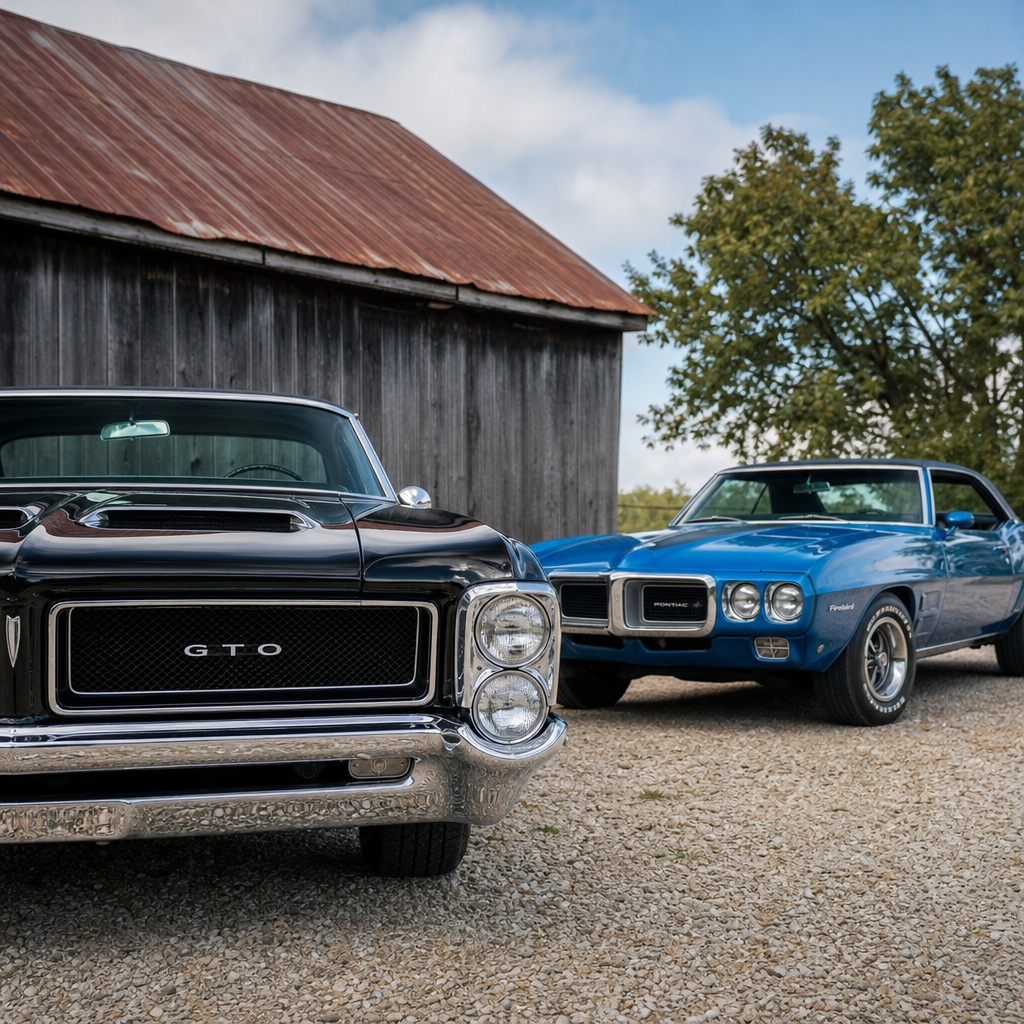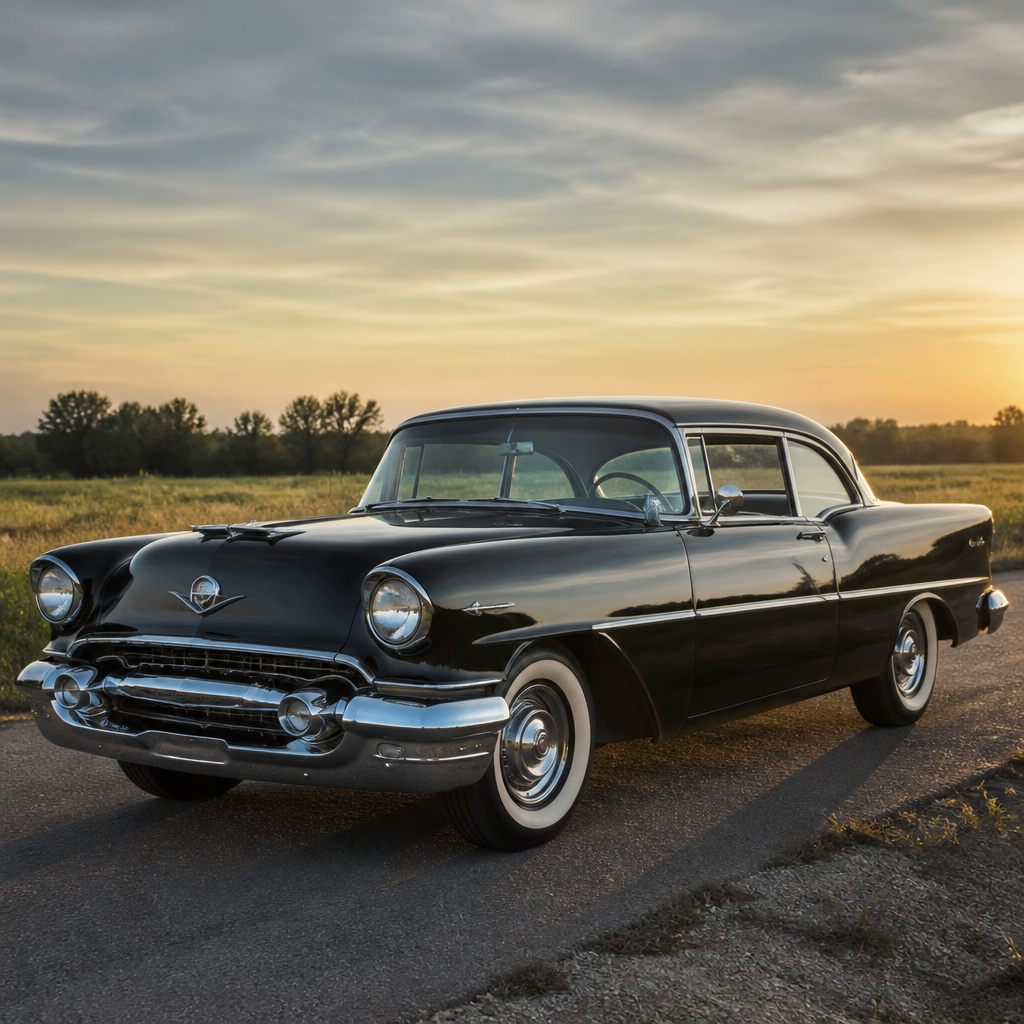
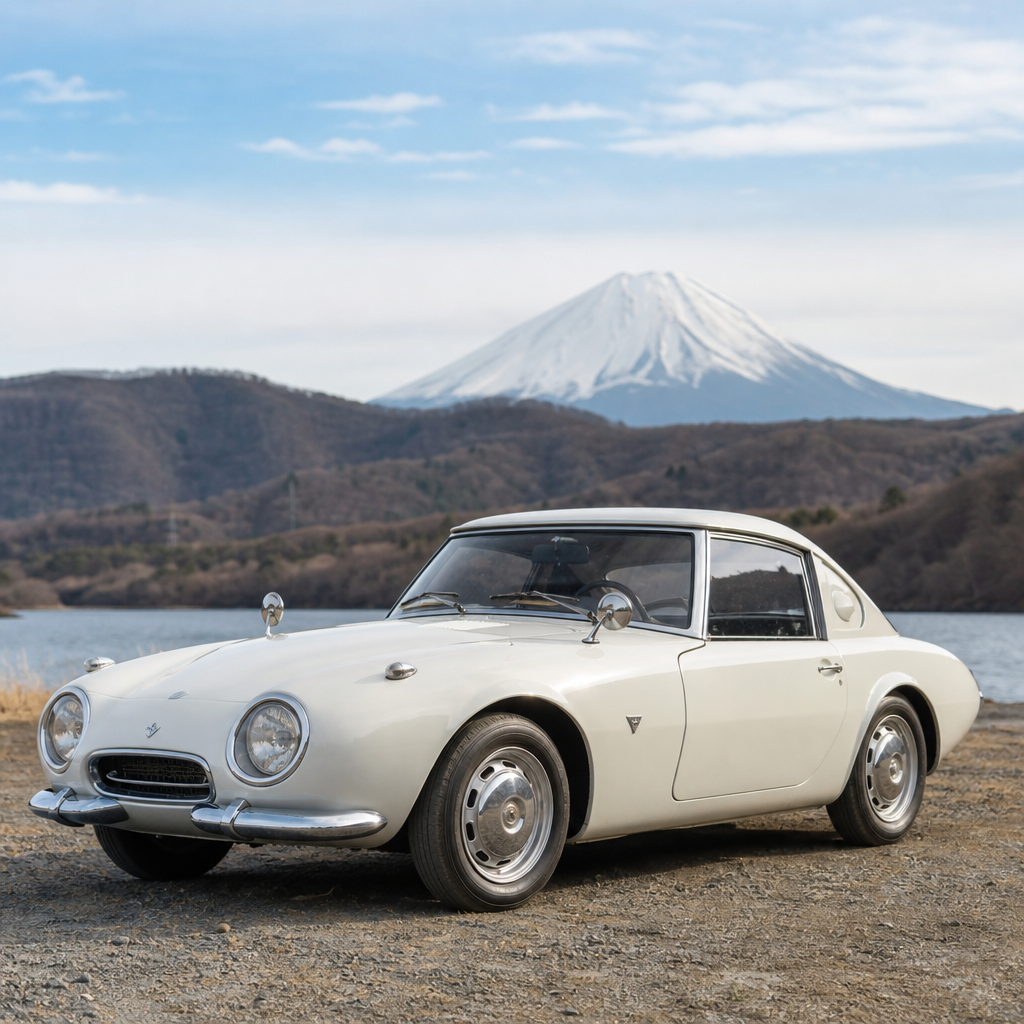
Rare Japanese classic cars occupy a special corner of automotive history because they combine limited production, daring engineering, and the cultural shifts that turned Japan from a domestic market powerhouse into a global performance authority. In this hub on Japanese classics, “rare” means more than expensive or old. It describes cars built in low numbers, sold only in certain regions, produced briefly between redesigns, or overshadowed by famous siblings like the Skyline GT-R, Toyota 2000GT, and Datsun 240Z. “Classic,” in this context, usually refers to vehicles from the 1960s through the 1990s that now carry historical, collector, and enthusiast value. I have spent years around import auctions, restoration shops, and owners’ clubs, and the same pattern always appears: the rarest Japanese classics are not necessarily the halo cars everyone recognizes, but the obscure coupes, homologation sedans, kei performance machines, and luxury experiments that reveal how ambitious Japanese manufacturers really were.
That is why rare Japanese classic cars matter. They show where modern automotive ideas came from: turbocharging in compact road cars, electronic driver aids before the segment was ready, lightweight design in small-displacement platforms, and motorsport homologation hidden under ordinary bodywork. They also matter because the collector market has broadened. Buyers who were once priced out of headline models are searching deeper into the history of Nissan, Toyota, Mazda, Honda, Mitsubishi, Subaru, Isuzu, Suzuki, and Daihatsu. As a result, the best Japanese classics hub page cannot just list famous icons. It needs to explain the categories, identify standout examples, show what makes them historically important, and help readers understand which cars are genuinely rare, which are merely uncommon, and which deserve closer research before purchase. This guide does exactly that, serving as a foundation for deeper articles on specific Japanese classic car models and brands.
What makes a Japanese classic car rare?
A rare Japanese classic car usually falls into one of five groups. First are low-production flagships, such as the Mazda Cosmo Sport, built in tiny volumes and packed with advanced engineering. Second are homologation specials created so manufacturers could qualify for touring car or rally competition; examples include the Nissan Skyline 2000GT-R “Hakosuka” and certain Mitsubishi and Subaru variants sold in restricted numbers. Third are domestic-market-only models that never reached North America or Europe in meaningful quantities, which is why many enthusiasts have never seen them in person. Fourth are short-run trims that disappeared quickly because they were expensive, experimental, or launched at the wrong moment. Fifth are forgotten survivors: cars once considered ordinary that were used hard, modified, or scrapped, making original examples unexpectedly scarce today.
Rarity is not the same as desirability, although the two often overlap. A car can be rare because nobody wanted it when new, and that does not automatically make it collectible. The strongest rare Japanese classics usually pair scarcity with one or more of these traits: technical firsts, motorsport credibility, distinctive styling, or a direct link to a respected model line. For example, the first-generation Honda Z coupe is uncommon, but the Honda S800 has broader global recognition because it combined rarity with a high-revving twin-carb engine and export history. Condition matters too. In Japan’s humid climate and snowbelt regions, rust consumed many cars, especially around sills, shock towers, rear arches, and floor pans. That means surviving factory-spec examples can be much rarer than production totals suggest.
Rare Japanese coupes that shaped enthusiast culture
If you ask which rare Japanese classic cars deserve immediate attention, coupes from the late 1960s through the 1980s belong near the top. The Mazda Cosmo Sport is one of the clearest examples. Introduced in 1967, it was one of the world’s first twin-rotor production cars and the statement piece that validated Mazda’s commitment to rotary technology. Fewer than 1,200 were built, and its low, futuristic body still looks unlike anything from the era. In practical terms, the Cosmo matters because it proved Japanese brands could lead, not follow, in engineering ambition. Restoring one requires specialist knowledge of early rotor housing wear, apex seal compatibility, and period-correct induction parts, which is why genuine examples remain both rare and difficult to return properly.
The Nissan Silvia CSP311 is another benchmark in rare Japanese classics. Built in the mid-1960s and sold in extremely small numbers, this hand-finished coupe was elegant rather than overtly sporty. Many enthusiasts know the Silvia name from the later S13, S14, and S15 generations, but very few have seen the original. That makes the CSP311 historically significant as the beginning of one of Japan’s most famous performance nameplates. Toyota’s Sports 800 deserves equal attention. Often called “Yota-Hachi,” it used lightweight construction, a targa-style roof panel, and an efficient boxer engine to deliver agile handling rather than brute power. It anticipated a philosophy later seen in cars like the Honda Beat and Mazda MX-5: modest output, low mass, and driver involvement. For collectors, these coupes anchor any serious overview of Japanese classics because they reveal how varied the early sports car landscape really was.
Homologation heroes and motorsport specials
Some of the most valuable rare Japanese classic cars exist because racing rules demanded street versions. Homologation models are central to Japanese classics because they connect road cars directly to competition history. The Nissan Skyline 2000GT-R, both the “Hakosuka” and later “Kenmeri,” is the best-known example, but even these cars are still misunderstood. Their rarity comes not just from limited production but from their purpose: they carried the S20 dual-overhead-cam straight-six derived from Prince’s racing program and established the GT-R legend long before the R32 arrived. The Kenmeri GT-R in particular was produced in tiny numbers, making it one of the most elusive Japanese classics ever sold.
Mitsubishi’s Lancer 1600 GSR and early Galant GTO MR variants deserve more recognition than they usually get in mainstream collector lists. These cars linked directly to rally development and featured stronger drivetrains, performance-oriented gearing, and suspension tuning that reflected real motorsport needs. Subaru’s early turbo and four-wheel-drive performance sedans from the 1980s also belong in this conversation, especially Japanese-market trims that predated the globally celebrated Impreza WRX STi. In my experience, these cars are often undervalued by buyers who focus only on headline models. Yet when you examine production figures, period race entries, and surviving stock-condition examples, many of these lesser-known specials are genuinely scarcer than the famous Japanese performance cars dominating auctions. For anyone building knowledge in this subtopic, understanding homologation logic is essential: if a car exists because a rulebook required it, there is a strong chance it matters historically.
Under-the-radar sedans, GTs, and luxury experiments
Rare Japanese classic cars are not limited to sports coupes. Some of the most interesting survivors are sedans and grand tourers that carried advanced features years before buyers fully appreciated them. The Prince Gloria Super 6 and early Nissan President represent Japan’s luxury ambition in the pre-merger and immediate post-merger years, combining formal styling with smooth six-cylinder engines and a clear effort to rival Western executive cars. The Toyota Crown coupe derivatives and hardtop models from the 1970s offer another layer of rarity because they were often preserved less carefully than export sports cars, despite strong engineering and attractive pillarless designs. Isuzu’s 117 Coupe, styled by Giorgetto Giugiaro, is especially important here. Early hand-built versions are highly collectible, and the model stands as proof that Japanese manufacturers were deeply engaged with international design currents.
Mazda’s Luce Rotary Coupe and Nissan’s Leopard TR-X turbo variants also deserve a place in any comprehensive Japanese classics hub. These were sophisticated personal luxury cars aimed at buyers who wanted speed, comfort, and technology in one package. Some included digital dashboards, electronic voice alerts, adjustable suspension, or turbocharged engines at a time when such features still felt novel. Their rarity today stems from a combination of domestic-market focus, maintenance complexity, and low survival rates. Many were driven daily rather than preserved, and replacement trim pieces can now be harder to source than engines or gearboxes. This category matters because it broadens the definition of a collectible Japanese classic. Not every significant car wore flared arches or race graphics; some changed the market quietly by normalizing technologies that later spread across the industry.
Kei cars and small-displacement oddities worth knowing
No serious article on rare Japanese classic cars is complete without kei cars and small-displacement niche models. These vehicles were shaped by Japanese tax and size regulations, and they encouraged extraordinary packaging and engineering creativity. The Honda N360 and Z GS, Suzuki Fronte Coupe, Subaru Rex supercharged variants, Autozam AZ-1, and Daihatsu fellow travelers all illustrate how much innovation could fit inside strict dimensional limits. The Autozam AZ-1 is probably the best known internationally because of its gullwing doors and mid-engine layout, but many earlier kei performance and specialty models are rarer in real terms. They sold domestically, were often used intensively, and were not widely preserved because few people imagined future collector demand.
These cars matter for more than novelty. They previewed major themes in Japanese classics: high specific output, compact design, low curb weight, and willingness to experiment. They also present specific ownership realities. Parts interchange can be surprisingly good for mechanical items, especially within manufacturer families, but body panels, glass, trim, and model-specific electronics can be extremely difficult to locate. Rust is often severe because these cars were inexpensive transportation first and collector pieces much later. Buyers should inspect chassis rails, strut tops, rear hatch channels, and lower door seams carefully. A well-preserved kei classic can be a compelling entry point into Japanese collector culture, but restoration budgets often exceed the car’s current market value. That is not a contradiction; it is a reminder that rarity and restoration economics do not always align.
How to evaluate, buy, and preserve rare Japanese classics
Anyone shopping for rare Japanese classic cars should start with documentation, originality, and parts support before thinking about auction headlines. Export eligibility rules vary by country, and compliance can affect whether a car is practical to import. In the United States, the 25-year exemption is a major factor; in other markets, emissions, safety, and registration rules may still matter. I always advise buyers to verify chassis codes, engine numbers where applicable, trim tags, and factory option sheets. On Japanese classics, the difference between a true rare variant and a visually similar base model can be substantial. Tools such as factory brochures, marque-specific registries, auction sheets, and EPC databases are essential.
| Model | Why It Is Rare | Key Risk When Buying | Why Collectors Care |
|---|---|---|---|
| Mazda Cosmo Sport | Very low production, early rotary milestone | Specialist engine restoration costs | Historic engineering significance |
| Nissan Silvia CSP311 | Short production run, hand-finished origins | Trim and body part scarcity | First Silvia and design rarity |
| Toyota Sports 800 | Limited numbers, domestic-market identity | Authenticity and rust issues | Lightweight pioneer with strong heritage |
| Isuzu 117 Coupe | Early hand-built examples especially scarce | Finding correct early-spec components | Giugiaro styling and grand touring appeal |
| Autozam AZ-1 | Niche kei sports car with low survival | Body, glass, and interior parts | Mid-engine layout and cult status |
Preservation is usually smarter than over-restoration. Collector demand in Japanese classics increasingly favors factory colors, correct wheels, original interiors, and period accessories over modernized builds, unless the model has a documented tuning culture. Mechanical recommissioning should focus on cooling systems, fuel delivery, bushings, brake hydraulics, and weather seals before cosmetic work. For turbo cars, check shaft play, oil supply lines, and evidence of boost modifications. For rotary Mazdas, compression testing by rotor face is non-negotiable. For carbureted cars, worn throttle shafts and improvised fuel plumbing are common. The broader lesson is simple: buy the most complete, best-documented example you can afford. In rare Japanese classic cars, missing parts and uncertain provenance cost more than surface imperfections.
Why this Japanese classics hub matters for collectors and enthusiasts
Rare Japanese classic cars reward deeper study because they tell a fuller story than the usual shortlist of investment-grade icons. They show how Japan experimented with rotaries, twin-cam engines, turbocharging, luxury appointments, motorsport homologation, lightweight construction, and kei-car ingenuity across multiple decades. They also reveal that “Japanese classics” is not one category but many: coupes, sedans, GTs, rally specials, domestic-market curiosities, and limited-production technical showcases. For readers exploring classic car models and brands, this hub is the starting point for understanding which Japanese cars shaped enthusiast culture quietly, which ones remain attainable, and which deserve urgent preservation before originality disappears.
The key takeaway is practical. Learn the chassis codes, study production context, verify originality, and judge rarity by survival and significance, not hype. If a model links to motorsport, pioneered a technology, launched a famous nameplate, or survived in tiny numbers, it belongs on your radar. Use this Japanese classics hub as your map, then go narrower into brand and model-specific research before buying, restoring, or writing off an unfamiliar car. The rare Japanese classic cars you have never seen are often the ones worth remembering most. Start building that knowledge now, and you will spot value and history long before the broader market catches up.
Frequently Asked Questions
What makes a Japanese classic car “rare” rather than just old or expensive?
A rare Japanese classic car is defined by scarcity, historical context, and market visibility, not simply by age or price. In this category, rarity often comes from limited production runs, short-lived factory programs, region-specific sales, unusual homologation requirements, or trims that were overshadowed by better-known halo models. A car can be highly collectible and still not be especially rare if it was produced in large numbers and widely exported. On the other hand, a model that sold modestly in Japan, disappeared quickly from dealer showrooms, and was never officially offered in major foreign markets may be genuinely rare even if it does not command the auction prices of a Toyota 2000GT or a Nissan Skyline GT-R.
Japanese classics are especially interesting because the country’s domestic market evolved rapidly from the 1960s through the 1990s. Manufacturers frequently introduced low-volume variants to test engineering ideas, satisfy niche buyers, or meet racing and regulatory needs. That means rarity can show up in many forms: a special twin-cam engine option, an obscure coupe body style, a transitional generation built only briefly, or a luxury-performance model sold domestically while export markets received something else entirely. In other words, rarity is often about production nuance and historical obscurity as much as surviving numbers.
Why are so many rare Japanese classics unfamiliar compared with icons like the Skyline GT-R or Toyota 2000GT?
The short answer is that famous cars dominate the conversation, while lesser-known models were often hidden by geography, branding, and timing. Many rare Japanese classics were sold only in Japan or in very limited regional markets, so enthusiasts outside Asia simply did not grow up seeing them in period advertising, magazines, or dealer networks. Others arrived during eras when Japanese automakers were still building their international identity, meaning a fascinating low-volume coupe or sedan might never have been exported in meaningful numbers. If the public never saw it when new, its legend had far less chance to spread.
Another major reason is internal competition within Japanese brands themselves. Nissan, Toyota, Mazda, Honda, Mitsubishi, Isuzu, and Subaru all produced headline-grabbing flagships that came to define their performance reputations. As a result, sibling cars with unusual engineering or limited production were often overshadowed. A niche hardtop, a special touring coupe, or an early homologation special could be historically important yet remain buried beneath the fame of GT-Rs, Supras, RX-7s, NSXs, or Z-cars. Add in language barriers, incomplete production records, and decades of attrition, and you get a group of cars that even serious enthusiasts may have never encountered in person.
What kinds of cars usually qualify as rare Japanese classics in articles like this?
They typically fall into a few distinct categories. One is the limited-production performance model: cars built in small numbers for motorsport homologation, special dealer programs, or short-run high-spec trims. Another is the domestic-market-only car, often known as a JDM exclusive, which may have offered engines, styling, or equipment never seen on export versions. There are also transitional models produced briefly between major redesigns, making them easy to miss in the broader history of a nameplate. Finally, some rare Japanese classics are simply cars that were commercially overshadowed despite being technically interesting, such as unusual grand tourers, compact coupes, luxury-performance sedans, or rotary and turbo experiments from the 1970s and 1980s.
What makes these cars compelling is that they reveal the depth of Japan’s automotive creativity beyond the usual poster cars. You may find a model with advanced suspension for its era, a high-revving engine built for a narrow enthusiast audience, or bodywork that reflected changing design tastes during Japan’s economic rise. In many cases, the cars were not failures at all; they were just too specialized, too early, too expensive for their niche, or too hidden from export audiences to become household names. That combination of technical merit and historical obscurity is exactly why they are so fascinating today.
Are rare Japanese classic cars good investments, or should collectors focus more on passion and preservation?
Passion and preservation should come first. While some rare Japanese classics have appreciated significantly, rarity alone does not guarantee strong investment performance. The market rewards a combination of factors: documented production scarcity, cultural importance, drivability, parts support, originality, condition, and a clear place in enthusiast memory. A car can be extremely rare but still difficult to sell if few buyers understand what it is, if restoration costs are high, or if replacement parts are nearly impossible to source. In contrast, a better-known Japanese classic with broader recognition may be more liquid even if it is less scarce on paper.
That said, rare models can become increasingly desirable as the collector market matures and buyers look beyond the usual icons. Enthusiasts are now paying more attention to forgotten homologation specials, domestic luxury-performance cars, boutique trims, and low-volume coupes from the 1960s through the 1990s. If you are considering ownership, the smartest approach is to buy the best-documented, most complete example you can find, and to value provenance and originality over hype. A rare Japanese classic is often most rewarding when you appreciate its story, engineering, and place in automotive history rather than treating it purely as a financial asset.
What should buyers research before purchasing a rare Japanese classic car?
Start with production history, model verification, and parts availability. Because these cars are often obscure, the first challenge is confirming exactly what you are looking at. Trim levels, chassis codes, engine variants, and market-specific equipment can vary dramatically, and a rare car’s value often depends on those details. It is essential to verify whether the example is a genuine factory variant, a later conversion, or a cosmetically modified standard model. Documentation such as chassis plates, factory records, period brochures, import paperwork, and enthusiast registry data can be extremely important.
Next, evaluate restoration realities. Rare Japanese classics can be mechanically robust, but sourcing model-specific trim, glass, lighting, interior pieces, badges, and body panels may be far harder than finding engine service parts. Rust is another critical issue, especially for cars from humid climates or regions where corrosion protection was less advanced. Buyers should also research whether the car shares components with more common models, since that can make ownership much easier. Finally, understand the support network: specialist workshops, owner clubs, forums, and parts suppliers often determine whether a rare classic becomes a joy to own or a long-term storage project. The best purchases happen when historical curiosity is matched by practical research.