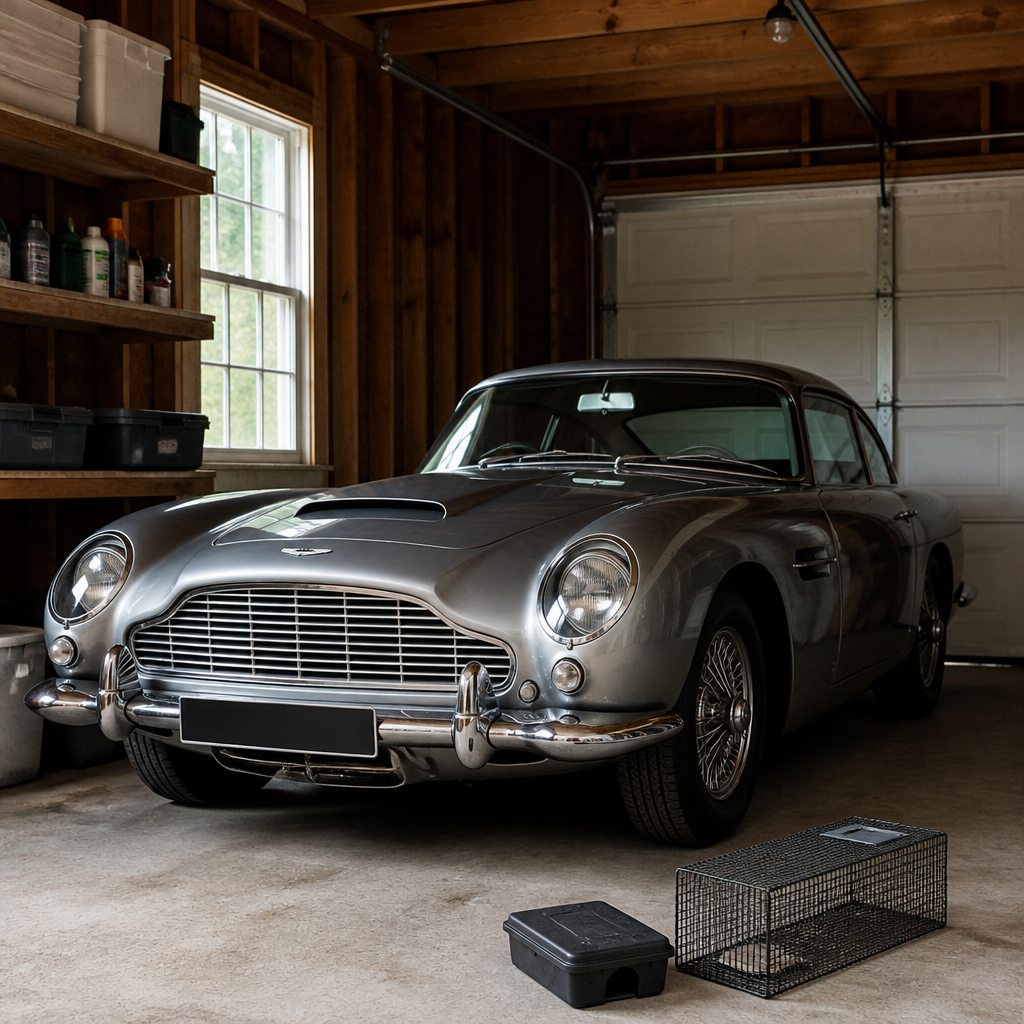
Stored classic cars attract pests because they combine warmth, darkness, fabric, wiring insulation, and long periods without disturbance. Pest prevention for stored classic cars is the discipline of making a vehicle, its storage environment, and its maintenance routine inhospitable to rodents, insects, birds, and nesting animals before damage starts. In practical terms, that means controlling access, eliminating food and shelter, monitoring activity, and checking the car often enough that a small problem never becomes an expensive restoration setback.
This matters because pest damage is rarely cosmetic. I have seen mice turn pristine seat foam into nesting material, pack heater boxes with acorns, and chew harness insulation so thoroughly that a car needed a partial rewire before it could be safely started. Stored classics are especially vulnerable because many spend months parked, often in barns, detached garages, or rented storage units where temperature swings, moisture, and nearby feed or household clutter create ideal conditions for infestation. A single season of neglect can lead to blocked ventilation ducts, contaminated interiors, corroded terminals from urine, and fire risk from exposed copper.
As a hub topic within classic car storage and preservation, pest prevention sits alongside climate control, battery maintenance, tire care, fuel stabilization, and corrosion management. It supports every one of those priorities. A perfectly dehumidified garage still fails as a preservation environment if rodents can enter through a one-inch gap under a side door. Likewise, premium indoor storage, a fitted car cover, and stabilized fuel do not protect wool carpets, paper air filters, or original jute insulation from nesting pests. Good storage is therefore not only about preserving paint and chrome; it is about protecting the entire vehicle ecosystem, including mechanical systems, trim, documents, and parts inventory.
The most effective approach is layered. Start with the building, then the parking setup, then the vehicle itself, and finally the inspection schedule. This article explains those layers in plain terms, shows where pests usually enter and hide, and outlines a repeatable process that owners can use whether they store one concours car at home or rotate several drivers through seasonal storage.
Know the Threats and the Damage They Cause
The most common pests in stored classic cars are mice, rats, squirrels, insects, and occasionally birds. Rodents are by far the costliest because they chew continuously to control tooth growth. In older vehicles, cloth-wrapped wiring, natural-fiber insulation, horsehair seat stuffing, and paper-based duct liners are especially attractive. Newer replacement wiring is not immune either. Many owners blame so-called soy-based wire coatings alone, but in practice rodents chew a wide range of materials when building nests or exploring enclosed spaces.
Mice can enter through openings around pedal boots, cowl vents, torn weatherstrips, shifter apertures, and body drain holes. Once inside, they often favor quiet, enclosed areas: air cleaners, glove boxes, under-seat cavities, trunk side pockets, and heater plenums. Common signs include droppings shaped like dark grains of rice, shredded insulation, nut shells, seed husks, urine odor, and debris around vents. If the blower motor suddenly rattles after storage, assume a nest in the heater box until proven otherwise.
Insects create different problems. Moths and carpet beetles can damage wool carpeting and natural upholstery stuffing. Cockroaches and ants are usually secondary invaders, drawn by food residue or dampness. Wasps and mud daubers often build in tailpipes, cowl openings, or undercarriage recesses. Spiders are less destructive, but heavy webs indicate a space that has gone unchecked too long. In rural buildings, birds may nest in rafters above the car, introducing droppings and mites.
The financial impact can be substantial. A professional wiring harness replacement on a classic can cost thousands once labor, dash disassembly, and troubleshooting are included. Interior odor remediation, HVAC cleaning, and upholstery repair add quickly. More important, rodent urine is corrosive and unsanitary. If contamination reaches insulation pads or jute underlayment, removal is often the only durable fix.
Start with the Storage Building, Not the Car
Pest prevention begins with exclusion. If animals cannot enter the building, they are far less likely to reach the vehicle. Walk the perimeter slowly and inspect every seam, threshold, vent, and utility penetration. Mice can squeeze through gaps around 6 millimeters, roughly the diameter of a pencil, and rats need surprisingly little more. Focus on garage door corners, warped side doors, torn vent screens, conduit entries, and daylight visible at wall bases.
Seal gaps with durable materials. Steel wool alone is a temporary patch because it rusts and can be pulled out. A better repair uses copper mesh or stainless exclusion mesh packed into the opening and capped with metal flashing, hardware cloth, or sealant rated for exterior use. For vents, install galvanized hardware cloth with openings small enough to block rodents while preserving airflow. Replace brittle door sweeps and adjust latches so doors close tightly against weatherstripping.
Next, remove attractants. Do not store bird seed, grass seed, pet food, livestock feed, or trash in the same building as a classic car. Cardboard boxes full of household items create nesting habitat and hide droppings that would otherwise be obvious. I advise owners to move supplies onto sealed metal shelving or into hard plastic bins with gasketed lids, then keep the floor perimeter clear so new activity is easy to spot during inspections.
Landscape matters too. Dense shrubs touching exterior walls, stacked firewood, and tall grass create protected travel lanes for rodents. Keep vegetation trimmed back, move wood piles away from the structure, and eliminate standing water that supports insects. If the building is a barn or older outbuilding, perfect exclusion may be unrealistic, which makes sanitation, trapping, and frequent checks even more important.
Prepare the Car So It Offers No Food, Water, or Shelter
A car ready for storage should be clean enough that a pest finds nothing useful inside. Vacuum the interior thoroughly, including under seats, trunk corners, spare wheel wells, and behind seat backs. Remove food wrappers, maps, tissues, and shop rags. Even a mint forgotten in a console can attract insects or rodents. If the car has seen regular use, clean beverage residue from carpets and console edges because sugar and scent linger longer than most owners realize.
Wash the exterior and underside if practical, then let the car dry completely before covering. Organic buildup under the chassis can harbor insects, while moisture trapped in body seams supports both rust and pest activity. Pay special attention to the engine bay. Leaves in the cowl area or near the firewall create ideal nesting material and can also block drains.
Close obvious entry points. Ensure windows are fully up, sunroofs shut, convertible tops latched, and trunk and glove box closed. Replace missing shift boots, pedal grommets, and torn firewall plugs because these small defects become major access routes during long storage. Tailpipes deserve special treatment. Cover them with a breathable barrier such as aluminum foil secured with a rubber band or a purpose-made exhaust plug, but place a prominent reminder on the steering wheel so the engine is never started with the openings blocked.
Do not assume a car cover solves pest risk. Covers protect dust and light exposure, but they can also create a calm, hidden environment if the garage already has a rodent issue. Use a breathable fitted cover only after the building is under control and the car itself has been cleaned and inspected.
Use Monitoring and Control Methods That Actually Work
The best pest control program combines monitoring, mechanical trapping, and documentation. Repellents alone are unreliable. I have tested peppermint sachets, dryer sheets, cedar blocks, ultrasonic devices, and strongly scented sprays in storage spaces, and none matched the consistency of exclusion plus traps. Some scents may help briefly in small enclosed areas, but they fade fast and can create a false sense of security.
Snap traps remain the most effective and humane rodent control option for most private garages. Place them along walls, behind shelving, near door corners, and beside known travel routes rather than in open floor areas. Rodents prefer edge movement. Bait with peanut butter, oats, or a small piece of nut. Check traps frequently and reset immediately after activation. Glue traps are generally a poor choice because they are inhumane and less effective in dusty or cold environments.
If infestation pressure is heavy, exterior bait stations may be appropriate, but they should be tamper-resistant, professionally managed where possible, and used with caution around pets and wildlife. Poison inside the garage is risky because animals may die in inaccessible parts of the building or even inside the car, creating odor and sanitation problems. In many restoration shops and collector garages, a disciplined trap line with weekly checks outperforms casual poison use.
| Method | Best Use | Advantages | Limitations |
|---|---|---|---|
| Snap traps | Interior rodent control | Fast, inexpensive, effective | Require frequent checks and correct placement |
| Exterior bait stations | High-pressure perimeter control | Reduces population before entry | Needs careful management and safety controls |
| Ultrasonic devices | Supplement only | Easy to install | Mixed evidence, blocked by clutter and walls |
| Scent repellents | Short-term supplemental use | Low cost, simple | Temporary, inconsistent results |
| Exclusion repairs | Long-term prevention | Addresses root cause | Requires inspection time and materials |
Monitoring should be systematic. Use a flashlight to inspect the same zones every visit: door thresholds, wall edges, under the car, on top of tires, and inside the engine bay. Some owners place cardboard or kraft paper under the car to spot droppings and debris quickly. Others use battery security cameras in storage units to monitor activity between visits. The right system is the one you will maintain consistently.
Inspect the High-Risk Areas Every Time
Certain parts of a classic car deserve special attention because pests target them repeatedly. Open the hood and inspect the battery tray, firewall ledges, inner fenders, carburetor throat or airbox, and the space around the heater intake. Check for acorns, shredded fabric, insulation, or chewed vacuum lines. Look at plug wires and harness branches where they pass near warm sheltered corners.
Inside the cabin, slide seats fully forward and back, feel carpets for dampness, and inspect footwells, rear parcel shelves, and under-dash insulation. In trunks, remove the mat and inspect the spare tire well, jack storage, and quarter panel cavities. Convertibles need extra vigilance because folded top wells and padding can hide nesting before odor becomes obvious.
The HVAC system is a known danger zone. Rodents like blower housings and ducts because they are enclosed and usually lined with material suitable for nests. Before first startup after long storage, run a visual and odor check. If there are signs of activity, do not switch the blower on immediately, as that can distribute contaminated debris through the cabin. Disassemble and clean affected components with appropriate protective equipment.
Frequency matters more than perfection. For home storage, a weekly or biweekly inspection is ideal. For remote facilities, at minimum inspect monthly and after major weather changes. Long gaps are what allow minor activity to become deep contamination or electrical failure.
Build a Seasonal Storage Routine Around Prevention
Pest prevention works best when it is folded into a broader storage and preservation routine. Before winter or any extended layup, clean the car, stabilize fuel if the storage period justifies it, change oil when contaminants are present, inflate tires properly, disconnect or maintain the battery correctly, and complete your pest checklist at the same time. Owners who treat pest control as a separate chore often skip it; owners who embed it in commissioning and decommissioning routines usually stay ahead of problems.
Keep a storage log. Record inspection dates, trap results, signs of droppings, materials used to seal openings, and any parts replaced because of pest damage. This sounds excessive until you manage multiple vehicles or a property with seasonal pressure. A simple log reveals patterns, such as increased activity after harvest, during first frost, or when neighboring construction disturbs habitat.
Climate control helps indirectly. Dry, well-ventilated buildings are less attractive to many insects and make sanitation easier. Dehumidifiers, sealed floors, and controlled airflow also protect against mold, which can attract secondary pests and complicate interior preservation. Still, climate control is not a substitute for exclusion. I have seen immaculate climate-controlled storage rooms with active rodent damage because one roll-up door corner was left unsealed.
If you discover an infestation, act in order: remove the source population, clean contamination safely, inspect wiring and hoses, and correct the entry point before returning the car to normal storage. Do not simply vacuum droppings dry; use proper respiratory protection and damp-clean methods consistent with public health guidance to reduce airborne particles. For severe contamination in HVAC boxes, seat padding, or headliners, professional remediation may save time and protect originality better than repeated partial cleaning.
When to Call Specialists and What Good Prevention Looks Like
Some situations justify expert help. If a car has extensive harness damage, a restoration electrician should assess continuity, insulation integrity, and hidden branch circuits rather than repairing only visible chew marks. If building infestation is persistent, a licensed pest management professional can map entry routes, set exterior control measures, and recommend structural repairs. Upholstery shops familiar with classic materials are also valuable when nests or urine have affected original horsehair, wool, or jute components.
Good pest prevention for stored classic cars is not complicated, but it is disciplined. The building should be sealed, uncluttered, and regularly inspected. The car should be clean, closed up, and checked on a schedule. Traps should be placed where pests travel, and every sign of activity should trigger a response before damage spreads. Most important, owners should think of pest prevention as part of storage and preservation, not an optional add-on.
The payoff is significant: preserved wiring, odor-free interiors, safer first startups, and fewer surprise repairs when driving season returns. Start with a perimeter inspection this week, create a simple storage checklist, and turn pest prevention into a standard habit for every classic you store.
Frequently Asked Questions
Why are stored classic cars so attractive to pests in the first place?
Stored classic cars create an ideal habitat for pests because they offer exactly what many animals and insects seek: warmth, darkness, protection from weather, and long stretches without human disturbance. Rodents are especially drawn to engine bays, trunk cavities, heater boxes, insulation, seat padding, and headliners because these areas provide hidden nesting spots close to soft materials they can shred. Wiring insulation, jute padding, carpet underlay, and upholstery can all become nesting material. Insects may be attracted to organic debris, moisture, and fabric, while birds and larger nesting animals can exploit open garages, barn storage, or vehicles with missing seals and openings.
Classic cars are often more vulnerable than daily drivers because they may be parked for weeks or months at a time, giving pests plenty of opportunity to move in unnoticed. Unlike modern vehicles that are started and driven regularly, a stored collector car can remain still long enough for a small problem to become a serious infestation. In addition, some older vehicles have more accessible gaps, aging weatherstripping, and storage environments that are less sealed than climate-controlled modern garages. The risk increases further when the surrounding building contains clutter, cardboard, pet food, bird seed, or other food and shelter sources. In short, the car is only part of the problem. Pest prevention for stored classic cars works best when you treat the vehicle, the storage building, and your inspection routine as one complete system.
What kind of damage can pests cause to a classic car if prevention is overlooked?
Pest damage in a stored classic car can range from annoying to catastrophic. Rodents are often the most destructive because they chew wiring, hoses, belts, insulation, sound deadening, and interior fabrics. A few bites into a wiring harness can create electrical faults that are difficult to trace and expensive to repair, especially on vintage vehicles with hard-to-source components or original looms. Damaged wires can lead to no-start conditions, malfunctioning gauges, short circuits, and in severe cases increased fire risk. Chewed vacuum lines, ignition wires, and rubber components can also create drivability problems the next time the car is started.
Interior damage is equally concerning. Mice and rats will shred seat stuffing, door panel backing, trunk liners, carpets, and headliners to build nests. They may leave droppings and urine throughout the cabin, trunk, ventilation system, and insulation, causing odors and contamination that are difficult to remove completely. Moisture trapped in nesting materials can also contribute to mold and corrosion. Insects can damage fabrics, leave residue, or take advantage of damp storage conditions, while birds may nest in garages, leaving acidic droppings on paint and trim. If a pest gains access to the air intake, exhaust, cowl, or heater ducts, it can block airflow and create hidden hazards. The most frustrating part is that much of this damage happens out of sight, so prevention and routine inspection are far less costly than restoration after an infestation has taken hold.
What are the most effective steps to prevent rodents and other pests from getting into a stored classic car?
The most effective approach is layered prevention. Start by making the storage environment less inviting. Remove food sources such as pet food, grass seed, bird seed, snacks, and garbage from the garage or storage building. Reduce clutter, especially cardboard boxes, piles of fabric, and stacked paper, since these provide ideal nesting cover near the vehicle. Seal obvious entry points in the building, including gaps around doors, vents, pipes, and foundations. If the building itself is full of access points and shelter, protecting the car becomes much harder.
Next, make the vehicle itself difficult to enter. Ensure doors, windows, trunk, hood, cowl vents, and weatherstripping are in good condition. Check for missing grommets, firewall pass-through openings, torn seals, and gaps around pedal linkages or wiring routes. Screen or block vulnerable openings only with methods that are safe for the vehicle and easy to remove before operation. Keep the interior and trunk completely free of food, wrappers, drink residue, or absorbent materials that could encourage nesting. Vacuum thoroughly before storage, including under seats and in the trunk corners. Clean the engine bay so it does not hold oily grime mixed with organic debris.
Monitoring is the final critical layer. Place traps around the perimeter of the storage area and near walls where rodents travel, but position them carefully so they do not create mess or risk inside the car itself. Use visual indicators such as clean cardboard sheets under the vehicle or around the tires to spot droppings or tracks early. Some owners also use repellents, but repellents are best treated as supplemental rather than primary protection because performance can be inconsistent. Most importantly, inspect the car regularly. Open the hood, check the trunk, look under the seats, inspect the air cleaner area, and watch for droppings, shredded material, unusual smells, or chewed components. Consistent access control, sanitation, and frequent checks are what prevent a minor pest visit from becoming expensive damage.
How often should a stored classic car be checked for pest activity, and what should each inspection include?
A stored classic car should ideally be checked at least once a week, and more often if it is kept in a barn, detached garage, rural building, or any location with a known rodent history. The reason frequency matters is simple: pest problems escalate quickly. A few droppings one week can turn into nesting activity, contaminated insulation, and chewed wiring by the next. The goal of inspection is not just to confirm that the car looks fine from the outside, but to catch the earliest signs of activity before meaningful damage occurs.
Each inspection should be systematic. Begin with the area around the car. Look for droppings, tracks, disturbed traps, nesting material, feathers, insect activity, or signs that pests are traveling along walls toward the vehicle. Then inspect the exterior and underside if accessible, paying attention to wheel wells, suspension pockets, and areas near the exhaust or frame openings. Open the hood and examine the engine bay carefully, especially around the battery tray, firewall, air intake, carburetor or throttle body area, heater box, and corners where debris can collect. Check for chewed wires, shredded insulation, acorn shells, grass, paper, or fabric scraps.
Move inside the cabin and trunk. Look under seats, along the package tray, in gloveboxes, behind loose trim panels, and around spare tire wells. Pay attention to odors, especially stale urine smells or the musty scent of nesting material. If the vehicle has a cover, remove it fully rather than doing a quick visual check around the edges. If practical, start and gently reposition the car from time to time, since movement and vibration can discourage pests and help reveal developing issues. A short, consistent inspection routine is one of the most effective tools in pest prevention because it turns a hidden risk into something you can identify and address early.
Are mothballs, peppermint, ultrasonic devices, or car covers enough to protect a stored classic car from pests?
These measures can help in certain situations, but none of them should be relied on as a complete solution. Mothballs are commonly used, yet they have significant drawbacks. Their fumes can be unpleasant and potentially unsafe in enclosed spaces, and they are often less effective than people expect when used as the primary line of defense. Peppermint and similar scent-based repellents may discourage some activity temporarily, but they usually require frequent refreshing and do not solve the core problems of access, shelter, and available nesting habitat. Ultrasonic devices have mixed results in real-world storage settings, especially in cluttered garages where sound waves are blocked or where pests simply adapt over time.
Car covers also have limits. A cover may protect paint from dust, but it does not seal the vehicle from pests. In some cases, it can even create a quieter, darker hiding environment around the car if the storage space is already prone to rodent activity. That does not mean these products have no place. They can be useful as secondary tools when combined with proper cleaning, sealed storage, trap placement, building maintenance, and regular inspection. The key is to avoid the false sense of security that comes from relying on a single product or trick.
The best protection is always a prevention system rather than a gadget. Clean the car thoroughly, remove attractants from the storage building, seal structural entry points, maintain the vehicle’s weatherstripping and openings, monitor with traps or indicators, and inspect often. If you use repellents or devices, think of them as optional reinforcements rather than substitutes for good storage discipline. For stored classic cars, long-term success comes from making the environment consistently inhospitable to pests, not from hoping one deterrent will do all the work.