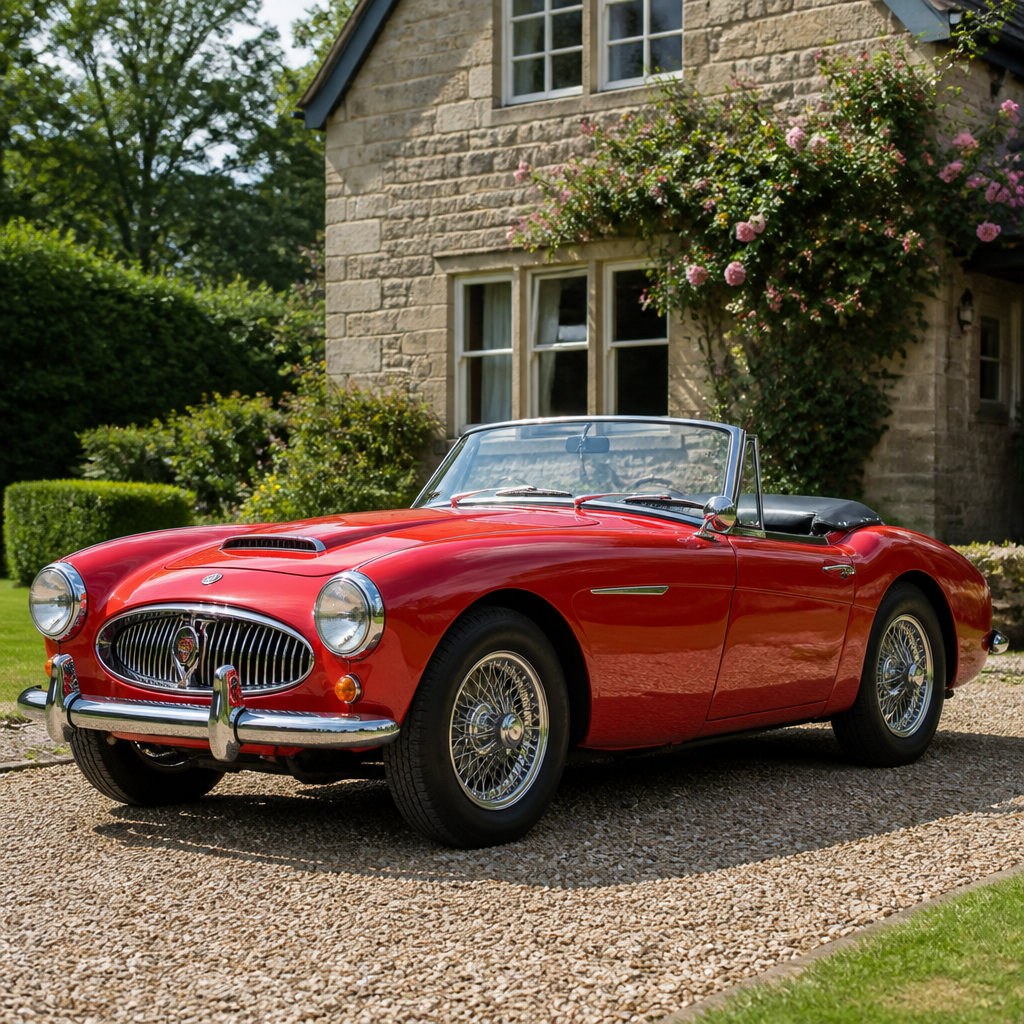
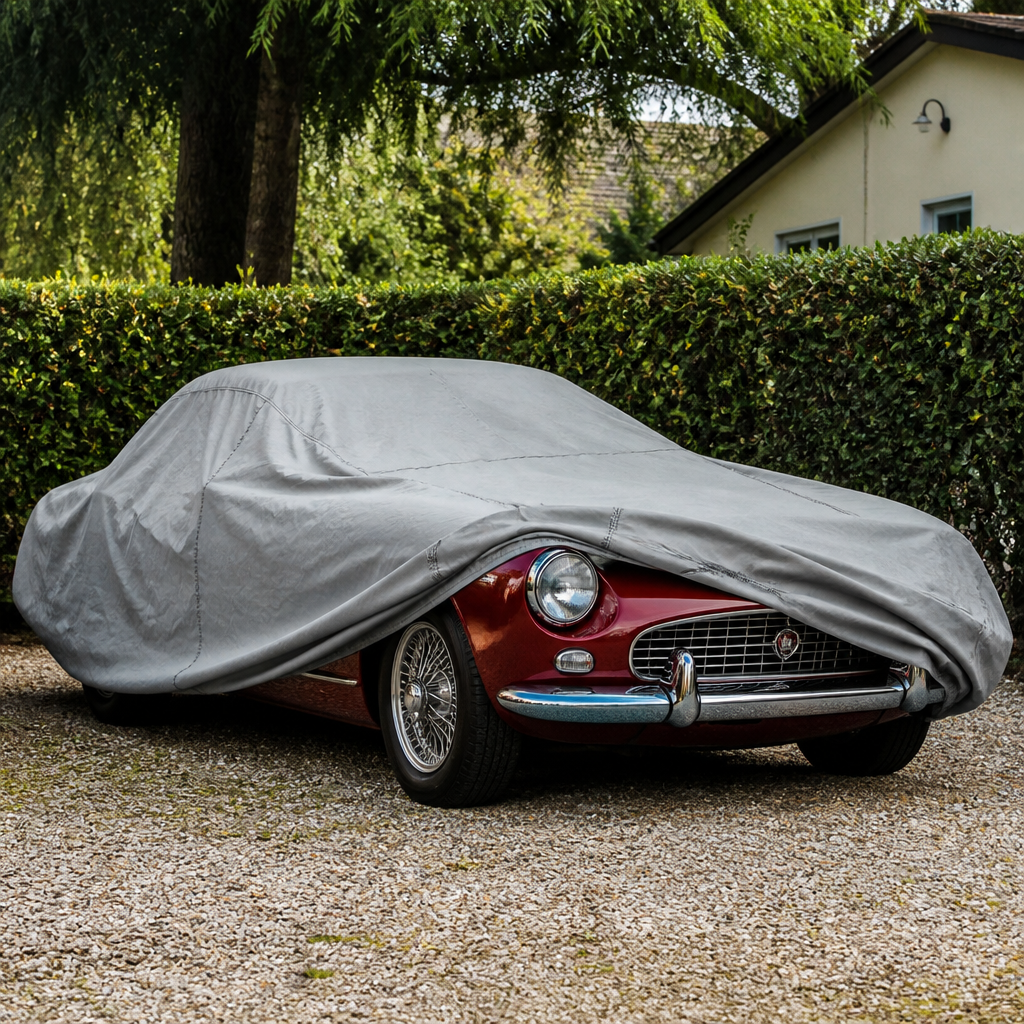
Storing a classic car without a garage is absolutely possible, but it requires a deliberate plan for weather protection, security, moisture control, and mechanical preservation. In classic car ownership, storage and preservation refer to the steps that keep a vehicle’s body, interior, electrical system, fuel system, tires, and drivetrain from deteriorating while the car is parked for days, weeks, or an entire season. I have helped owners store everything from chrome-bumpered British roadsters on apartment lots to full-size American coupes under custom shelters, and the difference between a car that survives outdoor storage and one that quietly decays comes down to process, not luck.
Why this matters is simple: classic cars age even when they are not being driven. Ultraviolet light fades paint and cracks vinyl. Rainwater finds old seals, drains into floorpans, and starts corrosion from inside out. Daily temperature swings create condensation in fuel tanks, crankcases, and interiors. Rodents chew wiring and pack heater boxes with nesting material. Flat-spotted bias-ply or radial tires become expensive replacements. A neglected battery sulfates. Brake hydraulics absorb moisture because most classic cars use glycol-based brake fluid, which is hygroscopic by design. If you do not have enclosed storage, every one of those risks increases, but each can be managed with the right setup.
This hub article covers the full storage and preservation picture for owners who lack a garage, barn, or dedicated indoor unit. It explains where to store a classic car outside, what kind of cover or shelter works, how to prepare the paint, chrome, cabin, battery, fuel, cooling system, tires, and brakes, and how often to inspect the vehicle. It also addresses the tradeoffs between convenience and protection. Outdoor storage will never match a climate-controlled building, but a carefully prepared outdoor plan can preserve a car far better than an ignored garage full of moisture and pests.
The core principle is layered protection. You are not looking for one miracle product. You are building overlapping defenses: a safe parking surface, a breathable barrier from sun and rain, clean surfaces, dry interior materials, stabilized fuel, maintained battery voltage, inflated tires, pest deterrence, and a recurring inspection routine. Get those layers right and your classic car can stay healthy between drives, through winter, or during a long restoration pause.
Choose the best outdoor storage location first
The best place to store a classic car without a garage is a legal, well-drained, secure location that avoids trees, standing water, sprinklers, and heavy foot traffic. That answer sounds basic, but location decisions prevent many failures before any cover goes on the car. I always start with the surface under the tires. Pavement or concrete is better than dirt, grass, or gravel because it reduces ground moisture rising toward the underbody and interior. Parking on grass is particularly harmful; trapped humidity accelerates rust on floorpans, brake lines, and exhaust components. If pavement is not available, place a heavy ground moisture barrier or interlocking tiles under the car to isolate it from damp soil.
Drainage matters just as much. Water pooling under a parked car raises ambient humidity and keeps the underbody wet longer after rain. Even a slight slope can help runoff, but avoid steep angles that strain the parking brake or leave standing fluid levels uneven for long periods. Keep the car away from trees because sap, bird droppings, falling branches, and leaf debris create both cosmetic and mechanical problems. Leaves clog cowl drains and trap water near the windshield frame, a notorious rust point on many classics from Mustangs to Mercedes sedans.
Security should be practical, not theatrical. A visible, fenced side yard with motion lights is usually safer than a hidden corner lot where thieves can work unnoticed. If the car must stay in a driveway, use a wheel lock, battery cutoff, and a cover that does not advertise the exact model underneath. Classics are often stolen for parts as much as for resale. In urban areas, I recommend parking where security cameras cover the approach and the vehicle itself. The storage spot should also allow you to inspect the car easily; if access is awkward, maintenance gets skipped.
Use a breathable cover or portable shelter, not a plastic trap
If you remember one rule of classic car storage and preservation, make it this: trapped moisture does more damage than clean rain that can evaporate. The best outdoor car cover for a classic car is a breathable, multi-layer cover designed for exterior use, fitted closely enough to resist flapping, and soft enough inside to reduce abrasion. Cheap blue tarps and generic plastic sheets are false economy. They trap condensation, scuff paint, and collect water in pockets. Wind then turns that trapped grit into sandpaper across fenders and roof panels.
Portable shelters can be even better than covers when chosen carefully. A steel-frame car canopy with a tensioned, UV-resistant fabric roof gives the car air circulation while blocking the harshest sun, bird droppings, and most precipitation. Side panels are useful in severe weather, but full enclosure must still ventilate. A damp tent with poor airflow can be worse than open-air storage. The strongest setups anchor to ground screws or concrete weights and have enough height that the cover never touches the roof if one is used underneath the shelter. In snowy regions, load rating is nonnegotiable.
| Storage option | Best use case | Main advantages | Main limitations |
|---|---|---|---|
| Outdoor fitted cover | Driveway or apartment lot | Lower cost, fast access, portable | Needs tight fit, can abrade if car is dirty |
| Portable canopy | Longer seasonal storage at home | Better sun and rain protection, improved airflow | Requires space, anchoring, weather-rated frame |
| Canopy plus fitted cover | Harsh climates or valuable cars | Layered defense against UV, rain, and debris | Highest effort, regular inspection essential |
| Off-site covered storage lot | No room at home | May add gates, cameras, management oversight | Varies widely in quality, still not enclosed |
Before putting any cover on a car, wash and dry it completely. Covering dust or pollen sounds harmless, but those particles hold moisture and scratch finishes. I prefer using a quality paint sealant or carnauba wax before long storage because it adds a sacrificial layer against contamination. Chrome should get a light protective polish or corrosion inhibitor. Convertible tops need their own treatment; canvas and vinyl should be cleaned and protected with products intended for the material, not household water repellents.
Prepare the body, interior, and seals to fight moisture and sun
Outdoor classic car storage succeeds or fails at the body and cabin level. Paintwork, weatherstripping, brightwork, and upholstery are constantly exposed to ultraviolet light, dew, and airborne contamination. Start with a methodical cleaning session. Wash wheel arches, rocker areas, and drain channels thoroughly, because dirt buildup traps moisture. Dry the car with forced air or microfiber towels, then inspect known rust zones: lower fenders, wheel lips, windshield corners, trunk seams, and beneath trim clips. Touch up stone chips before storage if bare metal is visible. Even a small chip can oxidize quickly outdoors.
Door, trunk, and window seals benefit from a rubber conditioner containing silicone or glycerin-based protectants. The goal is to keep old weatherstripping supple so it seals rather than cracks. Interior preservation is equally important. Vacuum carpets, remove food or paper products, and clean any organic residue that could attract insects or rodents. Then reduce cabin humidity. I use reusable desiccant packs or moisture absorbers placed on protective trays, especially in cars with known leak points. They do not fix water intrusion, but they can reduce mildew risk in a closed cabin.
Sun exposure is brutal on dashboards, parcel shelves, and seat tops. A windshield sunshade helps, but side glass still admits damaging light. If the car is stored under a canopy, orient it to minimize afternoon sun on the dashboard side. Leather interiors should be conditioned before storage, while vinyl seats benefit from non-greasy UV protectants. Leave windows fully closed unless the shelter is secure and weatherproof; cracked windows invite moisture, insects, and vandalism. Trunk storage also matters. Remove spare parts, documents, and cardboard boxes that can absorb water and encourage mold.
Protect fuel, battery, tires, brakes, and cooling system
Mechanical preservation is what separates a car that starts cleanly in spring from one that needs a tow. Begin with fuel. Gasoline degrades, and ethanol blends absorb moisture. For storage beyond a few weeks, fill the tank nearly full to reduce the air space where condensation forms, then add a reputable fuel stabilizer such as Sta-Bil or Star Tron in the amount directed. Run the engine long enough to bring stabilized fuel into the carburetor or injectors. On carbureted classics, stale fuel leaves varnish that clogs jets, sticks floats, and hardens accelerator pump components.
Battery care is straightforward but essential. Disconnecting the battery slows drain, but a smart maintainer is better if power access is available. Use a modern automatic maintainer from brands like CTEK or Battery Tender, not an old trickle charger that can overcharge. If no power is available, remove the battery and store it indoors in a dry location, charged and periodically checked. Clean terminals and coat them lightly with dielectric grease. A battery cutoff switch adds both preservation and security.
Tires should be inflated to the upper end of the recommended pressure range for storage, never beyond sidewall limits. If the car will sit for months, move it slightly every few weeks or place it on curved tire cradles to reduce flat spotting. Jack stands can work for long-term storage, but they must support the suspension or chassis correctly according to factory lift points; improper support can stress bushings or body structures, especially on unibody cars. Do not leave the parking brake engaged for extended periods because shoes or pads can stick to drums or rotors. Chock the wheels instead.
Brake and cooling systems need periodic attention because fluid chemistry changes with time. Most classic cars use DOT 3 or DOT 4 brake fluid, both of which absorb atmospheric moisture. If the fluid is more than two years old, a flush before storage is wise. Coolant should also be tested for freeze protection and corrosion inhibitors. Straight water or exhausted coolant can damage cast iron blocks, aluminum components, heater cores, and radiators. Check hoses and clamps because outdoor temperature swings reveal weak points quickly.
Prevent rodents, corrosion, and neglect with a storage routine
The biggest threat to an outdoor-stored classic is often not weather but neglect. Owners prepare the car once, assume the job is done, and do not inspect it until a problem is advanced. The right routine is simple: inspect the car after the first major rain, then weekly for the first month, then at least twice monthly. Look under the cover for condensation, check the ground for fluid leaks, verify the cover is still secure, and examine cowl, trunk, and door openings for water intrusion. If your area has frequent storms, increase the schedule.
Rodent prevention has to be proactive. Mice enter through tiny openings and target heater boxes, air cleaners, trunk liners, and seat padding. I avoid poison inside or near the car because dead rodents can create worse problems. Better options include removing attractants, sealing obvious openings with reversible methods where appropriate, using snap traps around the storage area, and placing deterrent pouches or peppermint-based products nearby, understanding that scent deterrents alone are unreliable. Check for droppings and nesting material every visit. Wiring repairs on classics are time-consuming and expensive, especially where harnesses pass through bulkheads.
Corrosion control extends beneath the car. A light application of a proven inhibitor such as Fluid Film or a lanolin-based protectant on vulnerable underbody areas can help in damp climates, though overspray should be kept off belts and braking surfaces. For cars exposed to coastal air, salt is the enemy even without winter roads. Rinse the underbody periodically on dry days and let it dry fully before recovering. Starting the engine occasionally without fully warming the car is a mistake; it adds condensation to the exhaust and crankcase. Either drive the car long enough to reach full operating temperature or leave it alone on the maintainer.
Classic car storage without a garage works when you treat preservation as an ongoing system, not a one-time purchase. Choose the driest, safest location you can. Use a breathable fitted cover or a properly ventilated portable shelter. Clean and protect the paint, seals, chrome, and interior before storage begins. Stabilize the fuel, maintain the battery, support the tires correctly, and keep moisture out of the brake, cooling, and cabin systems. Then inspect the car on a schedule so small issues stay small.
For classic car ownership, this storage and preservation hub provides the foundation for every related decision, from winter layup to long-term outdoor protection and off-site covered parking. The main benefit is not just avoiding damage; it is preserving reliability, originality, and value so the car is ready to enjoy when the season changes. Walk out to your classic this week, assess its current storage setup honestly, and improve one layer at a time. Consistent protection beats expensive repairs every time.
Frequently Asked Questions
Can a classic car really be stored safely without a garage?
Yes, a classic car can be stored safely without a garage, but it should never be treated like an ordinary daily driver left out in the weather with no preparation. Outdoor or non-garage storage works best when you approach it as a system: protect the exterior from sun, rain, and debris, control moisture as much as possible, reduce theft risk, and preserve the mechanical components so the car is ready to drive again when storage ends. The biggest threats are not just obvious weather exposure, but repeated moisture cycles, trapped condensation, UV damage, battery discharge, stale fuel, flat-spotted tires, and animals finding their way into the car or engine bay.
If you do not have access to a traditional garage, the goal is to create the best possible substitute. That may mean a high-quality portable shelter, a properly fitted breathable cover, a paved or well-drained parking surface, wheel chocks, and a disciplined storage routine. A car left under a tree on damp soil with a cheap plastic tarp will usually age quickly. The same car parked on a dry surface, cleaned thoroughly, protected with wax or sealant, covered correctly, and checked periodically can remain in excellent condition. In other words, the absence of a garage is not what ruins classic cars. Poor planning is what ruins them.
What is the best way to protect a classic car from weather if it has to stay outside?
The best protection starts with location. If possible, park the car on concrete, asphalt, pavers, or at least a well-drained gravel surface rather than grass or bare dirt. Soil releases moisture continuously, and that damp air rises around the underside of the car, accelerating corrosion on floor pans, suspension parts, brake components, and exhaust systems. You also want to avoid parking under trees, where sap, falling branches, leaves, bird droppings, and clogged cowl drains can create both cosmetic and structural problems.
After choosing the right spot, use layered protection. First, wash and dry the car completely, including wheel arches, rocker areas, and the lower body. Apply a quality wax or paint sealant to give the finish sacrificial protection against UV rays and rain. Treat chrome, stainless trim, rubber seals, and exterior brightwork with products intended for those materials. Then use a breathable, properly fitted car cover made for outdoor use. A fitted cover matters because loose fabric can flap in the wind and slowly abrade paint on edges and high spots. Breathability matters because trapped moisture is often more damaging than rain itself.
If your climate is especially harsh, a portable car shelter or carport is usually a better long-term solution than relying on a cover alone. A shelter reduces direct sun, cuts down on standing water, and minimizes snow or leaf accumulation. The important detail is ventilation. You want airflow around the vehicle, not a sealed bubble that traps humid air. In wet or snowy areas, periodic inspections are essential. Check that the cover remains secure, that water is not pooling anywhere, and that drains around the windshield, trunk, and cowl remain clear. Outdoor storage succeeds when you prevent moisture from lingering, not just when you block weather on day one.
How do I prevent rust, mold, and moisture damage during non-garage storage?
Moisture control is the single most important part of storing a classic car without a garage. Rust attacks metal from the underside, inside seams, and around trapped water points, while mold and mildew damage carpets, seat foam, door panels, and headliners. The first step is to make sure the car goes into storage clean and completely dry. Dirt holds moisture against paint and trim, wet carpets can turn musty quickly, and even a small trunk leak can create a major mold problem over time.
Inspect the car for known water entry points before storage. On many classics, common problem areas include windshield and rear glass seals, trunk weatherstripping, convertible tops, quarter window seals, cowl vents, heater box drains, and door membranes. If the vehicle has any active leak, fix it before extended storage whenever possible. Inside the cabin and trunk, remove anything that traps dampness, such as wet mats, paper goods, or fabric items. Moisture absorbers or desiccant packs can help inside the car, especially if you refresh or replace them on schedule, but they are only a supplement. They do not replace leak repair and proper ventilation.
Underneath the car, consider a light corrosion inhibitor on vulnerable metal surfaces if the vehicle will be exposed to humid conditions for a long period. Keep the car off grass and mud, and if practical, place a moisture barrier or parking mat beneath it to reduce ground moisture rising into the underbody. For the interior, crack the windows only if the car is stored under a secure shelter and local weather allows it; otherwise, keeping the car sealed and dry is usually safer than inviting rain intrusion. Finally, inspect the car regularly. A quick monthly check for damp smells, fogged glass, soft trunk liners, or fresh rust bloom can stop a small issue from becoming expensive restoration work.
What mechanical steps should I take before storing a classic car for weeks or months?
Mechanical preparation matters just as much as weather protection. Start with the fuel system. If the car will sit for more than a few weeks, add a quality fuel stabilizer and run the engine long enough for treated fuel to circulate through the carburetor or injection system. Old gasoline degrades, leaves varnish, and can cause hard starting, clogged jets, stuck floats, and fuel system corrosion. Whether to store the tank full or nearly empty depends somewhat on the car and climate, but in most cases a full tank of stabilized fuel helps reduce internal condensation in the tank.
Change the oil if it is due or if the oil has been in the engine for a long time. Used oil contains combustion byproducts and contaminants you do not want sitting in the crankcase during storage. Check coolant strength and condition, brake fluid level, transmission fluid, and differential oil if appropriate for your maintenance schedule. Make sure all fluids are where they should be and that there are no obvious leaks. A small seep can become a larger mess after several months parked in one place.
Battery care is also critical. If electricity is available, use a quality battery maintainer rather than letting the battery discharge. If electricity is not available, disconnect the battery to reduce parasitic draw, or remove it and store it in a safer controlled environment while maintaining it there. Tires should be inflated to the upper end of the recommended safe range to reduce flat spotting during storage, and for very long storage periods, moving the car slightly from time to time can help. Some owners use tire cradles, which can be useful for preserving older bias-ply or specialty tires.
Do not forget pests. Rodents are notorious for chewing wiring, insulation, and upholstery in stored classics. Seal obvious access points as best you can, avoid storing food or scented items in the car, and inspect the engine bay, cowl area, trunk, and exhaust outlets. Some owners place deterrents around the storage area, but regular inspection is still your best defense. Finally, resist the urge to start the car briefly every few weeks unless you can actually drive it long enough to fully warm the engine, drivetrain, and exhaust. Short idle sessions often add condensation rather than removing it.
How often should I check on a classic car stored without a garage, and what should I look for?
A stored classic car should be checked regularly, ideally every couple of weeks and at minimum once a month. Frequent inspections matter because outdoor or non-garage storage conditions can change quickly. A windy storm can loosen a cover, a clogged drain can hold water, a temperature swing can create condensation, and pests can move in faster than most owners expect. The earlier you catch those issues, the easier and cheaper they are to correct.
During each inspection, start with the surroundings. Make sure the ground is still draining properly and that leaves, branches, or debris are not collecting around or under the car. Check that the cover is clean, secure, and not rubbing through on corners, mirrors, trim, or body lines. If the cover is wet for an extended period, remove it when weather allows and let both the cover and the car dry thoroughly before re-covering. Then inspect the vehicle itself. Look for standing water, moisture under the cover, fogging inside the glass, mildew odors, fluid drips, soft tires, and signs of insects or rodents.
Open the doors, trunk, and hood during dry weather to inspect seals, wiring, upholstery, and hidden corners where moisture or nesting material might appear. Verify that the battery maintainer is functioning if one is connected. If the vehicle is stored for an entire season, it is wise to roll it slightly to change tire contact points and confirm the brakes are not beginning to stick, provided conditions are safe. The best storage routine is not complicated, but it is consistent. A classic car stored without a garage can do very well when you check it on a schedule and respond to small problems before they become restoration-grade damage.