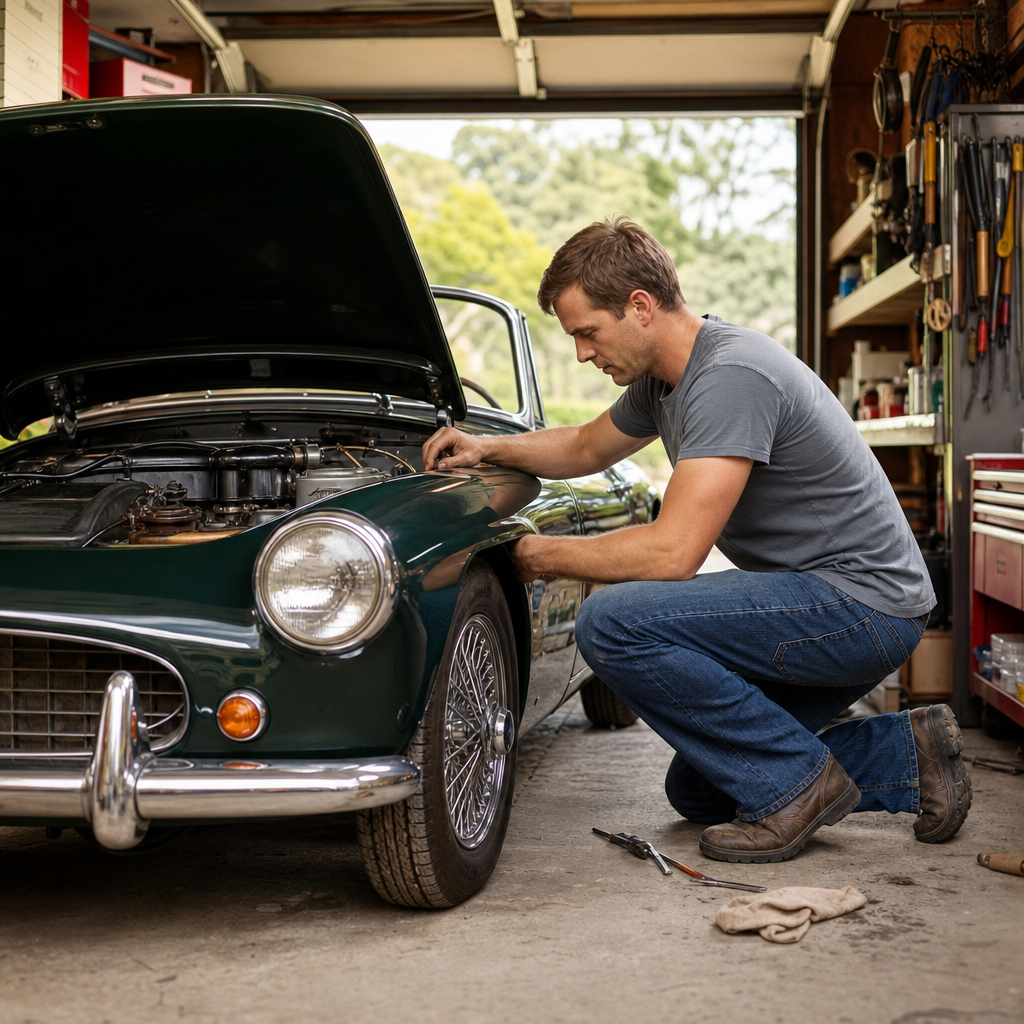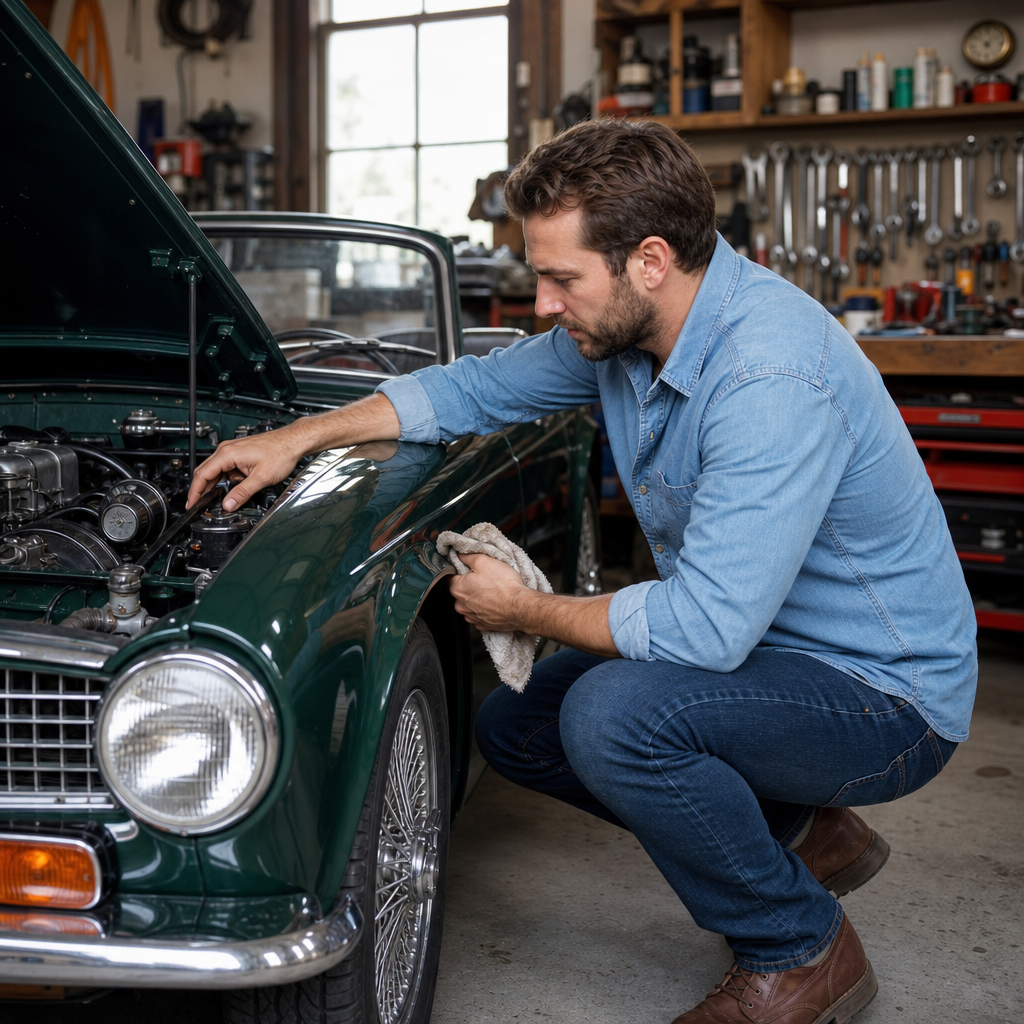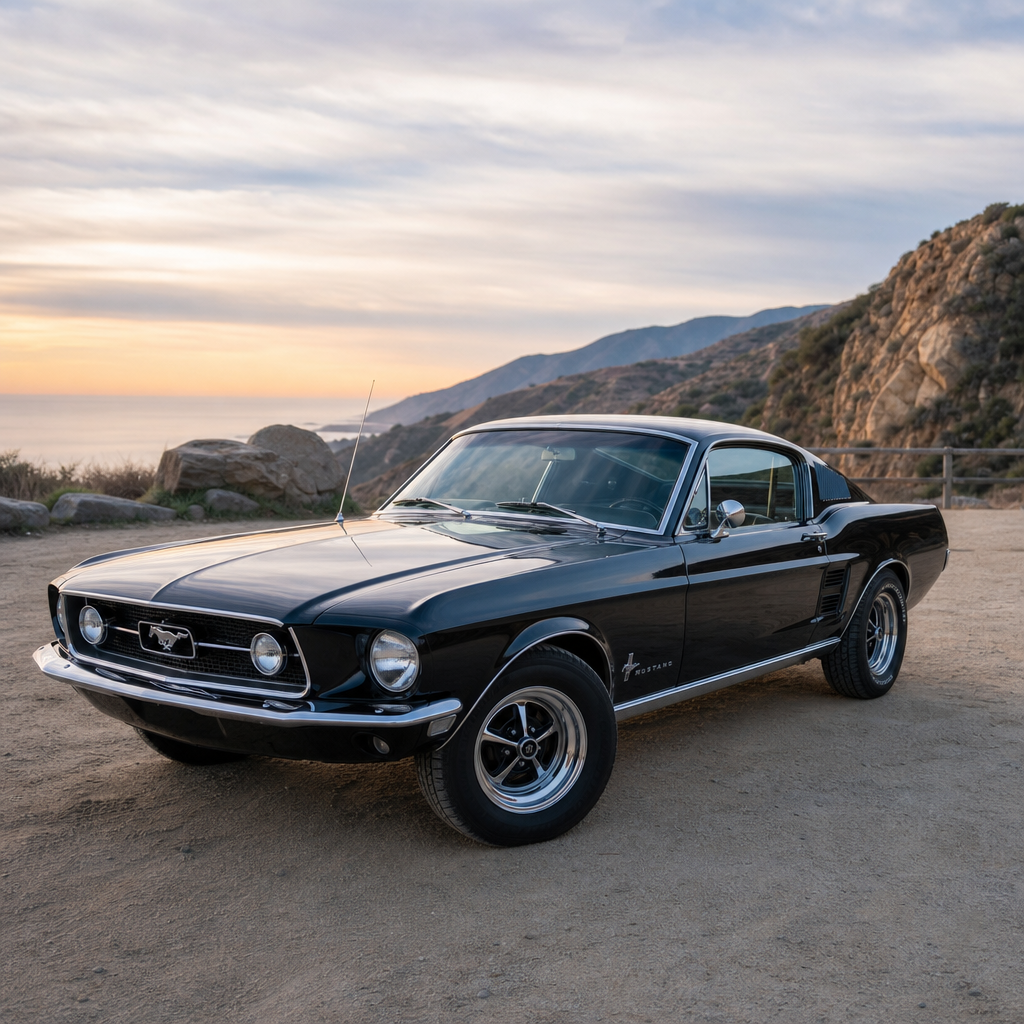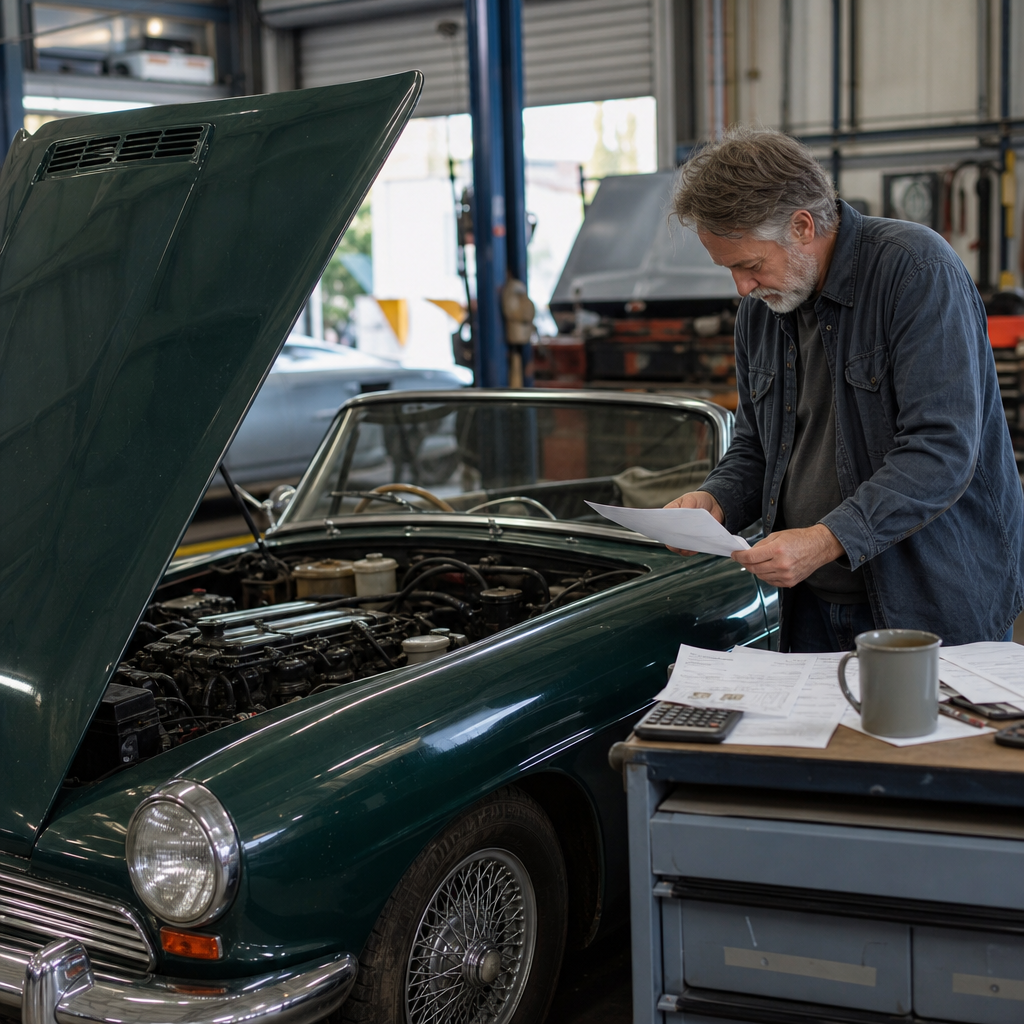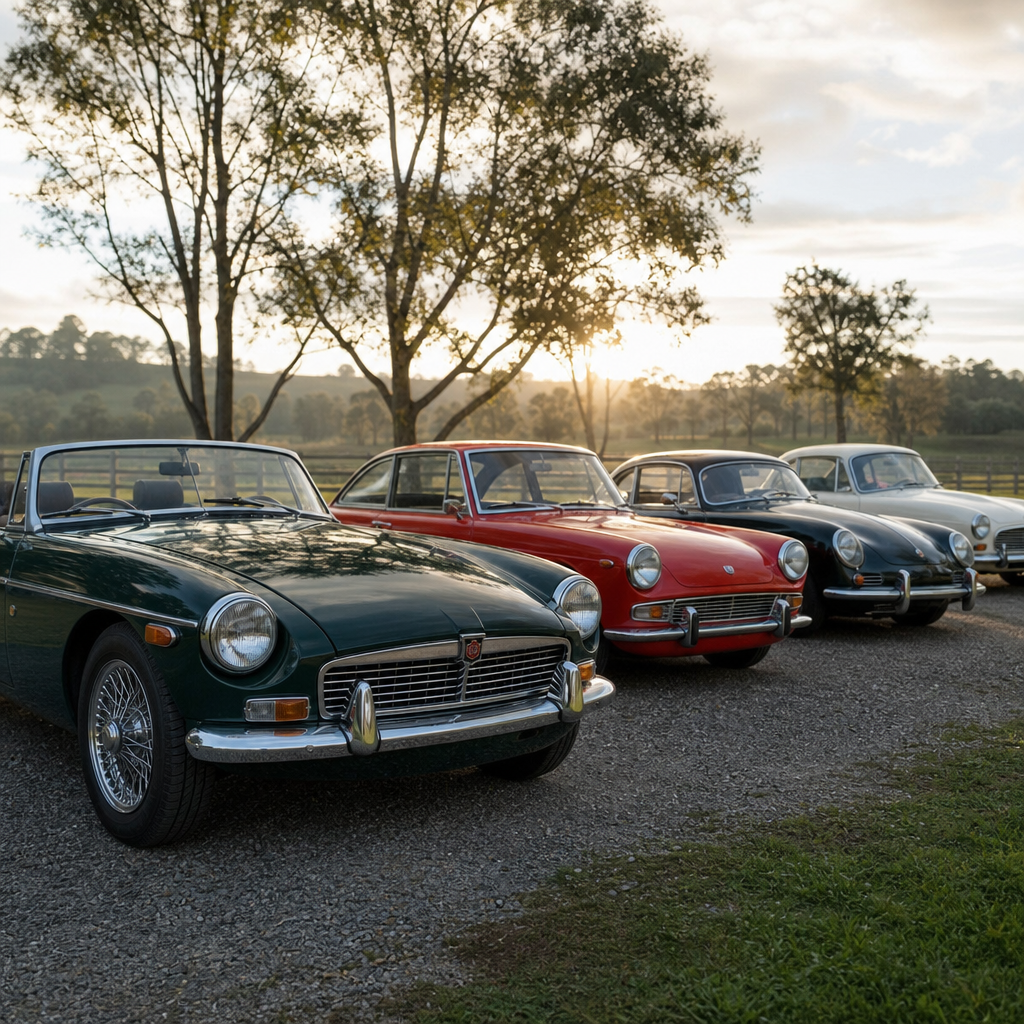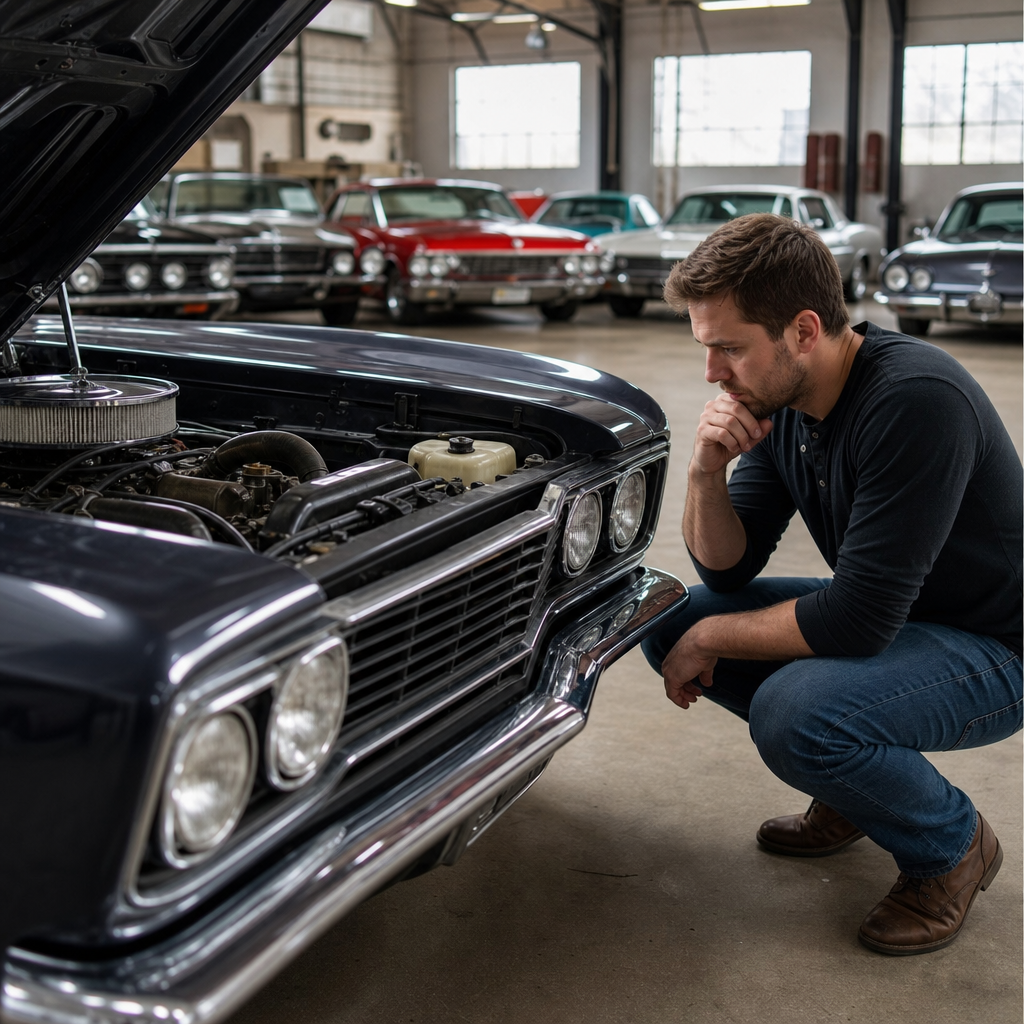
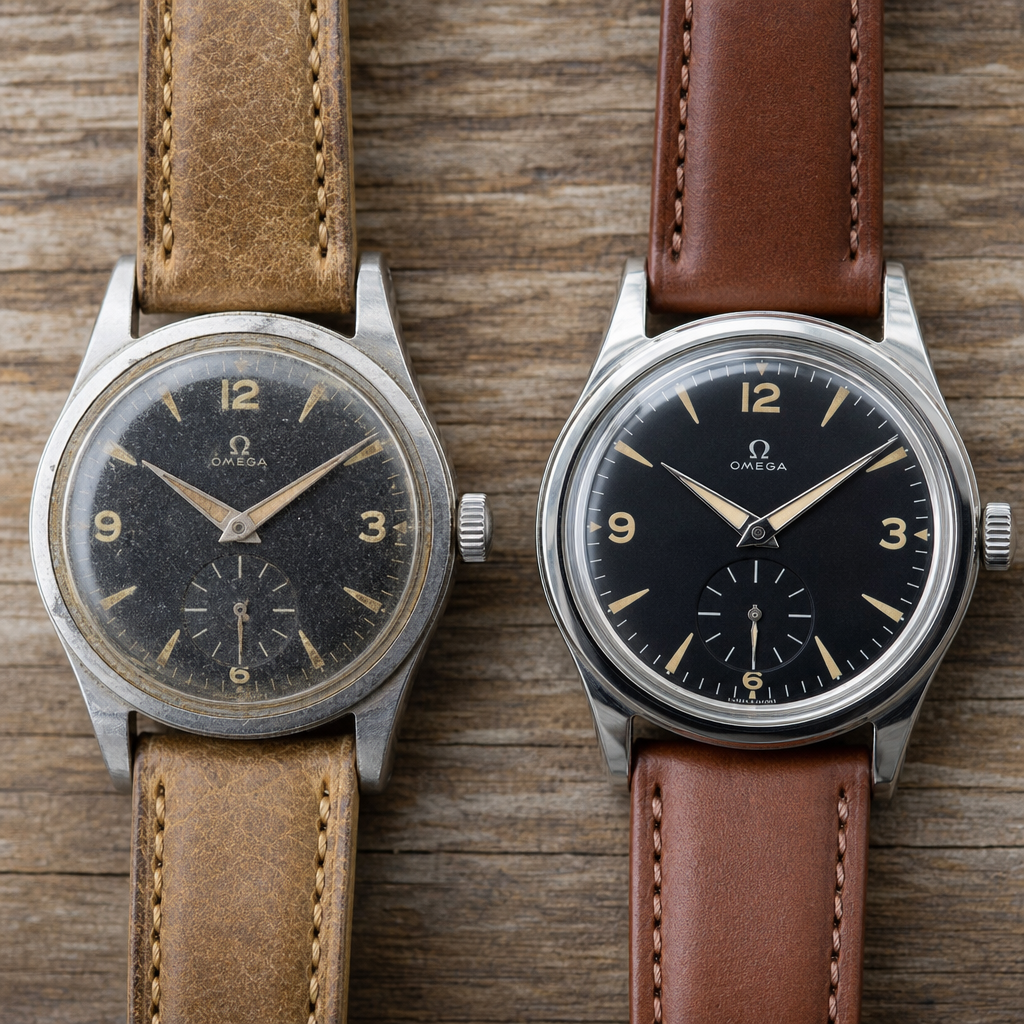
Original vs restored is one of the first distinctions every classic car buyer, owner, and admirer needs to understand, because it shapes value, authenticity, maintenance needs, and even the story a vehicle can honestly tell. In the classic car market, an original car generally retains the majority of the parts, finishes, materials, and factory specifications it left the assembly plant with, while a restored car has been repaired, refinished, rebuilt, or re-created to return it to an earlier condition. That sounds simple, but in practice the line is rarely clean. After inspecting cars at auctions, club meets, estate garages, and private collections, I can say the most common mistake beginners make is assuming shiny paint and fresh upholstery automatically mean higher quality. Often, the opposite is true.
This matters because classic car identification is not only about make, model, year, or body style. It is also about determining what the car actually is today: survivor, preserved original, older restoration, partial restoration, restomod, tribute car, or heavily reconstructed example. Those labels influence insurance underwriting, judging standards, resale pricing, financing, and parts decisions. A numbers-matching 1967 Chevrolet Corvette with worn but documented factory finishes can command more respect than the same car restored with incorrect hardware, modern seam sealer, and reproduction trim. Likewise, a carefully restored Ford Mustang may be a better driver than an untouched original, but it should not be represented as something it is not.
To identify a classic car accurately, you need to combine documentation, physical inspection, factory-correct details, and context about what was normal for the era. This hub explains the core framework: how originality is defined, what restoration changes, which clues reveal each condition, and how to evaluate a car fairly without getting distracted by cosmetic appeal. If you learn these fundamentals, every deeper topic under classic car basics becomes easier, from decoding VINs and trim tags to judging paint, upholstery, engines, and chassis authenticity.
What “Original” and “Restored” Really Mean in the Classic Car World
Original does not mean perfect. In fact, true originality usually includes age-related wear. Factory orange peel in paint, slightly uneven panel fit, dated hose clamps, patinated chrome, dealer-installed accessories from the period, and minor interior fading can all support authenticity rather than hurt it. Originality refers to the car remaining substantially as built, using factory-installed or period-correct components, finishes, materials, and specifications. In judging circles, you will also hear terms like “unrestored,” “survivor,” and “preservation class.” Organizations such as the Antique Automobile Club of America and marque-specific clubs often distinguish between well-preserved original cars and restored examples because they serve different historical purposes.
Restored means work has been performed to return the car to a prior condition, usually close to factory appearance, functionality, or both. That work can range from a sympathetic mechanical recommissioning to a body-off restoration with disassembly down to the shell. Some restorations are highly accurate, using correct date-coded glass, phosphate finishes, chalk marks, trim textures, and assembly-line overspray patterns. Others are cosmetic makeovers: glossy repaint, replacement seat covers, polished engine bay, and modern fasteners everywhere. The word restored by itself is incomplete. Always ask: restored when, to what standard, with what parts, and documented by whom?
One reason this distinction matters so much in classic car identification is that “restored” can hide major deviations from factory specification. I have inspected cars advertised as original that wore reproduction badges, incorrect radial tires for the claimed preservation class, replacement engines from adjacent model years, and interiors stitched in patterns the manufacturer never used. None of those changes automatically make a car undesirable, but they do change how it should be identified and valued.
How to Identify a Classic Car Beyond the Badge
Many newcomers think identification begins and ends with the emblem on the hood. In reality, classic car identification starts with four layers: manufacturer identity, model identity, production-era specification, and present-day condition. The first layer is basic brand and model recognition: for example, distinguishing a 1969 Dodge Charger from a 1970 model by grille design and taillamp details. The second is verification through VIN plates, body tags, engine stampings, casting numbers, and trim codes. The third is understanding what equipment, finishes, and materials the factory used for that specific production window. The fourth is assessing whether the car still retains those features.
This article is the hub for that fourth layer because it ties all the others together. A 1955 Chevrolet Bel Air, 1964 Porsche 356 C, or 1972 Mercedes-Benz 280SE may be correctly identified by VIN and trim tag, yet still be misrepresented in market terms if buyers do not distinguish original from restored condition. A car can be mechanically rebuilt but cosmetically original. It can wear one older repaint and still be largely original elsewhere. It can also be assembled from multiple donor cars and carry authentic-looking tags. The only reliable approach is to inspect the whole vehicle as a system.
The practical test is simple: ask what on the car appears untouched since production, what has been renewed, and whether any changes are reversible or historically documented. When those questions are answered carefully, you stop judging by shine and start judging by evidence.
The Best Clues That a Classic Car Is Original
Original cars usually reveal themselves through consistency. Wear appears across the vehicle in a coherent way: steering wheel sheen matches pedal wear, seat bolsters match mileage claims, trunk mat aging resembles cabin material aging, and underhood finishes look old in the same way the rest of the car looks old. Factory assembly methods also leave signatures. Spot weld patterns, seam sealer brush marks, inspection daubs, paper labels, undercoating texture, and body-color overspray in hidden areas are difficult to fake convincingly across an entire car.
Paint is one of the strongest clues. Factory paint from the 1950s through the 1980s rarely looks like a modern concours repaint. It often has thinner coverage in jambs, minor dirt nibs, softer gloss, and subtle inconsistencies around edges and stampings. Under weatherstrips, inside doors, beneath package trays, and behind trim, original paint usually shows gradual aging rather than a sudden color transition. Original interiors tell similar stories. Vinyl grain, stitching pitch, heat-seam patterns, carpet binding, sun fading, and foam collapse age in recognizable ways. Reproduction materials often look too crisp, too uniform, or slightly wrong in shade and texture.
Mechanical originality depends on date alignment. Engines, carburetors, distributors, alternators, wheels, glass, and axle housings often carry casting dates or stamped codes. A genuinely original car does not always retain every assembly-line part, but its major components should make chronological sense. For instance, on a numbers-matching muscle car, engine casting and assembly dates should precede the vehicle build date by a plausible production window, not by many months or after the car was built.
| Inspection area | Original-car indicators | Restored-car indicators |
|---|---|---|
| Paint and body | Factory texture, mild flaws, age-consistent finish, overspray in hidden areas | Deep uniform gloss, blocked panels, modern base-clear look, clean masked edges |
| Interior | Patina, correct grain, period stitching, wear matching mileage | Fresh foam, reproduction vinyl, overly tight fit, incorrect stitch pattern |
| Engine bay | Age-consistent hardware, factory finishes, original clamps and tags | Chrome dress-up parts, replated fasteners, incorrect paint colors, generic hose clamps |
| Chassis and underside | Factory undercoating texture, assembly marks, honest surface aging | Uniform black paint, over-restored gloss, fresh seam sealer, replaced lines throughout |
| Documentation | Long ownership history, service records, original manuals, build sheets | Receipts for repaint, trim kits, replacement driveline, restoration photos |
How Restorations Change What You Are Looking At
A restoration can improve safety, drivability, and appearance, but it also replaces evidence. Once a body is stripped, repainted, reupholstered, and fitted with reproduction trim, many factory reference points disappear. That is why serious buyers prize documentation. Before-and-after photos, invoices from respected shops, parts sourcing records, and notes about what was preserved versus replaced help determine whether a restored car still reflects its original identity or has become an interpretation of it.
Not all restorations aim for the same result. A factory-correct restoration follows assembly specifications as closely as possible. A driver restoration prioritizes reliability and visual appeal, often using modern paint systems, radial tires, electronic ignition, upgraded cooling, and reproduction interior materials. A restomod goes further, intentionally modernizing brakes, suspension, drivetrain, or electronics. Tribute cars mimic rarer high-performance variants but are not born as such. These categories matter because they answer the buyer’s central question: what am I actually buying?
From experience, the most misleading restorations are those that look expensive from ten feet away but lose credibility at arm’s length. Incorrect fastener finishes, aftermarket stereo head units hidden in gloveboxes, non-original welds in trunk floors, and universal replacement weatherstripping often reveal that convenience drove the job more than authenticity. Again, that may be perfectly acceptable for a driver-quality car. The issue is disclosure and accurate identification, not snobbery.
Documentation, Numbers Matching, and Provenance
If you want to identify a classic car with confidence, paper records matter nearly as much as the vehicle itself. VIN tags, cowl or trim tags, build sheets, Protect-O-Plate cards, window stickers, owner’s manuals, warranty booklets, restoration invoices, registration history, and period photographs create a chain of identity. They help establish whether the color, engine, transmission, trim level, and options on the car today match what was delivered new.
Numbers matching is especially important on high-value collector cars. In general, it means the engine, transmission, and sometimes rear axle are the units originally installed or are date- and code-correct to the car. Standards vary by manufacturer. Chevrolet big-block cars, Porsche 911s, Jaguar E-Types, and Mopar muscle cars each have their own authentication conventions, and serious evaluation often requires marque experts or factory archives. A restored car can still be numbers matching. An original car can lack its original engine. That is why originality and matching numbers overlap but are not identical concepts.
Provenance adds context. A one-family car with continuous service receipts, original dealer paperwork, and dated photos from the 1970s may deserve more trust than a freshly restored auction car with sparse history. Records do not replace inspection, but they help explain what you are seeing and reduce the risk of buying a story built from assumptions.
Common Mistakes Buyers Make When Comparing Original and Restored Cars
The biggest mistake is rewarding cosmetics over correctness. Fresh paint, polished valve covers, and new seat covers photograph well, which is why many online listings lean on them. But cosmetic renewal can conceal rust repair, filler, replaced identification tags, or incorrect components. Always inspect hidden areas: floor pans, trunk drops, lower fenders, cowl sections, spare-wheel wells, door bottoms, and frame rails. Use a paint meter when appropriate, and compare panel stampings side to side.
Another mistake is treating all wear as damage. On an original car, light checking in lacquer, thinning carpet, clouding gauges, or pitting on unrestored trim may be expected and even desirable. Overcorrecting those features can erase authenticity. The reverse error is romanticizing every flaw as patina. Structural rust, brittle wiring, cracked fuel lines, unsafe tires, and leaking hydraulics are not historical charm. They are repair items.
Buyers also underestimate how model-specific authenticity can be. The correct hose clamp on a 1963 Corvette fuel line, the proper cadmium versus zinc finish on a British sports car fastener, or the exact seat pleat width in a 1970s Mercedes interior can affect judging and value. This is why marque clubs, factory literature, judging manuals, and specialist forums are indispensable next steps within classic car basics education.
How to Use This Hub to Learn Classic Car Identification Properly
The most effective way to identify a classic car is to build a repeatable process. Start with broad identification: make, model, year range, body style, and major visual cues. Then verify serial numbers, tags, and production codes. Next, compare current features against factory specifications using brochures, shop manuals, parts books, and trusted registries. Finally, determine present condition: original, restored, partially restored, modified, or reconstructed. That sequence prevents confusion and keeps the car’s legal identity separate from its condition and market description.
As a hub under classic car basics and education, this page should lead you to deeper topics that deserve their own dedicated research. Those include VIN decoding, trim tag interpretation, paint and interior code verification, engine casting numbers, date-coded glass, spotting reproduction parts, identifying rust repair, understanding survivor-class standards, and evaluating restoration receipts. If you master the original-versus-restored distinction first, all of those subjects become easier because you already know what question you are trying to answer: what is authentic, what has changed, and what does that mean?
The key takeaway is straightforward. Original cars preserve evidence. Restored cars present interpretation. Both can be excellent collector cars, but they are not the same thing, and the market should not treat them as interchangeable. Learn to inspect consistency, verify documentation, check date codes, and judge workmanship against factory reality rather than showroom shine. Do that, and you will identify classic cars more accurately, buy more confidently, and make better decisions about preservation, restoration, and long-term value. Use this hub as your starting point, then continue into the related guides on VINs, trim tags, authenticity checks, and restoration evaluation before your next purchase or project.
Frequently Asked Questions
What is the difference between an original classic car and a restored classic car?
An original classic car is one that still retains most of the components, finishes, materials, and specifications it had when it left the factory. That usually includes major elements such as the body panels, engine, transmission, interior materials, trim, paint type, and factory-correct hardware. In the collector world, originality is closely tied to authenticity, because it reflects how the car actually survived over time rather than how it was later re-created. An original car may show age, wear, fading, patina, minor imperfections, and signs of use, but those traits are often seen as evidence that the vehicle has not been extensively altered.
A restored classic car, by contrast, has undergone work to bring it back to an earlier condition. That work can range from cosmetic repainting and reupholstery to a full frame-off restoration involving rebuilt mechanical systems, replacement body panels, refinished trim, and reproduction parts. Restoration is not automatically negative; in many cases, it is necessary to save a vehicle from deterioration or to make it safe and usable again. The key distinction is that a restored car has been intentionally renewed, while an original car has largely been preserved. Understanding that difference matters because originality and restoration affect market value, judging standards, maintenance expectations, and how honestly the car’s history can be represented.
How can you tell if a classic car is truly original or has been restored?
The best way to tell is to look for consistency across the entire vehicle rather than focusing on one isolated feature. Truly original cars usually show uniform aging. Paint may be thinner on high-contact areas, brightwork may have slight pitting, rubber seals may be aged in a believable way, and the interior may show wear on the driver’s seat, steering wheel, pedals, and shift knob that matches the car’s mileage and age. Fasteners, decals, factory markings, inspection stamps, date-coded glass, hoses, clamps, and upholstery patterns can also reveal whether a car has remained largely untouched. Original cars often have imperfections that would likely be removed during restoration, such as light orange peel, minor assembly-line inconsistencies, or gently aged finishes.
Restored cars often show clues of renewed work, even when the restoration is high quality. Look for paint that is glossier than what was typical for the era, overly perfect panel gaps, fresh undercoating, newly plated hardware, reproduction labels, modern replacement wiring, reupholstered seats, and engine bays that appear cleaner than the rest of the vehicle’s age would suggest. In some cases, restorations are obvious; in others, they are subtle and only become clear through documentation and expert inspection. Build sheets, ownership history, restoration receipts, judging sheets, factory literature, and marque specialists can help confirm what is original and what has been replaced or refinished. The most reliable assessment comes from combining physical inspection with paper history.
Does an original car always have more value than a restored car?
Not always, but originality often carries a strong premium when the car is rare, well-preserved, and verifiably authentic. In many corners of the collector market, buyers are willing to pay more for a car that still wears its factory finishes, original interior, matching components, and undisturbed details, because those features cannot be recreated once lost. An unrestored, highly original car can serve as a reference point for historians, restorers, judges, and serious collectors. Its value comes not just from appearance, but from credibility and historical integrity.
That said, condition still matters. A badly deteriorated original car may be worth less than a beautifully restored example of the same model, especially if the restored car is mechanically sorted, visually correct, and ready to drive or show. Value also depends on the specific make, model, rarity, provenance, and buyer preferences. Some buyers want preservation-class authenticity, while others want a car that presents like new and can be enjoyed immediately. There are also different levels of restoration, from driver-quality refurbishment to concours-level work, and those differences can dramatically affect price. In short, original does not automatically mean more valuable, but documented originality is often one of the most powerful value drivers in the classic car market.
What should buyers inspect most carefully when comparing an original car to a restored one?
Buyers should start with the areas where originality and restoration leave the clearest evidence: paint, bodywork, interior materials, engine bay details, undercarriage condition, and documentation. With paint, inspect thickness readings if possible, look for signs of overspray, taped edges, sanding marks, color mismatch, or modern refinishing techniques that would not align with the car’s age. On the body, check panel fit, weld seams, corrosion-prone areas, and whether replacement panels or filler may have been used. On the inside, compare seat materials, stitching patterns, carpet type, dash surfaces, headliner fit, and trim pieces against factory references. Mechanical originality matters too, especially if the vehicle is advertised as numbers-matching or highly unrestored.
Documentation is just as important as the physical car. Service records, restoration invoices, old photos, ownership history, judging reports, and factory documentation can reveal whether a car has been preserved, partially restored, or comprehensively rebuilt. Buyers should also inspect date codes on glass, wheels, carburetors, alternators, distributor components, and other major parts where applicable. If the seller claims the car is original, ask exactly what that means. Does it still have original paint, original driveline, original interior, or simply original body structure? These distinctions matter. A careful pre-purchase inspection by a marque expert is often the smartest step, because subtle restoration work can be difficult for a general enthusiast to detect.
Is it better to buy an original classic car or a restored one?
The better choice depends on your goals. If you value authenticity, historical preservation, and long-term collectibility, an original car may be the more appealing option. Original cars offer a kind of honesty that many enthusiasts find irresistible. They show how a vehicle actually survived, and they often provide the most accurate picture of factory craftsmanship, materials, finishes, and design intent. For collectors who enjoy preservation classes, archival significance, and the pride of owning something largely untouched, originality can be deeply rewarding. However, original cars may require more careful stewardship, gentler use, and specialized maintenance to preserve irreplaceable materials and finishes.
A restored car may be the better choice if you want a classic that is more visually polished, easier to use, and often more mechanically dependable. A properly restored car can be an excellent way to enjoy the classic car experience without the anxiety of preserving every aging detail. It may also be more practical if the original vehicle was too far gone to remain viable in untouched condition. The important thing is not to assume one category is universally better. What matters is transparency, quality, and fit for purpose. The best purchase is the one that matches your budget, expectations, driving plans, and tolerance for upkeep. Whether original or restored, a classic car should be represented accurately, inspected carefully, and understood on its own merits.