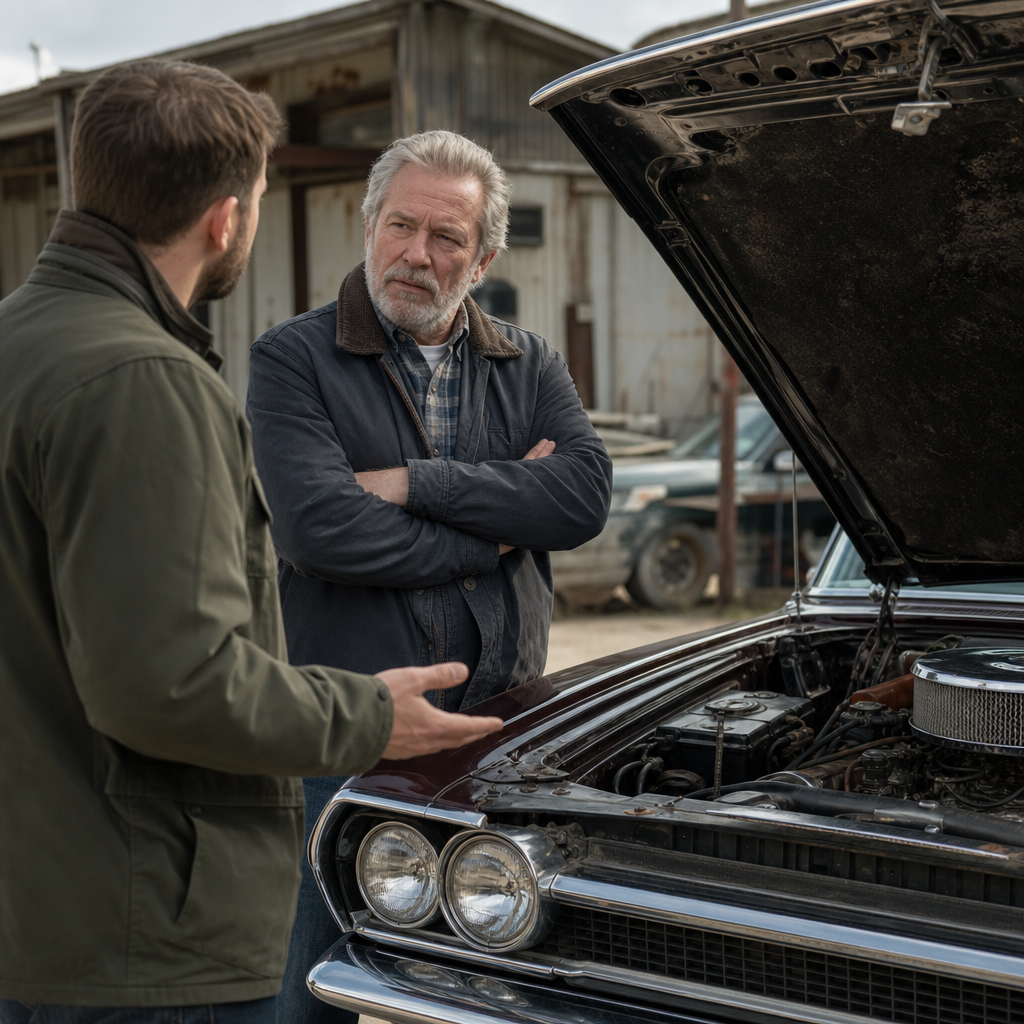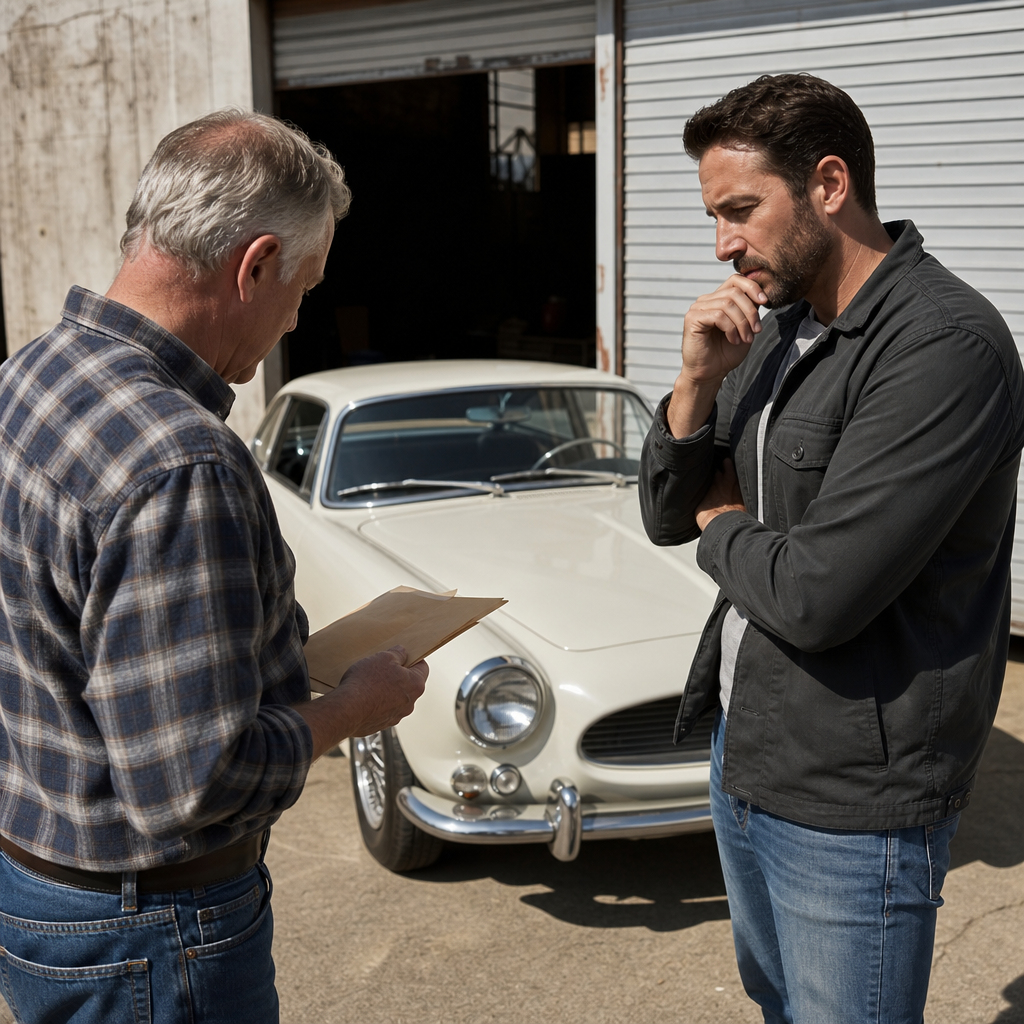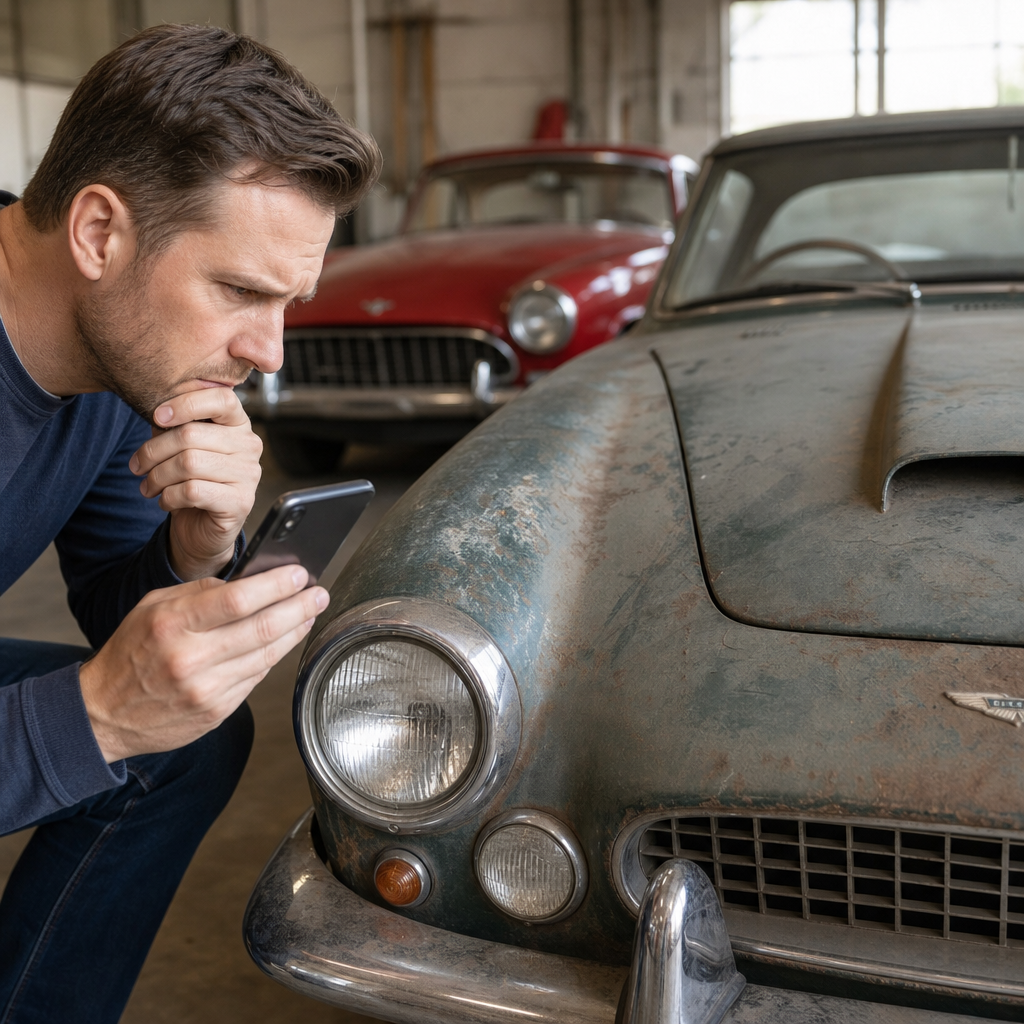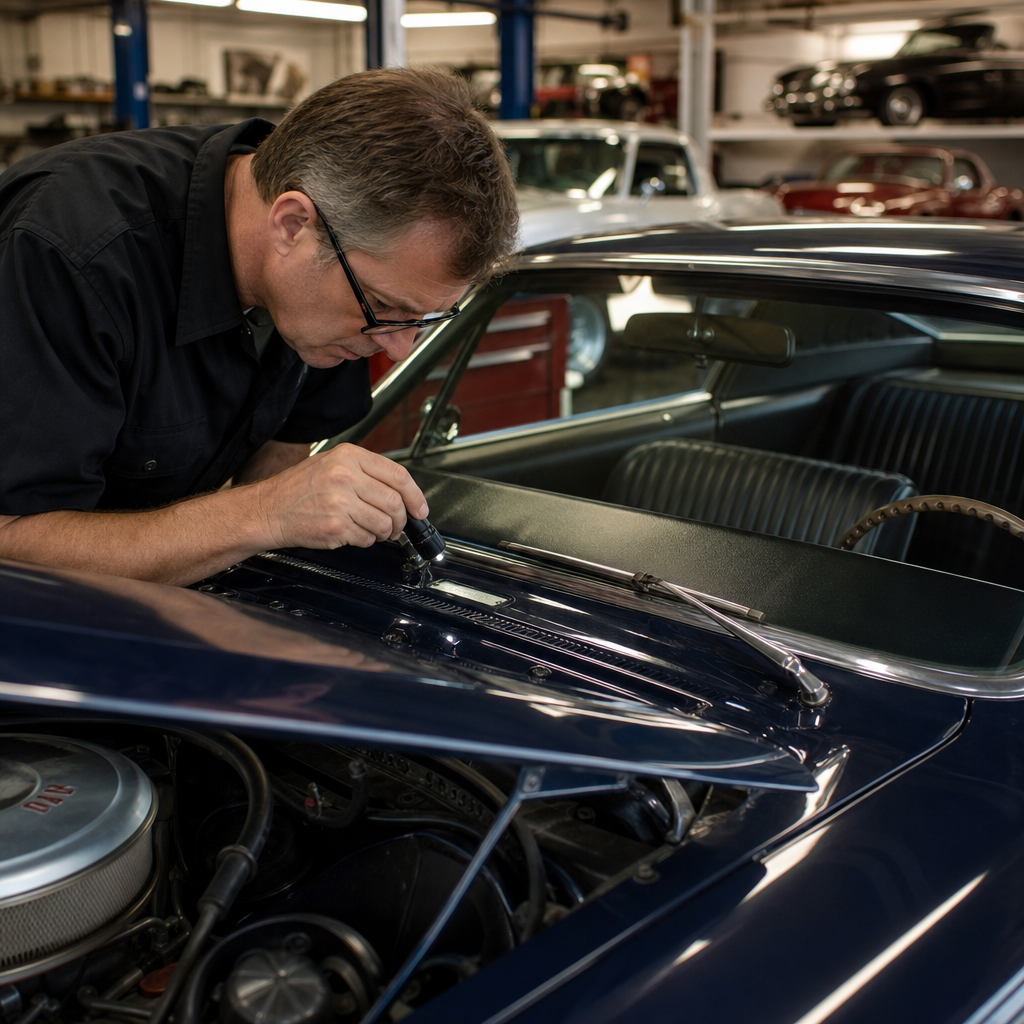
Classic car pricing and valuation often turns on one deceptively simple question: original vs modified, which is worth more? In the collector market, the answer depends on provenance, rarity, workmanship, documentation, period correctness, and buyer intent. “Original” usually means a car retains its factory-installed engine, transmission, colors, trim, and major components, ideally supported by matching-numbers records and an unbroken ownership story. “Modified” covers everything from tasteful safety upgrades and period speed parts to full restomods with modern drivetrains, custom suspension, and bespoke interiors. I have appraised and marketed both, and the market consistently shows that value is not determined by originality alone, but by how closely a car matches the expectations of the buyers who pursue that model.
That distinction matters because classic cars are not valued like ordinary used cars. Condition still matters, but so do authenticity, cultural significance, production numbers, restoration quality, and the cost to recreate what sits in front of you. A base 1967 Chevrolet Camaro with an engine swap may sell for less than a documented SS/RS with its born-with drivetrain, while a professionally built Porsche 911 restomod can exceed the value of many stock examples because it delivers a specific driving experience wealthy buyers actively seek. If you are buying, selling, or insuring a classic car, understanding where originality adds a premium and where modification creates demand is essential. This guide explains how collectors, auction houses, appraisers, and private buyers judge value across the full classic car pricing and valuation landscape.
How the Market Defines Original, Survivor, Restored, and Modified
The first step in classic car valuation is using the right category. In practice, “original” can mean different things. A true survivor usually retains most of its factory paint, interior, driveline, finishes, and assembly details, showing honest age rather than fresh restoration. These cars can command extraordinary premiums because they are reference points for authenticity. “Restored to original” means the car has been returned as closely as possible to factory specification using correct finishes, materials, date-coded components, and assembly methods. “Modified” is a broad category that includes reversible upgrades like radial tires, electronic ignition, front disc brakes, and aluminum radiators, as well as irreversible changes such as tubbed rear quarters, shaved trim, or non-original powertrains. “Restomod” generally means a classic body paired with extensively upgraded mechanicals, comfort features, and often custom fabrication.
These definitions matter because buyers do not cross-shop every category equally. A Bloomington Gold or NCRS-focused Corvette buyer usually pays for factory-correct details, while a restomod buyer values drivability, reliability, and execution. On early Ford Broncos, for example, top-tier custom builds with Coyote V8 swaps, premium paint, and modern chassis components routinely outperform ordinary stock trucks, but highly documented uncut originals still bring strong money because they are scarce. In valuation work, I start by identifying the car’s lane before discussing price. Misclassifying a driver-quality restored car as a survivor, or a heavily upgraded car as “mostly original,” immediately damages credibility and often depresses sale results once knowledgeable buyers inspect the details.
When Originality Commands the Highest Premium
Originality usually wins when the car is rare, historically significant, and heavily scrutinized by marque experts. Matching-numbers drivetrains, factory color combinations, original trim tags, dealer paperwork, and ownership history can push values materially higher on cars like Hemi Mopars, big-block Corvettes, air-cooled Porsches, and Shelby Mustangs. The reason is straightforward: originality is finite. There will never be more untouched examples, and every incorrect engine swap, repaint in a non-original color, or interior retrim reduces the pool. At major auctions, the spread between a fully documented, numbers-matching car and an otherwise similar car with a replacement engine can be dramatic. On blue-chip models, buyers may pay six figures more for factory-correct provenance because it affects show judging, registry status, future liquidity, and long-term collectibility.
Survivors are a special case. Paint flaws, worn pedal pads, and aged seat upholstery may actually support value if they confirm the car has not been over-restored or re-bodied. Ferrari Classiche, Porsche Kardex or COA records, and GM build documentation all play into this. I have seen buyers overlook cosmetic imperfections because original spot welds, glass stampings, body panels, and drivetrain castings told a stronger story than a fresh restoration could. That does not mean every original car is worth more. A common model with tired mechanicals and severe deterioration may lose value versus a properly restored example because the market still expects usability. Originality creates a premium only when the market trusts the car’s authenticity and cares enough about the specification to pay for it.
When Modified Cars Outperform Stock Examples
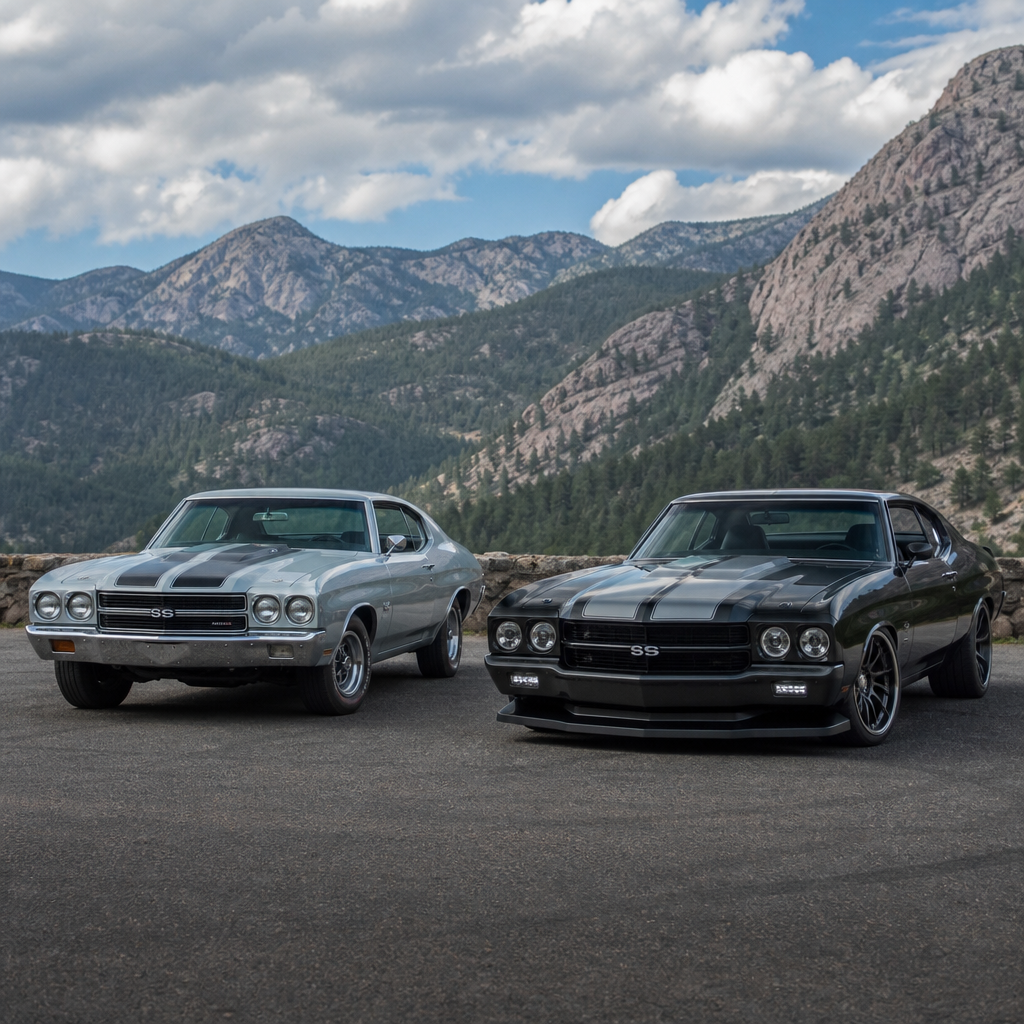
Modified cars can be worth more when the upgrades solve problems the original car had, align with modern driving expectations, and are executed to a high standard. Restomods are the clearest example. A first-generation Camaro with a fuel-injected LS3, overdrive transmission, coilover suspension, upgraded brakes, and climate control often sells above a small-block stock car because it delivers speed, comfort, and reliability without the compromise of 1960s engineering. The same is true for classic trucks, Broncos, K5 Blazers, and FJ40 Land Cruisers, where buyers often want vintage looks with contemporary usability. In the Porsche world, firms such as Singer established that elite craftsmanship, coherent design, and engineering depth can create values far beyond standard production-car benchmarks.
However, the market rewards quality and coherence, not random spending. A modified car is usually worth more only if the build is professionally planned, well documented, and visually integrated. Buyers pay for reputable shops, known component brands, dyno sheets, alignment specs, fabrication quality, and sorted road manners. They do not fully reimburse poor decisions, half-finished projects, or highly personalized taste. A $60,000 build cost rarely adds $60,000 to market value if the work is inconsistent or the changes narrow the buyer pool. I regularly advise sellers that modifications are valued at wholesale, not retail, unless the finished product has broad appeal and proof of execution. In plain terms, a great modified car can beat a mediocre stock one, but a sloppy modified car almost always trails a well-presented original example.
The Valuation Factors That Move Price Most
Classic car pricing and valuation comes down to a handful of repeatable factors. Condition is still foundational, often judged through standards similar to Hagerty’s four-tier scale or auction-house language such as concours, excellent, good, and driver. Provenance includes ownership chain, original sales documents, service records, restoration receipts, and event history. Authenticity covers matching numbers, date codes, trim correctness, colors, and factory options. Rarity considers production totals, survival rates, and how desirable the configuration is; a low-production engine and transmission pairing can matter more than total model-year output. Market depth matters too. A rare car with only a few informed buyers can be harder to price than a popular model with frequent auction comparables.
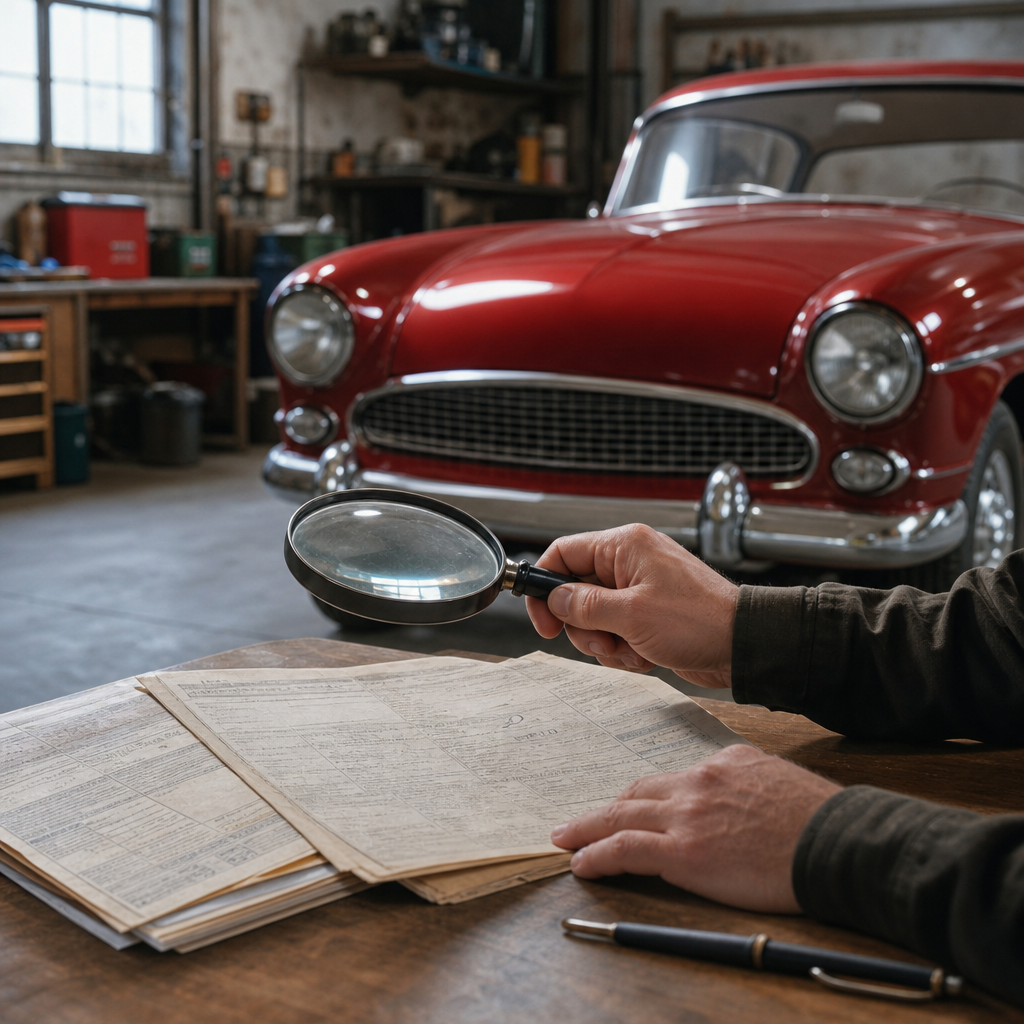
Documentation consistently separates top-dollar cars from average ones. Window stickers, Protect-O-Plates, Marti Reports, Porsche production records, Jaguar Heritage Trust certificates, and Ferrari certification all reduce uncertainty. So does restoration photography that shows metalwork before paint and verifies chassis numbers remained intact. For modified cars, build books, parts invoices, ECU tuning records, and shop invoices play the same role. Buyers want evidence, not claims. They also look for usability signals: cold-start behavior, oil pressure, compression figures, leakdown results, transmission operation, and the quality of underbody presentation. In my experience, the strongest valuations combine hard paperwork with observable consistency. When records, stampings, finishes, and driving impressions all line up, bidders become more confident, and confidence is what pushes pricing from fair-market territory into premium territory.
Original vs Modified by Vehicle Type
Not every segment behaves the same, which is why a hub article on classic car pricing and valuation must compare vehicle types directly. American muscle often places a substantial premium on factory performance drivetrains, especially when registry-backed and matching numbers. European sports cars split more sharply: rare, documented originals usually lead at the top end, while well-executed modifications can create strong parallel markets for driving-focused buyers. Classic trucks and off-road 4x4s often reward modification more than sedans do because improved suspension, brakes, steering, and power make them far easier to enjoy. Postwar luxury cars frequently favor authenticity and coachbuilt history over customization, unless the model is already better known as a custom platform.
| Vehicle type | Original usually worth more when | Modified usually worth more when |
|---|---|---|
| American muscle | Numbers-matching, rare options, strong documentation | Base cars upgraded tastefully for street performance |
| European sports cars | Rare models, known provenance, period-correct specification | High-end restomods with engineering depth and brand credibility |
| Classic trucks/4x4s | Uncut survivors, desirable trims, low production | Modern drivability upgrades improve utility and buyer appeal |
| Luxury classics | Coachwork, originality, concours-level authenticity | Only when customs are culturally significant or expertly built |
This pattern explains why one rule never fits every car. A 1970 Plymouth ’Cuda 440 Six-Barrel generally rises with originality, while a 1972 Chevrolet C10 may gain more from a sorted suspension, overdrive automatic, and air conditioning. The market values the experience each vehicle is supposed to deliver. If the car’s identity is tied to factory specification and rarity, originality tends to dominate. If the platform is loved for style but compromised in stock form, modifications that preserve the character while improving the experience can lift value meaningfully.
How Buyers, Sellers, and Appraisers Should Judge a Car
If you are buying, start with your goal. Are you chasing show points, long-term collectibility, weekend usability, or a blend of all three? Then verify the category the seller is claiming. On an original car, inspect VINs, trim tags, engine and transmission stampings, casting dates, body-panel fit, welds, fasteners, and finishes. Ask for factory records, ownership history, and restoration details. On a modified car, judge the build as a complete system. Check whether the brakes match the power, whether the cooling system supports the engine, whether wiring is labeled and fused properly, and whether the suspension geometry was engineered rather than guessed. A pre-purchase inspection by a marque specialist is inexpensive compared with correcting hidden problems later.
If you are selling, be honest and specific. Do not blur the line between original, restored, and modified. Photograph stampings, underbody details, and paperwork. Name the shops that performed the work and list exact components, such as a Tremec T56, Wilwood disc brakes, Roadster Shop chassis, or Weber carburetors. If the car has deviations from stock, explain whether they are reversible and whether original parts are included. Appraisers should triangulate values using recent auction results, dealer offerings, private-sale intelligence, and price-guide baselines from sources like Hagerty, Sports Car Market, and marque registries. The best valuation is never just a number; it is a defensible range tied to condition, specification, market timing, and how easily the next buyer will understand the car’s story.
What This Means for Pricing Strategy and Long-Term Value
The practical takeaway is that originality and modification are not opposites on a simple value ladder. They are separate value propositions aimed at different buyers. If the car is rare, historically important, and documented, preserving or restoring it to factory-correct specification usually protects value best. If the car is common enough that stock examples are plentiful, or if the platform is widely loved but objectively improved by modern engineering, a coherent, high-quality build may generate a stronger sale. The wrong approach is mixing signals: a supposedly original car with undocumented substitutions, or a modified car built with inconsistent parts and no receipts. Both create uncertainty, and uncertainty suppresses bids.
For anyone active in buying and selling classic cars, the smartest move is to evaluate each vehicle through the lens of authenticity, execution, documentation, and audience. That is the core of sound classic car pricing and valuation. Before you buy, define your purpose and verify every claim. Before you sell, present the car in the category where it belongs and support that position with evidence. Do that, and you will price more accurately, negotiate more confidently, and avoid the costly mistake of assuming original is always better or modified is automatically more fun. Use this page as your hub, then go deeper into model-specific guides, auction comps, and inspection checklists to make the next decision with clarity.
Frequently Asked Questions
Are original classic cars usually worth more than modified ones?
In many cases, yes—especially when the car is rare, highly collectible, and still retains its factory-installed engine, transmission, colors, trim, and other major components. In the collector market, originality tends to carry a premium because it is harder to preserve over time and easier to verify when the car has matching-numbers documentation, factory build records, and a clear ownership history. Buyers often pay more for cars that represent an authentic snapshot of how the vehicle left the factory, particularly when the model is already desirable and production numbers were low.
That said, originality does not automatically guarantee the highest value in every situation. Condition still matters enormously. A tired, incomplete, or poorly preserved “original” example may bring less than a properly restored or expertly modified car that is more usable and visually appealing. The market also treats different models differently. Some vehicles are prized for concours-level authenticity, while others attract enthusiasts who actively prefer drivability upgrades, improved safety, or performance enhancements. The highest values usually go to cars that align with what the target buyer pool wants most, so the real answer is not simply original versus modified—it is originality or modification viewed through the lens of rarity, quality, documentation, and demand.
What does “matching numbers” mean, and why does it affect value so much?
“Matching numbers” generally means the car still has the original factory-installed drivetrain components—most notably the engine and often the transmission—corresponding to the vehicle identification data, factory stampings, and production records. In some marques, the term may extend to additional components such as rear axle assemblies, carburetors, cylinder heads, or body tags. Because terminology can vary by manufacturer and era, serious buyers and appraisers typically look beyond the phrase itself and verify exactly which numbers match, how they match, and what documentation supports the claim.
It affects value because it is one of the clearest indicators of authenticity and survival. A matching-numbers car tells collectors they are looking at a vehicle that has not lost a major part of its original identity. That matters most in blue-chip collector cars, limited-production models, factory high-performance variants, and historically significant vehicles. When an original drivetrain is missing, many buyers see that as a permanent loss of integrity, even if the replacement parts are correct for the model year. On the other hand, if a seller can produce factory records, ownership history, restoration receipts, and expert verification, the confidence that creates often translates directly into stronger pricing. In short, matching numbers reduce uncertainty, and reduced uncertainty almost always supports higher value.
Can a modified classic car ever be worth more than an original car?
Absolutely. A modified classic can be worth more than an original example when the modifications are exceptionally well executed, desirable to the market, and tailored to the right kind of buyer. This is especially true in segments where performance, drivability, comfort, and reliability matter as much as—or more than—factory purity. Restomods, professionally built pro-touring cars, period-correct performance upgrades, and custom builds from respected shops can command strong money because they offer an ownership experience many buyers actually prefer over strict originality.
The key is that not all modifications add value. High-end builds with documented workmanship, quality parts, thoughtful engineering, and tasteful design can outperform average original cars in the marketplace. By contrast, one-off changes, budget upgrades, poorly installed parts, cut bodywork, or trends that age badly often narrow the buyer pool and reduce value. The strongest modified-car values usually come from builds that are coherent and intentional: upgraded brakes, suspension, cooling, fuel systems, and interiors that improve the car without undermining its character. Period-correct modifications can also be especially attractive, because they preserve the spirit of the era while enhancing desirability. So yes, modified cars can be worth more—but usually only when the modifications are credible, documented, and aligned with established market tastes.
How do provenance and documentation influence the value of original and modified classics?
Provenance and documentation are critical in both categories, but they matter for different reasons. For original cars, provenance helps confirm authenticity. Factory build sheets, window stickers, ownership records, service history, judging sheets, original sales paperwork, and verification from marque experts all strengthen the case that the car is exactly what it claims to be. If the vehicle has a known chain of ownership, notable prior owners, competition history, or a strong paper trail from new, buyers are often willing to pay significantly more. Documentation fills in the story, and in the collector world, story is often inseparable from value.
For modified cars, documentation proves quality, planning, and investment. Buyers want to know who performed the work, what parts were used, when the build took place, how the car was engineered, and whether the upgrades were cosmetic, mechanical, or structural. Detailed receipts, build books, dyno sheets, alignment specs, paint and body records, wiring diagrams, and photographs of the process all create confidence. They help distinguish a professionally built, properly sorted car from one that merely looks good in photos. In practical terms, a documented modified car is easier to insure, easier to explain, and easier to sell. Whether the vehicle is original or modified, paperwork reduces doubt—and lower doubt usually means stronger valuation.
What should buyers and sellers focus on when deciding how to value an original versus modified classic car?
Both buyers and sellers should start by identifying the car’s likely audience, because value is ultimately determined by who wants it and why. If the car is a rare, investment-grade model with strong factory provenance, the market will usually reward originality, correct finishes, matching components, and preservation of factory specifications. In that case, even seemingly minor deviations from stock can affect desirability. Sellers should highlight production numbers, original driveline details, known ownership history, certifications, and any supporting documents that verify authenticity. Buyers should inspect those claims carefully and confirm that the premium being asked is supported by market comparables and expert review.
If the car is modified, the focus shifts to execution, reversibility, component quality, and market appeal. Buyers should evaluate whether the upgrades genuinely improve performance, safety, reliability, and usability—or whether they simply reflect the previous owner’s personal taste. Sellers should be ready to explain the build philosophy, identify the parts and builders involved, and show receipts and records that justify the asking price. It also helps to understand whether the modifications are period correct, bolt-on, or irreversible, because that can have a major impact on future resale. In either case, condition remains central: paint, body integrity, rust repair quality, mechanical soundness, interior presentation, and road manners all influence value. The smartest valuations come from balancing originality or modification with rarity, workmanship, documentation, and the preferences of the buyers most likely to compete for the car.