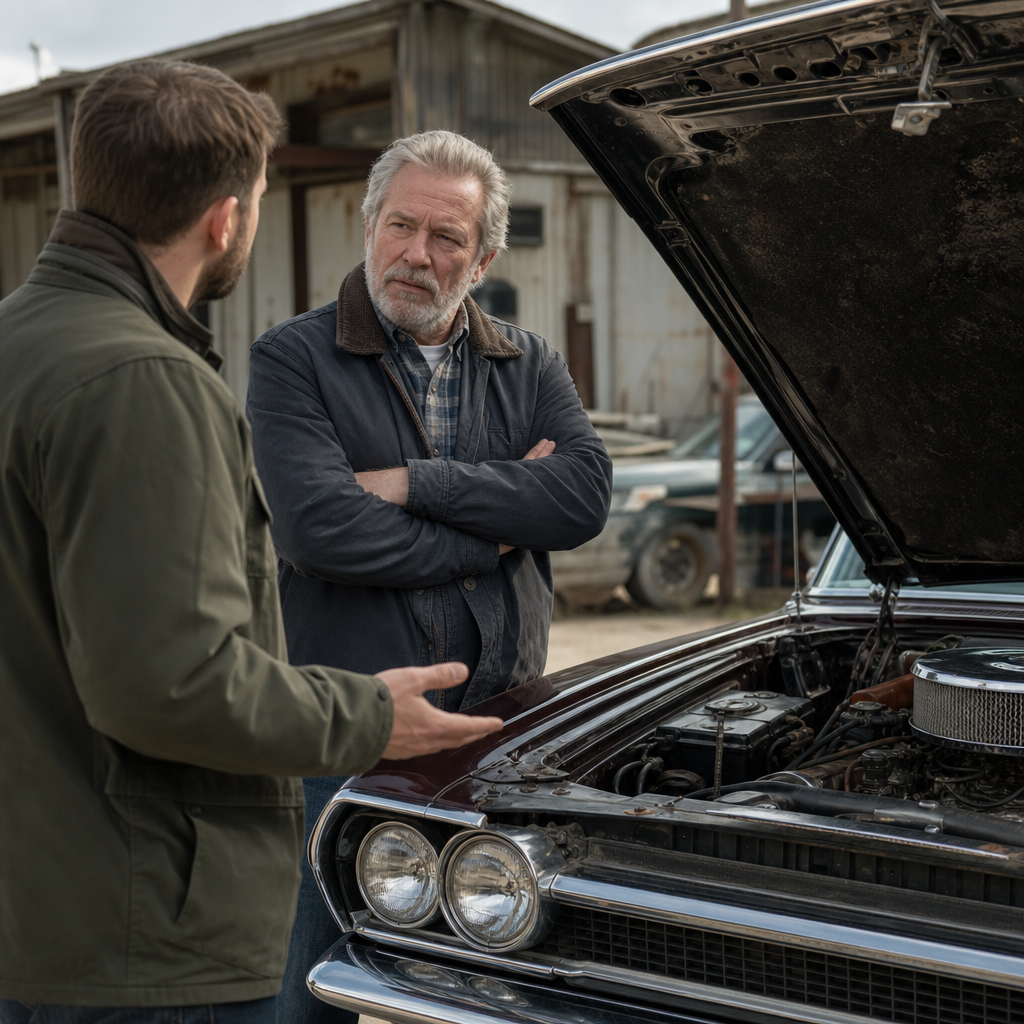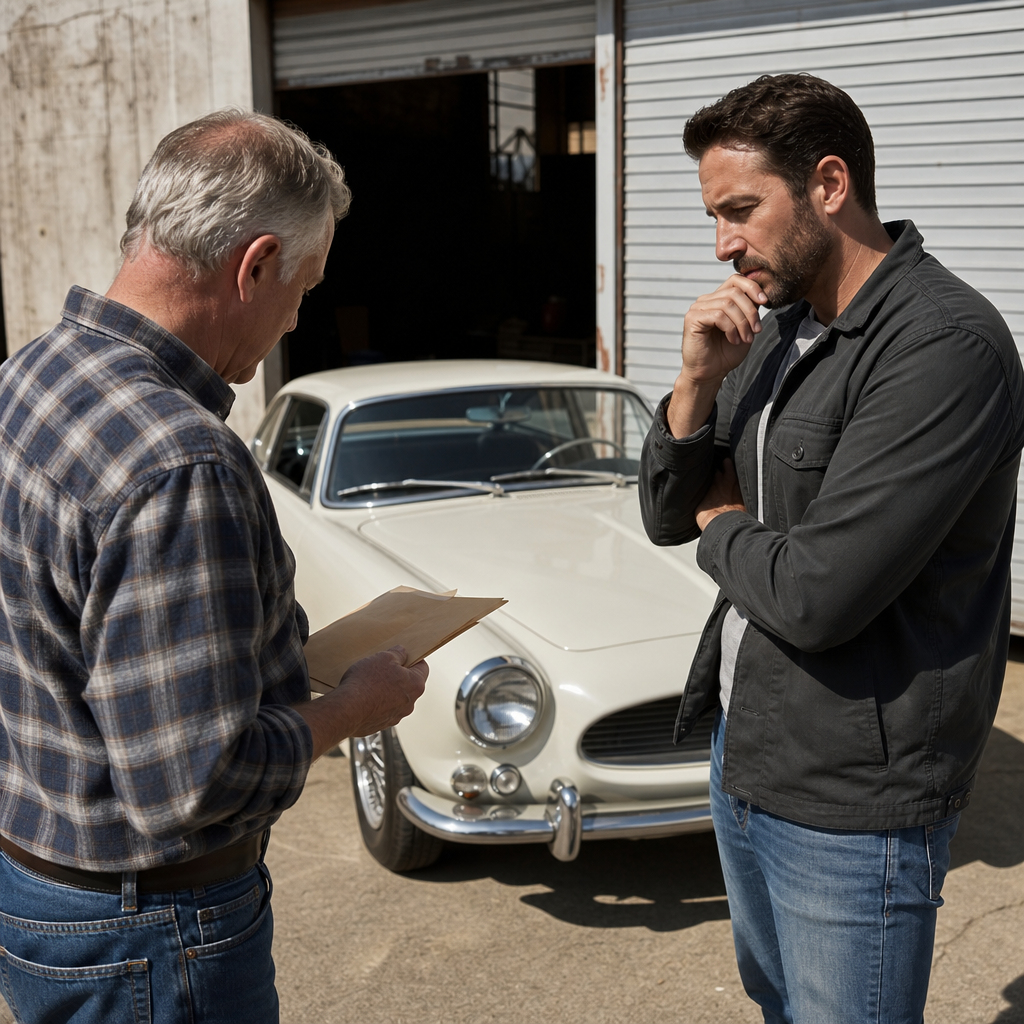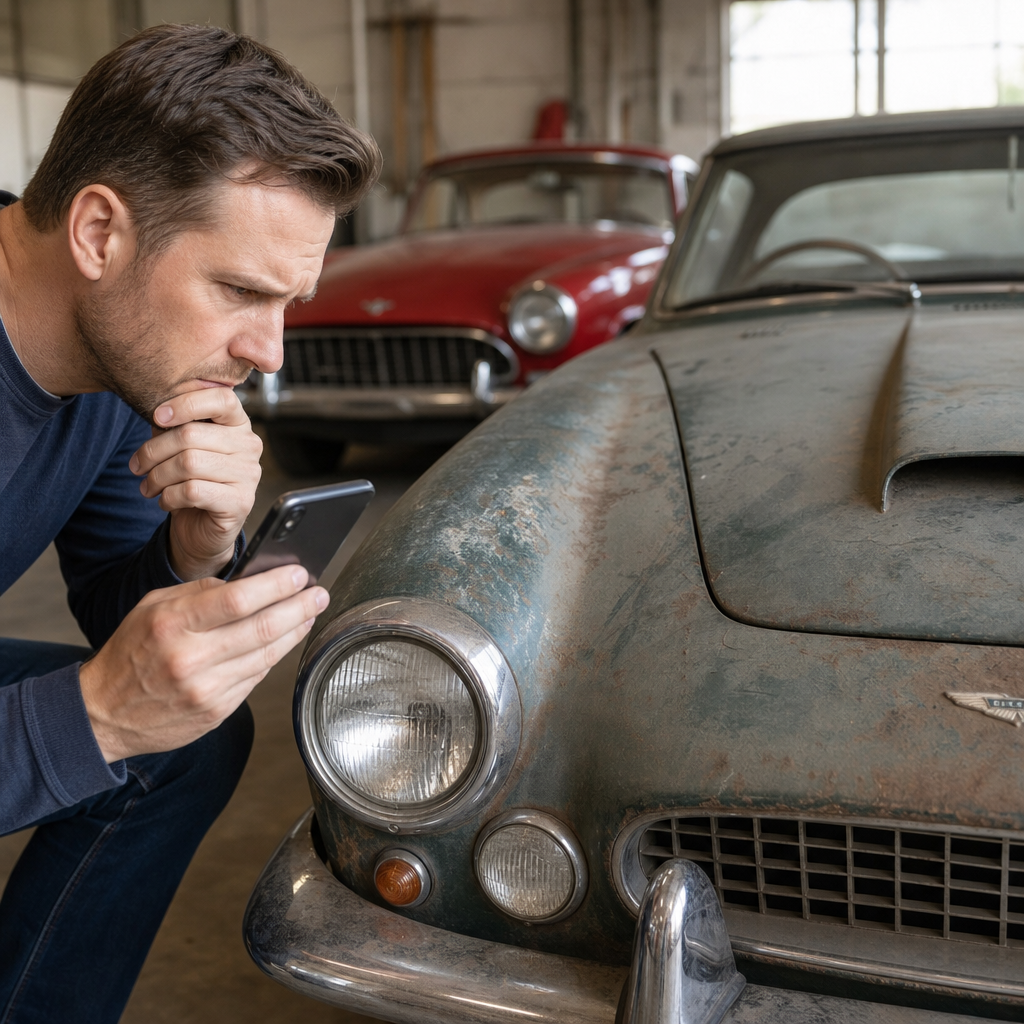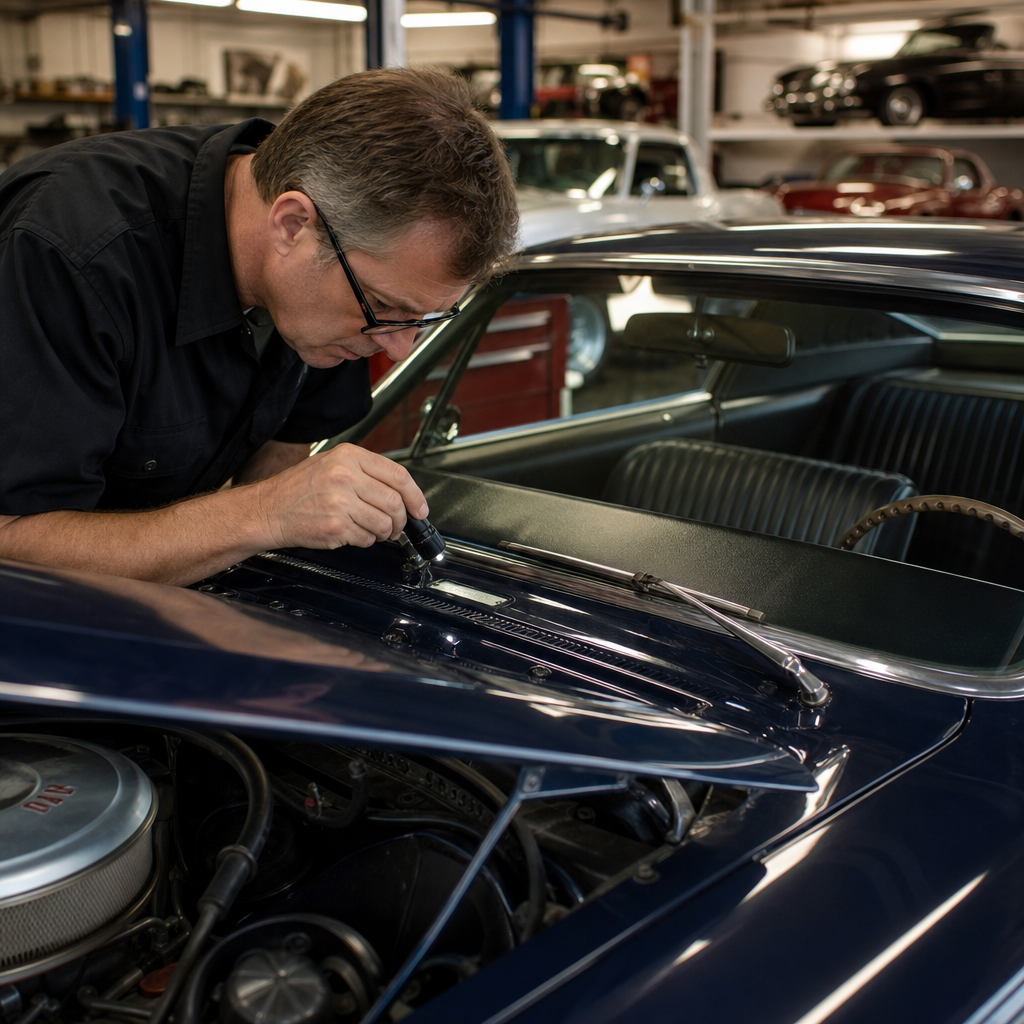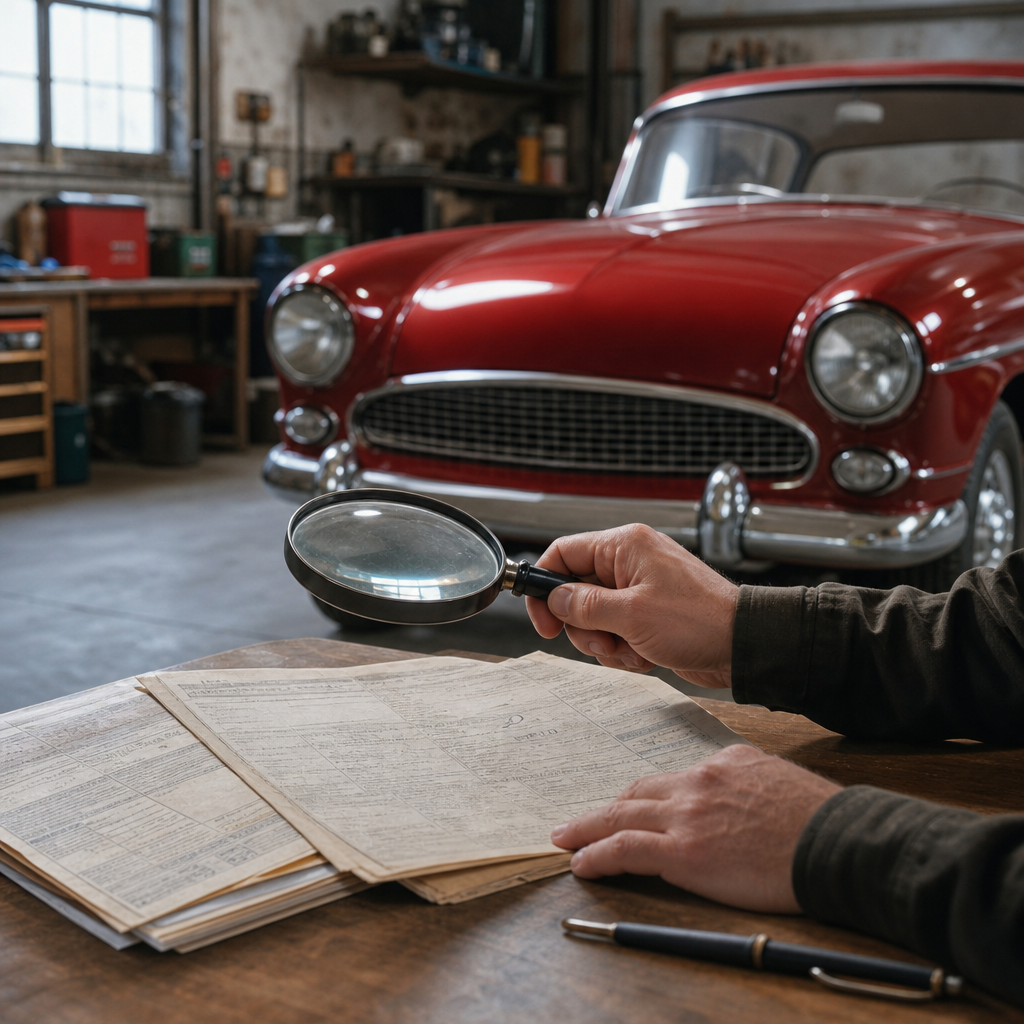

How restoration affects value is one of the most important questions in classic car pricing and valuation because condition, originality, documentation, and market taste all converge in the final number a buyer will pay. In the classic car market, restoration means repairing, refurbishing, or rebuilding a vehicle to improve appearance, function, and sometimes authenticity, while value refers not only to auction results or insurance figures but also to private-sale pricing, financing eligibility, and long-term collectibility. I have appraised and marketed restored classics long enough to see the same misunderstanding repeat: owners assume every dollar spent on paint, chrome, upholstery, and mechanical work returns directly at sale. It rarely does. Some restorations raise value dramatically because they correct deterioration, verify factory-correct details, and make a car usable. Others lower value because they erase originality, introduce nonperiod modifications, or exceed what the market will support for that model. For anyone buying or selling a collector vehicle, understanding how restoration affects value is essential to setting a realistic asking price, judging comparables, and deciding whether to preserve, recommission, cosmetically refresh, or fully restore a car before it changes hands.
Classic car pricing and valuation depend on several terms buyers should understand clearly. Originality describes how much of the car remains as built, including paint color, engine, trim, interior materials, and assembly details. Numbers matching usually means the engine and often transmission correspond to factory records or date codes expected for that chassis. A driver-quality restoration prioritizes reliable use and strong presentation over concours precision. A concours restoration aims to replicate factory-correct finishes, markings, and components at the highest judging standard. Restomod describes a vehicle restored with upgraded brakes, suspension, drivetrain, or electronics, often improving drivability while changing the buyer pool. Provenance covers ownership history, service records, restoration invoices, judging sheets, and factory documentation. These distinctions matter because the market values each path differently. A meticulously documented, correctly restored 1967 Corvette big-block coupe can command a very different price from a similarly shiny car wearing incorrect trim tags, reproduction parts, and an unstamped replacement engine. The difference is not cosmetic alone; it is economic.
Why does this matter so much within buying and selling classic cars? Because restoration sits at the center of nearly every pricing conversation. Sellers use restoration as justification for an asking price. Buyers use flaws in restoration quality or authenticity to negotiate downward. Insurers and lenders evaluate condition tiers. Auction houses classify vehicles based on restoration scope and presentation. Price guides such as Hagerty Price Guide and market trackers like Classic.com reflect condition bands that assume restoration quality, originality, and usability. If this hub page does one thing, it should make one point unmistakable: restoration is not a simple value multiplier. It is a variable. The right work, done to the right standard, on the right car, with the right documentation, can materially increase market value. The wrong work, or too much work relative to the car’s market ceiling, can trap an owner financially and confuse buyers who know what they are seeing.
The relationship between restoration quality and market value
Restoration affects value first through quality. Buyers do not pay top money for the word restored; they pay for evidence of high-standard workmanship. Paint depth, panel alignment, weld quality, underbody finish, trim fit, wiring routing, and mechanical sorting all influence whether a restoration adds value or simply photographs well. On cars I inspect before listing, the gap between excellent and average work is usually obvious within minutes. Door edges chip because panels were hung poorly. Orange peel and masking lines reveal a quick respray. Upholstery patterns may be close but not correct. Plating can be bright yet wrong in tone or texture for the period. Even a rebuilt engine loses valuation strength if the bay shows incorrect clamps, overspray, and modern hardware-store fasteners.
The market consistently rewards restorations that solve both cosmetic and functional issues. A car that starts easily, idles properly, tracks straight, stops confidently, and runs at temperature is worth more than a static showpiece with unresolved drivability problems. That is why mechanical restoration often returns more practical value than owners expect, even when it is less visible than paint and chrome. On a 1955 Chevrolet Bel Air or a Jaguar E-Type, buyers regularly ask for compression numbers, oil pressure, cooling behavior, brake service history, and gearbox operation before focusing on seat stitching. Quality is holistic. A gleaming exterior cannot fully offset weak fundamentals, and experienced buyers price that risk in quickly.
Originality, authenticity, and why less can sometimes be worth more
One of the biggest valuation surprises for newcomers is that a car can be more valuable without a full restoration. Preservation-class vehicles with factory paint, original interior, date-coded components, and documented history often attract stronger prices than freshly restored examples because originality is finite and difficult to recreate once lost. Patina is not an excuse for neglect, but honest wear can be a premium asset when it confirms authenticity. I have seen untouched muscle cars with faded lacquer, worn pedal pads, and unrestored engine bays outperform overrestored examples because serious collectors trusted what they could verify.
Authenticity matters because restoration can unintentionally rewrite a car’s identity. Reproduction seat covers, incorrect decals, wrong hose clamps, nonfactory undercoating, and replacement stampings may seem minor, but on high-value models they affect how knowledgeable buyers rank a car. NCRS judging for Corvettes, MCA standards for Mustangs, and marque-specific registries for Porsche, Ferrari, and Mercedes-Benz all reinforce the same principle: correctness supports value. That does not mean every buyer wants a chalk-mark-perfect car. It means the market pays more when restoration choices match the expectations of the specific segment. A survivor BMW 2002tii appeals differently from a concours-correct 1963 split-window Corvette, and pricing follows those expectations.
Different restoration types create different value outcomes
Not all restorations serve the same buyer, so they do not produce the same value. Cosmetic restoration addresses paint, chrome, trim, glass, and interior presentation. Mechanical restoration focuses on the engine, transmission, suspension, steering, brakes, and electrical reliability. Full frame-off or rotisserie restoration disassembles the car extensively and refinishes or replaces components to a very high standard. Preservation and recommissioning stabilize an original car, repair safety-critical systems, and retain as much untouched material as possible. Restomod restoration updates the vehicle for modern use with fuel injection, overdrive transmissions, air conditioning, upgraded brakes, and improved suspension geometry.
The value effect depends on the model and buyer pool. A frame-off restoration can transform a first-generation Bronco or 1957 Thunderbird because those vehicles often suffer from rust, worn drivetrains, and tired interiors that materially limit usability. By contrast, fully restoring a low-production survivor with exceptional originality can suppress value if buyers would rather own an untouched reference car. Restomods are their own category. A well-executed LS-swapped Chevelle or upgraded FJ40 may sell strongly, but it is no longer competing directly with factory-spec examples. Sellers must price it against the modified market, where build quality matters but originality premiums disappear.
Documentation is what turns restoration claims into valuation evidence
Documentation is where restoration value becomes credible. In appraisals and sale negotiations, invoices, photographs, parts lists, ownership records, and factory paperwork reduce uncertainty, and reduced uncertainty increases buyer confidence. A seller who can present a binder showing metal repair, engine machine work, trim sourcing, and paint-stage photos is in a much stronger position than one who simply says the car was restored ten years ago. Receipts also help buyers judge whether the work was comprehensive or superficial. A large bill does not guarantee quality, but no paper trail usually means a discount.
Factory documents and third-party verification matter especially on higher-end cars. Protect-O-Plate, Porsche Kardex or Certificate of Authenticity references, Jaguar Heritage Trust certificates, Ferrari Classiche documentation, and matching-number confirmations help tie the restoration back to the car’s original specification. Judging results from respected organizations can also support value, though they are not infallible. Buyers still inspect fit, finish, and drivability themselves. The strongest valuation case combines records, expert verification, and present-condition evidence rather than relying on any single proof point.
Cost versus value: why restoration spending rarely returns dollar for dollar
Owners often assume restoration cost equals market value added. In practice, classic car pricing and valuation are constrained by demand, rarity, and comparable sales, not restoration receipts alone. It is common for a seller to invest $120,000 restoring a car that the market values at $85,000 because labor-intensive work on a mid-tier model quickly outruns the model’s ceiling. This is especially true when metalwork, trim restoration, and paint correction escalate. Restoration shops bill hundreds of hours, and even modest parts delays or custom fabrication can compound costs.
| Restoration scenario | Typical market effect | Why value changes |
|---|---|---|
| Factory-correct restoration on a rare, documented model | Strong positive | Supports authenticity, scarcity, and top-tier buyer demand |
| Good driver restoration on a popular entry-level classic | Moderate positive | Improves usability and broadens buyer pool |
| Overrestoration on a limited-demand model | Weak or negative return on cost | Spending exceeds realistic market ceiling |
| Poor-quality cosmetic restoration hiding rust or issues | Negative | Creates distrust and future repair risk |
| Thoughtful restomod with documented professional build | Variable positive | Can attract modern-use buyers but loses originality premium |
This is why pre-restoration planning matters. Before authorizing a full build, compare recent auction sales, private-sale listings, and condition-adjusted guide values. Look at the spread between concours, excellent, good, and fair condition. If the gap between good and excellent is smaller than the cost to bridge it, the restoration may be financially irrational unless the goal is personal enjoyment or long-term ownership. Smart sellers understand that the market pays for outcomes, not effort.
How buyers and appraisers judge a restored classic car
Buyers and appraisers value restored cars by combining condition assessment, authenticity review, market comparison, and risk analysis. Condition is not just clean versus dirty; it includes rust repair quality, paint integrity, glass condition, trim completeness, interior accuracy, mechanical operation, road manners, and underbody evidence. I always recommend inspecting a car on a lift because fresh undercoating, patch panels, and poor seam work can turn a seemingly strong restoration into a price-adjustment conversation immediately. Magnet checks, borescope use, paint-meter readings, and VIN or body-tag verification are routine on serious transactions.
Comparable sales must be interpreted carefully. An auction result for a restored 1969 Camaro Z/28 with DZ engine, cowl induction, and judged pedigree is not directly comparable to a nominally similar car with replacement drivetrain and older paint. Timing also matters. Seasonal demand, macroeconomic conditions, reserve strategy, and venue quality all influence results. Appraisers typically adjust for color desirability, options, provenance, originality, and restoration age. A five-year-old restoration that still presents crisply and drives well may outperform a brand-new build with obvious sorting issues, because buyers value proven usability.
Model-specific realities in classic car pricing and valuation
Restoration affects value differently depending on the vehicle segment. American muscle cars reward matching drivetrains, factory colors, desirable options, and assembly correctness because buyer knowledge is deep and registries are active. European sports cars place enormous emphasis on provenance, body integrity, and specialist workmanship; a poorly repaired Porsche 356 or Alfa Romeo Spider can become expensive to correct. Postwar luxury sedans and many orphan brands often struggle to return restoration cost because supply of completed cars exceeds buyer urgency. Trucks and off-road classics have seen stronger support for tasteful upgrades, especially when usability improves without sloppy fabrication.
Market taste also changes over time. Ten years ago, some buyers strongly preferred flawless overrestoration. Today, many segments place greater value on authenticity, known history, and lightly restored honesty. Air-cooled Porsche buyers, for example, often scrutinize seam sealer texture, spot-weld appearance, and factory underbody finishes. Early Ford Bronco buyers may accept modern braking and steering upgrades if the work is neatly integrated and documented. The lesson is simple: restoration adds the most value when it aligns with what the target buyer already wants.
Practical guidance for sellers deciding whether to restore before sale
If you are selling, the right question is not should I restore this car, but what level of work will raise net proceeds after time, risk, and expense. In many cases, detailed cleaning, paint correction, mechanical sorting, safety repairs, and thorough documentation outperform a full restoration from a financial standpoint. Buyers like transparency. If a car is fundamentally honest, present it honestly, fix what affects safety and operation, organize records, and price it according to condition. A fresh restoration started solely to chase a higher number often creates delay and introduces new uncertainties about workmanship and break-in reliability.
When more extensive work is justified, choose specialists with marque experience, insist on photo documentation, and define the intended market before turning the first wrench. A concours-oriented restoration should follow factory standards consistently. A driver build should prioritize durability and road behavior. A restomod should be professionally engineered, not assembled from random aftermarket parts. In every case, restoration affects value most favorably when the end result is coherent, documented, and believable. For buyers and sellers navigating classic car pricing and valuation, that is the core principle to remember. Restoration can absolutely increase value, but only when it respects the car’s identity, matches market demand, and turns subjective claims into objective evidence. Before you buy, sell, or restore, study comparable sales, inspect carefully, and let the market—not the invoice total—guide your decision.
Frequently Asked Questions
Does restoring a classic car always increase its value?
Not always. Restoration can raise value significantly, but only when the work aligns with what the market actually rewards. Buyers look at much more than fresh paint and new upholstery. They care about originality, quality of workmanship, correctness of parts, the reputation of the shop that performed the work, and whether the restoration suits the vehicle’s place in the market. A high-demand model restored to a correct, high standard with documented work often brings a premium. On the other hand, an over-restored car, a poorly executed restoration, or a car rebuilt with incorrect components can limit buyer interest and reduce what someone is willing to pay.
Value also depends on the starting point. A rare car with strong provenance may lose appeal if restoration removes original finishes, factory markings, or historically important features. In some segments of the collector market, originality is more valuable than perfection. Survivor cars with authentic paint, interior, and mechanical components can command more than restored examples because they offer a direct connection to the car’s history. By contrast, more common classics often benefit from tasteful, high-quality restoration because buyers in those categories tend to prioritize presentation, reliability, and drivability.
Another important factor is whether the cost of restoration can be recovered. Many owners spend more restoring a car than the car will ever sell for. Restoration value is therefore not just about the final condition but about the economics of the project relative to the specific make, model, rarity, and current market demand. In practical terms, restoration affects value positively when it improves condition without compromising authenticity, when it is supported by records and photos, and when it matches current buyer expectations for that particular vehicle.
How do originality and authenticity influence value after restoration?
Originality and authenticity are central to classic car valuation because they help buyers determine whether a restored vehicle still reflects its true identity. Originality refers to how much of the car remains as it left the factory, including its engine, transmission, body panels, trim, finishes, and interior materials. Authenticity refers to whether the restoration was done in a way that is historically correct, even if some parts had to be replaced. A restored car with its original drivetrain, correct factory colors, proper date-coded components, and accurate materials will usually be worth more than a similar car rebuilt with reproduction or non-original parts.
This matters because experienced buyers are not simply paying for “newness.” They are paying for credibility. If a car has been restored with the wrong engine, incorrect fasteners, modern upholstery patterns, non-factory wheels, or paint colors that were never offered, the market may view it as less desirable, even if it looks impressive to a casual observer. For marquee cars, muscle cars, coachbuilt cars, and limited-production models, authenticity can mean the difference between a strong premium and a noticeable discount. Matching-numbers status, factory options, and traceable build information can all have major effects on final value.
That said, authenticity does not always require preserving every worn component. In many cases, proper restoration involves replacing deteriorated parts with correct new-old-stock, factory-spec reproduction, or properly rebuilt originals. The key is whether the finished car remains faithful to its original configuration and whether the work is documented clearly. Buyers and appraisers respond well to restorations that show restraint, accuracy, and respect for the car’s history. When restoration improves condition while preserving authenticity, value typically benefits. When restoration erases originality or introduces guesswork, value often becomes harder to defend.
What kind of restoration adds the most value: cosmetic, mechanical, or full concours-level work?
The answer depends on the car and the audience for it. Mechanical restoration often delivers the broadest practical value because buyers want a car that starts, drives, stops, and performs as expected. A vehicle with a strong engine rebuild, sorted suspension, safe brakes, and reliable electrical system is easier to sell and often qualifies more easily for financing, insurance, and long-distance use. Cosmetic restoration can also add value, especially when paint, chrome, interior, and trim are poor, but visual improvements without sound mechanical condition usually have limited staying power in the market.
Full concours-level restoration can bring the highest numbers, but only for cars where the market rewards that standard. Rare European exotics, important American muscle cars, and significant prewar or postwar collector vehicles may justify extensive, highly accurate restoration because top-tier buyers and judges expect it. Even then, concours work is expensive, and the return on investment is not guaranteed. For many mid-level classics, a clean, correct, well-sorted driver-quality restoration is more valuable in real-world terms than a trailer-only show car because the buyer pool is larger and ownership is less intimidating.
There is also a point where “too much” restoration can hurt value. Excessively glossy finishes, over-detailed engine bays, or modernized finishes that never existed at the factory can make a car look less authentic. Market taste currently favors restorations that are high quality but not artificial. In other words, the most value usually comes from the restoration approach that best fits the car’s rarity, price bracket, intended use, and buyer expectations. A practical enthusiast car often benefits most from excellent mechanical work and strong cosmetics, while a historically important car may justify a comprehensive, factory-correct restoration down to the smallest details.
How important are restoration records, receipts, and photos when determining value?
They are extremely important because documentation helps prove what was done, how it was done, and whether the work supports the asking price. In the collector market, buyers are often skeptical of vague claims like “fully restored” or “frame-off restoration” unless those claims are backed by invoices, photographs, parts lists, dates, and shop information. Good records show that the restoration was not just cosmetic cover-up but a traceable process involving real labor, real parts, and identifiable standards. Documentation can also help verify that the car retains important original components, such as its matching-numbers engine or factory-correct trim and options.
Receipts and photo archives reduce uncertainty, and reduced uncertainty usually supports stronger value. They allow appraisers, insurers, lenders, and buyers to understand the scope of work and judge whether the car is priced appropriately. For example, a car with a professionally rebuilt engine, bodywork records, paint invoices, upholstery receipts, and a photo set showing the car before, during, and after restoration is easier to evaluate than a similar car with no paper trail. In private sales especially, documentation can build trust and help a seller justify a premium over comparable vehicles with undocumented histories.
Records are also useful after the sale. They support insurance coverage, make future resale easier, and can help resolve questions about authenticity or prior condition. Even imperfect or older documentation is better than none, as long as it is organized and credible. The strongest value effect comes when paperwork is complete, chronological, and specific to the vehicle by VIN, chassis number, or engine number. In short, restoration records do not just accompany value; they often help create it by making the restoration verifiable, believable, and marketable.
Can a poor or incorrect restoration reduce a classic car’s value?
Yes, and in many cases the reduction can be substantial. A poor restoration can hurt value because it introduces risk, and buyers price risk aggressively. Problems such as hidden rust under fresh paint, poor panel alignment, incorrect welds, low-quality chrome work, leaking gaskets, wiring shortcuts, or cheap interior materials signal that the car may need to be redone. Once buyers suspect a restoration was rushed or done to disguise issues rather than solve them, confidence drops quickly. That affects not only the sale price but also the speed of sale and the willingness of serious buyers to engage at all.
Incorrect restoration can be just as damaging, particularly on cars where authenticity matters. If the vehicle has the wrong drivetrain, non-original colors, improper badges, inaccurate trim, or missing factory-specific details, many collectors will discount it because correcting those items can be costly and time-consuming. In some cases, especially with rare or investment-grade cars, one incorrect component can raise larger questions about the entire build. The market may then treat the car as compromised, even if it is attractive and functional. The more important the car, the more heavily these mistakes tend to weigh on value.
There is also the issue of reversibility. Some restoration errors can be corrected fairly easily, while others permanently remove historical evidence or original material. Replacing an incorrect battery cover is simple; replacing a body shell, grinding off factory stampings, or removing original seams is not. That is why careful restoration planning matters so much. A well-executed restoration can make a car more desirable, usable, and valuable. A poor or inaccurate one can create a long list of corrections, reduce trust, and leave the owner with a car that looks finished but is worth less than a more honest, unrestored example.