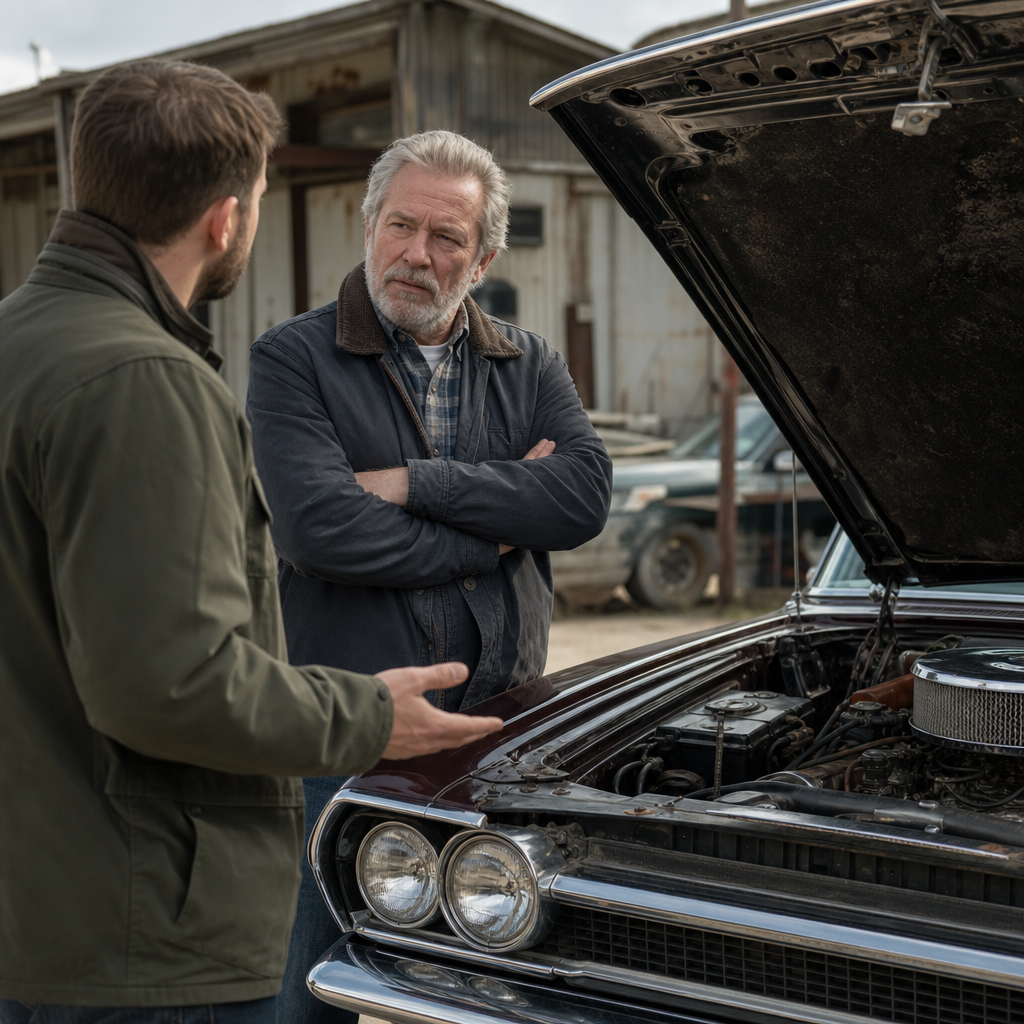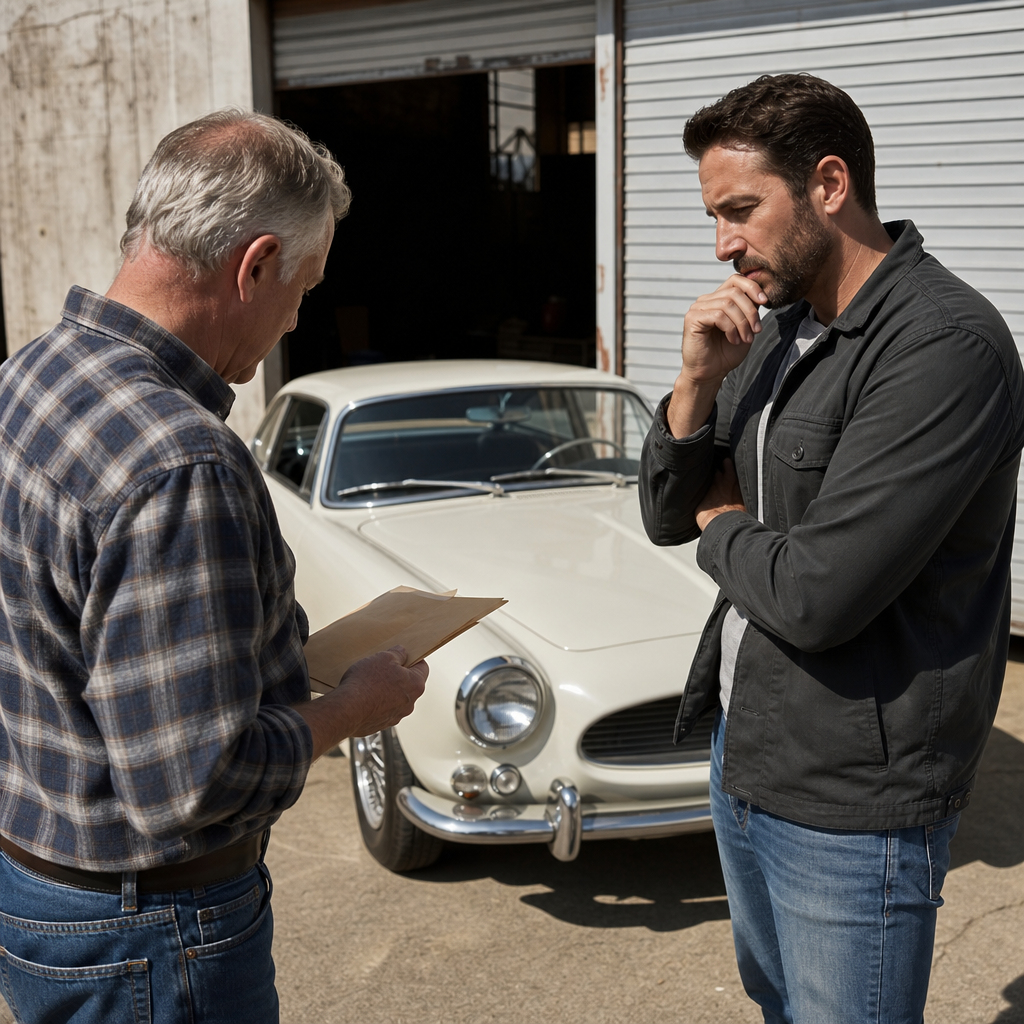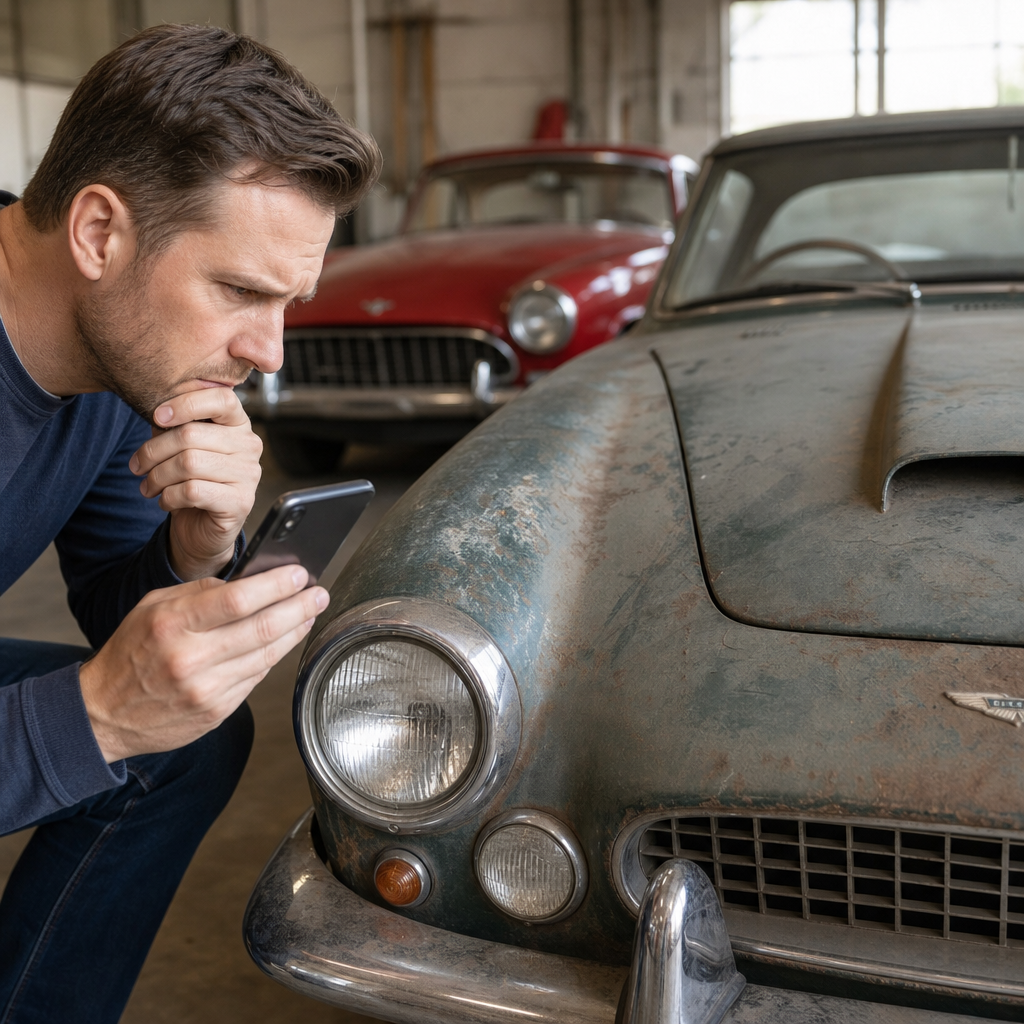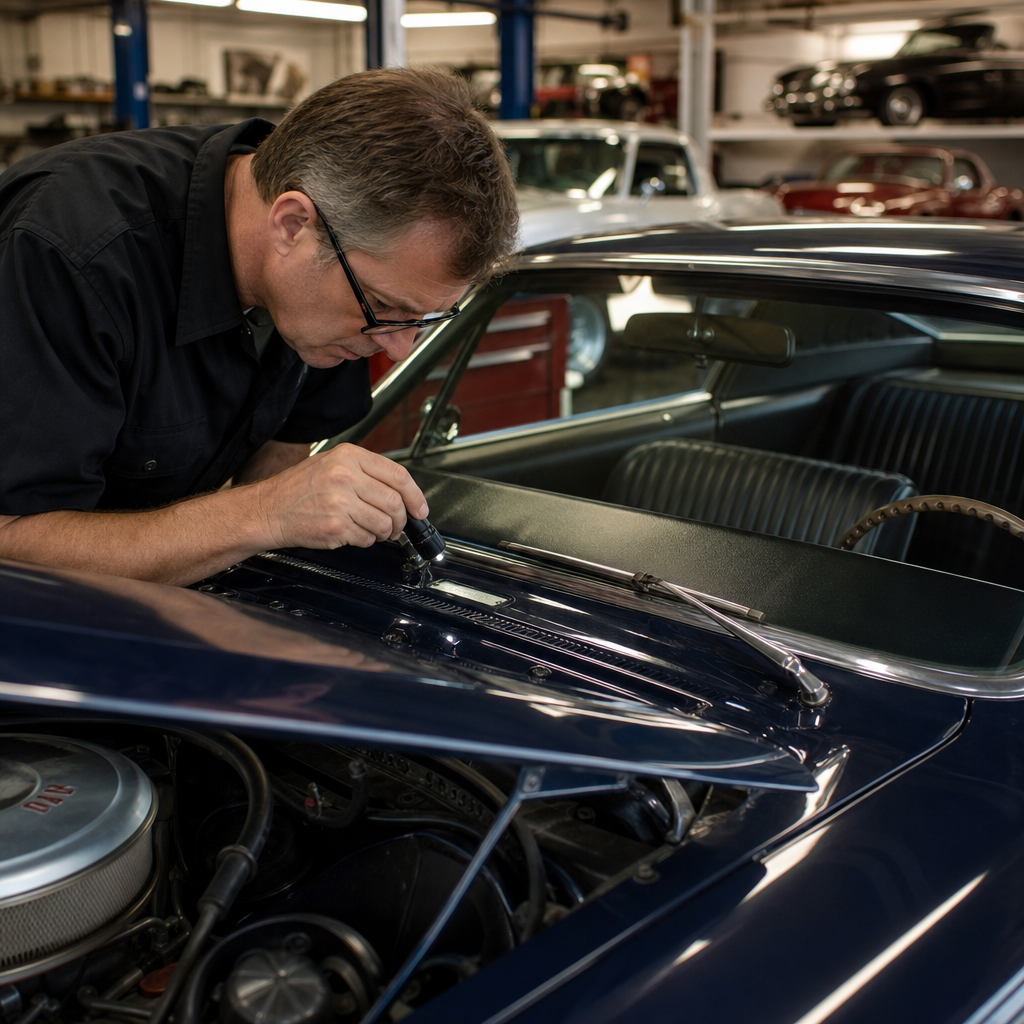
Classic car prices move for reasons that go far beyond age, rarity, and chrome, and anyone buying or selling in today’s market needs to understand how market trends shape value. In practical terms, classic car pricing and valuation is the process of estimating what a collector vehicle is worth at a given moment based on condition, originality, provenance, demand, and the wider economic climate. I have watched identical models sell months apart for dramatically different numbers because interest rates changed, auction visibility shifted, or a younger group of buyers suddenly wanted the cars they saw in childhood. That is why market trends matter: they explain not just what a car is worth, but why the number changes, which signals are temporary, and which shifts point to a durable re-rating of an entire segment.
For a hub page on classic car pricing and valuation, the key idea is simple. Price is the number a car sells for. Value is the reasoned estimate behind that number. Market trend is the pattern influencing both across time, regions, and buyer groups. A trend can be macroeconomic, such as inflation or tighter credit, or category-specific, such as rising demand for analog sports cars, renewed attention on 1980s and 1990s Japanese models, or softening demand for oversized prewar tourers that younger collectors may admire more than they buy. Understanding those forces helps owners set realistic asking prices, helps buyers avoid overpaying during spikes, and helps both sides judge whether a sale result represents the true market or an outlier caused by venue, timing, or presentation.
In the classic car world, valuation is never one-dimensional. Guides such as Hagerty Price Guide, insurance agreed value policies, public auction databases, dealer listings, and private-party sales all provide inputs, but none should be treated as the whole answer. A concours-restored car with matching numbers, documented ownership, and desirable factory options may outperform guide value. A superficially shiny example with hidden rust, non-original driveline components, or missing history may lag far behind. The deeper truth is that trends amplify these differences. In hot markets, average cars often rise with the best ones. In cautious markets, buyers become selective and provenance, inspection quality, and originality matter even more. That is the lens through which every serious pricing decision should be made.
How broad economic trends affect classic car values
Classic cars are emotional purchases, but they are still influenced by economics. When interest rates rise, financing becomes more expensive, disposable income tightens, and discretionary assets often face downward pressure. I have seen this play out most clearly in the middle of the market, where buyers are affluent but budget conscious. Six-figure blue-chip cars can hold up because wealthy collectors are less dependent on borrowing, while entry-level enthusiast cars may still sell because they remain accessible. The squeeze often lands on cars priced high enough to require tradeoffs but not rare enough to feel irreplaceable. Inflation also matters. In periods of high inflation, some collectors treat tangible assets as stores of value, but that support is uneven and usually benefits recognized marques and limited-production models more than ordinary classics.
Consumer confidence, stock market performance, and housing wealth influence collector behavior as well. When portfolios rise and people feel financially secure, they are more willing to chase dream cars, bid aggressively, and accept premium pricing for exceptional examples. When markets become volatile, buyers delay purchases, sell duplicates, and negotiate harder. This is one reason auction houses like RM Sotheby’s, Gooding Christie’s, Bonhams, and Mecum can produce sale results that reflect more than automotive taste; they often reveal the confidence level of the collector class. Currency shifts also affect cross-border demand. A strong dollar can make U.S. cars more expensive for overseas buyers, while a favorable exchange rate can draw international bidders into American sales and lift prices for sought-after models.
Supply, demand, and generational taste shifts
The basic driver of classic car prices is the relationship between supply and demand, but in this market supply is not fixed in the way many people assume. Production numbers tell only part of the story. Survival rate, restoration cost, export activity, attrition, and how many owners are actually willing to sell all change real availability. Demand, meanwhile, is shaped by memory, media exposure, motorsport heritage, and demographic turnover. As collectors age, the cars that defined their youth often rise first, then level out as the next generation brings different preferences. That is a major reason air-cooled Porsche 911s, analog BMW M cars, and Japanese performance icons saw such strong appreciation as Gen X and younger buyers entered their prime earning years.
Generational demand does not lift every car equally. The market rewards vehicles that combine nostalgia with usability, parts support, and cultural relevance. A 1960s full-size sedan may be historically interesting, but if it is difficult to store, costly to restore, and less enjoyable for modern roads, demand can remain narrow. By contrast, a 1994 Toyota Supra Turbo, Acura NSX, or 1987 Buick GNX appeals to buyers who want a story they remember, performance they can still use, and a community that validates ownership. Social media accelerates this process. A model featured repeatedly on enthusiast channels, auction highlight reels, and marketplace posts can move from overlooked to coveted surprisingly quickly, especially when a small supply of clean, original cars exists.
Condition, originality, and provenance in a trend-driven market
When the market is rising, many sellers assume every example of a desirable model deserves premium money. In practice, trends raise the ceiling most for cars with strong fundamentals. Condition remains the first screen. Buyers value rust-free bodies, correct panel fit, healthy compression, leak-down numbers where relevant, service records, and quality paintwork over superficial detailing. Originality is equally powerful. Matching-numbers engine and transmission, original colors, factory documentation, and period-correct components matter because they reduce uncertainty and preserve collector confidence. Provenance adds another layer. A car with known ownership, competition history, celebrity connection, or single-family stewardship often attracts stronger bidding because the story is verifiable and marketable.
In softer markets, these factors become decisive. Average restorations, modified cars, and examples with incomplete histories usually take the largest discounts when sentiment cools. I often advise sellers to separate sentimental value from market value here. Money spent on a restoration does not guarantee equivalent resale value, especially if workmanship, specification choices, or documentation fall short of buyer expectations. The market will also distinguish between sympathetic upgrades and changes that erase originality. A discreet electronic ignition conversion may not hurt value much on a driver-quality car, while an engine swap in a highly collectible matching-numbers muscle car can materially reduce price. Trends create momentum, but fundamentals determine how far a specific car can ride that momentum.
How pricing data should be gathered and interpreted
Accurate classic car valuation starts with using the right data in the right order. Public auction results are useful because they show completed transactions, but they can skew high for exceptional cars and low when reserve pressure, weak presentation, or poor timing affects bidding. Dealer asking prices show market ambition, not necessarily market reality. Insurance valuations can lag if they are not updated. Price guides provide a standardized baseline, yet they cannot instantly reflect every micro-trend or account for unusual options, regional preferences, and restoration quality. The best approach is triangulation: compare recent sold results, active listings, recognized guide values, and expert inspection findings before setting or accepting a price.
| Valuation Source | What It Shows | Main Strength | Main Limitation |
|---|---|---|---|
| Public auction sales | Verified transaction prices | Real market evidence | Venue and bidder mix can distort value |
| Dealer listings | Current asking prices | Shows retail positioning | Not proof of completed sales |
| Price guides | Condition-based benchmarks | Useful baseline across models | May lag fast-moving segments |
| Private-party comps | Local transaction context | Reflects real buyer behavior | Often difficult to verify |
| Pre-purchase inspection | Mechanical and cosmetic reality | Adjusts value to the actual car | Only as good as the inspector |
Condition grading also needs discipline. Terms like concours, excellent, driver-quality, restored, survivor, and project are often used loosely in listings. A true number-one car is rare. Many cars marketed as show quality are actually strong drivers with cosmetic compromises or non-original details. That difference can mean tens of thousands of dollars. Documentation matters just as much as photos. A binder of invoices, ownership chronology, original manuals, warranty cards, and restoration images reduces risk and supports stronger pricing. For buyers and sellers working within the broader Buying & Selling Classic Cars topic, this hub should lead naturally into detailed pages on appraisal methods, pre-purchase inspections, auction strategy, insurance agreed value, and how to evaluate comparable sales correctly.
Segment trends: why some categories surge while others stall
Not all classic cars move together. Market trends operate by segment, and understanding segment behavior is essential for realistic pricing. Blue-chip European sports cars, American muscle, postwar trucks, Japanese performance cars, British roadsters, and prewar classics each respond to different buyer pools and ownership costs. For example, the dramatic rise in air-cooled Porsches was driven by limited supply, strong brand mythology, motorsport credibility, and a growing preference for analog driving experiences. By contrast, some once-common 1950s family sedans have remained comparatively flat because restoration costs exceed likely resale value and buyer demand is limited to a small enthusiast base.
Muscle cars illustrate another nuance. Top-tier, factory-correct big-block and high-impact-option cars often stay resilient because rarity is documented and buyers understand the hierarchy. But clone cars, restomods, and lightly documented examples can diverge sharply in price depending on current fashion. Restomods may sell strongly when buyers prioritize drivability, air conditioning, upgraded brakes, and fuel injection. Yet those same builds can become harder to value later because workmanship quality varies and trends in customization change. Trucks and SUVs have also been re-rated. Early Ford Broncos, Toyota Land Cruisers, and square-body Chevrolet pickups gained value as buyers sought usable classics with lifestyle appeal. That demand was not random; it reflected changing use patterns, from weekend cruising to overlanding and event-oriented ownership.
Timing, seasonality, and the effect of sales channels
Timing affects classic car prices more than many first-time sellers expect. Spring and early summer usually bring stronger retail activity because buyers want cars ready for driving season, shows, and auctions. Listings with sharp photography, cold-start videos, underside images, and complete documentation tend to perform better during these active windows because shoppers are comparing many options quickly. Winter can soften private-party demand in colder regions, though major destination auctions may still generate strong results if the car is exceptional and the audience is global. Timing also intersects with news cycles. A model featured in a film anniversary, marque celebration, or major concours class can receive a temporary boost in visibility that lifts pricing interest.
The sales channel changes the final number too. High-end auction houses can expose significant cars to qualified bidders and create competitive urgency, but seller fees, transport costs, and the risk of a no-sale must be considered. Online platforms such as Bring a Trailer and Cars & Bids have reshaped price discovery by combining broad reach, public commentary, and transparent bidding histories. They can reward well-documented cars and knowledgeable sellers, yet they also penalize weak listings immediately. Traditional dealers add convenience, reconditioning, and financing options, which can support higher asking prices, but trade-in offers will usually be below retail to protect margin. Private sales may net more if the seller is patient and credible, though they require careful screening and negotiation.
How buyers and sellers should respond to market trends
The smartest response to market trends is not chasing headlines; it is building a disciplined pricing strategy. Sellers should start with verified comparable sales, then adjust for condition, originality, options, color combination, documentation, and venue. If the market is cooling, pricing slightly ahead of the decline is often a mistake. The best cars may still command premiums, but average examples can go stale quickly, and stale listings signal weakness. Buyers should avoid assuming every dip is a bargain. A cheaper car with rust, poor bodywork, title problems, or missing records can become more expensive than a better car purchased at a fair market number. Total acquisition cost matters more than entry price alone.
For anyone navigating classic car pricing and valuation, the central lesson is that trends set direction, but evidence sets price. Broad economics, generational demand, condition, originality, provenance, timing, and sales channel all interact, and no single metric replaces careful analysis. The owners who do best are the ones who study comparable sales, inspect cars rigorously, and understand where their vehicle sits within its segment rather than relying on wishful numbers. Use this hub as your starting point for the wider Buying & Selling Classic Cars journey, then go deeper into appraisals, inspections, negotiation, and sale preparation before making your next move. A well-informed valuation is the fastest way to buy smarter, sell with confidence, and protect long-term value.
Frequently Asked Questions
How do market trends influence classic car prices more than the car’s age or rarity alone?
Age and rarity matter, but they do not determine value in isolation. The classic car market works like any other collector market: prices rise and fall based on what buyers want, how confident they feel, and how much money they are willing to commit at a specific point in time. A rare car can still underperform if demand is soft, while a more common but highly desirable model can outperform expectations during a strong market cycle. That is why two nearly identical cars can sell for very different amounts only months apart.
Market trends shape pricing by influencing buyer behavior across the board. When certain eras, body styles, or brands become fashionable, demand increases and values tend to follow. For example, if analog driving experiences, manual transmissions, or 1980s and 1990s performance cars gain momentum with collectors, those vehicles may appreciate faster than older models that were once considered blue-chip. In contrast, if attention shifts away from a segment, prices can flatten or decline even for cars with excellent restoration work or strong originality.
Broader economic conditions also play a major role. Interest rates, inflation, stock market performance, and overall consumer confidence affect how much discretionary money flows into collector vehicles. In stronger economic environments, buyers often stretch for premium examples, while uncertain markets tend to reward only the very best cars and discount average ones. In short, age and rarity create the foundation, but market trends determine how much weight buyers place on those attributes at any given moment.
What are the biggest market trends that affect classic car values today?
Several major trends regularly influence classic car pricing, and understanding them can help buyers and sellers make better decisions. The first is generational demand. Collectors often pursue the cars they admired in their youth, which means values can shift as different generations enter peak earning years. As a result, demand may rise for vehicles from the 1980s, 1990s, and early 2000s while some older segments become more selective and buyer-dependent.
Another major trend is the premium placed on originality and documentation. In many areas of the market, unrestored or correctly preserved cars with matching numbers, factory colors, original drivetrains, and complete paperwork often command stronger prices than restored examples with incomplete histories. Buyers are increasingly educated, and they are willing to pay more for authenticity, provenance, and transparency. Auction descriptions, specialist inspections, and digital archives have made it easier to compare cars in detail, which has raised expectations.
Digital visibility is also transforming value. Online auctions, enthusiast forums, social media exposure, and international marketplaces have expanded the buyer pool and made pricing more transparent. A car is no longer valued only within a local region; it now competes on a national or global stage. This can lift prices for highly desirable models, but it also means overpriced or mediocre cars are exposed quickly. Add in macroeconomic forces such as borrowing costs and luxury spending trends, and you have a market where values move not just because of the car itself, but because of changing demand patterns, data availability, and buyer sentiment.
Why can two identical classic cars sell for dramatically different prices in the same market?
On paper, two cars may appear identical, but in the collector world, pricing differences usually come down to condition, originality, provenance, presentation, and timing. Condition is more nuanced than simply saying a car is “restored” or “driver-quality.” Buyers look closely at paint quality, panel fit, interior correctness, underbody condition, mechanical health, and the standard of restoration work. A car that photographs well but has hidden flaws will not bring the same money as one that stands up to close inspection.
Originality is another major separator. Matching-numbers drivetrains, factory-correct finishes, original body panels, and period-correct equipment can significantly affect value. So can documentation. Service records, ownership history, restoration invoices, original manuals, window stickers, and historical registrations all help validate a car’s story. If one example has complete records and known provenance while the other has gaps, buyers will usually bid more aggressively on the better-documented car.
Timing and selling venue matter as well. A high-quality example offered at a respected auction during a strong sales season may outperform the same model sold privately in a softer month. Presentation can influence results too. Professional photography, a well-written listing, expert marketing, and a seller who can answer detailed questions all build buyer confidence. That is why valuation is never just about make, model, and year. The market prices the total package, and even small differences can create substantial gaps in final sale price.
How do economic conditions and buyer sentiment affect classic car valuation?
Classic cars are discretionary purchases, so economic conditions have an outsized effect on value. When the economy is strong, financial markets are healthy, and consumer confidence is high, buyers tend to be more willing to spend on collector vehicles. In these periods, competition increases, especially for high-quality examples, limited-production cars, and models with broad enthusiast appeal. Sellers often benefit from stronger bidding, faster sales, and less negotiation pressure.
When economic conditions tighten, the market becomes more selective. Rising interest rates can reduce available capital, inflation can squeeze disposable income, and stock market volatility can make buyers more cautious. In those environments, average or poorly presented cars usually suffer first. Buyers still pursue exceptional vehicles, but they become more disciplined and expect stronger value. This often creates a split market where top-tier cars remain relatively resilient while project cars, modified examples, or cars with incomplete histories lose momentum.
Buyer sentiment is just as important as hard economic data. If collectors believe a segment has peaked, they may pull back even before broader prices noticeably decline. If a particular category gains cultural relevance or renewed enthusiasm, interest can build quickly and push values upward. Sentiment often spreads through auction results, club discussions, media coverage, and online communities. For that reason, valuation is not static. It reflects both measurable financial conditions and the less tangible psychology of what collectors feel confident buying right now.
How can buyers and sellers use market trends to make smarter decisions on classic car pricing?
The best approach is to treat valuation as a moving target rather than a fixed number. Buyers should study recent comparable sales, not outdated price guides alone. That means looking at auction results, private-sale indicators where available, dealer inventory turnover, and the specific characteristics of cars that actually sold. It is important to compare condition levels, originality, mileage, documentation, and restoration quality, because headline prices can be misleading when those factors are ignored.
Sellers should pay close attention to market timing and positioning. If demand is rising for a specific segment, a seller may benefit from bringing a well-prepared car to market while interest is strong. If the market is cooling, realistic pricing becomes essential. Overpricing often causes a car to sit, which can create skepticism and ultimately lead to a weaker final result. Preparation also matters. Detailing, documentation, inspection reports, and accurate presentation can materially improve buyer confidence and support a stronger asking price.
Both buyers and sellers should think in terms of trends, not anecdotes. One record-setting sale does not automatically redefine the market, and one disappointing result does not mean a model has collapsed. The smartest decisions come from tracking patterns over time: which categories are gaining momentum, which cars are consistently attracting bids, and which attributes buyers are rewarding most heavily. In a changing market, success usually comes from combining research, patience, and realism. The more closely you follow market trends, the more accurately you can judge when to buy, when to sell, and what a classic car is truly worth in the current environment.