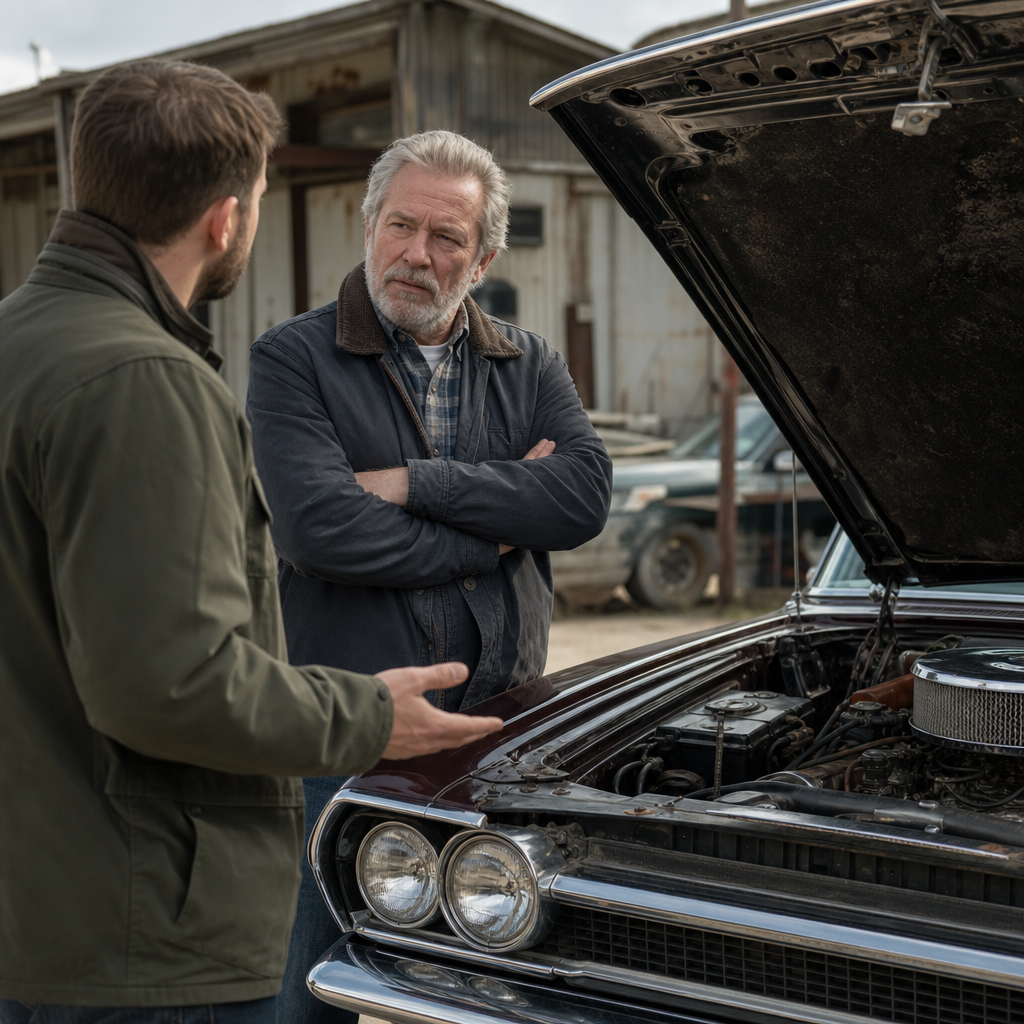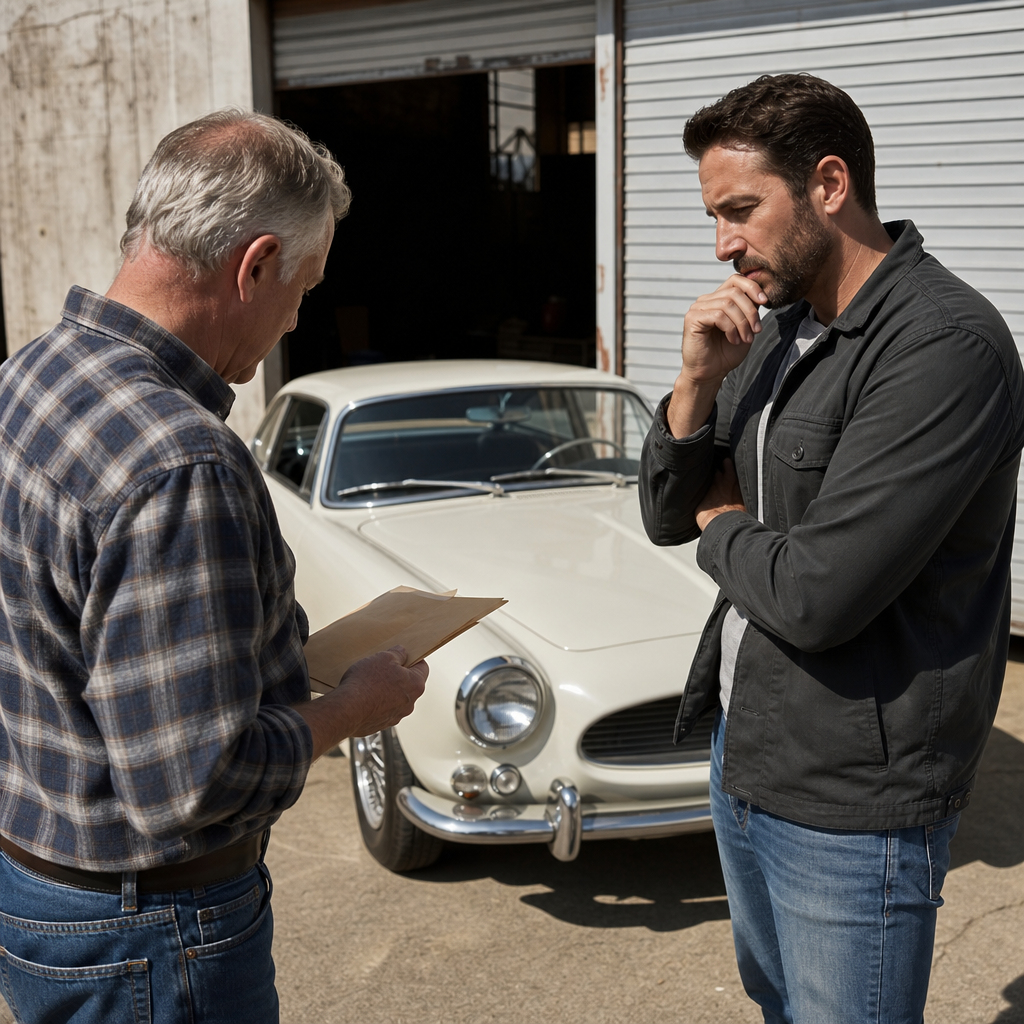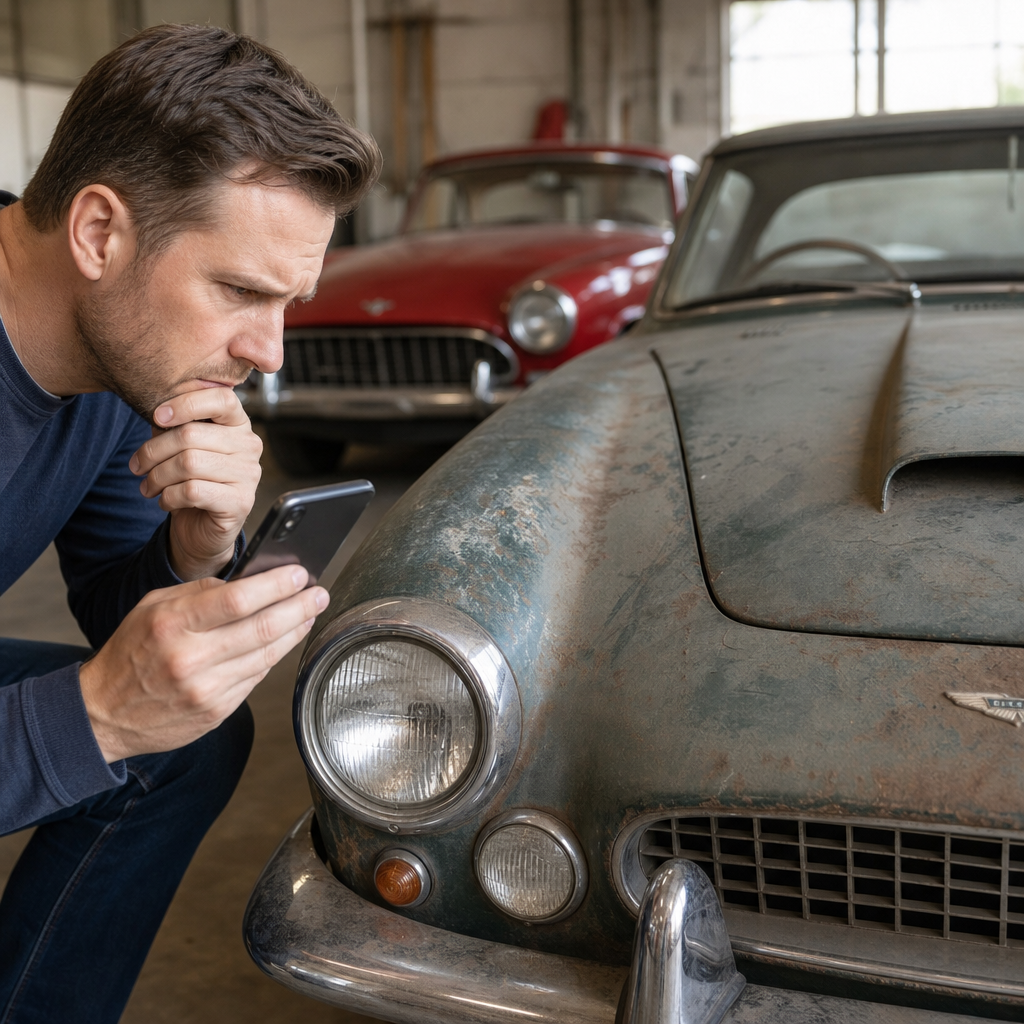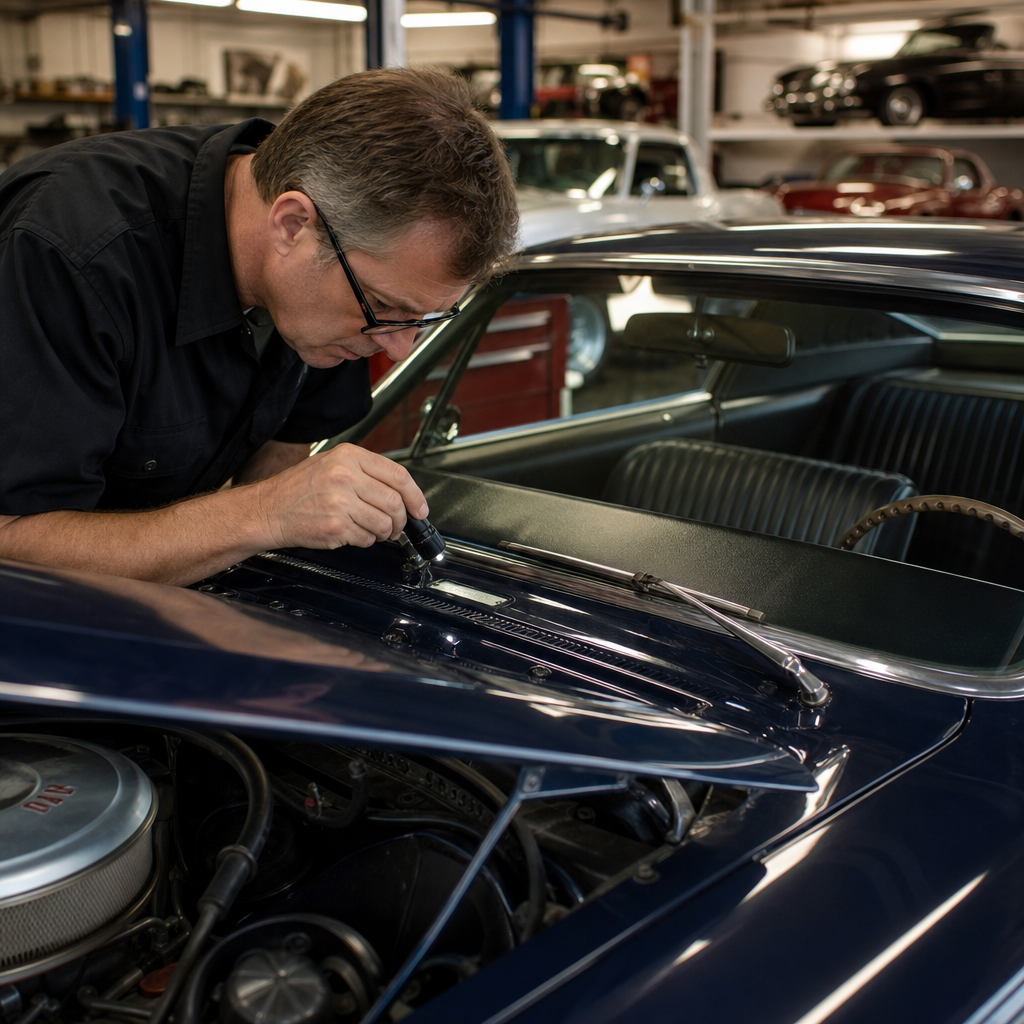
Selling a vintage vehicle starts with one decision that affects every inquiry, showing, and negotiation: the asking price. In the classic car market, pricing is not a simple matter of age or a generic book value. A 1967 Ford Mustang fastback, a numbers-matching 1970 Chevrolet Chevelle SS, and a partially restored 1984 Porsche 911 Carrera each sit in different demand curves, even when all three are “classic cars.” To price a classic car for sale correctly, you need to understand valuation, condition grading, originality, provenance, current market sentiment, and the difference between retail asking prices and verified sale prices. I have priced collector cars for private sellers, estate sales, and dealer consignment listings, and the same truth applies every time: the best asking price is defensible, documented, and aligned with the audience most likely to buy.
Classic car pricing and valuation matter because overpricing can make a desirable vehicle go stale, while underpricing leaves real money on the table. Buyers in this market are often informed, patient, and willing to cross-shop nationally. They compare recent auction sales, review marque forums, inspect trim-tag details, and notice when a seller anchors to emotion rather than evidence. A well-priced car attracts faster, cleaner offers, reduces unproductive conversations, and builds trust before the buyer ever arrives. This hub article explains how to price a classic car for sale using practical valuation methods, what factors increase or reduce value, how to use sales data intelligently, when to adjust for restoration quality, and how to set an asking price that supports negotiation without scaring off serious buyers.
Start with the right definition of value
The first step in classic car pricing is defining which value you are trying to estimate. Sellers often confuse insurance agreed value, replacement cost, auction headline prices, and private-party market value. They are not interchangeable. Insurance agreed value is a policy figure negotiated for coverage purposes. Replacement cost reflects what it might take to source a comparable car in a tight market. Auction results can be useful, but they may include buyer’s premiums, exceptional venue effects, or emotionally driven bidding. For most sellers, the relevant number is fair market value: what a willing buyer will pay a willing seller, with both informed and neither under pressure.
That distinction matters because a car can be “worth” different amounts in different contexts. I have seen owners point to a televised Scottsdale sale and assume their local private listing should match that result, even though the auction car had expert detailing, a documented restoration binder, and a room full of bidders primed for that model. Pricing a classic car for sale means matching the value type to the selling channel. If you are listing privately, use private sales and realistic dealer comps. If you are consigning through a specialist dealer, allow for dealer margin. If you are planning an auction, understand reserves, fees, transport, and event timing before using top-line sales as your benchmark.
Evaluate condition with discipline, not optimism
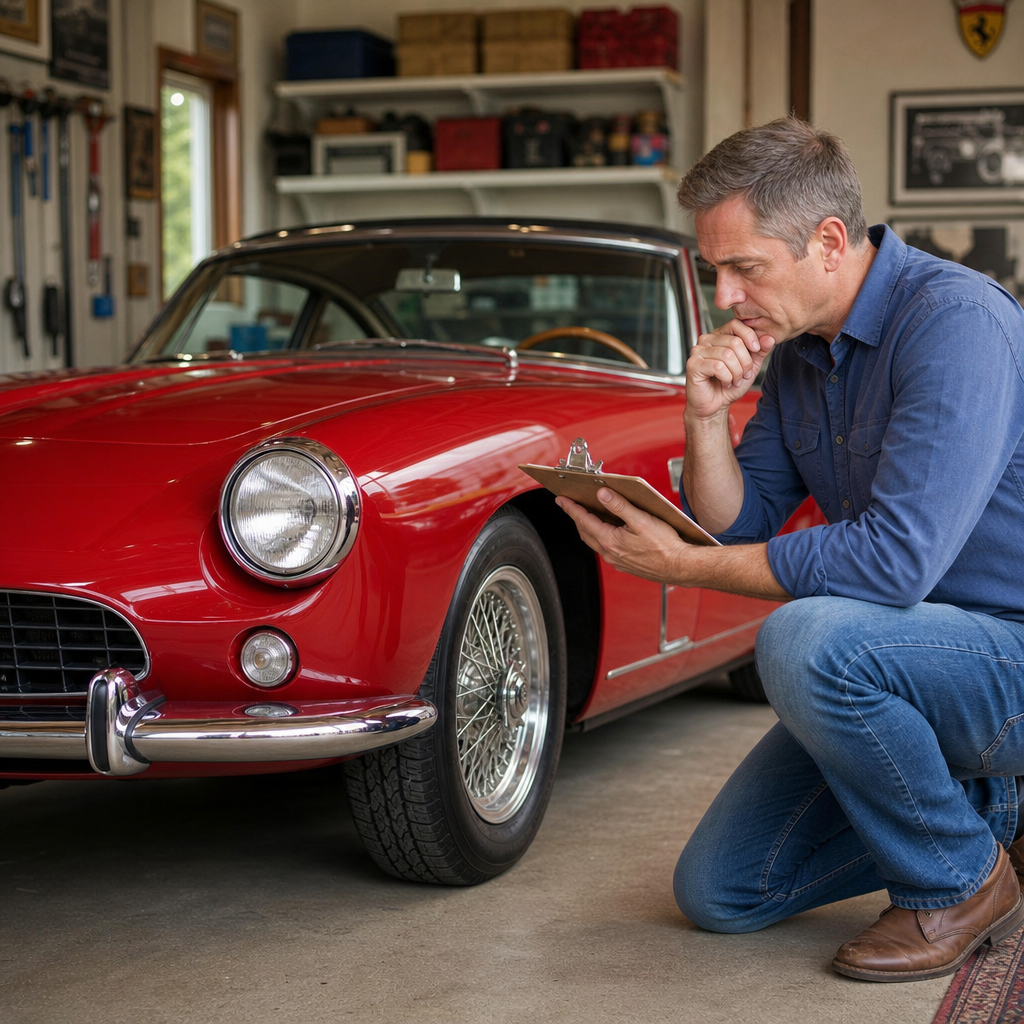
Condition is the largest pricing lever in classic car valuation, and it must be assessed objectively. Collector cars are commonly discussed in condition tiers ranging from concours to driver quality, but broad labels alone are not enough. You need to inspect paint quality, panel fit, chrome, glass, weatherstripping, interior materials, gauges, drivetrain behavior, suspension feel, braking performance, underbody rust, trunk and floor integrity, and evidence of prior repairs. A presentable older restoration may photograph like a show car yet reveal bubbling at lower quarters, mismatched trim, and weak hot-start performance that reduce its real value significantly.
Use an established framework when grading. Hagerty condition categories and similar market standards are useful because buyers recognize them. A Condition 1 car is exceptional and difficult to fault. A Condition 2 car is excellent but used. A Condition 3 car is a solid, attractive driver. Condition 4 is functional but worn. When I inspect cars for pricing, I also separate cosmetic condition from mechanical condition. A freshly painted 1965 Pontiac GTO with tired synchros and leaking rear main seals is not equivalent to a mechanically sorted example with older paint. Buyers regularly pay a premium for documented reliability because repair costs on classic cars are unpredictable and model-specific.
Account for originality, numbers matching, and provenance
Originality can dramatically affect value, but its importance varies by model and buyer segment. For some American muscle cars, numbers-matching engines, original transmission codes, factory color combinations, and correct carburetion or induction systems can add substantial value. For certain European classics, original body panels, documented ownership history, factory options, and service records may matter as much as drivetrain originality. Modified cars can still sell well, especially restomods and period-correct performance builds, but they appeal to a narrower audience and should not be priced like highly authentic examples unless the build quality and parts list justify it.
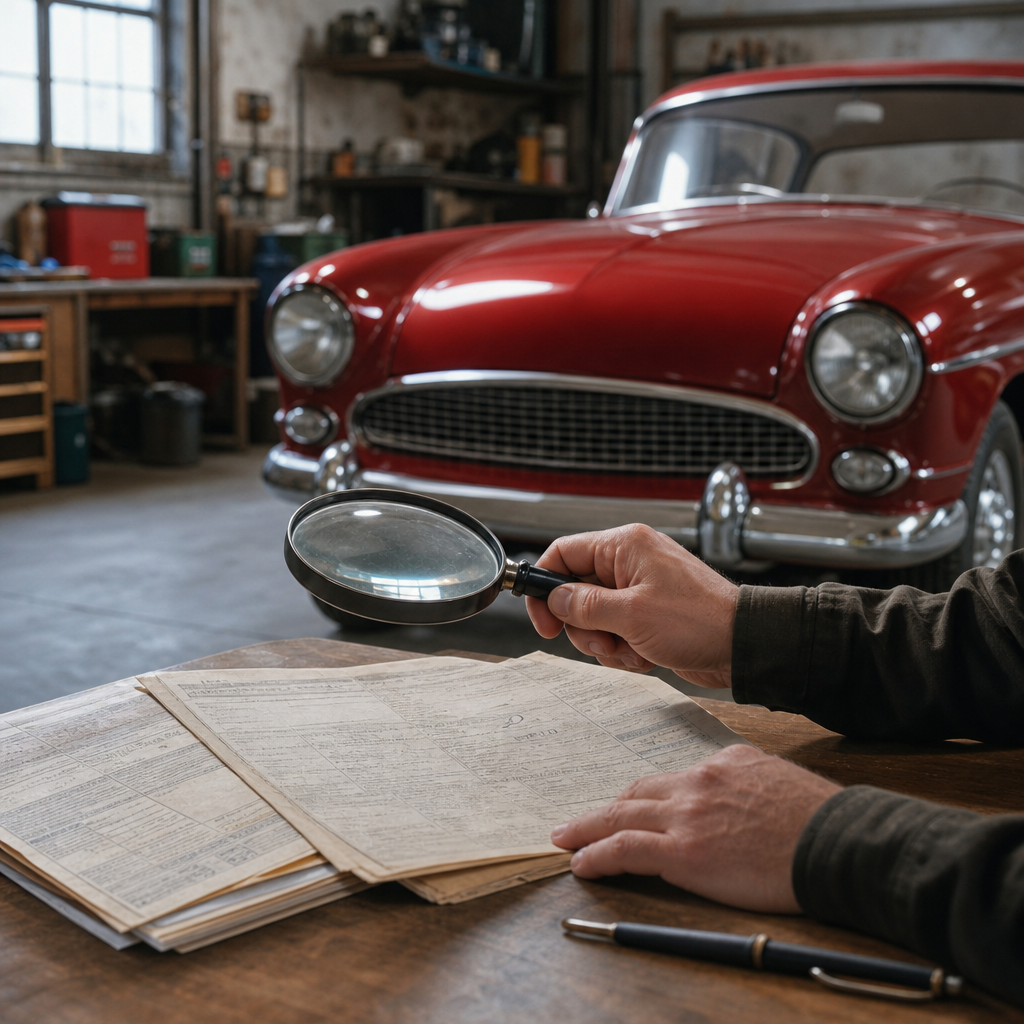
Provenance is equally important. Original window stickers, build sheets, Protect-O-Plate documents, Heritage Certificates, restoration invoices, ownership chronology, and awards from recognized events all strengthen value. A documented low-mile 1987 Buick Grand National with original paint and service history is easier to price confidently than a similar car with odometer claims but no paper trail. In practice, documentation reduces buyer uncertainty, and reduced uncertainty supports stronger pricing. The same principle applies to celebrity ownership or notable event history, but those premiums are only real when the story is verifiable and relevant. Unsupported lore does not increase value; it usually invites skepticism.
Use market data that reflects actual transactions
Pricing a classic car for sale should be based on sold data first, asking prices second. Live listings are useful for understanding competition, but they only show seller expectations. Completed sales show what buyers actually paid. Strong sources include Bring a Trailer results, Cars & Bids for newer collectibles, Mecum and Barrett-Jackson archives, marque-specific forums, Hemmings sold comps when available, and valuation tools from Hagerty and J.D. Power. The key is selecting truly comparable vehicles by year, body style, engine, trim, originality, condition, and documentation. Comparing a base coupe to a big-block convertible or a modified driver to a concours car produces misleading numbers.
Recency matters too. The collector market moves in segments, not as one unified block. Air-cooled Porsche prices, square-body truck values, and prewar luxury sedan values do not rise or fall together. I typically look at six to twelve months of comps, then weight the most recent three to six months more heavily if the model is actively traded. Seasonality can also affect prices. Convertibles often bring stronger money in spring. Four-wheel-drive classics may perform better before winter. Economic conditions, interest rates, and fuel costs can influence discretionary purchases. A smart asking price reflects today’s buyer behavior, not last year’s peak headline sale.
| Valuation factor | What to verify | Typical pricing effect |
|---|---|---|
| Condition | Paint, rust, interior, drivability, underbody | Largest driver of market range |
| Originality | Numbers matching, factory colors, correct parts | Premium on sought-after authentic cars |
| Documentation | Service records, build sheets, ownership history | Raises buyer confidence and offer strength |
| Rarity | Production totals, options, body style | Supports value only when demand exists |
| Market timing | Recent sold comps, season, segment trend | Can shift pricing materially within months |
Adjust for restoration quality and hidden costs
Not all restorations add value equally. Sellers often total receipts and assume the market will reimburse every dollar, but restoration cost and market value are related without being identical. A $120,000 restoration on a car worth $70,000 after completion is common in the hobby. Buyers pay for results, correctness, and usability, not simply expense. High-quality metalwork, proper panel alignment, correct finishes, rebuilt drivetrains, and sorted electrical systems matter. Cheap repaint jobs, heavy filler, incorrect interiors, and cosmetic engine-bay detailing without mechanical depth rarely justify premium pricing once inspected in person.
You should also price around deferred maintenance and known defects with honesty. Vintage air conditioning that does not blow cold, cracked bushings, oil leaks, old tires with good tread, and inoperative gauges all affect value because buyers immediately translate them into inconvenience and cost. On some models, one missing or damaged original component can create a major price deduction because sourcing replacements is difficult. Examples include date-coded wheels, rare trim, special carburetors, smog equipment for emissions-era cars, or model-specific glass. If your car needs sorting, decide whether to fix items before listing or discount clearly. Either path can work, but ambiguity usually hurts value.
Consider rarity, desirability, and buyer audience
Rarity alone does not guarantee a high sale price. The market rewards desirable rarity, not obscure scarcity. A limited-production trim package on a car with weak enthusiast demand may not outperform a common but highly loved model. Pricing must therefore combine supply and demand. Ask how many comparable cars are available nationally, how often they trade, and how broad the buyer base is. A split-window Corvette, early Bronco, or BMW E30 M3 benefits from strong recognition and liquid demand. A rare 1970s luxury coupe with low production may still move slowly because fewer buyers want one.
Your target audience shapes price strategy. Entry-level classics often attract first-time buyers who finance part of the purchase and compare many listings. Blue-chip cars draw seasoned collectors who focus on provenance and quality. Modified muscle cars attract buyers who evaluate build sheets, crate engines, suspension geometry, and brake upgrades. Imported Japanese classics may appeal to younger buyers who value originality, auction grade sheets, and tasteful period modifications. The closer your price aligns with what that audience values, the stronger your response rate. This is why the same nominally similar car can bring very different money depending on how precisely it matches buyer preferences.
Set an asking price, reserve, and negotiation range
Once you have established a defensible market range, translate it into a practical asking price. For a private sale, I usually recommend setting the price slightly above your realistic minimum, but not so high that serious buyers never engage. In most active segments, an asking price about 5 to 10 percent above your target transaction number gives room for negotiation while keeping the listing competitive. For rare, highly documented cars with little direct competition, the gap can be wider. For average driver-quality cars in crowded segments, aggressive pricing often produces better final outcomes than wishful anchoring and repeated price drops.
If you are using an auction, reserve discipline is critical. A reserve set materially above market can waste the listing, signal unrealistic expectations, and reduce bidder trust. No-reserve auctions create urgency and broad participation, but they are only suitable when you fully understand the downside. Dealer consignment requires another calculation: the net amount after commission, detailing, photography, and potential reconditioning. Be clear on your walk-away number before listing anywhere. Also prepare your justification. When buyers ask why your car is priced above another example, you should be able to answer with specifics such as rust-free history, matching driveline, fresh compression numbers, known ownership, and documented recent service.
Avoid the pricing mistakes that stall classic car sales
The most common mistake is pricing emotionally. Owners remember restoration bills, years of searching for parts, and family memories. Buyers do not pay extra for sentimental value. Another mistake is using only current listings as comparables. Unsold cars may be overpriced, misrepresented, or simply stale. Poor presentation is another hidden pricing error. Thin photos, vague descriptions, and missing underbody shots force buyers to discount for uncertainty. I have watched well-priced cars underperform because the listing failed to show VIN tags, stampings, cold-start videos, or detailed records.
Be careful with absolute claims. Terms like “fully restored,” “mint,” “all original,” and “rare” trigger scrutiny. If any statement is weak, buyers may question everything else, including price. Finally, do not ignore macro factors. Tax refund season, major auctions, interest rates, and regional weather can affect response. If inquiries are low, revisit the data quickly rather than defending a number the market has already rejected. The best pricing strategy is evidence-based, transparent, and flexible.
Pricing a classic car for sale is equal parts market analysis and disciplined self-assessment. Start by identifying the right value type, then evaluate condition honestly, verify originality and documentation, and anchor your estimate to recent comparable sales rather than hopeful listings. Adjust for restoration quality, deferred maintenance, rarity, and the specific buyer audience your vehicle will attract. Set an asking price with a planned negotiation range, and support it with records, clear photos, and factual explanations. When you do that, you protect your time, attract stronger buyers, and improve the odds of a smooth transaction.
The central benefit of accurate classic car pricing is confidence. You can defend your number, buyers can understand it, and both sides move toward a deal faster. Whether you are selling a driver-quality coupe, a documented muscle car, or a high-end collector vehicle, valuation discipline consistently outperforms guesswork. Use this hub as your starting point for classic car pricing and valuation, then apply the same standards to every listing you create. Review your comps, inspect your car objectively, and price it to sell with proof behind every dollar.
Frequently Asked Questions
How do I determine a fair asking price for my classic car?
Start by treating classic car pricing as a market-based decision, not a guess based on emotion, restoration cost, or what you have seen in a few online listings. A fair asking price comes from combining your car’s exact year, make, model, trim, engine, transmission, originality, condition, documentation, and current demand. In other words, you are not pricing “an old Mustang” or “a vintage Porsche.” You are pricing a specific vehicle with a specific story and equipment list in today’s market.
Begin with recent comparable sales, not just active listings. Asking prices can be optimistic, but sold prices are far more useful because they show what buyers actually paid. Look at auction results, enthusiast forums, marque-specific marketplaces, dealer inventory history, and collector car sales platforms. Focus on cars that match yours as closely as possible in body style, drivetrain, mileage, authenticity, and restoration quality. A numbers-matching, well-documented car will often command a premium over a similar-looking example with replacement components or limited history.
Next, evaluate condition honestly. Most overpricing happens when sellers rate their cars one or two levels better than buyers do. Paint quality, body panel fit, rust history, undercarriage condition, interior originality, chrome, glass, engine bay presentation, drivability, and mechanical reliability all affect value. A freshly restored car is not automatically top-tier if the work is cosmetic only or the restoration quality is uneven. Likewise, a highly original survivor can sometimes outperform a restored example if collector demand favors authenticity.
Finally, set your price around your actual selling strategy. If you want maximum exposure and room to negotiate, you may list slightly above your target selling number. If you want a quick, serious sale, price closer to current market reality from the start. The best asking price is one that attracts qualified buyers, survives scrutiny during inspection, and still leaves you satisfied with the final deal.
What factors affect classic car value the most?
The biggest drivers of classic car value are rarity, desirability, originality, condition, and documentation. Rarity alone does not guarantee value. A car can be rare because few people wanted it when new, while a widely recognized and highly sought-after model may bring stronger money because demand is deeper and more consistent. Desirability is influenced by styling, performance, cultural significance, motorsport history, engine options, transmission choice, and collector trends.
Originality is especially important in the classic car market. Numbers-matching drivetrains, factory-correct colors, original trim, date-coded parts, and factory options can all strengthen value. Many buyers will pay more for a car that retains its original engine, transmission, chassis configuration, and build specifications. Modifications can either help or hurt depending on the model and the buyer pool. On some cars, period-correct upgrades are acceptable. On others, non-original paint colors, aftermarket interiors, engine swaps, or custom wheels can reduce value significantly.
Condition also matters at every level. Structural rust, poor repairs, hidden corrosion, weak compression, deferred maintenance, electrical issues, worn interiors, cracked dash panels, and tired suspension components all affect price. A car may look good in photos but still fall short once inspected in person. Buyers of classic vehicles tend to discount heavily for uncertainty because repairs are often expensive and parts availability can vary.
Documentation can make a major difference as well. Original window stickers, build sheets, ownership history, restoration photos, service records, factory manuals, certificates of authenticity, and awards from recognized shows all help support your valuation. These records reduce buyer doubt and make it easier to justify your asking price. In many cases, the paperwork surrounding a classic car is almost as important as the car itself because it proves what the vehicle is and how it has been cared for.
Should I use price guides and online valuation tools when pricing a vintage car?
Yes, but they should be used as reference points rather than final answers. Price guides and online valuation tools can help you establish a baseline range, especially if you are early in the pricing process. They can be useful for understanding broad market movement, condition bands, and general differences between trims or engine options. However, they often cannot fully capture the nuances that make one classic car worth substantially more or less than another.
For example, a guide may list a value range for a 1970 Chevrolet Chevelle SS, but it may not fully reflect the premium attached to rare factory equipment, a highly desirable color combination, documented originality, award-winning restoration work, or a complete ownership trail. The same is true for a 1984 Porsche 911 Carrera that might look average on paper but command more because of extensive records, a recent engine rebuild, and unusually strong cosmetic originality.
Online tools also struggle in fast-moving or niche segments of the collector market. Values can shift quickly due to changing buyer tastes, seasonality, economic conditions, and exposure through major auctions or media coverage. Some tools rely on broad data sets that may include inconsistent condition reporting or incomplete vehicle details. That means the estimate may be directionally helpful but not precise enough to use as your final asking price.
The smartest approach is to combine guide data with real-world research. Check recent private-party sales, auction hammer prices, dealer offerings, and marque-specific listings. Then compare those numbers against your car’s exact condition and provenance. If a price guide says your car is worth a certain amount but comparable sales consistently land above or below that figure, trust the market evidence. Guides are useful, but informed sellers price from current buyer behavior, not from a single published number.
How should I price a classic car that is restored, partially restored, or a project?
The key is to price according to what the car is today, not what you have spent on it or what it could be after more work. Sellers often make the mistake of adding up restoration receipts and assuming the market will reimburse every dollar. In reality, restoration costs and market value are not the same thing. Many classic cars sell for less than the total invested, particularly if the work was extensive, incomplete, or done on a model with limited buyer demand.
A fully restored classic should be priced based on the quality and correctness of the restoration. Buyers will look closely at bodywork, paint depth, panel gaps, drivetrain authenticity, underbody finish, interior materials, hardware details, and whether the restoration follows factory specifications. High-quality, documented restorations on desirable models can justify strong pricing. Cosmetic restorations with hidden mechanical issues or non-original details usually cannot.
A partially restored car needs especially careful pricing because buyers are taking on uncertainty. They have to evaluate what has been completed, how well it was done, what remains unfinished, and whether the project was interrupted for a reason. Fresh paint on a car that still needs major drivetrain, wiring, brake, suspension, and interior work does not make it a finished vehicle. In many cases, partially restored cars are harder to price because they sit between two buyer groups: those who want a completed collector car and those looking for a lower-cost project.
Project cars should be priced with realism. Rust repair, missing trim, incomplete drivetrains, absent paperwork, and non-running condition can reduce value sharply. Even if the model is desirable, buyers will subtract for time, effort, transport, parts sourcing, and restoration risk. If you are selling a project, be transparent about what is included, what is missing, and what work has already been done. A clear, honest description supports your asking price and helps attract buyers who understand what they are taking on.
Is it better to price high and negotiate down, or price competitively from the start?
In most cases, pricing competitively from the start is the better strategy. Serious classic car buyers watch the market closely, and they can usually tell when a car is overpriced. If your asking price is well above comparable cars without a clear reason, you may reduce the number of inquiries, delay the sale, and create suspicion that the vehicle is flawed or that the seller is unrealistic. A stale listing can be just as damaging as a low asking price because buyers start to wonder why the car has not sold.
That said, many sellers still leave some room for negotiation, and that is reasonable. The classic car market often involves discussion over documentation, inspection findings, transport timing, and included spare parts or original components. A small buffer above your true target price can help you negotiate without feeling pressured. The important point is that the buffer should be strategic, not excessive. If the market supports a certain range and you list far above it, buyers may never engage at all.
Competitive pricing tends to create better momentum. It attracts more qualified buyers, generates more serious conversations, and can even improve your final outcome if multiple buyers become interested at once. Buyers are more likely to act quickly when they believe a car is priced in line with the market. That urgency can be especially valuable for well-documented, desirable classics in strong condition.
Before you set your number, decide what matters most to you: speed, net proceeds, or negotiating flexibility. If your goal is a prompt, smooth transaction, price close to market reality and let the quality of the car and your documentation do the selling. If your car is exceptional and you can clearly prove why, you may be able to price at