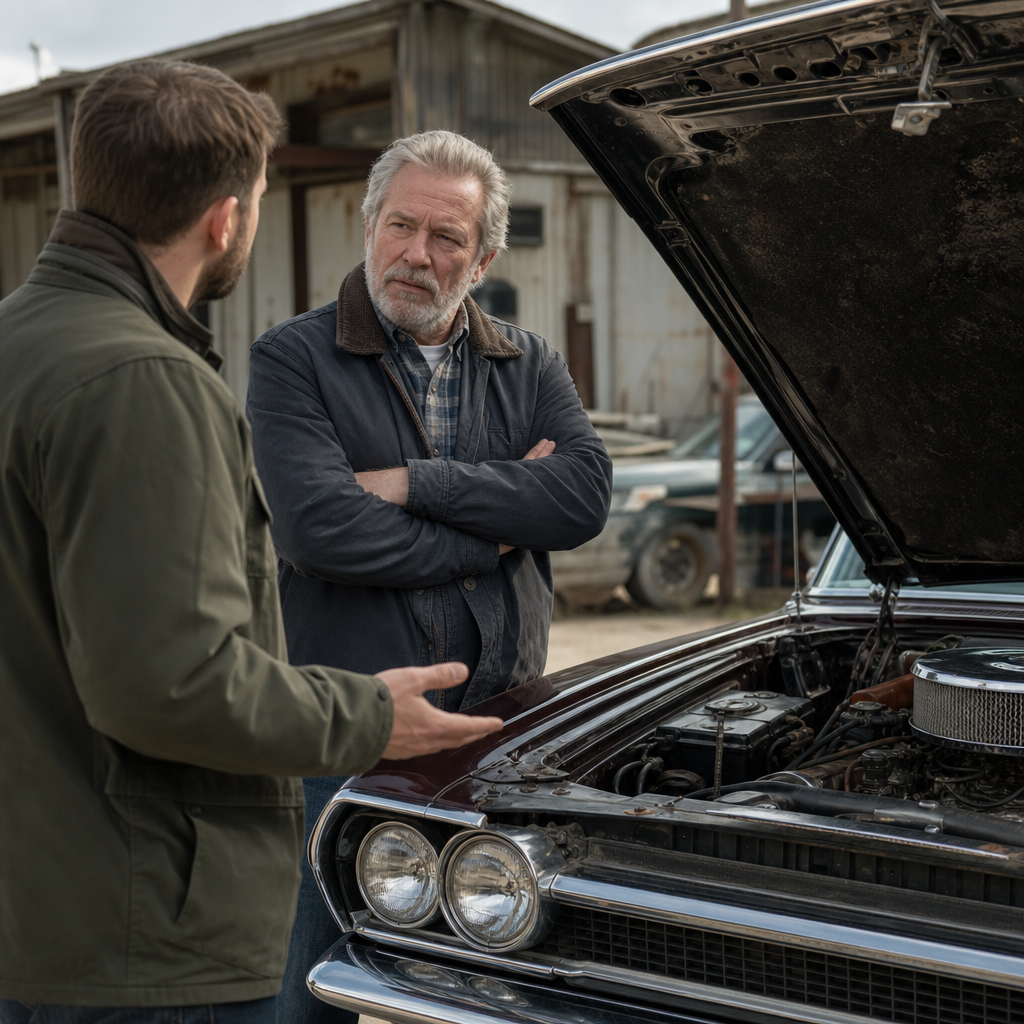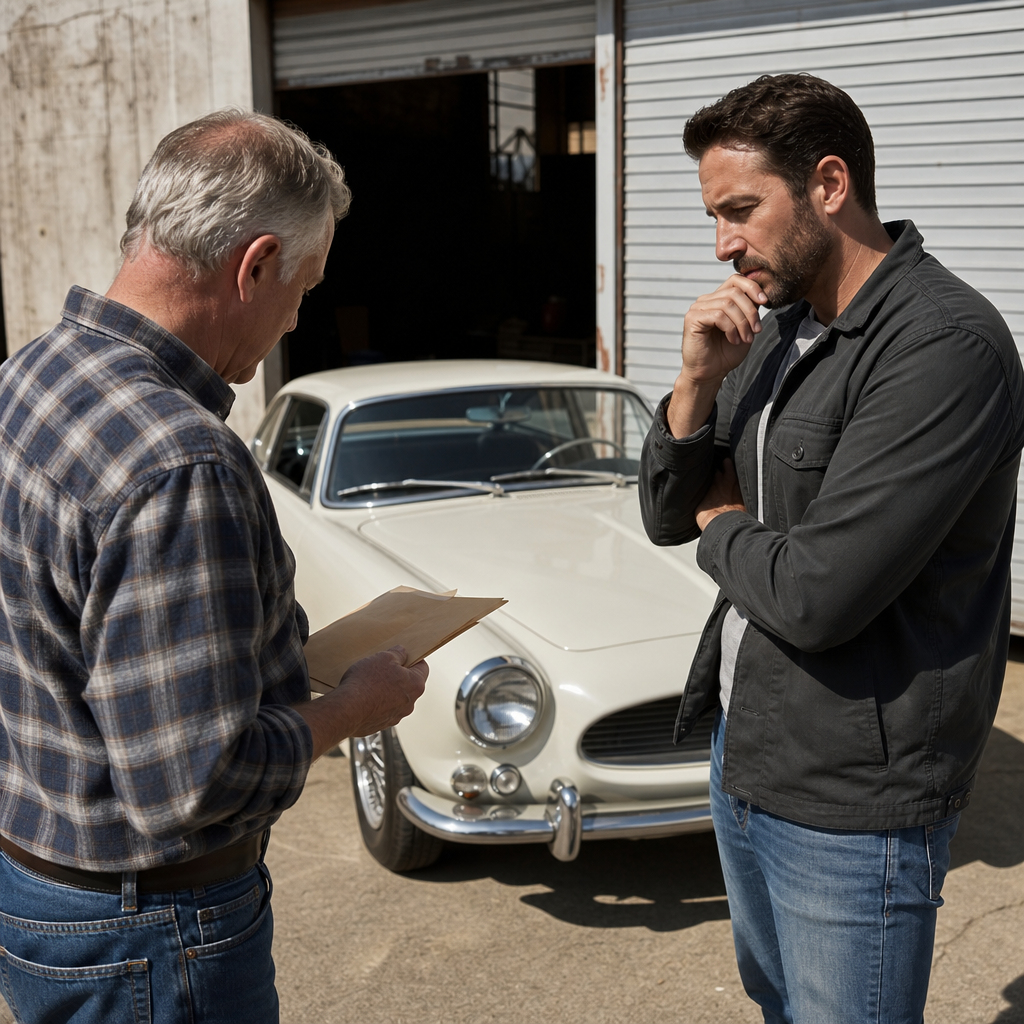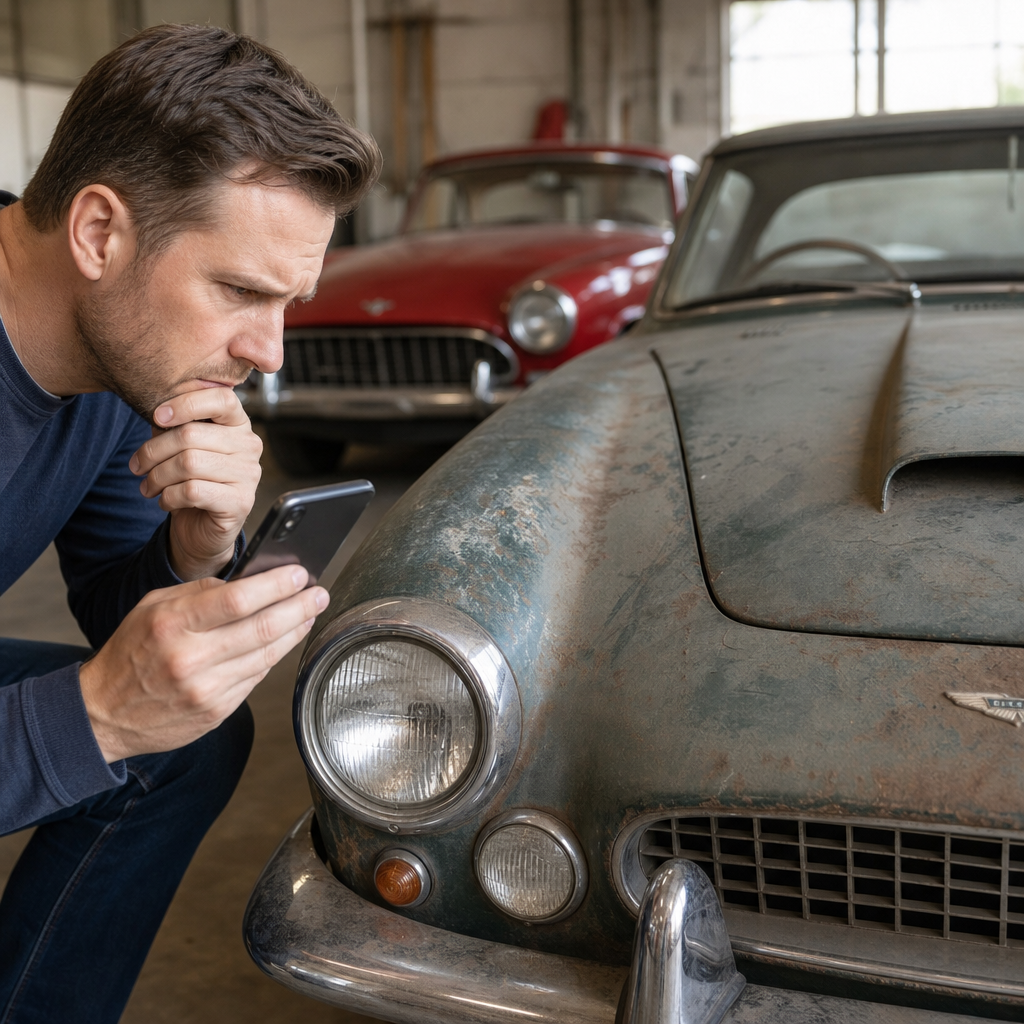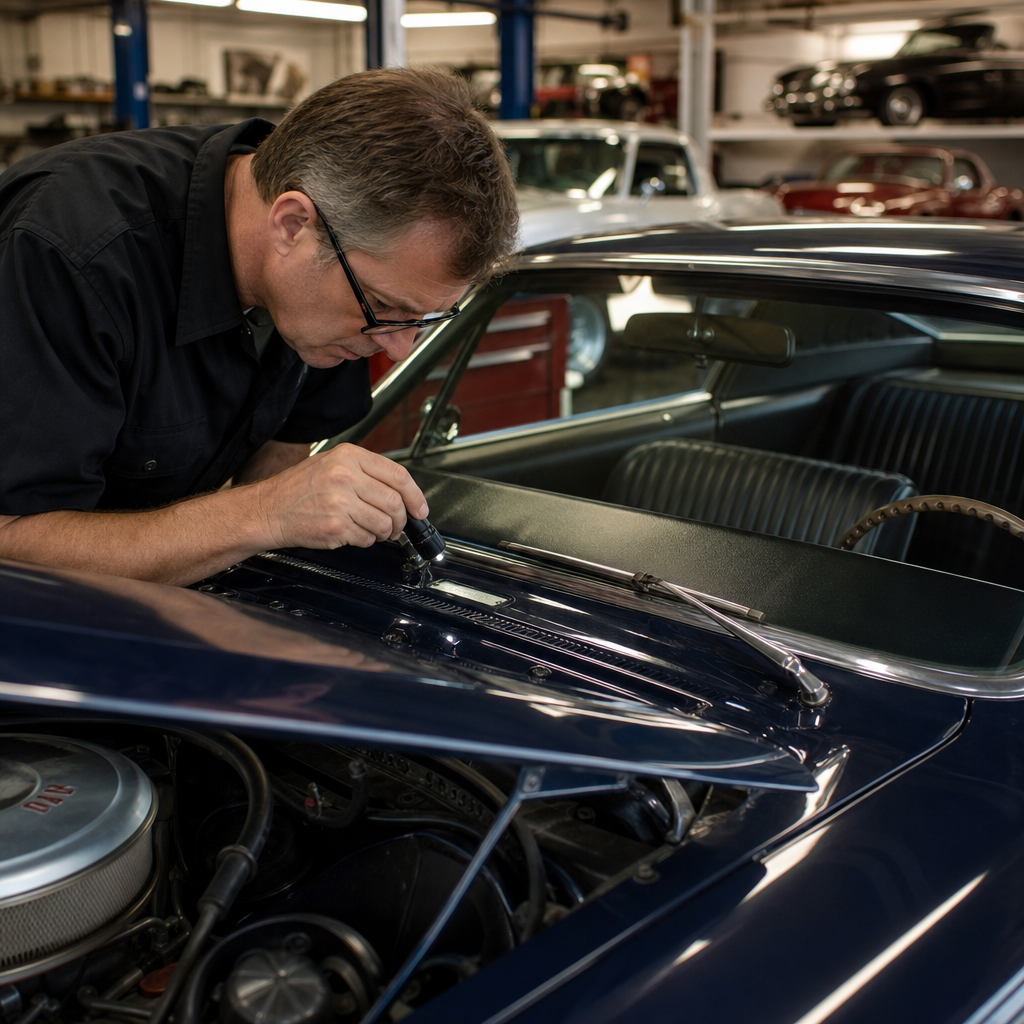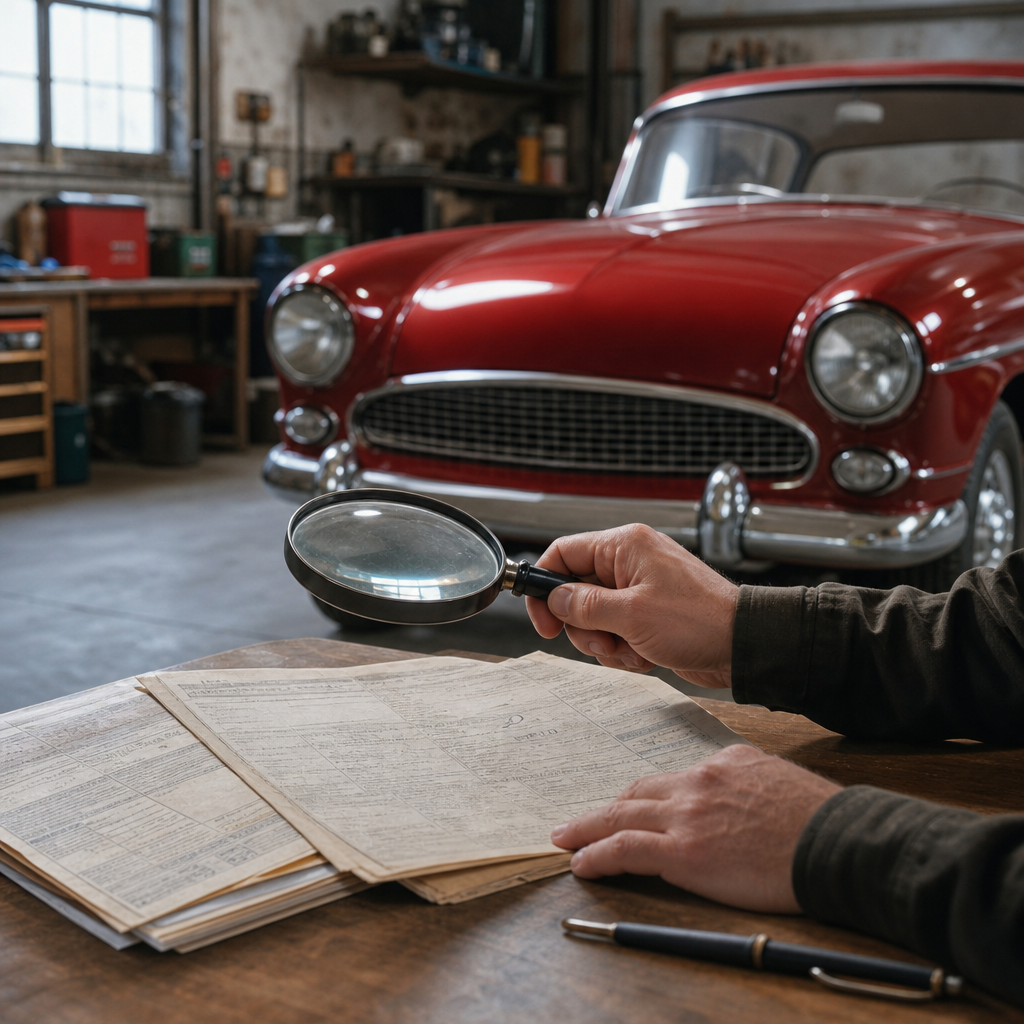
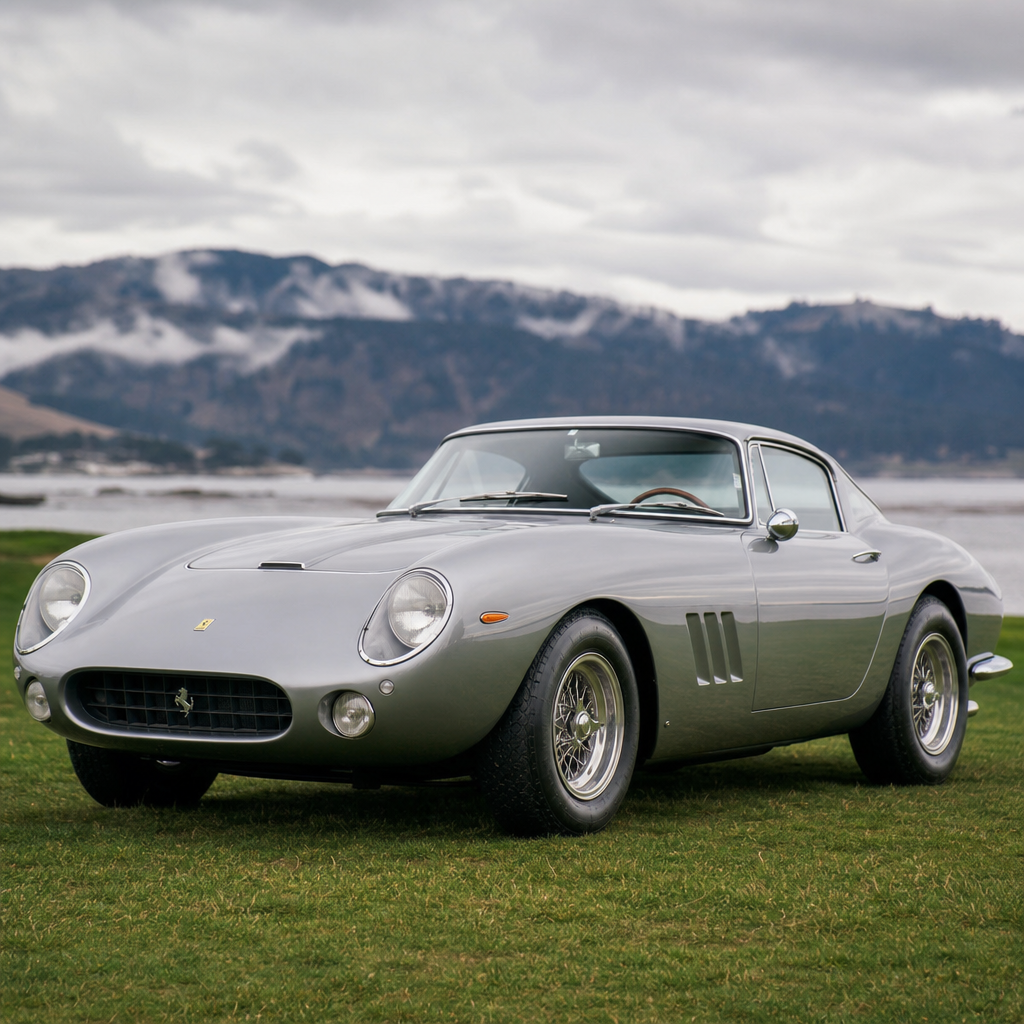
Rarity influences classic car value because collectors do not simply buy transportation; they buy scarcity, provenance, and the chance to own something few others can. In the classic car market, rarity means limited supply, but it also means specific combinations of body style, engine, trim, color, documented history, and survival rate. A model may have been built in large numbers overall yet remain genuinely rare in the exact specification buyers want today. That distinction matters when pricing and valuation move from guidebook estimates to real transaction numbers.
After years of appraising and marketing collector cars, I have seen sellers overprice common cars just because they are old, and I have seen underinformed buyers miss exceptional cars because they focused only on headline production totals. Classic car pricing and valuation work best when rarity is treated as one factor within a wider framework that includes condition, authenticity, demand, restoration quality, ownership history, market timing, and documentation. This hub explains how rarity affects value, how to measure it correctly, and how buyers and sellers can use it without falling for myths that distort asking prices.
Why does this matter? Because a small misunderstanding can mean a five-figure pricing error. Insurance agreed values, auction reserves, dealer acquisition offers, estate planning, financing, and private-party negotiations all depend on sound valuation logic. Price guides such as Hagerty Price Guide, Collector Car Market Review, and auction databases from RM Sotheby’s, Mecum, Gooding, and Bonhams are useful starting points, but they do not replace detailed vehicle-specific analysis. The cars that outperform guides usually do so because the market recognizes a rarer, more desirable story than the generic category suggests.
Classic car pricing and valuation also sit at the center of buying and selling decisions across the collector market. A buyer wants to know whether rarity justifies a premium. A seller wants to know whether that premium is real, sustainable, and supported by evidence. This article serves as the central guide to that process, showing how rarity shapes value, when it matters most, and how to connect it with condition grading, comps, documentation, and buyer demand to reach defensible numbers.
What Rarity Really Means in Classic Car Pricing & Valuation
Rarity is often oversimplified as low production volume, but experienced valuers separate production rarity from market rarity. Production rarity refers to how many units left the factory. Market rarity refers to how many desirable examples are actually available to buy in a given period. Those are not the same thing. A limited-production car can trade frequently if many owners treat it as an investment-grade asset, while a mass-produced model can become hard to source if rust, attrition, modifications, and neglect have wiped out original examples.
Take the first-generation Ford Mustang as an example. Overall production was enormous, so a standard six-cylinder coupe is not rare in a value-enhancing sense. Yet a factory K-code Hi-Po convertible with correct drivetrain, desirable colors, and verified paperwork is rare where it counts: in the present market. The same principle applies to Chevrolet Chevelle SS models, Porsche 911 variants, air-cooled Mercedes-Benz SLs, and Jaguar E-Types. The exact specification determines whether rarity produces a price premium.
Valuation professionals also look at survival rate, not just build count. If 5,000 examples were made but only a few hundred remain in correct, restorable, or showable condition, the effective supply is much lower. Registries, marque clubs, factory records, and specialist forums help establish this. I regularly compare known registry numbers with recent auction appearances because it reveals whether a supposedly rare car is truly scarce or simply marketed that way.
Another critical point is that rarity alone does not guarantee demand. Many obscure cars are rare because few buyers cared enough to preserve them. Value rises when rarity overlaps with desirability, usability, historical significance, motorsport pedigree, or strong brand recognition. A rare trim on an unloved economy car may have a modest niche following, while a rare homologation special from BMW, Ferrari, Porsche, or Shelby can command dramatic premiums because demand is global and persistent.
How Buyers, Sellers, and Appraisers Measure Rarity
To measure rarity accurately, start with factory production data. Manufacturer archives, club registrars, and model experts can often verify totals by year, body style, engine, transmission, and destination market. Then narrow further. Matching-numbers status, factory options, special-order paint, limited-slip differential, performance packages, and low documented ownership can all affect scarcity within a model line. On high-value cars, build sheets, Kardex records, heritage certificates, and original window stickers become pricing evidence, not just memorabilia.
The second step is comp analysis. A classic car valuation should compare sold examples, not optimistic asking prices. Auction hammer prices, dealer sales where verifiable, and private sales reported by market participants tell you what buyers actually paid. I place more weight on recent sales of cars with similar condition, originality, and documentation than on older headline results achieved during a stronger or weaker market cycle. A rare car with only one public sale every two years requires broader judgment, but the same principle applies.
Condition grading remains essential because rarity multiplies value only when the underlying car is credible. A concours-restored example, a highly original survivor, and a driver-quality car can all be rare, yet their values differ substantially. Standards used by Hagerty, concours organizations, and specialist appraisers help create consistency. Rust repair quality, panel fit, interior correctness, engine bay details, and evidence of sympathetic preservation versus over-restoration all matter in pricing.
Documentation supports the premium. Service invoices, restoration photos, ownership history, judging sheets, and expert verification reduce buyer uncertainty. In my experience, uncertainty always compresses value. Sellers often assume a rare drivetrain or factory package is obvious, but if they cannot prove it, prudent buyers discount it. Especially with muscle cars, where cloning and rebody concerns exist, authentication by a recognized marque expert can be worth far more than its cost.
| Valuation factor | What it measures | Why it changes price |
|---|---|---|
| Production numbers | Total built by model, year, and specification | Establishes baseline scarcity |
| Survival rate | How many authentic examples likely remain | Reflects real supply, not historical supply |
| Condition grade | Mechanical, cosmetic, and structural quality | Determines whether rarity earns top-tier money |
| Originality | Matching numbers, finishes, factory components | Authentic cars draw stronger bidding |
| Documentation | Build records, ownership history, restoration proof | Reduces risk and supports premiums |
| Demand strength | Buyer interest by model and segment | Rarity matters only when buyers care |
When Rarity Adds Major Value and When It Does Not
Rarity adds major value when it aligns with an existing collector narrative. Performance variants, homologation models, limited-production coachbuilt cars, first-year or last-year examples, and cars with important racing or celebrity history tend to benefit most. Consider the difference between a standard Porsche 911 SC and a 911 Carrera 2.7 MFI, or between a regular Mercedes-Benz 190E and a 190E 2.5-16 Evolution model. Both examples show that scarcity tied to engineering significance and enthusiast demand creates outsized valuation effects.
Muscle cars demonstrate this clearly. A 1969 Camaro coupe is desirable, but a documented COPO 9561 or ZL1 occupies an entirely different pricing universe. The premium does not come from age; it comes from a rare specification that collectors understand and actively pursue. Similarly, among Mopars, Hemi-powered cars and certain Six Pack or four-speed combinations regularly outperform more common variants because buyers recognize the historical and performance importance attached to those configurations.
By contrast, rarity does not add much value when the car lacks buyer depth, parts support, or broad recognition. I have appraised uncommon sedans and low-production luxury trims that remain difficult to sell because very few collectors seek them out. They may be rare in numerical terms, but the market is thin, so valuation remains modest. In those cases, rarity can make a car interesting without making it expensive.
There is also a threshold where condition overwhelms rarity. An extremely rare car with severe corrosion, missing original components, poor repairs, or title problems may still be worth less than a more common but excellent car. Restoration feasibility matters. If a rare model requires impossible-to-source trim, expensive coachwork reconstruction, or non-existent mechanical parts, the cost to bring it back can cap the premium. Smart buyers calculate total acquisition plus restoration cost before accepting the rarity story.
Originality, Provenance, and the Premium for the Right Example
Among cars that are already rare, originality often separates good value from exceptional value. Collectors consistently pay more for matching-numbers drivetrains, original colors, factory spot welds, date-coded components, and unrestored details that verify authenticity. This is especially true in categories where fakes exist, including big-block Corvettes, Boss Mustangs, Hemi Mopars, and competition-derived European sports cars. A rare car that remains fundamentally as built carries a trust premium because buyers know exactly what they are getting.
Provenance is the second amplifier. Ownership by a notable figure, participation in a significant race, inclusion in a respected collection, or class awards at events such as Pebble Beach, Amelia, or marque-specific concours can materially affect value. Provenance is not celebrity gossip; it is market evidence that the car has been vetted, preserved, and recognized. I have seen two nearly identical cars sell far apart simply because one came with an unbroken paper trail and the other did not.
However, restoration quality introduces nuance. A top-level restoration by a recognized specialist can raise value dramatically, particularly when a rare car was too far gone to preserve. Yet over-restoration can hurt certain segments. Survivor-focused buyers may prefer original finishes, factory imperfections, and documented wear over glossy, incorrect detailing. The highest value depends on what the market segment rewards. Prewar concours buyers, muscle car judges, and preservation-class enthusiasts do not all define excellence the same way.
For buyers and sellers, the practical lesson is straightforward: rare cars need strong files. Gather certificates, photos, invoices, stampings, judging records, and correspondence from previous owners. If originality is partial rather than complete, disclose that clearly. Transparency supports value better than exaggerated claims. In every serious transaction I have handled, the best outcomes came when the evidence package was as persuasive as the car itself.
Using Market Data to Price Rare Classic Cars Correctly
Pricing rare classic cars correctly requires balancing hard data with informed interpretation. Start with recent comparable sales, then adjust for rarity, documentation, color, options, originality, and timing. If no exact comp exists, move outward to similar models in the same brand hierarchy and buyer segment. For example, when valuing a rare Alfa Romeo or Aston Martin variant with sparse public sales, I compare not only direct comps but also adjacent models that attract the same collectors and compete for the same discretionary budgets.
Auction results need context. A record price may reflect two determined bidders, superior provenance, or a major event atmosphere. A disappointing result may reflect poor cataloging, weak presentation, or a sale held in a soft season. Private treaty deals can be equally instructive if you can verify them. Dealers who specialize in one marque often know where the market really is, especially for rare cars that trade quietly before reaching public auction.
Sellers should avoid the common mistake of anchoring to the highest result ever achieved. Buyers should avoid the opposite mistake of citing a compromised sale as the true market level. The right classic car valuation considers median behavior and then applies justified premiums or discounts. If your car is one of a handful with verified factory options and exceptional documentation, a premium is defensible. If it needs sorting, has replacement components, or lacks proof, the market will not pay full rarity money.
As a hub within buying and selling classic cars, this topic connects directly to inspections, negotiation strategy, auction planning, title verification, storage, and insurance. Rarity shapes every one of those decisions, but it works best when treated as evidence, not magic. Study production data, verify authenticity, compare sold examples, and assess demand honestly. If you are buying or selling, build your valuation from facts first, then let rarity refine the number. That approach protects capital, improves negotiations, and leads to smarter collector-car decisions.
Frequently Asked Questions
What does “rarity” actually mean in the classic car market?
In the classic car world, rarity means much more than a low production total. It refers to how difficult it is to find a particular car in the exact form collectors value most. That can include a specific body style, engine option, factory transmission, trim level, paint color, interior combination, special package, or even a car with known ownership history and complete documentation. A vehicle might have been produced in relatively high numbers overall, yet still be rare if only a small percentage were built with the most desirable features.
Rarity also depends on survival rate. Some classic cars were common when new but became scarce because many were raced, modified, wrecked, rusted away, or simply not preserved. As a result, the number that still exists today in original or correctly restored condition may be far lower than factory production records suggest. That is why serious buyers look beyond brochure numbers and ask a more precise question: how many examples like this one are actually available now?
In practice, true rarity combines limited supply, documented authenticity, and collector demand. A rare car that nobody wants will not necessarily command a premium, but a rare version of an already desirable model often does. That is the key distinction. In valuation, rarity matters most when it intersects with strong enthusiasm, historical significance, and confidence that the example being offered is genuinely what it claims to be.
Why can one version of a common classic car be worth far more than another?
This happens because collectors do not value all examples of a model equally. Broad model recognition helps, but the market usually rewards the right specification. For example, a car may have been sold in large numbers overall, yet a high-performance engine, a limited-production convertible body, a factory four-speed, or a rare original color can separate one example from the rest. Those details often represent the difference between a pleasant classic and a highly sought-after collector car.
Originality and documentation also play a major role. If two cars look similar at first glance, but one has matching numbers, factory paperwork, known ownership history, and verifiable options, that car often commands a substantially higher price. Buyers pay for certainty. They want confidence that the vehicle is not simply restored to resemble a rarer version, but was actually born that way. That level of authenticity matters especially in segments where specification-sensitive buyers are willing to compete for the best cars.
Condition adds another layer. A rare specification in poor condition may still be valuable, but an accurately restored or well-preserved example usually attracts the strongest money. In other words, value is rarely determined by model name alone. It is driven by the specific combination of rarity, desirability, provenance, originality, and condition. That is why two cars from the same year and model line can end up with dramatically different market values.
Does rarity always increase a classic car’s value?
No. Rarity is powerful, but it is not automatically valuable on its own. A car can be rare because few were built, yet still have limited demand if collectors do not find it attractive, historically important, enjoyable to drive, or culturally significant. The market rewards scarcity when buyers actively want what is scarce. Without demand, rarity can remain more of a trivia point than a value driver.
This is why the best way to think about rarity is as an amplifier rather than a guarantee. When a car already has a strong following, limited availability can push values considerably higher because multiple buyers are competing for very few good examples. That competition creates pricing strength. By contrast, if a car is obscure and has a thin collector base, even genuine rarity may not generate major premiums because there are not enough motivated buyers chasing it.
The most valuable classics usually combine several qualities at once: rarity, performance, design appeal, historical importance, proven provenance, and strong market recognition. A low-production car with weak support, poor parts availability, or little collector interest may struggle despite being hard to find. So while rarity matters enormously, it works best when paired with desirability. In valuation terms, scarcity gets attention, but demand determines how much that attention is worth.
How do provenance and documentation affect the value of a rare classic car?
Provenance and documentation can have a major effect because they help prove that a rare car is genuinely rare in the way the seller claims. In the classic car market, the more special the vehicle, the more carefully buyers examine its identity. Build sheets, original invoices, window stickers, ownership records, factory certifications, restoration photos, service history, and period registrations all help establish authenticity. These records reduce uncertainty, and reduced uncertainty usually supports stronger pricing.
Provenance can also add a second layer of desirability beyond production rarity. A car with a known original owner, notable collector history, celebrity ownership, competition background, or a well-documented place in automotive history often attracts added interest. Collectors are not just buying sheet metal and mechanical parts; they are buying a story they can verify. When that story is compelling and well supported, it can elevate a car above otherwise similar examples.
This is especially important because rare classic cars are often cloned, re-stamped, or inaccurately represented. Documentation helps protect buyers from overpaying for a car that merely resembles a valuable specification. In practical terms, provenance creates confidence, and confidence drives bidding. Two equally rare cars may not bring equal money if one has airtight records and the other has unanswered questions. In many cases, documentation is what transforms rarity from a claim into a premium.
How should buyers evaluate rarity when estimating a classic car’s market value?
Buyers should start by looking beyond total production numbers and focusing on the exact specification of the car in front of them. That means verifying year, body style, engine, transmission, trim, options, color combination, and whether those features are factory-correct. It also means understanding how many comparable examples are believed to survive today, not just how many were built originally. A car may sound rare in theory, but the real market question is how often equivalent examples appear for sale and how collectors respond when they do.
The next step is to compare the vehicle against actual market evidence. Auction results, private sales data, marque experts, registries, and specialist dealers can help reveal whether a particular configuration consistently earns a premium. Buyers should pay close attention to condition and originality during this stage. A rare specification does not erase the impact of rust, poor restoration work, missing original components, or questionable authenticity. In fact, the rarer the car, the more damaging those issues can be because top-tier buyers tend to be highly selective.
Finally, buyers should evaluate rarity in context, not isolation. Ask whether the car is rare in a way the market truly values. Ask whether it has documentation to support that claim. Ask whether the collector base is broad and active enough to sustain strong prices over time. The best valuation decisions come from combining rarity with desirability, provenance, originality, and recent sales behavior. That approach produces a far more accurate estimate than relying on production figures alone.