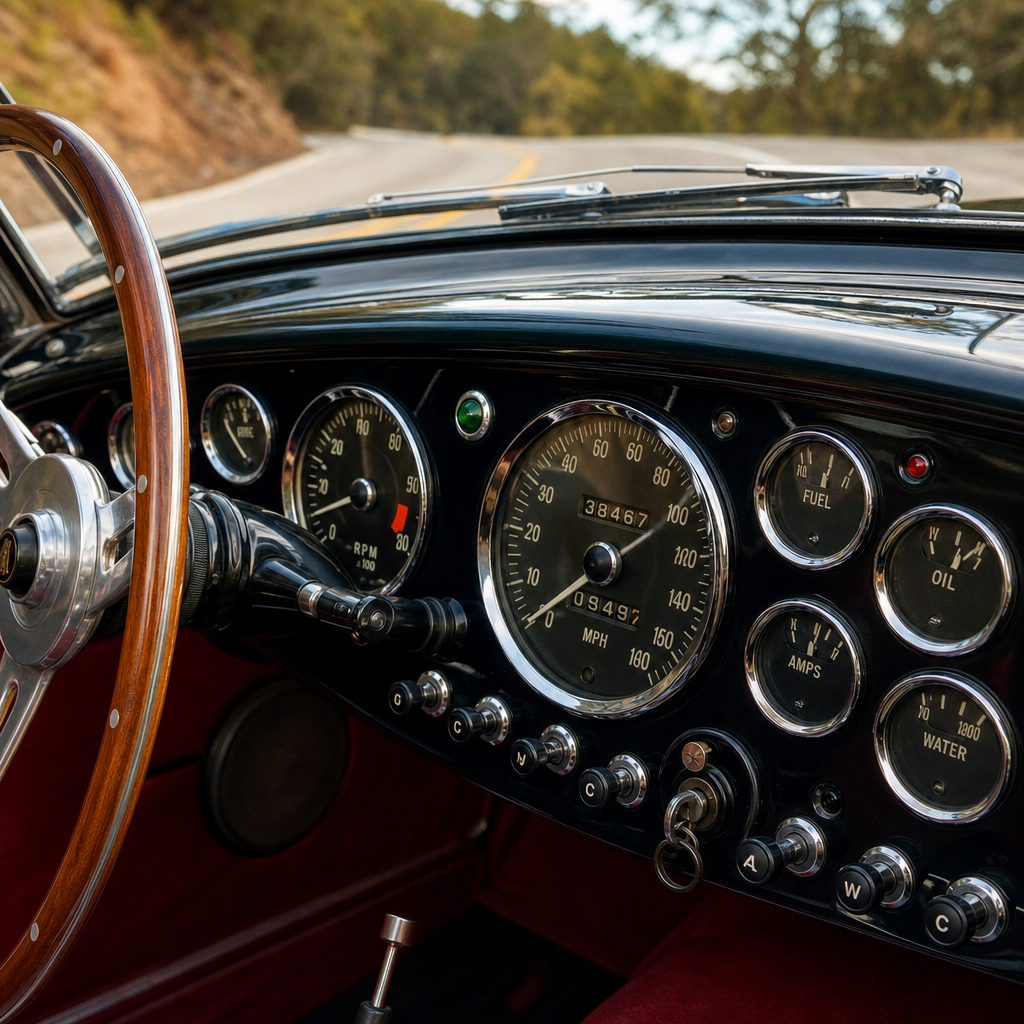
Mileage shapes classic car pricing, but not in the simple way buyers learn from modern used-car guides. In the collector market, odometer readings are only one signal inside a broader valuation framework that includes originality, documentation, rarity, condition, restoration quality, provenance, and model-specific buyer expectations. I have priced and reviewed enough vintage cars to see the same pattern repeatedly: a low-mileage car can be overvalued if it sat neglected for decades, while a higher-mileage example with documented maintenance, factory finishes, and known ownership can sell faster and for more money. Understanding how mileage impacts classic car pricing is essential for anyone buying, selling, insuring, or appraising a collectible vehicle.
For classic car pricing and valuation, mileage means the recorded distance shown on the odometer, but that figure must be interpreted carefully. Older five-digit odometers roll over at 99,999 miles, many cars have had gauges replaced during restoration, and some periods of vehicle history are poorly documented. Appraisers therefore separate actual miles, believed actual miles, mileage exempt status, and total mileage unknown. Each label affects value differently. A desirable 1967 Chevrolet Corvette with 42,000 documented original miles and extensive records may command a meaningful premium over a similar car with unknown mileage, but only if the rest of the car supports the claim through wear patterns, date-coded components, and paper history.
This topic matters because mileage often influences first impressions, insurance values, auction estimates, and negotiation strategy. It also sits at the center of the wider discipline of classic car pricing and valuation. Sellers use mileage to justify premiums, buyers use it to argue discounts, and auction houses highlight it in catalog descriptions because it can move bids materially. Yet mileage is never a stand-alone answer. The best valuations balance the odometer with condition grading, restoration disclosures, market comps, and model norms. As a hub for classic car pricing and valuation, this guide explains where mileage matters, where it misleads, and how to connect it to the larger factors that determine fair market value.
Why mileage matters differently for classic cars
On a late-model commuter car, lower mileage usually signals less wear, lower risk, and a higher resale number. Classic cars behave differently because age itself creates deterioration. Rubber dries out, seals shrink, fuel systems varnish, brake hydraulics corrode internally, and paint can fail from storage conditions rather than use. That means a 12,000-mile car stored poorly may need more recommissioning than an 88,000-mile car driven regularly and serviced correctly. In practice, mileage affects classic car pricing most when it aligns with three things: strong originality, consistent records, and condition that matches the claimed use.
Model type also changes the importance of mileage. On preservation-grade cars, especially postwar sports cars, muscle cars, and limited-production luxury models, documented low mileage can create a serious premium because collectors value untouched interiors, factory finishes, and original driveline components. On prewar cars, brass-era vehicles, and many extensively restored cars, mileage carries less weight because odometer history is often unavailable and restoration resets much of what buyers are evaluating. A Pebble Beach-level restoration on a Duesenberg or Packard is priced primarily on authenticity, craftsmanship, and provenance, not whether the odometer shows 17,000 or 117,000 miles.
Buyer intent matters too. A concours-focused collector pays for originality and documented low use. A touring enthusiast may prefer a sorted driver with higher miles because they can enjoy it without fearing every extra mile will erase a fragile premium. I have watched this divide play out at auctions and private sales: the same Porsche 356 or Mercedes-Benz SL can attract preservation collectors at one price level and active drivers at another, with mileage acting as a filter for which buyer pool shows up.
How appraisers interpret mileage in classic car valuation
Professional appraisers rarely treat the odometer as a complete fact. They test whether the reading is credible, legally supportable, and economically relevant. The first question is classification. Is the mileage actual and documented through titles, registrations, service invoices, inspection records, and ownership continuity? Is it exempt because the state does not require mileage disclosure for older vehicles? Or is it unknown because evidence is insufficient? These distinctions appear in appraisal reports, insurance submissions, and auction descriptions because they directly affect buyer confidence.
Condition evidence comes next. On a true low-mileage car, wear should be coherent. Pedal pads, steering wheel texture, seat bolsters, door hinge sag, shifter markings, trunk mat wear, and glass date codes should tell a consistent story. Fastener marks around the dashboard can suggest odometer repair or replacement. Freshly restored interiors on a car advertised as highly original can weaken a mileage claim instead of strengthening it. I often compare the indicated miles with observable use on the brake pedal, driver seat springs, and switchgear because those areas are harder to fake convincingly than shiny paint.
Appraisers then compare the car to market comps. Price guides from Hagerty, Sports Car Market, and condition standards used by major auction houses help establish how much the market pays for mileage premiums in a given segment. For some air-cooled Porsche 911s, Ferrari V8s, and analog-era performance cars, the premium for ultra-low miles can be dramatic. For common 1950s sedans or fully restored pickups, the premium may be minimal. The valuation answer is never “low miles equals high value.” The real answer is “credible mileage shifts value according to model-specific demand.”
When low mileage increases value and when it does not
Low mileage increases value most strongly when buyers are paying for preservation rather than just usability. Think of a one-owner Buick Grand National with original paint, factory hoses, dealer paperwork, and 18,000 documented miles. The odometer reading supports the originality story, and the originality story supports the premium. The same principle applies to benchmark collector cars such as the Acura NSX, Toyota Supra Turbo, BMW E30 M3, and C4 ZR-1, where enthusiast buyers often reward unmodified, low-mileage examples because so many cars were driven hard, altered, or neglected.
However, low mileage does not automatically create value if inactivity caused deterioration. Cars that sit for long periods often need tires, belts, hoses, battery systems, fuel tank cleaning, injector or carburetor work, wheel cylinder rebuilds, master cylinder service, water pump inspection, and sometimes full engine resealing. On high-end European classics, deferred commissioning costs can reach five figures quickly. A 9,000-mile Jaguar XJS that needs a complete fuel system overhaul and cooling system work may be less desirable than a 65,000-mile example with detailed service records and a recent stack of invoices from a respected specialist.
There is also a threshold effect. Once a car moves beyond “remarkably low” mileage, other valuation factors may dominate. For example, the difference between 72,000 and 96,000 miles on a well-kept 1966 Ford Mustang coupe usually matters less than rust, body alignment, engine originality, trim completeness, and transmission specification. By contrast, the difference between 7,200 and 19,000 miles on an unrestored 1987 Buick GNX can materially affect auction value because buyers in that market segment actively chase near-time-capsule cars.
| Scenario | Mileage effect on price | Why the market reacts this way |
|---|---|---|
| Documented low-mile survivor | Strong premium | Originality, rarity, and confidence align |
| Low-mile car with long storage | Mixed impact | Recommissioning costs reduce the premium |
| Higher-mile car with full records | Stable value | Maintenance history can outweigh odometer stigma |
| Restored car with unknown mileage | Limited impact | Buyers price restoration quality over mileage |
| Rare homologation or halo model | Very strong premium for ultra-low miles | Collectors compete for benchmark examples |
Mileage, originality, and restoration quality
Classic car pricing and valuation works best when mileage is read alongside originality. Original paint, factory upholstery, matching-numbers drivetrains, date-coded glass, assembly markings, and untouched hardware can make a low odometer reading believable and valuable. If a seller claims 24,000 original miles on a 1970 Chevrolet Chevelle SS, buyers will look for consistent lacquer texture, correct overspray patterns, unworn trim, and documents tying the car together across decades. Without that supporting evidence, the mileage claim becomes a marketing line rather than a pricing factor.
Restoration complicates the picture. A frame-off restoration can make a car visually better than new, but it also erases many physical clues that support mileage. Once upholstery, carpet, gauges, and finishes are replaced, the odometer matters less because the car is being valued on restoration execution, parts correctness, and desirability. That is why many restored classics are marketed more effectively by emphasizing restoration receipts, photo documentation, and expert workmanship than by focusing on uncertain mileage. In valuation terms, restoration can compress mileage differences because buyers no longer have a pure survivor to compare.
That said, mileage can still matter after restoration if major mechanical components are known to be original and lightly used. A partially preserved Ferrari 328 with 31,000 verified miles and an older high-quality repaint may still outperform a fully redone car with 98,000 miles because the market rewards the combination of authenticity and modest use. The rule is straightforward: originality amplifies mileage value, while heavy restoration usually reduces mileage importance.
Documentation, verification, and common red flags
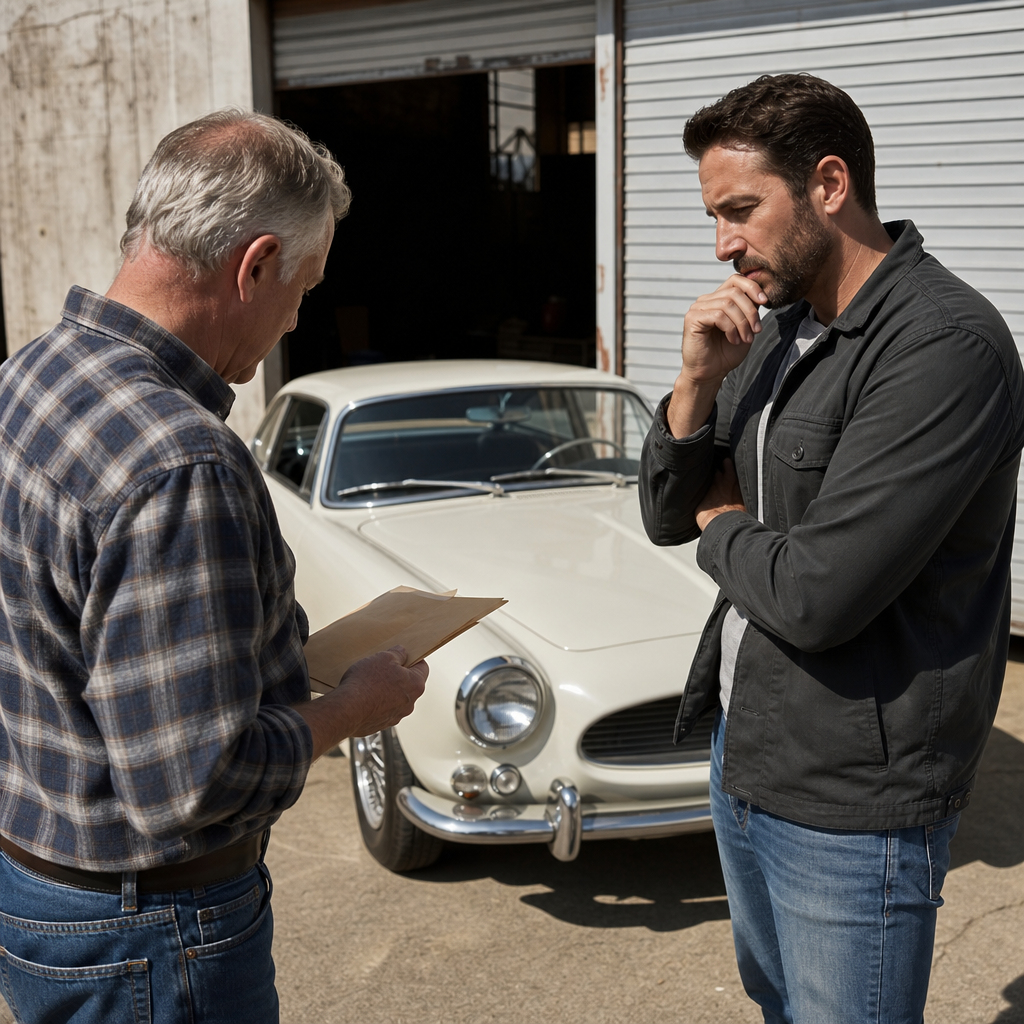
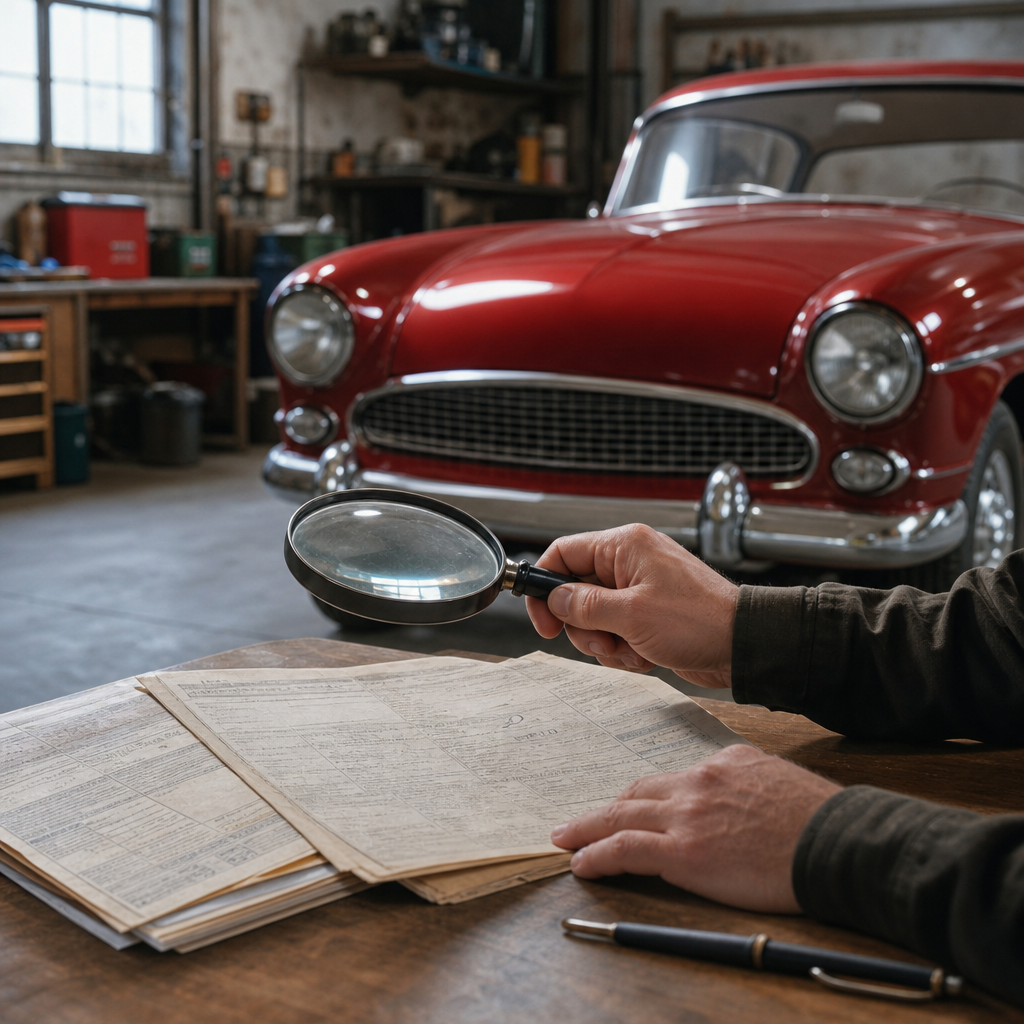
The strongest mileage premium comes from documentation. Original title chains, service books, warranty booklets, inspection stickers, emissions reports, registration cards, and dated invoices can establish a credible mileage timeline. Many successful sellers build a simple chronology showing the odometer at known points, then match those figures to service records and ownership changes. This method is especially persuasive on 1970s through 1990s classics because paperwork often survives and can be verified.
Red flags are common. An odometer reading that conflicts with wear patterns, a title marked exempt with no explanation, inconsistent mileage noted on old service invoices, or a replacement instrument cluster with no supporting records can all reduce confidence. Auction catalogs often use cautious phrases such as “shows 14,532 miles” or “believed to be original miles” because legal certainty may be impossible. Buyers should understand those phrases precisely. “Shows” means the odometer displays that number. It does not mean the seller can prove total actual mileage.
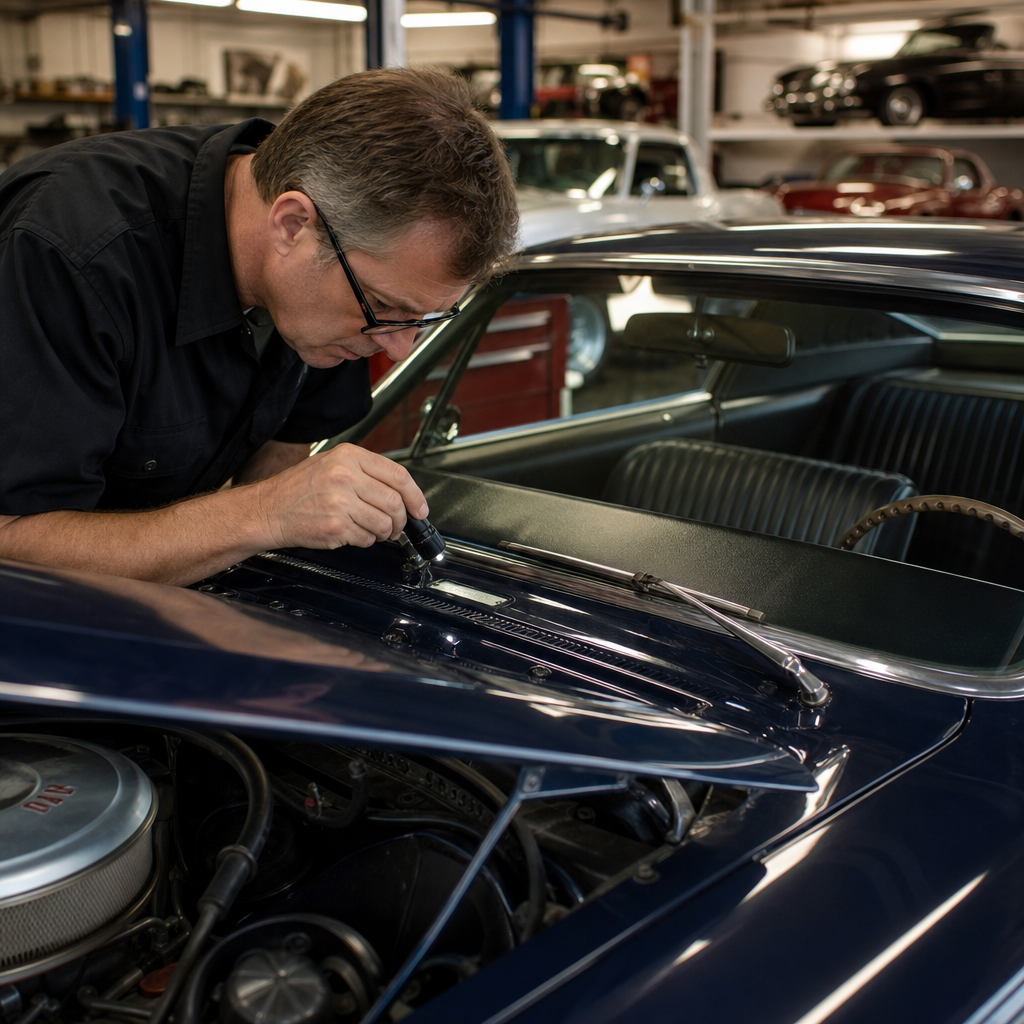
Verification tools help, but none are perfect. Vehicle history reports from Carfax are more useful for newer classics than for older ones, and they rely on reported events rather than complete life histories. Marque experts, club registries, production records, and factory certificates can add important context. For high-value cars, third-party inspections are worth the money. A knowledgeable inspector can identify replaced clusters, mismatched fasteners, inconsistent trim wear, and restoration work that obscures the mileage story. In many deals, that inspection changes the final price more than any glossy photo set ever could.
How mileage affects pricing by vehicle category
Not every collector segment prices mileage the same way. American muscle cars often reward documented low mileage, but engine specification, build sheet evidence, color combination, and authenticity of major components can matter even more. A numbers-matching Hemi or big-block car with average miles may outrank a low-mile small-block variant in overall value. On classic trucks and off-road vehicles, utility use is expected, so rust, drivability, and restoration quality often outweigh odometer readings unless the truck is a preservation-grade standout.
European sports cars usually show stronger mileage sensitivity, particularly from the 1970s onward. Air-cooled 911s, BMW M cars, Ferrari V8s, and Mercedes-Benz roadsters often trade on a clear spectrum where low, documented mileage earns a premium if service history is equally strong. Japanese performance icons from the 1980s and 1990s can be even more mileage-conscious because collectors prize originality and many surviving examples were modified. A stock, low-mile Mazda RX-7 Turbo or Nissan 300ZX Twin Turbo can attract outsized interest compared with a higher-mile example, even when both present well.
Prewar cars, brass-era cars, and many coachbuilt vehicles follow different rules. Their markets emphasize rarity, historical significance, concours eligibility, and provenance. On these cars, mileage is often impossible to verify and not especially relevant. Buyers care more about body builder, chassis history, restoration standards, event participation, and known ownership. Knowing the category helps you avoid forcing modern resale logic onto a collector car segment that values something else entirely.
Using mileage in buying, selling, and negotiating
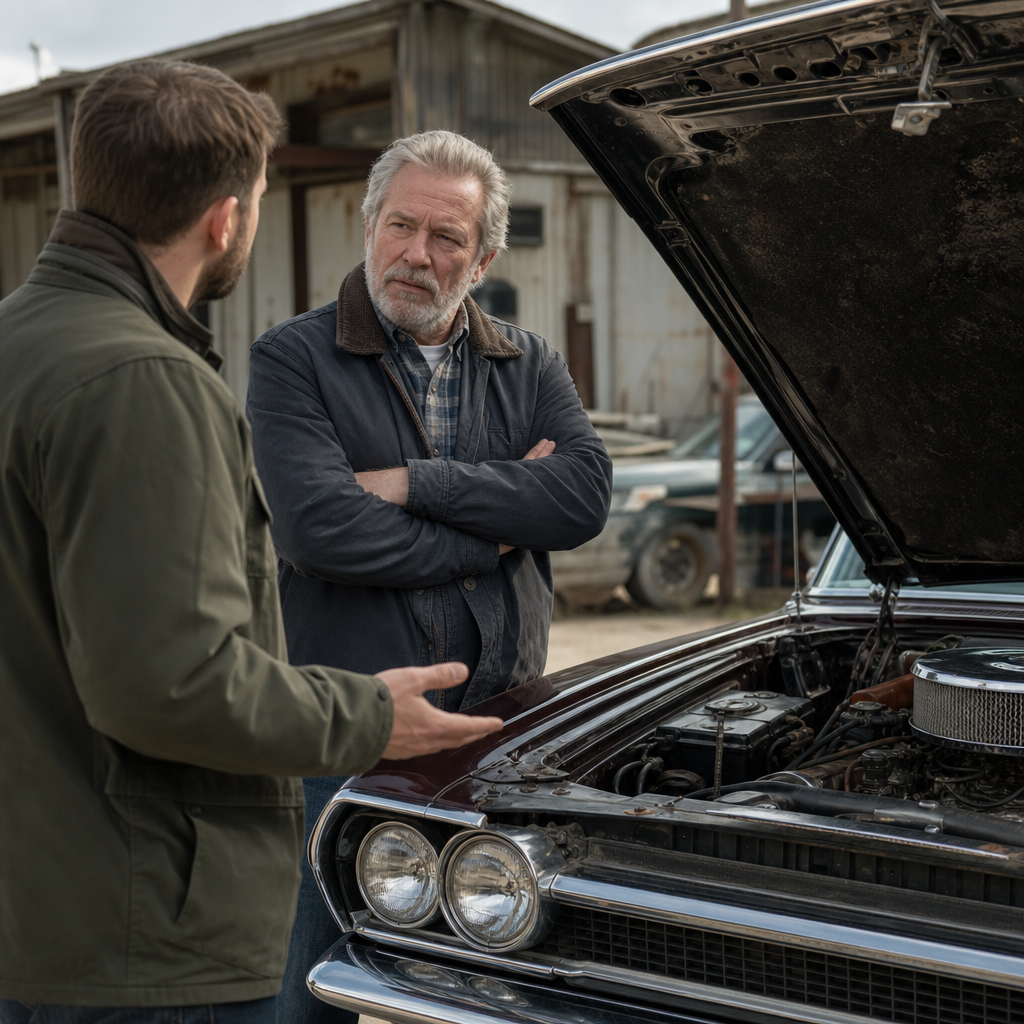
For buyers, mileage should guide questions, not end them. Ask whether the reading is documented, whether the title status supports the claim, what maintenance was performed during periods of storage, and whether the wear on the car matches the odometer. Then compare the asking price with recent public sales of similar-condition cars. If a seller wants a premium for low mileage, the proof should be equally premium. If the proof is thin, negotiate from the position that the car should be valued as mileage unknown or exempt.
For sellers, honesty and clarity protect value. If the mileage is documented, present the records in order and show detailed photos of the areas that reinforce the claim. If the mileage is exempt or unknown, say so directly and shift the sales narrative toward condition, originality, mechanical health, and restoration quality. Overstating mileage certainty damages trust and can kill a deal late in the process. In my experience, transparent listings convert better because serious buyers feel they are not being managed.
Negotiation often comes down to cost. A buyer may accept a low-mileage premium only after factoring in recommissioning, tires aged out by date code, timing belt intervals, or deferred fluid service. A seller of a higher-mile car can defend value with compression numbers, leakdown results, specialist invoices, and evidence of recent drivability. Mileage matters, but the market ultimately pays for confidence. The more completely you explain the car’s use, care, and condition, the more accurate the final price will be.
Mileage impacts classic car pricing by shaping buyer confidence, but it only works as a reliable value driver when supported by originality, records, and condition. That is the central lesson of classic car pricing and valuation. A low odometer reading can produce a meaningful premium on a documented survivor, especially in segments where preservation matters. The same low reading can mean very little on a heavily restored car or one damaged by long storage. Higher mileage is not automatically a discount, either. In many cases, a regularly driven, thoroughly serviced classic is the better car and the smarter purchase.
As the hub for classic car pricing and valuation, this topic connects directly to model-specific comps, condition grading, title status, restoration analysis, and negotiation strategy. Use mileage as one measured input, not the whole answer. Verify it, test it against visible wear, compare it with market data, and weigh it against mechanical history. That approach leads to more accurate appraisals, stronger listings, and fewer surprises after the sale.
If you are buying or selling a collector vehicle, review the records, inspect the wear points, and price the car based on evidence rather than assumption. That single step will help you value any classic car more confidently and more accurately.
Frequently Asked Questions
How much does mileage really matter when pricing a classic car?
Mileage matters, but in the classic car market it rarely works as a simple price multiplier the way it does with modern used cars. On a late-model daily driver, lower miles usually suggest less wear and a longer remaining service life. With classics, that logic only partly applies. Buyers, appraisers, and collectors look at mileage as one clue among many, and often not the most important one. A car with low miles may attract attention because it suggests limited use, but that number has to be supported by the car’s overall condition, maintenance history, originality, and documentation.
In practice, mileage has the most pricing power when it aligns with the rest of the story. If a car shows exceptionally low mileage and still retains its factory finishes, original interior, correct drivetrain components, and a well-documented ownership trail, that can create a meaningful premium. On the other hand, if the odometer reads low but the car has cracked seals, stale fluids, corrosion, tired paint, deferred maintenance, or replacement parts that do not match the claimed use, buyers become skeptical quickly. A high-mileage classic can also perform surprisingly well in the market if it has been consistently maintained, sympathetically restored, and preserved in a way that keeps it attractive and usable.
The real takeaway is that mileage influences value through context. It can strengthen a car’s appeal, but it does not override condition, provenance, rarity, restoration quality, or model-specific expectations. Some collectors will pay heavily for low-mileage originality, while others care more about drivability, authenticity, and documented mechanical health. That is why serious pricing decisions are never based on the odometer alone.
Can a low-mileage classic car still be worth less than a higher-mileage example?
Yes, absolutely, and this is one of the most common misunderstandings in collector car pricing. Low mileage sounds inherently valuable, but classics are old machines, and age creates risks that mileage alone cannot solve. A car that spent decades sitting unused may have a very attractive odometer reading, yet still need extensive recommissioning. Rubber components dry out, fuel systems varnish, seals harden, brake hydraulics fail, and corrosion can progress even when the car is barely driven. If that low-mileage car was stored poorly or neglected mechanically, buyers may discount it significantly despite the seemingly desirable number on the dash.
By contrast, a higher-mileage classic that was driven regularly, serviced correctly, and preserved with care can be a much stronger car in real-world terms. Consistent use often means fluids were changed, mechanical issues were addressed, and weak points were corrected before they became major failures. Many experienced buyers prefer a car with documented maintenance, honest wear, and strong drivability over a “time capsule” that looks good on paper but has been dormant for years. In some cases, the higher-mileage example is actually easier to own and less risky to purchase.
Value also depends on the type of buyer. A collector seeking a highly original survivor may still prioritize low mileage, even if some work is needed. But a buyer who wants a dependable show-and-drive car may assign more value to a sorted example with higher miles and extensive records. This is why pricing cannot be reduced to a mileage ranking. The market rewards the car with the better overall story, not just the lower number.
How do buyers verify whether the mileage on a classic car is accurate?
Verifying mileage on a classic car requires detective work because odometers on older vehicles are often limited, easy to replace, or not legally guaranteed in the same way as newer vehicles. Many classics have five-digit odometers, which means they roll over after 99,999 miles. That creates obvious uncertainty, especially on cars that are several decades old. Serious buyers do not simply accept the displayed reading at face value. They evaluate whether the claimed mileage is credible based on paperwork, wear patterns, component originality, and the car’s overall presentation.
Documentation is the strongest support for mileage claims. Service records, inspection receipts, registration history, ownership logs, and old title documents can help establish a timeline. If those records show a steady progression of mileage over many years, confidence rises. If a seller claims ultra-low miles but has no supporting documents, the market usually becomes cautious. Condition also has to match the claim. Pedal wear, steering wheel texture, seat bolsters, carpets, switchgear, door hinges, and driver’s controls often reveal whether a car has seen limited use or a long life on the road.
Experts also compare the odometer claim to details such as underbody wear, engine bay aging, restoration dates, replacement parts, and how much of the car still appears factory-correct. If a car claims 12,000 miles but has heavily worn interior surfaces and obvious non-original replacement components, buyers will question the story. For this reason, the strongest listings use careful wording such as “believed to be original miles” or “mileage shown” unless there is solid evidence. In pricing terms, verified mileage usually brings more confidence and sometimes a premium, while uncertain mileage often limits upside even if the number itself looks attractive.
Does mileage affect all classic cars the same way?
No, mileage does not affect every classic car equally. Its importance changes depending on the make, model, era, rarity, and the expectations of that specific segment of the market. For highly collectible, low-production, investment-grade models, especially those prized for originality, low documented mileage can have an outsized impact on value. In that corner of the market, buyers may pay a substantial premium for a car that remains close to factory specification and shows very limited use. Mileage helps support the idea that the vehicle is a preserved reference example rather than simply an older used car.
For more common classics, enthusiast drivers, or cars with a strong restoration culture, mileage may matter less than condition and execution. A well-restored muscle car, vintage truck, British roadster, or air-cooled coupe may trade primarily on visual quality, mechanical sorting, correctness, and documentation of work performed. In those cases, buyers often understand that older odometer readings are only part of the picture. They care more about whether the engine rebuild was done properly, whether the paint and bodywork are high quality, and whether the car drives as it should.
Model-specific norms are especially important. Some collector cars are expected to have seen active use, and the market does not punish mileage harshly if the car is honest and well kept. Others are valued precisely because so few untouched examples remain. That is why pricing should always be benchmarked against comparable sales of the same or closely similar vehicles. Looking at broad mileage rules without considering the model’s market behavior can lead to overpricing, underpricing, or unrealistic buyer expectations.
What is the best way to evaluate mileage alongside condition, originality, and restoration quality?
The best approach is to treat mileage as one layer in a complete valuation framework rather than the headline fact. Start by asking whether the mileage is documented, plausible, and consistent with the car’s visible condition. Then compare that reading to the factors that often drive value more strongly in the collector market: original paint and interior, matching-numbers driveline, factory-correct details, quality of restoration work, service history, ownership provenance, rarity, and desirability of the specific model. When all of those pieces agree with the mileage claim, the value picture becomes much clearer.
Next, separate originality from restoration. A low-mileage survivor and a restored higher-mileage car may appeal to different buyers and deserve different pricing logic. The survivor may command more because it preserves factory materials and authenticity, even if it has age-related flaws. The restored car may be worth strong money because it is visually impressive and mechanically ready, but not receive the same premium if too much original character has been replaced. Mileage helps define which category a car fits into, but it should not be used to blur the distinction between preserved originality and rebuilt condition.
Finally, judge the car against comparable examples that share the same market profile. A low-mileage car with weak documentation, cosmetic needs, and long-term storage issues should not be priced as if it were a pristine, fully documented benchmark car. Likewise, a higher-mileage example with excellent records, careful stewardship, and high-quality restoration work should not be discounted automatically. The smartest valuations come from balancing mileage with evidence, presentation, mechanical integrity, and buyer expectations for that exact model. In the classic car world, the odometer starts the conversation, but it should never finish it.