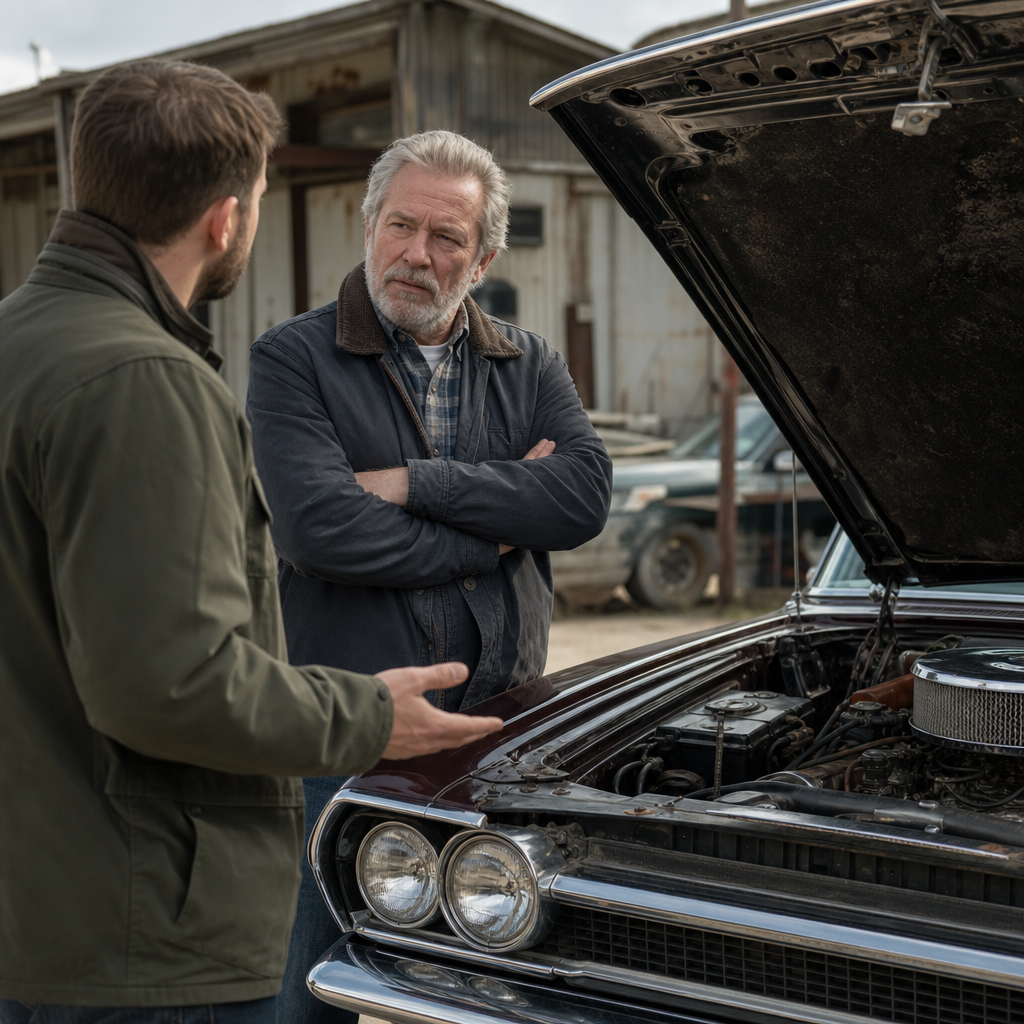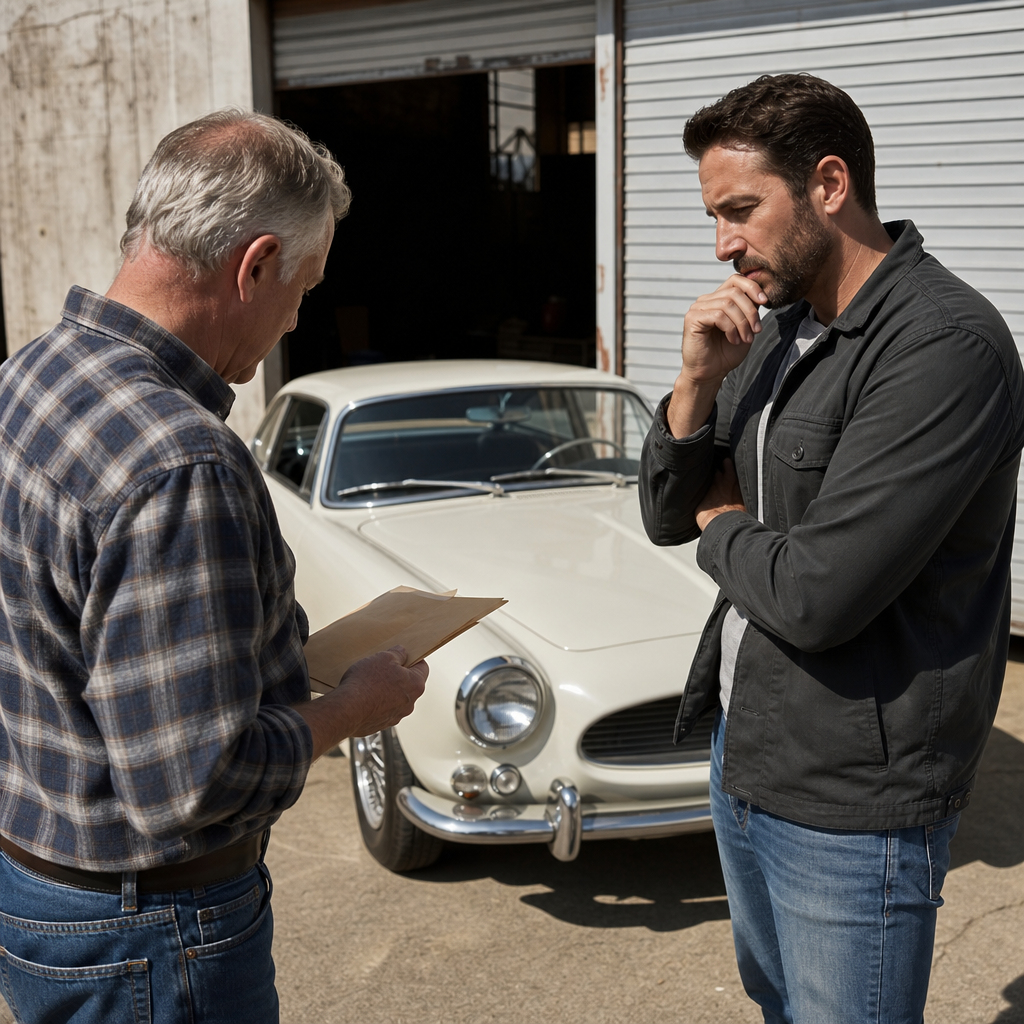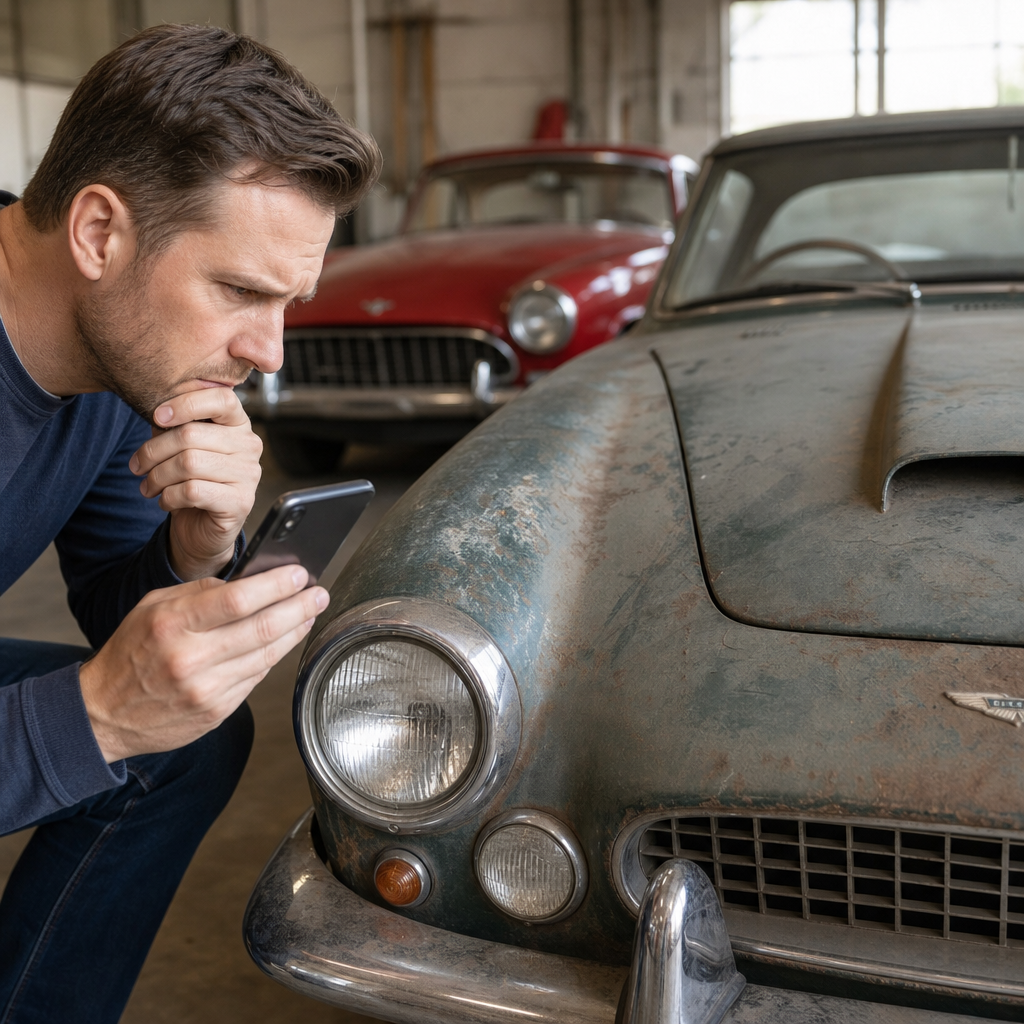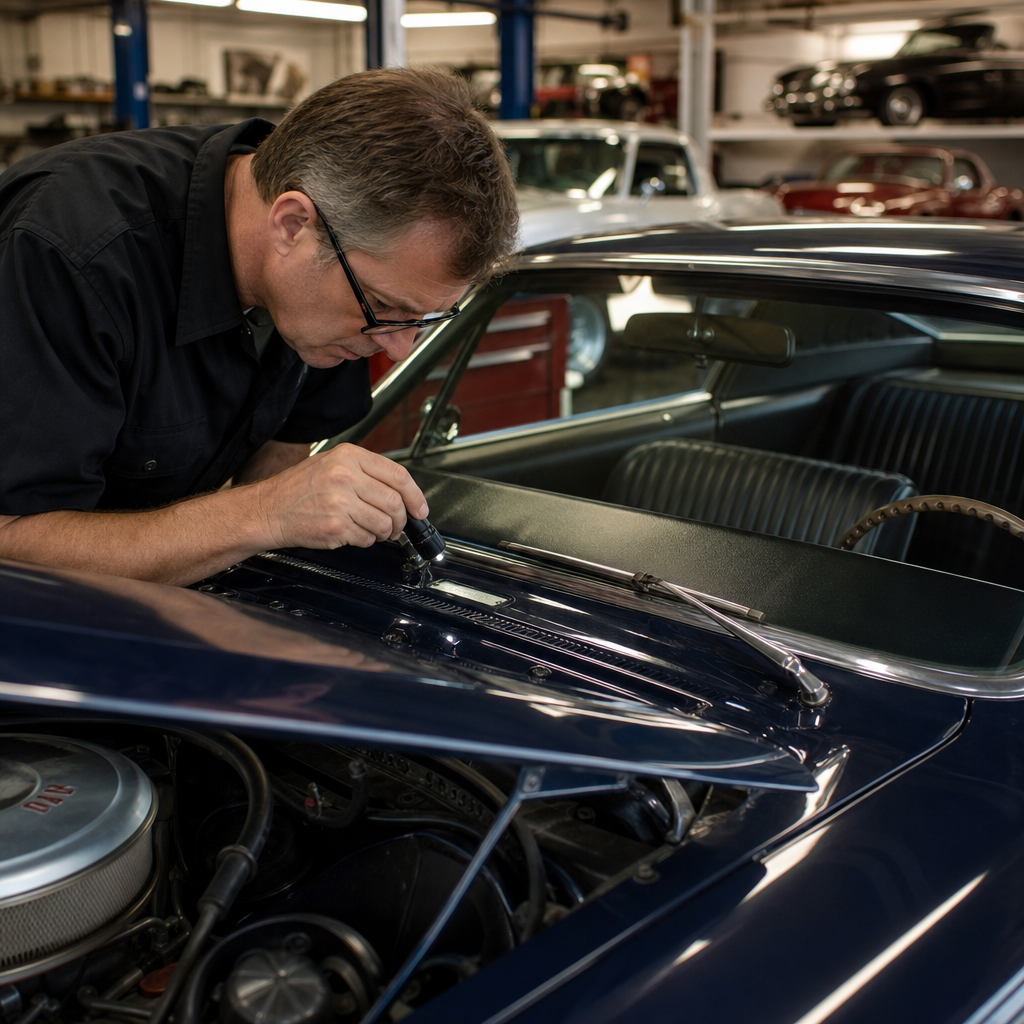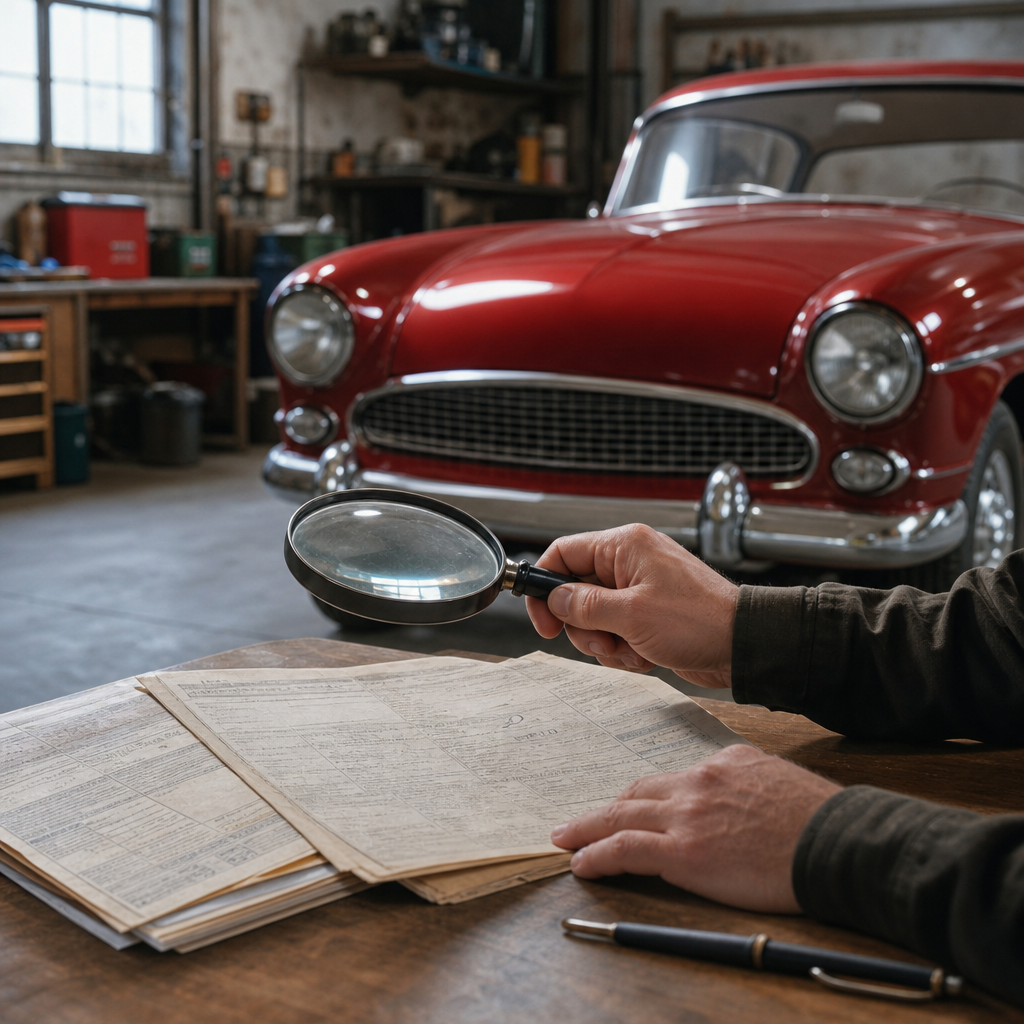
Classic car value rises or falls on condition more than any other factor, and after years of inspecting buyer cars, auction listings, and private-sale examples, I can say the market usually rewards details that casual owners miss. In classic car pricing and valuation, “condition” means far more than whether paint shines or the engine starts. It includes structural integrity, originality, quality of restoration, mechanical health, completeness, documentation, and how honestly the car presents. Two cars with the same year, make, model, and options can differ in price by tens of thousands of dollars because one has corrosion hidden under fresh undercoating while the other retains solid floors, matching numbers, and a documented rebuild. That gap is why anyone buying or selling a collector vehicle needs a disciplined understanding of condition before discussing asking price, insurance coverage, or negotiation strategy.
This topic matters because the classic market is emotional, but pricing is still evidence-based. Buyers often overpay for cosmetics and undervalue fundamentals such as body fit, chassis rust, cold-start behavior, and restoration receipts. Sellers make the opposite mistake when they assume money spent automatically becomes market value. It does not. A $40,000 restoration on a mid-level coupe may still produce a car worth $28,000 if workmanship is average, replacement parts are incorrect, or the market for that model remains soft. Conversely, an unrestored survivor with worn paint and a tidy interior can outperform a shiny repainted car if it retains factory panels, original drivetrain stamps, and service history. For a hub on classic car pricing and valuation, condition is the organizing principle because every later question—market comps, appraisal methods, timing, auction strategy, reserve setting, and negotiation—depends on an accurate condition assessment first.
Condition also affects liquidity, not just headline value. A car that is honestly described, mechanically sorted, and supported by photos and records attracts more serious buyers and closes faster. One with vague claims, inconsistent trim, and suspiciously fresh paint gets discounted for risk. That risk premium is real in every segment, from affordable British roadsters to blue-chip muscle cars and air-cooled European icons.
What “condition” really means in classic car pricing
In professional valuation, condition is best understood as a stack of categories rather than a single label. Price guides such as Hagerty Price Guide and Collector Car Market Review often use numbered tiers, but the useful work happens beneath those labels. I break inspection findings into five buckets: structure, exterior and trim, interior, mechanical systems, and authenticity. Structure comes first because rust, collision damage, weak frame rails, or poor metal repair are expensive and sometimes impossible to correct economically. Exterior and trim cover paint depth, panel alignment, chrome quality, glass date codes, weatherstripping, and whether brightwork has been replaced with incorrect reproduction pieces. Interior includes upholstery materials, dashboard condition, instrumentation, switchgear function, carpets, headliner, and odor, which can reveal moisture intrusion. Mechanical systems cover compression, oil pressure, cooling, braking, steering play, transmission behavior, and electrical reliability. Authenticity addresses matching numbers, correct finishes, factory options, and whether modifications help or hurt the intended buyer pool.
This framework matters because not all flaws carry equal financial weight. Faded lacquer on an otherwise solid 1967 Chevrolet Camaro can be a manageable cosmetic issue. Rotten cowl panels, patched torque boxes, and a swapped engine in the same car affect value much more. Likewise, a Porsche 911 with stone chips and worn seat bolsters may still command strong money if leakdown numbers are healthy, the gearbox shifts cleanly, and ownership records are continuous. Buyers pay for usable certainty.
Market participants also distinguish between original, preserved, restored, and restomod condition. Original cars retain factory materials and finishes, even with age-related wear. Preserved cars have been maintained sympathetically without losing character. Restored cars have undergone partial or full refurbishment, and their value depends heavily on standards and documentation. Restomods blend classic shells with updated drivetrains, suspension, or electronics; they can sell very well, but their pricing follows a different logic than stock examples because originality no longer anchors the number.
How buyers and appraisers grade a classic car
Most buyers need a fast way to connect condition to price, which is why condition grades remain useful. A top-tier car is usually concours-ready: excellent paint, correct finishes, detailed undercarriage, strong mechanical operation, and no meaningful excuses. The next tier is showable and highly usable, with minor wear visible on close inspection. Driver-quality cars look good from ten feet, start reliably, and can be enjoyed regularly, but they show age, older restoration work, or mixed originality. Project cars are incomplete, rusted, non-running, or in need of major systems work. The key point is that grading should reflect what the car is today, not what it could become after expense.
I have seen sellers describe a tired small-block Mustang as “excellent” because it received paint and seat covers. A proper grade considered the magnet test results on lower quarters, the bubbling around the rear window, the aftermarket carburetor, and the nonfunctional gauges. The market priced it as a mid-level driver, not a near-show car. Professional appraisers follow a similar logic, using inspection notes, comparable sales, and replacement cost data, but they still rely on observable condition more than owner sentiment.
Consistency between description and evidence is crucial. If a seller says “frame-off restored,” buyers expect photos of bare chassis work, invoices, and date-stamped progress records. If those records are absent, the phrase loses value. In classic car pricing and valuation, unsupported claims are not neutral; they reduce confidence and therefore reduce price.
The parts of condition that move value the most
Structural soundness usually has the biggest effect on classic car value because metal repair is labor intensive and often reveals hidden problems. On body-on-frame cars, inspect frame horns, mounts, trailing arm pickup points, and signs of kinks or heat straightening. On unibody cars, check floors, rockers, shock towers, trunk drops, and window channels. Rust in cosmetic areas hurts, but rust in load-bearing sections changes what the car is worth immediately.
Originality is the next major value driver, especially for high-demand American muscle, European sports cars, and limited-production models. Matching-numbers engines, original transmissions, correct carburetion or fuel injection systems, factory colors, and proper date-coded components all matter because they preserve historical integrity. A replacement service block in a big-block Corvette may not ruin enjoyment, but it can move the car into a lower pricing lane. Documentation amplifies originality; a Protect-O-Plate, build sheet, Kardex, or heritage certificate can add confidence that translates into dollars.
Restoration quality also separates average cars from premium cars. Good restoration work is consistent. Gaps are even, welds are clean, plating quality matches the car’s level, and mechanical systems are finished as carefully as visible panels. Poor restoration work often chases first impressions: glossy paint over wavy panels, heavy seam sealer, incorrect fasteners, over-restored engine bays, and interiors trimmed in materials the factory never used. Experienced buyers notice these shortcuts quickly.
| Condition factor | Why it matters | Typical effect on value |
|---|---|---|
| Structural rust or accident damage | Expensive to correct and may affect safety, alignment, and originality | Large negative adjustment, often the biggest single discount |
| Matching-numbers drivetrain | Supports authenticity and collectibility, especially on rare models | Moderate to major premium depending on model and documentation |
| High-quality restoration | Reduces immediate ownership costs and improves presentation | Premium if workmanship and records are verifiable |
| Mechanical sorting | Makes the car usable and lowers buyer risk | Steady premium; poor running condition causes sharp discounts |
| Complete records and provenance | Confirms mileage, ownership history, and major work performed | Premium through increased buyer confidence and faster sale |
Original survivor, restored example, or modified build?
Condition cannot be judged without context because the market values different types of cars differently. Survivors have become more respected over the past decade because untouched cars reveal how the manufacturer actually built them. Original spot welds, factory overspray patterns, date-coded glass, and worn but honest interiors are hard to fake. A survivor may show chips, checking, and patina, yet still bring stronger money than a restored equivalent if the model has a knowledgeable collector base. Think early Broncos, split-window Corvettes, and air-cooled 911s, where authenticity often outranks shine.
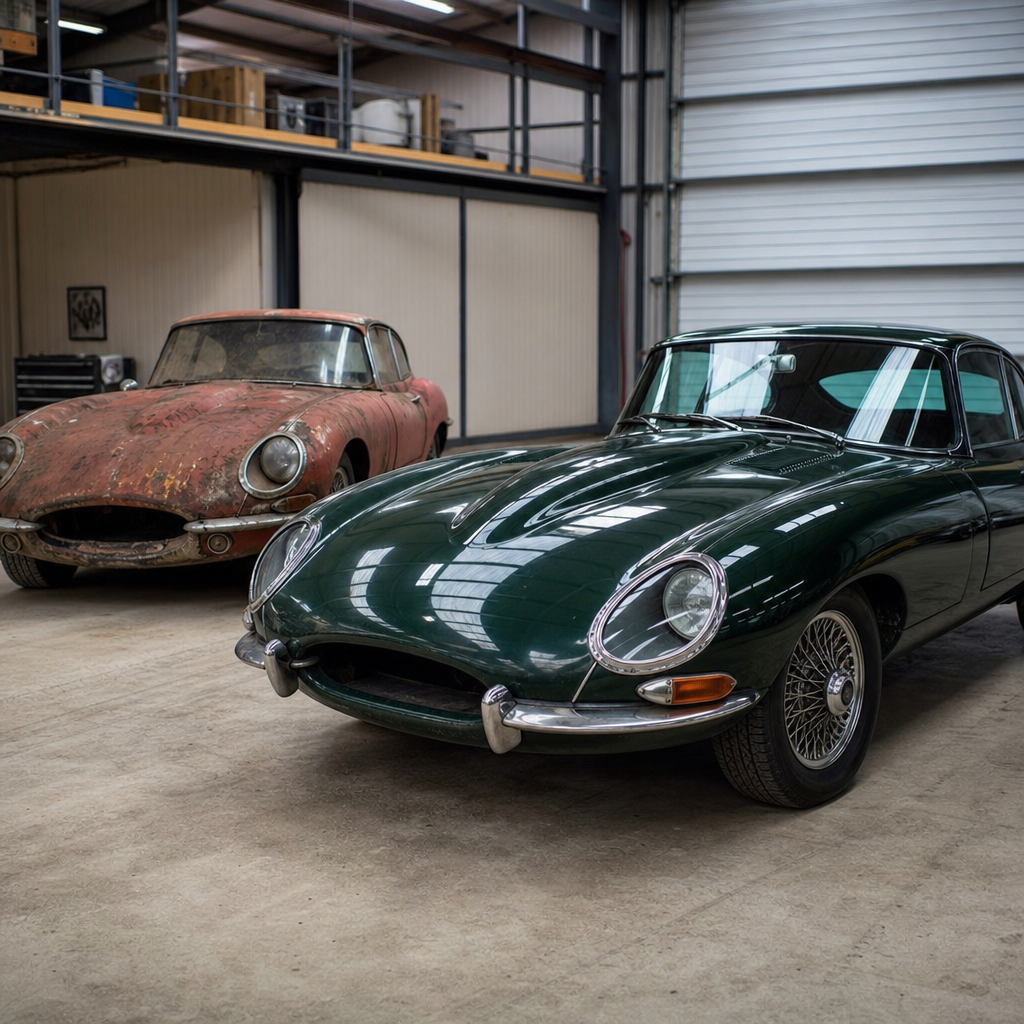
Restored cars can still lead the market when rarity, presentation, and correctness align. A fully documented, correctly restored Jaguar E-Type or Pontiac GTO with proven drivetrain originality and strong panel fit will often beat a survivor with severe age-related issues. The limit is that restoration costs are not automatically recoverable. Buyers value the finished result, not the invoice total alone.
Modified cars require a different valuation lens. Sensible upgrades such as electronic ignition, radial tires, improved cooling, or front disc brakes may widen appeal for driver-focused buyers. Extensive modifications narrow the buyer pool unless the build quality is exceptional and the donor model is less prized in stock form. A tastefully built restomod Camaro can bring more than a stock small-block car, while a heavily altered Hemi car may bring less than an original-spec example because collector demand favors factory correctness.
How to assess condition before setting a price
The practical way to value a classic car is to inspect first, then compare. Start with a clean, cold car in daylight. Review VIN tags, cowl tags, stampings, and title details before emotions take over. Walk the body lines, use a paint meter where appropriate, and look underneath with proper lighting. Check for fresh undercoating, overspray on weatherstrips, mismatched fasteners, and recent fluid cleanup. During a test drive, note temperature stability, oil pressure, brake pull, transmission engagement, steering response, and whether gauges function consistently. Follow with a hot restart, because many carbureted and older fuel-injected classics show problems only after heat soak.
Next, collect comparable sales, but only after matching condition honestly. Auction platforms such as Bring a Trailer and Cars & Bids offer useful public histories, while marque forums, dealer archives, and insurer valuation tools help fill in private-market context. Filter comps by body style, engine, transmission, originality, and restoration quality. A concours 1970 Chevelle SS 454 is not a valid comp for a driver-grade clone, and a no-reserve auction result from a weak listing should not anchor your expectation for a well-documented private sale.
If the car is valuable or the model has known problem areas, pay for a pre-purchase inspection. On Ferrari, Porsche, Mercedes-Benz, and other specialist cars, a marque expert can identify issues a general mechanic will miss, from magnesium case concerns to hydraulic suspension faults. The inspection fee is small compared with the pricing errors avoided.
Common pricing mistakes buyers and sellers make
The most common mistake is confusing cleanliness with condition. Detailing can hide leaks, polish can mask thin paint, and staged photos can avoid rust-prone areas. Another mistake is valuing upgrades at cost. New wheels, stereo systems, custom interiors, and engine modifications rarely return dollar for dollar because buyers may not share the same taste. Sellers also ignore deferred maintenance. A car may look presentable, but if tires are aged out, fuel lines are brittle, bushings are cracked, and the cooling system is marginal, the next owner is buying a list of expenses.
Buyers often underprice provenance. Records, ownership history, original manuals, window stickers, and restoration photos do not make a bad car good, but they do strengthen a good car materially. They shorten diligence, support mileage claims, and reduce the uncertainty discount. Another mistake is using insurance agreed value as market value. Agreed value is a policy number negotiated for coverage purposes; it can align with the market, but it is not proof of current selling price.
Timing matters too. Tax season, major auctions, spring driving weather, and shifts in interest rates can affect transaction velocity. Still, condition remains the dominant variable. In a softer market, the best cars continue selling while mediocre examples sit and require price cuts.
Using condition to negotiate and sell with confidence
Condition-based pricing gives both sides a rational framework. As a seller, document the car the way a skeptical buyer would inspect it. Provide underside photos, stampings, compression or leakdown data where relevant, cold-start video, and invoices organized by date. Disclose flaws directly. In my experience, a seller who says “there is bubbling in the lower right quarter, the tach is intermittent, and the engine is a correct-type replacement block” earns more trust than one who says “needs nothing” and lets buyers discover the problems later. Trust improves close rates.
As a buyer, negotiate from evidence rather than opinion. If the market supports $55,000 for a strong driver and your inspection finds repaint concerns, old tires, weak synchros, and missing documentation, quantify those items and explain the adjustment calmly. Sellers respond better to a written list tied to market comps than to broad claims that the car is “overpriced.” When condition is discussed precisely, deals happen faster and disputes shrink.
For anyone entering classic car pricing and valuation, the central lesson is simple: condition is the bridge between a car’s story and its price. Learn to separate cosmetic appeal from structural health, originality from replacement, and receipts from real quality. If you want better buying decisions and stronger sale outcomes, inspect thoroughly, compare honestly, and use condition as your starting point for every valuation conversation. Then explore the rest of this pricing and valuation hub to build smarter comps, appraisals, and negotiation strategies.
Frequently Asked Questions
What does “condition” really mean when valuing a classic car?
In classic car valuation, condition is a broad and much more meaningful term than simple appearance. A car can have glossy paint, a tidy interior, and still be worth far less than it first appears if it has rust in structural areas, poor-quality repairs, incorrect components, or mechanical problems hiding underneath. True condition includes body integrity, frame or chassis health, panel fit, paint quality, interior originality, drivetrain operation, suspension and brake performance, electrical function, glass, trim, weather seals, and the overall completeness of the vehicle.
It also includes how authentically and honestly the car presents. A classic that retains its original engine, factory-type finishes, correct hardware, matching trim, and consistent wear often earns more respect in the market than a superficially restored example with obvious shortcuts. Buyers and appraisers look closely at whether the restoration was done correctly, whether replacement parts are period-correct, and whether the car’s presentation matches its history. Documentation matters here too, because service records, restoration photos, ownership history, and factory paperwork help confirm that the car’s condition is real rather than cosmetic.
In practical terms, condition is about quality, integrity, and credibility. The market rewards classics that are structurally sound, mechanically sorted, complete, and accurately represented. That is why two cars of the same make, model, and year can vary dramatically in value: one may simply look good, while the other is genuinely good in all the ways experienced buyers care about.
Why does condition affect classic car value more than almost any other factor?
Condition has such a large effect on value because it directly influences cost, risk, and desirability all at once. A buyer may love a specific model, but if the car needs rust repair, an engine rebuild, interior work, missing trim, and sorting of old wiring, the real purchase price is far higher than the asking number. The market knows this. That is why a well-preserved or properly restored example often commands a major premium over a similar car in driver-grade or project condition.
Condition also affects confidence. Buyers are willing to pay more for a car that appears honest, well-maintained, and ready to enjoy because it reduces uncertainty. Hidden corrosion, accident damage, poor body filler work, non-original modifications, and neglected maintenance create doubts that quickly push value down. Even in strong collector markets, uncertainty is expensive. Sellers often discover that once a car raises questions about its condition, buyers mentally discount it to protect themselves against future repairs and unpleasant surprises.
Another reason condition matters so much is that fixing a classic car is rarely simple or cheap. Parts may be difficult to source, restoration labor is expensive, and correcting someone else’s poor work can cost more than doing the job correctly from the start. Because of that, excellent condition is not just cosmetic appeal; it represents time, money, skill, and preservation. In the classic car world, condition is where financial reality meets collector emotion, and that is exactly why it has such a powerful influence on market value.
Does originality matter more than restoration quality?
It depends on the car, but in many cases originality and restoration quality are both critical, and the balance between them determines value. Highly original cars with factory finishes, numbers-matching drivetrains, original interiors, and untouched details are often prized because they serve as reference-quality examples. Collectors value originality because it provides authenticity and tells a clear story. Even visible wear can be acceptable, and sometimes desirable, if it is genuine and the car remains structurally sound and complete.
That said, not every original car is more valuable than every restored one. If originality comes with severe rust, failing mechanicals, torn interiors, or years of neglect, value can drop quickly. Likewise, a truly excellent restoration performed to factory standards, using correct finishes, materials, and components, can be worth substantially more than a tired but original example. The key is quality and correctness. A restoration that erases factory details, uses incorrect colors, adds non-period modifications, or prioritizes visual impact over authenticity may hurt value even if the car looks impressive at first glance.
Buyers generally pay the strongest prices for cars that either preserve originality exceptionally well or have been restored with discipline, documentation, and respect for how the car was built. Poorly restored cars often occupy an uncomfortable middle ground: no longer original, but not restored well enough to justify a premium. In other words, originality matters greatly, but when restoration is necessary, the market rewards craftsmanship and correctness, not just freshness.
Which condition issues hurt classic car value the most?
Structural rust is one of the biggest value killers in the classic car market. Surface rust is one thing, but corrosion in floors, frame rails, rockers, torque boxes, trunk pans, suspension pickup points, or other load-bearing areas can dramatically reduce value because it affects safety, repair complexity, and long-term durability. Evidence of poor rust repair can be even worse, especially if patches were welded badly, covered in filler, or hidden under fresh paint and undercoating. Experienced buyers know that rust problems tend to spread beyond what is visible.
Poor-quality body and paint work also has a major impact. Wavy panels, inconsistent gaps, overspray, cracking filler, mismatched paint tones, and signs of accident repair suggest the car may have been restored to look good quickly rather than correctly. Mechanical neglect is another serious issue. A classic that starts and runs but smokes, leaks excessively, overheats, shifts poorly, brakes badly, or has unresolved suspension and electrical problems will be valued far below a comparable sorted example. Buyers understand that mechanical recommissioning can be costly, especially on rare or complex cars.
Missing original parts, incorrect drivetrains, heavily altered interiors, and undocumented modifications can also pull value down. For some collector models, having the wrong carburetor, wheels, gauges, trim, or engine can significantly change how the market views the car. Finally, dishonest presentation may damage value more than any single flaw. If a seller hides defects, overstates originality, or misrepresents restoration work, buyer trust disappears. In many sales, transparency preserves value better than perfection because knowledgeable buyers would rather see an honest driver than a polished mystery.
How can owners protect or improve their classic car’s value through condition?
The best way to protect value is to focus on preservation, maintenance, and documentation before chasing cosmetic upgrades. Keep the car mechanically healthy with regular servicing, fluid changes, brake inspections, cooling system care, battery maintenance, and proper storage. Address rust early, because small corrosion problems become expensive structural problems if ignored. If the car is largely original, preserve original finishes and components whenever practical rather than replacing them unnecessarily. In many segments of the market, careful preservation adds more value than over-restoration.
If restoration work is needed, do it correctly and document everything. Use reputable specialists, save invoices, photograph the process, and retain any original parts that are removed. Buyers place real value on evidence. A folder showing restoration photos, parts sourcing, paintwork details, engine work, and historical records helps prove the quality of the car and reduces uncertainty. If factory-correctness matters for the model, research finishes, materials, and component dates before beginning work. Small details that casual owners overlook often matter a great deal to serious buyers.
Owners should also present the car honestly. Clean it, sort obvious defects, fix what is economically sensible, and describe it accurately. Do not hide flaws with fresh undercoating, heavy detailing, or vague language. A well-cared-for classic with known imperfections, complete records, and a transparent story will usually attract stronger offers than a shiny car with unanswered questions. In the long run, value follows integrity: solid structure, proper care, correct parts, and believable presentation are what the market consistently rewards.