Buying a classic car is rarely just a transaction. It is a decision about history, usability, maintenance, and long-term value, and the biggest fork in the road usually appears early: should you buy a newly manufactured continuation-style vehicle or a restored original classic car? For buyers learning how to buy a classic car, this choice shapes everything from budget planning to inspection standards.
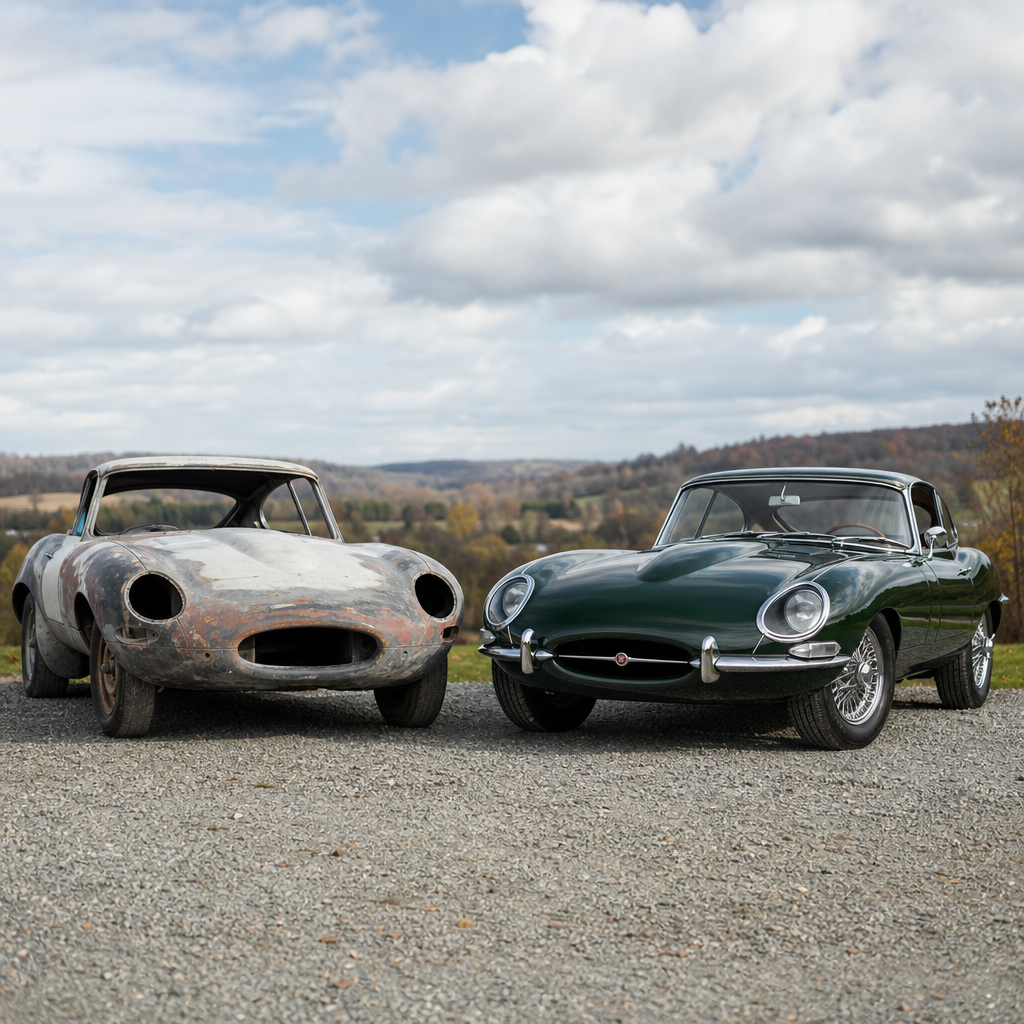
In practical terms, a restored classic car is an original vehicle brought back to a defined condition, whether factory-correct, sympathetically refreshed, or modified for modern road use. A new classic-style car is typically a continuation model, replica, rebody, or officially licensed recreation built recently with vintage design cues. Those categories are not interchangeable, and I have seen buyers overpay simply because a seller blurred the distinction between originality, restoration quality, and modern manufacture.
This matters because the wrong purchase can create years of avoidable expense. Insurance eligibility, emissions compliance, financing, parts sourcing, resale demand, concours acceptance, and maintenance complexity all change depending on whether the car is original, restored, restomodded, or newly built. A buyer who wants weekend reliability may be happier with a fresh build. A buyer who values provenance, matching numbers, and auction credibility usually needs a restored original. Understanding the difference is the foundation of a smart classic car buying guide.
This article serves as the hub for how to buy a classic car. It explains the tradeoffs between new and restored classics, the inspection process, ownership costs, paperwork checks, valuation methods, and the kinds of buyers each option suits best. If you are comparing Jaguar E-Type restorations, Shelby continuation cars, air-cooled Porsche recreations, or vintage Ford Broncos rebuilt on original chassis, the same decision framework applies: know exactly what you are buying, why it was built, and what the market will reward later.
Define the Car Before You Judge the Price
The first rule in buying a classic car is classification before valuation. I always start with the car’s identity because price means nothing until the category is clear. An original unrestored survivor, a concours restoration, a driver-quality restoration, a restomod, a continuation car, and a replica can all resemble each other in photos while carrying radically different values. Sellers often describe all of them as “restored,” which is inaccurate and costly for buyers who assume the word guarantees authenticity.
A restored original classic car began life in the period it represents. Its vehicle identification number, chassis stamping, body shell, and often drivetrain establish its historical legitimacy. Restoration quality then determines how much value survives or is added. A proper restoration usually comes with photo documentation, invoices, parts lists, and specialist work from known shops. If the engine, transmission, body panels, and trim match factory specifications or accepted replacement standards, the market generally rewards that transparency.
A new classic-style car is different. It may be a factory-authorized continuation model, such as select Shelby or Aston Martin continuation runs, or an aftermarket replica using a modern chassis and drivetrain. These can be excellent vehicles, often with better reliability, rust protection, brakes, cooling, and manufacturing tolerances than period originals. But they do not carry the same historical significance, and that affects registration, collector prestige, event eligibility, and depreciation patterns.
The reason this distinction matters in a classic car buying checklist is simple: collectors pay for originality, drivers pay for usability, and investors pay for market confidence. Before discussing budget, ask direct questions. Is the title attached to an original period chassis? Are the body and VIN numbers consistent? Is the car recognized by marque registries? Was it restored to stock configuration, or upgraded? Is it legally titled as the year it resembles, or as the year it was built? Clear answers prevent expensive confusion.
When a Restored Original Is the Better Buy
A restored original is usually the right choice if you care about authenticity, long-term collector demand, and participation in marque-specific events. In my experience, buyers who dream about ownership stories, factory build sheets, original colors, and period-correct details are almost always disappointed by replicas, even very good ones. The emotional value of a real 1967 Corvette, 280SL, or Alfa Romeo Giulia Sprint GT comes from continuity with the past, not just appearance.
There are financial reasons as well. Established auction houses such as RM Sotheby’s, Gooding, and Bonhams consistently differentiate between restored originals and recreations because buyers do. Matching-numbers drivetrains, original body tags, documented ownership history, and factory-correct restorations are still central pricing factors. While not every classic appreciates, cars with verified provenance and high-quality restoration work generally retain credibility more reliably than newly built imitations tied to fashion-driven demand.
A restored original also opens doors. Many concours events, preservation classes, marque clubs, and registry programs require an authentic period car. Insurance through specialist carriers such as Hagerty or Grundy is often straightforward when the vehicle has a recognized collector profile and documented agreed value. Parts support can also be stronger than buyers expect for popular originals; Mustangs, Camaros, air-cooled Porsches, MGBs, and Mercedes Pagodas benefit from extensive specialist ecosystems.
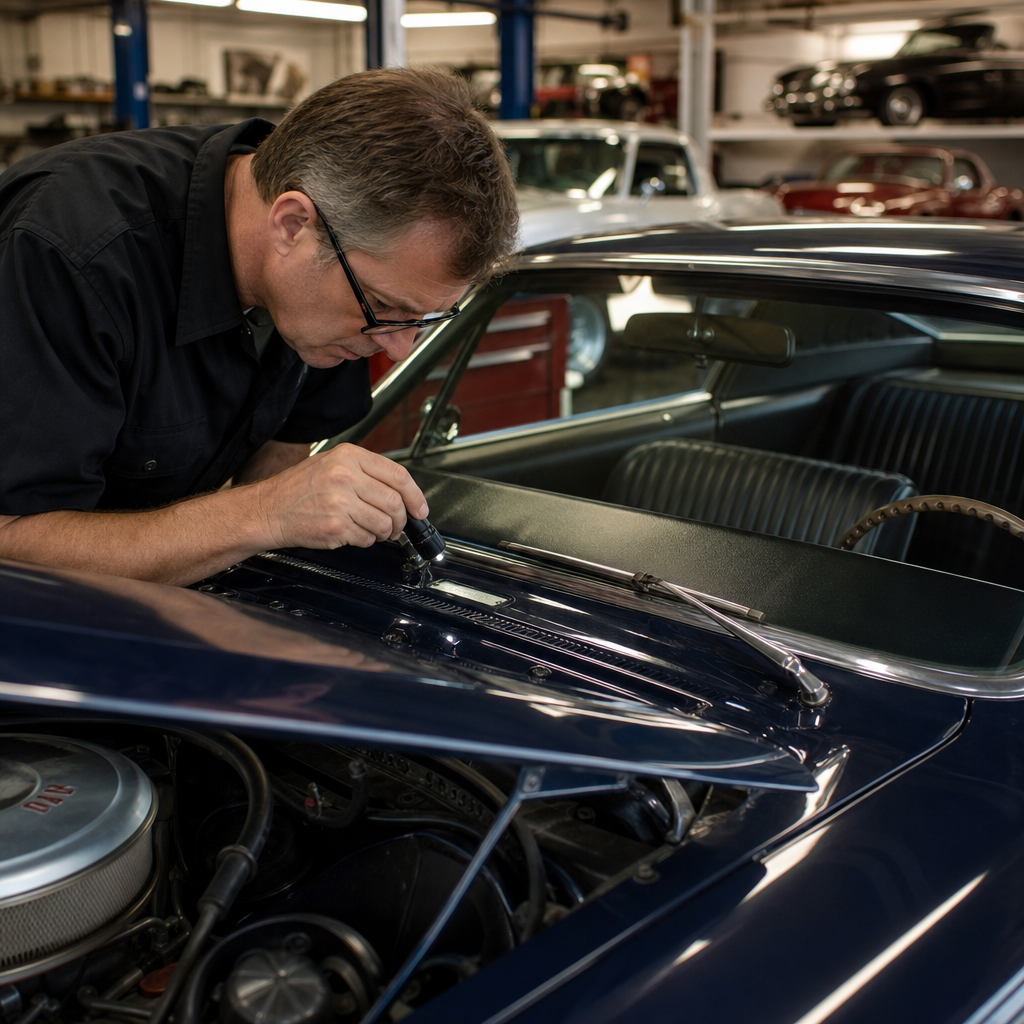
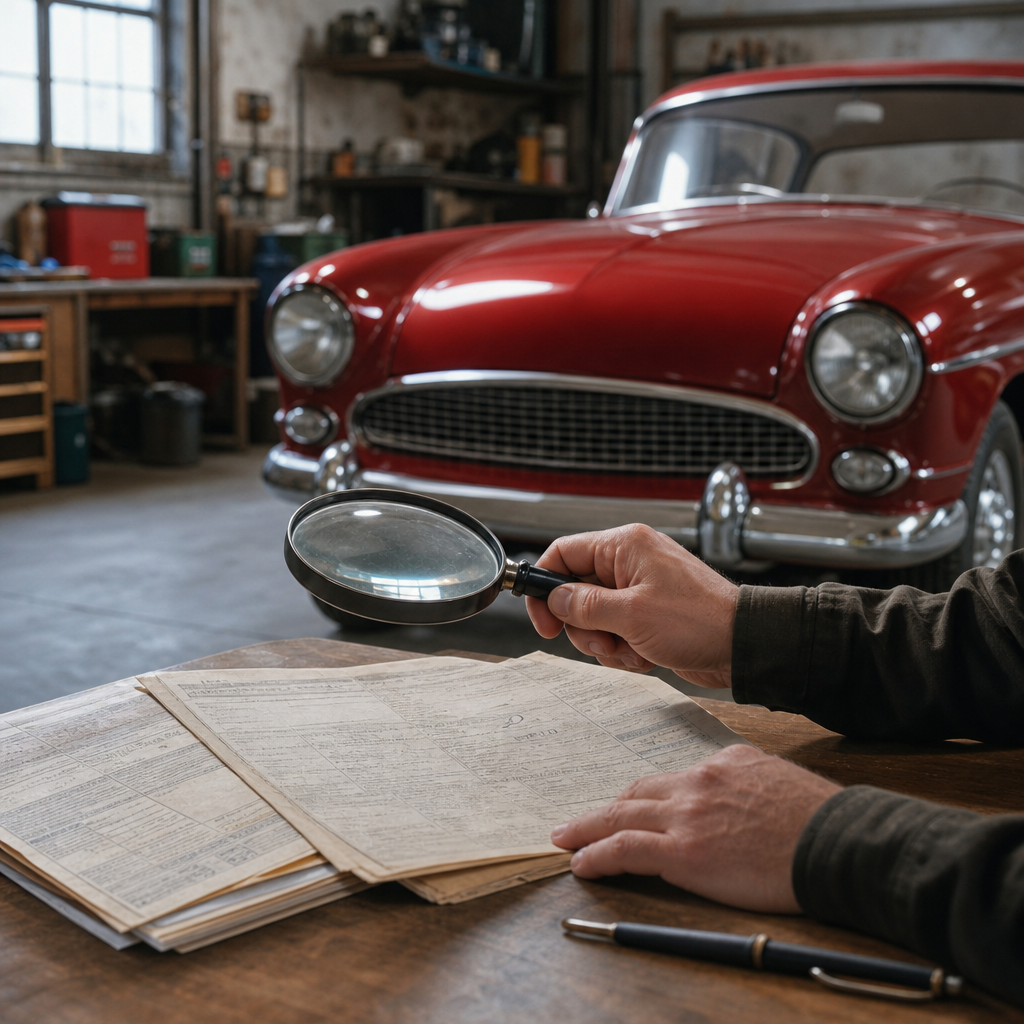
The tradeoff is that an authentic restoration can hide expensive flaws. Fresh paint can mask filler, underseal can conceal corrosion, and rebuilt engines can still be assembled incorrectly. A classic car inspection should include compression or leak-down testing where appropriate, paint-meter readings, lift inspection of floors and chassis rails, and verification of stampings. The best restored classic to buy is not the shiniest one. It is the one with coherent documentation, honest workmanship, and specifications that match what the market thinks it is.
When a New Classic-Style Car Makes More Sense
A new classic-style car is often the better purchase for buyers who want vintage design without vintage compromise. If your goal is regular use, easier starts, stronger braking, modern tires, better cooling, safer wiring, and less rust risk, a new build can be far more satisfying than an original restoration. I have worked with buyers who wanted the look of a 1960s roadster but had no patience for carburetor tuning, vapor lock, weak cabin ventilation, or single-circuit brakes. For them, newly built cars solved real ownership problems.
These cars can also reduce uncertainty. A fresh build usually starts with known components, current seals and bushings, new harnesses, and a modern supply chain. If the car uses a crate engine, aftermarket EFI, or current transmission components, repairs are often easier than sourcing date-coded originals. That matters if you plan to tour, commute occasionally, or cover meaningful miles rather than trailer the car to shows.
Still, “new” does not automatically mean “better.” Build quality varies widely. Some continuation and replica manufacturers engineer excellent chassis geometry, corrosion protection, and electrical systems; others rely on attractive marketing and inconsistent assembly. You must inspect panel fit, weld quality, brake bias, steering response, cabin sealing, heat management, and parts support with the same skepticism used on restored originals. Ask who built it, what standards were followed, and whether replacement parts come from stable suppliers or one-off fabrication.
The other major consideration is market ceiling. New classic-style cars can be expensive to commission yet may not appreciate like authentic originals. Some hold value because the brand, licensing, and craftsmanship are strong. Many do not. If future resale matters, study transaction data, not asking prices. A continuation Cobra might attract serious buyers; an unidentified fiberglass replica with vague paperwork may be difficult to finance, insure, or resell at anything close to build cost.
How to Inspect, Compare, and Budget for Either Option
If you want to know how to buy a classic car properly, treat every candidate as a system, not an object. Inspection starts with paperwork, then body, structure, drivetrain, electricals, road test, and market validation. I recommend a pre-purchase inspection by a marque specialist, not a general mechanic. Someone who knows W113 rust points, C2 Corvette bonding strips, Porsche 911 magnesium case issues, or Jaguar IRS leaks will spot problems a normal shop misses.
Body and structure usually drive the biggest expenses. Rust in floors, frame rails, rockers, cowl sections, suspension mounting points, and trunk seams can exceed engine rebuild costs quickly. Paint quality should be judged for consistency, overspray, masking lines, bubbling, and magnet or paint-meter anomalies. Inside, check gauges, switchgear, heater controls, lighting, charging voltage, and evidence of amateur wiring. During the road test, look for overheating, brake pull, driveline vibration, smoke on overrun, weak synchros, and steering play.
Budgeting must go beyond purchase price. Transport, storage, registration, taxes, insurance, maintenance, and corrective work often reshape the total cost of ownership in the first year. A cheaper restored car can become more expensive than a sorted continuation model if it needs rust repair, trim sourcing, and gearbox work. Conversely, an expensive new build can lose more money on resale than a well-bought original.
| Buying factor | Restored original classic | New classic-style car |
|---|---|---|
| Authenticity | Highest if VIN, chassis, and drivetrain are documented | Low to moderate unless factory-authorized continuation |
| Reliability | Varies with restoration quality and maintenance | Often better due to new components and modern engineering |
| Maintenance | Can require specialist labor and period parts | Easier if built with current serviceable components |
| Event eligibility | Strong for marque clubs, registries, concours | Limited for many originality-focused events |
| Resale pattern | Usually stronger when provenance is clear | Depends heavily on builder reputation and paperwork |
| Best fit | Collectors and authenticity-focused buyers | Drivers wanting vintage style with fewer compromises |
Documentation closes the loop. Match VINs, engine numbers, restoration invoices, title history, import records if relevant, and any heritage certificates. Use market tools such as Hagerty Price Guide, Classic.com, Bring a Trailer results, and marque forums to compare actual sales. The smartest classic car purchase is rarely the cheapest or the rarest. It is the car whose identity, condition, and intended use line up cleanly with your budget and expectations.
Which Classic Car Should You Buy?
The right answer depends on what ownership is supposed to feel like for you. Buy a restored original if you want a real piece of automotive history, stronger collector legitimacy, and the satisfaction of owning the genuine article. Buy a new classic-style car if you want dependable vintage aesthetics, easier driving, and fewer age-related compromises. Neither is universally better; each is better for a specific buyer profile.
As a hub for how to buy a classic car, the core lesson is to define the category, inspect without emotion, verify paperwork, and price the whole ownership journey rather than the listing alone. A great purchase is one you understand completely. Start with your priorities, shortlist the right type of car, and bring in a marque expert before money changes hands. That discipline is what turns classic car buying from a gamble into a confident, informed decision.
Frequently Asked Questions
What is the main difference between a newly manufactured continuation-style classic car and a restored original classic car?
The core difference is authenticity versus recreation. A restored original classic car began life in the period it represents. It carries an original chassis, history, production identity, and often the small manufacturing quirks that make old cars feel special. Even after extensive restoration, it is still a genuine period-built vehicle. A continuation-style car, by contrast, is built recently to resemble or officially continue a historic model line. Depending on the manufacturer or builder, it may use updated materials, modern production methods, improved tolerances, and in some cases contemporary safety or drivability upgrades.
That distinction affects almost everything a buyer should evaluate. With an original restored car, you are buying provenance, historical significance, and the possibility of collector value tied to originality, documented restoration work, and matching numbers. With a continuation-style car, you are usually buying experience over historical purity: the look, sound, and spirit of the original, but often with fewer age-related compromises. For many buyers learning how to buy a classic car, this is the first major strategic choice. If you want period-correct ownership and the satisfaction of preserving automotive history, a restored original is usually the stronger fit. If you want something that captures the classic aesthetic with more predictable usability and fewer concerns about hidden age-related deterioration, a newly manufactured version can make far more practical sense.
Which option is usually easier to own and drive regularly?
In most cases, a newly manufactured continuation-style vehicle is easier to own as a frequent driver. That is because newer builds generally benefit from fresh components, cleaner assembly standards, and less accumulated wear. Even when they are designed to remain visually faithful to the original, many continuation-style cars are built with improved metallurgy, better seals, updated cooling, more consistent wiring, and tighter tolerances than a decades-old car can realistically offer. That often translates into easier starts, fewer leaks, more predictable operation, and less downtime.
A restored original can absolutely be driven and enjoyed regularly, but the ownership experience tends to be more nuanced. The quality of the restoration matters enormously. A properly restored car from a respected specialist can be reliable and rewarding, but it still exists within the limits of an older platform. Electrical systems, fuel delivery, brake feel, cabin comfort, and parts compatibility can all require more patience. In addition, some owners become reluctant to put frequent mileage on a historically important or especially correct restoration because use can affect condition and value. So if your goal is weekend touring, road events, or regular use without constantly thinking about preserving originality, a continuation-style car usually offers less stress. If your goal is to own and experience the real thing, and you are comfortable with more hands-on involvement, a restored original may still be the better emotional choice.
How should I compare value, appreciation potential, and long-term investment risk?
Original restored classics generally have the stronger case for long-term collector appeal, especially when they have documented history, factory-correct specifications, matching numbers, and restoration work that is well photographed and professionally documented. The market tends to reward authenticity. Buyers, auction houses, judges, and serious collectors often place a premium on vehicles that retain their original identity and can prove what they are. That does not mean every restored classic will appreciate, but it does mean the value conversation is anchored in historical legitimacy.
Continuation-style cars occupy a different value category. They may be expensive, beautifully built, and desirable, but their long-term market behavior is often more dependent on brand reputation, production numbers, build quality, and whether they are factory-sanctioned or simply inspired by a historic design. Some do very well, particularly if they are built by a recognized manufacturer or specialist with strong demand. Others behave more like specialty enthusiast vehicles than traditional blue-chip collector cars. For that reason, buyers should be careful not to assume a new-build classic-look car will follow the same appreciation path as an original model from the period.
If investment matters, look closely at documentation, originality, restoration standards, rarity, ownership history, and market comps for the exact model and specification you are considering. Also remember that condition and credibility matter as much as the badge. A mediocre restoration of an original may be a worse buy than a superbly executed continuation car if your priority is enjoyment and predictable ownership cost. But if your priority is preserving capital and participating in the established collector market, restored originals usually offer clearer valuation logic and more accepted benchmarks.
What should I inspect before buying either type of classic car?
The inspection process should be rigorous for both, but the focus changes depending on what you are buying. For a restored original, start with identity and workmanship. Confirm VIN, chassis, engine, and body numbers where applicable, and compare them with title records, factory data, and restoration invoices. Examine the quality of bodywork, paint preparation, panel fit, rust repair, underbody condition, and signs of filler or poorly executed patching. Review photographs from the restoration if available. Good sellers usually have a paper trail showing what was done, by whom, and to what standard. You should also inspect the mechanical systems with the same seriousness: cooling, brakes, steering, suspension, driveline, fuel system, and electrical integrity. A car can look beautiful and still hide expensive mechanical shortcuts.
For a continuation-style car, authenticity in the historical sense matters less than build quality, engineering integrity, and service support. Investigate who built it, whether it is factory-authorized or third-party produced, what components were used, and how easy replacement parts will be to source. Look for evidence of thoughtful assembly rather than cosmetic polish alone. Check weld quality, wiring layout, fit and finish, drivetrain specification, and whether any modernized systems were integrated properly. Ask about warranty coverage, service intervals, and known model-specific issues. Even a newly built vehicle can suffer from poor execution if it comes from an inexperienced shop or low-volume builder without robust quality control.
In both cases, a pre-purchase inspection by a specialist is one of the smartest steps in the buying process. Ideally, use someone familiar with that exact model or niche. Classic cars do not reward assumptions, and a specialist can often spot incorrect parts, structural problems, weak restoration work, or questionable build choices that a general mechanic may miss. Whether the car is original or newly manufactured, the principle is the same: verify before you buy.
Which type of classic car is better for a first-time buyer?
For many first-time buyers, a continuation-style classic is the gentler entry point because it reduces some of the uncertainty that comes with age, incomplete history, and restoration quality. It can provide much of the visual drama and driving character that attracts people to classic cars in the first place, while lowering the chance of discovering old rust, period wiring issues, or decades of deferred maintenance hidden beneath fresh paint. If you are still learning how to buy a classic car, that predictability can be a major advantage. It lets you focus on enjoying the vehicle instead of immediately becoming a detective, parts hunter, and restoration manager.
That said, a restored original can still be an excellent first purchase if you buy carefully and choose the right kind of car. The best candidates are models with strong parts availability, active owner communities, straightforward mechanical layouts, and a large base of specialist knowledge. A fully documented, professionally restored original from a reputable seller can be a more satisfying introduction than a new-build car if what you truly want is a direct connection to automotive history. The key is to be honest about your tolerance for maintenance, your budget for repairs, your storage situation, and whether you want a collector object, a driver, or something in between.
In practical terms, first-time buyers should not ask only, “Which is better?” They should ask, “Which is better for how I plan to use it?” If you want reliability, ease, and confidence, the continuation route often wins. If you want originality, provenance, and the pride of owning a genuine period machine, a restored original is hard to replace. The smartest choice is the one that matches your expectations before the honeymoon phase ends and real ownership begins.