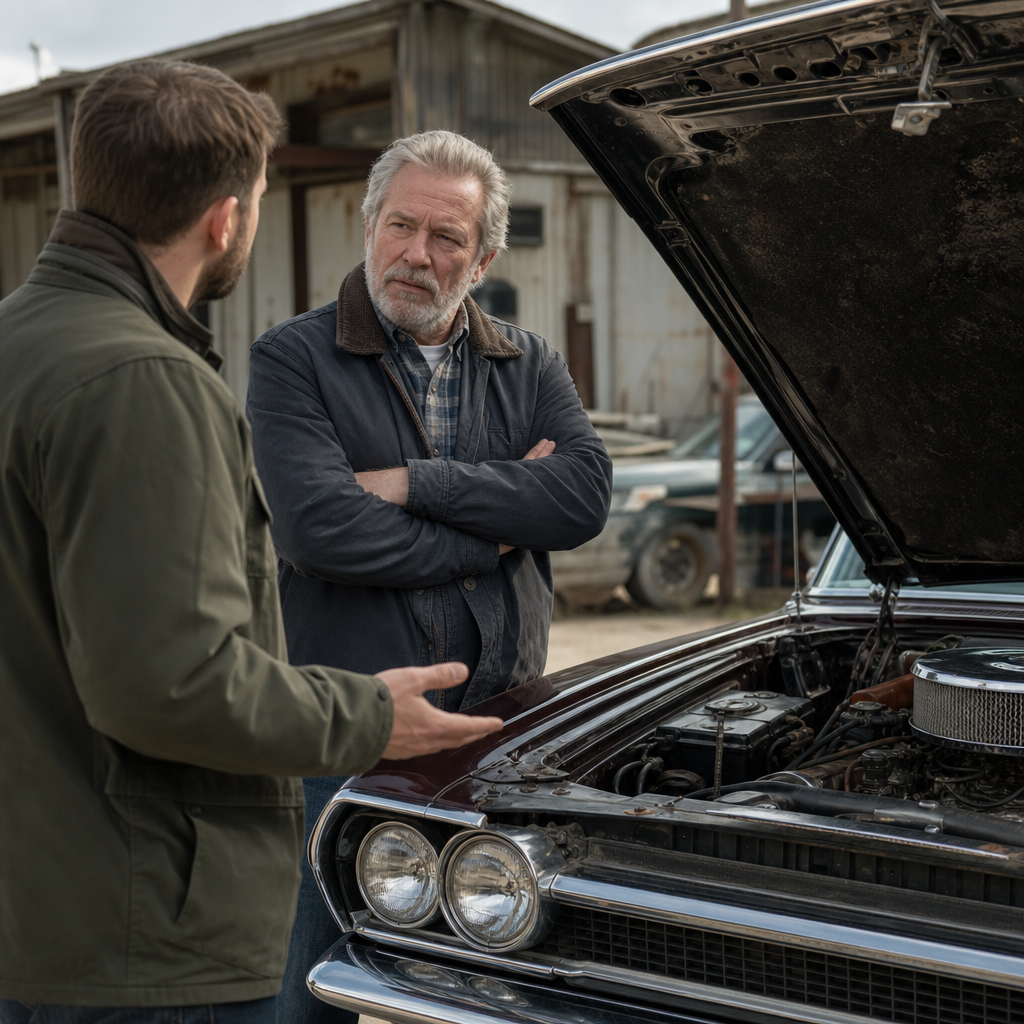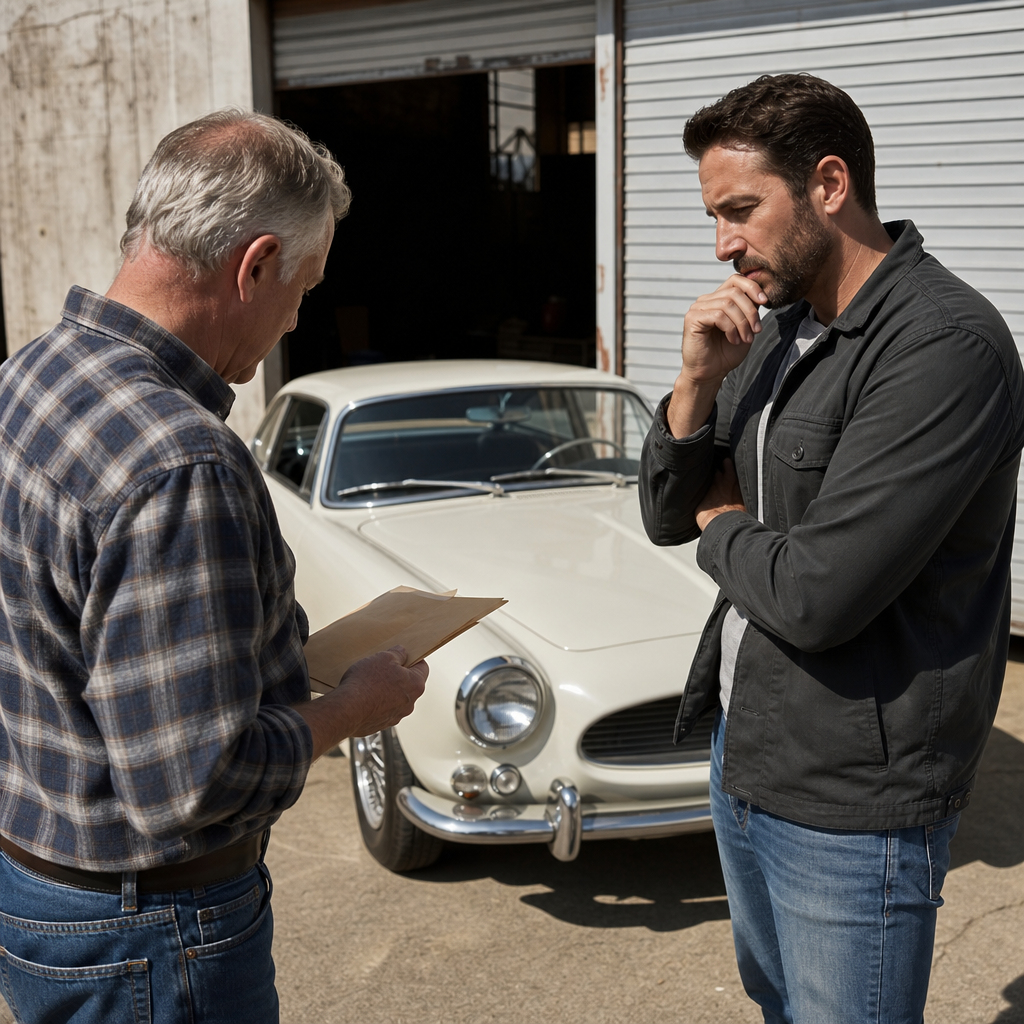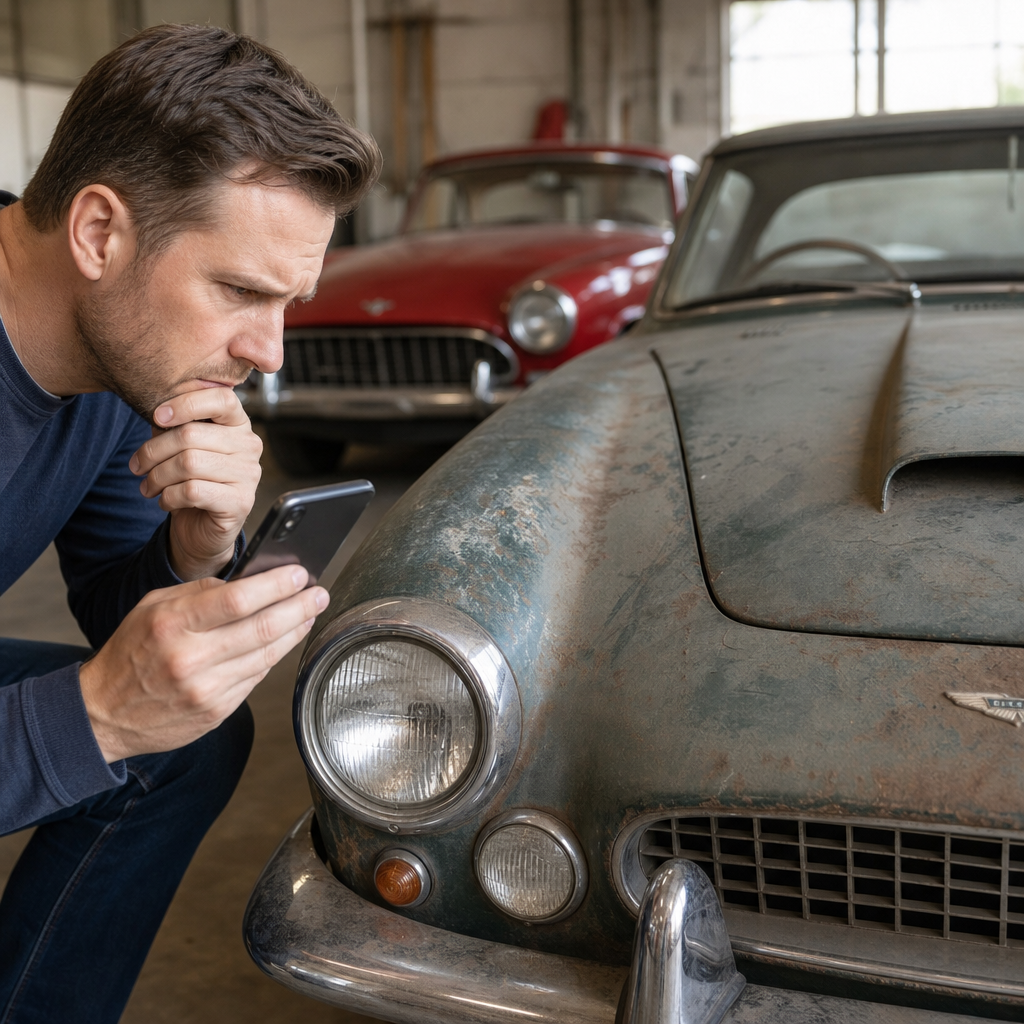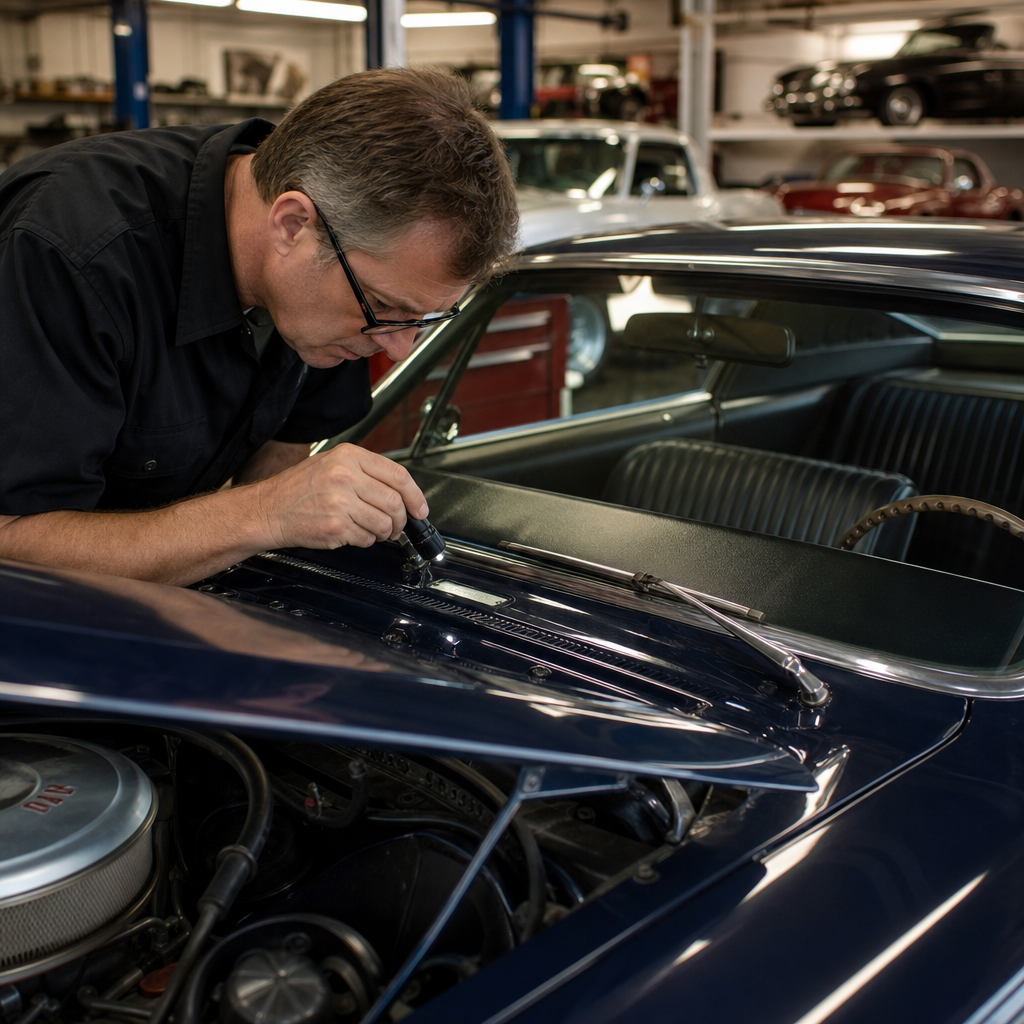
Buying a vintage vehicle without a disciplined inspection process is the fastest way to turn a dream garage addition into an expensive restoration project. Knowing how to inspect a classic car before you buy is the foundation of how to buy a classic car well, because condition, originality, paperwork, and market fit matter more than paint shine or seller enthusiasm. A classic car, for practical buying purposes, is usually a vehicle old enough to have collector interest, limited production relevance, historical significance, or enthusiast demand. Inspection means more than a quick walkaround. It is a structured evaluation of body integrity, mechanical health, authenticity, documentation, and total cost to own.
I have inspected cars in private garages, auction preview tents, dealership showrooms, and dim storage units, and the same lesson repeats: the best buyers are methodical. They bring a flashlight, magnet, inspection mirror, paint gauge when possible, a notepad, and enough patience to look past polished trim. They verify the VIN, decode body tags, compare stampings, and study service records before discussing price. They also understand that a perfect car on social media can hide rust, filler, title issues, and mismatched components that dramatically affect value.
This matters because the gap between a sound driver and a disguised problem car can be tens of thousands of dollars. Rust repair on unit-body classics can exceed engine rebuild cost. Incorrect drivetrains, non-original interiors, or poor-quality repaint work may not ruin enjoyment, but they change value, insurability, and future resale. If you want to understand how to buy a classic car intelligently, start with inspection discipline. This hub explains the process step by step so you can judge condition, ask better questions, compare cars fairly, and buy with confidence rather than hope.
Start with research before you ever see the car
The inspection begins before the first handshake. Research the exact year, make, model, engine, transmission, trim, and known problem areas of the car you want. A 1965 Mustang coupe, a 1965 Mustang fastback, and a K-code Hi-Po version are completely different value propositions. The same applies to split-window versus later Corvette Sting Rays, big-block versus small-block Chevelles, or matching-numbers Porsche 911s versus correctly restored but non-original examples. You need to know what should be there before you can spot what is missing.
Use model-specific club resources, factory service manuals, parts catalogs, Hagerty valuation data, Hemmings listings, marque forums, and auction archives from RM Sotheby’s, Mecum, or Barrett-Jackson to build a baseline. Learn where VINs and data plates should be located, what stampings look like, what options were available, and which rust zones are typical. On air-cooled Volkswagens, heater channels are critical. On Mopar B-bodies, inspect trunk floors, rear window channels, and torsion bar crossmembers. On 1970s Mercedes models, check jack points and bulkhead rust. Strong research lets you identify whether the seller’s description is accurate or careless.
You should also establish your target use. Are you buying a concours candidate, a weekend driver, a preservation car, or a restomod base? Inspection standards change with the goal. A driver-quality classic can tolerate a non-original radio and older repaint. A six-figure muscle car cannot shrug off restamped numbers or undocumented replacement panels. Before you inspect, define your acceptable compromises and your walk-away issues.
Examine the body and structure first, because rust is usually the biggest cost
On most classic cars, body condition determines whether the purchase makes financial sense. Mechanical parts are often easier to replace than rusted structure, distorted panels, or prior accident repairs. Begin with panel alignment, door fit, hood and trunk gaps, and overall symmetry. Inconsistent gaps can indicate poor restoration work, accident damage, weak hinges, or body sag. Open and close every panel. The doors should latch cleanly without lifting or slamming.
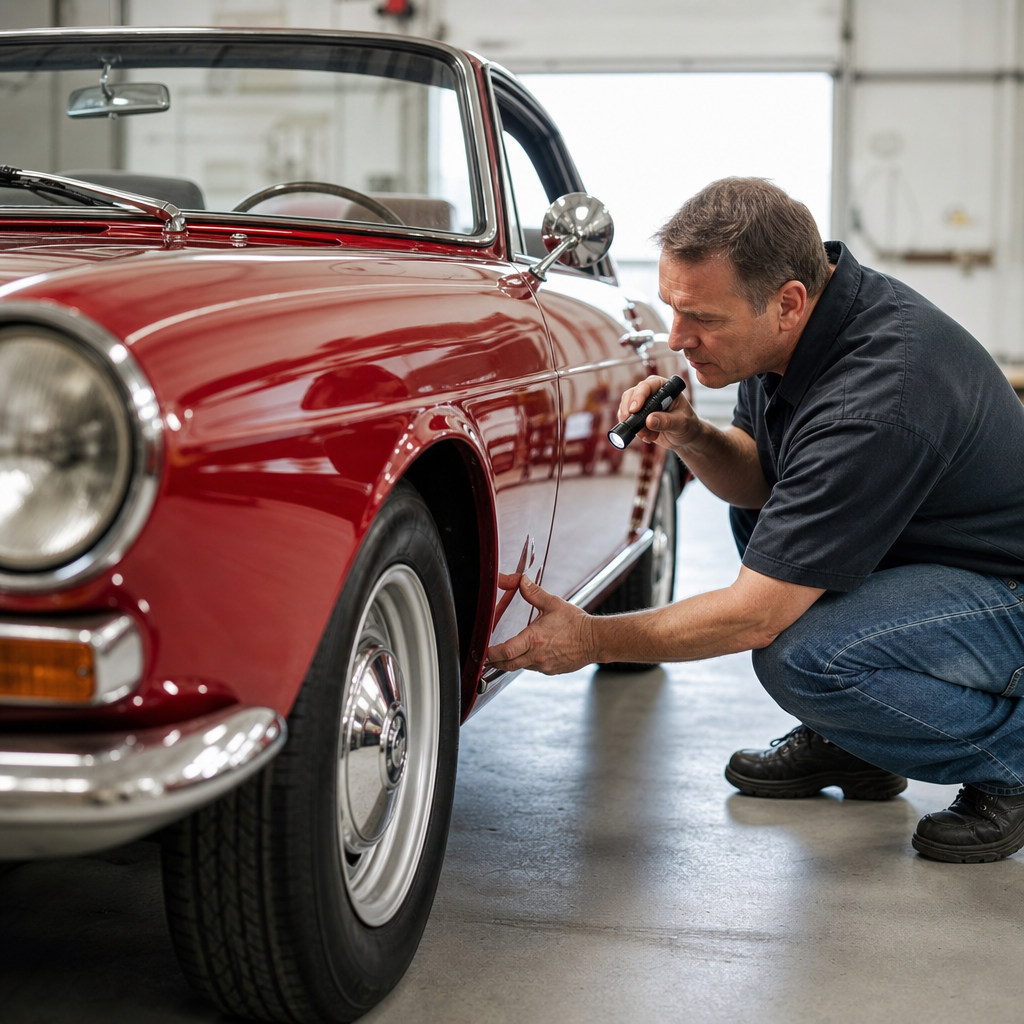
Look for bubbling paint, cracking filler, overspray on weatherstrips, sanding marks under clearcoat, and mismatched orange peel between panels. Bring a small magnet wrapped in cloth to detect heavy filler in steel bodies. A paint meter is even better if the panel material allows it. Inspect lower fenders, rocker panels, wheel arches, floor pans, trunk floor, cowl, windshield corners, rear window channels, frame rails, suspension pickup points, and body mounts. Use a flashlight and mirror. Fresh undercoating is not reassurance by itself; it can hide corrosion or rough patch work.
Frame and unit-body cars require different attention. On full-frame vehicles, inspect the frame for scaling, perforation, bends, crushed sections from incorrect jack use, and weld repairs. On unibody cars, focus on floors, inner rockers, torque boxes, shock towers, and any structural seams. Poorly repaired rust often appears as overlapping sheet metal, uneven seam sealer, spot weld patterns that do not match factory practice, or patch panels laid over rot instead of fully replaced sections.
| Inspection area | What to look for | Why it matters |
|---|---|---|
| Rocker panels and floors | Soft spots, bubbling paint, crude patches, fresh undercoat | Structural rust is expensive and affects safety |
| Frame rails or unibody rails | Bends, scaling, perforation, non-factory welds | Can indicate collision damage or advanced corrosion |
| Trunk floor and spare tire well | Water intrusion, seam rust, pinholes | Often reveals long-term leaks and hidden rust spread |
| Cowl, windshield, rear window channels | Blisters, staining, damp carpets, seal failure | Leads to interior damage and difficult metal repair |
| Panel gaps and body lines | Uneven spacing, proud panels, sagging doors | Suggests poor repair quality or structural misalignment |
If the car is advertised as restored, inspect restoration quality critically. Good metalwork leaves consistent seams, correct contours, and evidence of proper disassembly. Cheap restorations often leave trim misaligned, body lines softened by excess filler, and fasteners painted over. A beautiful exterior with rough jambs, weathered seals, and incomplete underside work usually means the job was cosmetic rather than comprehensive.
Check authenticity, numbers, and documentation carefully
Authenticity has a direct effect on value, especially for rare trims, high-performance variants, and limited-production models. Start with the VIN and verify that it matches the title, registration, chassis stamping, and door or dash tags as applicable. Then confirm the body tag, trim tag, or cowl tag data. On some cars, engine and transmission stampings should correspond to the production sequence or partial VIN. On others, date codes must at least make chronological sense relative to the build date.
Matching numbers does not automatically mean original in every component, and sellers often misuse the term. Some mean original engine block only. Others imply engine, gearbox, rear axle, carburetor, distributor, and major castings are period-correct. Ask the seller to define exactly what is original, what has been replaced, and what documentation supports it. Protect-O-Plate records, build sheets, window stickers, invoices, ownership history, and restoration photos add credibility. For European classics, a factory certificate or heritage extract can help confirm original color, engine type, and equipment.
Be especially cautious with rebodied cars, replacement VIN plates, and “tribute” or “clone” builds presented unclearly. A well-done clone can be enjoyable and fairly priced if represented honestly. It becomes a serious problem when SS, GT, GTO, Hemi, or RS badges are used to imply provenance the car does not have. If there is any uncertainty about numbers or identity, bring in a marque expert before money changes hands.
Inspect the engine, drivetrain, steering, and brakes like a mechanic would
Even if you plan to hire a specialist, you should do your own mechanical inspection first. Begin with cold-start behavior. Ask the seller not to warm the car before you arrive. A cold engine reveals more than a hot one. Listen for valvetrain noise, piston slap, timing chain rattle, exhaust leaks, lifter tick, and bottom-end knock. Watch for excessive blue smoke, which suggests oil burning, or white smoke that persists after warm-up, which can indicate coolant intrusion.
Check fluid levels and condition. Milky oil can signal water contamination. Burnt-smelling transmission fluid indicates neglect or overheating. Coolant should not contain rust sludge or oily residue. Inspect hoses, belts, clamps, fuel lines, and wiring quality. Many classics suffer from amateur electrical work: crimp connectors, household wire, unfused accessories, and brittle insulation. That can create reliability problems and fire risk.
Look underneath for active leaks from the rear main seal, transmission pan, pinion seal, axle ends, power steering box, or brake hydraulics. During the test drive, note oil pressure, charging behavior, coolant temperature, clutch engagement, transmission shift quality, driveshaft vibration, rear axle whine, brake pull, and steering play. Drum brake cars can feel different from modern vehicles, but they should still stop straight and predictably. Excessive wander can indicate worn tie-rod ends, idler arms, steering boxes, or suspension bushings.
Suspension condition matters because neglected rubber, shocks, leaf springs, and ball joints make an otherwise good classic tiring to drive. Bounce each corner. Uneven ride height may suggest spring fatigue or collision history. On independent rear suspension cars like Jaguars or Corvettes, inspect bushings and mounts closely. On air-cooled Porsche 911s, look for broken head studs, oil leaks, and chain tensioner updates. On carbureted V8 muscle cars, confirm choke operation, idle stability, and fuel delivery after hot soak.
Assess the interior, trim, electrical systems, and signs of water damage
Interior condition reveals how the car was stored and used. Sun-baked dashboards, split seat seams, shrinking vinyl, delaminated wood trim, and brittle plastics are expensive to fix correctly, especially on low-production cars with limited reproduction parts support. Check carpet for dampness, smell for mold, and inspect under mats for rust or pinholes. Water damage often begins with failed windshield seals, cowl leaks, blocked drains, or cracked weatherstripping and can quietly destroy floors and wiring.
Test every switch and accessory: lights, indicators, gauges, horn, wipers, heater blower, radio, power windows, seat motors, and interior lamps. Gauges that do not work may seem minor, but in classics they can signal larger issues such as poor grounds, failed voltage regulators, damaged harnesses, or inoperative senders. Vacuum-operated accessories on older luxury cars, including climate controls and headlamp doors, need separate attention because repairs can be labor-intensive.
Trim also matters to cost. Rechroming bumpers, sourcing correct emblems, replacing curved glass, or locating date-coded wheels can be expensive and time-consuming. An incomplete car is often more costly than it first appears because finishing details consume restoration budgets. When evaluating how to buy a classic car, always price the missing parts before assuming they are easy to source.
Review paperwork, test drive properly, and know when to call an expert
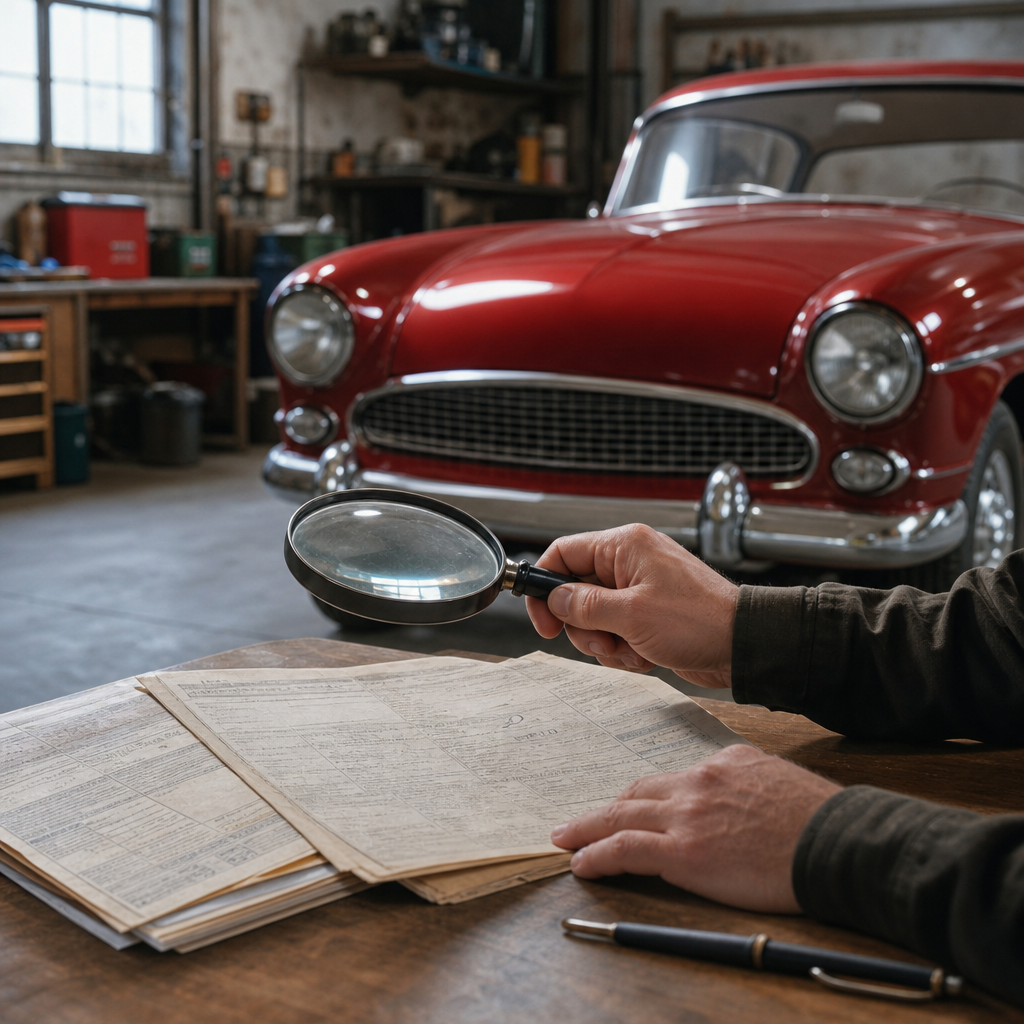
A strong inspection ends with paperwork and independent verification. Confirm that the title is clear, the VIN on the title matches the vehicle, and there are no unresolved liens. Imported classics require customs documentation, and some states handle antique registrations differently, so verify local rules before purchase. Service records matter because they show patterns: regular fluid changes, brake work, cooling system repairs, and recent tires are evidence of care. A stack of receipts does not guarantee perfection, but no records at all should lower confidence and price.
The test drive should include idle, city-speed operation, braking from moderate speed, acceleration under load, cruising, and if conditions allow, a restart when hot. Observe whether the car tracks straight, shifts cleanly, and maintains stable temperatures. If the seller refuses a meaningful drive, assume risk is higher. At this stage, a pre-purchase inspection by a marque specialist is often the best money you can spend. A knowledgeable shop can perform compression or leak-down testing, verify stampings, inspect on a lift, and document faults objectively. That report is useful for negotiation and for deciding whether to walk away.
The smartest classic car buyers combine enthusiasm with process. Research the exact model, inspect the structure before the cosmetics, verify identity and paperwork, evaluate mechanical condition from a cold start through a full drive, and cost out every flaw realistically. That is how to inspect a classic car before you buy, and it is also how to buy a classic car without overpaying or inheriting hidden problems. If you are shopping now, build a checklist, line up a specialist inspection, and compare several cars before committing. Patience is not delay in the classic market; it is protection for your money and your long-term enjoyment.
Frequently Asked Questions
What should I inspect first when looking at a classic car?
Start with the car’s structure, identity, and paperwork before you get distracted by cosmetic details. The body shell, frame, floors, trunk, rocker panels, and mounting points should be your first priority because rust repair and structural correction are usually far more expensive than replacing trim, upholstery, or even many mechanical parts. Bring a flashlight and inspect lower body sections, wheel arches, door bottoms, floor pans, inner fenders, suspension pickup points, and any boxed frame sections you can access. Look for bubbling paint, uneven panel gaps, undercoating used to hide corrosion, fresh seam sealer, or signs that patch panels were welded in poorly. After that, verify the vehicle identification numbers, body tags, engine numbers if relevant, and title information. A classic car with questionable identity, mismatched documentation, or unclear ownership history can become a legal and financial headache very quickly. Only once you are comfortable with structure and documentation should you move on to the engine, transmission, brakes, steering, electrical system, and interior. This order matters because you can rebuild mechanical systems, but severe rust, a bad title, or a non-original shell can permanently change the value and desirability of the car.
How can I tell if a classic car has hidden rust or past accident damage?
Hidden rust and old collision repair are two of the biggest reasons buyers overpay for vintage vehicles, so you need to inspect beyond the glossy paint. Check the car in natural light if possible and view reflections down the sides to spot waviness, ripples, or filler-heavy areas. Use a small magnet wrapped in a soft cloth on lower body sections to help identify excessive body filler, though it is only a basic screening tool and not a substitute for a trained eye. Look underneath for fresh undercoating, mismatched metal thickness, overlapping patch panels, sloppy welds, crushed pinch welds, bent suspension components, and floors that appear newer than the surrounding structure. Inside the trunk and engine bay, inspect seams, spot weld patterns, aprons, trunk drops, shock towers, and inner panels for signs of repair or replacement. Uneven gaps around doors, hood, and trunk lid can indicate prior structural work, sagging hinges, or body twist. Also look for paint overspray on weatherstripping, trim, wiring, or inside wheel wells, since that often points to lower-quality repaint work. If the car is valuable, unusual, or represented as restored, a pre-purchase inspection by a marque specialist and, ideally, a lift inspection are absolutely worth the money. The goal is not to find a perfect car, but to understand exactly what was repaired, how well it was done, and whether the asking price reflects that reality.
How important are originality and matching numbers when buying a classic car?
Originality matters, but its importance depends on the type of classic car, your buying goals, and the price level you are entering. For top-tier collector cars, rare muscle cars, limited-production European cars, and highly judged concours vehicles, matching numbers and correct factory components can have a major impact on value. Buyers in those segments often care deeply about whether the engine, transmission, rear axle, carburetor, intake, colors, trim, and even date-coded parts are consistent with factory records. However, for many enthusiasts, a well-sorted, honest driver with sensible repairs or upgrades can be a much smarter purchase than a “numbers” car with major rust, poor restoration work, or deferred maintenance. The key is to verify what the seller is claiming and make sure the price matches the facts. If the car is advertised as matching numbers, ask for documentation, stampings, casting numbers, production dates, and restoration records that support that claim. If it has a replacement engine or period-correct modifications, that is not automatically a problem, but it should be disclosed clearly and valued accordingly. In practical buying terms, condition and authenticity of representation usually matter more than perfection. A seller who accurately describes a partially restored, non-matching classic is often a safer bet than one who uses vague language to imply originality that cannot be proven.
What paperwork should I review before buying a vintage vehicle?
You should review the title, VIN or chassis number, registration documents, maintenance records, restoration receipts, ownership history, and any factory or authenticity paperwork that applies to the car. First, confirm that the title is in the seller’s name or that the seller has a clear legal right to sell the vehicle. Make sure the VIN on the title matches the number on the car exactly, and understand that older vehicles may have brand-specific numbering systems or locations that differ from modern cars. Ask whether the car has ever had a salvage title, reconstructed title, title correction, or registration problem. Then review service records and receipts to see what has actually been done, not just what the seller says was done. A stack of invoices showing brake work, cooling system repairs, suspension rebuilds, fuel system cleaning, and electrical corrections is often more valuable than a polished engine bay. If the car was restored, look for photo documentation and itemized records that show the quality and scope of the work. For collectible models, request build sheets, window stickers, heritage certificates, dealer documentation, ownership chain records, or club authentication where available. Good paperwork supports value, proves identity, and helps you estimate future costs. Weak paperwork does not always mean you should walk away, but it should make you more cautious, especially if the asking price assumes high originality or a fully documented history.
Is a pre-purchase inspection really necessary if the car looks great and drives well?
Yes, in most cases a pre-purchase inspection is one of the smartest and least expensive decisions you can make. Classic cars can look excellent in photos, present well in person, and even drive nicely on a short test drive while still hiding expensive problems. Old engines can have weak compression, smoky valve guides, oil pressure issues, cooling problems, or fuel delivery faults that do not show up immediately. Transmissions may shift acceptably when cold but slip or grind once warmed up. Brakes can pull, wheel bearings can hum, and suspension bushings may be badly aged even if the car feels decent at neighborhood speeds. Electrical systems are another common trouble area, especially on older cars with amateur wiring repairs, aftermarket accessories, or poor grounds. A qualified specialist can put the car on a lift, inspect for rust and structural repairs, evaluate leaks, test driveline condition, identify incorrect parts, and tell you whether the car is a good buy at the current price. Just as important, the inspection gives you a realistic roadmap of what the car will need after purchase. Even if you still want the vehicle, the report can help you negotiate intelligently and avoid paying top-market money for a car with mid-market condition. When buying a classic car, optimism is expensive; independent verification is usually cheap by comparison.