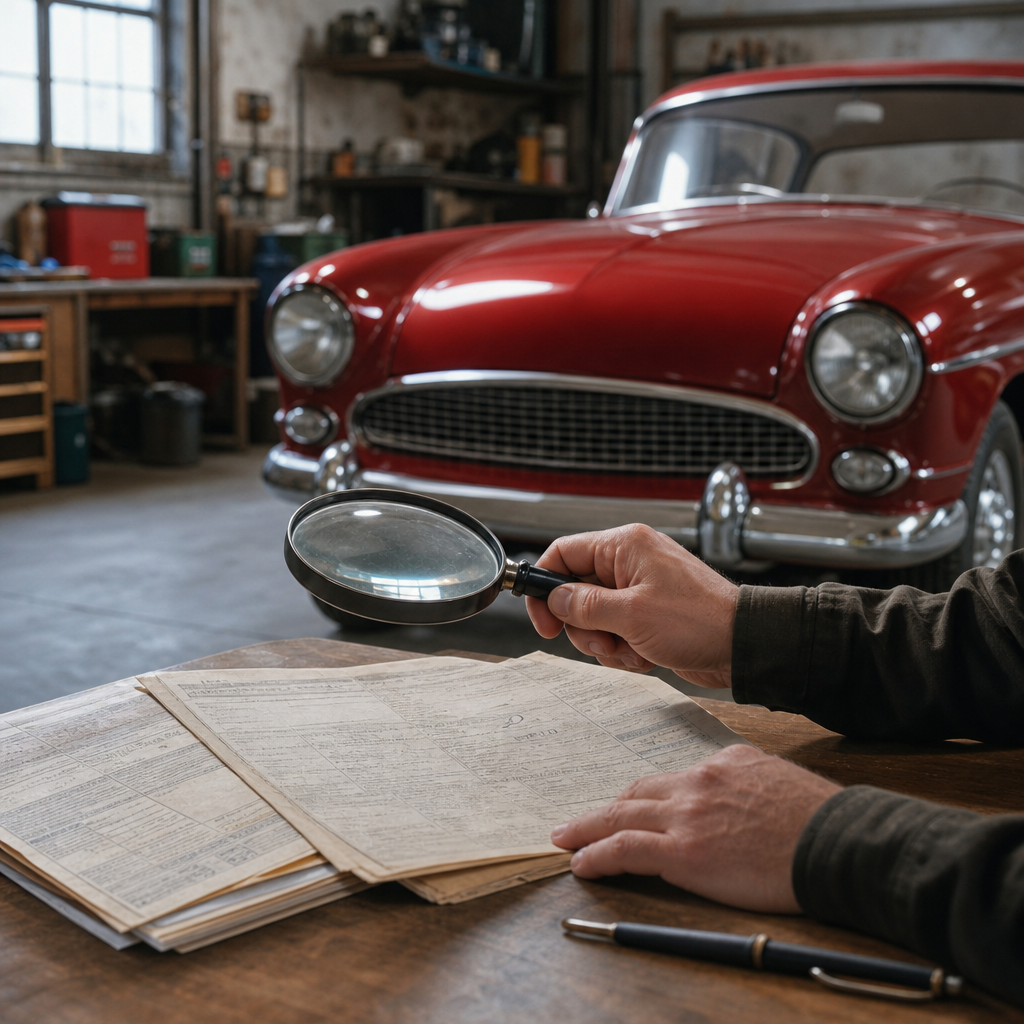
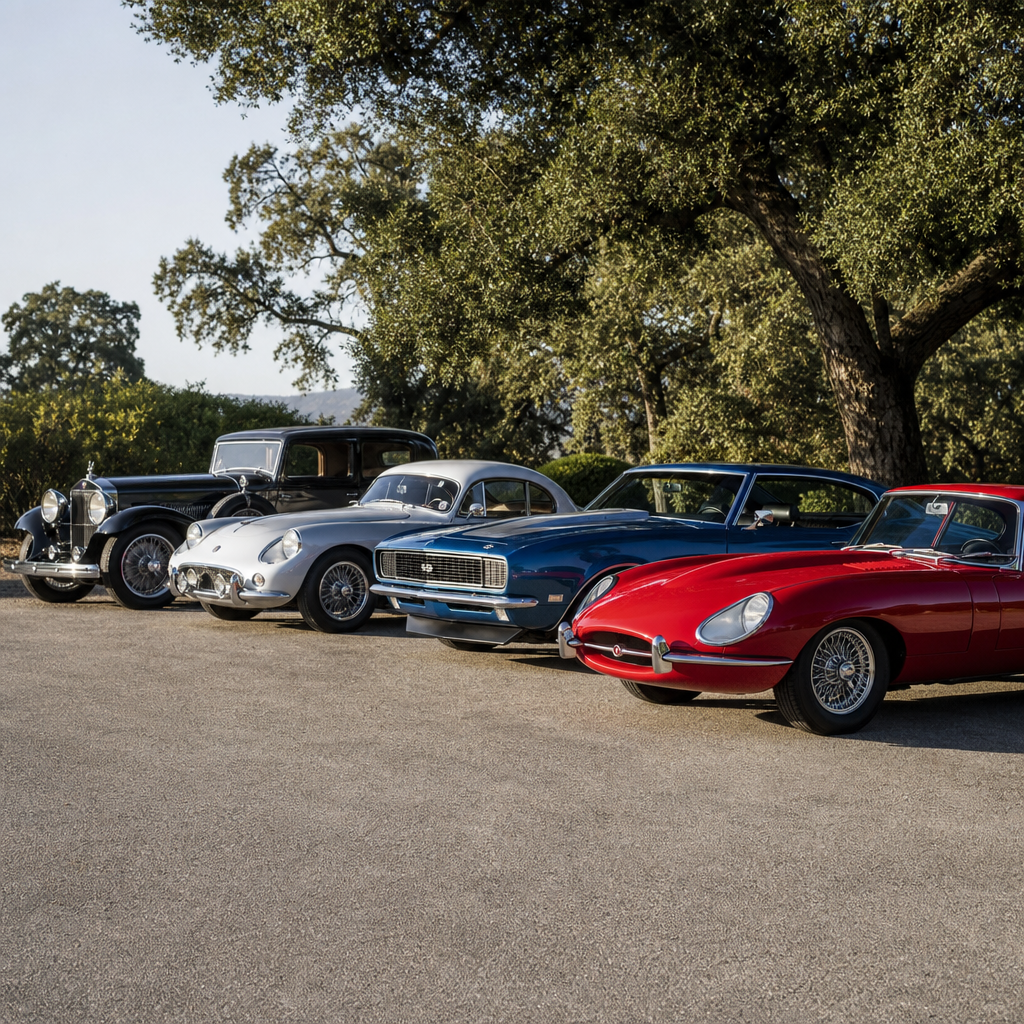
Classic car pricing is never just about age, rarity, or a famous badge on the hood. The most valuable classic cars by decade earn their status through a mix of production numbers, motorsport history, design influence, driveline originality, documented provenance, and buyer demand at auction and in private sales. In years of reviewing consignments, appraisals, and market guides, I have seen the same pattern repeat: two cars from the same year can vary in value by hundreds of thousands of dollars because one has matching numbers, factory options, and ownership history, while the other has rust repair, replacement components, and poor documentation.
That is why a decade-based view helps buyers and sellers understand value. It gives context. A 1930s prewar grand tourer should not be judged by the same rules as a 1960s homologation special or a 1980s turbocharged supercar. In classic car pricing and valuation, key terms matter. Fair market value is the price a knowledgeable buyer and seller agree on without pressure. Auction value reflects the public sale environment, where venue, marketing, and bidder mood influence results. Insurance agreed value is different again, because it is a negotiated figure used for coverage, not necessarily an immediate sale price. Concours condition, driver condition, restoration quality, originality, and provenance are not buzzwords; they are the language that determines what a collector car is actually worth.
This hub article explains the most valuable classic cars by decade while showing how pricing works across the market. It is designed to help someone researching blue-chip classics, someone preparing to sell a family-owned car, and someone comparing market segments before buying. You will see which models dominate each era, why they command premiums, what valuation factors move prices most, and how to use that information when reading auction results, checking comparables, or planning a purchase. If you want a reliable framework for classic car valuation, start with the decade, then narrow by model, condition, originality, and documented history.
How Classic Car Valuation Works Across Decades
The fastest way to understand classic car pricing is to separate emotional value from market value. Collectors often focus on styling, nostalgia, or engine sound. The market rewards harder facts. Auction houses such as RM Sotheby’s, Gooding Christie’s, Bonhams, and Mecum consistently price cars around four pillars: rarity, desirability, condition, and provenance. Price guides like Hagerty Price Guide and Collector Car Market Review add useful benchmarks, but actual selling prices still depend on exact specification and timing.
Condition is not a simple one-line rating. A freshly restored car may look better than an unrestored original, yet the market may still pay more for preservation if the car retains factory finishes, original drivetrain stampings, and a traceable history. Matching-numbers engines and transmissions can create a major premium, especially for 1950s through 1970s American muscle cars and postwar European sports cars. Factory-correct colors matter too. I have watched buyers step back from excellent cars because the trim, carburetion, wheels, or upholstery were not period correct. On top of that, documentation changes everything: build sheets, service records, ownership chain, and competition history all tighten the valuation range.
The decade also shapes buyer behavior. Prewar cars attract a narrower but serious collector base that values coachwork, engineering, and event eligibility. Postwar 1950s and 1960s cars benefit from broad global demand, especially if they appeared in racing, film, or major design histories. Cars from the 1970s and 1980s can be more volatile because nostalgia cycles and generational wealth strongly affect demand. By the 1990s, limited production, low-mileage originality, and analog driving character push values, especially for supercars and homologation icons. For anyone building a buying strategy, this decade lens is essential because it explains why one segment appreciates steadily while another spikes and cools.
Most Valuable Classic Cars by Decade
Every decade has standout models that consistently sit at the top of the market. These are not simply the oldest or fastest cars. They are the cars that collectors treat as benchmarks. Some established records at major auctions. Others transact quietly in private deals where confidentiality hides the final number, but the market still understands their tier. The table below shows representative value leaders by era and why they matter in valuation discussions.
| Decade | High-Value Examples | Why They Command Premiums | Key Valuation Risks |
|---|---|---|---|
| 1930s | Bugatti Type 57SC Atlantic, Mercedes-Benz 540K Special Roadster, Duesenberg Model J | Extremely low production, custom coachwork, prewar engineering prestige, event eligibility | Authenticity disputes, restoration accuracy, limited buyer pool |
| 1950s | Ferrari 250 series, Mercedes-Benz 300SL Gullwing, Jaguar XKSS | Postwar design icons, racing pedigree, global collector demand | Rebody history, replacement engines, hidden corrosion |
| 1960s | Ferrari 250 GTO, Shelby Cobra 427, Lamborghini Miura, Porsche 911 Carrera RS precursors | Homologation significance, motorsport success, cultural recognition | Replica contamination, provenance gaps, non-original drivetrains |
| 1970s | Porsche 911 Carrera RS 2.7, Lamborghini Countach LP400, Ferrari 365 GTB/4 Daytona | Low-volume production, analog performance, strong enthusiast following | Deferred maintenance, emissions-era modifications, color changes |
| 1980s | Ferrari F40, Porsche 959, Buick GNX, BMW M3 Sport Evolution | Turbo-era halo status, technological milestones, nostalgia demand | Storage damage, mileage inconsistency, aftermarket tuning |
| 1990s | McLaren F1, Jaguar XJ220, Porsche 911 GT2, Acura NSX-R | Limited production, usable performance, analog supercar appeal | Service complexity, export compliance, originality concerns |
For the 1930s, Bugatti, Mercedes-Benz, and Duesenberg represent the top end because collectors are buying mechanical artistry and scarcity. A genuine Type 57SC Atlantic is one of the rarest and most celebrated cars in existence. Duesenberg Model J values depend heavily on body style and coachbuilder, with Murphy, Derham, and Rollston examples carrying distinct market positions. These cars are often judged at Pebble Beach or entered in premier tours, so restoration correctness can move values dramatically.
In the 1950s, the Ferrari 250 family became the clearest example of how competition history and limited production create extraordinary valuations. A 250 Testa Rossa or 250 GT SWB sits in a very different league from a mass-produced sports car because the market is pricing racing significance, not just beauty. The Mercedes-Benz 300SL Gullwing remains a valuation anchor for the era because it combines technical innovation, recognizable styling, and a deep buyer pool. Jaguar XKSS values reflect extreme rarity and direct links to the D-Type racing program.
The 1960s are the golden age of collector demand. Ferrari 250 GTO prices define the top of the classic car market because the car checks every box: rarity, racing success, beauty, and impeccable cultural status. Shelby Cobra 427 values reflect a different formula, where performance mythology and low production drive demand. Lamborghini Miura prices rose because buyers now treat it as the first true mid-engine supercar in road-going form. This decade also introduced the valuation challenge of replicas, continuation cars, and tribute builds, all of which require careful VIN, chassis, and provenance checks.
By the 1970s, values become more segmented. The Porsche 911 Carrera RS 2.7 is one of the clearest examples of an appreciating homologation icon because serious enthusiasts value light weight, motorsport intent, and mechanical purity. Early Lamborghini Countach LP400 cars command more than later variants in many cases because purity of design matters. Ferrari Daytona values remain strong because they combine front-engine V12 prestige with usable road manners. This decade taught the market that design originality and low production can outweigh raw horsepower.
The 1980s and 1990s moved from collectible to investment-grade faster than many buyers expected. Ferrari F40 values became durable because the model sits at the intersection of brand history, analog driving, and poster-car status. Porsche 959 values reflect engineering leadership, all-wheel-drive sophistication, and rarity. In the 1990s, the McLaren F1 reached a level where condition, mileage, specification, and ownership history can shift pricing by millions. Cars once seen as modern used performance machines are now judged like blue-chip art objects, with originality and documented service becoming decisive.
What Drives Value Beyond the Model Name
Even among the most valuable classic cars by decade, the model name only starts the valuation conversation. The highest premiums come from authenticity and story. Numbers-matching status matters because it confirms that the engine, transmission, and often rear axle are the units installed when the car left the factory. On a 1967 Corvette L88, a Hemi Cuda, or a Ferrari 275 GTB/4, that detail can mean a six-figure swing. Factory options also matter. Air conditioning may help on some grand tourers, while delete options, competition packages, or rare carburetor setups raise values on performance models.
Color and trim are more important than many first-time sellers expect. Desirable period colors, especially those documented on the factory build record, attract more confident bidding. I have seen otherwise excellent cars stall because a color change suggested a cosmetic restoration rather than a preservation-minded approach. Provenance adds another layer. Celebrity ownership can help, but competition history, original invoice records, and known collector ownership usually matter more. A car displayed at the Cavallino Classic, accepted at Villa d’Este, or documented by the manufacturer’s archives enters the market with stronger credibility.
Mechanical condition remains critical because expensive cars are still machines. Buyers examine compression, leak-down results, cold-start behavior, gearbox quality, suspension wear, and braking performance. A pre-purchase inspection by a marque specialist is standard, not optional. Rust, accident repair, non-factory welding, and hidden corrosion around floors, sills, shock towers, or frame rails can destroy value. For sellers, the lesson is simple: assemble records, verify authenticity, photograph stampings, and document restoration work clearly. For buyers, compare the car against auction archives, factory registries where available, and specialist forums before discussing price.
Using This Hub to Research Buying and Selling Decisions
As a hub for classic car pricing and valuation, this topic should lead you into deeper research before money changes hands. If you are buying, start by defining the segment: prewar luxury, postwar sports car, muscle car, air-cooled European performance, or modern classic supercar. Then review comparable sales from the last twelve to twenty-four months rather than relying on one headline auction result. Venue matters. Scottsdale, Monterey, Paris, and Amelia Island audiences do not bid the same way, and private treaty sales may sit above or below public estimates depending on urgency and rarity.
If you are selling, price discipline matters more than optimism. Overpricing stale inventory damages credibility, while a well-supported asking price backed by records, photos, and an inspection report creates serious interest. Prepare the car the right way: fix obvious faults, avoid over-restoring original cars, organize documents, and tell the car’s history clearly. For both buyers and sellers, the most valuable classic cars by decade provide a practical benchmark. They show what the market rewards and why. Use that framework to evaluate condition, provenance, and timing with more confidence, then continue into detailed model-specific valuation research before you list, bid, or negotiate.
Frequently Asked Questions
What actually makes a classic car one of the most valuable examples of its decade?
The biggest mistake people make is assuming value comes down to age alone. In reality, the most valuable classic cars by decade rise to the top because several factors overlap at once. Production numbers matter, but rarity by itself is not enough. A low-volume car with little enthusiast following can remain relatively flat, while a more widely recognized model with racing success, strong design pedigree, and a loyal collector base can command far higher prices. Motorsport history is especially important because race wins, homologation status, and connections to famous drivers give a car cultural importance that survives long after production ends.
Originality is another major driver of value. Collectors pay premiums for matching-numbers engines, factory-correct drivetrains, original body panels, proper finishes, and documented options. Provenance can push a car into a different pricing tier altogether. If the ownership history includes a well-known collector, celebrity, racer, or a well-documented chain of custody, buyers often see less risk and more prestige. Condition also plays a central role, but condition must be judged in context. A correctly preserved unrestored car can be worth more than a freshly restored one if it retains authentic materials and an honest history.
Design influence and market demand complete the picture. Certain cars define their era visually or mechanically, and that kind of recognition creates long-term desirability. When a car represents a turning point in styling, engineering, or performance, it tends to remain relevant decade after decade. In practical terms, the most valuable cars usually sit at the intersection of rarity, significance, originality, and buyer demand. That is why two cars from the same year can have dramatically different values even when they look similar to casual observers.
Why can two classic cars from the same year and model have such different values?
This happens all the time, and it is one of the clearest lessons in the collector market. Two cars built in the same year, from the same factory, and wearing the same badge can vary in value by hundreds of thousands of dollars because buyers are not simply purchasing the model name. They are purchasing a very specific example of that model. Documentation is often the first dividing line. A car with complete ownership records, service invoices, factory paperwork, restoration photos, and certification from a recognized marque expert gives buyers confidence. A similar car with gaps in its history creates uncertainty, and uncertainty lowers value.
Driveline originality is another critical factor. Matching-numbers status, correct transmission type, original carburetion or fuel system, and proper factory options can all influence price. Color combinations matter more than many people expect as well. A rare and desirable original paint and trim specification can lift a car above market averages, while unpopular colors or non-original combinations can hold it back. Restoration quality also creates major differences. A high-level restoration completed by a respected specialist using correct finishes and date-appropriate components is viewed very differently than an older cosmetic refurbishment aimed mainly at presentation.
Then there is the matter of provenance and specification. Was the car delivered new to an important market? Does it have competition history, celebrity ownership, or one-year-only equipment? Is it a base version or a top-spec performance variant? Even subtle differences in engine output, coachwork, body style, or option packages can shift values dramatically. Finally, market timing matters. If one car sells at a major auction with broad international exposure and another trades privately under pressure, the results may diverge. In short, collector value lives in the details, and the details are where pricing gaps are created.
How does decade-by-decade analysis help when identifying the most valuable classic cars?
Looking at classic cars by decade is useful because each era rewarded different qualities, and understanding those shifts helps explain why certain vehicles stand out. In the pre-war years, value often centers on coachbuilt bodies, mechanical sophistication for the period, elegance, and ties to concours history or early competition. By the 1950s, the conversation often expands to postwar optimism, limited production grand tourers, early sports-racing legends, and landmark styling. In the 1960s, many of the biggest names gained value through racing pedigree, design breakthroughs, and the emergence of high-performance road cars that became global icons.
The 1970s and 1980s require a slightly different lens. In those decades, homologation specials, limited-production supercars, low-mile preservation cars, and highly original examples tend to lead the market. Some vehicles from these years were overlooked for a long time and later reevaluated as collectors who grew up with them entered the market. By the 1990s, technology, analog driving feel, and the final generations of less filtered performance cars started to matter more. Cars from this era can be especially sensitive to mileage, maintenance history, and originality because many were driven hard, modified heavily, or neglected when depreciation made them seem ordinary.
Decade analysis also helps buyers avoid false comparisons. A top-value car from the 1950s is rarely prized for the exact same reasons as a top-value car from the 1980s. One may be judged on coachwork provenance and period competition, while the other is judged on production totals, engineering milestones, and collector nostalgia. Breaking the market into decades helps people understand the language of value for each era rather than treating all classics as one category. That approach leads to better appraisals, more realistic expectations, and smarter buying decisions.
Do auction results accurately reflect what the most valuable classic cars are worth?
Auction results are extremely useful, but they are not the whole story. Public sales provide transparent benchmarks, and they often shape market perception because they show what at least one buyer was willing to pay on a specific day under competitive conditions. For highly desirable models, strong auction results can reset expectations quickly, especially when the car is rare, well documented, and presented through a major house with global visibility. That said, a single headline result does not automatically define the value of every comparable example. The circumstances surrounding the sale matter a great deal.
For example, a car sold at a premier event with ideal cataloging, strong photography, expert marketing, and a room full of motivated bidders may outperform a similar car sold in a weaker venue. Reserve levels, seller urgency, broader economic conditions, and even the order in which cars cross the block can influence hammer prices. Private sales can differ as well. Some of the best cars trade quietly for substantial sums that never become public, while compromised examples can linger off-market without affecting visible price guides. That is why serious valuation work looks at more than just one or two public transactions.
The best approach is to combine auction data with private sale intelligence, expert inspections, market guide trends, and detailed comparisons of specification and condition. Auction prices are indicators, not universal truths. They are strongest when multiple sales over time support a pattern. If several properly documented examples of a model perform consistently across respected venues, confidence in the market level improves. But if results are scattered, the underlying reasons must be examined before drawing conclusions. In the collector world, the market speaks clearly only when the context is understood.
What should buyers and owners focus on if they want to protect or improve classic car value over time?
The first priority is preserving originality wherever possible. Once original components, finishes, trim, stampings, and documentation are lost, they are often difficult or impossible to recreate convincingly. Owners who want to protect value should keep records meticulously, including service invoices, restoration receipts, authentication reports, ownership history, and photographs. Even seemingly minor paperwork can matter later because it helps prove continuity and supports the car’s story. Proper storage is equally important. Climate control, battery maintenance, fluid management, and regular exercise help prevent deterioration that can become expensive and value-reducing if ignored.
Maintenance should always be done to a high standard and with attention to marque-correct details. Deferred mechanical work can be more damaging than cosmetic imperfections because major systems such as engines, gearboxes, brakes, and fuel systems affect both usability and buyer confidence. If restoration is necessary, restraint is often wise. Over-restoring a car beyond its factory appearance or replacing too many original parts can hurt its appeal, especially in sectors of the market that reward authenticity. Using respected specialists and documenting every step gives future buyers reassurance that the work was done correctly.
Owners should also stay informed about changing demand within their car’s segment. Values move as collector tastes evolve, generations age into the market, and certain models gain recognition for design or motorsport relevance. Insurance appraisals should be updated regularly to reflect real market conditions rather than old assumptions. Most importantly, owners should understand that value is not created by speculation alone. It is built through careful stewardship, honest representation, and a clear understanding of what makes a specific car desirable in the first place. The cars that hold up best over time are usually the ones that have been preserved thoughtfully, documented thoroughly, and presented transparently.