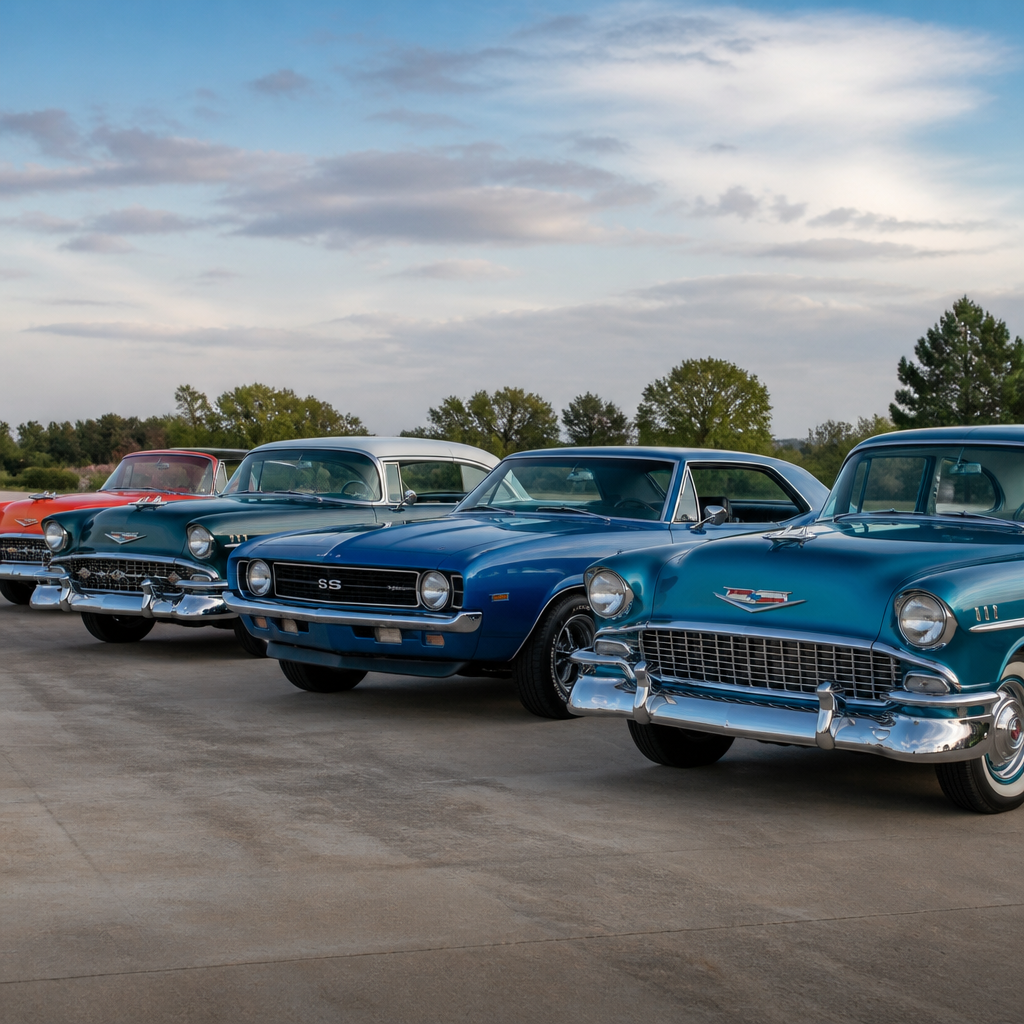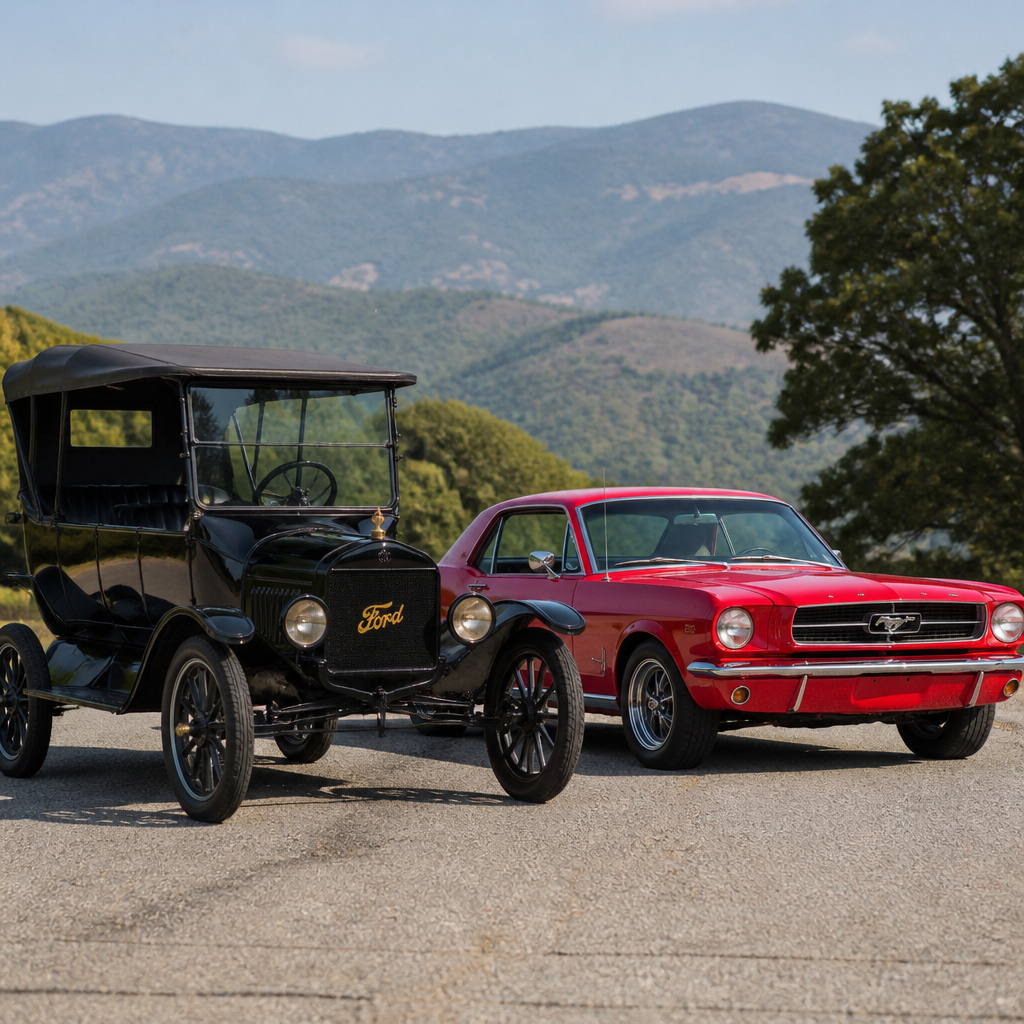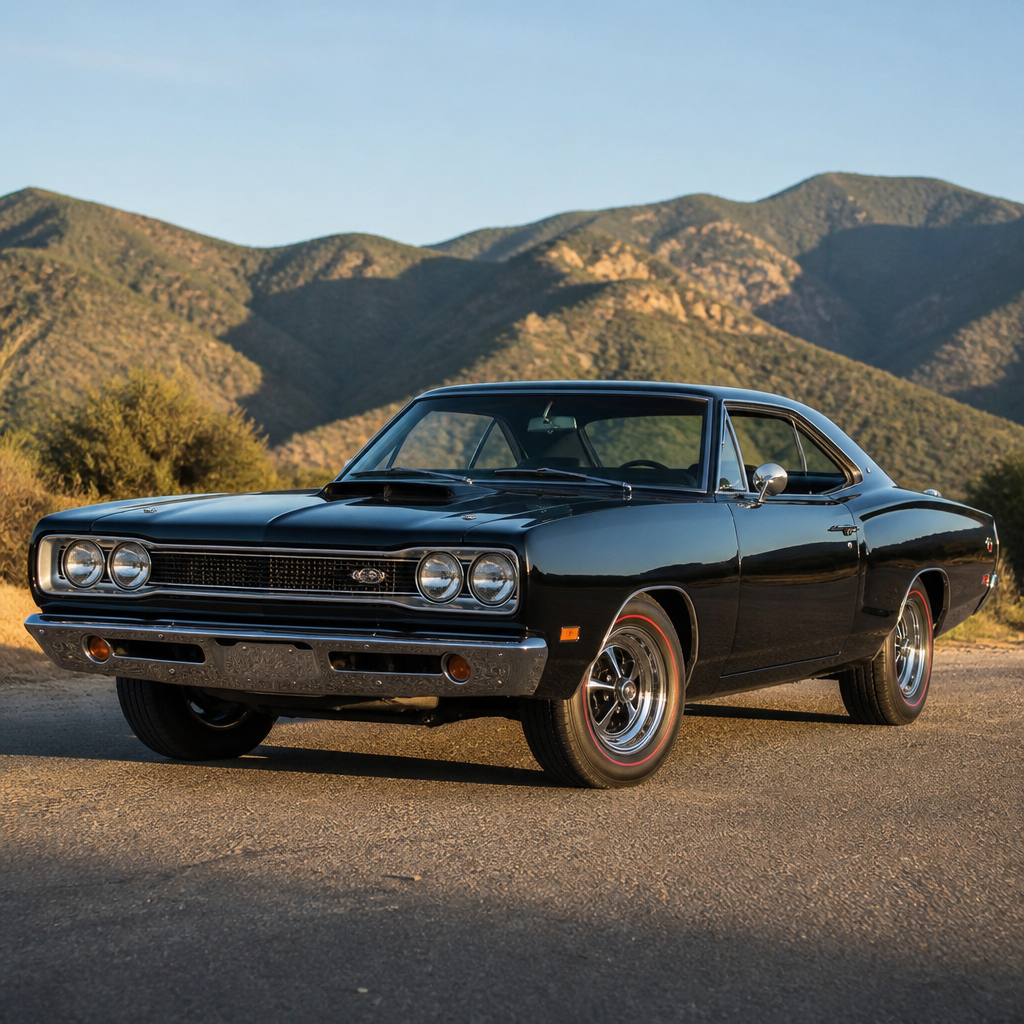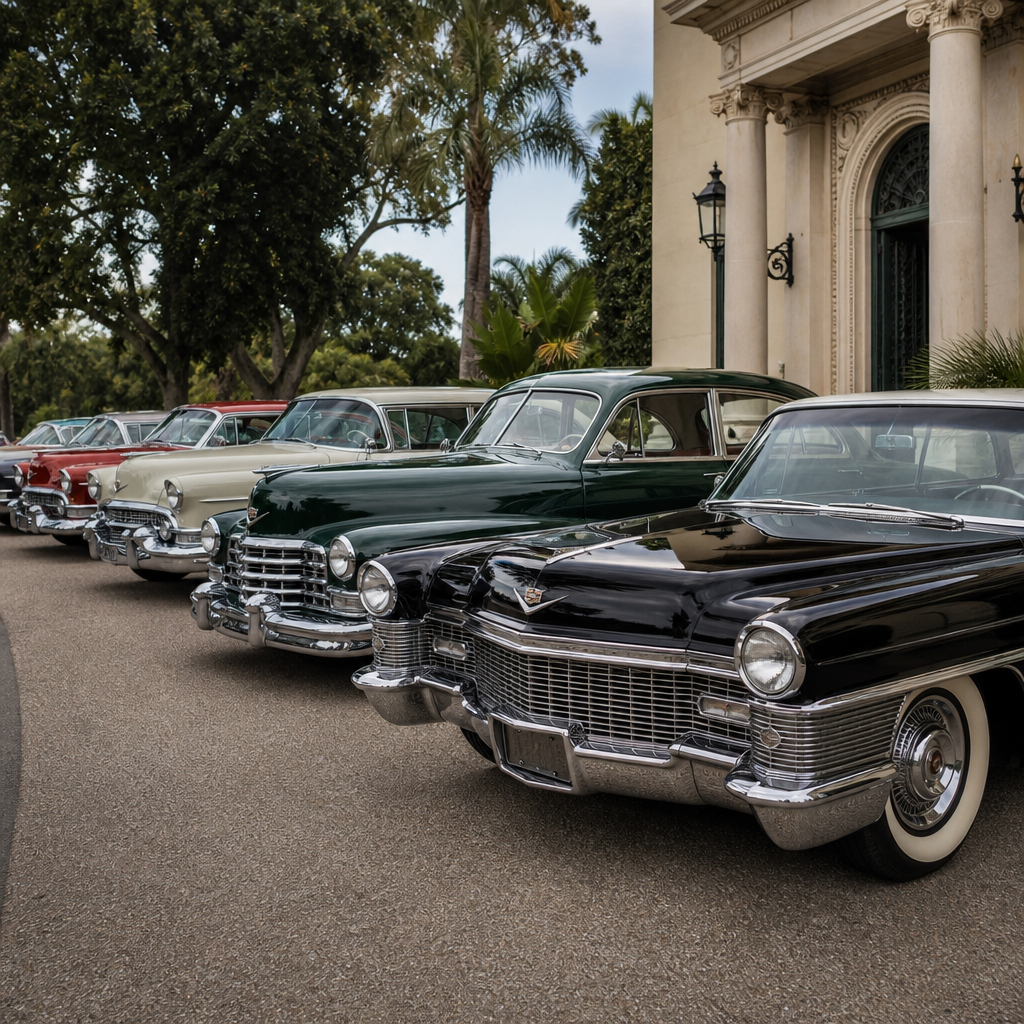
Most valuable American classic cars today sit at the intersection of design history, racing pedigree, rarity, and collector demand. In practical terms, “valuable” does not simply mean expensive at auction. It also reflects cultural significance, originality, condition, documentation, and how strongly a model anchors the broader American classics market. After years of tracking sales, restoration decisions, and insurer appraisals, I have seen the same pattern repeatedly: the cars that hold lasting value are the ones with a clear story, limited production, recognizable styling, and verified provenance. That is why a numbers-matching muscle car, a coachbuilt prewar luxury model, or a homologation-era sports car can command vastly different prices yet belong in the same top-tier conversation.
American classic cars matter because they represent distinct eras of U.S. automotive development. Prewar marques such as Duesenberg, Packard, and Cadillac established engineering prestige. Postwar performance icons from Chevrolet, Ford, Plymouth, Dodge, Pontiac, and Buick turned horsepower into a national obsession. Specialty builders such as Shelby and Yenko transformed already desirable platforms into scarce collector-grade machines. Even within one nameplate, values can vary dramatically depending on engine code, body style, build date, factory options, and production totals. A 1969 Chevrolet Camaro ZL1 is not valued like a base six-cylinder Camaro, and a 1963 split-window Corvette differs materially from a later small-block coupe.
For enthusiasts building a watchlist or investors evaluating the classic car market, understanding the most valuable American classic cars today helps separate durable blue-chip models from trend-driven purchases. This hub article maps the landscape: which American classics lead the market, what makes them valuable, how condition and originality affect price, and where buyers should be cautious. If you want a clear framework for evaluating American classics, start with the models that consistently define the top end of the segment.
What makes an American classic car truly valuable
The most valuable American classic cars share five traits. First is rarity, but not rarity alone. Low production matters only when paired with real demand. Second is provenance: original paperwork, factory build sheets, known ownership history, and documented racing or celebrity ties can add substantial value. Third is specification. High-output engines, special homologation packages, limited trims, and desirable transmissions often create the price gap within a model line. Fourth is originality. Collectors consistently pay more for factory-correct drivetrains, authentic finishes, and unmodified body structures. Fifth is cultural status. Cars that changed performance benchmarks or became symbols of an era retain attention even when markets soften.
Condition grading also drives value. In concours condition, a car is restored or preserved to an exacting standard. In excellent driver condition, it remains highly desirable but may show minor use. Once rust repair, non-original engines, replacement trim, or undocumented modifications enter the picture, values can fall quickly. I have watched buyers overlook cosmetic flaws when a car retained its original drivetrain, yet walk away from glossy restorations that concealed replacement stampings or incorrect components. In the American classics market, authenticity often beats shine.
Documentation is another dividing line. Protect-O-Plate records, window stickers, dealer invoices, trim tags, and marque-expert certifications remove doubt. Auction houses such as RM Sotheby’s, Mecum, Gooding Christie’s, and Barrett-Jackson routinely emphasize these details because they support headline prices. Without them, a seller may still have a desirable car, but not the same confidence level. That confidence is what turns interest into bidding competition.
Blue-chip American classics that lead the market
At the very top of the market, a small group of American classics consistently draws elite collector money. The Shelby Cobra 289 and 427 remain benchmark cars because they combine brutal performance, unmistakable styling, and limited production. Genuine Cobras, especially with known history and correct components, sit in a completely different tier from replicas. Early examples with racing links or period competition history can reach extraordinary valuations because buyers are not just purchasing a car; they are buying a central artifact of American performance history.
The Duesenberg Model J is another blue-chip name. Produced during the late 1920s and 1930s, it symbolized American luxury and engineering ambition. Supercharged SJ variants, rare coachbuilt bodies, and celebrity ownership histories raise values further. These are not casual collector cars. They are museum-level assets tied to the peak of prewar prestige motoring.
Among postwar icons, the 1963 Chevrolet Corvette split-window coupe remains one of the most recognized American classics. Its one-year-only rear-window design gives it immediate visual distinction, and fuel-injected examples or well-documented high-spec cars carry a premium. The 1967 Corvette L88 goes even further. With race-oriented engineering and extremely low production, it ranks among the most coveted Corvettes ever built.
Ford’s contribution starts with the GT40 lineage and extends to road-going homologation legends and late-1960s muscle. While original GT40s often occupy a specialized global market, the 1969 and 1970 Mustang Boss 429 stands as one of the most valuable production-based American performance cars. Built to homologate the 429 semi-hemispherical engine for NASCAR, it pairs scarcity with engineering significance. Likewise, early Shelby Mustangs, especially 1965 and 1966 GT350s and select GT500s, continue to command strong prices because they occupy the space between factory production and motorsport-bred specialty construction.
Muscle cars with the highest collector demand
The muscle car era remains the most active segment within American classics because demand spans seasoned collectors and first-time buyers. Yet the most valuable muscle cars are highly specific versions, not broad model names. The 1971 Plymouth Hemi ’Cuda convertible is a prime example. Production numbers were tiny, and surviving authenticated cars are among the most expensive muscle cars ever sold. The same principle applies to the 1970 Dodge Challenger R/T Hemi convertible and select Hemi Charger or Super Bee models.
Chevrolet’s top muscle offerings include the 1969 Camaro ZL1, 1970 Chevelle SS 454 LS6, and COPO Camaros. The ZL1’s all-aluminum 427 and ultra-low production make it a top-tier asset. COPO cars are valuable because they were built outside normal retail option structures, creating a mythology that still drives collectors today. With Chevrolet, engine code and documentation are everything. A convincing tribute car can look the part, but serious market value comes from verifiable authenticity.
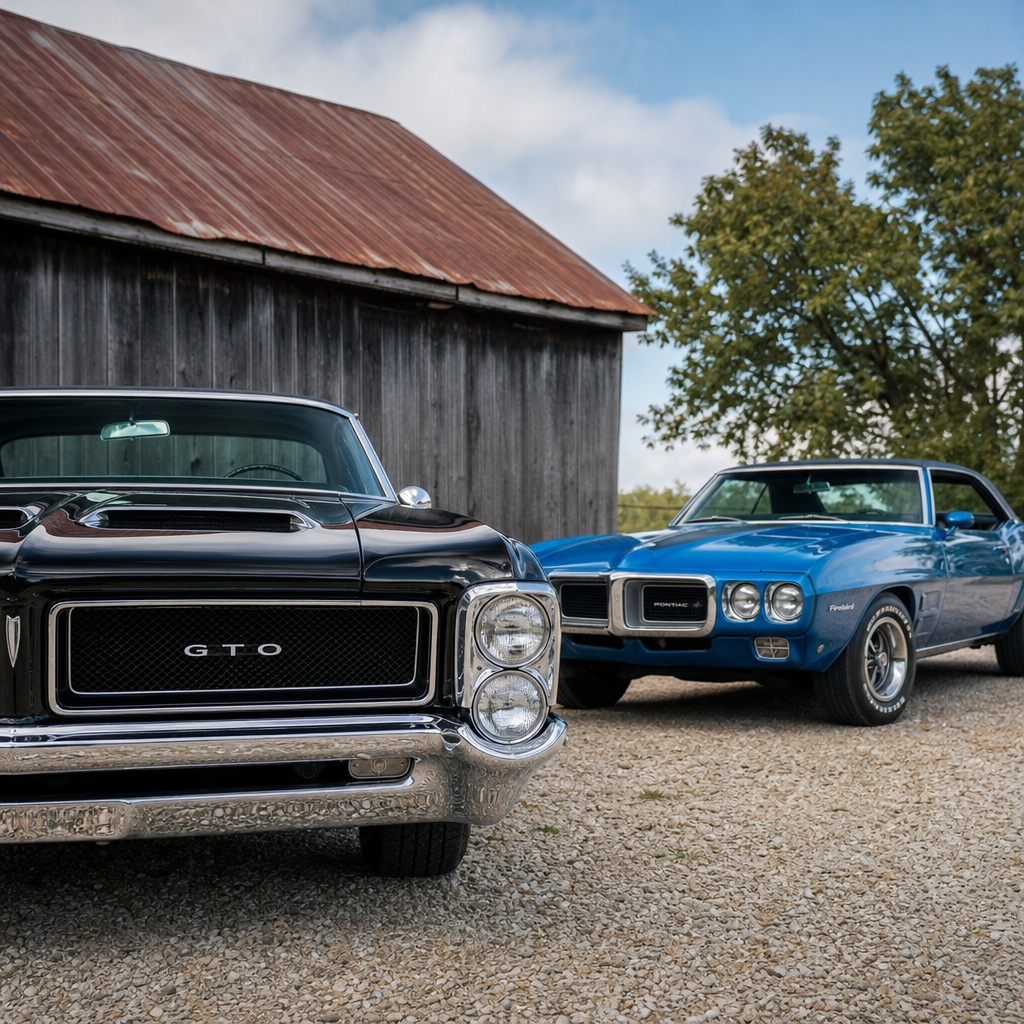
Ford’s muscle hierarchy includes the Boss 429, select 428 Cobra Jet Mustangs, and 1968 Mustang GT 390 fastbacks with iconic cultural visibility. Pontiac collectors chase the 1969 Trans Am, Ram Air IV GTO Judge, and early Super Duty models. Buick GSX Stage 1 cars attract buyers who understand how limited production and underrated performance combine into scarcity-driven value. Oldsmobile 442 W-30s and Hurst/Olds models also sit higher than casual observers often expect.
| Model | Why collectors pay more | Key value drivers |
|---|---|---|
| 1969 Camaro ZL1 | Extremely low production and race-grade engine | Original drivetrain, COPO documentation, known history |
| 1971 Hemi ’Cuda convertible | Near-mythic rarity in the muscle car world | Broadcast sheets, matching numbers, restoration quality |
| 1967 Corvette L88 | Competition-focused specification with tiny production | Tank sticker, racing provenance, factory-correct details |
| 1969 Boss 429 Mustang | NASCAR homologation significance | KK number verification, original engine, color rarity |
| 1965 Shelby GT350 | Early Shelby identity and direct performance pedigree | Shelby registry status, originality, ownership records |
One practical lesson from muscle car valuations is that clones and recreations have become more sophisticated, not less. That makes expert inspection essential. Stampings, casting dates, trim tags, weld patterns, and historical records decide whether a car sits in the upper tier or the middle of the market.
Corvette, Shelby, and other American performance legends
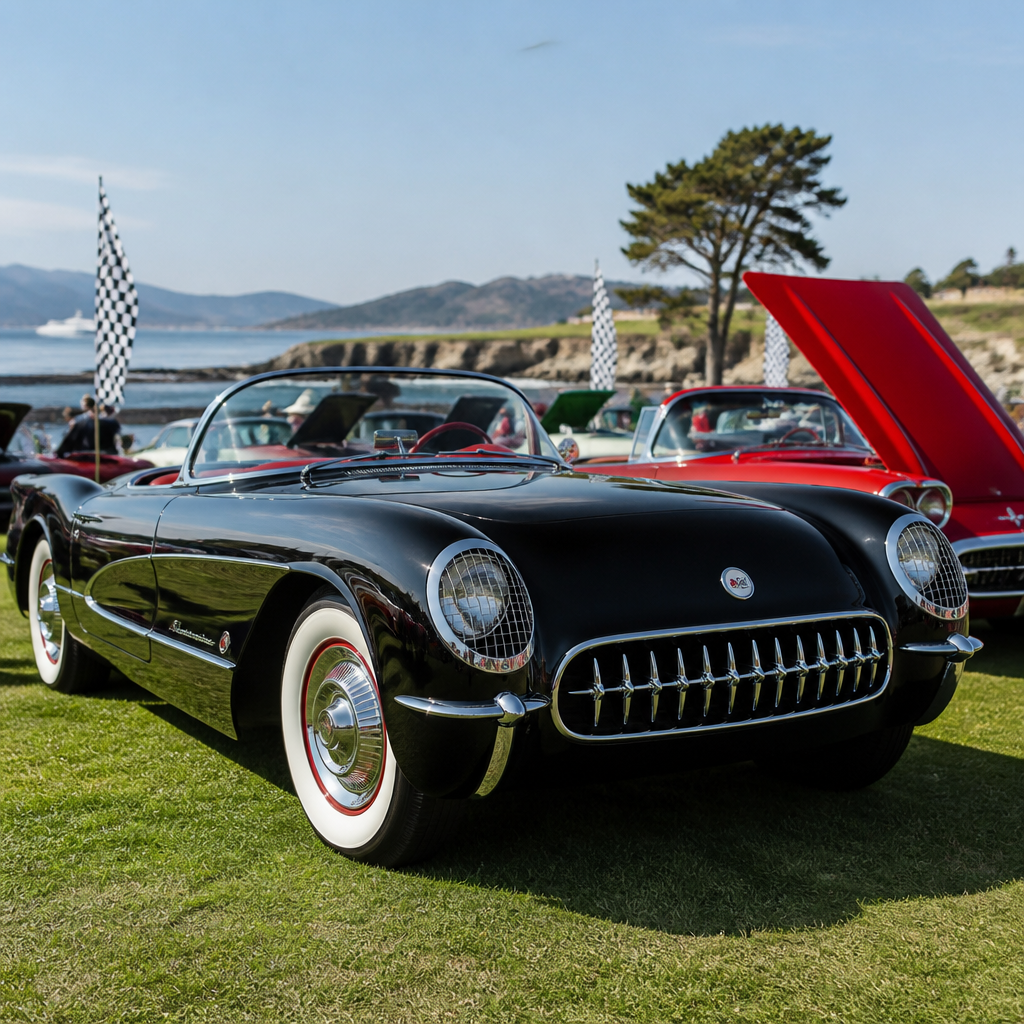
Some American classics deserve separate treatment because they function almost like markets within the market. Corvette is the clearest example. Solid-axle C1 Corvettes, especially fuel-injected models from 1957 to 1962, remain coveted because they represent early American sports-car credibility. Midyear C2 cars from 1963 to 1967 are generally the value summit for many collectors, with big-block and special-engine variants leading. The L88, Z06, and select Bloomington Gold or NCRS-certified cars command the most attention because buyers know exactly what standards and documentation prove legitimacy.
Shelby models operate similarly. Authentic 1960s Shelby Mustangs are sharply distinguished from standard Mustangs, even when the visual differences seem familiar to casual observers. Registry confirmation, chassis sequencing, correct Shelby-specific parts, and period configuration matter. I have seen cars lose major value because they carried later replacement components that were functionally sound but historically wrong. In this segment, being correct is more important than being merely impressive.
Other performance legends include the Auburn Speedster, certain Cunningham competition cars, and limited-production factory specials such as the Pontiac Catalina Super Duty. These cars prove that value is not confined to the best-known muscle badges. When a model connects engineering innovation to proven scarcity, collectors pay attention, even if the wider public is less familiar with it.
How originality, restoration, and provenance shape price
Originality is the most misunderstood factor in classic car pricing. A car can be beautifully restored and still trail a less polished example if it has lost its original engine, transmission, body panels, or data integrity. Numbers matching means the major drivetrain components correspond correctly to the vehicle. For many high-value American classics, that standard is non-negotiable. Color changes, aftermarket air conditioning, reproduction trim, or upgraded wheels may make a car easier to enjoy, but they usually reduce top-tier collector appeal.
That said, restoration quality still matters enormously. A poor restoration can be worse than no restoration because it introduces expensive correction work. Buyers look for proper panel alignment, factory-correct finishes, date-coded glass, accurate hardware plating, and upholstery that matches original patterns and grain. Marque experts, judging organizations, and restoration invoices help confirm the level of work performed. Awards from respected bodies can support pricing, but they never replace hard documentation.
Provenance amplifies all of this. If a car has known period racing history, celebrity ownership, or continuous family stewardship, it becomes easier to market and easier to trust. In private transactions, provenance often reduces negotiation friction because uncertainty is lower. In auctions, it can create the emotional momentum that pushes bidding beyond published estimate ranges.
How to evaluate today’s market before you buy
The American classics market is active, but it is not uniform. Top-shelf, documented cars remain liquid because serious buyers compete for certainty. Mid-tier cars with questionable originality, incomplete histories, or over-optimistic restorations can stall. Before buying, compare recent auction results with private-sale listings, then adjust for condition and paperwork. Price guides from Hagerty and insurer valuation tools are useful baselines, but they should never replace a model-specific review of recent comps.
Inspection is mandatory. Use a marque specialist who knows where hidden corrosion, altered stampings, and reproduction components appear on the exact model you are considering. Verify VIN plates, body tags, casting numbers, date codes, and supporting documents. For six-figure cars, commission a paint meter reading, underbody photos, compression testing when appropriate, and an independent title review. If a seller resists transparent verification, assume there is a reason.
Buyers should also think about ownership costs. Storage, agreed-value insurance, transport, maintenance, and specialist labor affect the real cost of entry. Rare trim, carburetion pieces, smog equipment, and date-coded accessories can be painfully expensive to source later. The smartest purchases begin with clarity: know whether you want concours potential, event eligibility, or a strong driver with stable long-term value.
The most valuable American classic cars today are the ones that combine rarity, authenticity, and a story the market can verify. Blue-chip names like Shelby Cobra, Duesenberg Model J, Corvette L88, Boss 429, Hemi ’Cuda, and early Shelby Mustangs lead for a reason: they mark turning points in American automotive history and remain scarce in correct form. Muscle cars dominate public attention, but prewar luxury cars, homologation specials, and documented factory-performance models are equally important within the American classics landscape.
If you remember one rule, let it be this: buy the best documented, most original example you can afford. Condition can be improved, but lost provenance and missing authenticity are difficult, sometimes impossible, to recover. That principle protects both enjoyment and value. It also helps you navigate the difference between a desirable old car and a genuinely important collector car.
Use this hub as your starting point for deeper research into specific American classics, then narrow your search by model, engine, year, and documentation standard. When you evaluate the market with discipline, American classics become more than nostalgic purchases. They become tangible pieces of industrial history worth owning well.
Frequently Asked Questions
What makes certain American classic cars more valuable than others today?
The most valuable American classic cars today tend to combine several qualities at once rather than relying on a single trait. Rarity matters, but rarity by itself is not enough. A low-production car with little collector interest may stay niche, while a well-known model with strong historical importance can command major prices even when more examples survive. The highest-value American classics usually sit where design influence, performance reputation, brand prestige, and cultural recognition all overlap.
Provenance also plays a major role. A car with known ownership history, original documentation, factory paperwork, period photographs, or links to racing and celebrity ownership will often outperform a similar example without that background. Collectors place real value on a story that can be verified. In the upper tiers of the market, authenticity is everything. Matching-numbers drivetrains, correct trim, original body tags, factory colors, and period-correct components all help support stronger valuations.
Condition is another major factor, but here the market has become more sophisticated. A flawless restoration is not always worth more than an exceptionally preserved original survivor. Many serious buyers now pay a premium for originality, especially when paint, interior, driveline, and finishes remain factory-correct. In other cases, a concours-level restoration performed to exact standards can push a historically important car to the top of the market. The key is whether the condition aligns with what top buyers want for that specific model.
Finally, demand is what confirms value. Some American classics remain valuable because they are icons of their era, such as high-performance muscle cars, early sports racers, limited-production luxury cars, and homologation-inspired models. These vehicles anchor the broader collector market because buyers view them as benchmarks, not just toys. When a car has enduring demand across generations, it is much more likely to hold its position as one of the most valuable American classics today.
Which types of American classic cars usually lead the market in value?
At the highest end, American classic cars with real competition pedigree often lead the market. Factory-backed race cars, homologation specials, and limited-production performance models tend to command the strongest prices because they represent more than transportation. They reflect engineering ambition, motorsports success, and moments when American manufacturers pushed beyond ordinary production goals. Cars tied to Le Mans, NASCAR, SCCA, or major endurance and road-racing programs often attract global attention, not just domestic interest.
Blue-chip muscle cars also remain central to the American collector landscape. The most valuable examples are typically the rarest and best-documented versions of already desirable models. High-output big-block cars, special-order performance packages, convertibles, and low-production homologation variants tend to stand above more common trims. However, value depends heavily on correctness. A well-documented, authentic car with original equipment will usually outperform a restored clone or heavily modified example by a significant margin.
Important prewar and postwar luxury American classics can also rank extremely high, especially those from storied marques or custom coachbuilt programs. These cars appeal to collectors who value design history, craftsmanship, and elegance as much as outright speed. In some segments, they trade less frequently than muscle cars, but when exceptional examples come to market, they can achieve very strong results because they represent a level of American automotive artistry that is difficult to replicate.
There is also a category of culturally iconic American classics that stays valuable because of broad recognition. Certain Corvettes, Shelby models, rare Mopars, select Cadillacs, Duesenbergs, and landmark Fords continue to draw attention because they are deeply woven into the story of American car culture. These models often perform well because they appeal to both serious collectors and aspirational buyers. In practical market terms, the strongest categories usually blend rarity, historical importance, and a reputation that extends far beyond enthusiast circles.
Does originality matter more than restoration quality when valuing a classic American car?
In many cases, yes, originality matters more than restoration quality, but it depends on the specific car and the level of the market. Over the past decade, collectors have increasingly rewarded highly original cars because they serve as references for what the model actually looked and felt like when new. Original paint, factory interiors, untouched hardware, original stampings, and matching-numbers drivetrains can create a premium that even a beautiful restoration cannot always match. That is especially true for historically important or low-production cars where authenticity is under intense scrutiny.
That said, restoration quality is still extremely important. A poorly restored car can lose credibility quickly, especially if it has incorrect finishes, reproduction parts in visible areas, or modifications that stray from factory specification. The best restorations are not just attractive; they are accurate. Top collectors and judges look for proper materials, date-coded components where appropriate, correct assembly details, and consistency with build records. In the most valuable segments, a restoration should reinforce authenticity rather than overshadow it.
There are also situations where restoration becomes necessary to preserve value. If a car has deteriorated to the point that rust, mechanical neglect, or missing parts threaten its survival, a properly documented restoration can absolutely strengthen its market position. The key is transparency. Buyers want to know what was original, what was replaced, and why. A complete photo file, invoices, expert verification, and restoration records make a major difference because they reduce uncertainty.
The real answer is that the market rewards cars that are honest. An exceptionally preserved survivor with strong documentation can be more valuable than a freshly restored example. A world-class, factory-correct restoration can be more valuable than a tired car with originality but significant issues. What buyers consistently pay for is confidence: confidence in the car’s identity, configuration, history, and long-term collectibility. That is why originality and restoration quality should not be treated as opposites. The most valuable cars often excel in both areas, either through preservation or through restoration done with extraordinary discipline.
How do documentation and provenance affect the value of American classic cars?
Documentation and provenance can dramatically affect value because they answer the questions that serious buyers care about most: Is the car authentic? Is it correctly represented? Does it have a meaningful history? In high-value American classics, paperwork often separates a good car from a great one. Build sheets, window stickers, dealer invoices, warranty booklets, title history, restoration receipts, judging sheets, and period registrations all help establish continuity. The stronger and more complete the paper trail, the easier it is for buyers, appraisers, insurers, and auction houses to support a premium valuation.
Provenance goes beyond paperwork and into narrative. If a car was owned by a notable figure, campaigned in important racing events, featured in period advertising, or retained by one family for decades, that history can elevate it well above standard market levels. But provenance only matters fully when it is documented and verifiable. Claims without evidence do little for serious buyers. The market values stories that can be supported by records, expert confirmation, and consistent historical details.
Documentation is particularly critical for rare high-performance American cars because fraud and misrepresentation have long been concerns in the hobby. Re-stamped engines, recreated trim tags, fabricated special editions, and cloned performance packages can confuse the market and damage confidence. A thoroughly documented car with known chain of ownership and expert authentication becomes more desirable because it reduces risk. Buyers are often willing to pay more simply because the likelihood of future disputes is lower.
From a practical standpoint, documentation also helps with resale. When a car comes to market with organized records, photographs, certificates, and expert reports, it tends to attract stronger bidding and more serious interest. The buyer is not only purchasing the machine but also the confidence that comes with it. That is why provenance and paperwork are not side issues in the value discussion. For many of the most valuable American classic cars today, they are central to the price.
Are the most valuable American classic cars still good long-term investments?
They can be, but the smartest way to think about them is as collectible assets first and pure investments second. The best-performing American classics usually have lasting appeal because they represent something foundational in automotive history. They may have racing importance, landmark styling, limited production, or a reputation that has endured across decades. These traits help support long-term demand, which is the strongest argument in favor of value retention.
However, the market is not uniform, and not every expensive classic appreciates in the same way. Some segments rise quickly and then cool. Others remain steady for years because collector demand is deep and global. Condition, originality, documentation, timing of sale, and overall economic climate all affect results. Even among highly desirable American classics, two examples of the same model can perform very differently depending on authenticity and presentation. That is why blanket investment claims should be treated cautiously.
Ownership costs also matter. Insurance, storage, maintenance, specialist servicing, transport, and restoration expenses can significantly affect the financial picture. A car that appears to appreciate on paper may deliver a more modest real-world return after those costs are factored in. On the other hand, top-tier cars with unquestioned provenance and broad collector recognition often remain attractive because they are relatively insulated from shifting tastes compared with more speculative models.
The strongest long-term candidates are usually cars that anchor the American collector market rather than merely participate in it. These are the models that experts, auction houses, restor