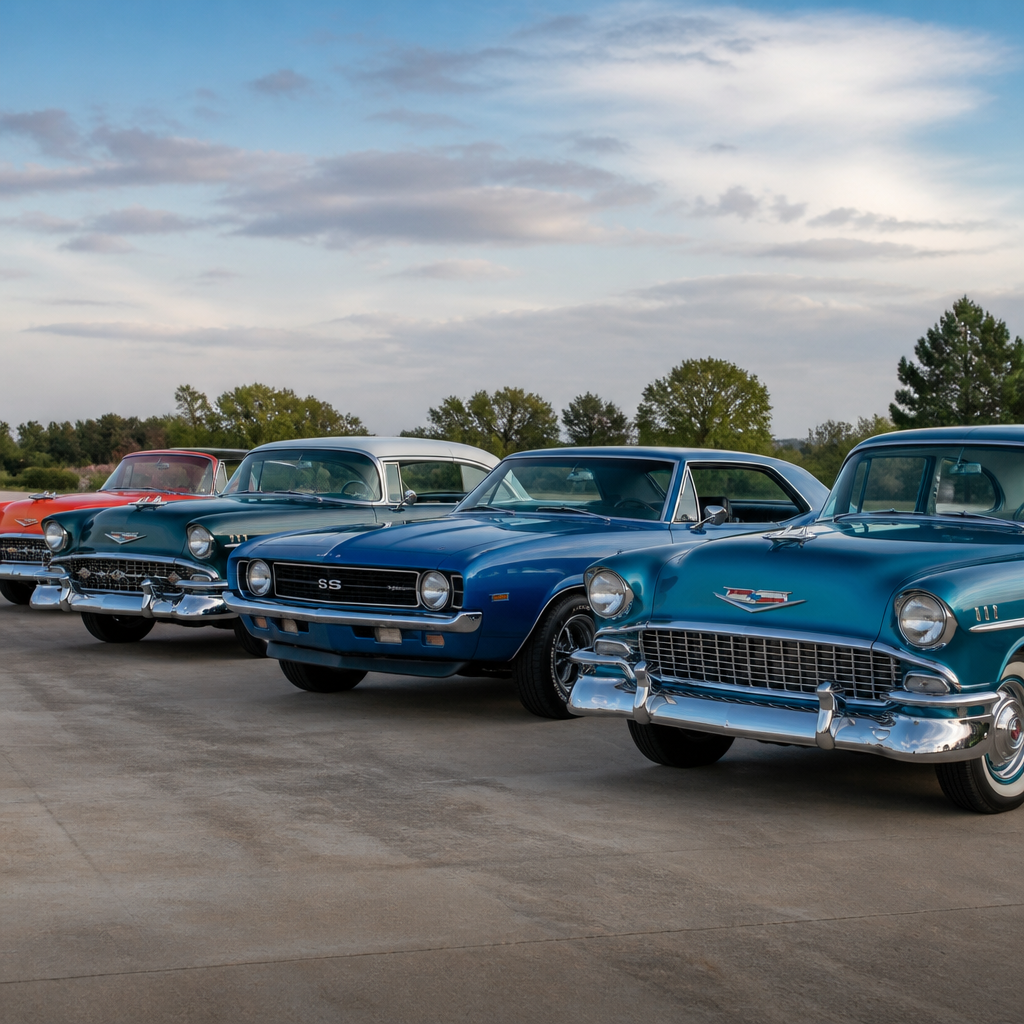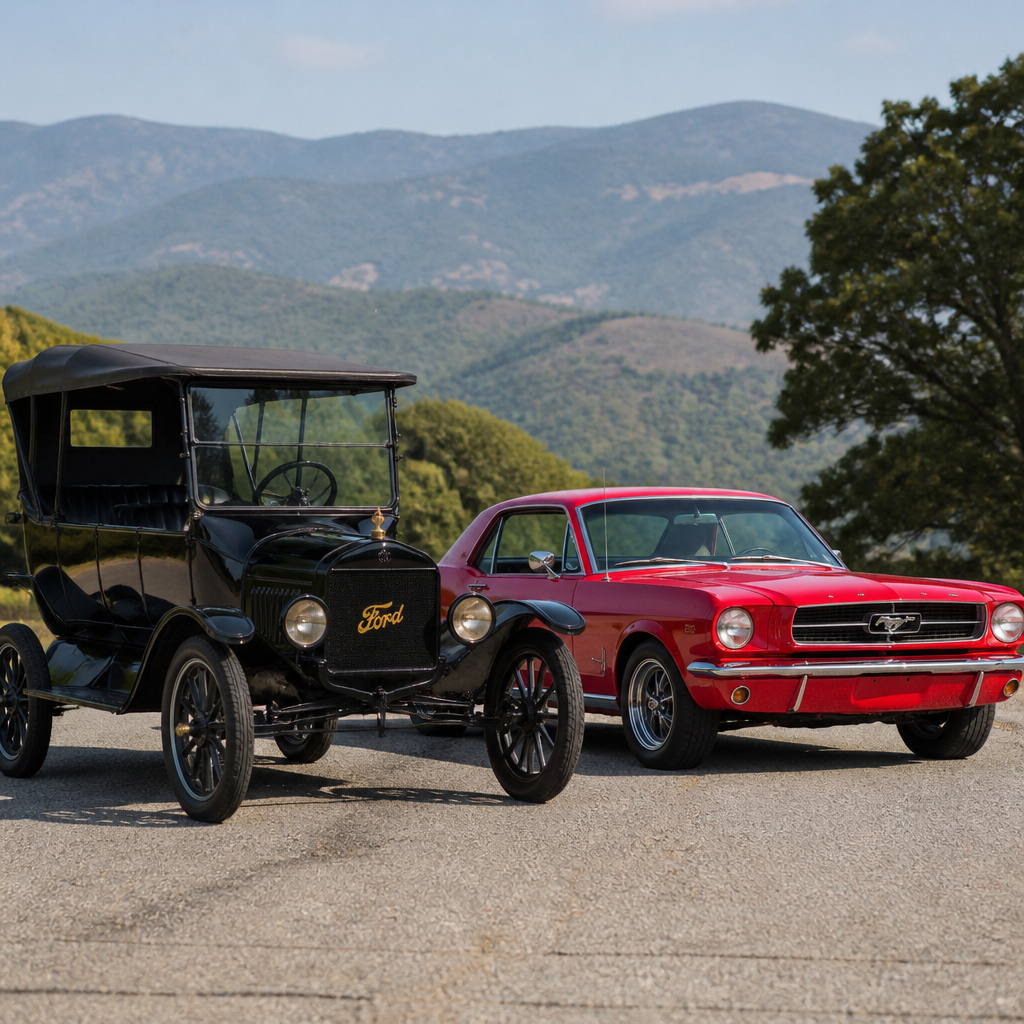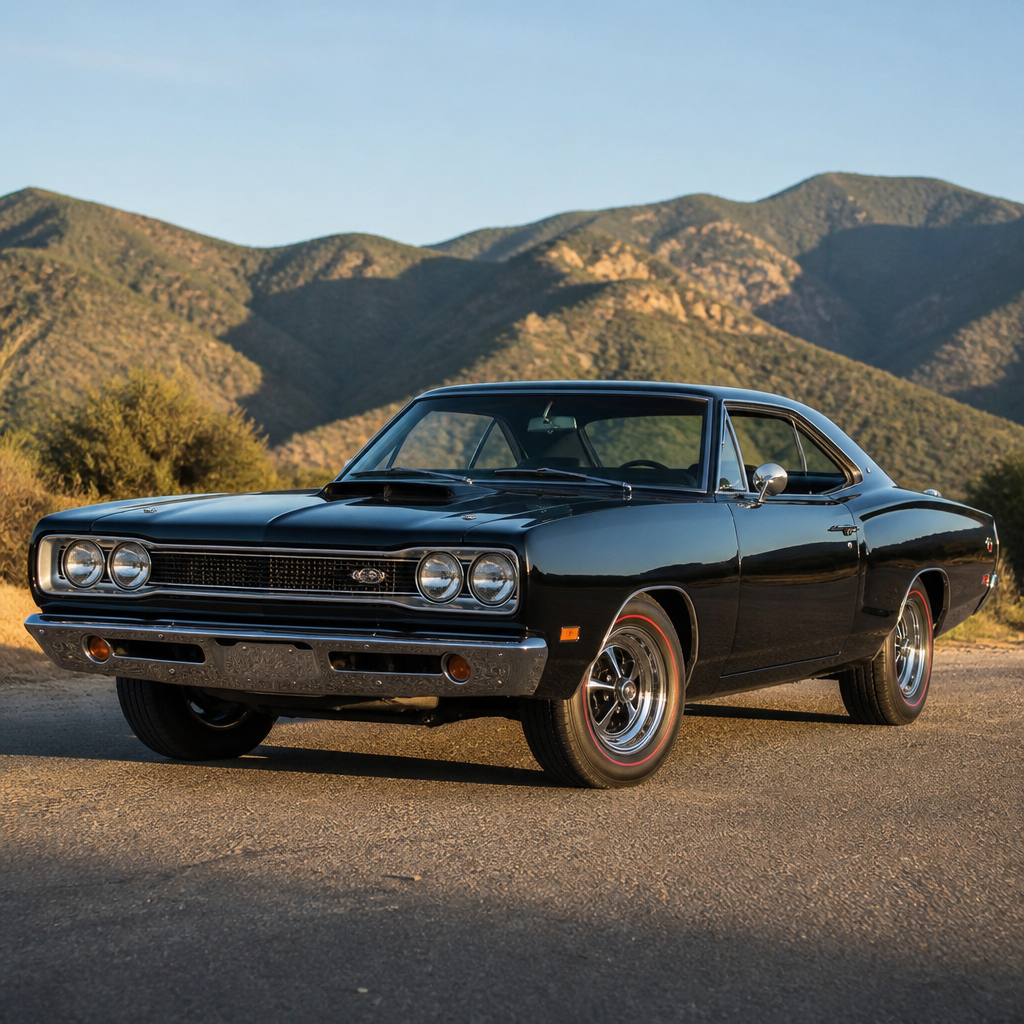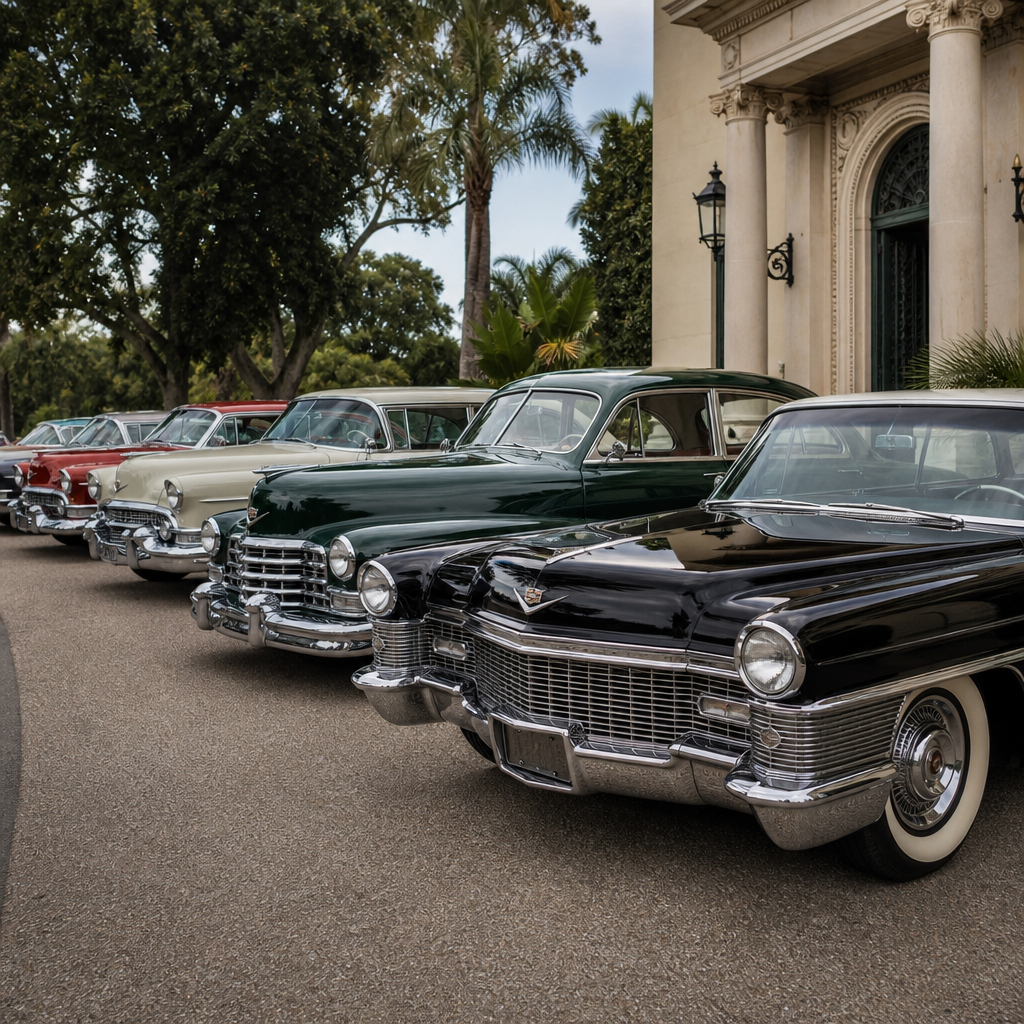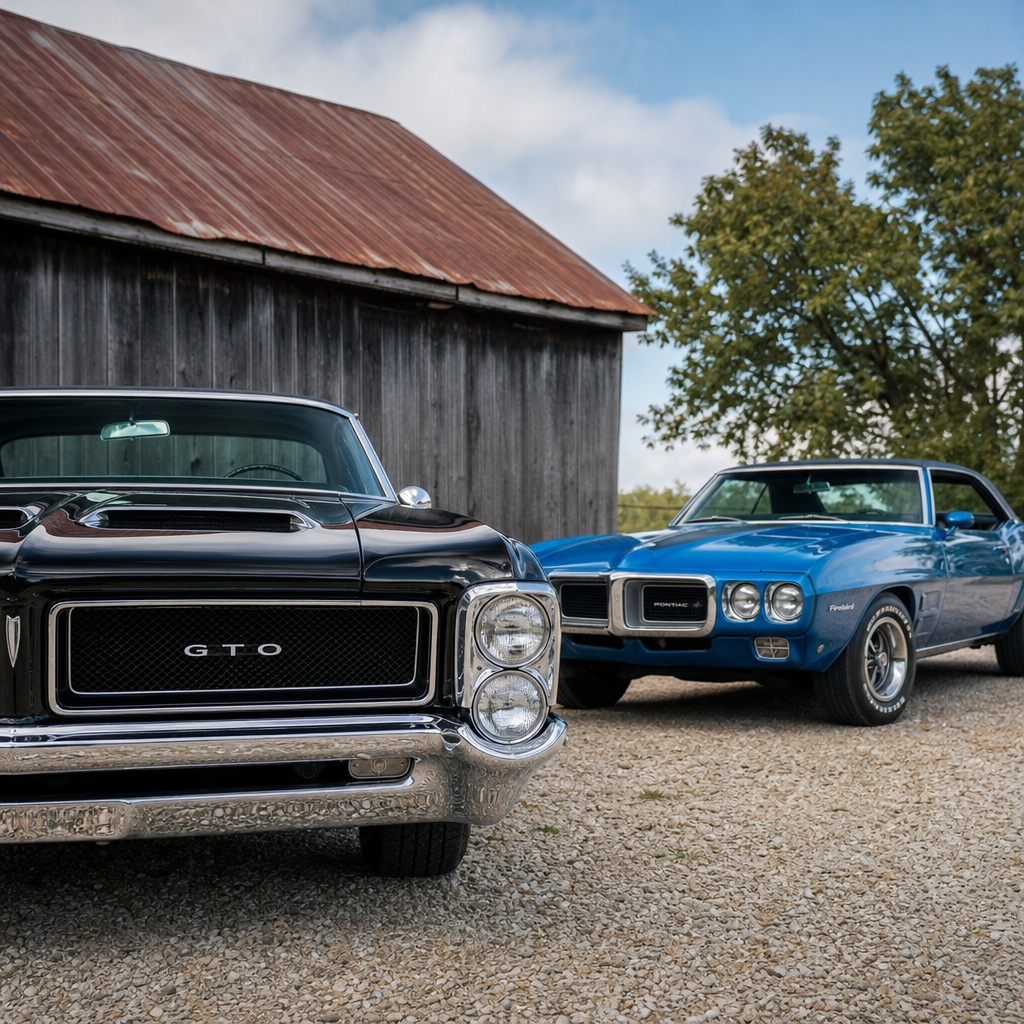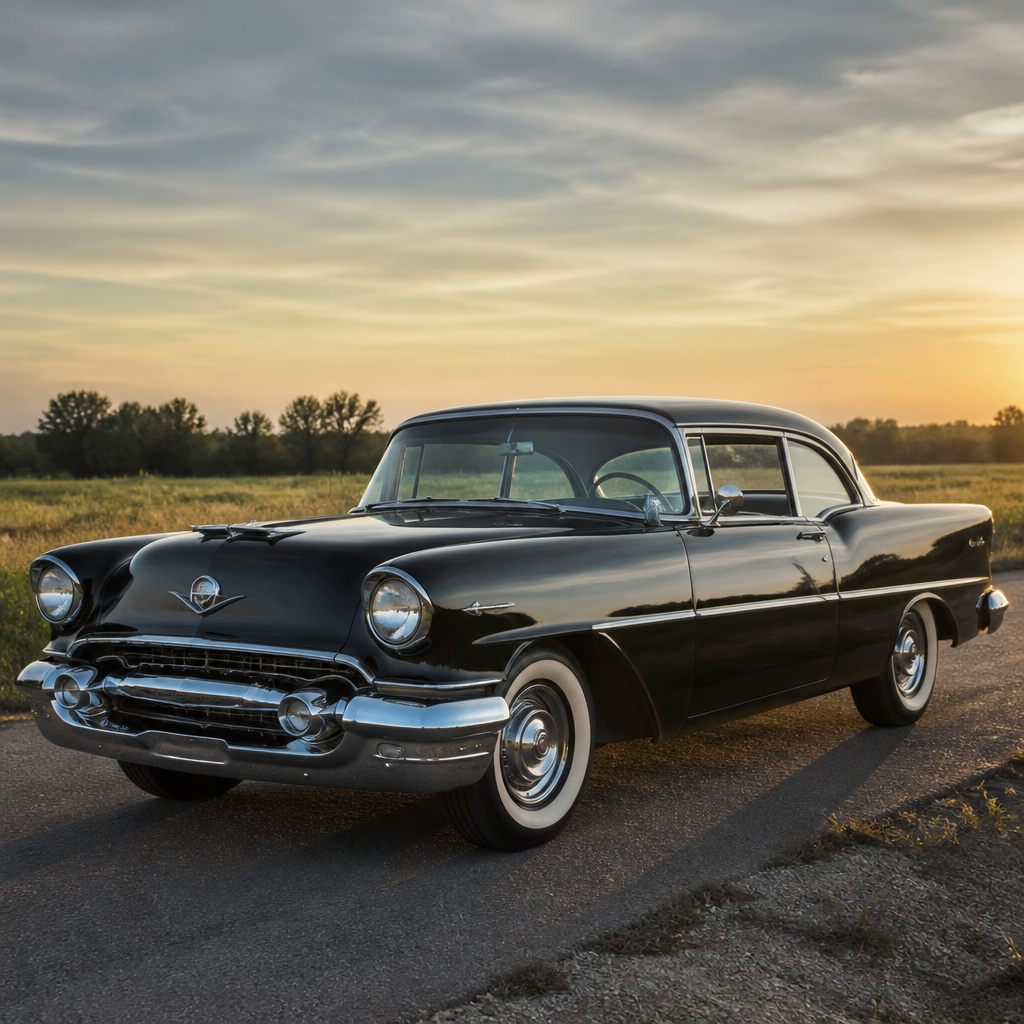
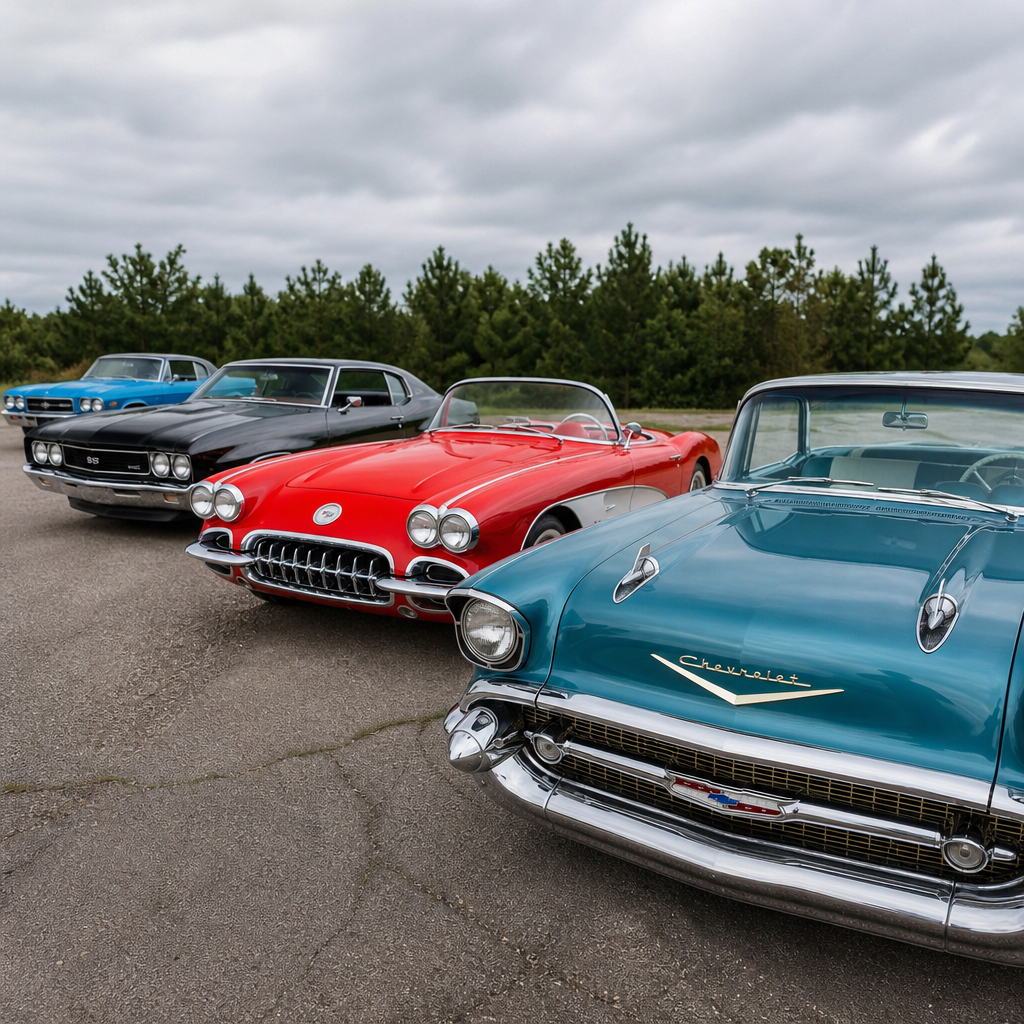
Chevrolet helped define the American classic car by building machines that ordinary buyers could afford, race, customize, and remember for decades. When enthusiasts talk about American classics, Chevrolet almost always sits at the center because the brand shaped everything from family transportation and muscle car culture to hot rodding and motorsport. A Chevrolet classic car is more than an old vehicle with chrome and tailfins; it is a model that changed design trends, introduced engineering ideas, won on the street or track, or became a lasting symbol of a period in American life. For collectors, historians, and first-time buyers, knowing the top Chevrolet classics provides a practical roadmap into the broader world of American classics.
I have spent years around restored Tri-Five Bel Airs, first-generation Camaros, and C2 Corvettes at auctions, cruise nights, and garage builds, and one lesson always holds: the best classic Chevrolets combine emotional appeal with real historical weight. Some were milestones in styling, like the 1957 Bel Air. Others reset performance expectations, like the 1970 Chevelle SS 454. A few, including the Corvette Sting Ray and Camaro Z/28, became templates that competitors chased for years. This matters because buyers often ask the same questions: Which Chevrolet classics are most important? Which cars best represent American classics as a whole? Which models have the deepest parts support, strongest collector demand, and clearest long-term significance? This hub answers those questions directly.
The list below is not based only on auction headlines or nostalgia. It weighs production context, design originality, engineering, motorsport influence, aftermarket support, collectibility, and cultural reach. That broader lens matters in a sub-pillar about Classic Car Models & Brands because a true hub page should connect readers to the major eras of Chevrolet history: prewar innovation, postwar optimism, Tri-Five styling, the rise of fuel injection, the muscle car years, and the pony car battle. These ten cars are the anchor points of that story. If you understand why they matter, you understand a large share of the American classics market itself.
What makes a Chevrolet an all-time classic
The strongest Chevrolet classics usually check five boxes. First, they introduced or perfected a major idea, such as overhead-valve V8 power, fiberglass sports car construction, or big-block muscle. Second, they looked distinctive enough that non-experts recognize them instantly. Third, they had measurable impact, whether in sales, racing, or influence on competing brands. Fourth, they still have a living ecosystem today, including clubs, restoration knowledge, and reproduction parts. Fifth, they are enjoyable in the real world, not just in a museum. A car that owners can maintain, drive, and source parts for remains relevant.
By those standards, Chevrolet has unusual depth. The small-block V8 alone transformed the market after its 1955 launch, powering everything from sedans to race cars and becoming one of the most influential engines ever built. Chevrolet also mastered segmentation. The company sold halo cars like the Corvette, family icons like the Bel Air and Impala, working classics like the C/K pickup, and pure performance models like the Chevelle SS and Camaro Z/28. That breadth is why Chevrolet dominates many American classics conversations: it served multiple buyer types without losing a recognizable identity.
The top 10 Chevrolet classic cars at a glance
| Rank | Model | Key years | Why it matters |
|---|---|---|---|
| 1 | 1957 Bel Air | 1957 | Peak Tri-Five styling and enduring symbol of 1950s America |
| 2 | 1963 Corvette Sting Ray | 1963-1967 | World-class sports car design, independent rear suspension, racing pedigree |
| 3 | 1969 Camaro Z/28 | 1967-1969 | Pony car benchmark with Trans-Am credentials |
| 4 | 1970 Chevelle SS 454 | 1970 | High-water mark of Chevrolet muscle car performance |
| 5 | 1955 Chevrolet 210/Bel Air | 1955 | Debut of the small-block V8 and clean postwar redesign |
| 6 | 1961 Impala SS | 1961-1964 | Style, sales success, and gateway to the Super Sport era |
| 7 | 1948 Fleetmaster Aerosedan | 1947-1948 | Strong postwar design and transition into modern American car culture |
| 8 | 1953 Corvette | 1953 | First Chevrolet sports car and start of an American institution |
| 9 | 1967 El Camino SS | 1964-1967 | Distinct blend of utility and muscle with loyal collector following |
| 10 | 1972 C/K Cheyenne Super | 1967-1972 | Classic truck design with huge usability and restoration appeal |
1 through 3: the cars that define Chevrolet at its best
The 1957 Chevrolet Bel Air earns the top spot because it captures design, engineering, and cultural memory in one car. Its gold anodized trim, dramatic tailfins, wide grille, and balanced proportions made it the most recognizable Chevrolet of the 1950s. More important, it sat in the mature phase of the 1955-1957 Tri-Five family, the era many restorers consider Chevrolet’s styling sweet spot. Factory options included the 283-cubic-inch V8 and Rochester mechanical fuel injection, which gave Chevrolet bragging rights with one horsepower per cubic inch. In practical terms, the 1957 Bel Air remains a cornerstone of the classic car hobby because body, trim, chassis, and driveline parts are widely reproduced.
The 1963 Corvette Sting Ray changed the perception of what an American sports car could be. Larry Shinoda’s design under Bill Mitchell delivered one of the sharpest shapes ever worn by a Chevrolet, especially in split-window coupe form. Beneath the body, the C2 introduced independent rear suspension, improving ride control and handling in a way drivers could feel immediately. In period road tests and racing development, the Sting Ray proved that Chevrolet was no longer building a novelty sports car; it was building a serious performance machine. For collectors, the 1963-1967 Corvettes offer broad appeal because small-block cars, big-block cars, coupes, and roadsters all have distinct personalities.
The 1969 Camaro Z/28 rounds out Chevrolet’s top tier because it fused showroom style with competition credibility. Created to homologate the Camaro for the SCCA Trans-Am series, the Z/28 used the high-revving 302-cubic-inch V8, close-ratio four-speed, quick steering, and performance suspension. Chevrolet officially rated the engine conservatively, but anyone who has driven a properly tuned example knows the car came alive at higher rpm and felt sharper than heavier big-block muscle cars. The 1969 model year is especially prized for its aggressive front end and broad option list, including cowl induction on selected performance packages. In the American classics landscape, the Z/28 represents the moment Chevrolet translated road-racing lessons into a street icon.
4 through 6: muscle, style, and mainstream impact
The 1970 Chevelle SS 454 is the purest expression of Chevrolet’s muscle car era. While earlier Chevelles built the name, the redesigned 1970 model delivered the strongest combination of styling and factory horsepower. The SS 454 could be ordered with the LS5 454-cubic-inch V8 rated at 360 horsepower, while the LS6 version pushed output to a legendary 450 horsepower. Those figures made the car one of the dominant street machines of its time. The appeal today is not just straight-line speed. The 1970 body has muscular but restrained lines, and the model sits at the exact crest of the horsepower war before emissions, insurance costs, and fuel pressures changed the market.
The 1955 Chevrolet 210 and Bel Air deserve inclusion because they mark a true turning point. Chevrolet’s all-new styling looked lower, cleaner, and more modern than the 1954 cars, but the historic breakthrough was under the hood. The new 265-cubic-inch small-block V8 gave Chevrolet a compact, light, high-potential engine architecture that would influence performance for generations. In my experience, few classics explain their own importance so clearly during a drive. Even stock-feeling 1955 cars have a willingness and balance that forecast later Chevrolet performance culture. Hot rodders recognized that immediately, which is why 1955 Chevrolets became staples at drag strips and in custom garages.
The 1961 Impala SS belongs on any Chevrolet classics list because it connected performance aspiration with mass-market popularity. Chevrolet had already made the Impala a sales force, but the Super Sport package added bucket seats, trim upgrades, and a more sporting image that resonated strongly with buyers. The early 1960s Impala also became central to American car culture in multiple regions, from drag racing to lowrider traditions. That wide cultural footprint matters. A true all-time classic is not only a technical success; it becomes meaningful to different communities for different reasons. The Impala did exactly that while remaining one of Chevrolet’s most visible full-size nameplates.
7 through 10: the underrated icons every hub should include
The 1948 Fleetmaster Aerosedan represents Chevrolet’s critical postwar transition. It was not the fastest or rarest car on this list, but it captured the streamlined fastback look many buyers wanted as America shifted from wartime austerity to consumer optimism. Cars like the Fleetmaster mattered because they reintroduced style, personal pride, and family mobility to a mass audience. At shows, these models often draw older enthusiasts who remember them as neighborhood staples rather than exotic collectibles. That everyday familiarity is part of what makes a classic important.
The 1953 Corvette was imperfect, but historically indispensable. Built with a fiberglass body and powered initially by the Blue Flame inline-six with a Powerglide automatic, it was more image leader than finished sports car. Yet without the 1953 car, there is no Corvette dynasty. Chevrolet took a risk on a lightweight American two-seater at a time when European sports cars were setting the tone. The first-year Corvette therefore matters less for raw performance and more for establishing a new category inside Chevrolet itself.
The 1967 El Camino SS showcases Chevrolet’s ability to create niche classics with lasting demand. Based on intermediate-car underpinnings, the El Camino mixed coupe styling and pickup utility in a way no conventional model could. SS versions, especially with strong V8 options, brought real muscle credentials to a vehicle that could still haul parts, tools, or weekend gear. Collectors value that combination because it makes the El Camino both distinctive and usable.
The 1972 C/K Cheyenne Super closes the list by representing classic Chevrolet trucks, now one of the fastest-growing segments in American classics. The 1967-1972 “Action Line” pickups combined clean design, improved comfort, and broad drivetrain choices. By 1972, Chevrolet had refined the formula, and upscale trims like the Cheyenne Super gave buyers a truck that felt genuinely livable. Today, these trucks have immense parts support and fit the market’s shift toward classics that can be driven often.
How to choose the right Chevrolet classic today
If you are buying your first Chevrolet classic, start by matching the car to your actual use. A 1957 Bel Air or 1961 Impala works well for cruising, family show participation, and easy conversation-piece ownership. A 1969 Camaro Z/28 or 1970 Chevelle SS 454 suits buyers who value performance history and stronger upside at the top of the market, though entry costs are much higher. A 1972 C/K pickup or 1967 El Camino often makes sense for owners who want more utility and less anxiety about occasional use. Condition matters more than romance. A documented, solid small-block car is usually a better buy than a rare but incomplete big-block project.
Always inspect body integrity, trim completeness, drivetrain authenticity, and title history. On Tri-Five cars, rust in floors, braces, and body mounts can turn an attractive driver into an expensive restoration. On Camaros and Chevelles, verify cowl tags, engine suffix codes, transmission stampings, and rear axle details if originality affects value. Corvette buyers should understand frame condition, bonding strips, and whether a split-window or big-block car retains the features that support its premium. The best approach is simple: buy the best example you can verify, not the most exciting story you are told.
These ten Chevrolets endure because they cover the full American classics spectrum: postwar recovery, 1950s style, sports car ambition, full-size popularity, muscle car dominance, and truck practicality. Together they explain why Chevrolet remains such a powerful name in classic car collecting. The main benefit of understanding this list is clarity. Instead of chasing trends, you can focus on models with proven significance, strong community support, and lasting appeal. Use this hub as your starting point for deeper research into Tri-Five Chevrolets, classic Corvettes, Camaros, Impalas, Chevelles, El Caminos, and C/K trucks. Pick the era that fits your taste, study the details, and start with the best car you can confidently buy and enjoy.
Frequently Asked Questions
What makes a Chevrolet a true classic car?
A true Chevrolet classic is not defined by age alone. It usually earns that status through a combination of historical impact, recognizable styling, engineering significance, cultural influence, and lasting enthusiast demand. In Chevrolet’s case, the bar is especially high because the brand produced so many important vehicles across different eras. A model becomes a true classic when it represents something bigger than basic transportation, whether that means introducing a new design language, helping shape muscle car culture, dominating on the street and strip, or becoming a symbol of everyday American life.
Cars such as the 1957 Bel Air, first-generation Camaro, Corvette Sting Ray, and Chevelle SS are considered classics because they changed the market and stayed relevant long after production ended. These models are remembered not just for how they looked, but for what they meant to drivers at the time. Chevrolet built cars that average buyers could actually aspire to own, and that accessibility helped create deep loyalty. A classic Chevrolet often has strong collector interest, broad name recognition, and a support network of restorers, parts suppliers, and clubs that keep the car alive for future generations.
Why is Chevrolet so important in the history of American classic cars?
Chevrolet is central to American classic car history because it consistently built vehicles that balanced performance, style, affordability, and mass appeal. While some brands specialized in luxury or niche performance, Chevrolet managed to influence almost every major area of the American car story. It offered stylish family sedans, groundbreaking sports cars, affordable V8 performance, muscle cars, hot rod favorites, and race-bred machines that reached a huge audience. That broad impact is why Chevrolet appears so often in discussions of the greatest American classics.
The brand also played a major role in shaping enthusiast culture. Small-block V8 power made Chevrolet engines a favorite for racers and builders. Models like the Tri-Five Chevrolets became icons of 1950s design. The Camaro gave Chevrolet a defining answer in the pony car wars. The Chevelle and Nova became legends in street performance circles. The Corvette established itself as America’s sports car and proved Chevrolet could produce world-class performance. Because Chevrolet touched so many corners of the market, its classic models are tied to family memories, drag racing, cruising, collecting, and motorsport all at once. Few automakers can claim that level of reach and influence.
Which Chevrolet models are usually considered the most iconic classics of all time?
While any top-10 list can vary slightly depending on whether the focus is design, performance, rarity, or cultural impact, a few Chevrolet models almost always appear near the top. The 1955, 1956, and 1957 Bel Air models are foundational classics because of their styling, V8 options, and massive influence on custom car culture. The 1963 split-window Corvette is one of the most celebrated American sports cars ever built, admired for both its distinctive design and performance pedigree. The 1967–1969 Camaro is another essential Chevrolet classic, especially the SS and Z/28 variants, which helped define the pony car era.
Other frequently included models are the 1970 Chevelle SS 454 for its muscle car reputation, the 1969 COPO Camaro for its factory-backed high-performance legend, the 1958 Impala and 1961–1964 Impala SS for their styling and full-size performance appeal, the 1962–1967 Chevy II/Nova for compact performance roots, the 1953 Corvette as the origin of the nameplate, and the El Camino for blending utility with unmistakable Chevrolet personality. These cars stand out because they were memorable when new and remain highly respected today by collectors, restorers, and enthusiasts across multiple generations.
Are Chevrolet classic cars a good choice for collectors and first-time buyers?
Many Chevrolet classic cars are excellent choices for collectors and even first-time classic car buyers, largely because the brand has one of the strongest support systems in the hobby. Parts availability is generally very good, especially for popular models such as the Bel Air, Camaro, Chevelle, Corvette, Impala, and Nova. That means repairs, maintenance, and restoration work are often more manageable and less expensive than with rarer brands. Chevrolet’s popularity also creates a huge knowledge base, so buyers can find clubs, forums, specialists, and reproduction parts with relative ease.
That said, the right Chevrolet classic depends on the buyer’s goals and budget. A top-tier Corvette or documented big-block muscle car may be expensive and best suited for experienced collectors. On the other hand, small-block Novas, driver-quality Impalas, or less rare Camaros can be more approachable entry points. First-time buyers should focus on condition, originality, documentation, rust history, and how they plan to use the car. A solid, honest driver is often a smarter purchase than a cheaper project with hidden problems. Chevrolet classics can be rewarding investments emotionally and sometimes financially, but the best reason to buy one is still the driving experience, the history, and the connection to a major piece of American automotive culture.
What should buyers look for when evaluating a Chevrolet classic car?
When evaluating a Chevrolet classic, buyers should start with the basics: body condition, frame integrity, rust, drivetrain health, and documentation. Rust is often the single most expensive issue to correct, so areas like floor pans, quarter panels, rocker panels, trunk floors, wheel arches, and frame sections deserve close attention. Panel fit, paint quality, and signs of filler or previous accident repair can reveal whether a car has been restored properly or merely made presentable. On body-on-frame cars, the condition of the frame is just as important as the body itself.
Mechanical originality and authenticity matter too, especially on high-value models. Buyers should verify engine codes, transmission types, trim tags, VIN details, and factory option information whenever possible. This is particularly important with performance Chevrolets such as SS, Z/28, RS, big-block, and COPO models, where cloning and tribute builds are common. A tribute car is not necessarily a bad purchase, but it should be priced honestly. It is also wise to review maintenance records, restoration photos, ownership history, and any judging sheets or certificates that support the car’s story. In the end, the best Chevrolet classic is one that matches the buyer’s expectations: authentic where it needs to be, mechanically sound, fairly priced, and enjoyable to own.