Jaguar classic cars embody the combination that made postwar European motoring so influential: elegant design, advanced engineering, and genuine performance. Within the wider world of European classics, Jaguar sits at a crucial intersection between luxury grand tourers, race-bred sports cars, and usable saloons. The marque’s best models are not simply beautiful machines from Britain; they are reference points for how European manufacturers balanced craftsmanship, speed, comfort, and status across the twentieth century. For anyone building knowledge of classic car models and brands, Jaguar is a core hub because its history connects directly to the broader story of European classics.
In practical terms, a Jaguar classic car usually refers to a model built from the prewar SS era through the company’s major postwar decades, especially the 1940s through the 1980s. Collectors most often focus on the XK series, Mk saloons, E-Type, XJ range, and significant racing derivatives such as the C-Type and D-Type. These cars matter because they introduced features that changed expectations across Europe: twin-cam straight-six power, monocoque construction in performance cars, disc brake competition success, and high-speed touring comfort at prices that often undercut Italian rivals. I have spent years around classic auctions, restoration shops, and owners’ clubs, and Jaguar consistently stands out as the brand people approach with both admiration and caution.
That caution is part of the appeal and part of the reality. Jaguar ownership can be deeply rewarding, but it demands informed buying, careful maintenance, and an honest understanding of model differences. Some cars are blue-chip collector pieces; others remain attainable entry points into European classics. Some are delicate, while others are surprisingly robust when sorted properly. This hub article explains the Jaguar story in the context of European classic cars, outlines the landmark models, highlights design and engineering milestones, and gives practical guidance for buyers, restorers, and enthusiasts deciding where Jaguar fits in a wider classic collection.
Why Jaguar Matters in the European Classics Landscape
Jaguar matters because it offered a distinctly British answer to the prestige and performance coming from Alfa Romeo, Mercedes-Benz, Porsche, Ferrari, Aston Martin, and later BMW. Founded from the Swallow Sidecar Company and later renamed Jaguar Cars after the Second World War, the brand built its reputation on giving buyers more speed and style than they expected for the money. Sir William Lyons understood proportion better than almost any automotive executive of his era. His cars looked expensive even when they were priced below direct continental alternatives, and that visual sophistication became a competitive advantage.
In the European classics category, Jaguar also serves as a bridge brand. It shares the handcrafted charm collectors associate with older British marques, yet it also delivered production scale and international sales that made it globally visible. A Mercedes-Benz 300SL represented elite German engineering, while a Ferrari 250 GT represented Italian exclusivity. Jaguar, by contrast, brought high performance and dramatic styling to a wider audience. That democratization matters historically. The XK120’s launch in 1948, for example, stunned the market with claimed top speed near 120 mph, making it one of the fastest production cars in the world. It announced that Britain could produce a glamorous sports car with world-class numbers.
Jaguar’s influence extends to motorsport as well. Wins at Le Mans in 1951, 1953, 1955, 1956, and 1957 cemented credibility far beyond showroom sales. Those victories were not marketing side notes; they proved engineering strength under extreme conditions. In conversations about European classics, that racing pedigree places Jaguar in the same serious historical discussion as Porsche’s endurance legacy and Alfa Romeo’s grand prix heritage. For a hub article on European classics, Jaguar is essential because the brand connects road cars, racing innovation, luxury design, and collector culture in one coherent story.
Defining Jaguar’s Golden Era Models
The first major postwar milestone is the XK series. The XK120, XK140, and XK150 established Jaguar’s reputation for fast, handsome sports cars powered by the legendary XK inline-six. Introduced with dual overhead camshafts and hemispherical combustion chamber design, this engine was advanced, durable, and flexible enough to power road and competition cars for decades. The XK120 combined long bonnet proportions, cut-down doors, and flowing fenders in a shape that still reads as unmistakably British. The XK140 improved practicality with more cabin space and better brakes, while the XK150 moved toward a more refined grand touring character.
The C-Type and D-Type are competition icons rather than mainstream collector entry points, but they shaped Jaguar’s image decisively. The C-Type pioneered the successful use of disc brakes in endurance racing with Dunlop, while the D-Type introduced aerodynamic thinking informed by aviation, including its monocoque center section and stabilizing fin. These machines matter not only for rarity but for the way they pushed Jaguar beyond pretty road cars into genuine technical leadership. When enthusiasts say Jaguar combined style and speed better than almost anyone, these Le Mans winners are a central reason.
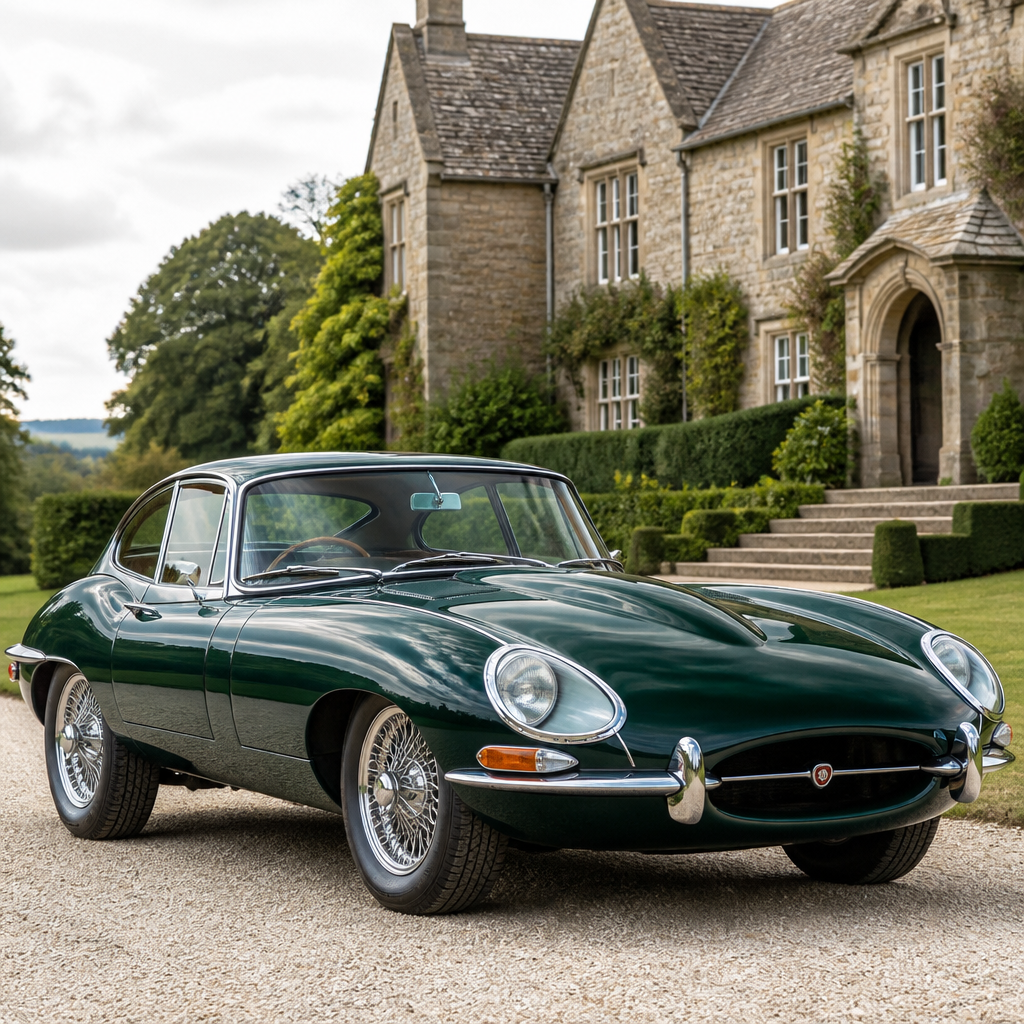
Then came the E-Type in 1961, the defining Jaguar classic for many buyers. With independent rear suspension, race-influenced structure, and a shape often cited among the most beautiful automotive designs ever created, the E-Type became the brand’s global symbol. Early 3.8-liter Series 1 cars are especially prized for purity of detail, while later 4.2-liter versions improved drivability with stronger torque and a synchromesh gearbox. Series 2 and V12 Series 3 models offer different ownership propositions: less delicate originality in exchange for easier road use, more cooling revisions, and in the V12’s case, turbine-smooth power.
Jaguar’s saloons deserve equal attention in a European classics hub because they expanded the brand’s relevance. The Mk 2 defined the compact sporting saloon formula before BMW fully owned that idea. In 3.4 and 3.8-liter forms, it offered pace, wood-and-leather luxury, and sharp visual presence. Later, the XJ6 and XJ12 set benchmarks for ride quality and high-speed refinement. A sorted Series 1 XJ remains one of the finest-driving classic saloons in Europe. It is also one of the clearest examples of Jaguar’s identity: grace, space, and pace delivered in one car.
Design, Engineering, and the British Character
Jaguar classic cars stand apart because the design language never chased aggression for its own sake. Even the fastest models retained restraint. Long bonnets, low rooflines, delicate glasshouse proportions, and carefully judged chrome gave Jaguars a visual calm that many modern enthusiasts now find refreshing. Lyons insisted on elegance, and that discipline helped Jaguar avoid the awkward ornamentation that dated some rivals. Park an XK150, E-Type, or early XJ beside many period cars and the Jaguar usually looks cleaner, lower, and more resolved.
Engineering supported that elegance. The XK engine was not just a strong powerplant; it gave Jaguar continuity. Parts knowledge, tuning culture, and specialist support grew around it for decades. Independent rear suspension, first seen on the E-Type and later used in saloons, delivered both ride comfort and road holding that exceeded many live-axle competitors. Four-wheel disc brakes on key models reinforced Jaguar’s performance credentials. At its best, Jaguar engineering made the cars feel expensive from behind the wheel rather than merely expensive in appearance.
Still, British character includes compromise. Electrical systems on many classics used Lucas components, body corrosion can be severe, and quality control varied with period and factory conditions. I have inspected cars that looked magnificent outside but revealed poor panel fit, tired wiring, and weak compression once tested properly. That does not make Jaguar overrated. It means the brand’s engineering strengths and manufacturing weaknesses must be judged together. The best Jaguars reward meticulous sorting. The worst punish buyers who assume a shiny restoration equals mechanical integrity.
Comparing Key Jaguar Classics for Collectors
Collectors often ask which Jaguar classic car is best. The right answer depends on budget, intended use, and tolerance for complexity. Some models are best for concours and long-term appreciation, while others make more sense as touring cars or entry-level European classics.
| Model | Why it matters | Best for | Main caution |
|---|---|---|---|
| XK120/140/150 | Established Jaguar’s postwar sports car reputation and introduced the XK engine | Traditional open-top touring and early postwar collecting | Rust, wood framing issues on some cars, expensive trim restoration |
| E-Type Series 1 | Defining 1960s Jaguar with iconic styling and strong collector demand | Blue-chip sports car ownership | Values are high, authenticity matters, cooling and setup must be right |
| E-Type Series 2/3 | More usable variants with better touring comfort and V12 smoothness in Series 3 | Road driving over concours purity | Weight, heat management, and deferred maintenance can be costly |
| Mk 2 3.4/3.8 | One of Europe’s seminal sports saloons | Drivers who want character and practicality | Rust in sills, suspension wear, and steering feel vary with condition |
| XJ6 Series 1/2 | Superb ride and refined high-speed capability | Value-minded classic saloon enthusiasts | Electrical faults, corrosion, and neglected cooling systems |
From market experience, the E-Type remains the emotional centerpiece, but it is not automatically the smartest first Jaguar. Well-restored Mk 2s and six-cylinder XJ saloons can deliver more driving enjoyment per dollar. XKs carry deep historical appeal, though parts and body restoration complexity can exceed first-time buyer expectations. The best buying strategy is to choose the model that matches how you will actually use it. Weekend drives, club events, and occasional tours favor reliability and parts availability more than headline auction prestige.
Buying, Restoring, and Maintaining a Jaguar Classic
Condition matters more than almost any badge prestige factor. On a Jaguar, bodywork is usually the largest financial risk. Corrosion in sills, floors, boot areas, bonnet structures, door bottoms, wheel arches, and suspension mounting points can consume a budget quickly. An E-Type monocoque with hidden rust is far more dangerous to your finances than an engine rebuild. Always inspect with a marque specialist and request photos of restoration stages, invoices, compression figures, and chassis-number verification. Heritage certificates and matching-numbers documentation are especially important on higher-value models.
Mechanical assessment should focus on cooling, oil pressure, gearbox quality, brake function, and suspension condition. XK engines are durable when maintained, but overheating, neglected timing chains, worn valve guides, and poor carburetor setup can turn a smooth grand tourer into a frustrating project. V12 cars demand even greater cooling-system diligence. With saloons, worn bushings, tired subframe mounts, and aging fuel systems are common. In restoration shops, I have seen owners spend heavily on paint first and regret it later because unseen mechanical work was deferred. The correct sequence is structure, mechanicals, electricals, then cosmetics.
Ownership becomes easier when supported by specialists and clubs. The Jaguar Daimler Heritage Trust, Jaguar Enthusiasts’ Club, marque forums, and well-known suppliers such as SNG Barratt and Moss Europe provide essential parts and technical knowledge. Availability is generally better than many people assume, especially for E-Types, XKs, and XJs. The tradeoff is that quality varies across reproduction components, so proven supplier relationships matter. Buy the best car you can afford, maintain it preventively, and drive it regularly. Jaguars dislike long neglect more than sensible use.
Jaguar as the Entry Point to European Classics
As a hub for European classics, Jaguar deserves attention because it can lead enthusiasts outward into the rest of the continent’s collector landscape. A buyer who starts with a Mk 2 may later compare it with an Alfa Romeo Giulia, BMW 2000 or 3.0 saloon, or Mercedes-Benz W111 coupe. An E-Type buyer will naturally study Porsche 356 and early 911 values, Mercedes-Benz Pagoda roadsters, and Maserati grand tourers. In that sense, Jaguar is not an isolated niche. It is one of the best educational brands in classic car collecting because each model invites direct comparison with major European benchmarks.
It also offers unusual range. Few marques span prewar elegance, 1950s sports cars, Le Mans legends, 1960s design icons, and 1970s luxury saloons with such continuity of identity. That breadth makes Jaguar ideal for a sub-pillar hub page under classic car models and brands. Whether the next article explores Italian exotics, German touring cars, French coachbuilt rarities, or other British classics, Jaguar provides common themes: styling discipline, engineering innovation, motorsport influence, restoration economics, and the difference between collector mythology and ownership reality.
The key takeaway is simple. Jaguar classic cars represent British style and speed at a level that shaped the entire European classics market. Study the XK line for postwar innovation, the C-Type and D-Type for racing authority, the E-Type for design and performance synthesis, and the Mk and XJ saloons for everyday luxury with character. If you are exploring European classics seriously, use Jaguar as a central reference point, then follow the connections outward to related marques, eras, and body styles. Start with the best-documented model you can afford, join a strong owners’ network, and let Jaguar open the door to the wider world of European classic motoring.
Frequently Asked Questions
What makes Jaguar classic cars so important in automotive history?
Jaguar classic cars are important because they helped define what many enthusiasts now think of as the ideal European grand touring experience: a car that is stylish, fast, comfortable, and technically advanced without feeling stripped down or purely utilitarian. In the postwar era, Jaguar stood out by building cars that looked elegant and expensive, yet often delivered performance that could challenge far more exotic rivals. That combination gave the brand a unique place in automotive history, especially as British and continental manufacturers were shaping the modern idea of prestige motoring.
Part of Jaguar’s significance comes from its breadth. The company was not limited to one niche. It produced graceful saloons, race-influenced sports cars, and refined grand tourers, all tied together by a clear design language and a reputation for performance. Models such as the XK series, the Mk 2, and the E-Type showed that Jaguar could serve drivers who wanted speed and sophistication in equal measure. At the same time, Jaguar’s success in motorsport, especially at Le Mans, reinforced the idea that its road cars were connected to serious engineering rather than just attractive styling.
Jaguar also mattered because it democratized performance luxury to a degree. While not inexpensive, many classic Jaguars offered a level of speed, prestige, and craftsmanship that would have cost substantially more from some competing European marques. That value proposition helped Jaguar become a reference point for how a manufacturer could combine status with genuine usability. For collectors today, that historical role is a major reason these cars remain so admired.
Which Jaguar classic models are considered the most iconic?
Several Jaguar models are universally recognized as landmarks, but a few stand above the rest in terms of influence, desirability, and cultural impact. The Jaguar E-Type is often the first name mentioned, and for good reason. Introduced in 1961, it combined dramatic styling, strong straight-line performance, advanced independent rear suspension, and relatively accessible pricing for its class. It quickly became one of the defining sports cars of the 1960s and remains one of the most celebrated automotive designs ever created.
The XK120, XK140, and XK150 are also central to Jaguar’s legacy. The XK120 in particular made a huge impression after the war by proving that Jaguar could build a car with both beauty and serious speed. These XK models established the visual and mechanical themes that would shape Jaguar’s image for years, especially through the use of the celebrated XK engine. For many enthusiasts, they represent the pure beginning of Jaguar’s rise as a world-class performance marque.
Among saloons, the Mk 2 is arguably the most iconic. It brought together compact luxury, wood-and-leather craftsmanship, and brisk performance in a way that felt distinctly British yet internationally competitive. Its road presence, motorsport success, and enduring reputation have made it one of the definitive sporting sedans of the era. Later grand tourers such as the XJ6 Series I and the XJ-S also deserve attention, especially for buyers who value long-distance comfort and understated elegance. Together, these models show the full range of Jaguar’s classic identity: sports car excitement, saloon practicality, and grand touring sophistication.
Are classic Jaguars reliable enough to own and drive regularly?
Classic Jaguars can absolutely be owned and driven regularly, but reliability depends heavily on the specific model, the quality of restoration or maintenance, and the expectations of the owner. These are not modern appliances, and they reward attentive care. A well-sorted classic Jaguar that has been properly maintained by knowledgeable specialists can be a very satisfying driver’s car. A neglected example, on the other hand, can quickly become expensive and frustrating. Condition matters far more than image.
Mechanically, many classic Jaguars are fundamentally robust when maintained correctly. Engines such as the XK straight-six have earned lasting respect, and many driveline components can provide long service if they are serviced on schedule. However, age-related issues are common. Electrical systems, cooling components, fuel delivery parts, suspension bushings, and brake hydraulics often need careful inspection and periodic renewal. Rust is another major concern, especially on unit-body cars and models with known corrosion points. Structural condition should always be evaluated thoroughly before purchase.
For regular use, the smartest approach is to buy the best example you can afford, ideally one with strong documentation and evidence of recent specialist work. Many owners improve drivability and dependability with sensible upgrades such as improved cooling, electronic ignition, better wiring, or modern tires, while still preserving the car’s character. In practical terms, a classic Jaguar can be very rewarding as a frequent-use collector car if the owner approaches it with realistic expectations, preventative maintenance habits, and access to marque expertise.
What should buyers look for when purchasing a Jaguar classic car?
Anyone shopping for a classic Jaguar should focus first on structural condition, originality where it matters, and maintenance history. Rust is often the single biggest issue because body and chassis repairs can become far more expensive than routine mechanical work. Buyers should inspect sills, floors, wheel arches, door bottoms, boot areas, subframe or suspension mounting points, and other model-specific corrosion zones. A beautiful paint job can hide poor metalwork, so a careful inspection by a Jaguar specialist is strongly recommended.
Mechanical condition is the next priority. Listen for signs of engine wear, check oil pressure and cooling behavior, inspect transmission function, and pay close attention to suspension, steering, and braking performance. On cars known for sophisticated independent suspension or complex rear brake arrangements, deferred maintenance can be costly. Electrical systems should also be examined carefully, since aged wiring and inconsistent charging or lighting issues are common on older British cars. Documentation matters here: a car with receipts, specialist service history, and a coherent ownership story is usually a safer choice than one with vague claims and fresh cosmetic work.
It is also important to decide what kind of ownership experience you want. Some buyers prioritize concours originality, while others prefer a well-restored driver with discreet upgrades for comfort and dependability. Neither approach is inherently wrong, but the market values them differently depending on the model. Finally, buyers should research parts availability, specialist support, and the reputation of the exact variant they are considering. A Jaguar classic can be an outstanding purchase, but only if the buyer understands that elegance and performance are best enjoyed when the fundamentals have been sorted properly.
Why do Jaguar classic cars remain so desirable among collectors today?
Jaguar classic cars remain desirable because they offer an unusually rich combination of attributes that collectors rarely find in one marque. They are visually distinctive, mechanically interesting, historically important, and enjoyable to drive. Many classic cars are admired mainly for style or mainly for performance, but Jaguar often delivered both together, along with a sense of occasion that made even everyday motoring feel special. That blend gives these cars enduring appeal well beyond nostalgia.
Collectors are also drawn to Jaguar because the brand occupies a fascinating middle ground in the classic car world. A Jaguar can feel glamorous and prestigious without always requiring the ownership costs associated with the most exclusive European exotics. For many enthusiasts, that makes the marque especially attractive: it offers real heritage, elegant interiors, advanced engineering for its period, and strong club and specialist support. Whether someone is interested in a race-bred sports car, a stylish saloon, or a relaxed grand tourer, Jaguar’s back catalog provides multiple compelling entry points.
Perhaps most importantly, classic Jaguars still deliver an emotional experience. The long bonnet, polished wood, leather cabin, purposeful engine note, and fluid ride quality create a character that is difficult to replicate in modern cars. These machines represent a time when British automotive design balanced craftsmanship, speed, comfort, and social presence with exceptional confidence. That is why Jaguar remains a cornerstone of the classic European car conversation and why its best models continue to attract serious collectors, new enthusiasts, and anyone who appreciates the union of style and speed.