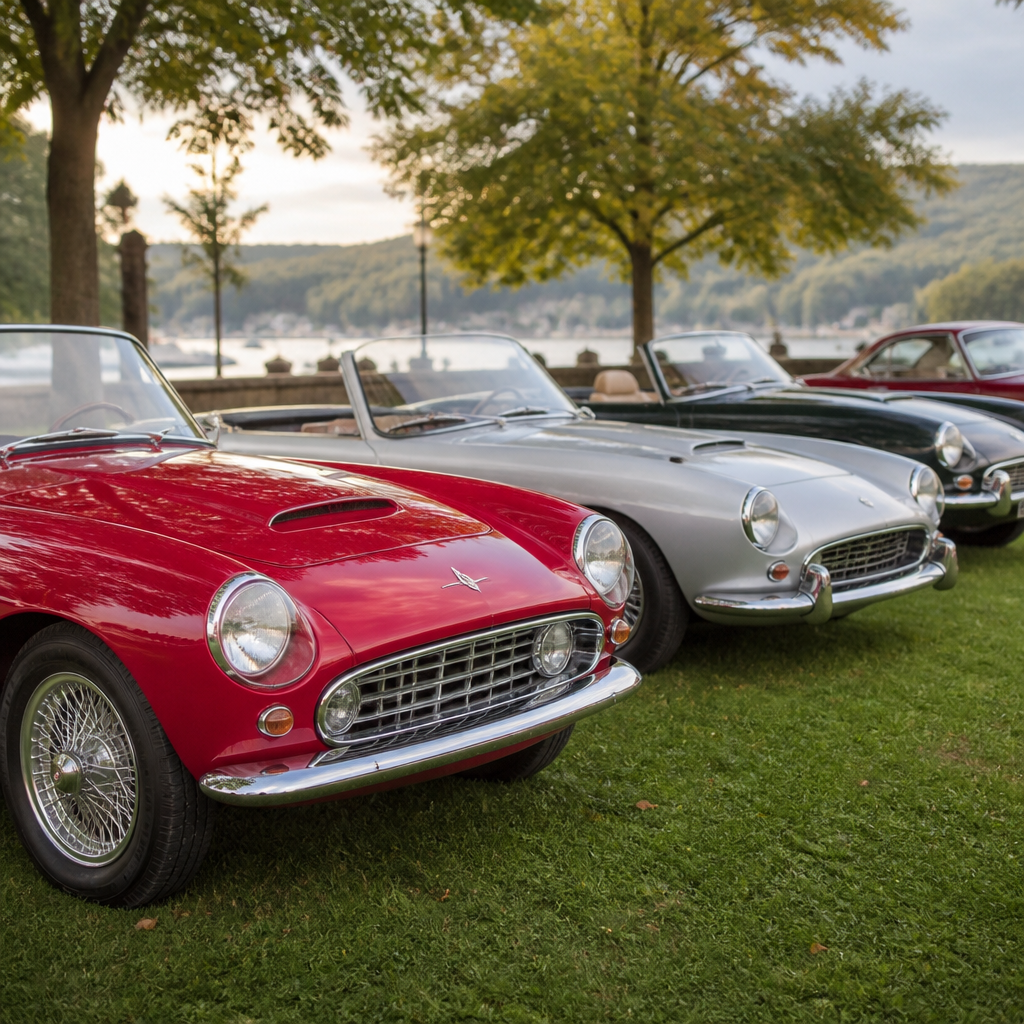
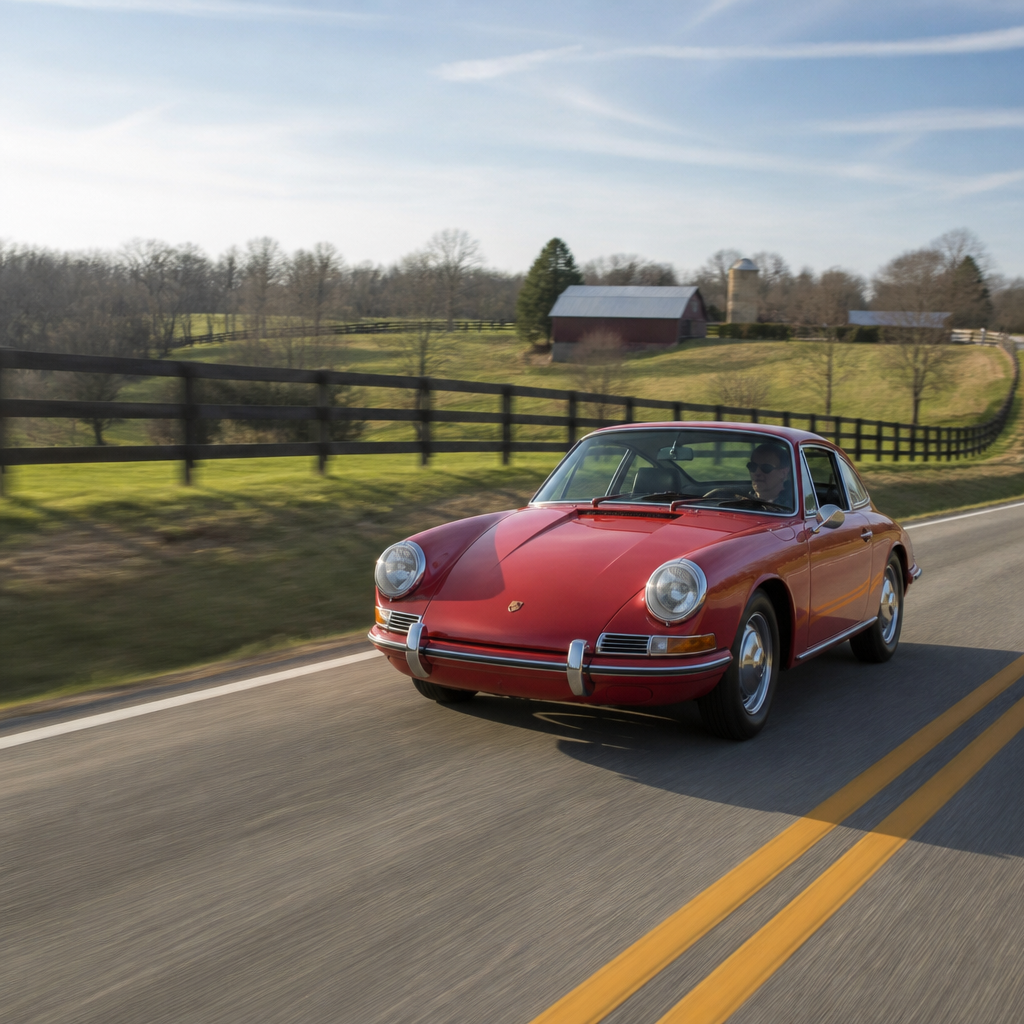
Daily driving a classic car sounds romantic until you do it through summer traffic, a cold start on a wet morning, and a parts delay the week you need the car most. A classic, for practical ownership purposes, is usually a vehicle old enough to qualify for collector insurance, historic registration, or enthusiast status, often twenty-five years or older. Daily driving means using it as primary transportation, not just for weekend shows or occasional sunny commutes. I have helped owners set up classics for regular use, and the answer to whether it is worth it is neither a simple yes nor a no. It depends on reliability standards, safety expectations, climate, commute length, access to parts, and your tolerance for mechanical involvement.
The question matters because classic car ownership has shifted. Prices for analog cars from the 1960s through the 1990s have risen, modern vehicles have become more isolated and software dependent, and many drivers want a machine they can actually understand and enjoy. At the same time, road speeds are higher, distracted driving is worse, emissions rules vary by region, and repair shops familiar with carburetors, breaker points, vacuum leaks, or mechanical fuel injection are less common. A daily driver must start consistently, stop predictably, survive weather, and fit your budget. A classic can do those things, but only with honest planning rather than nostalgia.
This hub article covers the core issues behind daily driving a classic car: cost, reliability, maintenance cadence, comfort, insurance, storage, safety, and sensible upgrades. Think of it as the foundation for every related topic under classic car ownership. If you are considering a vintage pickup, air-cooled coupe, muscle car, old Mercedes diesel, British roadster, or 1990s Japanese icon for everyday use, the same principles apply. The best daily driven classics are not necessarily the most valuable or the most original. They are the cars with strong parts support, known failure points, straightforward service procedures, and owners who accept that preventive maintenance is not optional.
What Daily Driving a Classic Car Really Involves
Daily driving a classic means changing your relationship with the car. A modern commuter is expected to disappear into the background. A classic asks for regular inspection and small interventions before they become breakdowns. On cars built before onboard diagnostics became standard, you often detect problems through smell, sound, vibration, plug color, temperature behavior, and fluid condition. That is not guesswork when done properly. It is a maintenance discipline owners once considered normal. If you are unwilling to check belts, hoses, charging voltage, tire age, ignition timing, and fluid leaks, daily use will feel punishing rather than rewarding.
It also means understanding that age affects every system, even when mileage is low. Rubber hardens, wiring insulation becomes brittle, fuel varnishes, grounds corrode, heater cores leak, and brake components seize from inactivity. A low-mileage survivor is not automatically a better daily driver than a regularly exercised car with documented repairs. I would usually choose the car with a thick service file over the “all original” garage queen, because regular operation exposes weaknesses and encourages proper fixes. In practical terms, a daily driven classic should be treated less like a museum object and more like an active mechanical asset.
The emotional payoff is real, though. Classic cars provide visibility, tactile controls, distinctive engine character, and a sense of occasion absent from many newer cars. Owners often report that errands become enjoyable and that they drive more attentively because the machine demands involvement. That value is hard to quantify, but it matters. If you love the act of driving and do not mind learning the car’s rhythms, the benefits can outweigh the inconvenience. If you simply want cheap transportation, a classic is rarely the rational choice.
Reliability: Can a Classic Car Be Trusted Every Day?
Yes, a classic car can be reliable enough for daily use, but reliability comes from preparation, not age alone. The most dependable daily classics usually share five traits: strong parts availability, a large knowledge base, simple systems, recent baseline maintenance, and realistic use. A 1989 Volvo 240, 1994 Toyota Pickup, Mercedes-Benz W123 diesel, or 1967 Chevrolet C10 with a sorted small-block V8 can be reliable because parts are abundant and known issues are well documented. By contrast, a rare luxury coupe with obscure electronic modules or one-year-only trim-specific components can become undriveable over a minor failure.
The first step is baseline service. Before trusting any classic for daily commuting, I recommend compression testing the engine, confirming oil pressure, checking charging output with a multimeter, replacing all aged coolant and vacuum hoses, inspecting fuel lines for ethanol damage, rebuilding or replacing the carburetor if needed, flushing brake fluid, checking wheel bearings, and evaluating the radiator, water pump, thermostat, fan clutch, and heater valve. Ignition components deserve special attention. Old plugs, wires, points, condenser, rotor, and cap can cause intermittent faults that seem mysterious but are entirely predictable. Once these fundamentals are handled, reliability improves dramatically.
Use patterns matter too. A classic often performs better with regular use than with long storage periods. Seals stay lubricated, batteries remain charged, and problems reveal themselves early. Still, reliability has limits. A forty-year-old A/C compressor can fail on the hottest day of the year. A clutch cable can snap without much warning. A decades-old fuse box may develop heat-related resistance. The point is not that classics are hopeless; it is that they require a maintenance strategy closer to light aircraft thinking than appliance ownership.
| Factor | Better Daily-Driver Choice | Riskier Daily-Driver Choice |
|---|---|---|
| Parts support | Common domestic trucks, popular German sedans, mainstream Japanese models | Low-production imports, orphan brands, one-year-only platforms |
| Fuel system | Sorted fuel injection or freshly rebuilt carburetor | Unknown tank condition, stale fuel, leaking hoses |
| Cooling system | New hoses, tested radiator, proper fan function | Original radiator, marginal water pump, overheating history |
| Electrical | Clean grounds, healthy alternator, renewed battery cables | Brittle harnesses, random add-on wiring, voltage drop issues |
| Owner support | Strong forums, clubs, factory manual access | Little documentation, few specialists |
Cost of Daily Driving a Classic
Many buyers assume an older car will be cheaper because purchase prices can look lower than those of newer vehicles. That assumption usually fails once deferred maintenance enters the picture. The true cost of daily driving a classic includes acquisition, transport, immediate sorting, preventive parts replacement, specialist labor, consumables, fuel economy, storage, and downtime. A running car can still need thousands of dollars in tires, shocks, bushings, hoses, weatherstripping, brake hydraulics, and cooling work before it is dependable. I have seen owners spend more in the first six months making a “cheap” classic usable than they would have spent financing a solid used commuter for a year.
Fuel economy can also surprise people. Carbureted V8s, old automatic transmissions, and short final-drive gearing make many classics thirsty. A square-body truck or big American sedan may return low-teens mileage in mixed use. Even efficient classics, such as older diesels or small Japanese sedans, can require premium parts sourcing or labor that offsets fuel savings. Tires are another overlooked cost. A classic may need unusual sizes, whitewalls, period-correct compounds, or light-truck ratings that narrow your options. Insurance can be either favorable or restrictive depending on mileage caps and storage requirements.
That said, daily driving a classic is not automatically more expensive than modern ownership. If you buy a mechanically simple car with excellent support, perform some work yourself, and avoid speculative restoration, costs can stabilize. The owners who do best are disciplined about preventive maintenance and realistic about what “finished” means. With classics, there is always another small job.
Safety and Practicality on Modern Roads
Safety is the strongest argument against using many classics every day. Most vehicles built before the 1990s were designed before modern crash structures, side-impact protection, anti-lock braking systems, traction control, and airbags became common. Even a well-maintained classic usually has longer stopping distances, weaker seat designs, poorer head restraints, and less occupant protection in a collision. Size alone does not guarantee safety either. A heavy 1970s sedan may feel substantial, but mass does not replace engineered crash energy management.
Practical safety upgrades help but do not fully close the gap. Better tires are the single best improvement, followed by renewed suspension bushings, quality dampers, fresh brake components, halogen or relay-upgraded headlights where legal, and properly adjusted seat belts. On some models, converting front drum brakes to discs or adding a dual-circuit master cylinder is a major improvement. Radial tires transform the behavior of cars originally delivered on bias-ply tires. I have driven classics before and after these changes, and the difference in emergency control is not subtle.
Practicality extends beyond crash safety. Can the car demist its windshield effectively? Does it have working wipers and a washer system? Is the heater core sound? Will it comfortably cruise at highway speeds without overheating or excessive engine wear? Can you park it securely, and are replacement locks or glass available? Many people imagine the engine is the main issue, but for real daily driving, weather sealing, lighting, ventilation, and ergonomics matter almost as much.
Maintenance Habits That Make Daily Use Possible
The owners who successfully daily drive classics follow routines. They do quick weekly inspections, keep records, and replace suspect parts before failure. A simple notebook or maintenance app should track oil changes, coolant flushes, ignition service, valve adjustments where applicable, brake fluid age, tire dates, and charging system readings. On carbureted cars, seasonal adjustments can be normal. On older fuel-injected cars, vacuum leaks and aging sensors often mimic larger problems. Good diagnosis saves money and frustration.
Tools and spares matter too. I advise carrying belts, basic hand tools, bulbs, fuses, a spare fuel filter, hose clamps, electrical tape, a test light, and model-specific weak-point items such as a distributor module or throttle cable if failures are common. A factory service manual is worth far more than generic advice because torque specs, adjustment sequences, and wiring diagrams prevent expensive mistakes. If you outsource work, build a relationship with a shop that truly understands older systems. A technician excellent with modern CAN-bus diagnostics may not be the best person to tune SU carburetors or Bosch K-Jetronic.
Maintenance scheduling should follow condition, not just mileage. A daily driven classic may age out fluids and rubber components on time intervals even if annual mileage is modest. That is one reason owner attention determines success more than enthusiasm alone.
Choosing the Right Classic for Everyday Driving
If you want a classic daily driver, choose for support and simplicity first, style second. The sweet spot is usually a model with strong club knowledge, broad interchangeability, and straightforward mechanical design. Examples include Ford Panther-platform sedans, air-cooled Volkswagen Beetles with realistic speed expectations, Jeep XJ Cherokees, Volvo 240s, W123 and W124 Mercedes, classic GM and Ford pickups, and many 1980s to 1990s Japanese trucks and sedans. These vehicles are not all equal, but they are understandable, serviceable, and widely documented.
Avoid buying at the edge of your tolerance. If you cannot accept occasional downtime, do not choose a rare Italian coupe with scarce trim and fragile electrics no matter how beautiful it is. If you commute in extreme heat, avoid a car with marginal factory air conditioning unless you are prepared to rebuild the entire system. If rust is common in your area, prioritize clean structure over shiny paint. Rust repair is usually the most expensive problem on a classic and the least visible in online listings.
The best candidate is rarely the most original example. For a driver, tasteful upgrades usually add value in use: electronic ignition, aluminum radiator, modern relays, improved fuse protection, rebuilt steering, and a five-speed swap where well engineered. Purists may disagree, but the market consistently rewards cars that are honest, sorted, and documented.
When Daily Driving a Classic Is Worth It
Daily driving a classic is worth it when the car fits your environment, your skills, and your priorities. It works best for owners with shorter commutes, backup transportation, covered parking, a willingness to learn, and affection for analog driving. It is especially rewarding when the car itself suits the task: durable powertrain, available parts, stable cooling, decent visibility, and comfortable cruising manners. Under those conditions, a classic can deliver memorable ownership without becoming a constant crisis.
It is not worth it when you need flawless dependability under all conditions, have no time for maintenance, lack secure storage, or live where corrosion, congestion, and severe weather quickly punish older vehicles. In those cases, a modern daily and a classic weekend car is the smarter split. Most disappointment comes from forcing a collector car to be something it is not.
The main takeaway is simple: daily driving a classic car can absolutely be worth it, but only if you treat preparation, inspection, and parts strategy as part of the experience. Choose a model with support, sort it thoroughly, upgrade where safety and reliability genuinely improve, and be honest about tradeoffs. If you are considering classic car ownership, start with the right platform, build a maintenance plan, and drive it enough to keep it healthy. Done properly, a classic can turn routine miles into the best part of the day.
Frequently Asked Questions
What actually counts as a classic car if you are thinking about daily driving one?
For practical ownership, a classic car is usually a vehicle old enough to fall into collector, historic, or enthusiast territory, often around twenty-five years old or older. That said, age alone is not the whole story. Some cars become “classic” because of cultural relevance, enthusiast demand, limited production, or the way insurers and registration authorities classify them. From a daily-driving perspective, the more useful question is not whether the car qualifies as a classic at a show, but whether it behaves like an older machine in regular use. That includes carbureted cold starts, weaker air conditioning, older braking systems, less crash protection, harder-to-source parts, and more frequent maintenance intervals.
If you are deciding whether to use a classic as primary transportation, it helps to separate “old car” from “usable old car.” A well-sorted 1990s sedan with fuel injection, overdrive, and available service parts may be dramatically easier to live with than a 1960s coupe that looks better on paper than it performs in traffic. Insurance and registration also matter. Some collector policies restrict mileage, commuting, overnight parking, or routine-use scenarios, which can make “daily driver” status incompatible with the way the car is insured. So yes, a classic can absolutely be driven often, but whether it makes sense as a true daily depends on reliability, support, safety, weather exposure, and how much inconvenience you are realistically willing to absorb.
Is daily driving a classic car worth it, or is it usually better as a weekend car?
It can be worth it, but only for the right owner and the right car. The romantic appeal is real: classics make ordinary errands feel memorable, turn gas stations into conversations, and deliver a type of mechanical involvement modern cars often do not. You hear more, feel more, and participate more. For some owners, that connection is exactly the point, and it can make daily driving genuinely enjoyable. If the car is mechanically sorted, your commute is reasonable, you have backup transportation, and you enjoy hands-on ownership, using a classic regularly can be deeply satisfying.
Where the fantasy starts to thin out is in the repetitive, inconvenient parts of life. Summer traffic exposes weak cooling systems. Wet mornings test seals, wipers, defrosters, and old electrical systems. Stop-and-go commuting magnifies heavy steering, vague brakes, poor fuel economy, and heat soak issues. A delayed parts shipment becomes a real problem when the car is your only way to get to work. In that sense, many people find the best balance is not “show car only,” but “frequent-use second car.” That lets you enjoy the classic often without forcing it to solve every transportation problem under every condition.
If your goal is dependable transportation first and nostalgia second, a weekend or fair-weather role is usually the smarter choice. If your goal is experience first and you accept the tradeoffs, daily driving can be worth it. The answer comes down less to the car’s age than to your expectations, tolerance for inconvenience, and willingness to maintain the vehicle proactively instead of reactively.
What are the biggest challenges of using a classic car as primary transportation?
The biggest challenge is that old cars demand attention on a schedule that modern drivers are no longer used to. Even a good classic typically needs more frequent inspection, adjustment, and preventive maintenance than a newer vehicle. Hoses, belts, bushings, ignition components, fuel lines, wheel bearings, charging systems, and cooling systems all deserve closer monitoring. You may not be dealing with catastrophic failures every month, but you are managing a machine that is less forgiving of neglect and less capable of hiding small problems until your next service interval.
Parts availability is another major factor. Some classics have excellent aftermarket support, while others require hunting for specialty suppliers, used parts, rebuild services, or shipping from out of state or overseas. That delay matters when the car is your only transportation. Mechanics can also be an issue. Many general repair shops are unfamiliar with older drivetrains, carburetors, vacuum systems, points ignition, or model-specific quirks. If you do not have a trusted specialist or the ability to do at least basic diagnosis yourself, downtime can stretch longer than expected.
Comfort and safety are also real concerns, not just luxuries. Older climate control systems may struggle in heat or humidity. Cabin noise is usually higher. Crash protection, braking performance, lighting, and visibility can be significantly behind modern standards. Daily driving in modern traffic means sharing the road with heavier, faster vehicles driven by people who assume everyone around them can stop quickly, accelerate briskly, and survive a collision with advanced restraint systems. A classic can still be used responsibly, but the driver has to compensate with more awareness, more following distance, and a realistic view of what the car can and cannot do well.
How can you make a classic car more realistic and reliable for daily driving?
The best approach is to start with condition, not dreams. A reliable daily-driven classic begins with a mechanically sound car that has already had the basics sorted: cooling system, fuel delivery, ignition, charging, brakes, tires, suspension, and electrical grounds. Too many owners focus on cosmetic upgrades before reliability work, but daily use punishes neglected fundamentals very quickly. If the car runs hot, leaks fuel, charges inconsistently, or has brittle wiring, those issues need to be solved before the car takes on commuter duty.
Thoughtful upgrades can make a major difference without ruining the character of the car. Depending on the model, that may include electronic ignition, a higher-capacity radiator, improved fans, modern tires in appropriate sizes, better lighting, refreshed weather seals, upgraded seat belts, or discreet audio and phone charging solutions. Some owners add fuel injection conversions, overdrive transmissions, or improved brake components to make the car more comfortable in modern traffic. The key is to improve reliability and drivability while respecting the car’s intended use and your own priorities. Not every classic needs to be heavily modified, but most benefit from carefully chosen updates if they are expected to work regularly.
Just as important is building a support system. Keep a spare-parts kit with belts, hoses, ignition components, fluids, fuses, and tools appropriate to the car. Establish a relationship with a knowledgeable parts source or specialist shop before you need one. Have a backup transportation plan, even if it is just a second household vehicle, access to a rental, or a flexible commute option. Daily driving a classic becomes far more manageable when problems are expected and planned for, rather than treated as surprises.
Who is a good candidate for daily driving a classic car, and who probably is not?
A good candidate is someone who genuinely enjoys the ownership experience beyond just the image. That usually means a driver who is patient, mechanically curious, realistic about maintenance, and comfortable adapting routines around an older car. It helps if your commute is moderate, your parking situation is secure, your local climate is not relentlessly harsh, and you have at least some backup mobility. Owners who succeed with daily-driven classics tend to stay ahead of problems, listen to what the car is telling them, and budget for maintenance as a normal part of use rather than an occasional surprise expense.
It is also a much better fit when the specific car is a sensible platform. Some classics are known for broad parts support, straightforward serviceability, and relatively modern drivability. Others are fragile, obscure, expensive to repair, or simply ill-suited to dense traffic and all-weather use. Choosing the right vehicle matters as much as your enthusiasm. A well-supported, well-maintained classic with practical engineering can be a surprisingly usable daily. A temperamental or highly specialized one can become exhausting very quickly.
It is probably not the right move if you need guaranteed appliance-like reliability, cannot tolerate downtime, have no budget cushion, or expect the car to behave like a modern commuter with none of the compromises. It is also risky if your insurance restrictions conflict with routine use or if you do not have access to competent service. In short, daily driving a classic is best for people who want the experience enough to accept the responsibility. For everyone else, using one often but not exclusively is usually the smarter and more enjoyable long-term answer.