Daily driving a classic car sounds romantic until you merge onto a crowded freeway, sit through a long heat-soaked traffic light, and realize nostalgia is only enjoyable when the car can keep up with modern conditions. In my experience working with owners who actually use vintage cars beyond weekend shows, the best classic cars for modern traffic share a few practical traits: stable highway manners, parts availability, effective cooling, predictable brakes, and drivetrains that tolerate stop-and-go use. “Classic” can mean anything from a 1960s full-size coupe to a 1990s analog sports sedan, but for daily driving a classic, the sweet spot is usually a vehicle old enough to deliver character and simplicity, yet new enough to offer competent suspension geometry, safer braking systems, and engines designed for unleaded fuel. This matters because ownership costs, reliability, comfort, and safety change dramatically once a collector vehicle becomes regular transportation rather than a hobby object.
For many buyers, the real question is not which old car is prettiest. It is which classic car can start on Monday, idle in summer traffic without boiling over, cruise at 70 mph without feeling frantic, and source replacement parts without a months-long hunt. That is the lens this hub article uses. It covers what makes a classic usable in current traffic, which categories and models tend to work best, what upgrades preserve drivability without ruining originality, and how to think about insurance, maintenance, and fuel economy before committing. If you are building a plan for daily driving a classic, this is the central guide that connects the entire topic: choosing the right car, preparing it mechanically, living with it in city and highway use, and understanding where the compromises remain.
What makes a classic car handle modern traffic well
A classic that handles modern traffic well does four things consistently: it accelerates briskly enough to merge safely, brakes in a straight line without drama, maintains coolant temperature in low-speed congestion, and tracks confidently at contemporary highway speeds. Power alone is not the deciding factor. A 1967 muscle car with vague steering, drum brakes, and a three-speed automatic may feel slower and more stressful in traffic than a lighter 1988 BMW 325i or 1994 Lexus LS400 with less headline horsepower but better gearing, cooling, and chassis control.
Weight, gearing, and torque delivery matter more in commuting than quarter-mile numbers. Cars with overdrive transmissions, fuel injection, front disc brakes, and radial tire-friendly suspension setups generally cope better than earlier designs. Visibility also plays a major role. Thin pillars, large glass areas, and straightforward control layouts reduce fatigue in dense traffic. When I evaluate classics for daily use, I also pay close attention to HVAC effectiveness, seat support, alternator output at idle, and whether the car uses a common wheel bolt pattern and tire size. Those small details determine whether ownership feels practical after the first month.
Rust resistance and parts support belong in the same conversation. A wonderful chassis is far less appealing when weather exposure destroys floor pans or a failed switch immobilizes the car because the replacement is unavailable. That is why some humble classics make better daily drivers than exotic or highly collectible cars. The ideal traffic-capable classic is maintainable, not merely desirable.
The best eras for daily driving a classic
Not every classic era suits modern use equally. Pre-1965 vehicles can absolutely be driven daily, but they usually require more compromise. Braking distances are longer, highway gearing is shorter, crash protection is minimal, and many need careful warm-up or carburetor tuning. For owners committed to that experience, the reward is high, but so is the workload.
The late 1960s through late 1970s offer mixed results. American intermediates and pony cars are plentiful and charismatic, yet emissions-era tuning, soft suspension, and vague steering can make traffic work feel cumbersome unless the car has been sorted properly. Some European sedans from this period, such as the Mercedes-Benz W114 and W123 lines, stand out because they were engineered for durable daily service from the beginning.
The strongest daily-driving classics usually come from the 1980s and 1990s. By then, manufacturers had broadly adopted electronic fuel injection, better rustproofing, five-speed manuals or overdrive automatics, improved crash structures, and genuinely usable air conditioning. This era still feels analog, but it behaves far more predictably in traffic. Cars such as the Volvo 240, Saab 900, BMW E30 3 Series, Mercedes-Benz W124, Fox-body Ford Mustang, Chevrolet Caprice, Mazda MX-5 Miata, and Lexus LS400 routinely prove easier to live with than older, more romantic choices.
Classic cars that usually perform best in current traffic
Several categories consistently rise to the top for owners who want classic style with real usability. The first is the durable midsize or compact sedan. A Mercedes-Benz W123 or W124, Volvo 240, and BMW E28 or E30 combine manageable dimensions, stable road manners, and broad parts support. These cars were designed to be transportation first, and that intention still shows. They idle in traffic, cruise comfortably, and communicate clearly through the controls.
The second category is the late analog luxury sedan. Cars like the Lexus LS400, Jaguar XJ40 with good service history, and Lincoln Town Car deliver long-legged gearing, quiet cabins, and strong highway composure. The LS400 deserves special mention because its 1UZ-FE V8 is exceptionally smooth and durable, and Toyota engineering kept electrical and cooling systems more robust than many rivals from the same era.
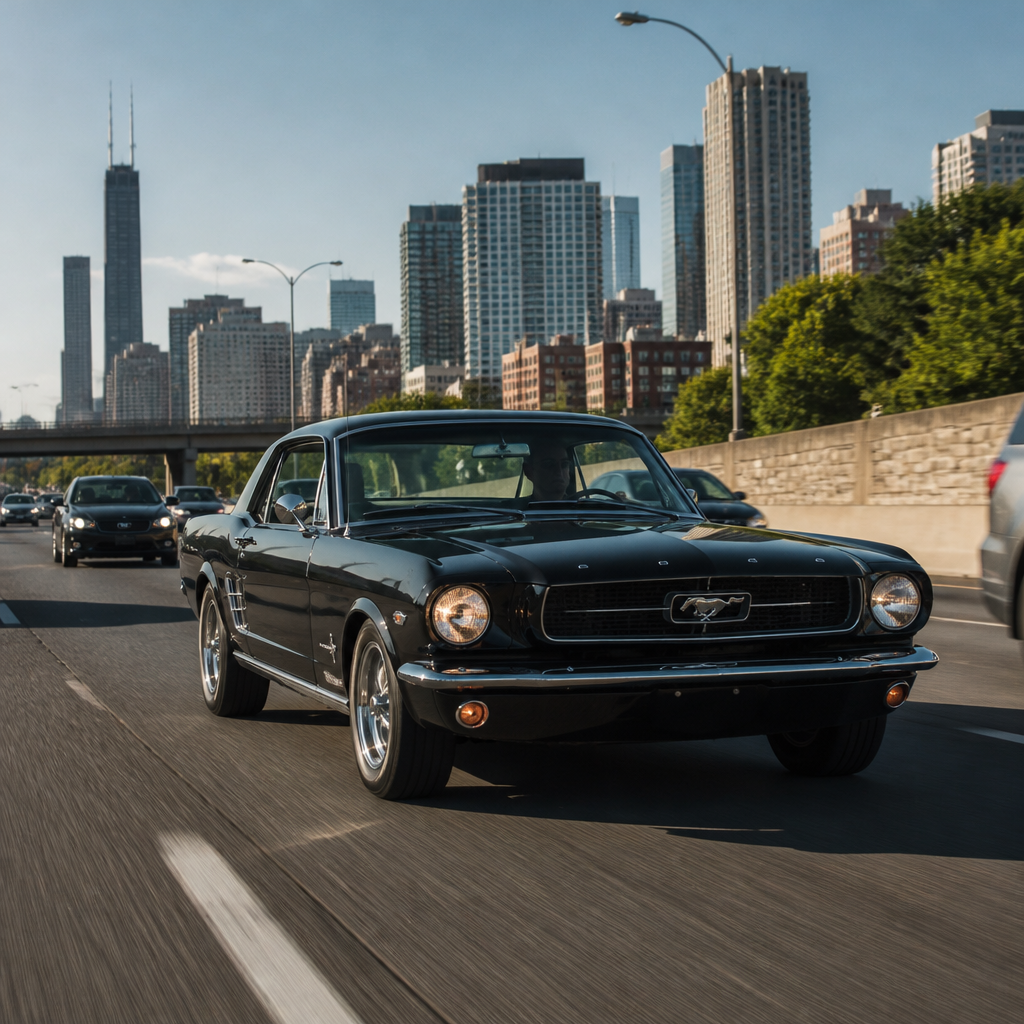
The third category is the practical classic coupe or hatchback. Fox-body Mustangs, third-generation Chevrolet Camaros, and Volkswagen GTIs from the 1980s and 1990s are not universally refined, but they are simple, responsive, and supported by enormous aftermarket ecosystems. If a daily-driven classic needs brakes, bushings, sensors, or weatherstripping, parts availability can be as important as the original design.
| Model | Why it works in modern traffic | Main drawback |
|---|---|---|
| Volvo 240 | Excellent visibility, tough red-block engines, easy parts sourcing, simple maintenance | Slow acceleration in stock form |
| Mercedes-Benz W124 | High-speed stability, durable drivetrains, strong build quality, comfortable cabin | Aging wiring and vacuum systems on some examples |
| BMW E30 3 Series | Compact size, precise steering, fuel injection, broad enthusiast support | Rust and rising values |
| Lexus LS400 | Outstanding reliability, refined V8, effective climate control, effortless freeway driving | More electronics than earlier classics |
| Mazda MX-5 Miata NA | Agile, economical, dependable, easy to park, huge parts network | Limited space and modest crash protection |
| Fox-body Mustang | Strong torque, simple mechanicals, cheap parts, easy upgrades | Cabin refinement and wet-weather traction |
Full-size American sedans can also be excellent daily drivers if chosen carefully. A fuel-injected Chevrolet Caprice, Buick Roadmaster, or Ford Crown Victoria offers comfortable seating, gentle ride quality, and parts availability that remains unusually good. These cars feel large in tight urban settings, but they are relaxed, robust, and often inexpensive to repair compared with prestige European alternatives.
Why some famous classics struggle as daily drivers
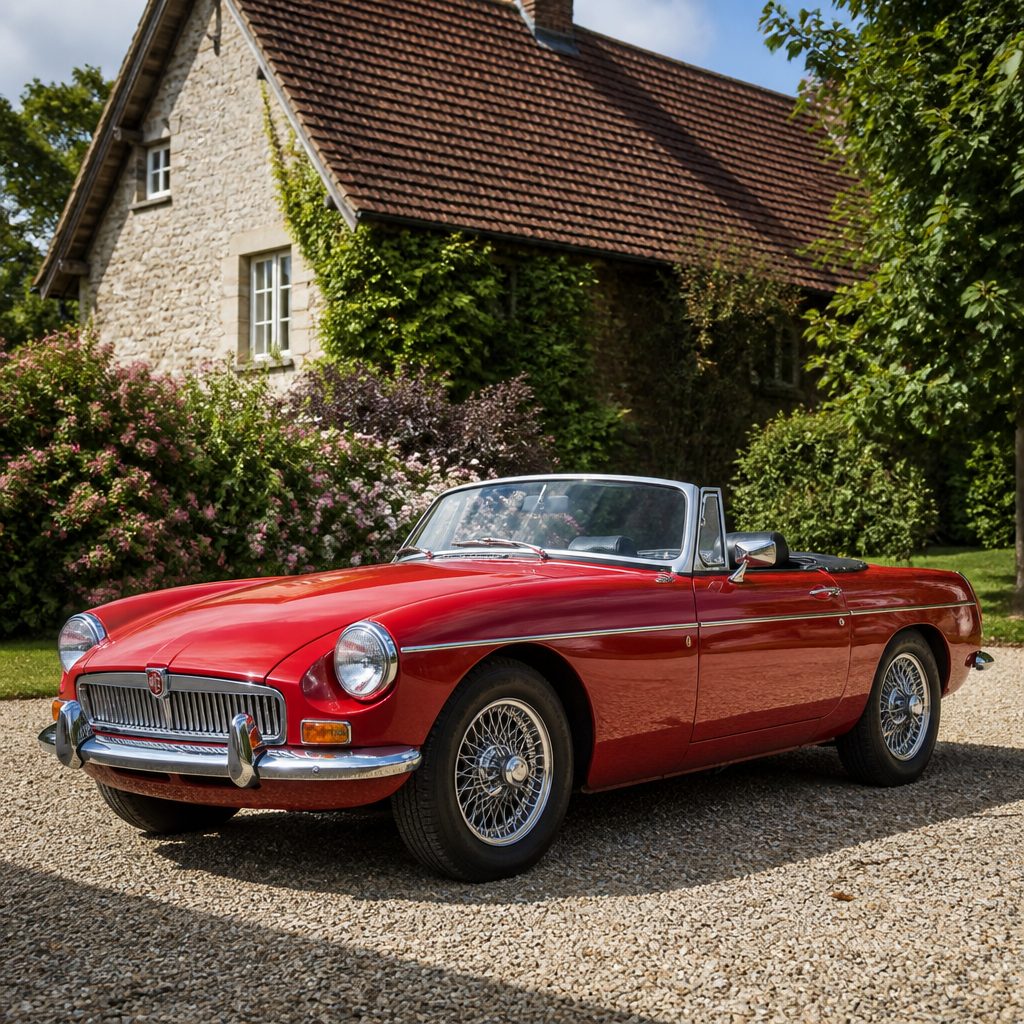
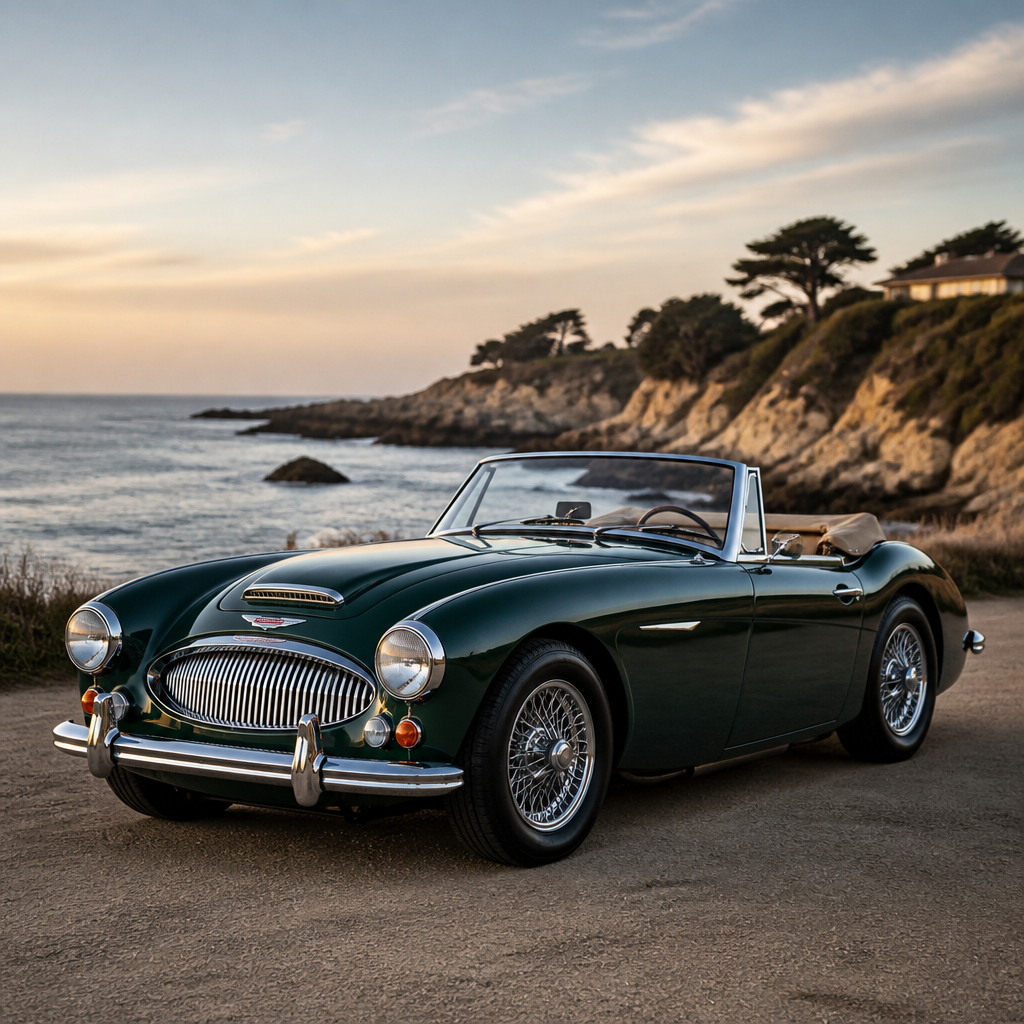
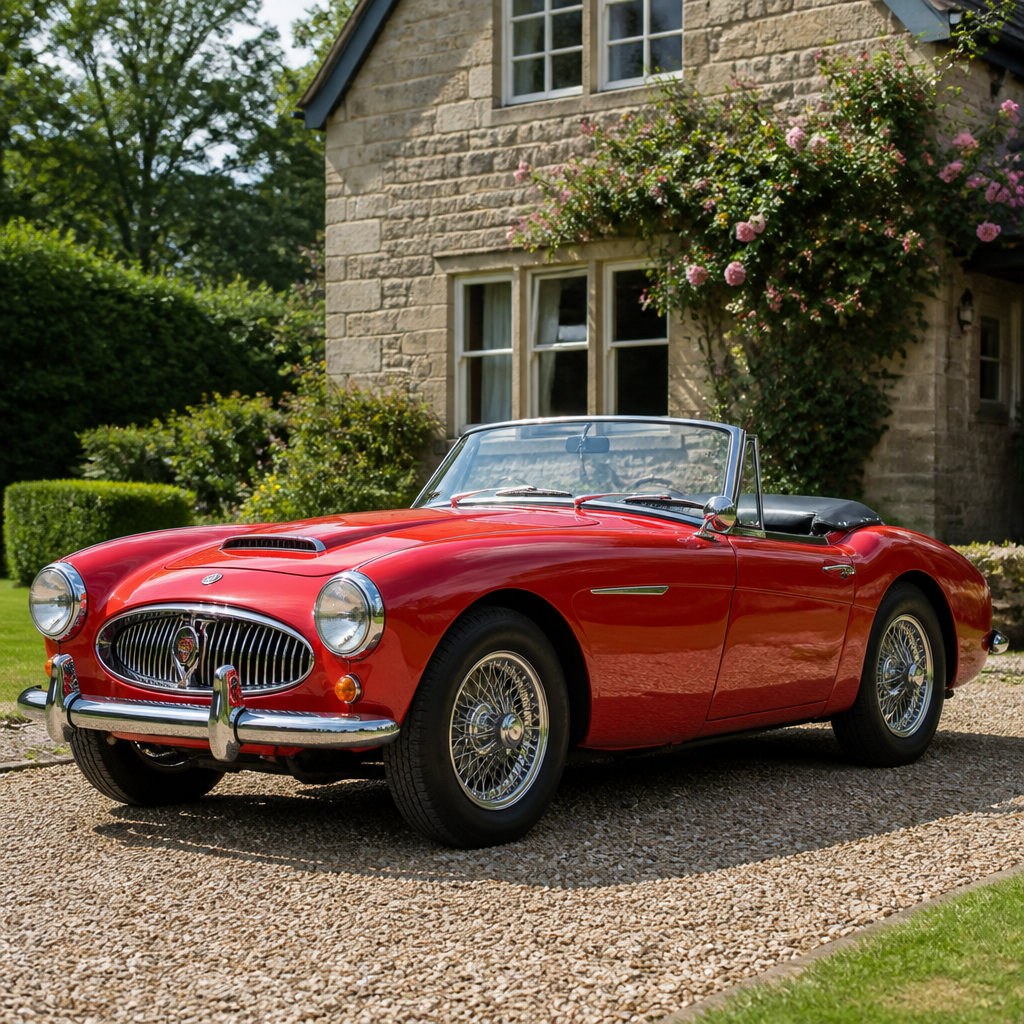
Many iconic classics are better occasional cars than everyday tools. Air-cooled sports cars, big-block muscle cars, and highly tuned British roadsters can all work, but they usually ask more of the owner. Heat management is a common issue. Older cooling systems were engineered for lighter traffic flow and lower ambient expectations. Add ethanol-blended fuel, decades of scale inside the radiator, and a weak fan clutch, and an otherwise healthy car may overheat while idling.
Brakes are another dividing line. Four-wheel drum setups, single-circuit master cylinders, and bias-ply tire calibrations were acceptable in their day, but surrounding traffic now stops harder and changes lanes more abruptly. Noise, vibration, and cabin heat also wear on drivers over time. A charming carbureted V8 on a Sunday can become tiring during a two-hour commute.
Collector values distort the equation as well. A rising-market model may technically handle traffic fine, yet every parking lot ding or weather event becomes stressful. If you hesitate to leave the car unattended, it is not truly a practical daily driver. For that reason, the best daily driving classic is often a respected but not ultra-valuable model with strong club support and available replacement trim.
Mechanical priorities before you rely on a classic every day
The first job is establishing a maintenance baseline. I never recommend daily driving a newly purchased classic until fluids, belts, hoses, ignition components, charging output, brake hydraulics, tires, and suspension bushings have been inspected or renewed. Age, not mileage, defeats many classics. A low-mileage survivor can be less road-ready than a higher-mileage car with documented upkeep.
Cooling systems deserve special attention. Pressure-test the system, inspect the radiator core, verify fan operation, and confirm the ignition timing and air-fuel mixture are correct. Many overheating complaints trace back to tuning errors or collapsing hoses rather than the radiator itself. Fuel delivery is the next priority. On fuel-injected cars, check pump pressure, injector seals, and vacuum leaks. On carbureted cars, proper float setting, heat shielding, and choke adjustment are essential for drivability.
Braking and suspension define confidence in traffic. Fresh rubber hoses, quality pads and rotors, aligned steering geometry, and matched dampers transform an old car more than most owners expect. If the car wanders, shimmies, or pulls under braking, commuting will always feel tense. Electrical reliability matters too. Grounds, alternator output, battery cables, and fuse-box condition often separate dependable classics from intermittent headaches.
Upgrades that improve traffic manners without ruining the car
The smartest upgrades are invisible or period-sympathetic. Electronic ignition modules reduce maintenance and improve starting. Aluminum radiators, quality fan shrouds, and modern thermostats can solve chronic heat issues when installed thoughtfully. Front disc brake conversions for certain older platforms meaningfully improve safety, especially when paired with a dual-circuit master cylinder and modern tires.
On highway-heavy commutes, an overdrive transmission or taller differential ratio can make a dramatic difference in comfort and engine wear. I have seen owners fall back in love with a classic after dropping cruising rpm by 700 to 1,000 revs. Sound deadening, improved seat foam, and discreet Bluetooth head units also increase livability without changing the car’s character. For frequent night driving, relay-fed halogen or properly engineered LED lighting upgrades can improve visibility substantially, provided beam pattern remains correct.
The caution is simple: modifications should solve a known problem, not chase internet trends. Poorly executed wiring, bargain suspension kits, and oversized wheels often make classics worse in traffic. Reliability comes from coherent systems, not random aftermarket parts.
Cost, insurance, and fuel economy realities
Daily driving a classic can be cheaper than financing a new vehicle, but only if you buy wisely and budget honestly. Purchase price is just the entry fee. Deferred maintenance, rust repair, upholstery, weather seals, and air-conditioning restoration add up quickly. Consumables may also be pricier than expected, particularly for European cars that require specific rubber mounts, hydraulic parts, or metric tires.
Insurance needs careful review. Agreed-value collector policies are attractive, but many limit annual mileage, commuting, or unattended parking. A true daily driver may need standard insurance or a specialty plan with broader usage terms. Fuel economy varies widely. A Volvo 240 or Miata may deliver mid-20s mpg in mixed use, while a carbureted full-size V8 can fall into the low teens. That operating cost matters if the car covers real commuting miles rather than occasional errands.
Plan for downtime too. Even a well-sorted classic needs parts lead time and specialist attention now and then. The most successful owners either keep a backup vehicle or choose a model with enough support that common repairs can be handled quickly by a competent local shop.
How to choose the right classic for your commute
Start with your route, not your dream poster. If your driving is mostly urban, prioritize visibility, compact size, easy starting, and strong cooling. If you spend hours on interstates, seek overdrive gearing, supportive seats, low cabin noise, and stable aerodynamics. Climate matters. In hot regions, proven air conditioning and a healthy cooling system are mandatory. In wet or salted areas, rust resistance and parts-friendly body construction become critical.
Be honest about your skill level. If you enjoy diagnostics and routine wrenching, a broader range of classics becomes practical. If you need turnkey reliability, choose a model with established service knowledge and strong parts supply. Before buying, drive the car in exactly the conditions you expect to face: hot idle, rough city pavement, highway merging, and repeated stops. A ten-minute neighborhood test drive tells you very little.
For most people, the safest recommendation is a well-maintained 1980s or 1990s sedan, coupe, or roadster from a brand with deep enthusiast support. That approach delivers the classic ownership experience with fewer compromises, and it creates a realistic path into daily driving a classic rather than an expensive lesson in unmet expectations.
Classic cars that handle modern traffic well are not mythical, but they are specific. The best daily driving classics combine old-car character with durable engineering, available parts, stable road manners, and cooling and braking systems that can tolerate current roads. In practice, that often means looking past the most glamorous options and toward well-supported 1980s and 1990s sedans, coupes, and sports cars such as the Volvo 240, Mercedes-Benz W124, BMW E30, Lexus LS400, Miata, or Fox-body Mustang. These cars have earned their reputations because owners actually use them.
If you remember one principle, make it this: buy the best-maintained example of the right platform, then establish a mechanical baseline before relying on it. Daily driving a classic succeeds when selection, preparation, and expectations all align. Use this hub as your starting point, then map your next steps around model research, pre-purchase inspection, cooling and brake upgrades, insurance fit, and realistic operating costs. Choose carefully, sort the car thoroughly, and a classic can stop being a weekend fantasy and become satisfying transportation.
Frequently Asked Questions
What makes a classic car handle modern traffic well?
A classic car that works in modern traffic usually gets the fundamentals right rather than relying on nostalgia alone. The biggest factors are cooling performance, braking confidence, highway stability, drivetrain flexibility, and parts support. In practical terms, that means the car should be able to idle in summer heat without creeping toward overheating, stop predictably in repeated traffic situations, cruise at current road speeds without feeling strained, and restart every time after sitting in stop-and-go conditions. A classic that feels relaxed at 70 mph and does not become unhappy after 20 minutes in congestion is far more usable than one with great styling but narrow mechanical limits.
Weight, gearing, suspension design, and engine tuning all matter here. Cars with longer wheelbases, decent sound insulation, power-assisted brakes, and engines that make usable low-end torque tend to feel less stressed in today’s driving environment. Automatic transmissions can also be a real advantage in traffic, especially when paired with tall enough gearing to keep engine speed reasonable. Even simple things such as a strong charging system, widely available tires in correct sizes, and predictable steering effort make a meaningful difference when you are using the car regularly instead of just for occasional weekend events.
Equally important is serviceability. Some classics are perfectly capable in traffic, but only if every small component is healthy and correctly adjusted. Others have a wider margin of tolerance and are easier to keep dependable with normal maintenance. That is why many experienced owners favor cars built in the late 1960s through the 1980s for regular use: they often blend classic character with better cooling systems, improved brake designs, and drivetrains that feel less overwhelmed by modern roads.
Are muscle cars good choices for commuting and freeway driving today?
Some are, but it depends heavily on the specific car and how it is configured. A muscle car with a big-displacement V8, front disc brakes, power steering, and a well-sorted cooling system can be surprisingly comfortable in modern traffic. Many have enough torque to merge confidently, enough size to feel planted at speed, and enough aftermarket support to solve common weaknesses. However, not every muscle car is automatically traffic-friendly. Cars with aggressive camshafts, deep rear gears, manual drum brakes, vague steering, or old bias-ply tire setups can feel tiring and less predictable in the real world.
The best freeway-driving muscle cars are often the less extreme versions rather than the highest-horsepower halo models. A mildly tuned small-block or big-block engine, a transmission with sensible gearing, and suspension components in good condition will usually provide a better daily experience than a heavily modified car chasing peak numbers. If the engine runs cool, the brakes are balanced, and the steering does not wander, these cars can cover long highway distances with confidence. Mid-size and full-size American coupes and sedans from the late 1960s and 1970s often perform especially well because they were designed for wide roads, long trips, and relatively easy servicing.
That said, commuting comfort also matters. Older seats, louder cabins, fuel economy, visibility, and parking ease can all become major factors if you intend to drive the car often. A classic muscle car can absolutely handle modern traffic well, but the right example is usually one that has been maintained for usability rather than originality at all costs. In real-world ownership, a car that starts easily, tracks straight, and stays cool in traffic will outperform a more desirable but fussier model every time.
Do classic cars need upgrades to be reliable in stop-and-go traffic?
Not always, but many benefit from carefully chosen upgrades that preserve the car’s character while making it far easier to live with. The most worthwhile improvements usually target known weak points rather than trying to reinvent the vehicle. Electronic ignition is one of the most common and effective changes because it improves cold starts, idle stability, and overall consistency. An aluminum radiator, better fan setup, or correctly shrouded cooling system can transform a car that struggles in hot traffic into one that behaves normally. Front disc brake conversions or upgraded brake components can also dramatically improve confidence when dealing with repeated stops in dense traffic.
Other smart upgrades include modern radial tires, refreshed suspension bushings, improved shocks, and transmission changes that reduce engine strain at speed. In some cars, simply making sure the original system is restored properly is enough. A stock cooling system in excellent condition often works better than people expect, while neglected tune-up parts, weak timing curves, poor carburetor adjustment, or a partially clogged radiator are often the real reason a car feels unsuitable for traffic. Before modifying anything, it is worth establishing a solid baseline with compression, charging output, fuel delivery, brake condition, and ignition health.
The best upgrades are the ones that make the car more tolerant without making it feel modern in the wrong way. Owners who regularly drive classics in real traffic often focus on reliability and margin rather than maximum performance. A subtle electric fan, better brake pads, improved fuel hoses, and a more efficient ignition system can produce a car that remains unmistakably vintage but no longer feels fragile in everyday driving. The goal is not to erase the classic experience; it is to make that experience realistic on today’s roads.
Which types of classic cars are usually the easiest to live with in modern traffic?
Generally, later classics from the late 1960s through the 1980s are the easiest to use regularly because they were built with more developed braking systems, better electrical components, improved cooling layouts, and drivetrains closer to modern expectations. Large American coupes and sedans, personal luxury cars, and well-maintained grand tourers often do especially well because they were engineered for highway travel and tend to have smoother ride quality, stable road manners, and engines that are not working hard at everyday speeds. Cars from this era also often benefit from strong parts availability, which matters tremendously if you plan to actually use the vehicle instead of storing it.
European grand touring cars and some classic sports sedans can also work very well if they have strong parts support and a reputation for mechanical durability. The key difference is that some European classics reward preventive maintenance more heavily, while many domestic classics offer lower parts cost and easier repair access. Japanese classics from the 1970s and 1980s can be excellent traffic companions too, especially when they combine lighter weight, good visibility, straightforward mechanicals, and reliable cooling systems. In many cases, these cars feel more agile in urban environments than larger American models while still being capable on the freeway.
What tends to be less friendly are very early classics with marginal brakes, low cruising speeds, non-synchronized transmissions, weak cabin ventilation, or scarce replacement parts. These can still be deeply enjoyable, but they require more compromise and driver involvement. For owners who want the best blend of style, authenticity, and practical usability, the sweet spot is usually a classic with enough age to feel special but enough engineering maturity to cope with traffic, heat, and sustained higher-speed driving without complaint.
How can you tell if a classic car is truly road-ready for modern daily use before buying it?
The best way is to evaluate it like a driver, not just like a collector. A beautiful paint job and tidy interior do not tell you how the car behaves after 30 minutes in traffic. You want to know whether it starts cleanly from cold, idles steadily when hot, maintains consistent temperature at a standstill, shifts smoothly, and stops straight without drama. During a test drive, pay close attention to how the car merges, tracks on the highway, reacts to crosswinds or ruts, and behaves after a heat soak. If it stumbles, runs hot, wanders, or smells strongly of fuel after sitting, those are useful clues about whether it is realistically prepared for regular modern driving.
It is also important to inspect the car’s supporting systems, not just the engine. Look at radiator condition, hoses, fan operation, charging output, battery placement, brake fluid quality, tire age, steering play, suspension wear, and evidence of recent maintenance. Service records are especially valuable because they show whether the owner addressed practical issues like cooling, ignition, braking, and fuel delivery. A classic that has been driven regularly and sorted thoughtfully is often a better buy than a low-mileage example that has spent years sitting, even if the latter appears more original or cosmetically impressive.
If possible, have the car inspected by a specialist familiar with that exact make or era. They can identify chronic weak points, spot poor modifications, and tell you whether the setup is suitable for modern traffic. That expert perspective can save substantial money and frustration. The right classic for daily use is not necessarily the rarest or most valuable one. It is the one that behaves consistently, has sensible mechanical support, and has already proven it can deal with heat, speed, and stop-and-go use without turning every drive into a project.