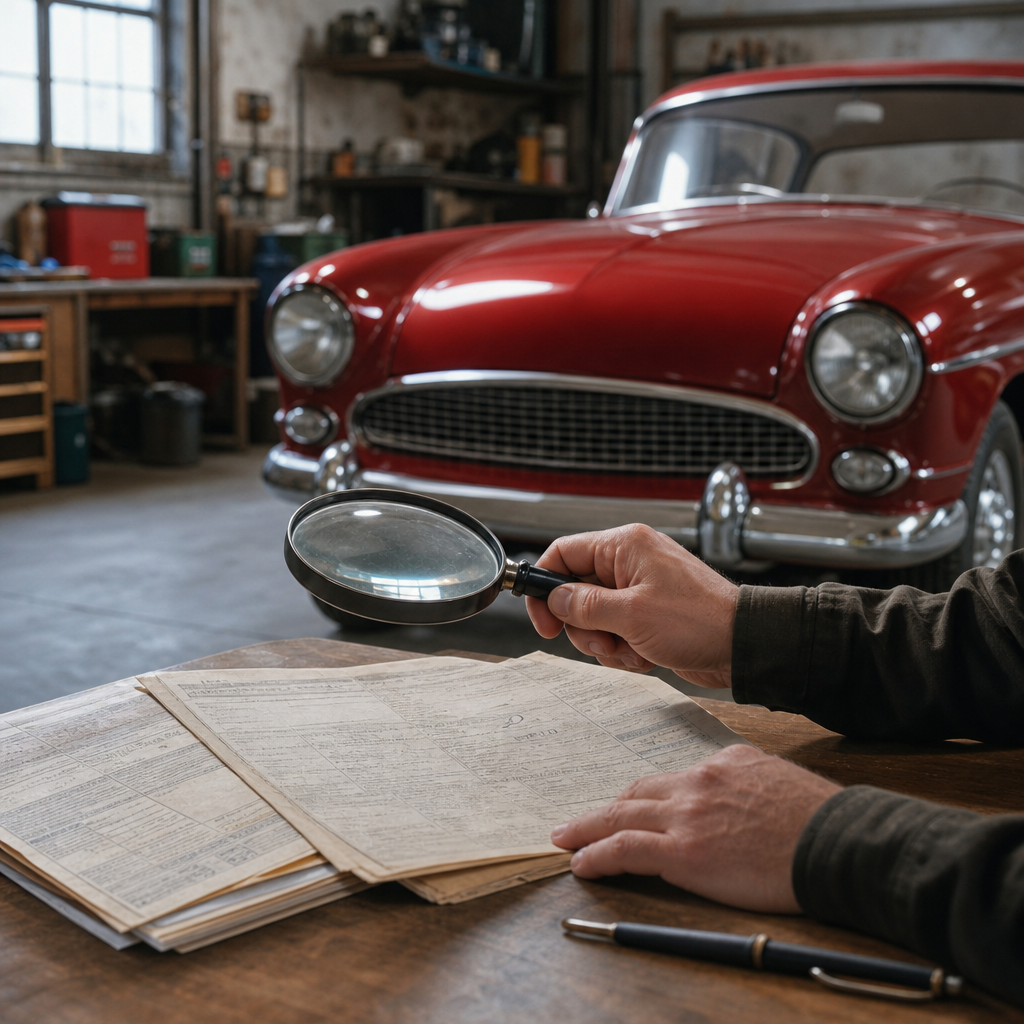
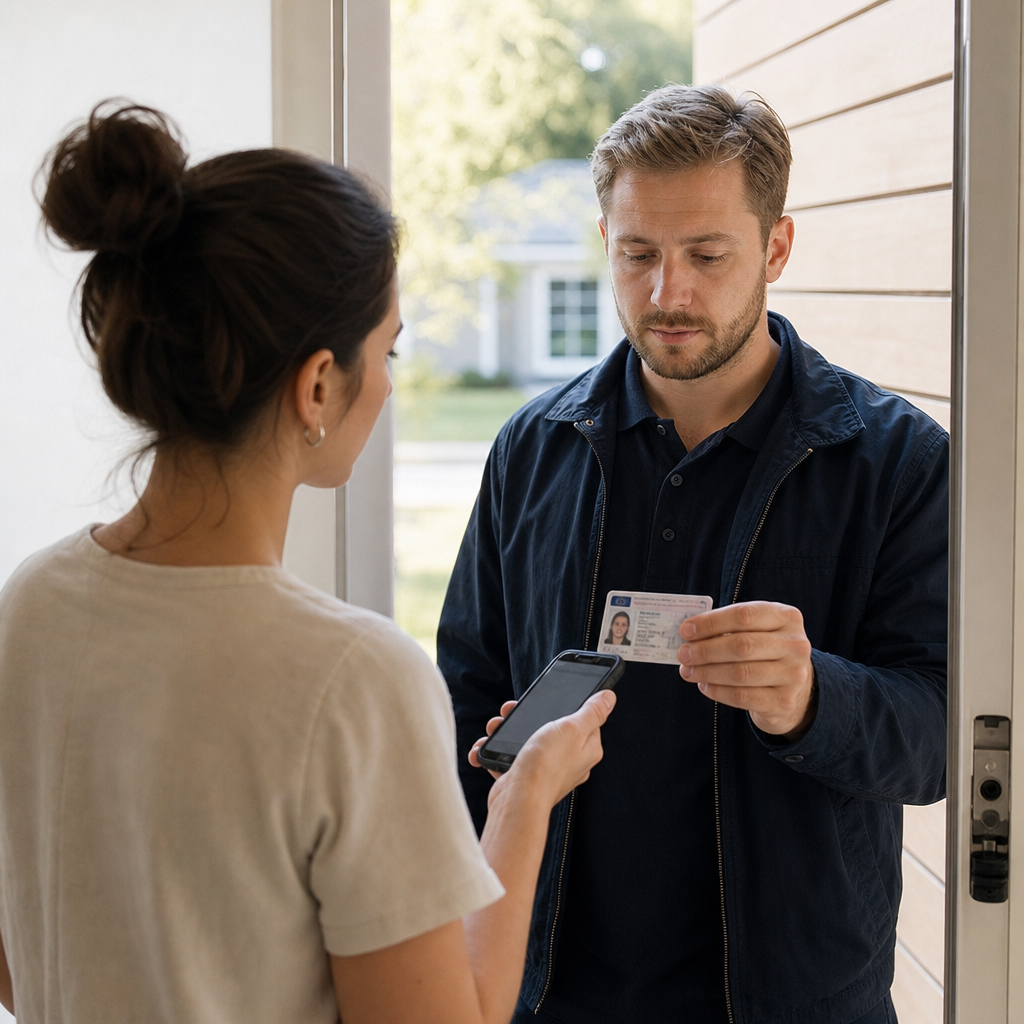
Buying a classic car online can open the door to rare finds, better prices, and nationwide inventory, but it also exposes buyers to one of the oldest risks in commerce: not knowing who is really on the other side of the deal. Verifying seller identity in online deals means confirming that the person advertising the vehicle is a real, reachable, legally entitled seller and not a fraudster using stolen photos, fake names, forged documents, or a hijacked account. In the classic car market, where values can swing from a few thousand dollars to six figures and vehicles often trade across state lines, identity verification is not a minor precaution. It is the foundation of a safe transaction.
I have worked through remote purchases where the first listing looked perfect, the seller sounded knowledgeable, and the paperwork appeared complete, only for basic checks to reveal mismatched names, recycled photos, or a title that did not belong to the person asking for a wire. Those situations are common because classic cars attract emotional buyers. A scarce trim, original drivetrain, or claimed restoration history can push people to move quickly. Scammers know that urgency can override caution, especially when a car seems underpriced or unusually desirable.
This hub article covers the full process for avoiding scams and pitfalls by focusing first on seller identity, then on the records, payment methods, platforms, and warning signs that support or contradict the seller’s story. It also serves as the central guide for related topics under Buying & Selling Classic Cars, including title verification, escrow services, transportation risk, document review, and safe payment practices. If you understand how to verify a seller before sending money, you cut down the largest category of preventable loss in remote collector-car deals.
At a practical level, identity verification answers six questions. Who is the seller? Do they actually possess the vehicle? Do they have legal authority to sell it? Do their documents match public and platform records? Can they prove a consistent history tied to the car? Will they accept a transaction structure that protects both sides? Every later step, from pre-purchase inspection to bill of sale, becomes stronger when those questions are answered early and directly.
Start with the seller’s digital footprint and listing consistency
The first screen is simple: compare the listing, the seller profile, and the contact details for consistency. On marketplaces such as Hemmings, Bring a Trailer, Facebook Marketplace, Craigslist, or marque-specific forums, review account age, prior activity, comment history, location signals, and whether the seller has sold other vehicles or parts. A profile created days ago with no interaction history deserves heavier scrutiny than one with years of posts discussing the exact model being sold. Consistency matters. The seller’s display name, email address, phone number, and stated city should align across the listing, direct messages, and any supporting documents.
Next, run the photos through reverse image search using Google Images or TinEye. I routinely find scam listings built from old auction archives, dealer inventory pages, or forum posts. If the same Mustang fastback photos appear in a 2022 auction result in Arizona while the current seller claims the car is in Ohio, stop immediately. Also inspect image metadata when available, look for repeated backgrounds across unrelated listings, and ask for fresh photos with a handwritten note showing the current date and your name. A legitimate owner can usually produce this within minutes. A scammer working from stolen images cannot.
Phone behavior is another revealing filter. A real classic car owner can usually discuss trim details, restoration receipts, cold-start quirks, casting numbers, and where the jack or spare is stored. A scammer often avoids live calls, pushes text only, or uses vague answers copied from the ad. Request a live video call where the seller walks around the car, starts it, shows the VIN plate, odometer, title, and specific flaws you choose in real time. If they refuse without a credible reason, assume elevated risk.
Match the seller to the title, registration, and vehicle records
The core identity check is document alignment. Ask for a clear photo of the title front and back, current registration if applicable, and a government-issued ID with sensitive numbers covered except the name and photo. The seller’s name should match the title exactly or be supported by a valid reason such as a dealer license, probate sale, power of attorney, trust ownership, or a recent reassignment that complies with state law. Small discrepancies can matter. A nickname on a social profile is not enough if the title is in someone else’s legal name.
For vehicles older than 1981, VIN formats vary, so verify according to the manufacturer’s standards rather than assuming modern 17-digit structure. Compare the VIN on the title with the VIN plate, stamped chassis number, engine pad where relevant, and any factory body tags. In classic car deals, numbers-matching claims often overshadow basic ownership review. Do not let driveline excitement distract from title chain problems. A seller may know every date code on a Corvette and still lack legal authority to sell it.
Use vehicle history services carefully. CARFAX and AutoCheck can help for later-model classics, but many older cars have thin records. For true collector vehicles, supplement history reports with NMVTIS-participating providers when available, state title inquiries where permitted, lien checks through the state motor vehicle agency, and theft databases such as NICB VINCheck for qualifying vehicles. If the seller says the title is lost, in process, or “easy to replace after purchase,” treat that as a separate risk category. In many states, title defects can take months to unwind and may prevent registration altogether.
| Verification step | What to request | What a match looks like | Red flag |
|---|---|---|---|
| Identity | Photo ID with key numbers covered | Name and face match the caller and documents | ID refused or name differs without proof |
| Ownership | Title and registration | Seller name matches title or legal authority is documented | Open title, unsigned title, missing reassignment |
| Vehicle possession | Live video walkaround | Seller shows VIN, flaws, startup, and location in real time | Only prerecorded clips or stock photos |
| Listing authenticity | Fresh dated photos | New images show requested angles and details | Images traced to old auctions or other sellers |
| Transaction safety | Escrow or verified bank process | Seller accepts structured payment with paperwork | Pressure for immediate wire to unrelated account |
Confirm the seller actually has the car and can answer for its history
Possession is not ownership, but it is still essential to verify. Ask the seller to provide a walkaround video beginning outside the storage location, then moving to the car, opening the doors, showing the VIN, starting the engine from cold, and demonstrating lights, gauges, and any accessories named in the ad. In one deal I handled for a 1970 Chevelle, the seller claimed the car was in his private warehouse. A live video request exposed that he only had access to old photos; he could not produce a same-day shot of the cowl tag, much less a startup. The listing disappeared within forty-eight hours.
Then test the seller’s history knowledge. Ask when they bought the car, from whom, why they are selling, what work they performed, what shop handled paint or engine machining, and what receipts they still have. Legitimate owners may not remember every date, but their answers usually form a coherent timeline. Scammers tend to speak in broad phrases: “fully restored,” “everything works,” “clean title in hand,” without anchoring claims to years, invoices, or names. For high-value cars, request restoration photos, judging sheets, club records, and prior auction descriptions. Provenance is hard to fake consistently across multiple sources.
If the seller is acting on behalf of a relative, estate, or business, ask for supporting paperwork before discussing payment. Estate sales should involve executor documents. Businesses should have a registered entity you can verify through the secretary of state database. Dealers should provide a dealer license number and business address that matches public records. The more intermediaries appear between you and the titled owner, the more documentation you need.
Use independent verification before money changes hands
Even strong documents should be tested by independent sources. The best method is an in-person inspection by you or a trusted third party. Services such as Lemon Squad, ASE-certified local inspectors, marque specialists, and appraisal professionals can confirm both the vehicle and the seller’s access to it. For premium classic cars, use a model-specific expert. A general mechanic may spot rust and compression issues, but a marque expert can identify restamps, reproduction tags, non-original stampings, and incorrect trim combinations that often accompany fraudulent listings.
Call the shop listed on receipts, the storage facility if one is named, or the auction house if the seller references a prior sale. I always ask one neutral question: “Can you confirm this person has represented this vehicle through your business?” You are not seeking confidential information, only corroboration. If a seller claims recent work from a recognized restoration shop and that shop has never heard of them, the credibility gap widens quickly.
Public records can also help. County property records, business registrations, and mapping tools may support whether the seller’s address is plausible. A seller who says the car is stored at his residence but whose provided address is a vacant lot deserves skepticism. Search the phone number, email address, and exact wording from the listing in quotation marks. Scammers often reuse scripts across multiple ads for different cars. When the same contact line appears attached to a Porsche 356, a Camaro Z/28, and a pickup in three states, you have your answer.
Choose payment and paperwork methods that expose fraud early
A verified identity should flow naturally into a protected transaction structure. For private-party classic car deals, escrow is often the safest option when distance or value is significant. A legitimate escrow service holds funds while the buyer confirms agreed conditions, and it releases money only according to the written contract. Scammers often invent fake escrow portals or insist on wire transfers to personal accounts that do not match the seller’s name. Never use an escrow link sent only by the seller without independently navigating to the provider and verifying the company by phone.
Bank wires are common in collector-car transactions, but the receiving account should match the seller or the documented business entity. If a titled owner asks you to wire funds to “a friend,” “my shipping partner,” or an unrelated LLC, pause the deal until the explanation is documented and independently confirmed. Cashier’s checks are not automatically safer; forged checks and overpayment scams still occur. For large sums, your bank’s fraud department can help verify account ownership procedures and timing.
Paperwork should include a bill of sale with full legal names, addresses, phone numbers, VIN, sale price, date, odometer disclosure where required, and any specific representations such as included parts or matching-numbers claims. Keep copies of the seller’s ID, title, wire instructions, escrow correspondence, shipping contract, and inspection report in one file. This documentation matters if a problem arises, and it also discourages scammers who prefer fast, lightly documented deals.
Recognize the classic scam patterns specific to collector cars
Most online vehicle fraud follows repeatable patterns. The first is the bargain lure: a desirable car priced well below market with a story that explains the urgency, such as divorce, deployment, inheritance, or sudden relocation. The second is the platform migration: the seller pushes you away from the marketplace’s messaging system to private email or encrypted chat, reducing accountability. The third is document theater: they provide convincing but mismatched paperwork, often with blurred names, altered VIN digits, or signatures that do not line up. The fourth is transaction pressure: another buyer is supposedly ready, so you must wire a deposit immediately.
Classic cars add their own twists. Scammers exploit terms like “barn find,” “survivor,” “numbers matching,” and “older restoration” because those descriptions naturally involve imperfections and missing records. That ambiguity gives room to evade specifics. They also target buyers chasing rare options who may accept weak evidence for originality. A real seller welcomes verification because serious buyers in this market always ask hard questions. If the seller treats normal due diligence as an insult, that reaction is itself data.
The safest mindset is disciplined skepticism. Verify identity, ownership, possession, and payment details in that order. If one layer fails, do not rely on strength in another layer to compensate. A beautiful car, a friendly seller, or a polished title photo cannot overcome a broken chain of trust. Use this hub as your starting point for every article in Avoiding Scams & Pitfalls, then continue with deeper guides on title fraud, escrow services, shipping scams, inspection strategy, and safe remote closing procedures. The payoff is simple: when you verify the seller before you verify the car, you protect your money, your time, and your chance to enjoy the right classic car for years to come.
Frequently Asked Questions
Why is verifying seller identity so important when buying a classic car online?
Verifying seller identity is one of the most important steps in any online classic car purchase because the entire transaction depends on trust. Unlike buying locally, you may never meet the seller in person before sending a deposit, wiring funds, or arranging transport. That creates an opportunity for scammers to pose as owners, impersonate legitimate consignors, use stolen vehicle photos, or list cars they do not legally control. In the classic car market, where values can be high and vehicles are often rare, even a small mistake can become an expensive loss.
Identity verification helps confirm three things at once: that the seller is a real person or business, that they can be reached and traced, and that they have the legal right to sell the vehicle. A convincing listing alone is not enough. A fraudster may have a believable story, a polished ad, copied restoration photos, and even forged title images. What matters is whether the seller’s name, phone number, address, documents, and relationship to the car all line up consistently.
Taking the time to verify identity also protects you from more than outright theft. It can reveal title problems, hidden consignment arrangements, unauthorized sales by relatives or friends, and dealers pretending to be private sellers. In short, identity verification is not a minor box to check. It is a core part of due diligence that can help you avoid fraud, reduce legal risk, and move forward with much greater confidence.
What are the best ways to confirm that an online seller is a real person or legitimate business?
Start with the basics and build from there. Ask for the seller’s full legal name, direct phone number, physical address, and email address, then compare that information across the listing platform, vehicle documents, and public records where possible. A legitimate seller should not hesitate to provide identifying details, especially for a high-value classic car transaction. If the person claims to be a dealer or consignment business, verify the company’s official website, business registration, licensing information, and online reviews from multiple sources rather than relying on testimonials shown in the listing.
Next, speak with the seller live. A real-time phone call or video call is often one of the fastest ways to spot inconsistencies. During the conversation, ask specific questions about the car’s history, maintenance, restoration work, title status, VIN, and how long they have owned it. A true owner or authorized representative can usually answer naturally and consistently. Someone using copied information may stay vague, avoid direct questions, or rely too heavily on what was already written in the ad.
It also helps to request a custom verification step. For example, ask the seller to send a current photo or video showing the vehicle along with a handwritten note displaying today’s date and your name, or ask them to point out specific features you mention, such as a trim piece, engine stamp area, dashboard detail, or known flaw. This is a simple but effective way to prove they have present access to the vehicle. For businesses, verify the office address independently, call the published business number from the official website rather than the number in the ad alone, and confirm that the employee you are dealing with actually works there.
Finally, pay attention to behavior. Pressure to act immediately, refusal to video chat, excuses for why documents cannot be shared, requests to move communication off-platform too quickly, or demands for unusual payment methods are all warning signs. A legitimate seller understands that serious buyers need proof. Transparency is usually a good sign; resistance is not.
Which documents should I ask for to verify that the seller actually owns the classic car and has the right to sell it?
The most important document is the title, because it shows who is legally recorded as the vehicle’s owner in the relevant jurisdiction. Ask for clear photos or scans of the front and back of the title, and make sure the seller’s name matches the name they are using in communication. Check for signs of alteration, inconsistent fonts, missing fields, or anything that looks edited. If the title is in another name, the seller should explain why. In some cases, that may be legitimate, such as a consignment arrangement or estate sale, but it requires additional proof.
You should also ask for a copy of the seller’s driver’s license or government-issued identification, with sensitive numbers redacted if appropriate, so you can confirm the name matches the title and sale paperwork. If the vehicle is being sold by a dealership, ask for the business license, dealer information, and documentation showing the business has authority to sell the car. If it is a consignment, request the consignment agreement or other written proof that the owner authorized the sale. If it is an estate transaction, ask for paperwork showing the representative has legal authority to transfer the vehicle.
Beyond ownership documents, ask for the VIN, registration, service records, restoration invoices, and any prior title history or appraisal documents. These materials help support the seller’s connection to the car and often reveal whether the story is consistent. For example, a seller claiming to have owned the vehicle for ten years should usually be able to show maintenance records, insurance documents, event registrations, or restoration receipts in their name.
If anything does not match, do not ignore it. A different last name, unsigned title, open title, missing registration, or reluctance to share ownership proof should be treated seriously. Many bad deals begin with buyers accepting “reasonable” explanations without independent verification. If ownership authority cannot be documented clearly, it is safer to pause the transaction than to hope it will sort itself out later.
What are the biggest red flags that may indicate a fake seller, hijacked listing, or online vehicle scam?
One major red flag is a price that is far below market value without a credible explanation. While bargains do exist, scammers often use attractive pricing to create urgency and short-circuit a buyer’s normal caution. If a rare or desirable classic car appears significantly cheaper than comparable vehicles, assume there is a reason and verify everything carefully before taking another step.
Another warning sign is inconsistent identity information. The seller’s name may change between emails, payment instructions, title images, and social media profiles. The phone number may not match the claimed location, or the email address may look unrelated to the person or dealership name. A hijacked account or copied listing may also include photos pulled from old auction sites, enthusiast forums, or previous sales listings. Reverse image searches and searches of the VIN, exact ad wording, and unique vehicle features can help uncover this quickly.
Communication patterns matter too. Be cautious if the seller avoids live conversation, refuses a video walkaround, gives generic answers, or pushes emotional reasons for urgency such as sudden deployment, divorce, relocation, or a family emergency. Scammers often rely on stories designed to discourage detailed questioning. Requests for wire transfers, gift cards, cryptocurrency, payment through unofficial intermediaries, or deposits sent before basic verification are especially concerning.
You should also be wary of document irregularities. Cropped title images, blurred VIN photos, excuses about lost paperwork, and refusal to let an inspector or transport company view the vehicle in person can indicate fraud. A real seller may not have every document perfectly organized, but they should be willing to work transparently toward verification. When details do not align and the seller resists reasonable checks, the safest assumption is that something is wrong until proven otherwise.
How can I safely verify a seller before sending money or signing anything?
The safest approach is to verify identity, ownership, and vehicle existence before any funds change hands. Begin by confirming the seller’s full identity through direct conversation, supporting documents, and independent cross-checks. Match the seller’s name to the title or sale authority paperwork, confirm the vehicle’s VIN, and compare the listing details against photos, records, and the seller’s explanations. Do not rely on one piece of evidence alone. Look for a pattern of consistency across every document and interaction.
Next, arrange independent confirmation of the car itself. A live video call showing the vehicle in real time is useful, but an in-person pre-purchase inspection by a qualified third party is even better. An inspector can confirm that the car exists, matches the VIN, is located where the seller says it is, and generally aligns with the listing description. If the seller refuses an inspection or claims the car cannot be viewed for unusual reasons, treat that as a serious warning sign.
When it comes to payment, use a method that adds structure and accountability. For high-value classic car deals, that often means a reputable escrow service, a formal purchase agreement, and clearly documented transfer terms. Verify the escrow provider independently by going to its official website yourself rather than clicking links sent by the seller. Review all wiring instructions carefully, and confirm them by phone using trusted contact information. Never send money to a different name than the documented seller or business without fully understanding and verifying why.
Finally, do not let momentum override caution. Scammers count on buyers becoming emotionally invested in the car and rushing the final steps. Slow the process down, verify each detail, and be willing to walk away if anything feels inconsistent, evasive, or unusually pressured. In online classic car transactions, patience is not a delay tactic. It is a form of protection.