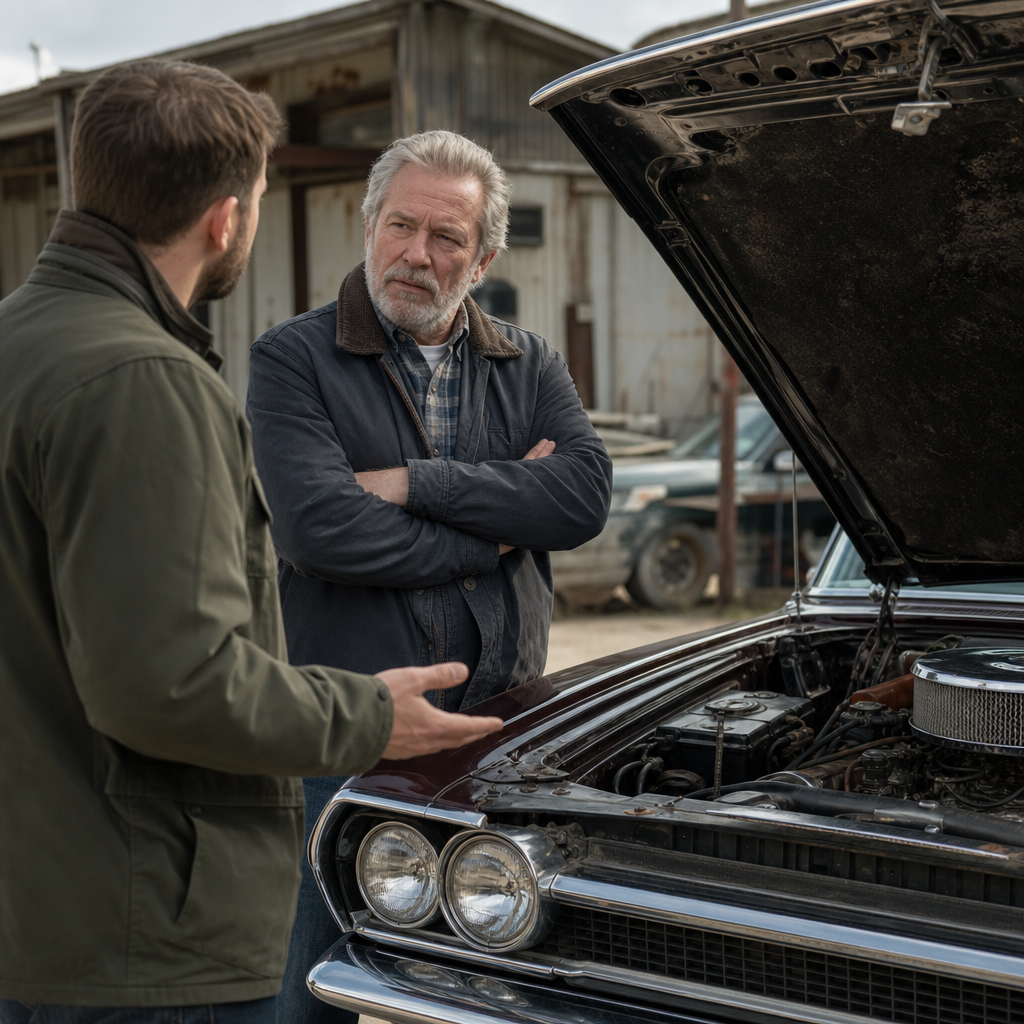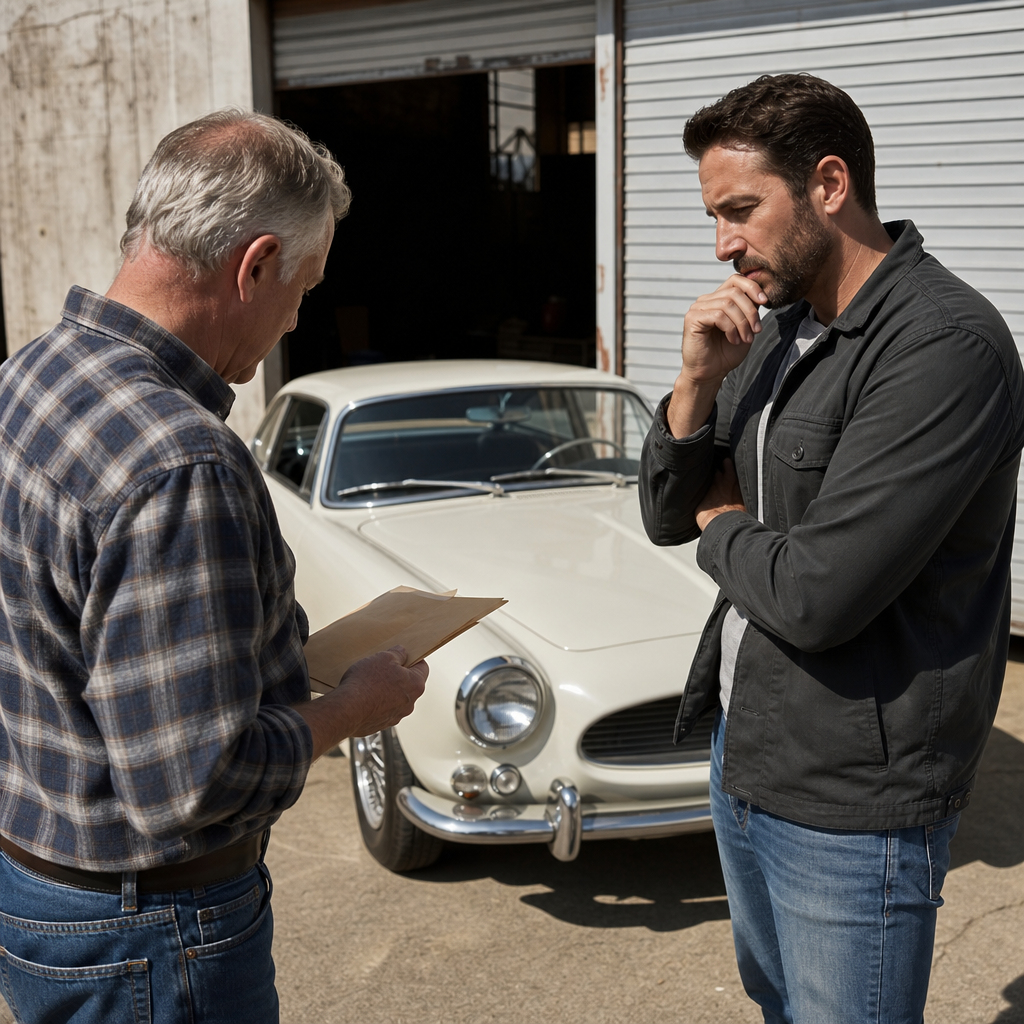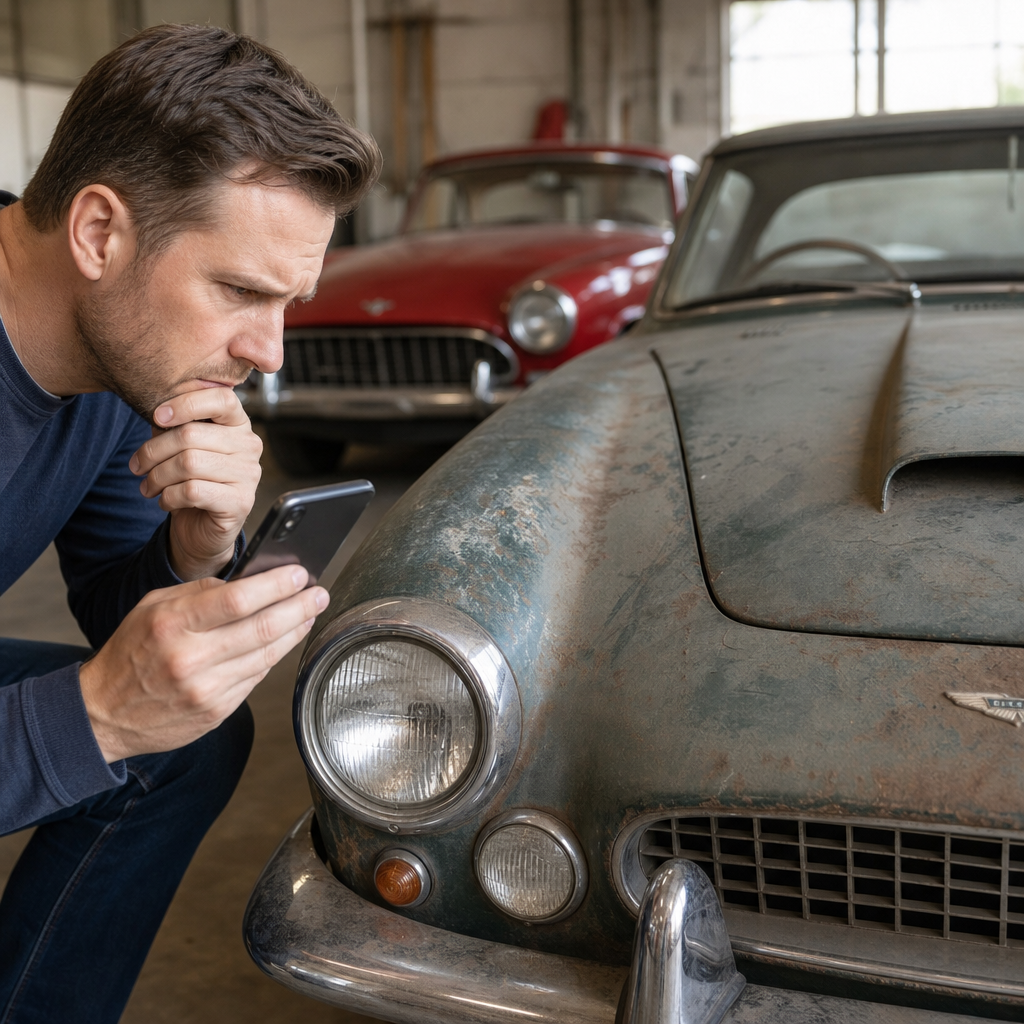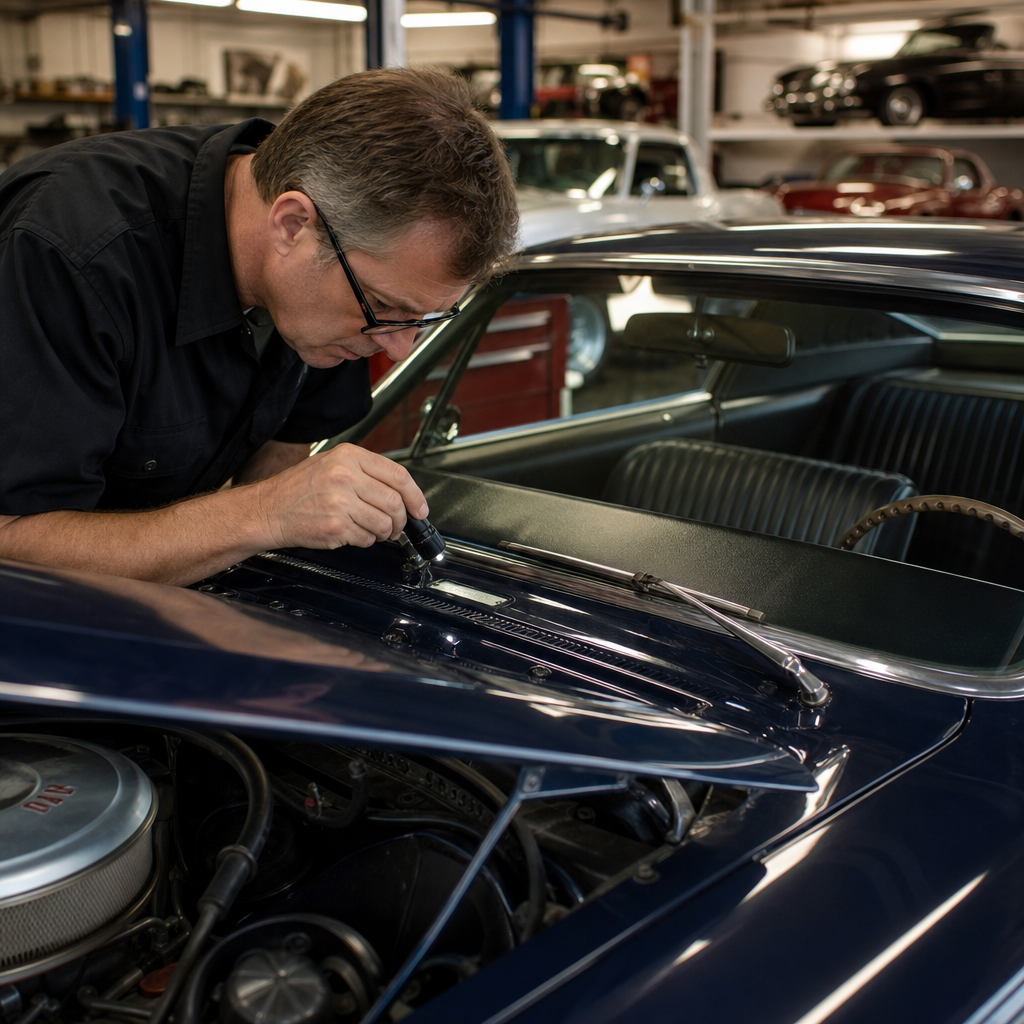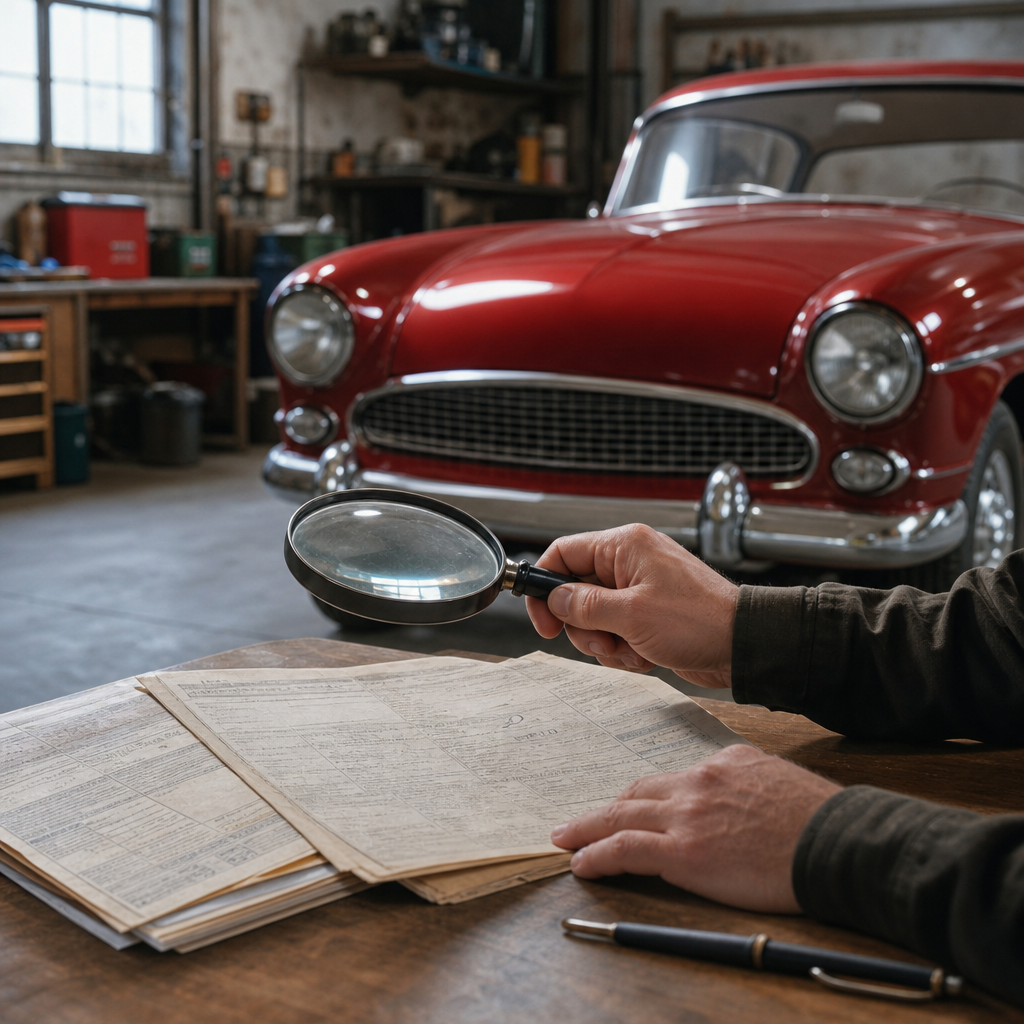
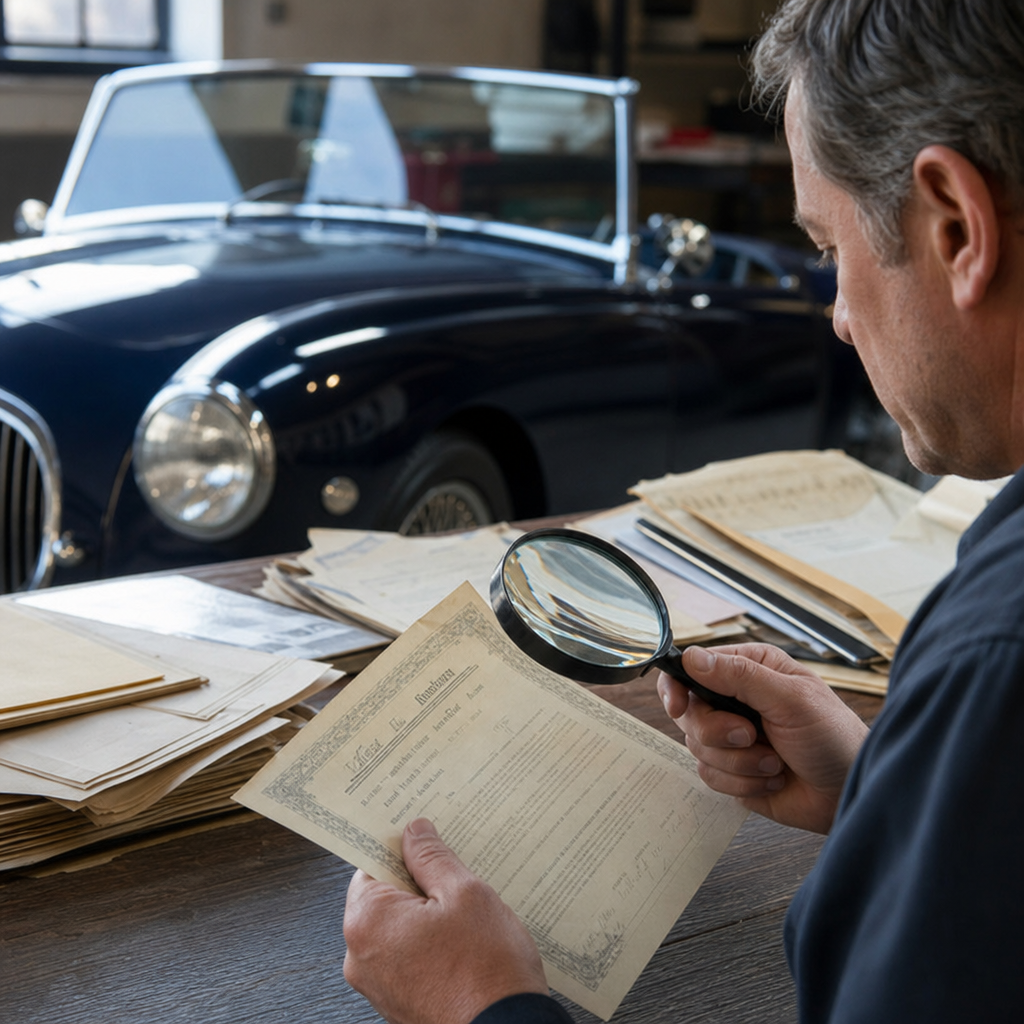
Fake documentation in classic car sales can turn a dream purchase into an expensive legal and financial problem, which is why every buyer and seller in the collector market needs to understand how fraudulent paperwork works, how it is created, and how to verify it before money changes hands. In the classic car world, documentation usually means titles, registrations, bills of sale, build sheets, trim tags, service records, restoration invoices, ownership histories, import papers, auction descriptions, and factory-issued proofs such as heritage certificates. Good documentation supports identity, authenticity, provenance, and value. Fake documentation does the opposite: it misstates what the car is, hides what happened to it, or creates a false story designed to justify a higher price.
I have reviewed classic car transactions where the paperwork looked convincing at first glance but fell apart once the VIN stamping, state title history, and restoration records were examined together. The most common pattern is not a movie-style forgery with elaborate counterfeit seals. It is a stack of half-truths: a replacement title that omits a salvage event, a recreated window sticker presented as original, an engine pad restamp supported by vague invoices, or a freshly printed ownership timeline with no corroborating registration evidence. Each piece seems minor, but together they can alter market value by thousands or even hundreds of thousands of dollars.
This matters because the classic car market often prices story as much as sheet metal. A matching-numbers muscle car, an early production Porsche, or a documented one-family Jaguar can command a premium precisely because buyers believe the paperwork confirms rarity and originality. When the documents are false, buyers may overpay, insurers may dispute agreed-value coverage, lenders may decline financing, and future buyers may accuse the current owner of misrepresentation. For sellers, even innocent reliance on bad documents can trigger rescinded sales, reputational damage, and litigation. Understanding fake documentation is therefore central to avoiding scams and pitfalls in buying and selling classic cars.
What fake documentation looks like in classic car sales
Fake documentation in classic car sales includes both outright forgeries and misleading records that are technically real but used deceptively. The clearest examples are counterfeit titles, altered VIN plates, fabricated build sheets, reproduced protect-o-plates sold as originals, false concours awards, and invoices created after the fact to support an invented restoration or ownership narrative. More subtle examples include title washing across state lines, selective omission of salvage history, and online listings that quote data from a trim tag or heritage report incorrectly to imply a rarer specification than the car actually carries.
Buyers often ask whether fake documentation always means a fake car. No. A real 1969 Camaro can carry fake paperwork claiming it is a Z/28 with its original DZ engine. A genuine Mercedes-Benz 280SL can be paired with a fresh binder of service records assembled from unrelated workshops. A car may physically exist and still be materially misrepresented. In practice, the documentation scam usually targets one of four value drivers: identity, originality, condition history, or provenance. If a seller can improve any of those four on paper, the asking price rises.
One issue I see repeatedly is confusion between reproduction documents and fraudulent documents. Reproductions are not inherently improper if they are clearly labeled as reproductions. Many owners order replacement window stickers or data cards for display. The problem begins when copies are aged, unstated, or presented as period originals. At that point the document is being used to deceive, not inform. In disputes, intent matters, but practical impact matters more: if the buyer relied on the paper to assess value, the risk is already present.
Why fraudulent paperwork is so effective in the collector market
Classic cars are unusually vulnerable to documentation fraud because authenticity is layered and historical. Modern vehicles can often be verified through centralized digital systems, manufacturer databases, and standardized disclosures. Collector cars predate many of those systems. Records may be incomplete, handwritten, or dispersed across former owners, clubs, registries, DMV archives, auction houses, and marque specialists. Scammers exploit those gaps. They know that many buyers want certainty where only probabilities exist, so they create documents that appear to close the gap.
The market also rewards small distinctions disproportionately. On some models, the difference between a base car and a special engine, color, or body-code variant is dramatic. A plausible-looking broadcast sheet or certificate can change the way a buyer interprets the car instantly. I have seen buyers relax their normal skepticism because the paperwork binder was beautifully organized. Neat presentation creates perceived legitimacy, even when the records do not actually match dates, addresses, typefaces, part numbers, or known production patterns.
Auction environments add pressure. Limited viewing time, emotional bidding, and catalog descriptions that summarize documentation rather than reproduce it can cause people to rely on secondary claims. Online sales intensify the problem because scans conceal texture, embossing, watermarks, and signs of alteration. A seller can photograph only selected pages, leaving out assignments, branded title markings, or inconsistencies in chronology. Fraudulent documentation works because it gives buyers a reason to stop asking the next question.
The documents most often falsified or manipulated
Not all paperwork carries equal risk. Titles and VIN-related records are highest priority because they establish legal identity. Build documentation and service history come next because they influence authenticity and value. Import and customs records matter for gray-market cars, European deliveries, and vehicles returning to the United States after decades abroad. Restoration invoices are also frequently manipulated because they are easy to fabricate with basic software and hard to verify years later if the shop has closed or changed ownership.
| Document type | Common fraud pattern | Why it matters | Verification method |
|---|---|---|---|
| Title or registration | Altered VIN, title washing, omitted brands | Establishes legal ownership and status | State DMV records, NMVTIS where applicable, chain-of-title review |
| Build sheet or factory record | Counterfeit or incorrect decoding | Supports rarity, options, and originality claims | Marque expert review, manufacturer archives, known format comparison |
| Service records | Invented maintenance history, copied invoices | Influences confidence in condition | Call issuing shops, compare dates, mileage, and parts listed |
| Restoration invoices | Inflated costs or work never performed | Used to justify price premiums | Contact restorers, inspect workmanship against claimed scope |
| Auction or award history | False concours results or sale descriptions | Creates prestige and provenance | Check event programs, catalogs, and organizer records |
The practical lesson is simple: verify according to the document’s purpose. A title proves something different from a build sheet. A glossy binder has no evidentiary value on its own. Each record must be matched to a source that can independently confirm it. If a seller resists that process, treat the resistance itself as a material warning sign.
Red flags buyers should catch before committing
The strongest red flags are inconsistencies, not necessarily obvious fakes. Start with dates. Do the invoice dates line up with ownership dates? Does a restoration supposedly performed in 2004 reference a part number or business logo not used until 2012? Do maintenance records show mileage moving backward without explanation? Look closely at addresses, area codes, fonts, and paper aging. A title that appears physically old but uses later formatting deserves scrutiny. So does a claimed original invoice that looks cleaner than the rest of the file and lacks normal dealer coding.
VIN-related mismatches are critical. The public VIN, hidden VINs, engine pad stamp, body tag, and title should tell one coherent story. On many classics, that requires model-specific knowledge. For example, assembly plant codes, date codes, axle stamps, carburetor numbers, and transmission case dates should fall within a plausible production window. One component being replaced during a car’s life is normal. A perfect storm of “correct” pieces with weak provenance can indicate a reconstructed identity rather than a preserved original.
Behavioral red flags matter too. Watch for sellers who discourage pre-purchase inspections, refuse underside photos, insist documents are too fragile to handle, or rely on phrases such as “believed to be” while pricing the car as definitively documented. Another warning sign is overreliance on one third-party statement. A previous auction description is not proof. Neither is a club member’s opinion, a social media post, or an old classified ad. Reliable verification comes from primary records and physical inspection together.
How to verify authenticity step by step
A disciplined verification process prevents most documentation-related mistakes. First, obtain clear images of every identifying number and every page of supporting paperwork before viewing the car. Second, decode the vehicle using marque-specific resources, factory literature, and recognized registries. Third, compare the physical car to the paperwork line by line: color, trim, engine type, gearbox, build date, options, and body style. Fourth, run title and theft checks through the appropriate state systems, NMVTIS when relevant, and law enforcement channels if necessary. Fifth, contact issuers directly. If a restoration invoice lists a known shop, call the shop and ask whether the document is genuine and what work was done.
For higher-value cars, I always recommend hiring two specialists rather than one general inspector: a model expert for authenticity and a legal or title professional for ownership paperwork. These are different disciplines. A brilliant restorer may spot a restamped engine pad but miss a title brand issue. A title clerk may confirm legal transferability but not realize the body shell was rebodied decades ago. Combining both reviews closes the most dangerous gap in classic car due diligence.
Documentation should also be tested against the car’s condition. If a seller claims a no-expense-spared restoration with six-figure invoices, the finishes, fasteners, welds, panel fit, glass dates, and underbody details should reflect that level of work. Paper cannot outrun physical evidence for long. When I inspect a car, the quickest way to expose fake restoration documentation is often to compare the claimed scope with visible shortcuts, old hardware, or untouched corrosion in hidden areas.
What sellers must do to avoid accidental misrepresentation
Not every documentation problem begins with fraud. Sellers often inherit bad information from prior owners and repeat it in good faith. That is still risky. If you are selling a classic car, separate verified facts from family lore, forum advice, and auction-house language. Label reproductions clearly. Keep originals and copies distinct. If the car has uncertain provenance, say so directly. Phrases such as “represented by previous owner” and “not independently verified” are not magic shields, but they are better than asserting authenticity you cannot support.
Organize records chronologically and preserve the chain of ownership where possible. If a title was reissued, explain why. If the engine was replaced, disclose it even if the replacement is period-correct. If a restoration shop closed, note that verification may be limited. Honest disclosure usually narrows the buyer pool slightly but protects value better than a later dispute. In my experience, serious buyers pay for transparency. They discount uncertainty less harshly than they punish deception.
Sellers should also understand that online listing platforms, auction houses, and consignment dealers may repeat your statements. An unsupported claim can spread quickly and appear validated simply because it is repeated in multiple places. Before listing, review every sentence that touches originality, matching numbers, awards, celebrity ownership, or rare options. If you cannot document it with primary evidence, present it as unconfirmed.
When to walk away and what to do after discovering fake paperwork
You should walk away when key identity documents cannot be reconciled, when the seller blocks independent verification, or when the car’s physical evidence contradicts the paperwork in material ways. There are too many legitimate collector cars on the market to force a deal built on uncertainty. The cost of being wrong extends beyond overpayment. You may struggle to register the car, insure it at the expected value, export it, or sell it later without disclosing the same problems.
If fake documentation is discovered after purchase, act quickly. Preserve listings, emails, text messages, wire confirmations, shipping records, and all copies of the documents. Do not alter the car. Consult a lawyer familiar with automotive fraud and your state’s consumer, contract, and title laws. If interstate fraud is involved, broader remedies may apply. Notify the auction platform, payment provider, insurer, and, where appropriate, state motor vehicle authorities. For stolen identity concerns or counterfeit government documents, law enforcement involvement may be necessary. Time matters because funds move, businesses dissolve, and memories fade.
The core lesson is that documentation should confirm a classic car’s story, not create it. Verify titles, provenance, service history, and factory records with the same care you use to inspect paint, rust, and drivability. Buyers who ask hard questions early avoid expensive surprises later, and sellers who document honestly build stronger trust and better long-term value. If you are active in buying and selling classic cars, use this guide as your starting point for avoiding scams and pitfalls, then make document verification a standard part of every transaction.
Frequently Asked Questions
What counts as fake documentation in a classic car sale?
Fake documentation in a classic car sale includes any paperwork, tag, record, or supporting material that has been forged, altered, misrepresented, or paired with a vehicle to create a false history. Most buyers think first about title fraud, but the problem is much broader than that. It can involve counterfeit titles, altered VIN paperwork, fabricated bills of sale, recreated build sheets presented as originals, fake window stickers, manipulated restoration invoices, edited ownership histories, replacement trim tags represented as factory-installed tags, false import documents, and service records created to inflate a car’s authenticity, rarity, or value. Even auction descriptions and dealer write-ups can become part of the deception if they repeat unsupported claims as fact.
In the collector market, documentation often drives value as much as condition. A muscle car with proof of matching numbers, rare options, and notable ownership history can be worth dramatically more than an otherwise similar car without those records. That financial gap creates strong incentives for fraud. For example, a standard car may be dressed up as a higher-performance variant, and fake paperwork is then used to support the story. In other cases, legitimate documents from one vehicle are improperly transferred to another. A car may also carry a real title but fake supporting records that misstate mileage, restoration quality, production specifications, or provenance.
What makes this issue especially dangerous is that fake documentation is not always obviously fake. Some fraudulent records are professionally aged, printed on period-looking paper, stamped with copied letterheads, or supported by a sequence of partially true details. The goal is to lower a buyer’s skepticism and make the entire history appear seamless. That is why buyers and sellers should treat documentation as evidence to be verified, not simply accepted at face value. In classic car transactions, authenticity is rarely proven by a single paper alone; it is established by consistency across the car itself, the records, known factory data, and independent expert review.
Why is fake paperwork such a serious risk for classic car buyers and sellers?
Fake paperwork creates legal, financial, and reputational risk on multiple levels. For buyers, the most immediate danger is overpaying for a car that is not what it was represented to be. If a vehicle is advertised as a rare factory high-performance model, documented with a special drivetrain, or linked to a notable ownership history, those claims can add tens of thousands or even hundreds of thousands of dollars to the asking price. If the paperwork supporting those claims is false, the buyer may end up owning a significantly less valuable car than expected. In severe cases, the buyer may also face title problems, registration delays, seizure issues, or expensive litigation.
For sellers, the stakes are high even when they were not the original source of the fraud. A seller who repeats false documentation claims without proper verification can end up in disputes over misrepresentation, rescission, fraud allegations, or breach of contract. In the collector car world, reputation matters enormously. Dealers, brokers, restorers, auction consignors, and private sellers all rely on trust. A transaction involving fabricated records can damage credibility long after a single sale is complete, especially if the car later changes hands and the documentation is challenged by experts or future owners.
There is also a practical problem: bad paperwork can cloud ownership and authenticity for years. Once a false claim enters a car’s file, it often gets repeated in later advertisements, auction catalogs, online listings, and oral histories. Over time, that repetition can make the story seem legitimate even when no reliable proof exists. This is why fake documentation is not just a one-time transaction issue; it can permanently distort a car’s market identity. In short, fraudulent paperwork can affect titleability, insurability, resale value, legal exposure, and long-term market confidence, making it one of the most serious risks in classic car sales.
How is fraudulent documentation usually created or used in the collector car market?
Fraudulent documentation is often built around the value drivers that matter most in collectible vehicles: identity, rarity, originality, condition, and provenance. One common method is the creation of counterfeit or altered ownership papers, such as titles, registrations, or bills of sale, to hide a gap in legal ownership, obscure a salvage history, or support a mismatched VIN story. Another method is the fabrication of authenticity documents, including build sheets, warranty cards, broadcast sheets, dealer invoices, and option records, to make an ordinary car appear factory-equipped with rare or high-value features.
Fraud also appears through physical-document crossover. A legitimate record from one vehicle may be copied, reassigned, or used as a template for another. For example, trim tag data, drivetrain information, or production details from a genuine rare model might be transferred onto a clone or re-bodied car. Restoration records can be manipulated as well. Invoices may be inflated, backdated, or entirely invented to suggest a more extensive restoration than actually occurred. Service records can be assembled to support low-mileage claims, continuous care histories, or long-term ownership stories that are not true. Import papers, customs records, and foreign registration histories may also be misrepresented, especially with vehicles crossing jurisdictions where paperwork standards differ.
In many cases, fraudulent documentation is not used alone. It is paired with persuasive sales language, selective photography, and partial truths. A seller may highlight a stack of papers, use words like “believed to be,” “appears original,” or “documented” loosely, and rely on a buyer’s excitement to avoid deeper scrutiny. The deception works best when the paperwork, the car’s presentation, and the seller’s story all reinforce each other. That is why thorough verification should include both forensic review of the documents and inspection of the car itself. If the physical vehicle does not align with what the records claim, the paperwork deserves immediate skepticism.
How can a buyer verify classic car documents before completing a purchase?
Verification starts by slowing the transaction down and treating every important claim as something that must be supported independently. First, compare all identifying information across the title, registration, bill of sale, chassis stampings, VIN plates, trim tags, engine numbers, transmission codes, and any factory documentation. The details should be consistent not only with each other but also with the make, model, year, assembly plant, and production practices of that vehicle. Inconsistencies do not automatically prove fraud, but they do require explanation. A mismatch between paperwork and physical identifiers is one of the clearest warning signs in the market.
Next, examine the quality and logic of the documents themselves. Look for altered typefaces, inconsistent formatting, modern printing artifacts on supposedly vintage paperwork, suspicious signatures, vague invoice descriptions, missing dates, non-sequential records, or ownership timelines that do not make sense. Check whether the documents reference options, colors, engine codes, or production details that align with factory records and known marque standards. If the car is being sold on the strength of rare provenance or originality, it is wise to consult marque experts, registries, factory archives where available, and recognized authentication services. Many collector brands have communities with deep knowledge of what genuine records should look like and how original stampings and tags were applied.
Just as important, conduct independent due diligence beyond the seller’s file. Obtain a professional pre-purchase inspection from a specialist familiar with that exact model. Review public records where available, confirm prior ownership claims when possible, and ask for high-resolution images of all tags, stampings, and documents before traveling or wiring funds. If the transaction is substantial, consider escrow, legal review, and a written purchase agreement that clearly states what documentation is being relied upon. A careful buyer does not just ask, “Do the papers exist?” but “Can these papers be authenticated, and does the vehicle itself support them?” That approach is often the difference between acquiring a valuable collector car and inheriting an expensive dispute.
What are the biggest red flags that documentation may be fake or misleading?
One of the biggest red flags is a story that is much stronger than the evidence supporting it. If a seller makes major claims about rarity, matching numbers, celebrity ownership, special factory options, or award-winning restoration but cannot produce reliable, consistent documentation, caution is warranted. Another warning sign is paperwork that appears too convenient: a newly “discovered” build sheet, a pristine set of old invoices with no normal wear, or a title history that somehow fills every gap in a suspiciously tidy way. High-pressure tactics are also telling. If the seller resists independent inspection, avoids sending detailed document images, or insists that another buyer is ready to send funds immediately, that urgency may be designed to prevent scrutiny.
Physical inconsistencies matter just as much as documentary ones. A VIN plate with unusual rivets, trim tags that show signs of removal, stampings that appear reworked, or components that do not match the claimed production date can all suggest that the paperwork is not telling the full truth. Watch for records that use vague language while marketing materials use definitive claims. For instance, a document may only suggest what a car “may be,” while the listing presents it as proven fact. Also be alert when there are unexplained gaps in ownership history, missing registration periods, conflicting mileage records, or restoration invoices that do not match the visible quality and scope of the work performed.
Finally, be wary of sellers who rely on volume rather than verification. A thick binder is not proof