Buying a classic car across state lines can open the door to better inventory, fairer pricing, and models that never appear in your local market, but it also introduces legal, financial, and fraud risks that do not exist when you can inspect a vehicle in person. In the classic car world, “across state lines” usually means a transaction where the buyer and seller are in different U.S. states and the vehicle must be verified, paid for, titled, and transported remotely. “Safely” means more than avoiding outright scams. It includes confirming identity, proving ownership, validating the VIN and title history, understanding whether the car is accurately described, choosing secure payment methods, documenting every promise, and making sure shipping and registration are handled correctly.
I have worked on interstate classic car purchases where the biggest problems were not dramatic frauds but smaller misrepresentations: a “numbers-matching” engine that was actually a period-correct replacement, an older repaint covering rust repairs, or a clean title attached to a car with an incorrect serial plate. These issues can turn an exciting purchase into a lengthy dispute. That is why this topic matters. Older vehicles often have inconsistent records, title exemptions in some states, incomplete service history, and condition variations that are hard to judge from photos alone. The farther away the car is, the more disciplined the buyer must be.
This hub article explains how to avoid scams and pitfalls when buying a classic car across state lines. It covers seller screening, documentation, inspections, payment protection, transport, and post-sale paperwork. It also answers the practical questions buyers ask first: How do you verify a seller is real? What should you check before sending a deposit? Can you trust online auction listings? What if the car is in a title-exempt state? By the end, you will have a repeatable process that reduces risk and helps you decide when to move forward, negotiate harder, or walk away.
Start with seller verification, not the car
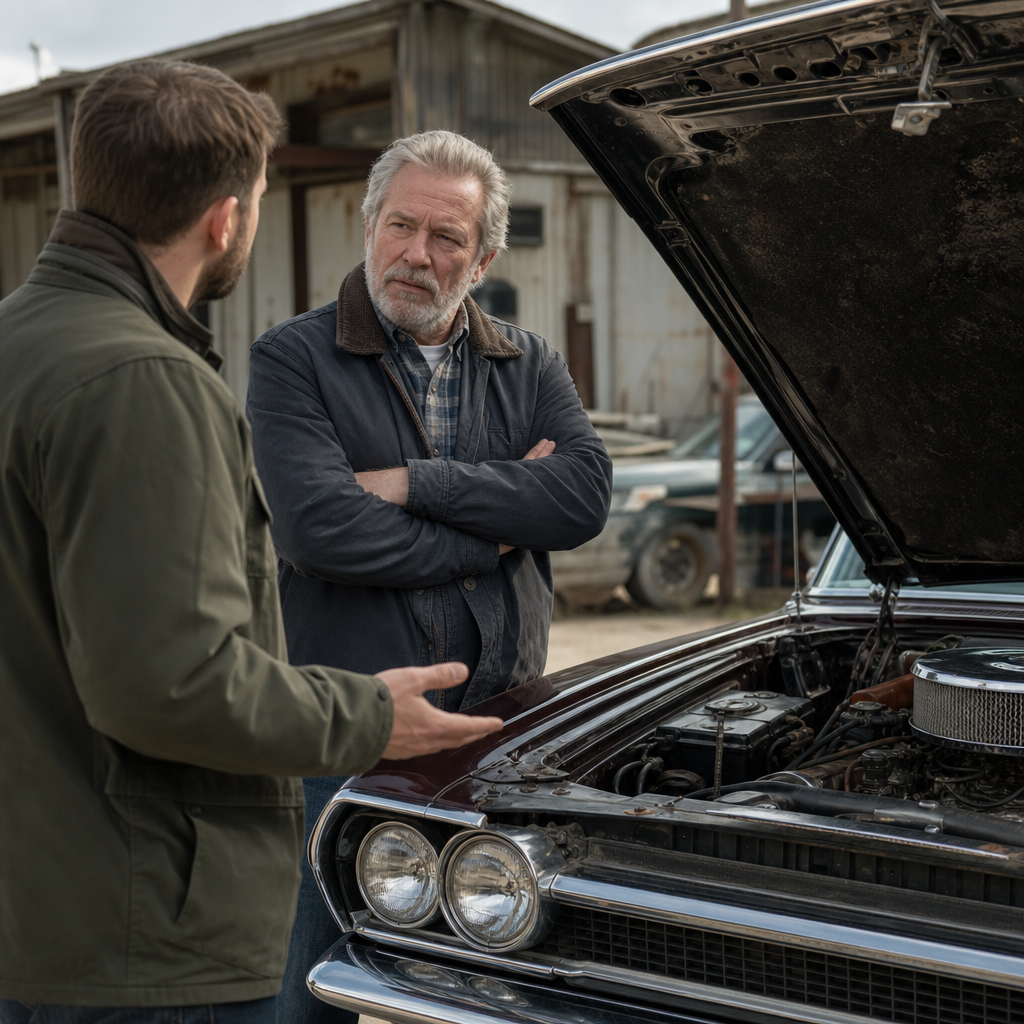
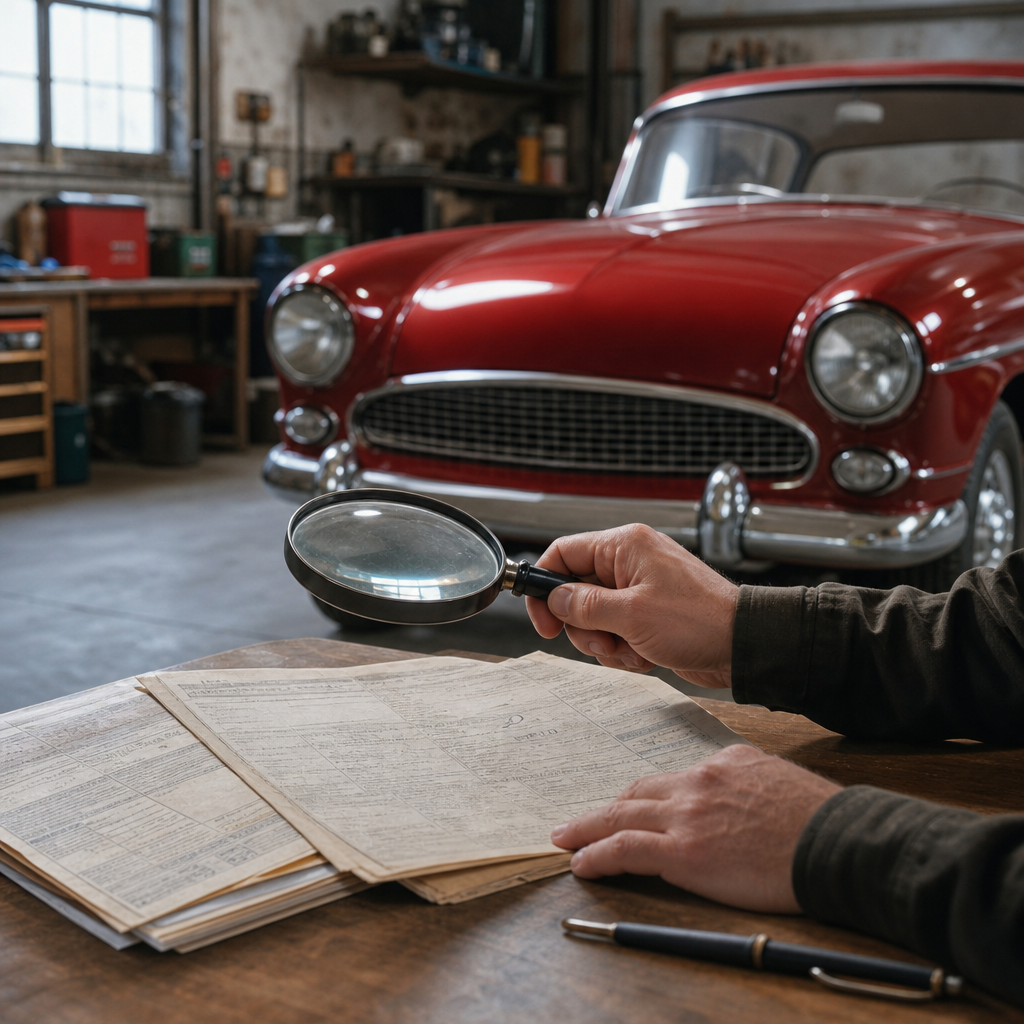
The safest interstate deals begin by confirming the seller’s identity and authority to sell the vehicle. Before discussing payment, ask for the seller’s full legal name, physical address, phone number, email, and a photo of a government-issued ID with sensitive numbers covered. Then ask for a photo of the title, front and back, and confirm the titled owner name matches the seller or the dealership. If the seller says they are listing the car for a friend, parent, or deceased relative, pause until you see supporting paperwork such as a power of attorney, probate documents, dealer consignment agreement, or reassigned title where permitted by state law.
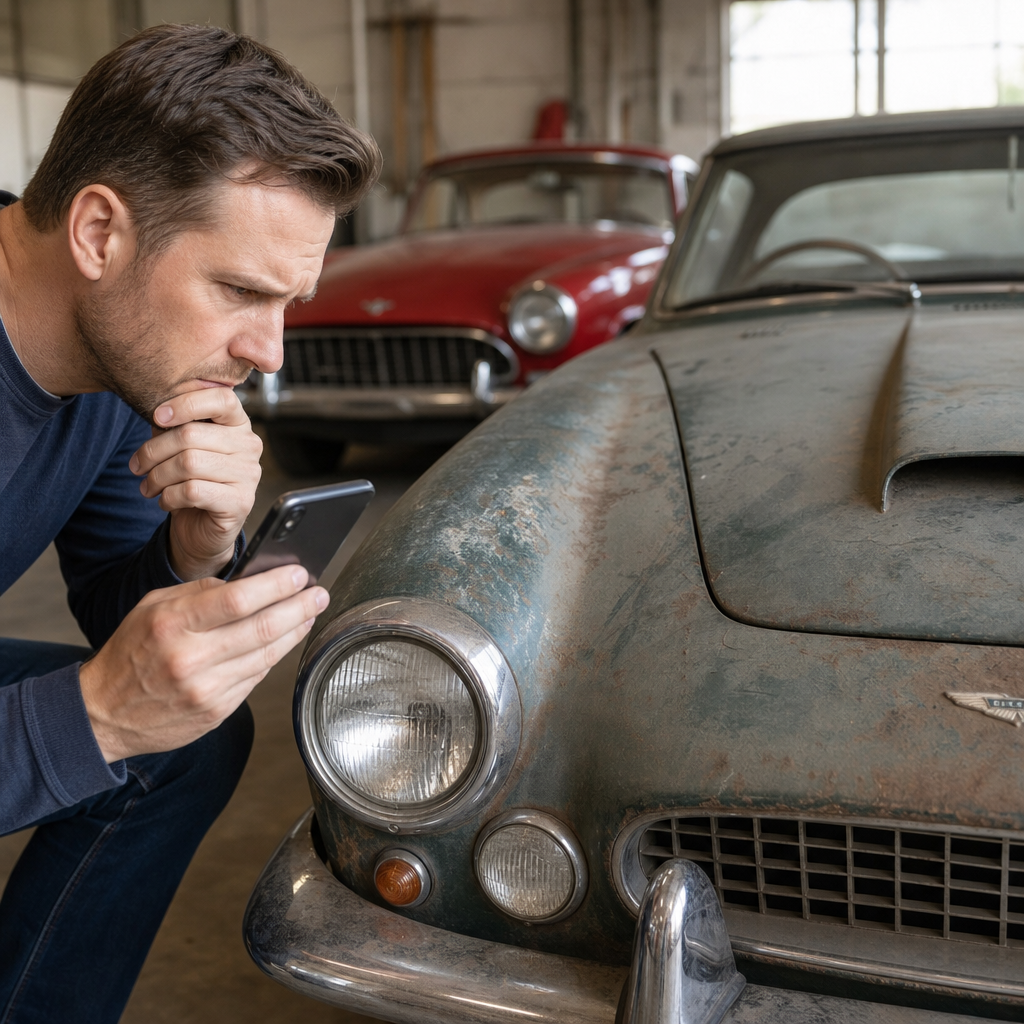
Fraud patterns are predictable. Scammers often refuse live phone or video calls, avoid specific questions, recycle old photos, and create urgency around deposits. Reverse-image search listing photos using Google Images or TinEye. Search the seller’s phone number, email address, and exact listing language. I routinely find copied descriptions posted on forums or auction archives. A legitimate seller should also be willing to perform a live video walkaround, start the car cold, show the VIN plate, title, undercarriage, gauges, lights, and any known defects in real time. That simple step eliminates many fake listings immediately.
If you are buying from a dealer, verify the business entity through the secretary of state in its home state, confirm its dealer license if required, and look for a long operating history rather than a recently formed shell company. If the car is offered through an online marketplace or auction platform, do not assume the platform has authenticated the seller. Most marketplaces are advertising venues, not transaction guarantors. Treat every seller as unverified until documents, identity, and ownership all line up.
Confirm the car’s identity, title status, and history
A classic car’s identity rests on more than a dashboard VIN tag. Depending on year, make, and model, there may be body tags, frame stampings, engine pad stampings, transmission codes, trim tags, and date codes on major components. For muscle cars and other high-value models, these details directly affect value. Ask for clear close-up photos of all identification points relevant to that car. Use marque-specific guides, factory manuals, and recognized registries when available. The National Highway Traffic Safety Administration VIN decoder helps for later vehicles, but many older cars require factory literature and club knowledge rather than modern databases.
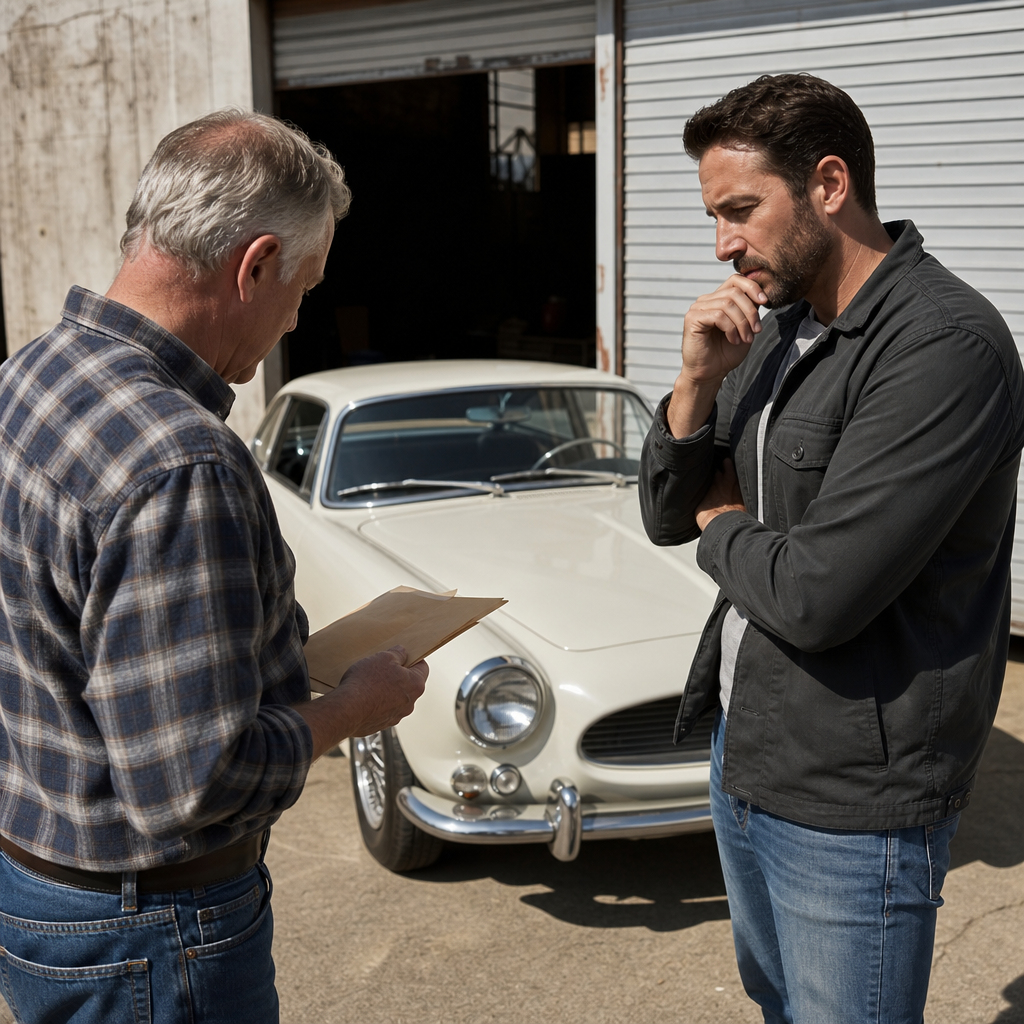
Title status is equally important. Some states do not issue titles for vehicles above a certain age and instead use registrations or transferable registrations as proof of ownership. That is not automatically a red flag, but you must confirm exactly what your home state DMV will accept before you buy. Call your DMV and ask what documents are required to title and register an antique or title-exempt vehicle purchased from that specific state. Get the answer in writing if possible. I have seen buyers receive a perfectly lawful out-of-state registration document, then learn their own state requires additional forms, VIN verification, or bonded-title procedures.
History reports from Carfax or AutoCheck can help on newer classics, especially 1981-and-later vehicles with standardized 17-digit VINs, but they are incomplete for many older cars. Use them as one source, not proof of originality or condition. Also review theft and total-loss databases where available, check whether there are active liens, and look for gaps between the title date, seller story, and maintenance records. If the seller claims decades of ownership, there should usually be some corroboration: registrations, old insurance cards, service invoices, show placards, restoration photos, or correspondence.
Use inspections to validate condition and claims
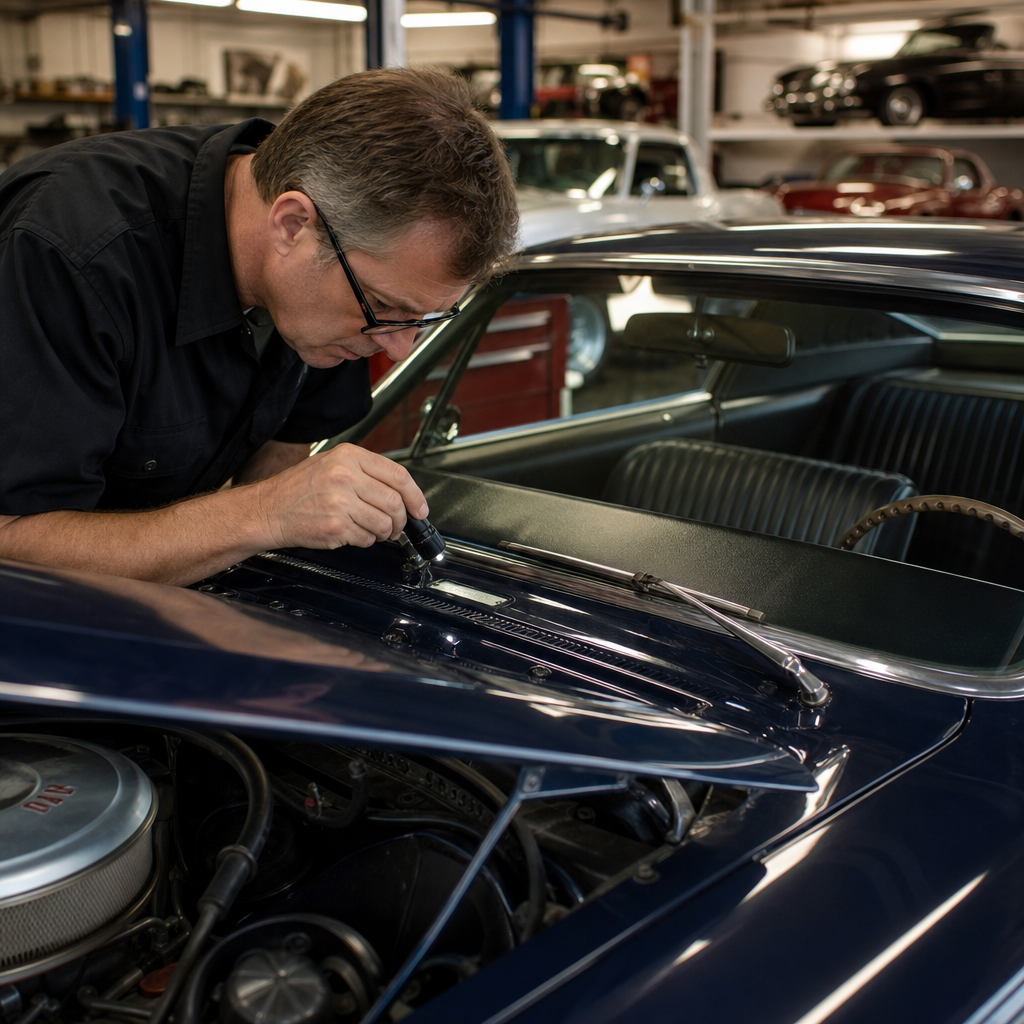
Never rely on listing photos alone. A proper pre-purchase inspection is the single best defense against expensive surprises. Hire an independent inspector who knows the specific category of car you are buying: air-cooled Porsche, chrome-bumper British roadster, tri-five Chevrolet, C2 Corvette, or vintage pickup. General used-car inspectors often miss model-specific rust points, authenticity markers, and common mechanical weaknesses. For many purchases, the best approach is a two-part review: a local inspector for structural and cosmetic assessment, plus a specialist shop or marque expert for originality and market-value context.
The inspection should cover rust, prior collision damage, paint thickness, body filler, panel alignment, glass markings, suspension wear, brake condition, fluid leaks, cold-start behavior, charging system output, cooling performance, and drivability. Compression and leak-down tests are worthwhile on higher-value cars if the seller permits them. On restored cars, ask whether the restoration was cosmetic or mechanical as well. A fresh interior and glossy paint can hide an untouched fuel system, aged wiring, and weak brakes. On claimed investment-grade vehicles, ask the inspector to compare the car to recognized judging standards or market expectations for that model.
| Checkpoint | What to Request | Why It Matters |
|---|---|---|
| Seller identity | ID, address, live video call | Confirms the seller is real and reachable |
| Ownership proof | Title or transferable registration | Reduces risk of title fraud or unauthorized sale |
| Vehicle identity | VIN, trim tag, stampings, engine codes | Protects against clones, rebodies, and misrepresentation |
| Condition | Independent pre-purchase inspection | Finds rust, mechanical issues, and cosmetic concealment |
| History | Service records, reports, prior photos | Tests whether the seller’s story is supported |
| Transaction security | Written bill of sale, escrow, documented terms | Limits payment and delivery disputes |
If the seller resists an inspection, only allows a rushed visit, or says another buyer is ready to wire funds immediately, take that as a serious warning. Honest sellers may not agree to invasive testing, but they usually allow reasonable inspections at the buyer’s expense. A refused inspection does not always mean fraud; sometimes it means the seller wants a quick uncomplicated sale. Either way, it increases your risk enough that the price should reflect it, or you should walk away.
Choose payment methods that reduce fraud exposure
Payment mistakes are where many interstate deals go wrong. The safest structure depends on the car’s value and the trustworthiness of the parties, but the general rule is simple: do not send irreversible funds until identity, title, inspection, and terms are confirmed. Wire transfers are common for classic cars, yet wires provide little recourse once sent. For that reason, I prefer a reputable escrow service for substantial transactions, especially private-party sales. The escrow instructions should specify the vehicle, VIN, purchase price, deposit amount, release conditions, title documents required, and who pays fees.
Avoid payment by gift cards, cryptocurrency, peer-to-peer apps with no transaction protection, or split payments requested to “help with taxes.” Those are classic scam indicators. Cashier’s checks are not foolproof either. They can be forged, and banks may initially make funds available before final verification. If you are the buyer, do not let a seller pressure you into bypassing escrow simply because they are “old-school.” There are practical compromises, such as in-person closing at the seller’s bank, or using a recognized classic car auction or consignment company with established settlement procedures.
Every term should be in writing. Your bill of sale should include the full names and addresses of both parties, the exact year, make, model, VIN, odometer reading if applicable, sale price, deposit, date, and any representations being relied upon. If the seller states “matching numbers,” “original color,” “no rust repair,” or “rebuilt engine,” those statements belong in the written agreement if they influenced the price. Verbal assurances are difficult to enforce later. Also document whether the sale is strictly as-is or whether certain items must be provided before funds are released.
Understand shipping, insurance, and delivery risk
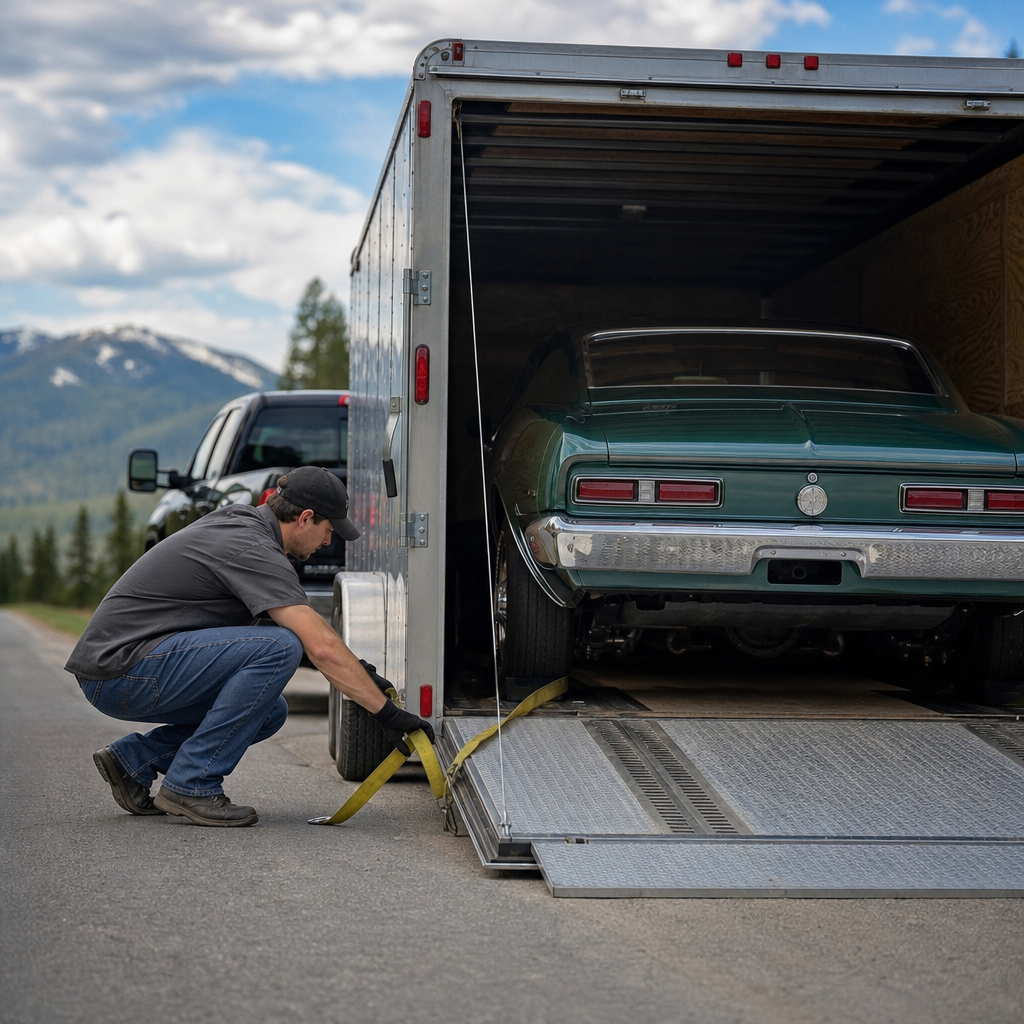
Transport is part of the purchase, not an afterthought. Once money has changed hands, damage during loading, transit, or unloading can create disputes unless responsibilities are clear. Decide whether you or the seller books the carrier, and use a licensed transporter with active FMCSA registration and cargo insurance. Enclosed transport is usually worth the extra cost for high-value classics, fresh restorations, convertibles, or cars with fragile trim. Open transport may be fine for lower-value drivers, but road debris and weather exposure are real concerns.
Before pickup, require a dated set of high-resolution photos or video showing every panel, the interior, glass, wheels, undercarriage views if possible, and the odometer. Confirm whether the car runs, steers, brakes, and starts reliably enough for standard loading. Non-running vehicles need special equipment and should be described accurately to avoid extra charges or rough handling. Ask for the carrier’s insurance certificate and read the exclusions. Some policies limit coverage for loose parts, tools, or personal items stored in the vehicle. Spare parts should be boxed, labeled, photographed, and listed on the bill of lading.
At delivery, inspect the car before signing. Note any damage on the bill of lading immediately and photograph it before the truck leaves. This is critical. Many cargo claims fail because damage was discovered later with no notation at delivery. Also make sure you have received every promised document: title, bill of sale, lien release if applicable, restoration receipts, manuals, extra keys, and any provenance materials. Missing paperwork can delay registration and reduce resale value, even when the car itself arrives safely.
Spot the most common scam and misrepresentation patterns
The classic car market has recurring scam patterns, and knowing them helps you react quickly. The first is the phantom listing: attractive photos, a below-market price, and a seller who claims to be traveling, in the military, handling a family emergency, or using a third-party shipper that will hold the car until payment clears. The second is title washing or title confusion, where the seller presents incomplete documents, a signed-open title, or a title in someone else’s name. The third is authenticity inflation, especially on rare trims, performance packages, and “survivor” cars where value depends on originality.
There are also subtler forms of misrepresentation that catch experienced buyers. “No rust” may mean “no visible perforation” rather than “no previous rust repair.” “Restored” may mean repainted and reupholstered, not mechanically rebuilt. “Numbers matching” may be used loosely when only the engine type is correct. “Frame-off restoration” may simply mean the body was lifted enough for cleaning. “Runs and drives great” can describe a car that starts, moves, and stops but overheats after fifteen minutes. To avoid these traps, ask closed-ended questions that require factual answers, not sales language.
Marketplace context matters too. Online auctions usually produce more documentation and public scrutiny than anonymous classifieds, but they still do not replace your own due diligence. Comment sections can reveal useful details, yet they can also create false confidence. Social media groups are excellent for referrals to inspectors and transporters, but they are also fertile ground for cloned accounts and impersonation scams. When in doubt, slow the deal down. Scammers need speed; legitimate sellers can usually survive a day or two of verification.
Complete the paperwork correctly and know when to walk away
The final stage is where discipline pays off. Before closing, confirm sales tax rules, temporary tag requirements, emissions exemptions, antique registration options, and whether your state requires a VIN inspection. If the car has a lien history, obtain a lien release. If the vehicle came from a title-exempt state, verify that the registration document is transferable and properly assigned. Keep digital and paper copies of everything. I advise buyers to create a transaction file with the listing, messages, inspection report, payment records, shipping documents, title images, and signed bill of sale. If a dispute arises, documentation determines leverage.
Knowing when to walk away is the most underrated skill in buying and selling classic cars. Walk if the seller’s identity does not match the paperwork, if the VIN or tags show tampering, if the title chain is unclear, if the inspection reveals structural rust or major undisclosed issues, if the seller pressures you to skip normal safeguards, or if the story keeps changing. Another car will appear. The cost of patience is small compared with the cost of untangling a bad purchase across multiple states.
To safely buy a classic car across state lines, use a consistent process: verify the seller first, confirm ownership and title status, validate the car’s identity, order an independent inspection, use secure payment terms, document every representation, and manage shipping like a separate risk category. That approach protects you from both outright scams and the more common gray-area problems that erode value after the excitement fades. If you are preparing to buy, build a checklist before you contact sellers and follow it every time. A disciplined process is your best protection and your strongest negotiating tool.
Frequently Asked Questions
What should I verify before agreeing to buy a classic car from an out-of-state seller?
Before you agree to anything, verify that both the seller and the vehicle are legitimate. Start by confirming the seller’s identity with a full name, phone number, physical address, and a copy of a government-issued ID if appropriate for the transaction. Make sure the seller’s name matches the name on the title or that they can clearly document why it does not, such as a dealer consignment arrangement or estate sale. For the vehicle itself, ask for a copy of the title, the VIN, current registration if available, and as much ownership history as possible. Cross-check the VIN on the title against photos of the VIN plate, door tag, engine stampings, and any frame or body numbers relevant to that make and model. For classic cars, originality claims matter, so request documentation for matching numbers, restoration work, major repairs, and parts replacements.
You should also verify the car’s condition independently rather than relying only on the listing. Ask for high-resolution photos of common rust areas, undercarriage, trunk floor, suspension, glass, trim, interior, engine bay, and cold-start videos. If the seller avoids specific photo requests, that is a warning sign. It is also smart to run a vehicle history report when records exist, although many older vehicles have incomplete databases, so use that as only one piece of the puzzle. Finally, check whether the title is clean, salvage, rebuilt, bonded, or subject to a lien. If there is a lien, do not proceed until you understand exactly how it will be paid off and released. A safe purchase starts with documentation, consistency, and independent verification, not just trust or enthusiasm.
Is a pre-purchase inspection really necessary if the car looks good in photos and videos?
Yes, in most cases a pre-purchase inspection is one of the smartest safeguards you can use when buying a classic car across state lines. Photos and videos can make almost any vehicle look better than it is, especially if they are taken in flattering light, from selective angles, or after cosmetic cleanup. A qualified inspector can look for hidden rust, poor-quality bodywork, accident repairs, fluid leaks, engine issues, brake and suspension wear, electrical problems, and signs that the car is not as original as advertised. In the classic car market, small details can have a major impact on value, so an inspection can also help confirm whether the car truly matches the seller’s description.
The key is to hire the right person. Ideally, use a specialist familiar with the specific make, model, and era you are buying. A general mechanic may be helpful, but a marque expert often knows exactly where these cars rust, what factory components should look like, and which modifications increase or reduce value. Ask for a written report with photos, compression numbers if relevant, and a road test if the car is operable and insured. If the seller refuses to allow an inspection, treat that as a major red flag. Even if you are buying a project car, an inspection helps you understand what you are really getting into and gives you leverage to renegotiate the price or walk away. The cost of an inspection is usually minor compared with the cost of correcting hidden problems after the car arrives.
What is the safest way to handle payment for an out-of-state classic car purchase?
The safest payment method is one that creates a clear paper trail, protects both sides, and ties the release of funds to delivery of agreed-upon documents. In many cases, an escrow service is the best option, especially for higher-dollar classic cars. A legitimate escrow provider holds the buyer’s funds until the seller provides the title and the car is delivered or otherwise confirmed according to the terms of the sale. This reduces the risk of sending a large wire transfer to someone you do not know and then discovering the title is missing, the car was misrepresented, or the seller disappears. If you use escrow, verify independently that the company is real and licensed where applicable, because fake escrow websites are a known scam tactic.
If escrow is not being used, a bank wire may still be appropriate, but only after you have verified the seller, confirmed title status, and reviewed a signed bill of sale with the exact terms of the deal. Never send payment by gift cards, cryptocurrency, peer-to-peer apps without buyer protection, or friends-and-family transfer methods for a vehicle purchase. Those are common fraud channels and are difficult or impossible to reverse. It is also wise to avoid paying the full amount before all conditions are satisfied. Some buyers use a deposit to hold the car and pay the balance only after inspection, title review, and transport coordination. Whatever method you choose, document everything in writing, including the vehicle description, VIN, purchase price, deposit terms, included parts, known defects, title status, and when ownership transfers. Good payment practices are not just about convenience; they are a core part of reducing fraud and legal risk.
How do title transfer, registration, and state laws affect an across-state classic car purchase?
State laws matter more than many first-time out-of-state buyers expect. A classic car can be perfectly legal to sell in one state but still create title or registration complications in another. Before you buy, contact your state’s motor vehicle agency or review its official guidance to understand exactly what documents you will need to title and register the car at home. Depending on the state, that may include the signed title, a bill of sale, odometer disclosure if required by age, VIN verification, emissions exemption paperwork, proof of insurance, lien release, and in some cases notarized signatures. Some older vehicles may come from states that do not issue titles for cars above a certain age, relying instead on registration certificates or other ownership documents. That is not automatically a deal-breaker, but you need to know whether your state will accept those documents before money changes hands.
You should also understand taxes and fees. Buying out of state does not usually eliminate sales or use tax; it often just changes when and where you pay it. Some states collect tax at registration, while others have different procedures. If you buy from a dealer, they may handle part of the paperwork, but you should never assume that means everything is fully compliant in your home state. For classic cars, there may also be special registration categories such as antique, historic, collector, or hobby use plates, each with its own restrictions and benefits. The safest approach is to clarify title eligibility, tax obligations, and registration requirements before purchase, not after the transporter unloads the car in your driveway. A great deal can quickly become expensive if the paperwork is incomplete or your state refuses to title the vehicle.
How can I reduce the risk of fraud, shipping damage, and disputes when buying a classic car remotely?
Reducing risk comes down to controlling the transaction step by step rather than rushing because the car seems rare or the seller says there are other buyers waiting. Start with a written purchase agreement or detailed bill of sale that identifies the vehicle by year, make, model, and VIN, states the exact purchase price, lists included accessories or spare parts, and discloses known issues. Keep all communication in writing whenever possible, including emails and text messages, because they create a record if there is a dispute later. Be cautious of pressure tactics, inconsistent stories, vague ownership history, missing titles, or prices that are far below market value. In the classic car space, scams often rely on excitement and urgency, so slowing down is one of your best protections.
For shipping, use a reputable, insured auto transporter with experience handling classic vehicles, and make sure you understand whether the car will travel in an open or enclosed trailer. Enclosed transport is usually worth considering for higher-value or freshly restored cars because it offers better protection from weather and road debris. Ask for the carrier’s DOT and MC numbers, verify insurance coverage, and confirm pickup and delivery procedures in writing. Before the car is loaded, request a thorough condition report with dated photos or video showing the exterior, interior, glass, wheels, undercarriage if possible, and any existing damage. Repeat the documentation when the car arrives before signing final delivery paperwork. If there is damage or a significant condition discrepancy, note it immediately on the bill of lading and notify the transporter and seller. The safest remote purchases are the ones built on documentation, independent verification, careful payment handling, and a shipping plan that treats the car like the valuable asset it is.