Buying a vintage vehicle can be rewarding, but the biggest classic car buying mistakes to avoid usually happen before money changes hands. A classic car is generally a vehicle valued for age, rarity, design, historical importance, or enthusiast demand, though legal definitions vary by insurer, state, and auction house. In practice, I treat a classic as any older vehicle where condition, originality, documentation, and parts support matter more than simple transportation value. That distinction is critical because buyers who shop for a classic car like they would shop for a used commuter car almost always underestimate risk.
Classic car scams and buying pitfalls are common because these vehicles trade on emotion, nostalgia, and incomplete information. A shiny repaint can hide filler, rust, and collision damage. A claimed “matching numbers” drivetrain may be partially correct, loosely described, or outright false. A low-mileage story may sound convincing yet have no service records, title trail, or inspection evidence behind it. Online marketplaces have made inventory easier to find, but they have also made impersonation fraud, escrow fraud, cloned VIN fraud, and misleading long-distance sales much easier to execute.
This matters because mistakes in the collector market are expensive, slow to reverse, and often legally messy. If you overpay for a compromised Mustang, Corvette, 911, Bronco, or C10, you may not just lose purchase value. You can inherit title defects, impossible-to-source parts, poor prior repairs, noncompliant modifications, and restoration costs that exceed the car’s finished worth. I have seen buyers chase “deals” that ended with six months of body-shop work, registration delays, and a car still worth less than total investment. The safest path is not avoiding every imperfect vehicle. It is understanding which flaws are manageable, which are negotiable, and which are reasons to walk away immediately.
This hub covers the major mistakes buyers make when trying to avoid scams and pitfalls: trusting ads too quickly, skipping documentation checks, misunderstanding originality, ignoring rust and structural integrity, failing to verify market value, and buying without an inspection plan. If you learn to verify identity, condition, provenance, and numbers before payment, you will buy better cars, negotiate with confidence, and avoid the expensive surprises that trap first-time and experienced collectors alike.
Trusting the Listing Instead of Verifying the Seller
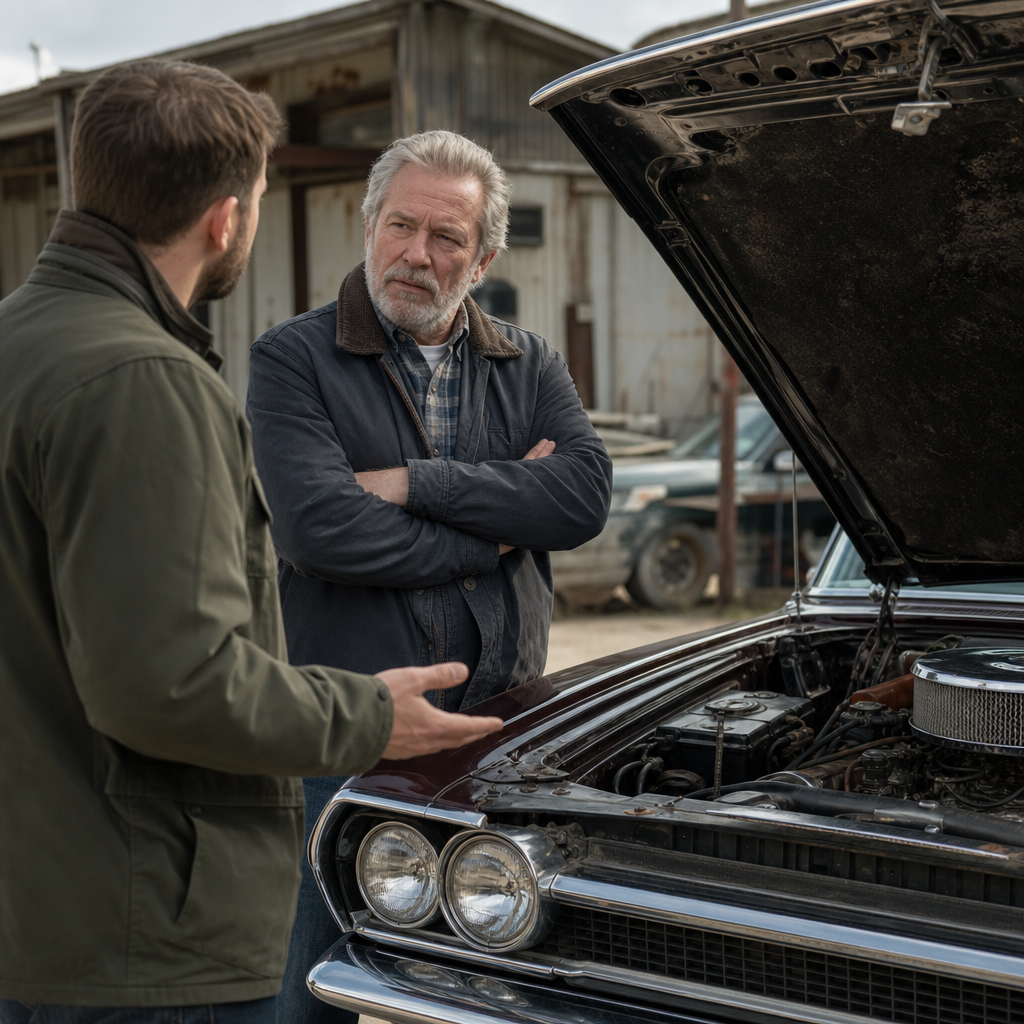
The first major mistake is assuming the advertisement is the transaction. It is not. The ad is only a lead. Fraudsters know buyers respond to attractive photos, a compelling backstory, and urgency. Common warning signs include a seller who refuses live video, avoids specific questions, claims to be selling for a relative, pushes wire transfer, or says multiple buyers are ready unless you send a deposit immediately. I have also seen cloned listings where real photos from an auction catalog are reused with a lower price to lure fast payment.
Verify the seller before discussing terms. Ask for a live walkaround video with today’s date, cold start, gauge cluster, VIN plate, title, body tags, and close-ups of known weak areas for that model. Compare the seller’s name with the title and registration. Search the phone number, email address, and image files. If the car is represented by a dealer, confirm the business license, physical address, and recent reviews. If it is a private party sale, ask how long the seller has owned the car, where service was performed, and why it is being sold now. Honest sellers usually answer directly and consistently. Scammers often answer generally, then steer back to payment.
Skipping VIN, Title, and Provenance Checks
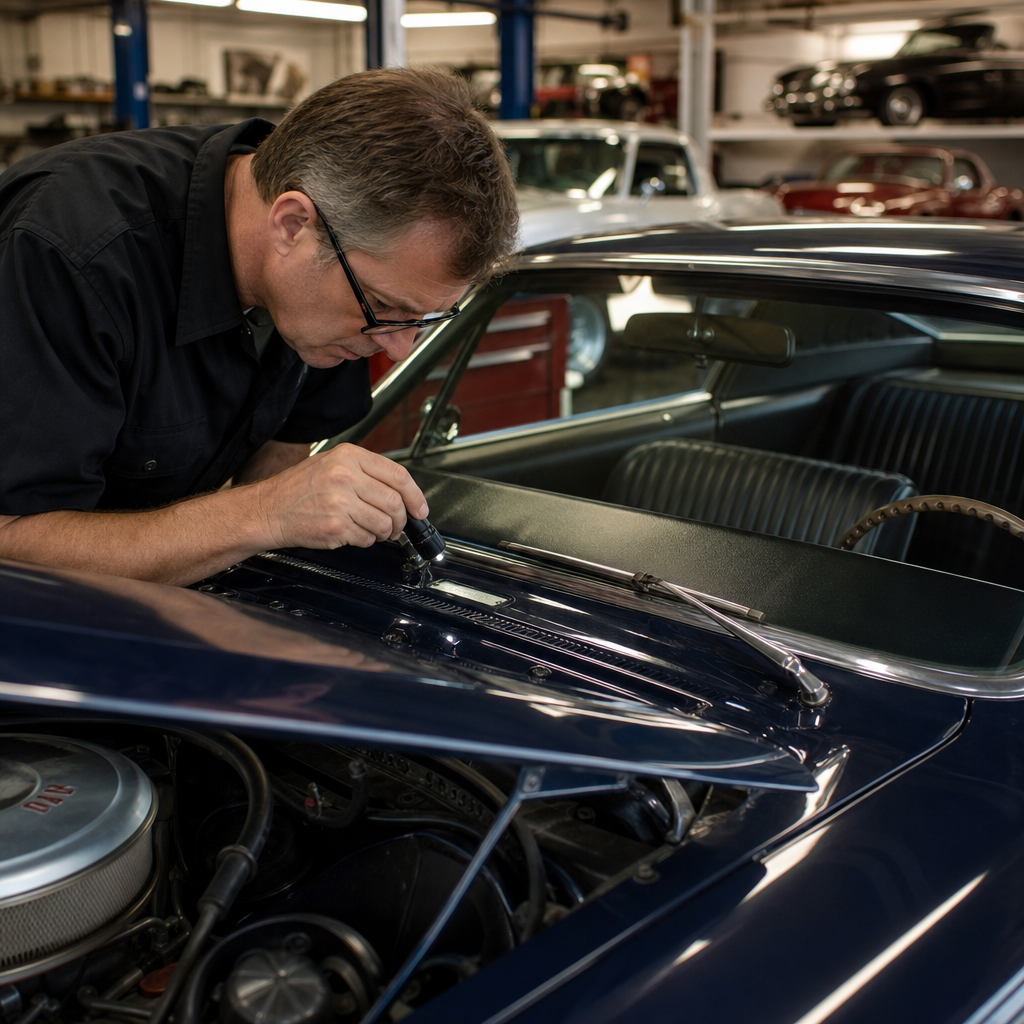
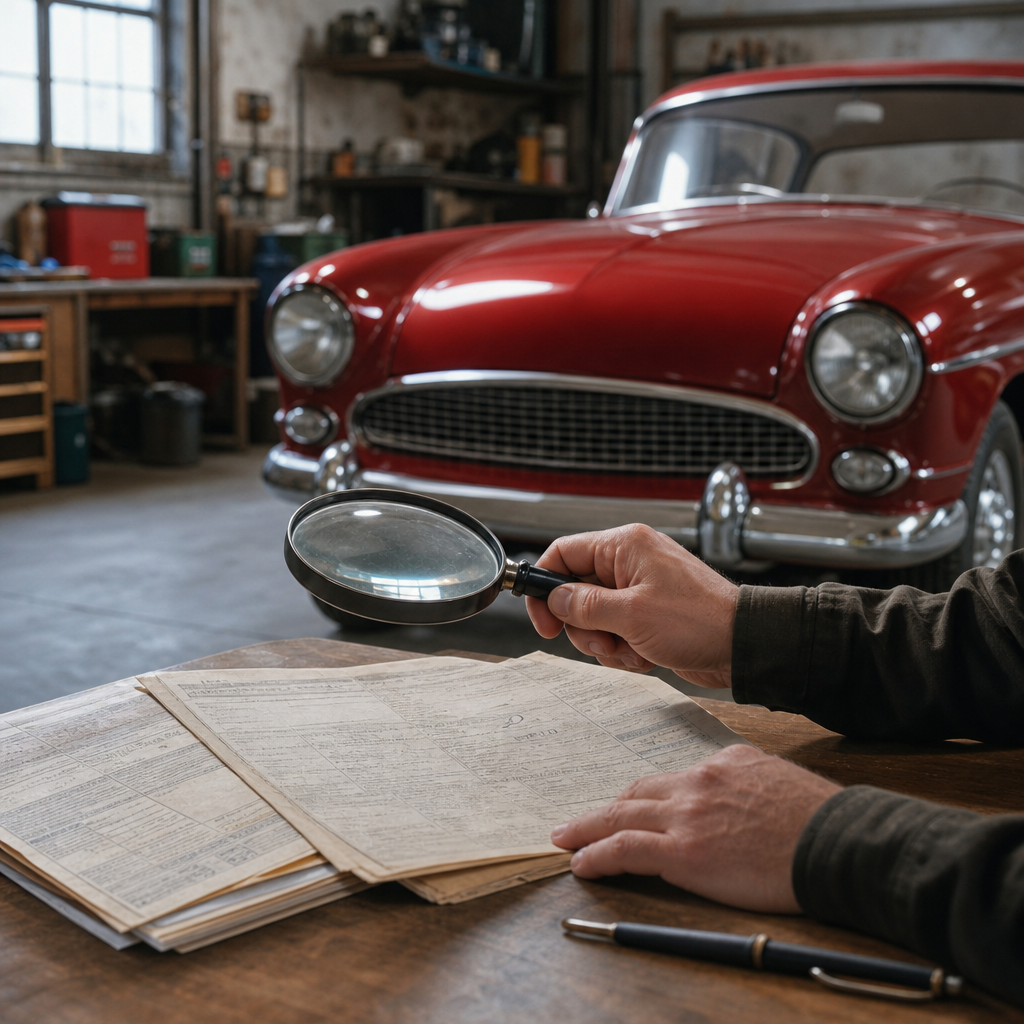
A beautiful classic with bad paperwork can become an unusable asset. One of the biggest classic car buying mistakes is focusing on cosmetics before legal identity. Start with the VIN on the car, title, and any supporting records. On older vehicles, VIN placement and format vary widely, so use factory references, marque registries, decoding guides, and club resources to confirm where tags should be, what rivets should look like, and whether the sequence matches the claimed year, body style, engine, and assembly plant.
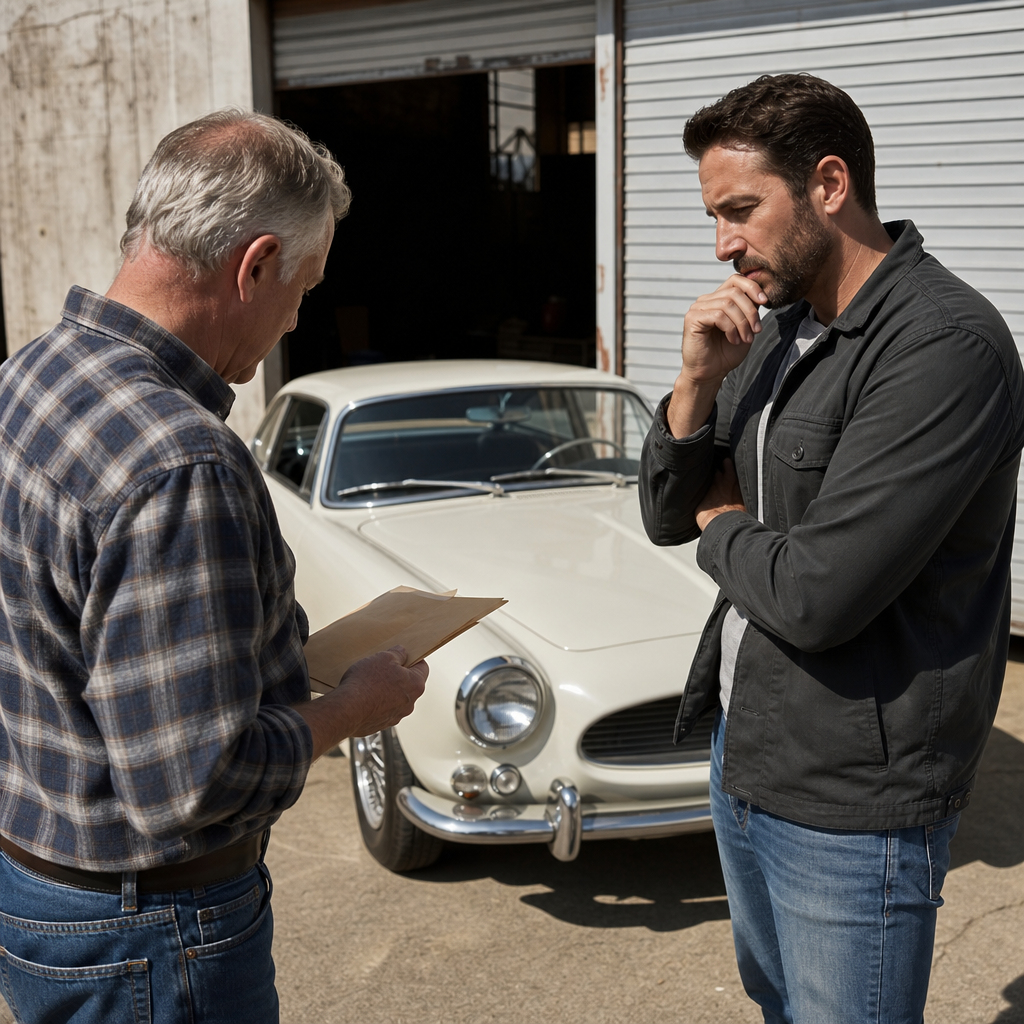
Title status matters just as much as authenticity. Verify whether the title is clean, rebuilt, bonded, salvage, or missing. A “bill of sale only” car can be routine in a narrow set of states and years, but it can also create registration nightmares across state lines. Check for liens, inconsistent owner names, and VIN discrepancies down to each character. Provenance should support the story. Service invoices, restoration photos, judging sheets, factory build documentation, warranty booklets, and past registrations create a chain of custody that strengthens value and lowers risk. When documentation is absent, value the car as undocumented, not as the story suggests.
Confusing Fresh Restoration with Quality Restoration
New paint, fresh upholstery, and a detailed engine bay do not prove a good restoration. In fact, fresh work can hide some of the most expensive problems. I have inspected cars that looked excellent in listing photos yet revealed overspray on wiring, seam sealer over rust perforation, poorly aligned panels, reproduction trim fitted badly, and undercoating sprayed thickly to conceal floor and frame repairs. A restoration should be judged by workmanship, documentation, and correctness, not by shine.
Ask what was done, when, by whom, and with what receipts. Was the body stripped to bare metal or sanded and refinished over unknown material? Were rusted panels replaced with welded repair sections or filled cosmetically? Was the engine rebuilt by a known machine shop with measurements and invoices, or simply repainted and resealed? Mechanical restoration quality is visible in details: fuel lines routed correctly, proper fasteners, brake components matched sensibly, and no obvious shortcuts in wiring. If a seller says “frame-off” or “fully restored,” ask for dated photos of each phase. Serious restoration claims should be easy to support.
Underestimating Rust, Corrosion, and Structural Damage
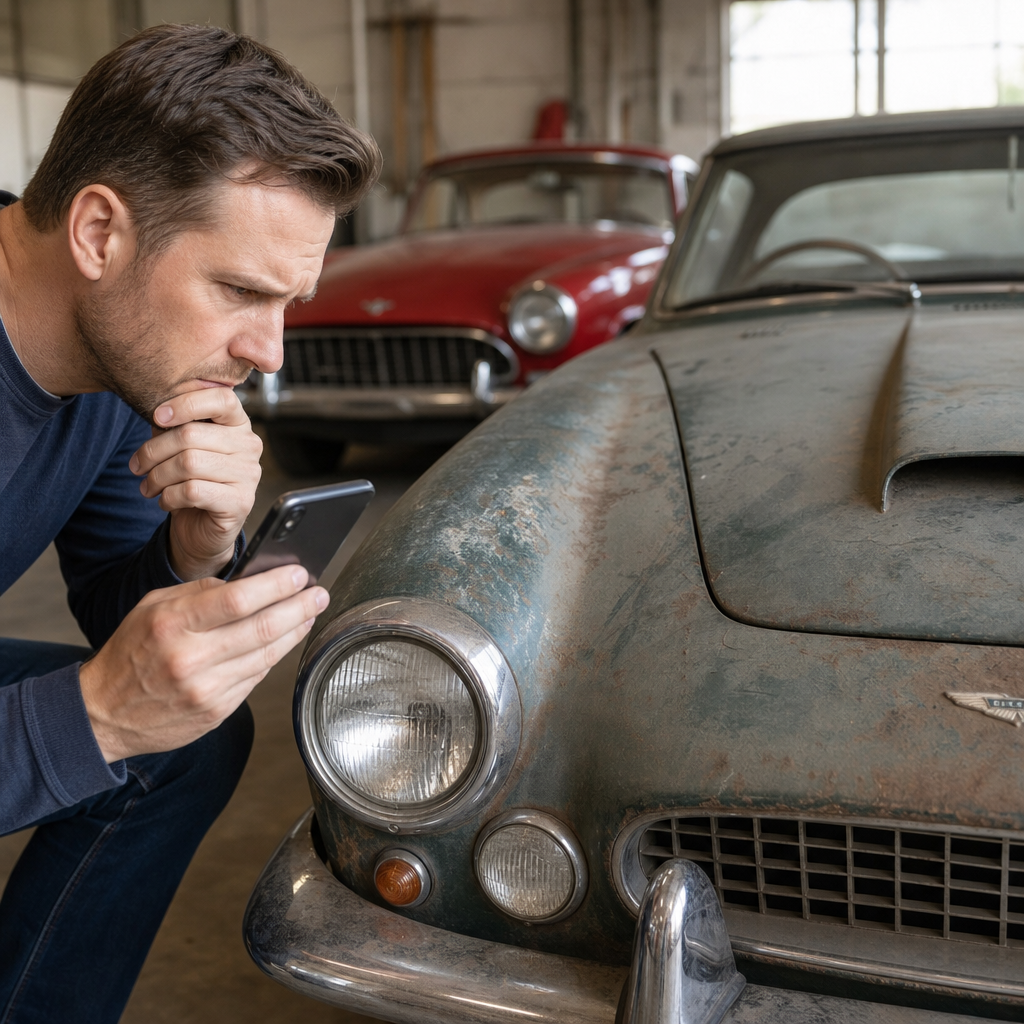
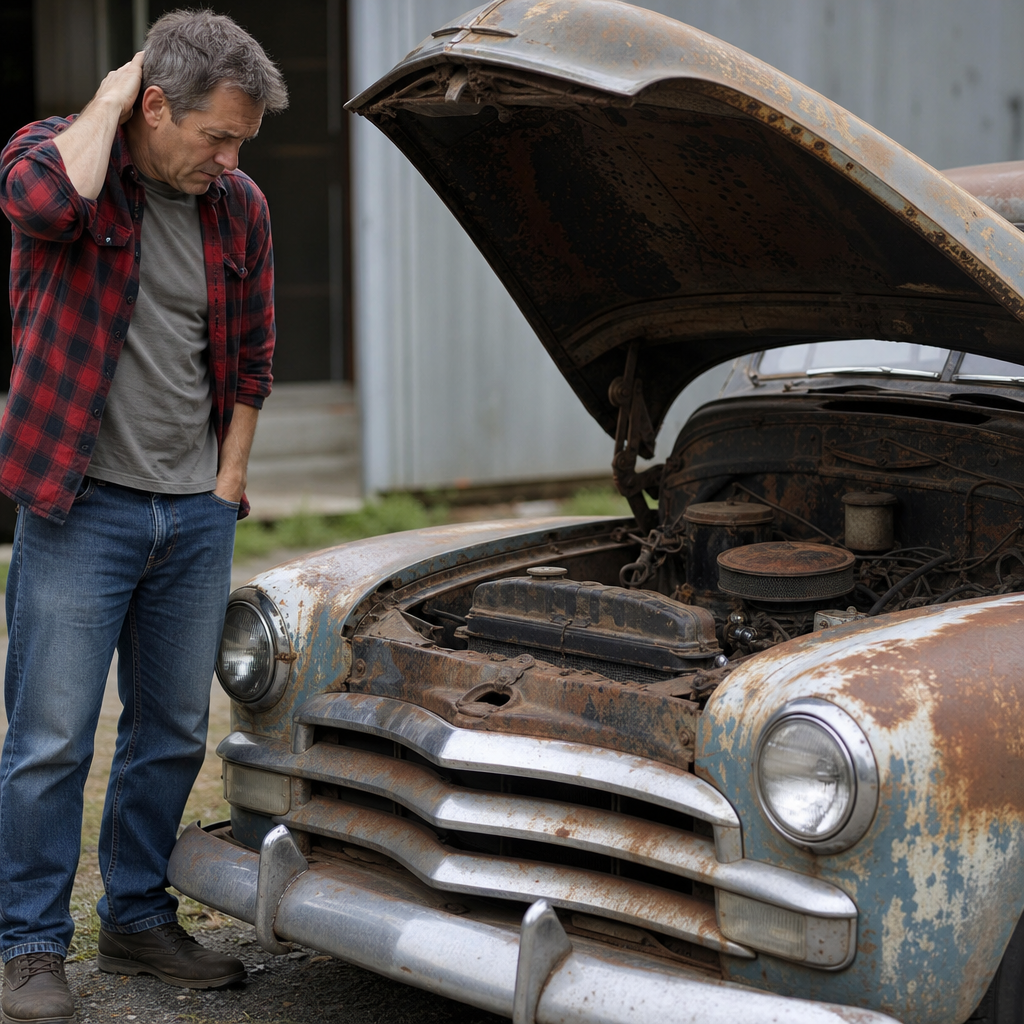
Rust is the costliest pitfall in many classic car purchases because it multiplies labor, parts sourcing, and paint expense. Surface corrosion on removable components is one thing. Structural rust in frame rails, torque boxes, rockers, floor supports, shock towers, cowl sections, windshield channels, trunk drop-offs, and suspension pickup points is another. Buyers routinely underestimate how quickly a “small rust issue” becomes metal fabrication, bracing, alignment work, and a full repaint.
Every model has predictable rust zones. First-generation Camaros often rust in floor pans, trunk pans, and lower fenders. Air-cooled 911s can hide corrosion around suspension pan areas and window channels. Classic trucks commonly rust in cab corners, bed floors, and mounts. Bring a flashlight, magnet, paint meter if available, and model-specific checklist. Look for bubbling under paint, swelling at seams, uneven undercoating texture, inconsistent spot welds, and signs that drain paths have trapped moisture. Collision damage deserves the same attention. Measure panel gaps, inspect frame straightness, and look underneath for wrinkled metal, replaced aprons, or poorly repaired crossmembers. Cosmetic flaws are negotiable; structural compromise changes the whole deal.
Paying for Originality Without Verifying What Is Actually Original
Originality drives value in many segments of the market, but buyers often pay premiums for cars that are only partially original or incorrectly represented. Terms such as “numbers matching,” “period correct,” “survivor,” and “restomod” are not interchangeable. A numbers-matching car typically means the original engine and, in some markets, transmission correspond to factory-stamped identifiers and production timing. A period-correct replacement may be from the right year and type but not the exact original unit. A survivor should retain substantial factory finishes, materials, and components rather than a full restoration.
Verification requires more than trusting casting numbers. Check stampings, date codes, trim tags, carburetor tags, axle codes, glass markings, wheel dates, and interior appointments against factory references. For high-value cars, order manufacturer heritage reports, use marque experts, and compare against known standards from NCRS, MCA, Porsche COA or equivalent registries where applicable. Modifications are not automatically bad. Many buyers prefer upgraded ignition, cooling, overdrive transmissions, or disc brakes. The mistake is paying original-car money for a modified car, or assuming modifications were engineered well. Value should reflect what the car is, not what the ad implies.
Ignoring the Total Cost of Ownership and Market Reality
A classic car purchase price is only the opening number. Transport, insurance, taxes, immediate maintenance, storage, registration correction, detailing, and deferred repairs often add thousands quickly. The market also has layers. Auction hammer prices are public, but they do not always represent what a private buyer should pay after fees, condition differences, and regional demand. I have seen buyers overpay based on a televised auction result without accounting for buyer’s premium, unusual provenance, or a hotter venue audience than the local market supports.
Use multiple valuation sources, then reconcile them with the specific car’s condition and documentation. Hagerty Price Guide, auction archives from Barrett-Jackson, Mecum, Bring a Trailer, and marque-specific forums provide useful context. The key is comparing like with like: same body style, drivetrain, originality level, restoration quality, and options. A base small-block coupe is not priced like a documented big-block special edition. Budget for first-year ownership realistically.
| Cost Area | Typical Risk | Why Buyers Miss It |
|---|---|---|
| Transport | Open carrier damage or delays | Focus stays on sale price, not logistics |
| Inspection | Skipped pre-purchase evaluation | Buyers fear losing the car to another bidder |
| Mechanical sorting | Fuel, brake, cooling, and electrical failures | Test drive felt acceptable for a short trip |
| Body and rust repair | Costs exceed estimate by 2x or 3x | Hidden corrosion appears after disassembly |
| Title and registration | Delays, bonded title expense, rejected paperwork | Seller says the process is “easy” |
| Insurance and storage | Higher annual carrying cost | Collector policies have usage and storage rules |
Skipping the Pre-Purchase Inspection and Test Drive Process
No matter how reputable the seller seems, skipping a pre-purchase inspection is one of the costliest classic car buying mistakes to avoid. A proper inspection by a marque specialist or experienced independent shop should include compression or leak-down testing when appropriate, brake and suspension review, evidence of leaks, charging system output, steering play, tire age, underbody examination, and verification of VIN and tags. On lift inspection, many hidden issues become obvious within minutes.
The test drive should be structured, not casual. Start from cold if possible. Watch for smoke, long crank time, lifter noise, weak oil pressure, overheating, poor charging, clutch slippage, transmission flare, driveline vibration, wandering steering, and brake pull. Older cars do not drive like modern cars, but they should still behave consistently within their design. If the seller refuses a meaningful inspection or only allows the car to be viewed after it is warmed up, treat that as a serious warning. Spending a few hundred dollars on inspection can save tens of thousands in repairs and protect you from buying a car that is unsafe or misrepresented.
Letting Emotion, Scarcity, or FOMO Control the Deal
Collector cars trigger urgency because buyers imagine the exact color, trim, and year disappearing forever. Sellers know this. The result is rushed deposits, waived inspections, and acceptance of vague explanations that would never survive a calmer review. I have watched buyers rationalize bad paperwork, poor welds, or nonoriginal drivetrains because “another one may not come up soon.” Another one usually does. Even genuinely rare cars are not worth buying blindly.
Set objective deal criteria before shopping: target models, acceptable condition levels, documentation minimums, budget ceiling, and nonnegotiable walk-away points. Keep communications in writing. Use a purchase agreement that identifies VIN, price, included parts, title status, deposit terms, and representations made by the seller. For remote deals, consider escrow only through established providers and confirm instructions independently by phone using verified contact information. Never rely on a last-minute email changing wire details. The strongest buyers are not the fastest; they are the most disciplined.
The biggest classic car buying mistakes to avoid all share one theme: replacing verification with hope. Hope that the seller is honest, hope that the rust is minor, hope that missing records will not matter, and hope that a fresh restoration means a good one. In the classic market, hope is expensive. Good buying comes from process. Verify the seller, decode the VIN, confirm title status, inspect for rust and prior damage, validate originality claims, compare true market comps, and insist on a pre-purchase inspection before funds move.
If you remember one principle, make it this: buy the story only after the evidence supports it. The best classic car deals are not always the cheapest or the flashiest. They are the cars with clear identity, documented history, honest condition, and pricing that matches reality. Use this hub as your starting point for avoiding scams and pitfalls across every stage of a purchase, then apply the same discipline to negotiation, transport, insurance, and post-sale paperwork. Slow down, check everything, and buy with confidence.
Frequently Asked Questions
What is the biggest mistake people make when buying a classic car?
The biggest mistake is falling in love with the car before verifying the facts. Buyers often get captivated by paint, chrome, nostalgia, or a seller’s story and skip the disciplined steps that protect them. On a classic car, appearance can hide expensive problems such as rust repair, poor bodywork, incorrect drivetrains, missing trim, title issues, or a restoration that looks good from ten feet away but was done cheaply underneath. Unlike modern used cars, older vehicles can vary dramatically in value based on originality, documentation, condition, factory options, and even whether hard-to-find parts are included in the sale.
A smart buyer slows down and validates everything. That means checking the VIN and data plates, confirming the title matches the car, reviewing service and restoration records, researching how the specific year and model should be equipped, and getting an independent pre-purchase inspection. It also means looking beyond cosmetics at the floors, frame, suspension, engine health, electrical system, and signs of collision or corrosion repair. The most expensive classic car is often the one that seemed like a bargain at first. If you make the decision with your emotions and justify it afterward, you are much more likely to overpay or inherit problems that take years and thousands of dollars to correct.
Why is rust such a major concern when evaluating a vintage vehicle?
Rust is one of the costliest and most underestimated problems in the classic car world because it affects structure, safety, originality, and resale value all at once. Surface rust may be manageable, but hidden corrosion in floors, frame rails, trunk pans, rocker panels, cowl areas, windshield channels, wheel arches, and suspension mounting points can turn an exciting purchase into a financial sinkhole. In many cases, the visible rust is only a fraction of what is actually there. Fresh undercoating, thick paint, filler, and recently installed carpet can be used to hide serious metal deterioration.
Repairing rust correctly is labor-intensive and expensive. Proper metal replacement requires cutting out damaged sections, welding in correct panels, finishing the work cleanly, and then protecting it from returning. That process can quickly exceed the value of the car, especially on models with limited parts availability. Rust also tends to create secondary issues such as water leaks, moldy interiors, electrical problems, weak mounting points, and compromised door or body alignment. This is why experienced buyers inspect a classic car on a lift whenever possible, use a magnet or paint meter when appropriate, examine seams and drain areas carefully, and research known rust zones for that exact model. A car with honest paint and minor flaws is often a safer purchase than one with a glossy cosmetic restoration hiding metal problems underneath.
How important are originality and matching numbers when buying a classic car?
Originality matters, but how much it matters depends on your goals. If you want a blue-chip collectible, concours-level car, or a model that attracts serious auction interest, originality can be a major driver of value. Matching-numbers engines, original transmissions, factory-correct colors, stock interior materials, original trim, and documented options all tend to increase desirability because they support authenticity. For rare or highly sought-after models, deviations from factory specifications can significantly reduce market value, even if the car still looks attractive and performs well.
That said, not every buyer needs a perfectly original car. If your goal is weekend driving, local shows, and enjoyment, a well-sorted driver with tasteful upgrades may be the better choice. Improvements such as electronic ignition, upgraded cooling, better brakes, or modern radial tires can enhance reliability and safety without ruining the ownership experience. The key mistake to avoid is paying original-car money for a modified or incorrectly represented car. Buyers should verify casting numbers, trim tags, drivetrain codes, and documentation rather than relying on seller claims. It is also important to understand that originality and quality are not the same thing. A non-original car can still be excellent, and an original car can still be neglected. The right question is whether the car’s configuration, condition, and paperwork justify the asking price for the type of classic it actually is.
Should I always get a pre-purchase inspection before buying a classic car?
Yes, in almost every case, a pre-purchase inspection is one of the smartest investments you can make. A qualified inspector who knows the specific make, model, or vehicle era can spot issues that many buyers miss, including poor prior repairs, signs of rust concealment, incorrect parts, weak compression, fluid leaks, brake problems, steering wear, electrical faults, and safety concerns. They can also help you determine whether the car is honestly represented and whether the asking price makes sense based on what they find. Even if you are mechanically knowledgeable, a second set of expert eyes can provide objectivity and help you avoid making an emotional decision.
This matters even more when buying remotely. Photos can flatter a car, videos can avoid problem areas, and descriptions can be vague or overly optimistic. An inspection gives you a realistic picture of condition and can save you from expensive surprises after shipping. It also creates leverage in negotiation because documented findings are more persuasive than general concerns. Buyers sometimes skip inspections to save money or because they fear losing the car to another buyer, but that shortcut often leads to much larger losses later. If the seller refuses an independent inspection or becomes defensive about basic verification, treat that as a warning sign. In the classic car market, transparency is valuable, and a legitimate seller should understand why a serious buyer wants professional confirmation before closing the deal.
How do I avoid overpaying for a classic car?
To avoid overpaying, you need to value the specific car, not just the model name. Many buyers look up broad price guides or auction headlines and assume every example of a desirable classic is worth top dollar. In reality, values can swing sharply based on condition level, originality, documentation, body style, options, restoration quality, color combination, regional demand, and whether the car is truly ready to drive and enjoy. A freshly detailed car with shiny paint may still be worth far less than a documented, mechanically sorted example if the cosmetics are hiding issues or the car has major authenticity problems.
Start by comparing recent sales of similar cars in similar condition, not just asking prices. Review auction results, enthusiast forums, marque-specific clubs, dealer listings, and valuation guides, but filter that information carefully. Then factor in immediate needs: tires, brakes, fuel system work, cooling repairs, suspension refresh, weatherstripping, glass, interior restoration, or missing trim can quickly add thousands to your real purchase price. Documentation also affects value more than many first-time buyers realize. A car with restoration receipts, ownership history, original manuals, build information, and verified numbers usually commands more because it carries less uncertainty. The best way to avoid overpaying is to buy with patience, do model-specific research, know your total budget including repairs and transport, and be willing to walk away when the car and the price do not align. In the classic market, discipline usually beats urgency.