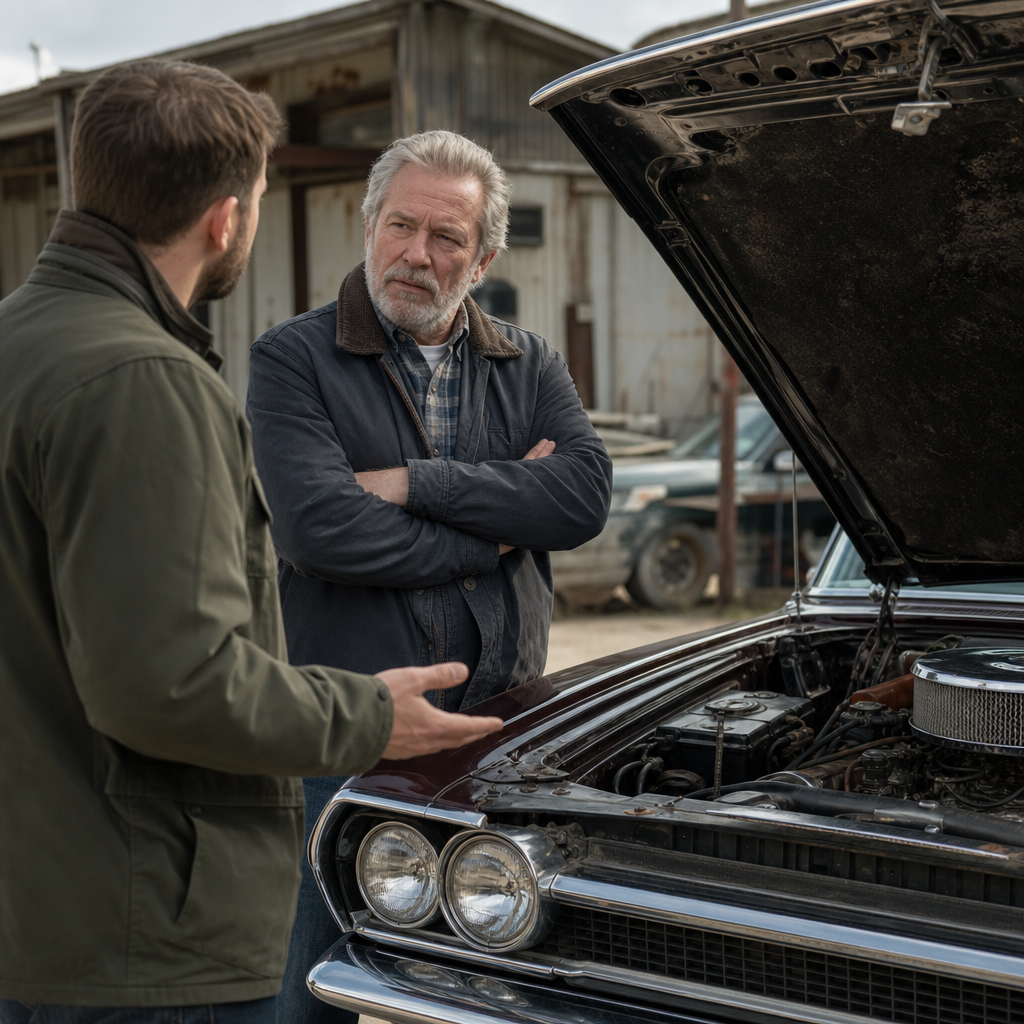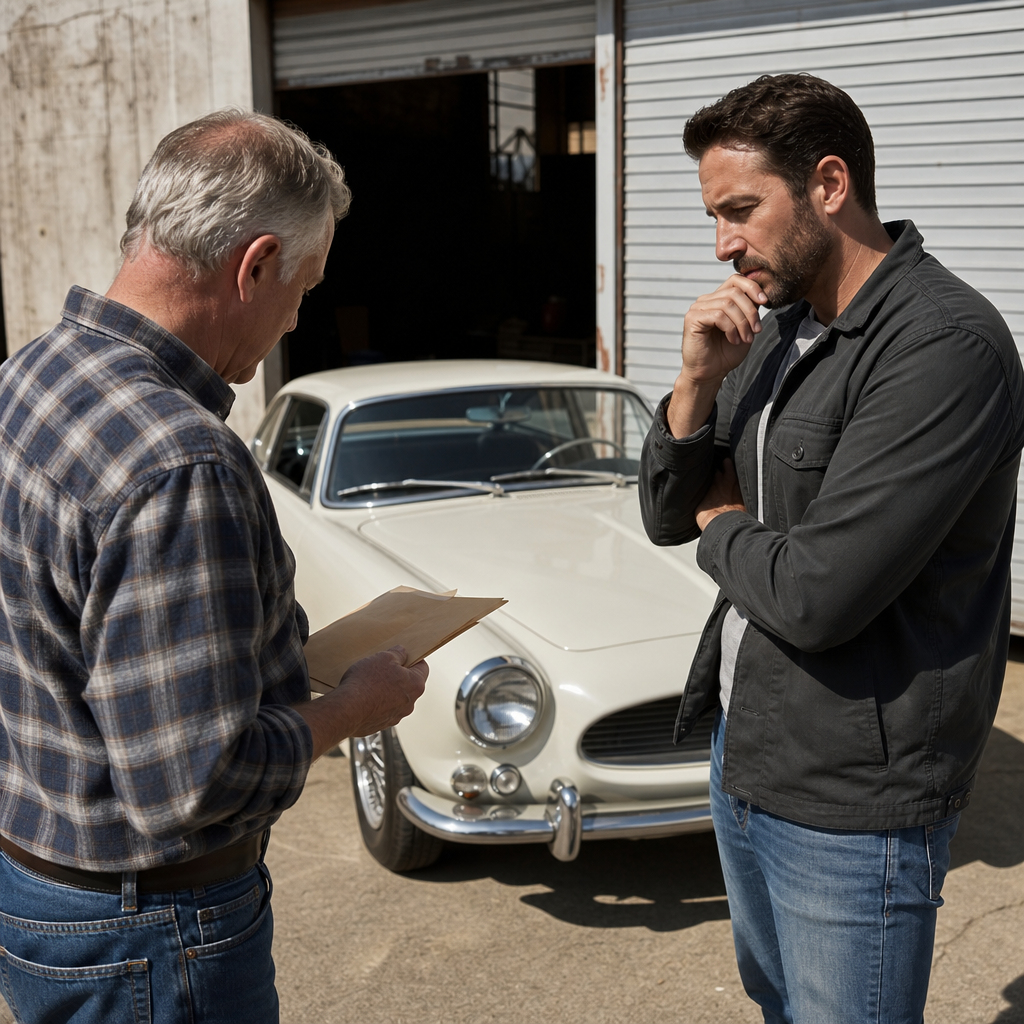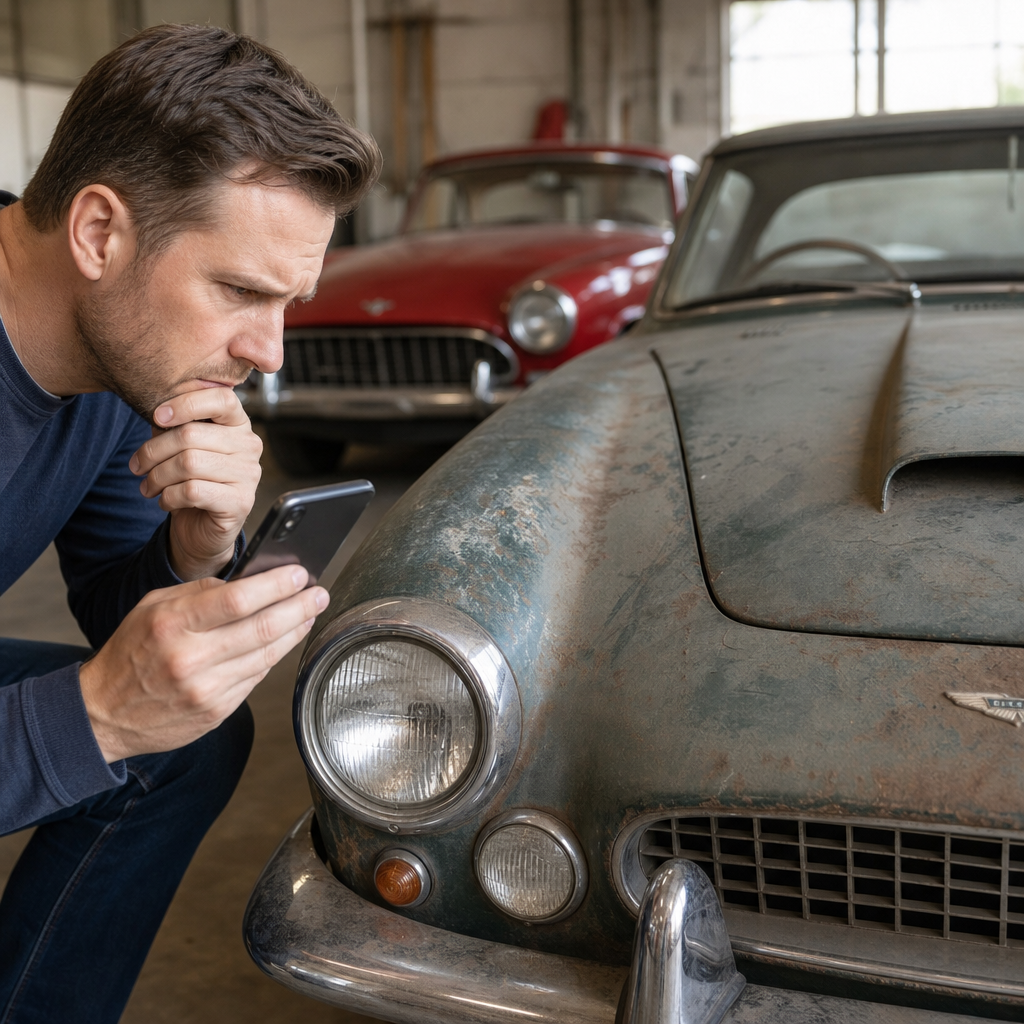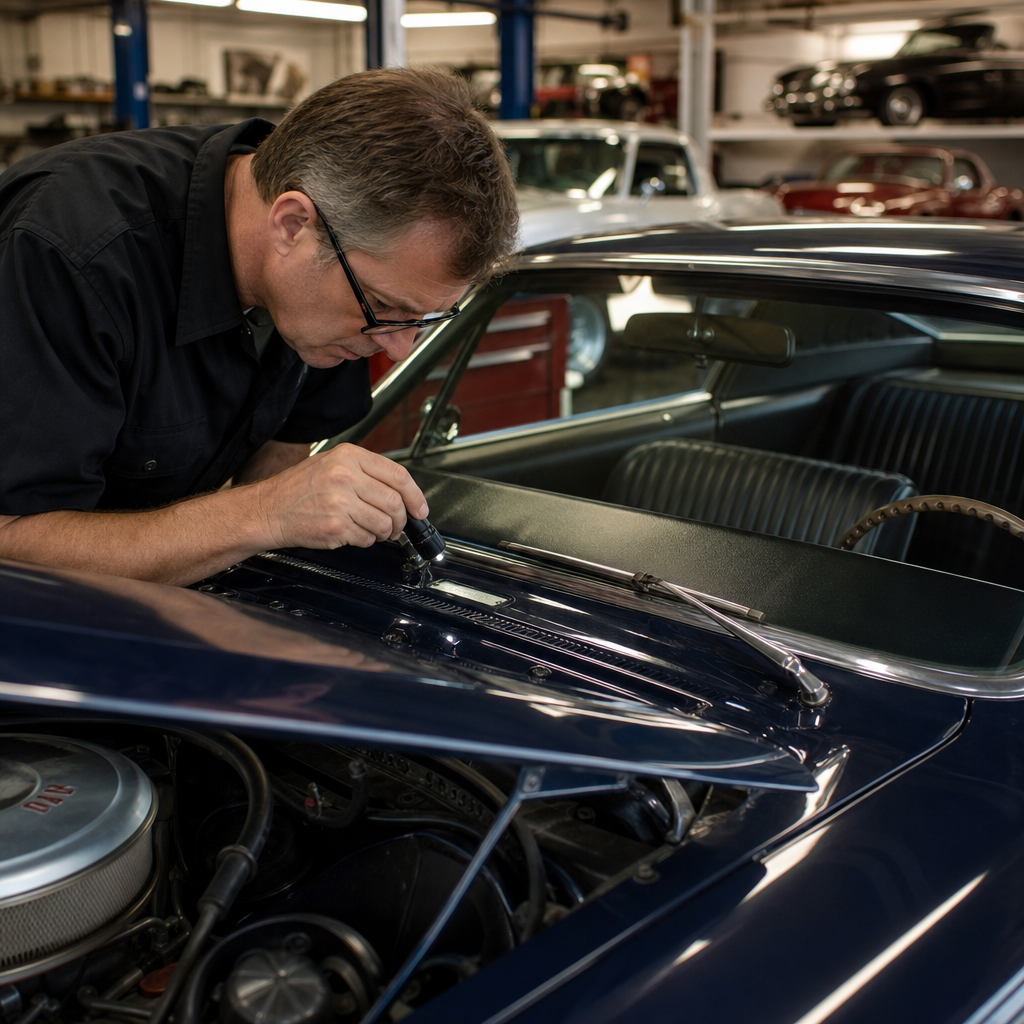
Buying a classic car is part research project, part mechanical inspection, and part negotiation exercise. The best buyers know that “classic” does not simply mean old. In the market, a classic car usually refers to a vehicle valued for age, rarity, design, motorsport history, cultural significance, or preservation, and the purchase process differs sharply from buying a modern used car. Condition grades, matching numbers, documented provenance, restoration quality, title status, and parts availability all matter as much as paint color or asking price. I have helped buyers evaluate everything from driver-quality muscle cars to concours-level European grand tourers, and the same lesson comes up every time: the excitement of finding the right car can hide expensive risks unless the process is structured.
This guide serves as a complete hub for how to buy a classic car, while also addressing a question many buyers ask immediately after closing the deal: how to transport a classic car after purchase. That connection is practical. Your buying decision affects your transport method, insurance needs, loading procedures, and overall cost. A rust-free survivor with fragile trim should not be shipped the same way as a modified pickup project, and a vehicle bought at auction with non-running status requires different planning than a road-ready car from a local seller. If you want a successful purchase, you need to think beyond the sale and manage inspection, paperwork, pricing, payment, shipping, and first-delivery checks as one coordinated process.
Why does this matter? Because mistakes in the classic car market are expensive and often irreversible. Hidden corrosion can turn a bargain into a six-figure restoration. Missing VIN tags can block registration. Poor transport choices can damage low ground-clearance bodywork, crack aged glass, or expose fresh paint to road debris. On the other hand, disciplined buyers protect value from day one. They define the right model, verify authenticity, inspect thoroughly, buy within a realistic ownership budget, and choose transportation that fits the car’s condition and market value. Whether you are buying your first vintage Mustang, a postwar MG, a square-body Chevy, or an air-cooled Porsche, the safest route is a repeatable system. This article lays out that system in plain terms so you can buy with confidence and take delivery without unpleasant surprises.
Define the Right Classic Car Before You Shop
The first step in how to buy a classic car is narrowing the field. Buyers often start with emotion, which is fine, but emotion needs boundaries. Decide how you will use the vehicle: weekend cruising, local shows, long-distance touring, occasional track events, or long-term collecting. A carbureted 1960s convertible can be wonderful for fair-weather drives but frustrating in dense summer traffic. A 1980s analog sports car may offer stronger parts support and easier maintenance than a rarer prewar or brass-era model. Clarifying intended use helps determine body style, transmission type, engine family, and acceptable condition.
Budgeting must also be realistic. The purchase price is only the opening number. Add sales tax where applicable, registration, insurance, enclosed or open transport, immediate mechanical sorting, detailing, storage, tools, and specialist labor. A widely cited collector-car principle is to buy the best example you can afford, because body and trim restoration usually cost more than mechanical work. In practice, that means a solid, documented driver often beats a cheaper project with hidden rust, incomplete parts, and vague history. If you are comparing models, study recent sales on Hagerty Price Guide, Collector Car Market Review, Bring a Trailer results, Mecum archives, and marque-specific forums. Asking prices are useful, but sold prices tell the truth.
Research should cover more than values. Learn common rust areas, weak engines, troublesome transmissions, reproduction parts quality, and title quirks by model year. For example, first-generation Camaros have strong parts support, while certain low-production European coupes may involve months-long waits for trim pieces. Mercedes-Benz, Porsche, Jaguar, Chevrolet, Ford, and Mopar communities each maintain deep buying knowledge through clubs and registries. When buyers skip this phase, they tend to overpay for cosmetic appeal and underestimate ownership difficulty.
How to Inspect a Classic Car Like a Serious Buyer
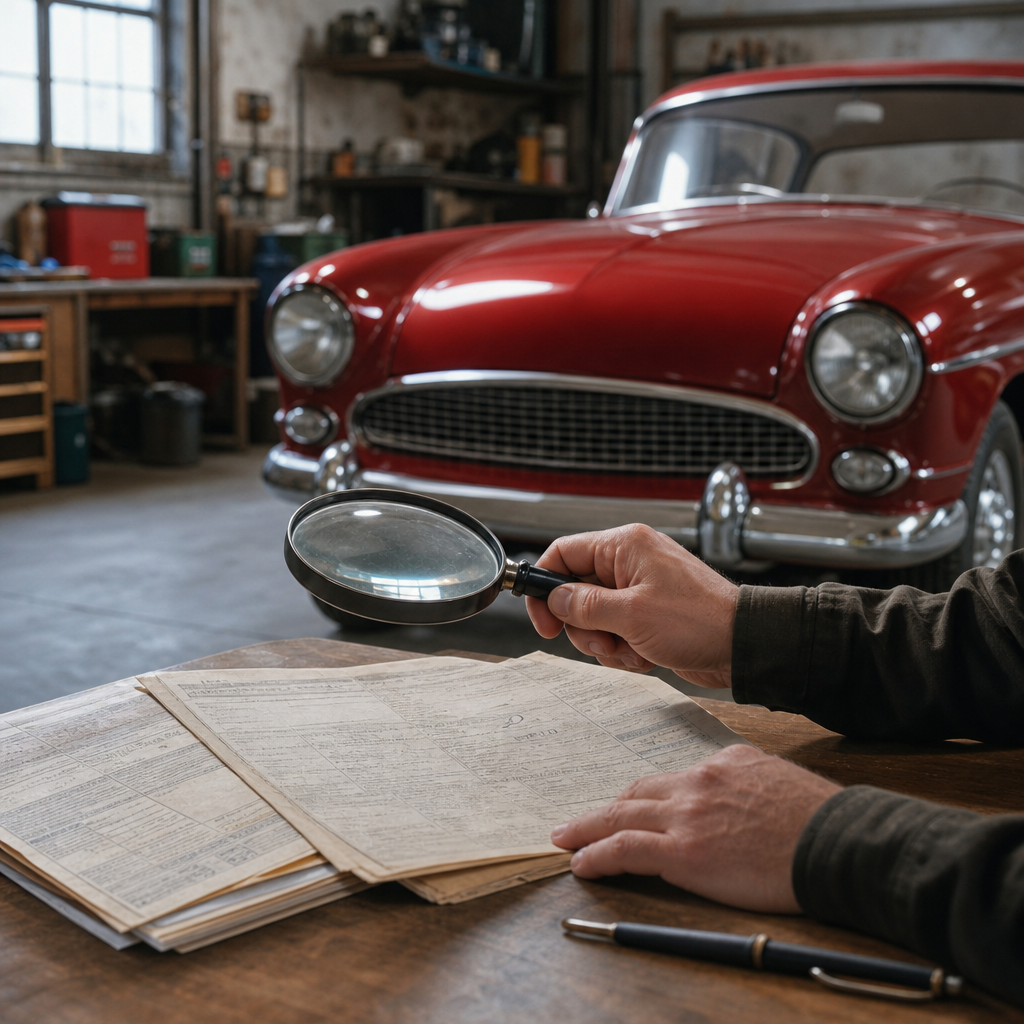
A proper inspection determines whether the car is authentic, structurally sound, and worth the asking price. Start with the identity. Confirm the VIN or chassis number on the vehicle matches the title, registration, bill of sale, and any body tags. On models where factory stampings matter, verify engine and transmission numbers if the seller claims “numbers matching.” Matching numbers generally means the major driveline components correspond to original factory records or build sequence, which can materially affect value in marques such as Corvette, Porsche, and high-end Mopar muscle.
Condition evaluation should move from structure to systems to cosmetics. Look underneath first. Use a flashlight to inspect frame rails, floor pans, trunk floor, rocker panels, suspension mounts, inner fenders, and lower door seams. Rust repair quality matters as much as the existence of repair. Uneven welds, excessive filler, fresh undercoating, and poorly aligned seams can indicate hidden corrosion or collision damage. A paint meter is helpful on steel-bodied cars because thick readings may suggest filler or multiple repaint layers. Panel gaps should be consistent for the model; some classics left the factory imperfect, so compare with known reference photos rather than modern standards.
Mechanical checks should include cold starting behavior, oil pressure, charging voltage, cooling stability, clutch engagement or automatic shift quality, brake pedal feel, steering play, and signs of fluid leaks. During test drives, note driveline vibration, differential whine, wandering under braking, smoke color, and overheating tendencies. Blue smoke points toward oil burning, white smoke may suggest coolant intrusion, and black smoke often means an overly rich mixture. If the car has been restored, ask who performed the work and request invoices. Restoration without documentation should be valued cautiously.
When the purchase is serious, hire a pre-purchase inspection from a specialist familiar with that specific make. General repair shops miss marque-specific details. An Alfa Romeo specialist knows where rust hides. A vintage Porsche technician understands magnesium case issues and 915 gearbox feel. A reputable inspector will document compression readings, leakdown results when appropriate, brake and suspension wear, and visible structural concerns. The inspection fee is small compared with the cost of buying the wrong car.
Verify History, Paperwork, and Market Value
Classic car paperwork is not administrative busywork; it is part of the asset. Start with title status. Make sure the seller’s name matches the title, there are no active liens, and the VIN is free of discrepancies. Older cars in some states may be sold on registration only, but you should confirm your state’s registration requirements before payment. Imported classics need customs paperwork, EPA and DOT exemption documentation when applicable, and a clear chain of ownership. Any mismatch in records should pause the deal until resolved.
History adds confidence and often value. Ask for restoration receipts, ownership records, factory build documents, photos of restoration work, service logs, judging sheets, and originality certifications when available. For American classics, documents such as a window sticker, Protect-O-Plate, Marti Report, or NCRS documentation can substantiate equipment and provenance. For European marques, Kardex records, heritage certificates, or club-issued production data may support authenticity. Provenance does not make a poor car good, but it helps explain why one example deserves a premium over another.
Pricing a classic car requires triangulation. Compare condition grade, originality, specification, color combination, documentation, and recent mechanical work against current sales. Avoid valuing a car solely by online enthusiasm or auction headlines. A celebrity sale or no-reserve bidding war can distort expectations. In my experience, the cleanest pricing conversations happen when buyers show evidence: recent comparable sales, needed repairs from the inspection, and transportation costs. That shifts negotiation from opinion to substantiated numbers.
| Factor | Why It Affects Price | Buyer Check |
|---|---|---|
| Originality | Factory-correct cars often command stronger premiums | Verify numbers, trim, colors, and options |
| Rust and structure | Body restoration is usually the costliest repair area | Inspect frame, floors, rockers, and prior metalwork |
| Documentation | Records reduce uncertainty and support provenance | Review title, receipts, build docs, and service history |
| Mechanical condition | Immediate repairs change the true purchase cost | Use specialist inspection and road test findings |
| Market demand | Some models have deeper buyer pools and stronger liquidity | Compare sold results, not just asking prices |
Negotiate, Pay Safely, and Close the Deal
Once the car passes inspection and documentation review, structure the transaction carefully. Agree in writing on the sale price, included parts, deposit amount, deadlines, and who is responsible for transportation release. If the car comes with spare wheels, hard-to-find trim, manuals, or original take-off parts, list them on the bill of sale. Vague verbal agreements create disputes later, especially when a transporter arrives and key items are missing.
For payment, wire transfer is common for higher-value deals, but verify instructions by phone using a trusted number before sending funds. Fraud in collector-car transactions is real, particularly when listings move from marketplace messaging to email. Escrow services can add protection for remote purchases, especially if the title will be mailed separately or the seller is a dealer in another state. Cashier’s checks are still used, but many sellers will not release the car until funds fully clear. If the purchase occurs at auction, read the buyer’s premium, storage policy, title release timeline, and transport access rules in advance.
Insurance should be arranged before pickup or shipping. Standard auto insurers may cover less than expected on older vehicles because actual cash value can diverge sharply from collector market value. Agreed value policies from specialty insurers such as Hagerty, Grundy, or American Collectors Insurance are often better suited because they define the insured value upfront, subject to policy terms. Confirm whether transit is covered under your policy, the carrier’s cargo insurance, or both. Also ask about spare parts coverage if valuable components travel with the car.
How to Transport a Classic Car After Purchase
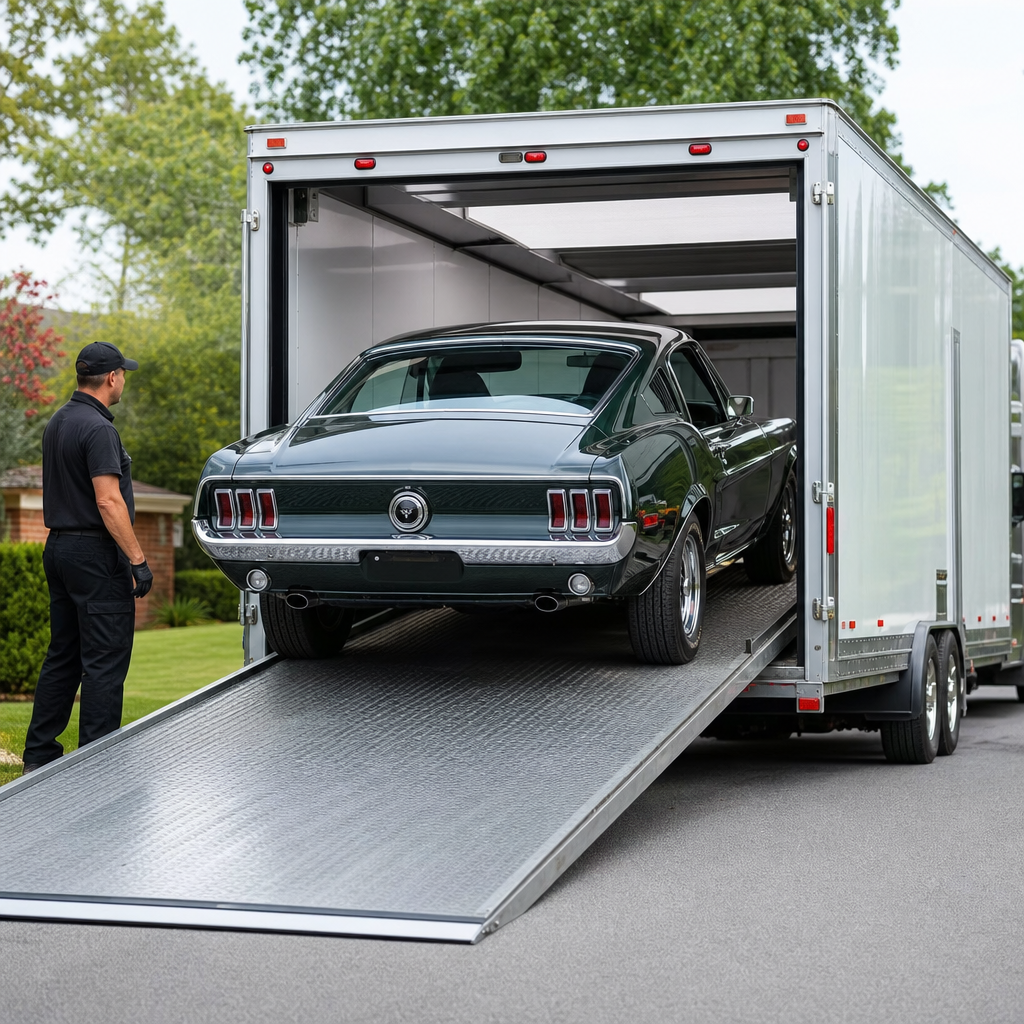
Transporting a classic car after purchase is not an afterthought. It is the final stage of the buying process and the first stage of ownership. The correct method depends on value, condition, distance, weather exposure, and whether the vehicle runs reliably. For most valuable, freshly restored, low-clearance, or highly original cars, enclosed transport is the safest choice. It protects against road debris, rain, UV exposure, and unwanted attention. Open transport is cheaper and acceptable for many driver-grade classics, but it exposes the vehicle to environmental risks. If the car is non-running, disclose that immediately because carriers need winch capability and may charge more.
Choose a transporter with experience in collector vehicles, not just general auto hauling. Ask whether they use liftgate loading or long ramps, whether the truck carries soft straps instead of axle chains for delicate underbodies, and what their cargo insurance limits are per vehicle. FMCSA registration and USDOT numbers matter for interstate carriers. Read reviews, but go deeper than star ratings: look for comments about communication, pickup accuracy, claims handling, and low-clearance loading. Established specialty carriers such as Reliable Carriers, Intercity Lines, and Passport Transport are well known in the collector market because they understand fragile trim, modified ride heights, and auction logistics.
Before pickup, document the car thoroughly. Photograph every panel, wheel, glass section, interior surface, engine bay, odometer, and existing flaw in good light. Remove or secure loose parts, retract or fix antennas, and verify tire pressure if the car rolls. Disable alarms if necessary and provide written starting instructions for unusual procedures such as battery cutoffs, choke operation, hidden fuel pumps, or transmission quirks. If the car leaks fluids, tell the carrier in advance. Surprises at loading can result in delays or refusal.
At delivery, inspect the vehicle before signing the bill of lading. Compare condition against your photos, check for splitter or exhaust contact on low cars, and confirm any included spare parts arrived. If there is damage, note it immediately on the delivery paperwork and contact the carrier and your insurer at once. Do not assume you can sort it out later. A careful shipping process protects not only the car but also your leverage if a claim becomes necessary.
What to Do After Delivery
Once the classic car arrives, resist the urge to drive it hard immediately. Start with a baseline inspection. Check fluid levels, battery condition, tire age, brake response, coolant hoses, fuel lines, and belts. Cars that were represented honestly can still need post-transport attention, especially after long periods of storage or recent auction movement. Ethanol-sensitive fuel systems, old bias-ply tires, and aged rubber brake hoses deserve prompt scrutiny. If the car is new to you, establish a maintenance file on day one with all records, transport documents, inspection results, and part numbers.
Then prioritize safety and reliability before cosmetics. Replace suspect tires, inspect wheel bearings where applicable, verify charging system output, and service the fuel system if stale gasoline or debris is present. A trusted specialist should perform a full post-purchase once-over if the car will be driven regularly. This initial service often reveals small issues before they become larger failures. Just as important, it creates your first maintenance baseline, which makes future resale easier because the next buyer can see a clear record of stewardship.
The smartest classic car buyers think in phases: research, inspect, verify, negotiate, transport, and stabilize. That sequence reduces risk and preserves value. If you are preparing to buy, build a checklist, line up a marque specialist, gather comparable sales, and arrange insurance and transport before funds move. A classic car can be one of the most rewarding vehicles you will ever own, but only when the purchase is handled with discipline. Use this page as your hub for buying decisions, then take the final step seriously: choose the right transport plan so the car you bought is the car that arrives.
Frequently Asked Questions
What is the safest way to transport a classic car after purchase?
The safest way to transport a classic car after purchase is usually enclosed auto transport with a carrier experienced in handling vintage, rare, and high-value vehicles. Unlike open transport, an enclosed trailer protects the car from weather, road debris, gravel, dust, and unwanted public attention during transit. This matters even more for classics with delicate paint, chrome trim, soft tops, brittle seals, aging glass, low ground clearance, or hard-to-source body panels. If the vehicle has recently been restored, has show-quality paint, or carries significant collector value, enclosed shipping is typically the standard recommendation rather than an upgrade.
Just as important as the trailer type is the transporter’s method of loading and securing the vehicle. A qualified classic car hauler should understand how to load low-clearance vehicles, use lift gates or extended ramps when necessary, and secure the car by the tires or designated safe points rather than damaging suspension components, brake lines, or underbody parts. Many older cars also require special handling because they may leak fluids, have weak brakes, use nonstandard starting procedures, or have quirks that make them unsafe to drive on and off a trailer like a modern car. In short, the safest option is not simply “enclosed”; it is enclosed transport by a company that routinely moves collector vehicles and can demonstrate proper equipment, insurance, and experience.
Should I drive my newly purchased classic car home or have it shipped?
In most cases, shipping is the smarter choice, even if the car appears roadworthy. A classic car can look excellent during a sale and still hide age-related issues that only show up under sustained driving, such as overheating, brake fade, fuel delivery problems, charging system failures, dry-rotted tires, or deteriorated hoses and belts. Even a well-maintained vintage vehicle may not be ready for a long interstate trip immediately after purchase, especially if its service history is incomplete or if it has been sitting for extended periods. When you factor in unknown mechanical reliability, limited roadside parts availability, and the risk of damage or breakdown, transporting it professionally often protects both the car and your investment.
That said, there are situations where driving it home can make sense. If the car has been thoroughly inspected, recently serviced, has current registration and insurance, and you are comfortable with older vehicle behavior, a short-distance drive may be reasonable. You should still verify essential systems before departure, including brakes, steering, cooling, tire condition, lights, fluid levels, and fuel system integrity. For longer distances, however, shipping is generally preferred because it reduces wear, avoids exposing the car to uncertain road conditions, and gives you time to perform a proper baseline inspection once it arrives. For many buyers, the excitement of driving the car home is real, but the practical and financial risk often outweighs the romance.
What should I check before a classic car is picked up for transport?
Before pickup, confirm the car’s identity, condition, paperwork, and mechanical readiness for loading. Start by verifying that the title, bill of sale, and any registration or release documents are complete and accurate, especially if the car is crossing state lines or coming from an estate, auction, or dealer. Because title issues are more common with older vehicles, make sure the VIN or chassis number on the paperwork matches the vehicle itself. If the car has known provenance, restoration records, matching-numbers documentation, or rare parts included in the sale, organize and secure those items separately rather than leaving important documents loose inside the car.
You should also perform a detailed pre-shipping condition record. Take clear, time-stamped photos and video of all exterior panels, bumpers, trim, glass, wheels, interior surfaces, odometer reading, engine bay, trunk, and any existing flaws such as chips, scratches, dents, fluid leaks, torn upholstery, or cracked lenses. Note any quirks the driver should know, including whether the battery disconnect is hidden, whether the parking brake is weak, whether the door handles stick, or whether the car must not be lifted from certain points. Remove or secure loose items, retract or protect antennae, and ensure the fuel tank is only partially filled if requested by the carrier. If the car is non-running, disclose that in advance so the transporter brings the right equipment; this is critical because a non-operational classic requires different loading procedures and can affect cost and scheduling.
How much does it cost to transport a classic car, and what affects the price?
The cost to transport a classic car depends on several variables, including distance, route, trailer type, vehicle size, operability, timing, and the level of service required. Enclosed transport costs more than open transport because it offers greater protection and usually involves lower-volume, more specialized handling. Long-distance moves are generally priced higher overall, but the per-mile rate may drop on common routes. Shipping to or from remote locations can increase the price because carriers may need to deviate from major transport corridors. If the vehicle does not run, has very low ground clearance, has oversized dimensions, or needs lift-gate loading, expect additional fees because the job requires more time, equipment, and risk management.
Collector-car buyers should also look beyond the headline quote. A lower price is not necessarily the better value if it comes with vague pickup windows, limited communication, weak insurance coverage, or a broker that cannot clearly explain who will physically handle the car. Ask whether the quote is for door-to-door or terminal service, whether it includes non-running fees, and whether additional charges may apply for difficult access, expedited delivery, or seasonal demand. Spring and summer often bring stronger demand in the collector market, while auction schedules and snowbird routes can also affect rates. The best approach is to compare several detailed quotes from companies with proven classic-car experience and evaluate them based on protection, reliability, and insurance—not price alone.
How do I choose a reliable classic car transport company?
Choose a transporter the same way you would evaluate any specialist handling a valuable collector vehicle: verify credentials, confirm experience, and ask very specific questions. Start by checking that the company is properly registered, insured, and able to explain its cargo coverage limits in plain language. You want to know not only that insurance exists, but whether the limits are appropriate for your car’s value and whether there are exclusions that could matter for antiques, modified vehicles, convertibles, or non-running cars. It is also wise to ask whether the company is a broker, a carrier, or both. Brokers can be useful, but you should know exactly who will pick up your car and what accountability exists if schedules change or a claim arises.
Experience with classic cars is essential because these vehicles often require different handling than modern cars. Ask how the company secures vintage vehicles, whether it uses soft straps or wheel nets, how it handles low-clearance loading, and whether it has moved cars similar to yours in age, value, and condition. Read reviews with an eye for communication quality, on-time performance, and damage resolution, not just star ratings. A strong transporter should be comfortable discussing inspection reports, bills of lading, estimated pickup and delivery windows, and procedures for documenting condition at both ends of the trip. If a company is evasive, pushes a suspiciously low quote, or cannot clearly explain how it protects collector vehicles, that is usually a sign to keep looking. With a classic car, careful transporter selection is part of the purchase process itself, because how the car gets home can affect both its condition and your long-term ownership experience.