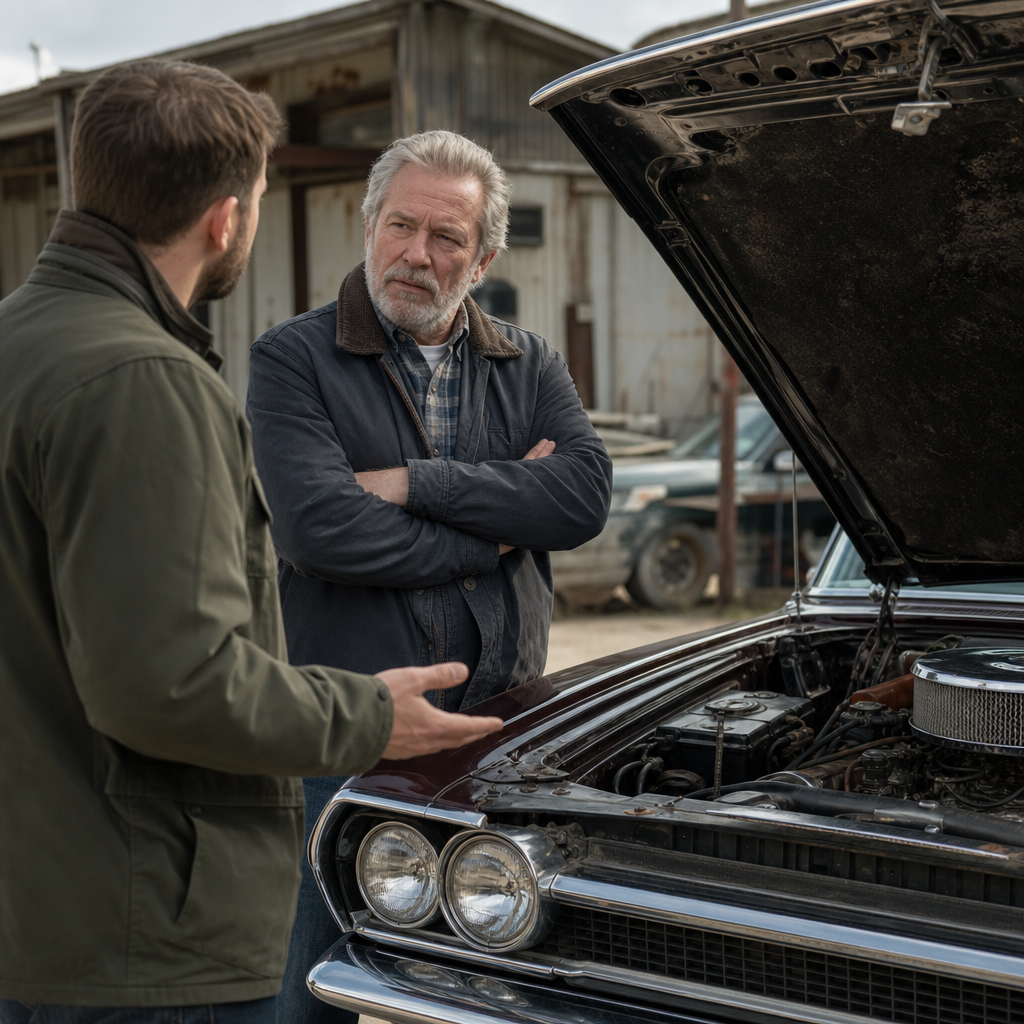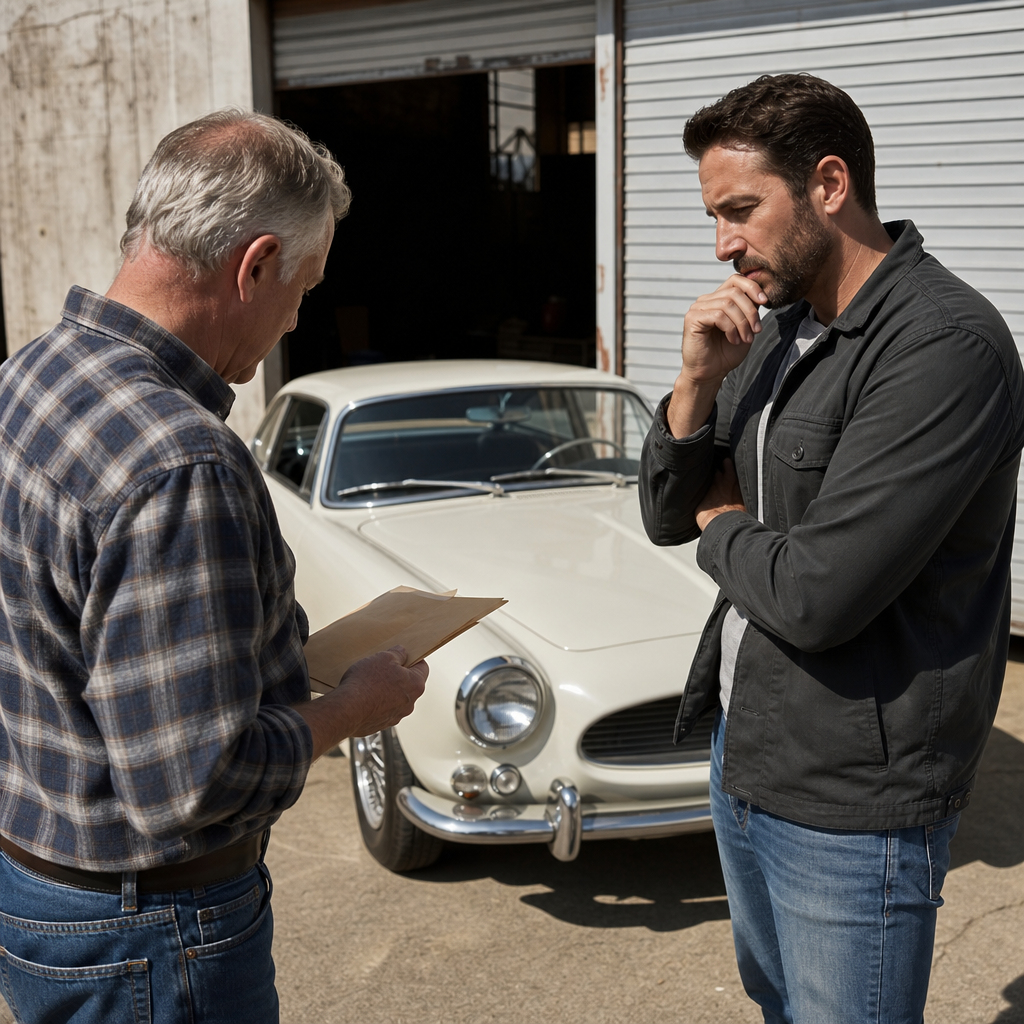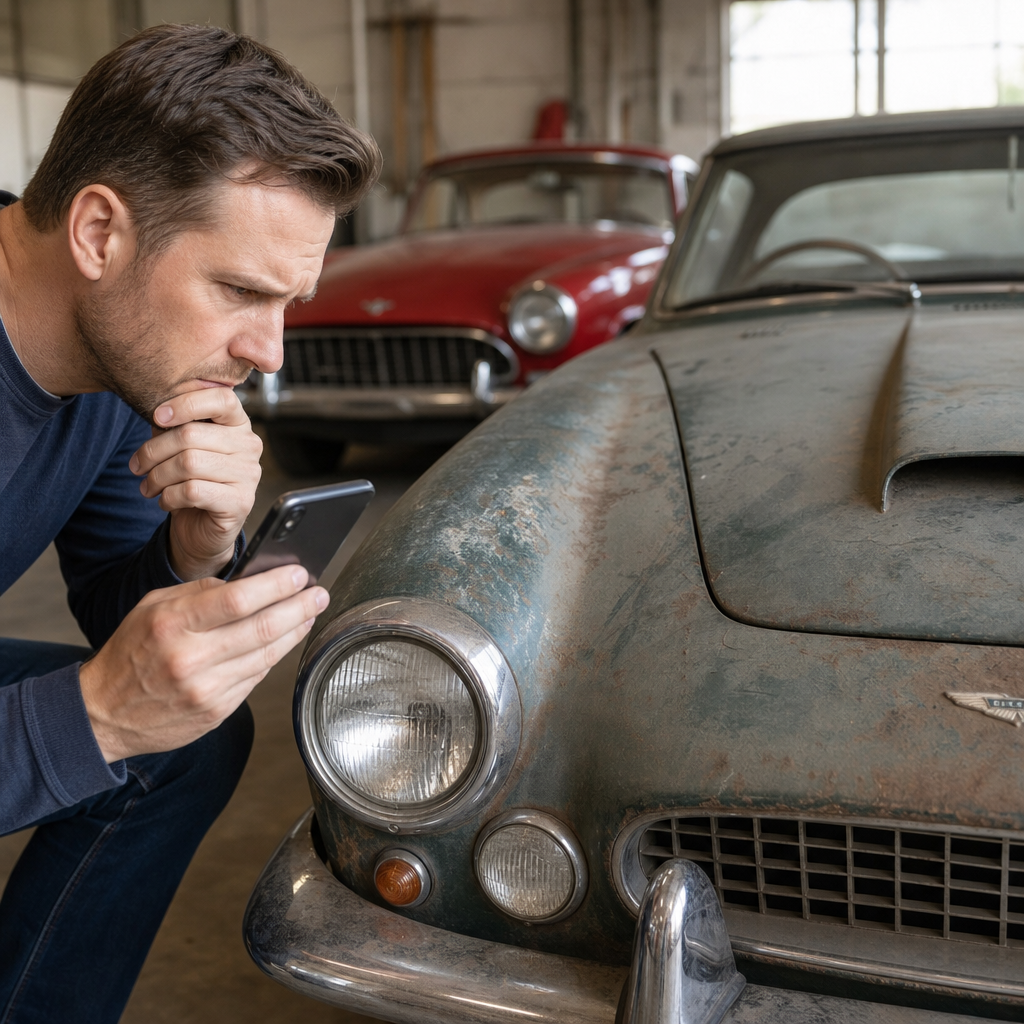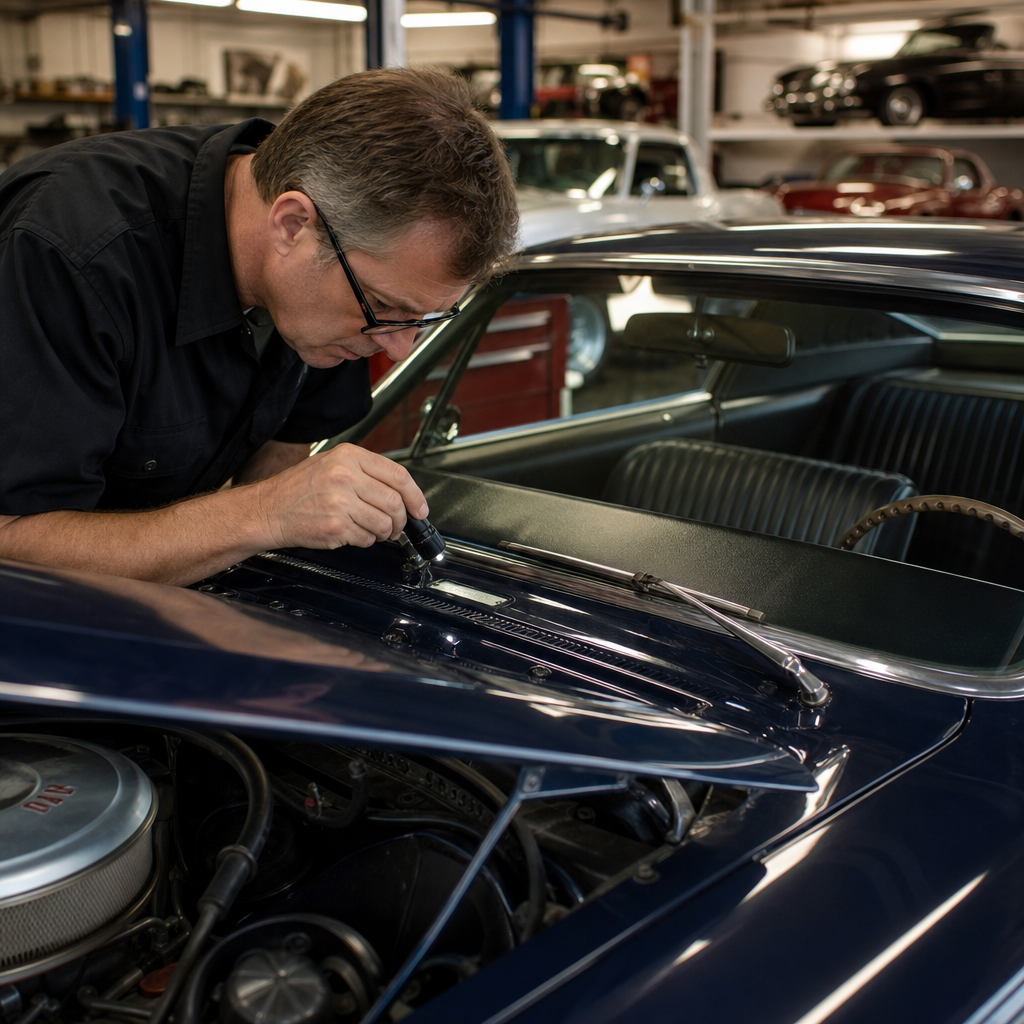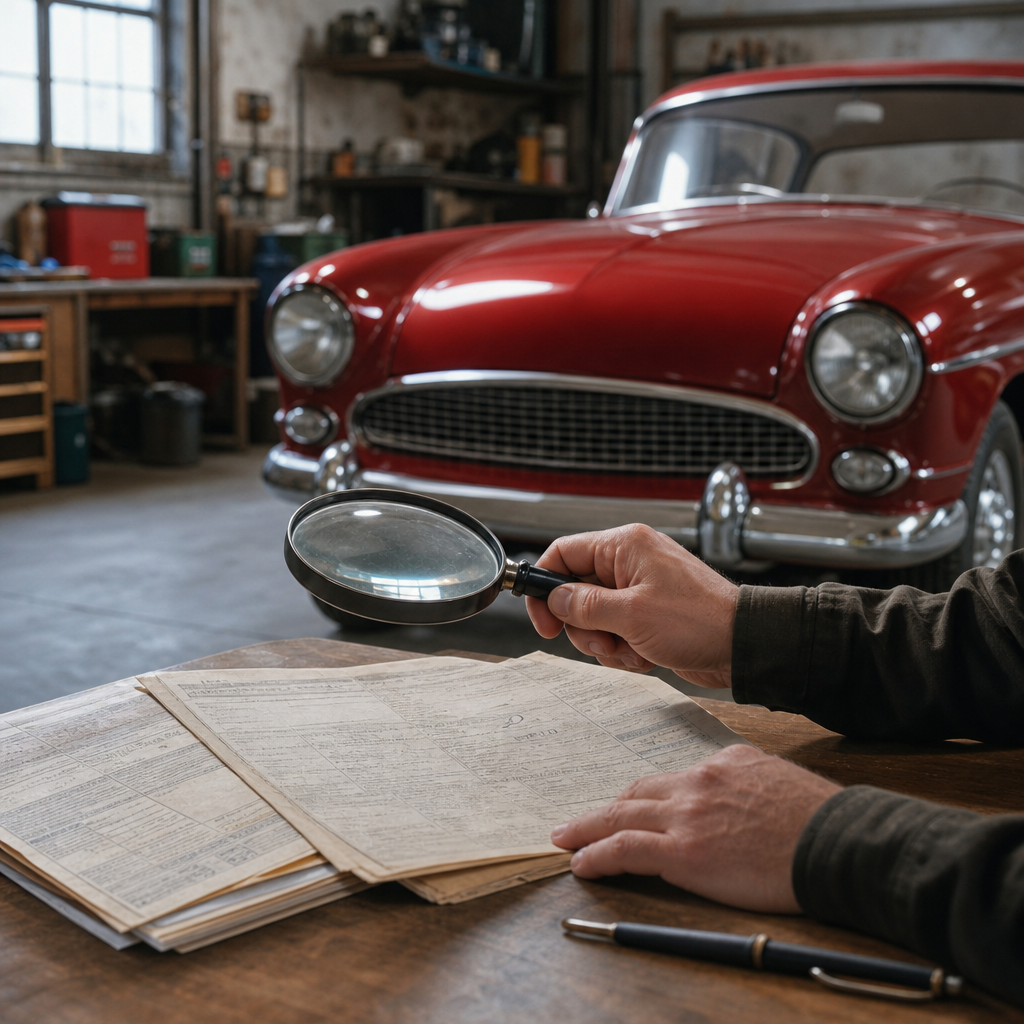

Negotiating the price of a classic car is less about haggling for sport and more about valuing history, condition, documentation, and risk with discipline. In the classic car market, two similar-looking vehicles can differ in value by tens of thousands of dollars because of provenance, originality, rust repair quality, matching-numbers status, or a weak paper trail. That is why negotiation strategies matter. If you overpay, you may spend years upside down on restoration costs. If you negotiate carelessly, you can lose a genuinely rare car to a more prepared buyer. I have bought and evaluated collector cars at auctions, private-party driveways, and dealer showrooms, and the buyers who consistently get fair deals are not the loudest. They are the most informed. A strong negotiation starts before you speak to the seller, continues through inspection and test drive, and ends only when the title, bill of sale, and agreed contingencies are in writing.
For this article, negotiation means the full process of establishing market value, identifying leverage, presenting evidence, managing timing, and closing on terms that protect both sides. Price is central, but it is not the only variable. Deposit size, transport timing, inclusion of spare parts, inspection contingencies, and who absorbs immediate repair costs can materially change the deal. Classic cars are especially nuanced because emotion often drives asking prices. Owners remember memories, restorations, and years of care; buyers must still evaluate the car against hard factors such as body integrity, mechanical health, authenticity, and liquidity in the current market. This guide explains how to negotiate the price of a classic car in a way that is credible, data-based, and respectful, so you can buy better cars at defensible prices and avoid expensive mistakes.
Start with market value, not the asking price
The first rule of classic car price negotiation is simple: never anchor yourself to the seller’s number. Build your own valuation range before you make contact. Use multiple sources, because no single guide captures the whole market. Hagerty Price Guide is useful for insured-value-oriented condition bands. Bring a Trailer and Cars & Bids show recent enthusiast-facing sale outcomes with photos and comment histories. Mecum, Barrett-Jackson, and RM Sotheby’s can reveal higher-end auction benchmarks, though fees and presentation quality influence results. Hemmings listings help you see dealer and private asking trends, while marque-specific forums often reveal what serious owners are actually paying.
When I prepare an offer, I create three numbers: top retail for a sorted example, current market for a good driver, and downside value if hidden issues appear. Then I adjust for the exact car. A 1967 Chevrolet Camaro with fresh paint but undocumented small-block replacement, non-original interior materials, and light underbody corrosion is not comparable to a documented, matching-numbers car with ownership records and recent compression numbers. Likewise, a Porsche 911 SC with service records, leak-down results, and dry torsion tube areas deserves a different valuation than one with glossy photos and no underside documentation. Asking price is marketing. Market value is evidence.
Condition grading matters because sellers often describe cars optimistically. Learn how the market distinguishes concours, excellent, good, and fair examples. In practice, many cars advertised as “show quality” are solid drivers with cosmetic compromises visible under natural light. Paint thickness readings, panel gaps, date-coded glass, upholstery stitching, and cold-start behavior reveal far more than polished listing language. If you know where the car truly sits on the condition ladder, you can explain your offer in objective terms instead of vague opinions.
Research the exact car and the exact seller
Strong negotiation strategies for classic cars depend on information asymmetry, and your goal is to reduce it. Research the vehicle’s VIN, engine stamping, chassis tag, body plate, and title status before discussing price. For American muscle, matching-numbers status can materially affect value. For European classics, original colors, factory options, and coachwork details may matter just as much. Order a vehicle history report when possible, but do not rely on it alone; many older vehicles have incomplete records. Request restoration receipts, ownership chronology, photos from before repaint or metalwork, and records of major work such as gearbox rebuilds, carburetor tuning, engine machining, or suspension refreshes.
The seller also matters. A long-term owner with organized binders, service invoices, and honest descriptions often prices from experience and may be open to reasonable evidence. A flipper may price aggressively based on cosmetic improvements while minimizing mechanical unknowns. A dealer may have floorplan pressure, month-end targets, or transport overhead shaping flexibility. An estate sale may prioritize speed and certainty over maximizing every last dollar. I have seen buyers save significant money simply by identifying whether the seller values convenience, reputation, or top price most. Negotiation is easier when you know what the other side is optimizing for.
Ask direct questions early. How long have you owned it? Why are you selling now? What does it need immediately? When was it last driven more than fifty miles? Is the mileage believed actual? Are there photos of the restoration? Has any rust repair been performed, and if so, where? A seller’s willingness and precision in answering often tells you as much as the answers themselves. Evasive language is not always proof of fraud, but it should change your valuation and your confidence level.
Inspect for leverage that is factual, not theatrical
The best leverage comes from defects, omissions, and future costs you can prove. During inspection, focus on value drivers that materially affect ownership cost and resale appeal: rust, accident repair, poor panel fit, weak compression, smoke on startup, cooling problems, electrical faults, transmission synchro wear, differential noise, brake pull, cracked weather seals, and missing documentation. On body-on-frame cars, inspect frame rails, trunk drops, floor pans, rocker areas, and suspension mounting points. On unibody cars, look closely at strut towers, inner fenders, windshield channels, and jack points. A magnet, flashlight, paint meter, borescope, and mirror are practical tools, not gimmicks.
Keep your tone clinical. Sellers shut down when buyers perform outrage. Instead of saying, “This thing is a mess,” say, “I’m seeing bubbling at the lower fender, overspray on the weather stripping, and paint meter readings that suggest filler on the passenger quarter. That affects my number because metal correction is expensive.” If the car drives well but grinds into second gear when warm, note the likely repair path and cost range. If the air conditioning is inoperative on a 1980s grand tourer, calculate compressor, hoses, refrigerant conversion, and labor rather than dismissing it as minor. Specificity builds credibility.
| Issue found | Why it matters in negotiation | Typical price impact logic |
|---|---|---|
| Non-matching engine | Reduces originality and may narrow future buyer pool | Discount against comparable matching-numbers sales |
| Rust in structural areas | Metal repair is costly and often uncovers more damage | Subtract realistic restoration cost plus contingency |
| No service records | Raises uncertainty around maintenance and rebuild claims | Price as a riskier example, not a documented one |
| Poor repaint quality | Cosmetic correction is expensive and affects presentation | Adjust toward driver-grade market values |
| Needs tires, brakes, seals | Immediate ownership costs transfer to the buyer | Deduct near-term parts and labor expenses |
A pre-purchase inspection from a marque specialist is one of the strongest negotiating tools available. For air-cooled Porsches, that means someone who knows head studs, oil leaks, and gearbox behavior. For British roadsters, you want a shop familiar with SU carbs, Lucas electrics, and rust points hidden beneath fresh undercoating. For vintage Mercedes, service history and injection system health can be decisive. A written inspection report turns your concerns into third-party evidence, which is far more persuasive than amateur speculation.
Build an offer that is low enough to work and strong enough to be taken seriously
Many buyers fail because they confuse a low offer with a smart offer. A smart offer is anchored to comparables, inspection findings, and transaction certainty. Start by identifying your walk-away number, then present an opening offer that leaves room to move without insulting the seller. On a properly priced car, that may be 5 to 10 percent below your target. On an overpriced car with real faults, the gap can be larger, but it must still be explained. “I’m at $42,000 because comparable driver-quality examples have sold between $40,000 and $45,000, this car needs tires, the A/C system is inoperative, and there is rust evidence at the rear valance,” is a serious offer. “I’ll give you thirty cash today,” usually is not.
Use silence well after making your offer. Sellers often fill silence with useful information, whether that is flexibility, another buyer’s status, or the real reason they cannot move further. Avoid negotiating against yourself by revising upward too quickly. If the seller counters, ask what specifically supports that number. Sometimes the answer reveals genuine value you had not fully credited, such as a recent transmission rebuild, rare factory options, or included original take-off parts. Other times it exposes unsupported optimism, which helps you hold your ground.
Make terms part of the structure. A seller may refuse your price but accept a faster close, a non-refundable deposit after inspection, or a split on enclosed transport. On project cars, inclusion of spare trim, extra wheels, hard-to-find glass, manuals, or original seats can save thousands later. If the seller recently serviced the car, ask for all receipts and removed parts. Every tangible item included in the deal has value, and good negotiators price the whole package, not just the headline number.
Use timing, psychology, and venue to your advantage
Classic car negotiation strategies change by venue. At auction, price discovery is public, emotional, and compressed. Buyers must account for premium fees, transport, and the impossibility of a long reflective pause. In private-party sales, rapport and trust matter more, and patient follow-up can outperform aggressive bidding. At dealerships, inventory age, seasonality, and financing traffic create different leverage points. Convertibles often soften in cold months. Large collectible SUVs may move better before summer events. Tax timing, estate deadlines, and garage-space pressure can all influence seller flexibility.
Psychology matters, but manipulation usually backfires. The goal is not to “win” by dominating the seller; it is to make acceptance feel rational and safe. Show that you understand the car. Compliment the right things honestly, such as documented ownership, tidy wiring, factory spot weld visibility, or complete books and tools. Owners of classic cars often want the vehicle to go to someone who appreciates it. I have seen reasonable offers accepted over slightly higher numbers because the buyer communicated competence, seriousness, and a plan to care for the car. Confidence plus respect closes deals.
Timing your follow-up is especially effective. If a car has sat for several weeks, reapproach with fresh comparables and a clean, executable proposal. If a no-reserve auction result for a similar car comes in below expectations, use it carefully as a market signal, not as a cudgel. If the seller says they have multiple interested parties, ask a clarifying question: “Have you received a deposit-backed offer?” Real competition affects strategy; vague interest should not force you past your limit.
Avoid common negotiation mistakes that cost buyers money
The biggest mistake is falling in love before due diligence is complete. The second is negotiating only on monthly budget or transport cost instead of total acquisition cost. The third is ignoring title, authenticity, or legal issues because the car presents well cosmetically. A beautifully detailed classic with a title discrepancy, rebodied history, or undisclosed VIN issue can become difficult or impossible to resell cleanly. Never let urgency override document review.
Another common error is using restoration cost as a blanket justification for a very low offer. Sellers know sunk costs do not equal market value, but they also know buyers often exaggerate repair estimates. Be realistic. If a seat cover replacement is a few hundred dollars, do not claim it is a five-thousand-dollar problem. Precision creates trust; inflated deductions destroy it. Similarly, do not quote national auction highs to justify your own asking assumptions when you are buying a local driver-grade example. Use truly comparable sales and explain your adjustments.
Finally, do not skip the closing details. Put the agreed price, deposit terms, included parts, title status, VIN, odometer disclosure if applicable, and any inspection contingency in writing. Confirm how payment will be made and when the car and documents will change hands. If the car is crossing state lines, understand registration requirements, emissions exemptions, and whether the title format differs for older vehicles. Negotiation is not finished when the seller says yes. It is finished when the paperwork and possession align with the deal you thought you made.
Learning how to negotiate the price of a classic car gives you a lasting advantage because every future purchase builds on the same disciplined habits: research the market, verify the car, inspect for costly realities, and present a documented offer with clean terms. The best buyers are not adversarial. They are prepared, specific, and calm. They know when originality deserves a premium, when hidden rust demands a discount, and when an honest seller is worth meeting in the middle. That approach protects your budget, improves the quality of the cars you buy, and reduces the chance of inheriting somebody else’s expensive shortcuts.
As the negotiation hub within buying and selling classic cars, this guide should shape how you approach every transaction, whether you are chasing a first-project Mustang, a sorted MGB, an air-cooled 911, or a six-figure muscle car. Use comparables instead of emotion, inspections instead of assumptions, and written terms instead of verbal promises. If you apply these negotiation strategies consistently, you will pay closer to true market value and own cars with stronger long-term prospects. Before you make your next offer, gather your comps, book a specialist inspection, and decide your walk-away number in advance.
Frequently Asked Questions
What should I research before negotiating the price of a classic car?
Before you make an offer, you need to understand exactly what you are buying and how the market values it. Start with recent sales data for the same make, model, year, trim level, engine, and transmission. Broad price guides can help, but they are only a starting point. In the classic car world, value often depends on details that casual buyers miss, such as matching-numbers status, factory options, originality of paint and interior, quality of restoration work, and whether the car has documented ownership history. Two cars that look nearly identical in photos can carry dramatically different values once you account for those factors.
You should also research known trouble spots for that specific model. Common corrosion areas, weak drivetrains, hard-to-source trim pieces, and costly mechanical systems all affect negotiating leverage. A seller may describe a car as “restored” or “driver quality,” but those terms can mean very different things unless you know what proper restoration and honest driver condition look like for that vehicle. Study expert forums, auction listings, marque clubs, and restoration resources so you can identify what is original, what is reproduced, and what is missing.
Documentation matters just as much as the car itself. Service records, ownership history, restoration receipts, factory build sheets, authenticity certificates, and inspection reports can support a higher asking price when they are complete and credible. On the other hand, missing paperwork, gaps in title history, or unclear engine and chassis numbers introduce risk, and risk should lower price. Strong negotiation starts with a clear picture of market value, expected future costs, and the seller’s ability to prove the car’s story.
How do I know if a seller’s asking price is fair for a classic car?
A fair asking price is one that aligns with the car’s real condition, originality, documentation, and current market demand, not just the seller’s emotional attachment or money invested. Sellers often anchor prices to restoration expenses, rarity claims, or sentimental value, but buyers should focus on what the market will actually support. Compare the car with verified recent sales, not just optimistic listings still sitting unsold. A car priced in line with proven transactions, adjusted for condition and provenance, is far more likely to be fairly valued.
Condition must be judged carefully because cosmetic appearance can hide expensive problems. Fresh paint may conceal rust repair, filler, accident damage, or poor panel alignment. A clean interior does not guarantee a healthy drivetrain, and a shiny engine bay does not confirm correct components. If the car has been restored, assess whether it was done to concours standards, high-quality driver standards, or cosmetic resale standards. The quality of metalwork, paint preparation, fit and finish, mechanical rebuilding, and authenticity all influence fair value. In many cases, a highly original survivor with documented history can be worth more than a restored example with uncertain workmanship.
The seller’s paperwork also plays a major role in fairness. Matching-numbers verification, ownership records, restoration invoices, and period-correct documentation reduce uncertainty and support stronger pricing. If the seller cannot prove major claims about the car, those claims should not be fully priced in. A fair price reflects what can be demonstrated, not what is merely asserted. The smartest approach is to build your own valuation range, then decide whether the asking price falls within it after accounting for immediate repairs, deferred maintenance, transport, insurance, and registration costs.
What problems should I use as leverage during a classic car negotiation?
The most effective negotiating points are objective issues that create cost, uncertainty, or future risk. Rust is one of the biggest examples because it can be far more expensive to repair than it appears at first glance. Surface rust, bubbling paint, corroded floor pans, trunk damage, rocker issues, frame deterioration, and poorly executed past repairs all deserve serious attention. Structural rust and hidden corrosion are especially powerful negotiation points because they can turn a seemingly affordable purchase into a major restoration project.
Mechanical issues also provide legitimate leverage. Oil leaks, smoke on startup, weak compression, transmission problems, cooling issues, brake deficiencies, suspension wear, electrical faults, and non-functioning gauges all translate directly into repair costs. Missing or incorrect parts matter too, especially on rare classics where original carburetors, trim, wheels, radios, glass, or date-coded components are expensive and difficult to find. If the car is advertised as original or numbers-matching, any discrepancy in engine, transmission, rear axle, body tags, or major components can materially affect value.
Paperwork shortcomings are another major negotiating factor. Incomplete service history, unclear title status, undocumented restorations, gaps in ownership history, and missing authenticity records reduce confidence and increase the chance of surprises later. Even if the car looks strong in person, a weak paper trail should be reflected in price. The key is to present these issues calmly and specifically. Rather than simply saying the car is overpriced, explain what each problem means in terms of parts, labor, time, and resale impact. That kind of disciplined, evidence-based approach is far more persuasive than aggressive haggling.
Should I get a pre-purchase inspection before making an offer on a classic car?
Yes, in most cases a pre-purchase inspection is one of the smartest investments you can make. Classic cars carry risks that are not always visible during a casual viewing or test drive. An experienced inspector, ideally one who knows the specific make or era, can identify hidden rust, prior collision repairs, poor restoration work, incorrect components, fluid leaks, compression issues, suspension wear, brake concerns, and electrical problems that materially affect value. The cost of the inspection is usually small compared with the financial consequences of overpaying for a car with major undisclosed issues.
An inspection also strengthens your negotiating position because it replaces opinion with evidence. Instead of relying on your own impression or the seller’s assurances, you can negotiate from a written assessment of condition and likely repair needs. If the report identifies weak paintwork, underbody corrosion, engine seepage, tired bushings, or non-original driveline components, you have concrete reasons to adjust your offer. In some cases, the inspection may even reveal that the car is worth pursuing at the seller’s price because its condition is better than expected. Either outcome is valuable because it helps you make a disciplined decision.
Just as important, a pre-purchase inspection can prevent emotional buying. Many classic car purchases are driven by nostalgia, rarity, or the excitement of finding a long-desired model. That emotional energy can push buyers to ignore red flags. An independent inspection introduces a pause and a professional perspective. If the seller refuses a reasonable inspection request, that alone should raise concern and may justify either a much lower offer or walking away entirely. In classic car negotiation, protecting yourself is often more important than winning a small discount.
What is the best way to make an offer without offending the seller?
The best approach is respectful, informed, and specific. Classic car sellers are often emotionally connected to their vehicles, and a careless low offer can shut down productive discussion. Instead of throwing out an aggressive number with no explanation, start by acknowledging the car’s strengths. If the paint presents well, the interior is attractive, the model is desirable, or the seller has assembled useful records, say so. Then explain that your offer reflects the total picture, including the car’s condition, originality, documentation, and the costs you will need to absorb after purchase.
Your offer should be tied to evidence. Reference comparable sales, inspection findings, missing documentation, rust concerns, mechanical issues, or incorrect components. This keeps the conversation grounded in value rather than ego. For example, if the car needs brake work, tires, sorting of electrical faults, and attention to old rust repair, explain that these items create immediate expense and risk. Sellers may not agree with every adjustment, but they are far more likely to engage when they see that your number is based on facts instead of opportunism.
It also helps to be clear, calm, and ready to act. A serious buyer with funds in place, transport plans ready, and a willingness to close promptly often gets better consideration than a buyer who negotiates hard but seems uncertain. If the seller counters, listen carefully and look for areas where value can be bridged, such as included spare parts, extra documentation, recent service, or flexibility on timing. Most importantly, know your ceiling before the conversation begins. The goal is not to “win” the negotiation at all costs. The goal is to buy the right classic car at a price that makes sense given its history, condition, and long-term financial reality.